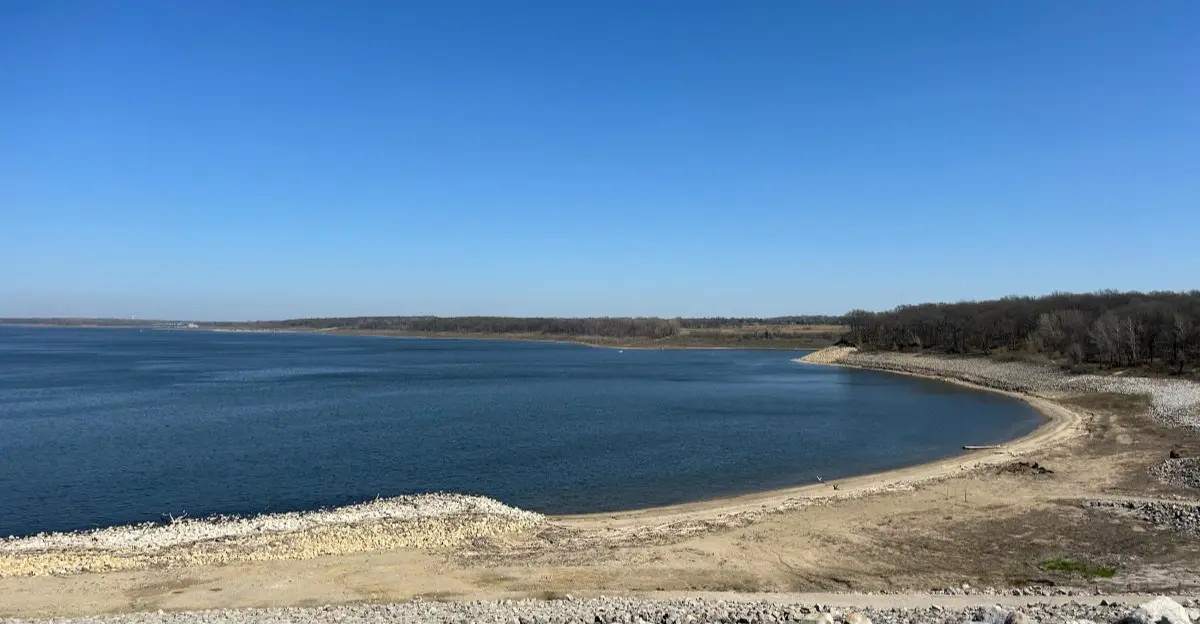
Some Iowa back roads simply stop at the edge of the water, as if they forgot where they were going. They did not forget.
Before a big dam rose on the Des Moines River north of Des Moines, the valley below held farms, homes, churches, and a small community whose story slipped quietly beneath the surface.
Today, thousands of people launch boats, pitch tents, and pedal bike trails on top of that history without knowing it.
The lake that replaced the valley is now one of the most loved outdoor spots in central Iowa.
This article digs into the hidden past, then shows what makes the place worth a trip now, from campgrounds and trails to sunset spots and quiet winter days.
Stick around, because the story under the water is only half the fun.
Where the Valley Used to Be
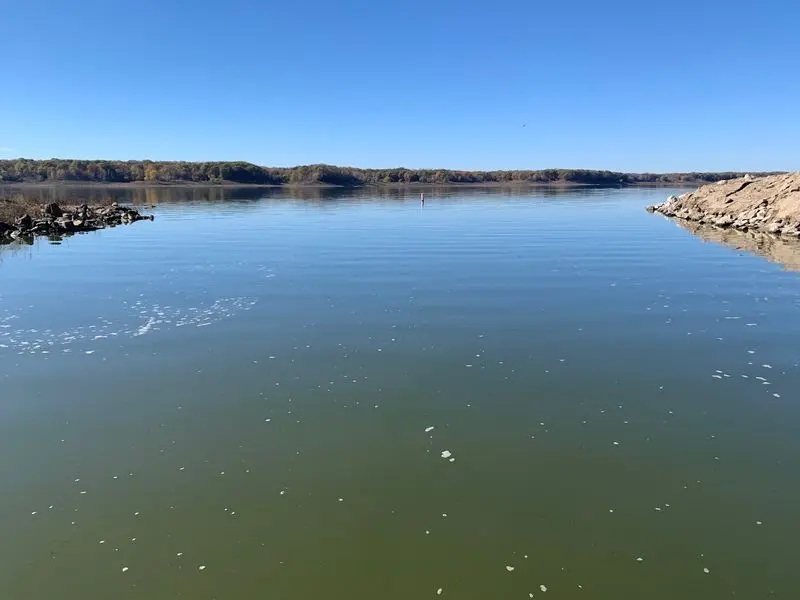
Every lake has an address, even one that swallowed a valley. Saylorville Lake sits on the Des Moines River just north of Des Moines, in Iowa, USA.
The best starting point is the Saylorville Lake Visitor Center at 5600 NW 78th Avenue, Johnston, Iowa 50131. It is run by the U.S.
Army Corps of Engineers, the same agency that built and still manages the reservoir.
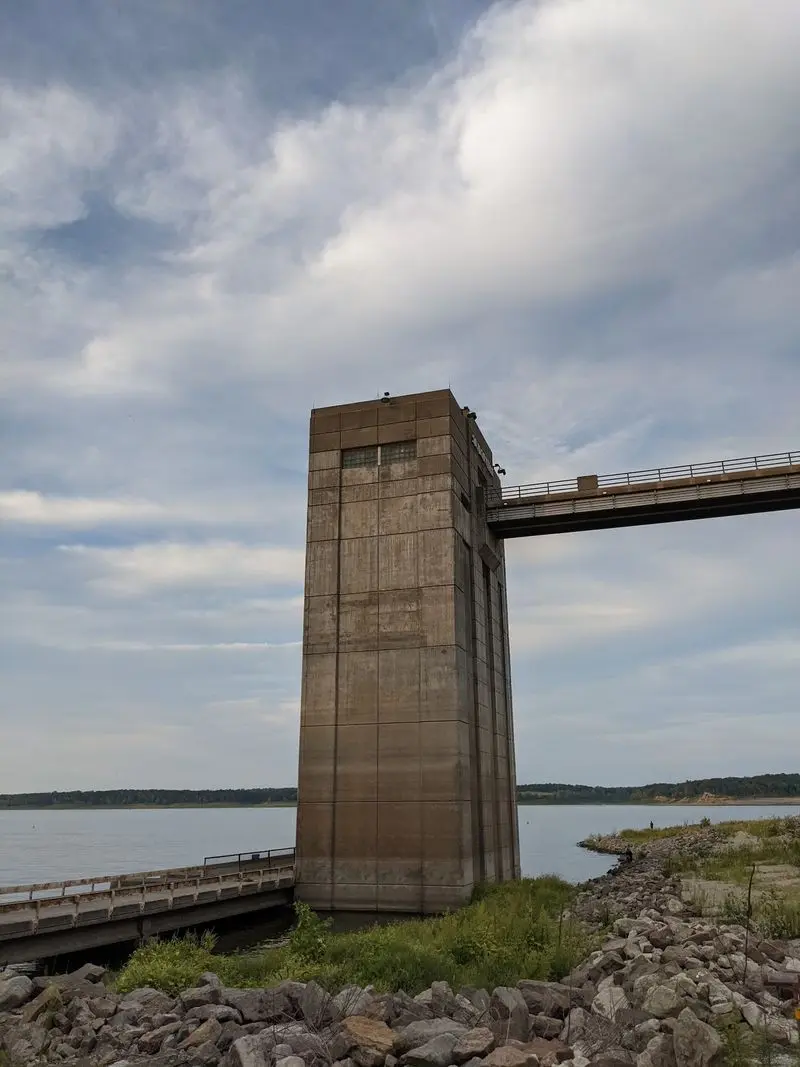
From the visitor center, you can look out over the dam and the water that now fills the old river valley. Exhibits inside explain how the project came together and why it mattered to the region.
The lake stretches north for miles, touching towns like Johnston, Ankeny, and Polk City along its shores. That size surprises many first-timers who expect a small pond.
Grab a map at the front desk before you head out. Parks, boat ramps, and campgrounds are scattered around the shoreline, and knowing the layout saves a lot of wrong turns.
Consider this spot your front door to the whole story.
A Community Under the Waterline
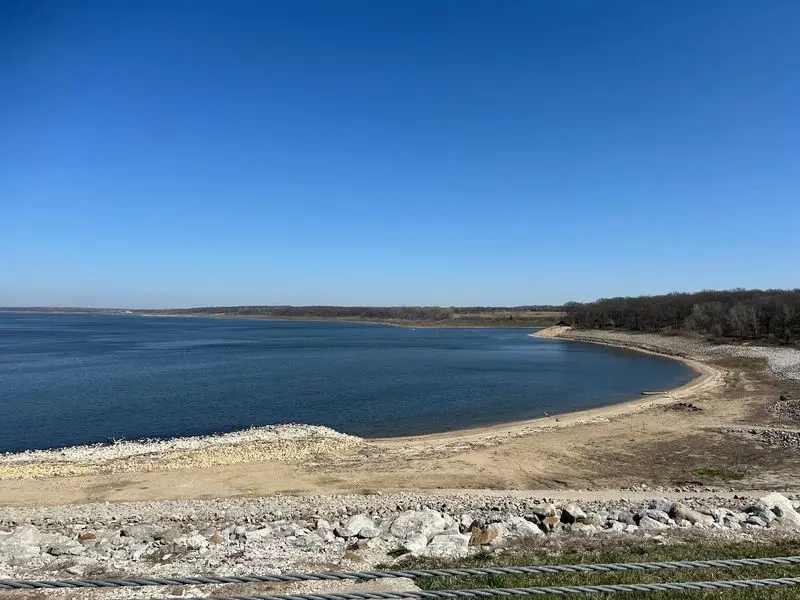
History has a funny way of hiding in plain sight. Long before boats cruised here, the Des Moines River valley north of the city was home to farm families, small settlements, and coal mining communities.
When the federal government approved the reservoir, land in the valley had to be bought and cleared. Homes were moved or taken down, and roads were closed off for good.
A whole local way of life faded away to make room for the water. Some of the people who lived there carried their memories with them to nearby towns.
That is the part most Iowans never hear about. The lake looks so natural today that it is easy to assume it has always been there.
Local historical groups and the visitor center are the best places to learn more. Ask staff about the valley before the dam, and you may hear stories that never made the travel brochures.
Knowing what came first adds real weight to a quiet afternoon on the shore.
Why Iowa Built a Giant Lake
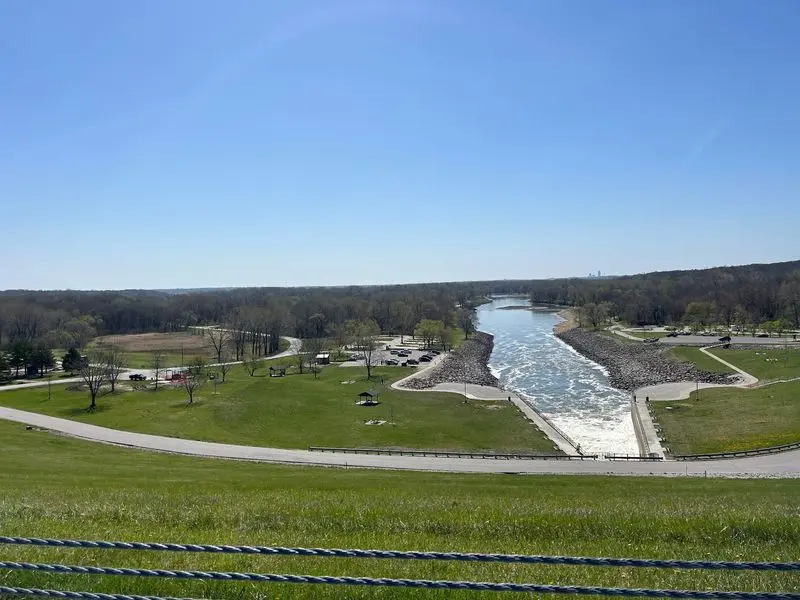
Floods were the reason, plain and simple. The Des Moines River had a long habit of spilling over and causing trouble for Des Moines and the communities downstream.
Congress authorized the Saylorville project in the Flood Control Act of 1958. Construction started in the 1960s, and the dam was finished in the late 1970s.
The idea was to hold back high water during heavy rains and release it slowly. Over the years, the reservoir has helped protect Des Moines from serious flooding many times.
During the Great Flood of 1993, water even poured over the emergency spillway. That event proved just how much the river could throw at the region.
Recreation was part of the plan from the start, too. Parks, trails, and campgrounds were added so the public could enjoy the land around the lake.
So the next time you toss a line or spread out a picnic blanket, remember the main job here is keeping a capital city dry. Fun is a very welcome bonus.
The Bridge Everyone Talks About
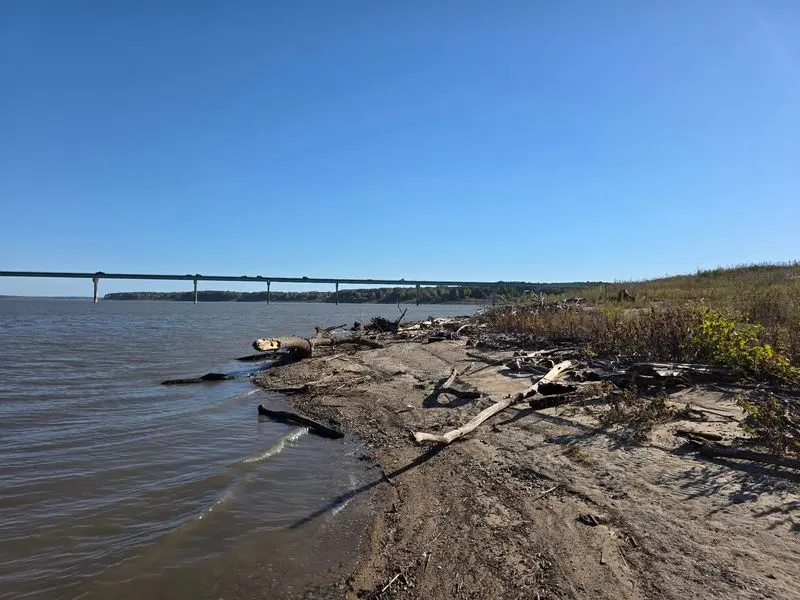
A mile is a long way to drive over water, and plenty of locals know this crossing by heart. The Mile Long Bridge near Polk City carries traffic across one of the widest parts of Saylorville Lake.
For many families, crossing it is a little ritual on the way to the lake. Kids press their faces to the windows to count the boats below.
The bridge area is also popular with anglers. Catfishing near the bridge is a common sight, especially in warm months.
Shoreline access can be tricky in some spots because the banks are steep and rough. Plan to walk a bit, and wear sturdy shoes rather than flip-flops.
Polk City itself makes a handy stop before or after a lake day. You can grab supplies, stretch your legs, and then head back toward the water.
Some landmarks are famous for their beauty, while others are famous for simply being part of the drive. This one somehow manages both.
Campgrounds With Real Personality
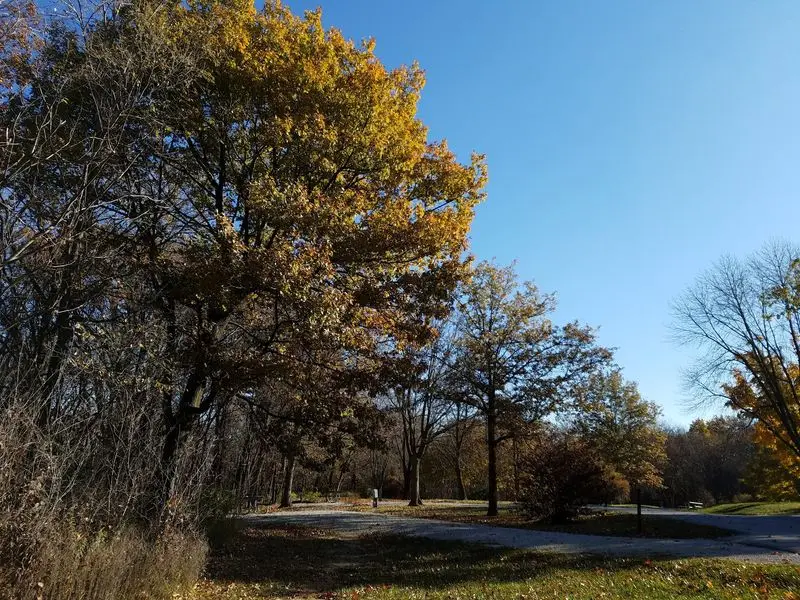
Camping is the number one reason many folks return here year after year. The lake has several Army Corps campgrounds, each with its own style.
Prairie Flower Campground is known for spread-out sites, clean restrooms, and quick access to the bike trail. It suits campers who want room to breathe.
Acorn Valley is another favorite, with well-kept sites and bathrooms that offer plenty of hot water. That little detail matters a lot after a long day outdoors.
Cherry Glen and Bob Shetler are also part of the campground lineup around the lake. Options range from basic tent spots to sites with electric hookups for campers and RVs.
Reservations are usually made through Recreation.gov, and summer weekends fill up fast. Book early if you have a specific date in mind.
Construction has closed certain areas in past seasons, so check the official Corps website before you pack the car. A two-minute check can save a whole weekend of frustration.
Pedal Power on the Neal Smith Trail
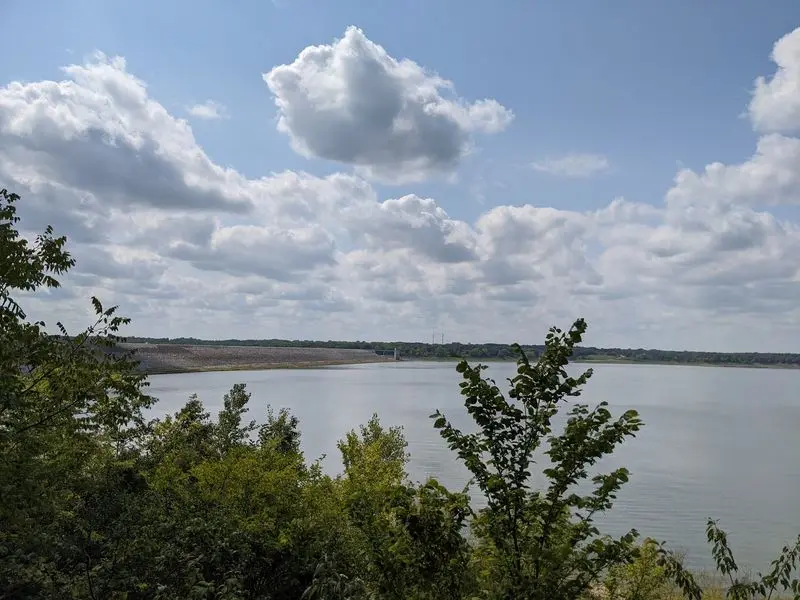
Here is a fun fact for cyclists: you can ride from the Des Moines area all the way up toward the lake on a paved path. The Neal Smith Trail follows the river and connects to the trails around Saylorville.
The route passes campgrounds, prairie areas, and lake overlooks. It works well for walking, running, and biking.
Families like it because much of the path is separate from busy roads. Kids can ride without dodging traffic at every turn.
The trail also links up with the larger central Iowa trail network. That means longer rides are possible for anyone with strong legs and a full water bottle.
Sections near campgrounds sometimes close for repairs. A quick look at the Polk County or Corps updates will tell you what is open.
Bring a helmet, a snack, and a plan to stop at the dam overlook. The trail rewards anyone willing to trade the car keys for a set of pedals.
Boats, Pontoons, and a Busy Marina
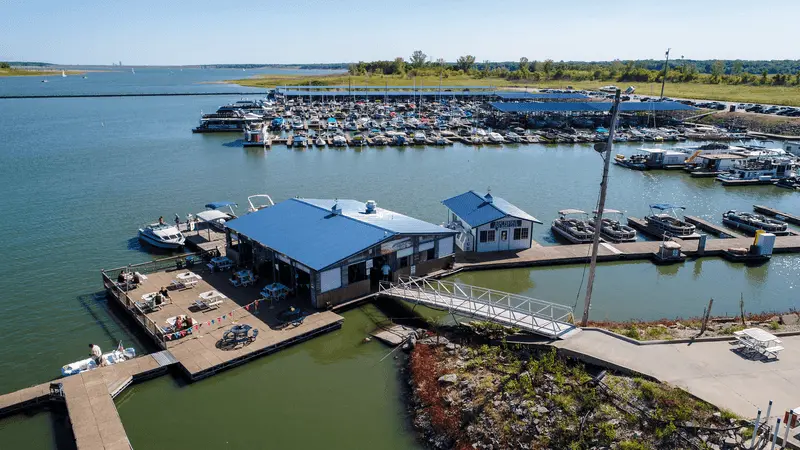
Big water calls for a boat, and Saylorville delivers. The lake covers thousands of acres at normal levels, giving boaters plenty of space to roam.
Saylorville Lake Marina offers slips, supplies, and pontoon rentals. Staff there are known for helping guests load up and sharing local tips before they head out.
Tubing, skiing, and swimming are all popular on warm days. Weekends with good weather can get crowded, especially near the boat ramps.
Families with kids often find weekday evenings much calmer. Heading out after work can mean smoother water and shorter lines at the launch.
Several public boat ramps sit around the lake, managed by the Corps. Check water levels before you go, because they can change a lot depending on rain upstream.
Life jackets are a must, and Iowa boating rules apply here. Once the safety checklist is done, the only tough decision left is whether to cruise north or south first.
Fishing for Catfish and Surprises
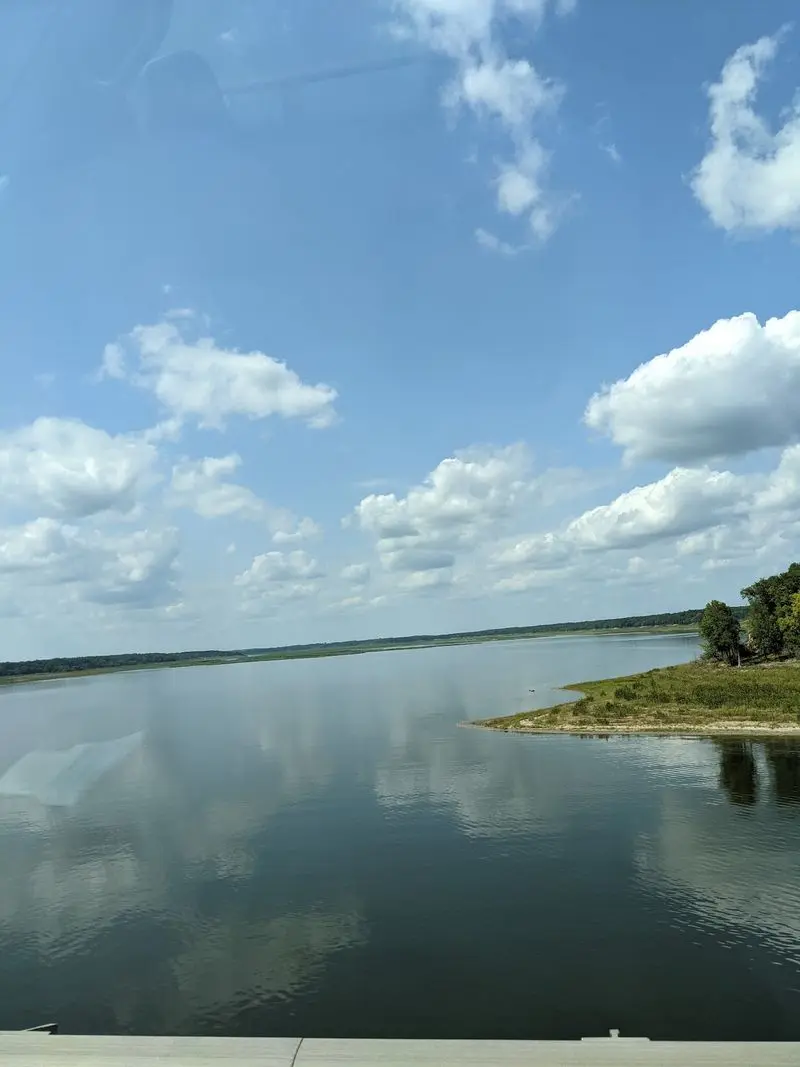
Catfish rule the conversation among local anglers. Channel catfish are a common catch, and many people try their luck near the bridge areas.
The lake also holds crappie, walleye, and white bass, among other species. Some anglers pull in surprisingly impressive fish here.
One honest tip: shoreline fishing is not always easy. Because water levels sit well below the original high banks in places, reaching the edge can mean a rough hike.
Boat access areas, beaches, and coves like Cherry Glen are often easier spots. They save your knees and your tackle box.
An Iowa fishing license is required for anyone old enough, so buy one online before the trip. The Iowa Department of Natural Resources also posts fishing reports for the lake.
Quiet weekday mornings are a good bet for crowd-free casting. Bring patience, a sturdy rod, and maybe a camera, because the fish stories here sometimes turn out to be true.
Sand, Shelters, and Picnic Days
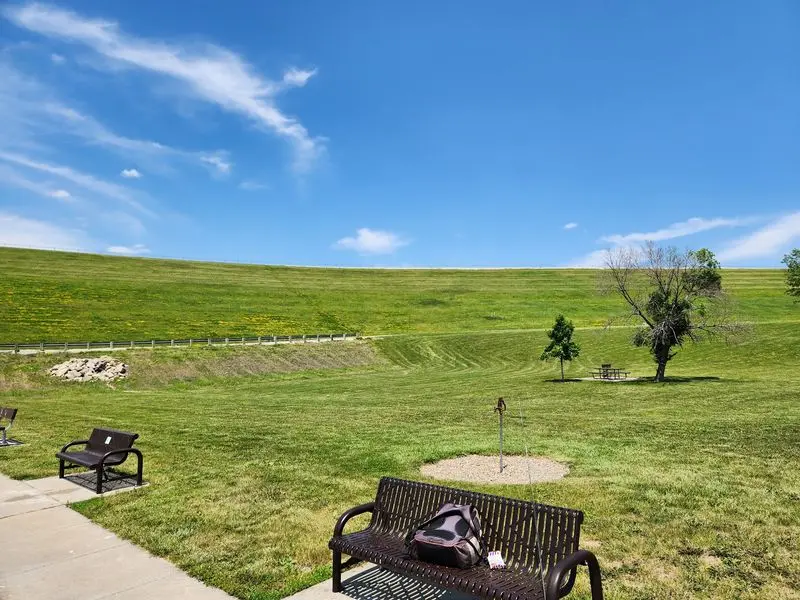
Not every lake trip needs a boat or a tent. Sometimes all you need is a picnic table and a free afternoon.
Saylorville has designated beach areas for swimming during the warm season. Sandpiper Beach is one of the best-known spots for a family swim day.
Shelter houses with grills are scattered around the parks. They work well for birthday parties, reunions, and casual get-togethers.
Many shelters can be reserved ahead of time, which is smart for summer weekends. Open picnic areas are also available on a first-come basis.
Pull-offs along the park roads let you stop for a view or a stretch. Those little breaks are perfect for families with restless kids in the back seat.
Pack out your trash and leave the shoreline cleaner than you found it. The parks are well kept, and every guest helps keep them that way.
A good picnic leaves memories behind, not wrappers.
Butterflies and Prairie Wildlife
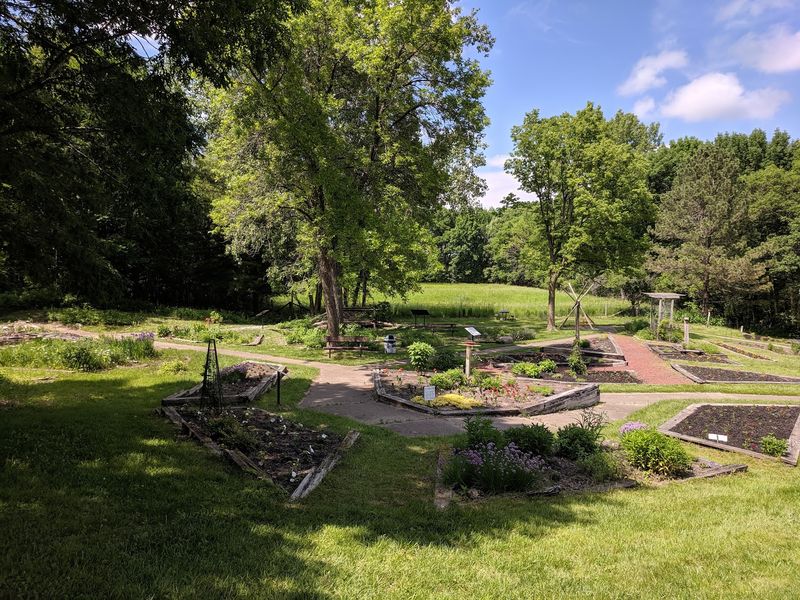
Small wings get big attention near the visitor center. A butterfly garden there showcases native plants that attract pollinators all season.
Beyond the garden, the lake is surrounded by wetlands and restored prairie. That habitat supports deer, wild turkeys, songbirds, and waterfowl.
Bald eagles are often spotted around the dam in colder months. Bring binoculars and check the open water below the spillway.
Hunting is allowed in certain areas under Iowa rules, while other zones are off limits. Rangers can explain which areas are open and when.
The prairie itself tells part of the valley story. Much of it was planted after the dam was built, giving the land a new life above the water.
Hiking trails wind through these areas, and many are easy enough for beginners. Keep a field guide handy if you like naming what you see.
A slow walk here can turn into a surprise lesson in Iowa nature.
Sunsets and the Off-Season Secret
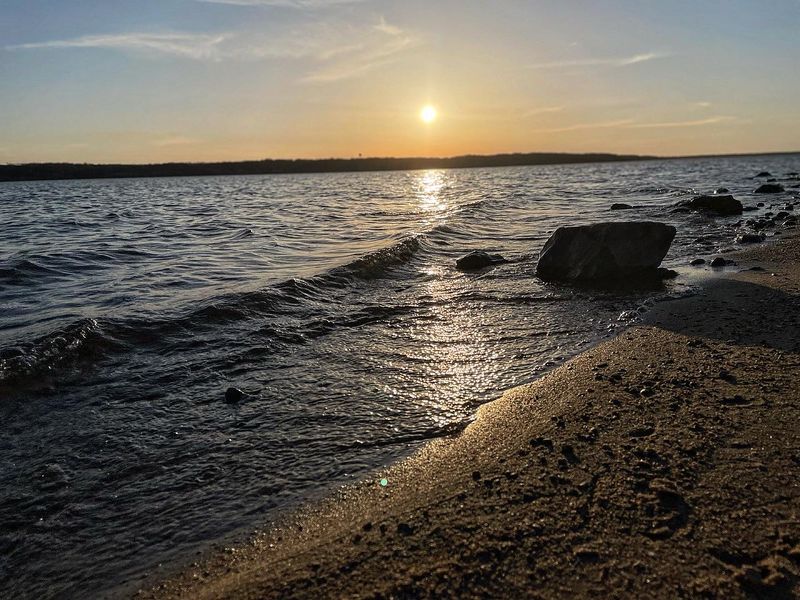
Evenings might be the lake’s best-kept secret. Sunset is a favorite time for locals to park at an overlook and watch the day wrap up over the water.
Overlooks near the dam and along the park roads make easy viewing spots. Arrive a little early to grab a good parking place.
Winter brings a completely different mood. Crowds disappear, and the parks become calm and quiet.
Cold months are great for eagle watching, brisk hikes, and photography. Just dress in layers and check road conditions first.
Spring and fall offer mild weather and fewer people than peak summer. Weekdays in any season tend to be calmer than weekends.
Dogs are welcome in many areas on a leash, so your four-legged pal can tag along. Bring water and bags for cleanup.
Timing really is everything here. Pick the right hour, and the lake feels like it belongs to you alone.
Smart Tips Before You Go
A little planning turns a good lake day into a great one. Start with the official U.S.
Army Corps of Engineers Rock Island District website for closures and updates.
Water levels can shift a lot, which affects boat ramps and beaches. Checking ahead keeps surprises to a minimum.
Reserve campsites and shelters early for summer weekends. Spots near the water go first.
Wear sturdy shoes if you plan to fish from shore or explore off the main paths. Some banks are steep and uneven.
Bring sunscreen, plenty of water, and a trash bag. Keeping the shoreline clean is a shared job.
Stop by the visitor center to learn about the dam and the valley that existed before it. Exhibits there connect the fun with the history.
Every trip here sits on top of a story most people never hear. Now that you know it, the lake will never look quite the same, and honestly, that makes it even better.