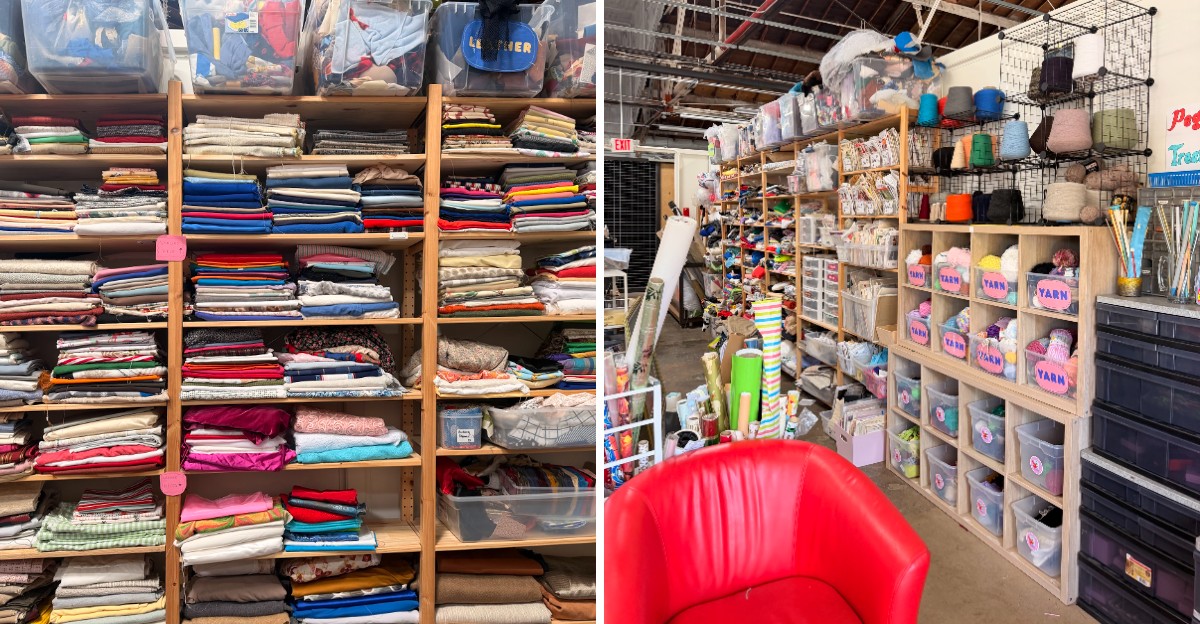
A brown paper bag sits on a front table, waiting to be filled with yarn, stickers, paintbrushes, and old sewing patterns.
Shoppers grab one, wander the packed shelves, and then decide for themselves what the haul is worth.
There is a suggested amount, but nobody is checking your math.
This Dallas shop has turned leftover craft supplies into a full community project, and it keeps piles of perfectly good materials out of the trash.
The concept sounds almost too simple, yet it has earned a loyal following of artists, parents, teachers, and budget crafters.
Some drive across town, and some come from other cities just to dig through the bins.
Keep reading to learn how the bag system works, what turns up on the shelves, how donations get traded for credit, and the smart timing tricks that help you leave with the good stuff.
The Shop Hiding in Oak Cliff
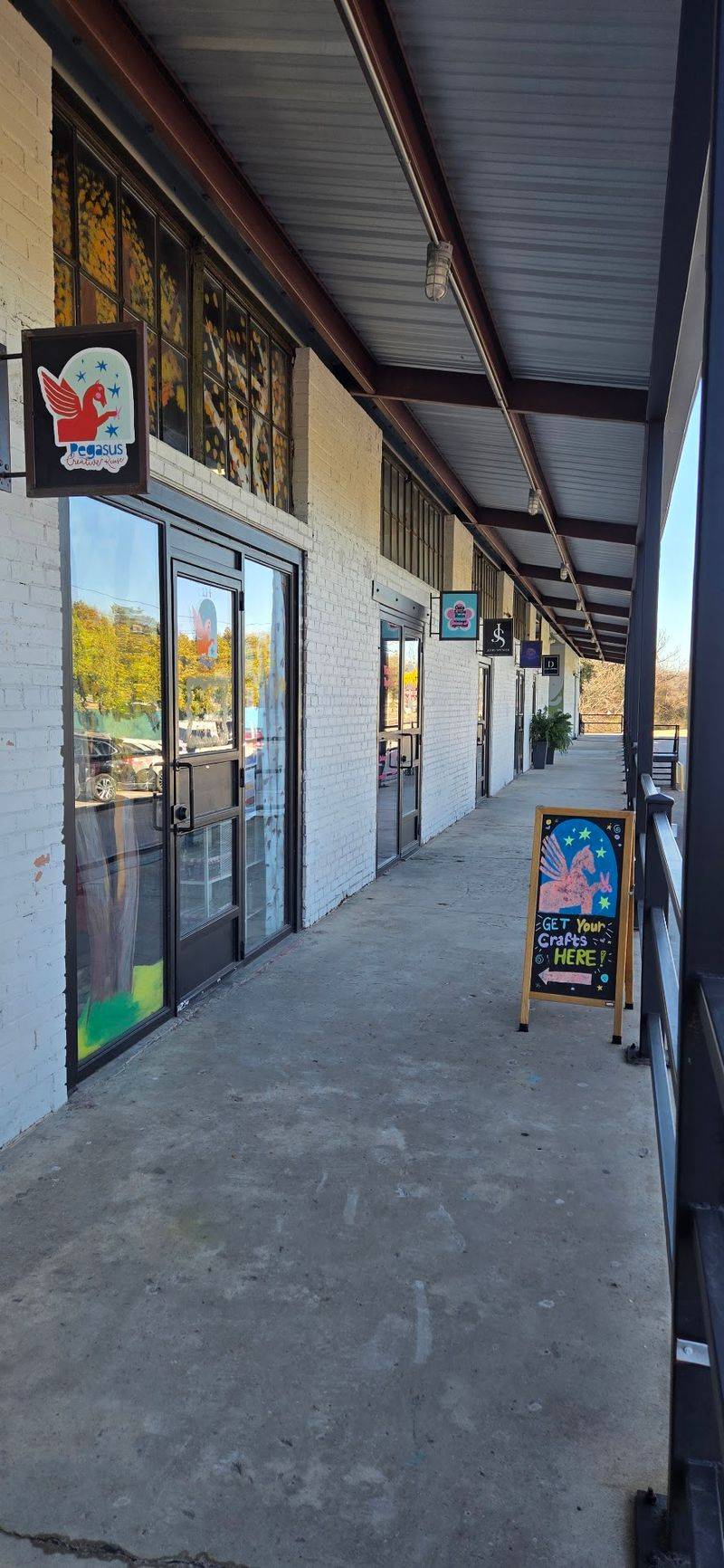
Some of the best craft finds in North Texas sit in a modest suite on the south side of Dallas. Pegasus Creative Reuse is located at 1300 S Polk St Ste 274, Dallas, TX 75224, in the Oak Cliff neighborhood.
The store is an art supply shop, but not the kind with neat rows of shrink-wrapped products. Everything here is secondhand, donated by people who no longer need it.
Paint, fabric, yarn, beads, notebooks, and stencils all get a second chance at a new home. The goal is to give these materials a fresh purpose instead of letting them end up in a landfill.
Oak Cliff is known for its strong local spirit, and the shop fits right in. Regulars treat it as a neighborhood hangout for makers of every age.
Plan ahead before heading over, because parking can be limited. Arriving a little early or carpooling with a crafty friend can save some circling time.
Once inside, the real adventure begins, and it starts with a paper bag.
Fill a Bag, Name Your Price
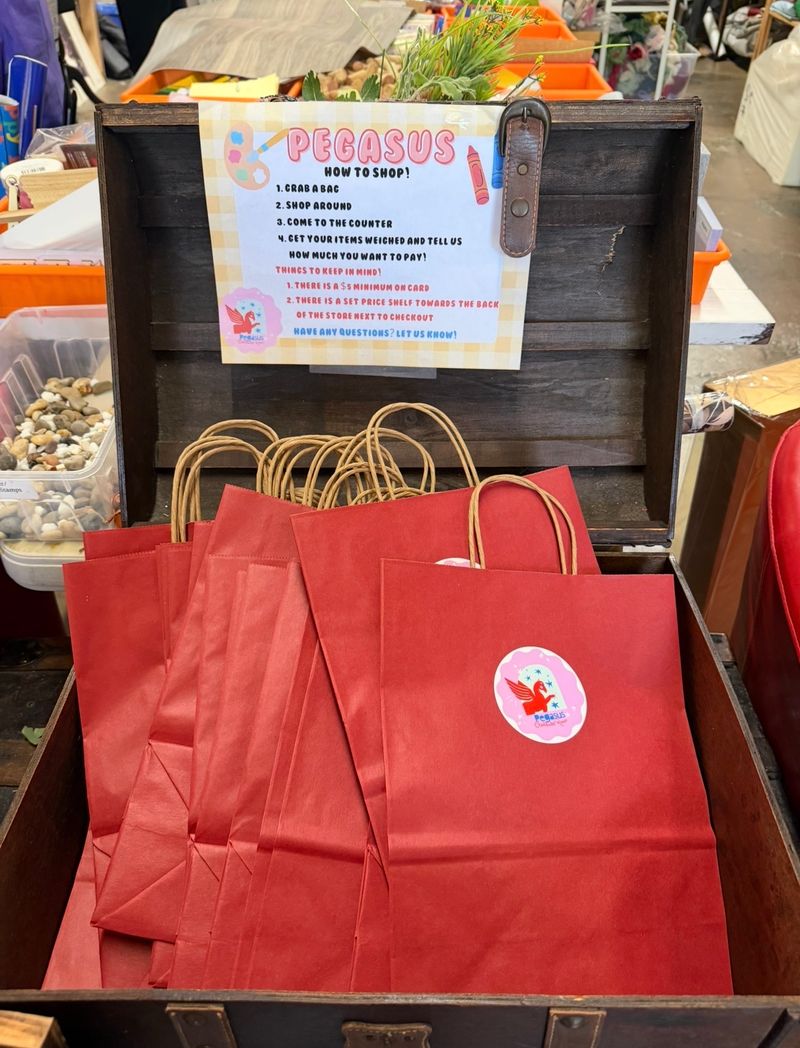
Here is the rule that makes everyone grin: you fill a bag and pay what you want. That is the whole system.
Brown paper bags wait on the front table for shoppers to grab. Bringing your own reusable bag works too, and plenty of folks do exactly that.
The shop suggests a donation of about $20 per bag. Still, the final number is up to you, which makes art supplies reachable for people on tight budgets.
Many shoppers choose to give a little extra when they can. Paying more helps the store keep its doors open and supports its mission of reuse.
Think of it as a fair trade between you and the community. You get materials for your next project, and the shop gets what it needs to keep running.
A smart tip is to decide on your budget before you start shopping. That way, you can fill your bag with confidence and focus on the fun part, which is the hunt itself.
Shelves That Hold a Little of Everything
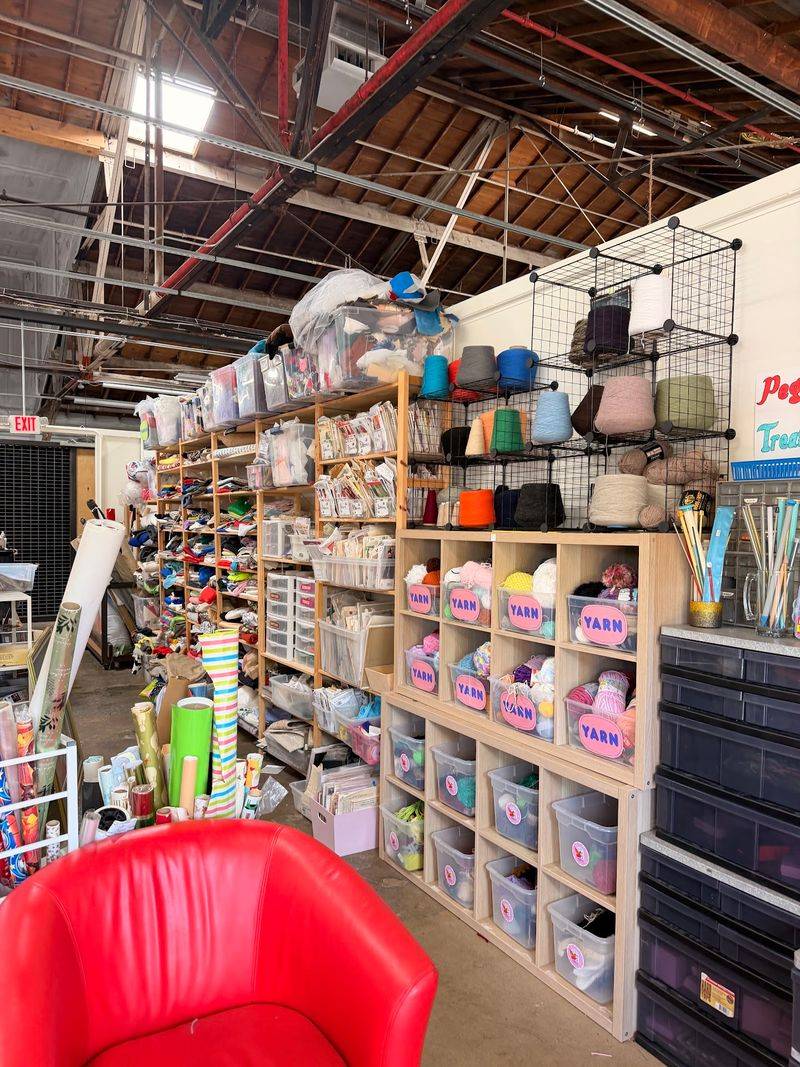
Paintbrushes, canvases, colored pencils, thread cones, stencils, and fabric flowers can all show up in a single trip. The variety is a big part of the charm.
Shoppers have spotted vintage needlepoint patterns, art storage containers, notebooks, and collage supplies. Even a few toy building bricks have made surprise appearances.
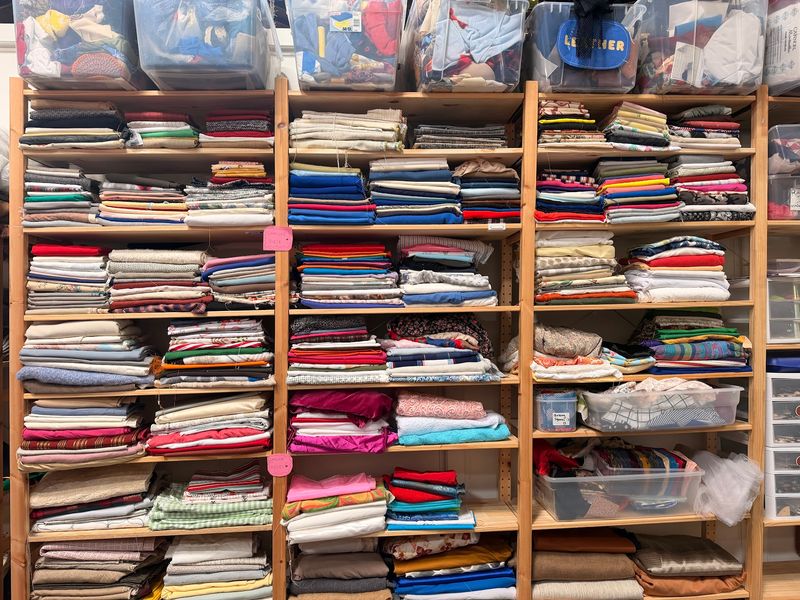
Yarn and fabric are especially popular finds. Sewing supplies, beads, and stickers also turn up often, so fiber artists and journal makers tend to leave happy.
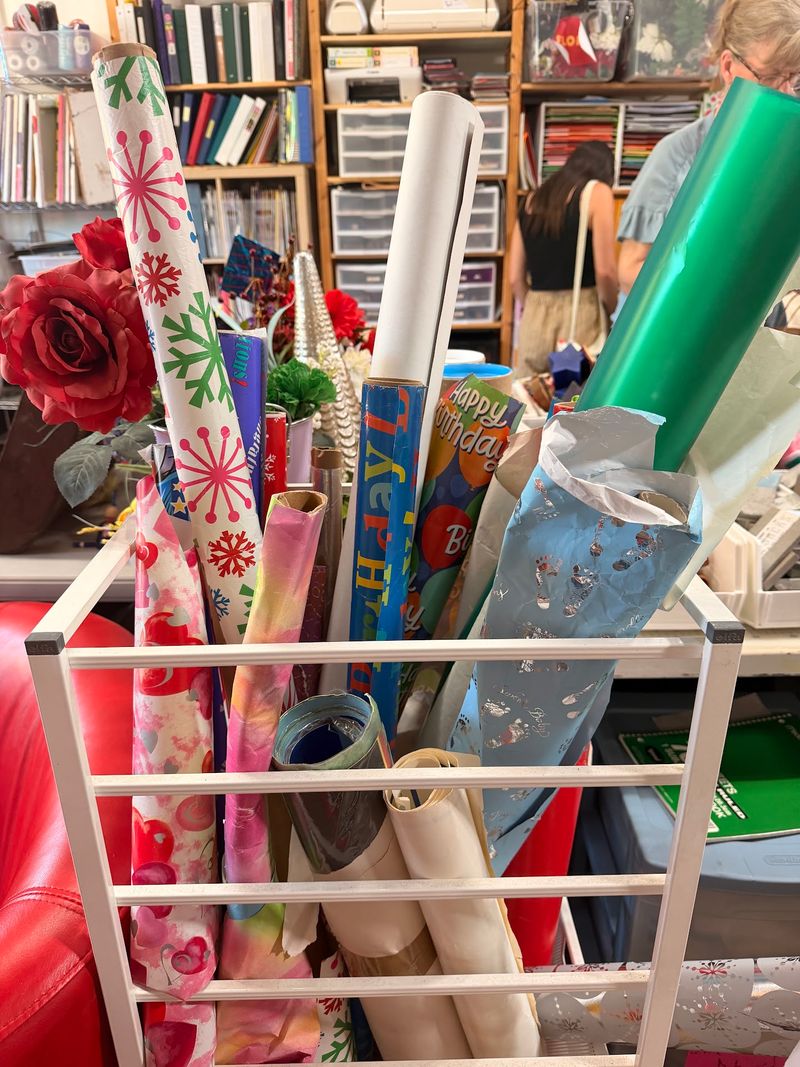
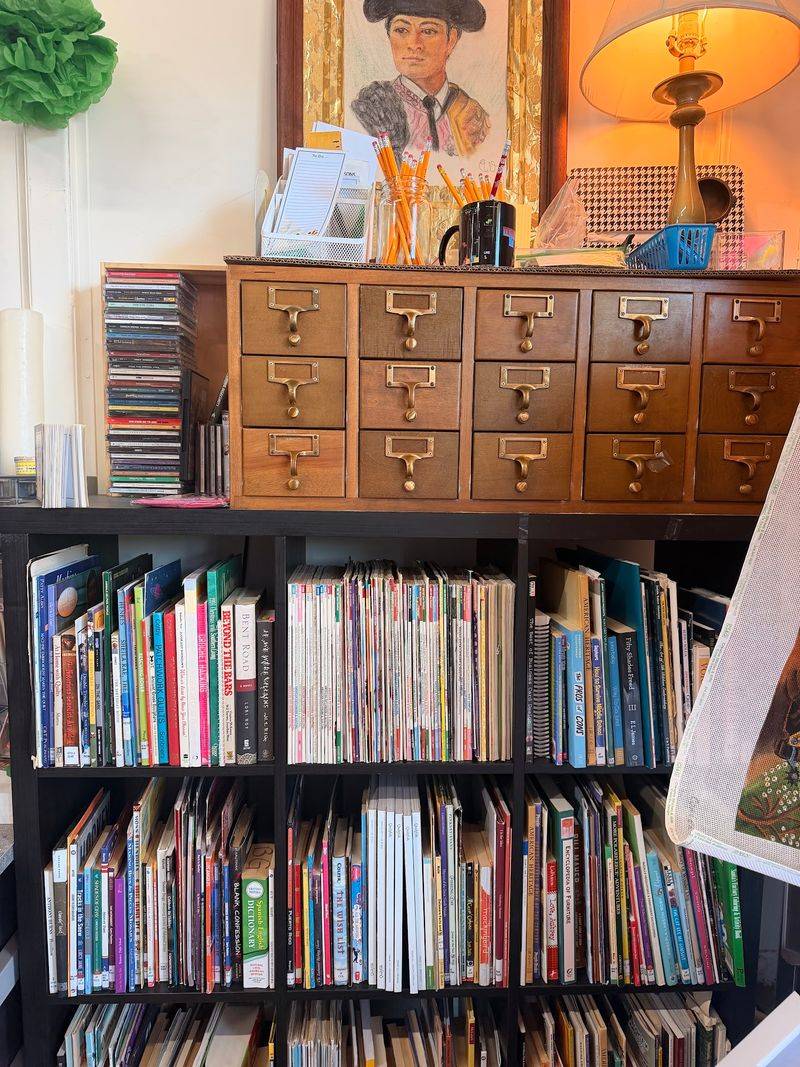
The store also carries art books and seasonal items, including holiday crafting goods. Sketchbooks that usually cost a lot at regular stores have been found here too.
Keep in mind that the selection leans toward sewing and fiber materials on some days. Drawing supplies may be thinner, depending on recent donations.
Treat every shelf like a small mystery box. You never know which aisle holds the exact material that sparks your next big idea, so take your time and look closely.
Bring Your Leftovers, Leave With Credit
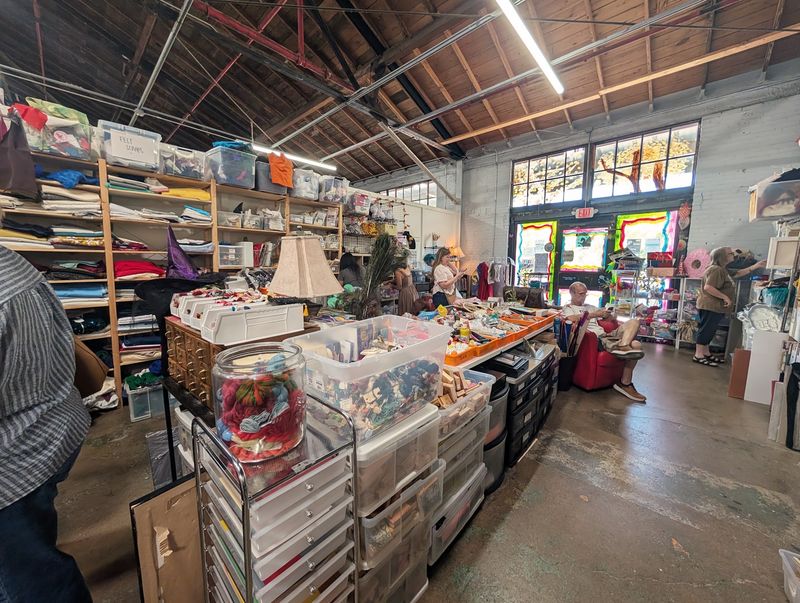
That bin of unused yarn in your closet could become someone else’s dream project. The shop welcomes donations of art and craft supplies.
Donating is easy, and the staff has even helped people carry boxes in from their cars. It is one of the simplest ways to clear out space at home.
Donated items are weighed, and donors can receive store credit based on that weight. The credit is modest, but it is a nice bonus for supplies that were just gathering dust.
Good candidates include fabric, thread, paint, beads, stickers, sewing tools, and craft books. Clean, usable items are the most helpful for the next maker.
Before dropping things off, sort through your stash and group similar items together. This makes the process quicker for everyone involved.
Many shoppers make it a habit to donate first and then shop with their credit. It turns a cleanup chore into a mini treasure hunt, which feels like a win on both ends.
Why Speed Matters on the Sales Floor
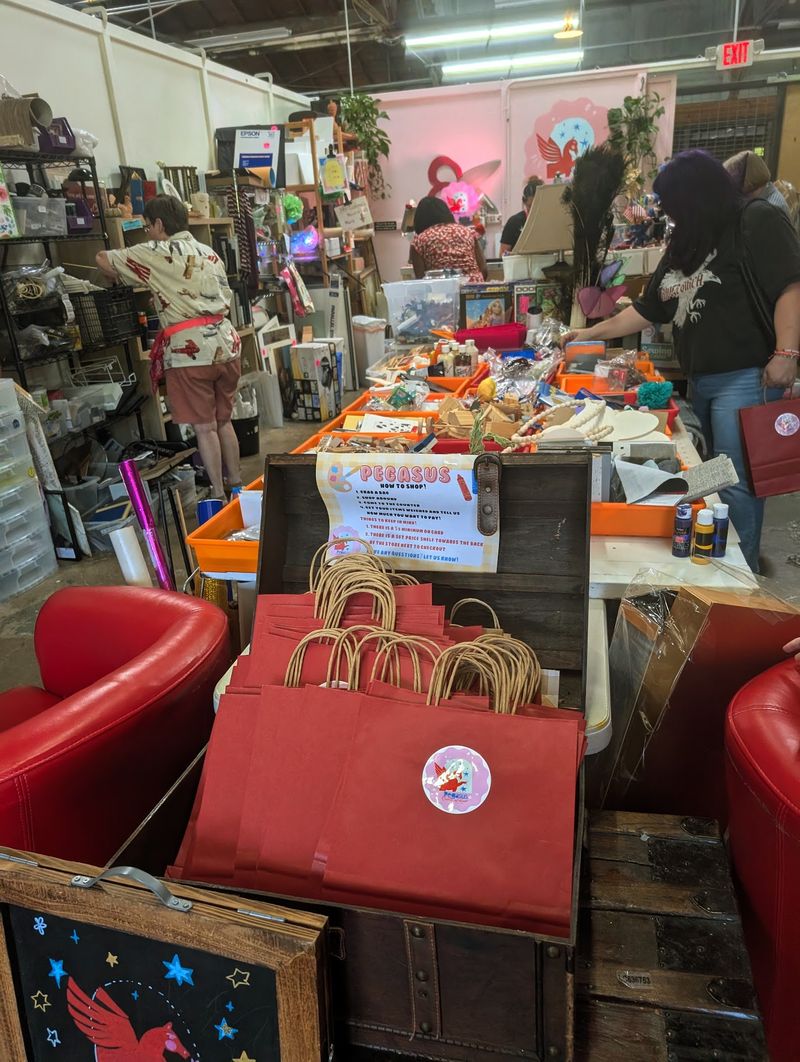
Hesitation is the enemy here. Items move fast, and that perfect roll of fabric may be gone by your next visit.
The inventory changes constantly because new donations keep arriving. One week might bring piles of yarn, while the next could be heavy on paint or patterns.
If something catches your eye, put it in your bag right away. You can always put it back before checkout, but you cannot get it back once someone else grabs it.
The shop is small and packed tightly, so it can feel busy, especially on weekends. Weekday visits often give you more room to browse at your own pace.
Going with an open mind works better than hunting for one specific item. Shoppers looking for something very exact may come up short.
Let the materials guide your plans instead. Many makers say their best projects started with something they never expected to find, and that surprise is half the reward of each trip.
Classes for Brand New Makers
Learning a new skill gets a lot less scary with a patient teacher nearby. The shop hosts classes for artists of every skill level.
One popular option is a beginner sewing class. Students learn the basics of the sewing machine, including how to thread a bobbin.
Instructors offer one-on-one help when someone gets stuck. That kind of attention can make a big difference for total beginners.
In the sewing class, students finish by making two coasters to take home. Leaving with a real project makes the lesson stick.
Classes require a ticket, so check the official website for current dates and prices. Spots may be limited because the space is small.
These sessions are a great fit for teens, adults, and anyone curious about a new hobby. After class, you can head to the shelves and pick up supplies to keep practicing at home, which means the learning does not stop when the lesson ends.
A Win for the Planet and the Wallet
Tons of craft materials get tossed every year, even when they still work perfectly. The store exists to stop that waste.
Every donated skein of yarn or half-used paint set gets another shot at being useful. Keeping these items in circulation means fewer things in the landfill.
Reuse also helps people who cannot afford brand-new supplies. Someone might only need a few sheets of paper, not a whole expensive pack.
The shop keeps materials moving within the creative community. Supplies from one generation of makers often land in the hands of the next.
For teachers, this is a great way to stock classrooms without blowing the budget. Families can also find low-cost materials for school projects or weekend crafts.
Shopping here is a small step that adds up over time. Each bag you fill means fewer new products need to be made, and that quiet bit of good feels like the best bonus you can carry home.
Junk Journals, Costumes, and Big Ideas
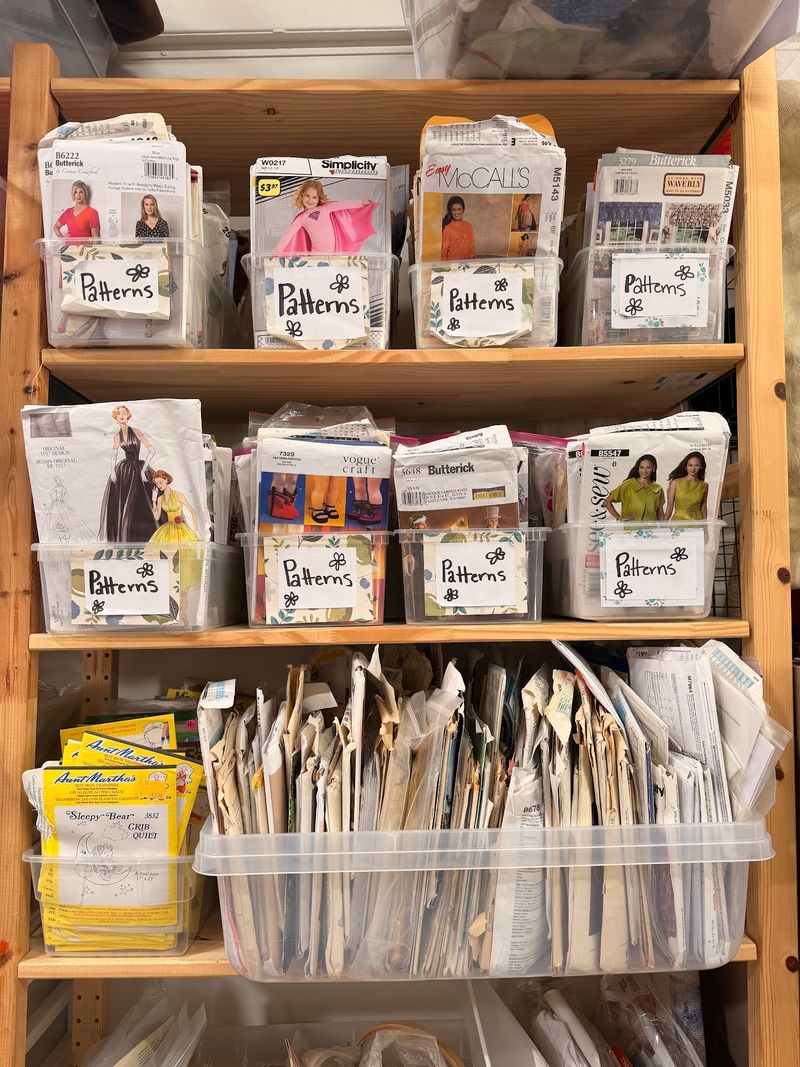
Junk journaling might be the perfect match for a store like this. Stickers, scrap paper, fabric, stencils, and collage bits are exactly what journal makers love.
Families have filled bags for junk journaling get-togethers with friends. A single bag can supply a whole afternoon of creative fun.
Sewists have found suit jacket fabric and useful patterns for projects and kids’ classes. Knitters and crocheters often leave with a nice selection of yarn.
Painters, needlepoint fans, and bead artists can all find something too. The mix makes it a solid stop for trying out a brand-new medium.
Here is a helpful idea: plan a theme before you go, but stay flexible. A color scheme or project type helps narrow the search without limiting surprises.
Group projects work especially well with these supplies. Splitting a bag among friends stretches everything further and adds a social twist that turns crafting into a shared memory instead of a solo task.
Timing Your Visit Just Right
Schedules matter at a shop with shorter weekend hours. A little planning helps you get the most out of your trip.
The store opens at 10 AM Tuesday through Sunday. It closes at 7 PM on Tuesday, Wednesday, and Thursday, and at 3 PM on Friday, Saturday, and Sunday.
Mondays are closed, so skip that day entirely. Weekday afternoons tend to give you the most browsing time.
Weekends can get crowded in the small space. Arriving right at opening is a smart move if Saturday or Sunday is your only option.
Bring a reusable bag, a budget in mind, and maybe a box of donations. A little extra cash for supporting the cause is always appreciated.
Keep an eye on the checkout too, since there is a fun surprise waiting there. Finish your visit by thinking about what you might donate next time, because the best part of this shop is how the cycle of giving and finding just keeps rolling along.