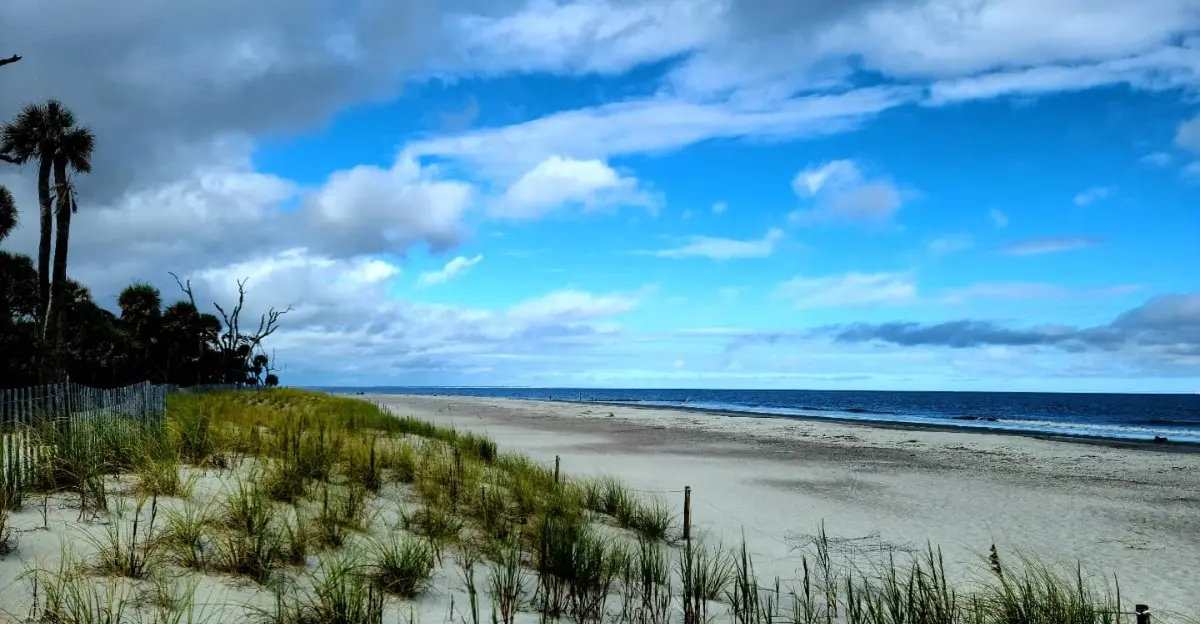
No passport, no ferry, and no airport security line stand between you and one of the most tropical-looking beaches on the East Coast.
A single causeway east of Beaufort leads to a barrier island where palmettos lean over the sand, blue-green water rolls in, and a black-and-white lighthouse watches over it all.
The island is wild in the best way, with no hotels or high-rises crowding the shore. It offers miles of beach, a saltwater lagoon, a spooky forest of bare trees, marsh boardwalks, and campsites tucked under the pines.
From its historic lighthouse to its haunting driftwood beaches, this remarkable stretch of South Carolina coastline feels like a tropical escape without ever leaving the mainland United States.
Where the Causeway Ends
Sea Island Parkway is the only road you need, and it carries you straight into Hunting Island State Park at 2555 Sea Island Parkway, St. Helena Island, South Carolina 29920. The park sits on a barrier island in Beaufort County, about 16 miles east of downtown Beaufort.
The drive itself is part of the fun. The road crosses wide salt marshes and small islands before slipping under a canopy of palmettos and pines.
Park admission is $8 for adults, $5 for South Carolina seniors, and $4 for children ages 6 to 15. Children ages 5 and younger enter free.
Check the official park website for the latest rates before visiting.
Hunting Island is one of the most visited state parks in South Carolina. It covers around 5,000 acres of beach, forest, marsh, and lagoon.
Parking can fill up on busy summer weekends. Arriving early in the morning gives you a better shot at a close spot and a calmer start to the day.
Once you pass the gate, the island begins to feel like a different world entirely.
Why It Feels Tropical
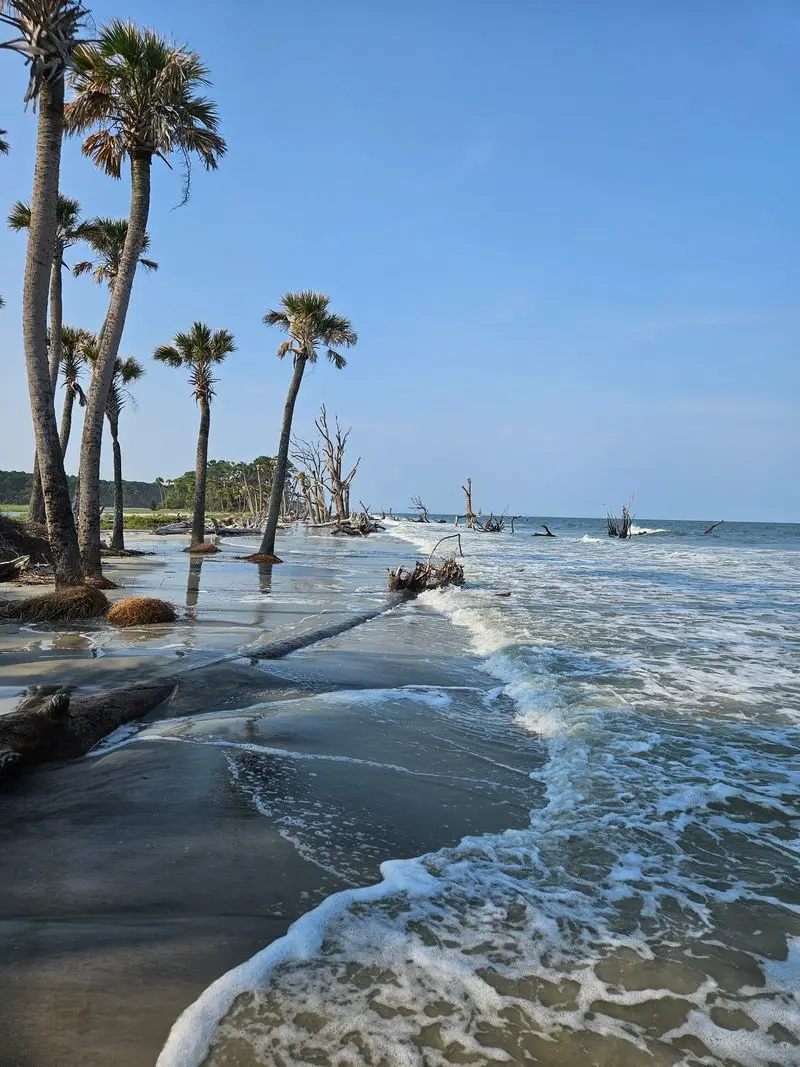
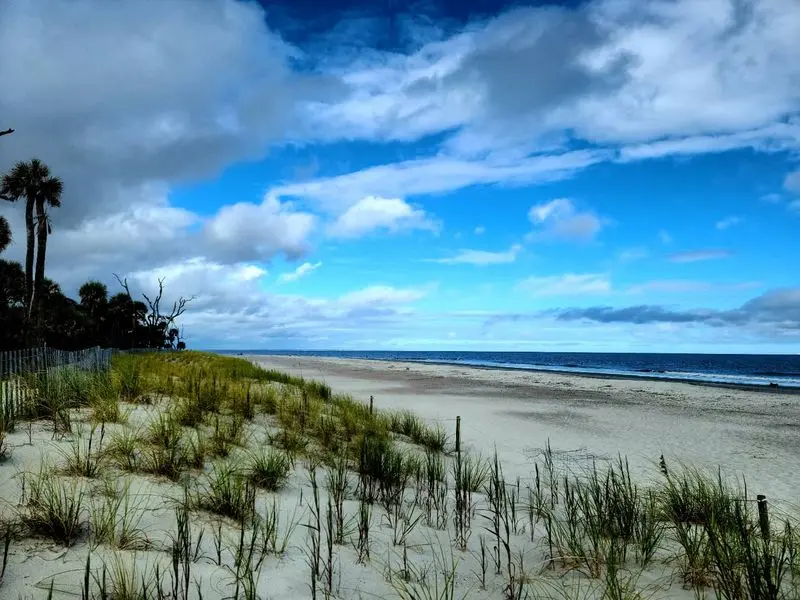
Palm trees, wide sand, and water that turns blue-green on a clear day give this island a look that fools plenty of first-timers. Many people say it reminds them of beaches in the Caribbean or Central America.
The secret is the setting. Hunting Island has no hotels, condos, or shops along its shore, so nature sets the scene instead of buildings.
Sabal palmettos, the state tree of South Carolina, grow right up to the dunes. Their spiky tops frame the ocean views and add to the island feel.
About five miles of beach stretch along the Atlantic side. At low tide, the sand gets wide and flat, which leaves plenty of room to spread out.
Water color can change with weather, tides, and season. Calm, sunny days tend to bring out the brightest shades.
Fun fact: the island is completely undeveloped except for park facilities, which is rare for a beach this close to a town.
That untouched look is exactly what keeps people coming back.
A Lighthouse With a Secret
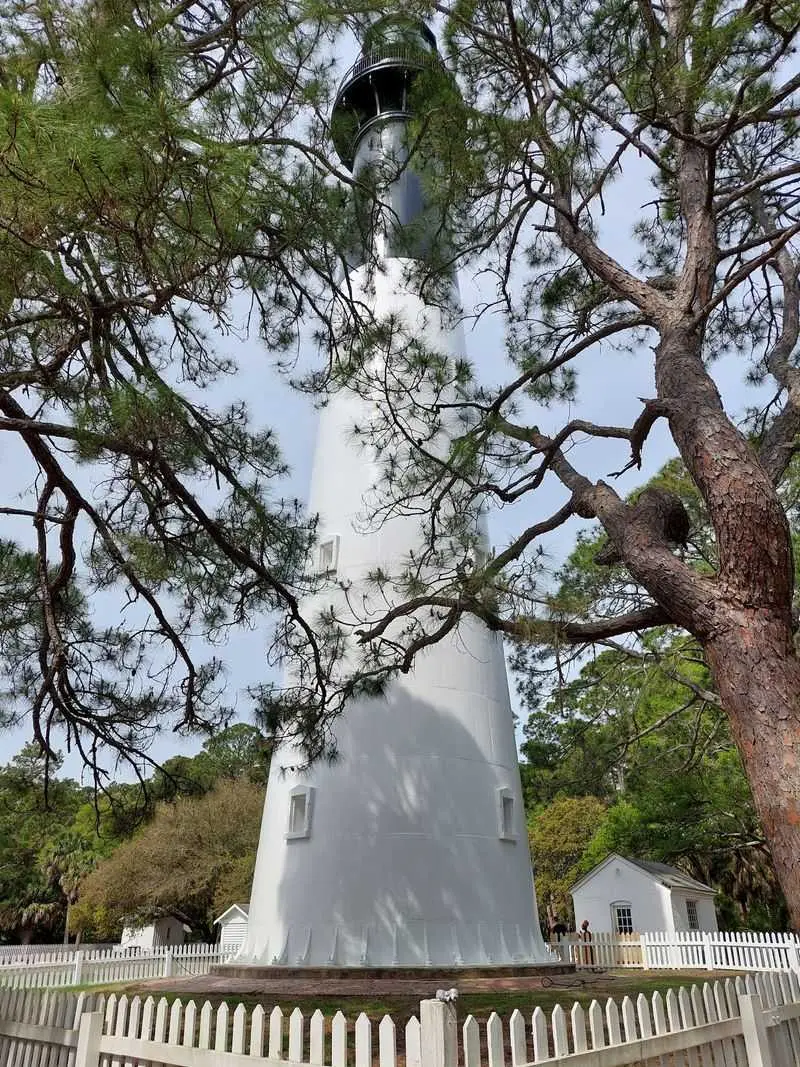
Here is a fun surprise: the Hunting Island Lighthouse was built to be taken apart. Its cast-iron sections were designed so the tower could be moved if the shoreline wore away.
And that is exactly what happened. The current lighthouse was first lit in 1875, then moved more than a mile inland in 1889 as the beach eroded.
Today, it stands about 170 feet tall. It is the only lighthouse in South Carolina that is open to the public for climbing, though access can change for repairs.
The climb includes 167 steps. Take your time, because there is no prize for racing to the top.
From the top, the view spreads across the ocean, the forest, and the marsh. It is one of the best ways to see how the whole island fits together.
A small extra fee usually applies for the climb, and there may be age or height rules. Checking the park website first saves a disappointed kid at the bottom of the stairs.
Trails Through the Maritime Forest
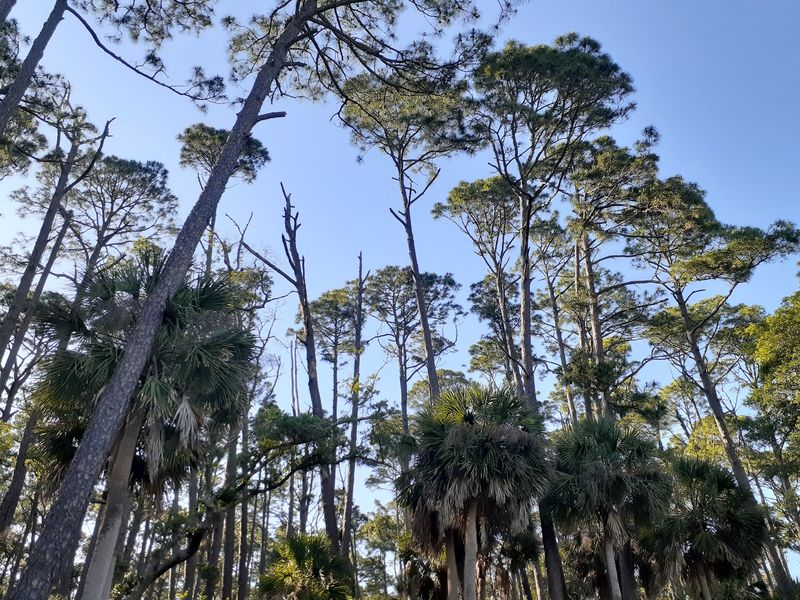
Shade lovers, this section is for you. Hunting Island has a network of trails that wind through one of the finest maritime forests on the coast.
The forest is a mix of slash pines, live oaks, palmettos, and thick shrubs. It feels worlds away from the busy beach just a few hundred yards over.
The Maritime Forest Trail runs roughly two miles one way, connecting the north end of the park toward the nature center area. It is mostly flat, so it works for hikers of many skill levels.
Several trails are also open to bikes. Packed sand and pine needles make for easy pedaling on dry days.
Deer often wander through the trees, so keep your eyes open. Early mornings tend to be the best time to spot them.
Bring water and bug spray, because the forest can get warm and the insects take their jobs seriously.
Quick tip: trash cans are limited along trails and beaches, so pack a small bag and carry out what you bring.
Boardwalks Over the Marsh
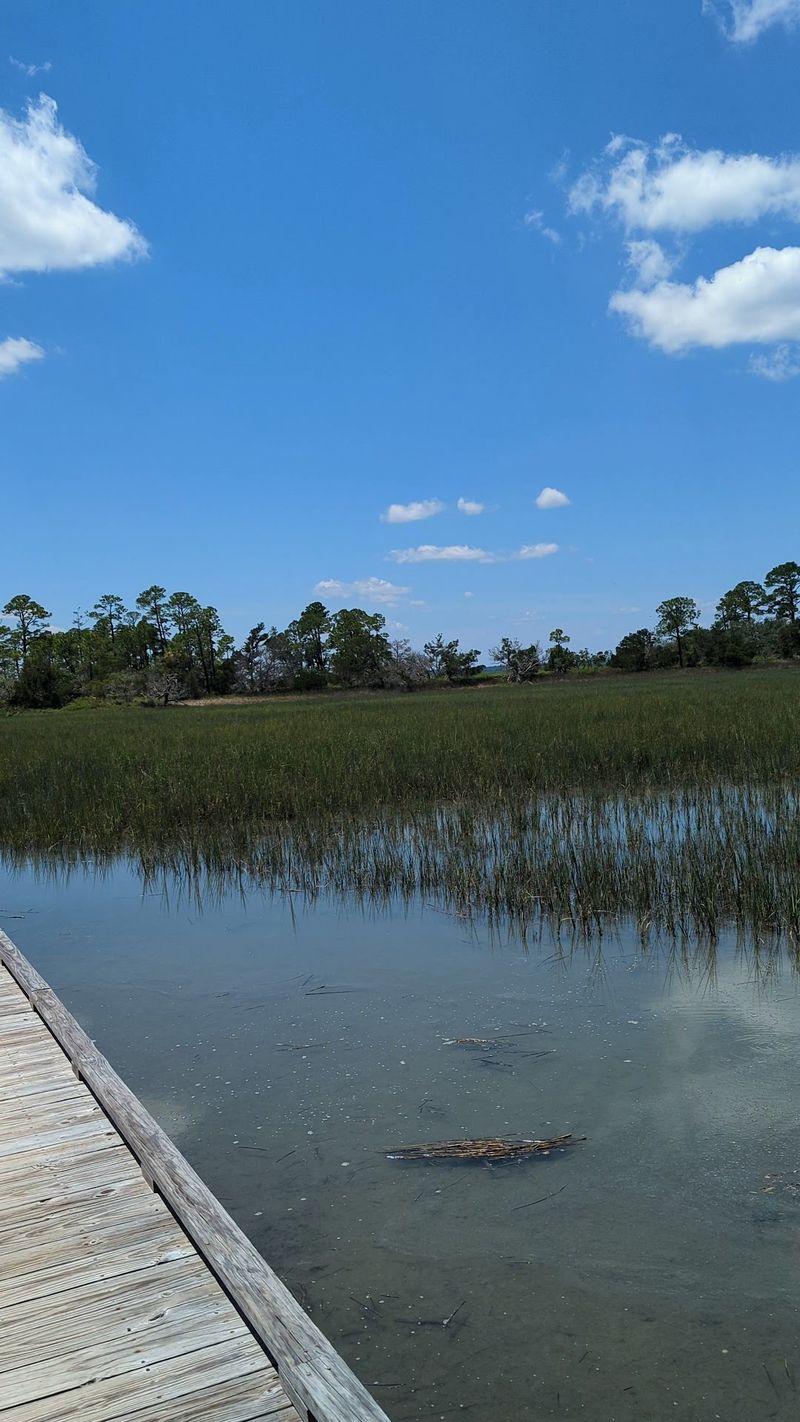
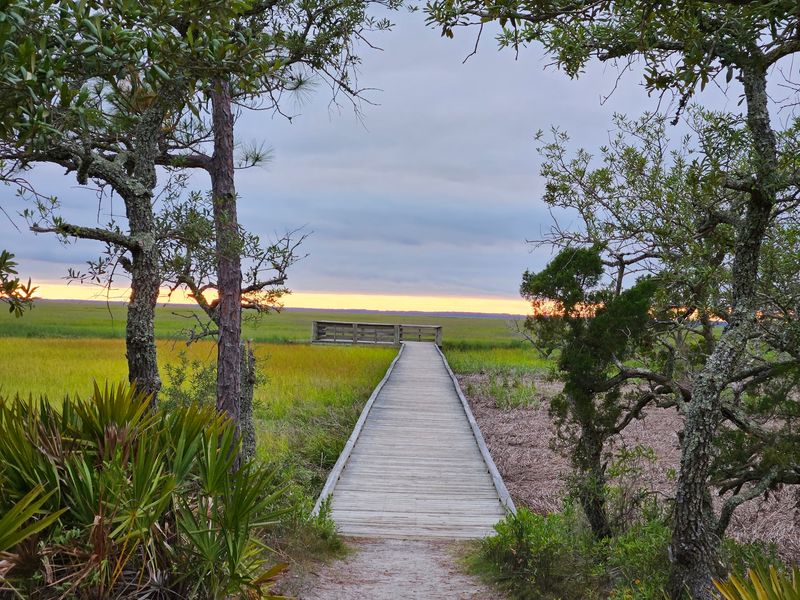
On the quiet sound side of the island, a different kind of beauty waits. The Marsh Boardwalk trail stretches across the salt marsh and links small hammock islands.
The walk is short and easy. That makes it a great pick for families, older hikers, or anyone who wants big views without a long trek.
Lowcountry marshes are some of the most important habitats on the coast. They act as nurseries for fish, crabs, and shrimp.
Birdwatchers will feel right at home here. Herons, egrets, and ducks often feed in the shallow water, and river otters have been spotted too.
Bring binoculars if you have them. A camera with zoom is also handy for capturing birds without scaring them off.
Tides change the marsh scene throughout the day. At high tide, water fills the grasses, while low tide reveals mudflats full of tiny critters.
Many people say one visit is not enough to see the whole park. Saving a separate trip for the marsh side is a smart move.
A Lagoon Worth Exploring
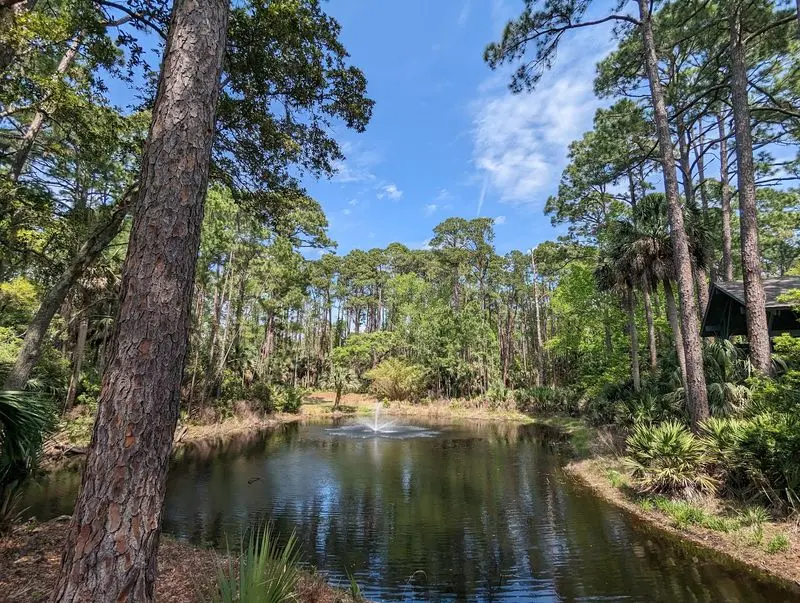
Tucked behind the dunes, a long saltwater lagoon offers a calmer alternative to the open ocean. It is one of the park’s most peaceful spots.
The lagoon formed as tides and sand shifted over time. Today, it holds water fed by the ocean, which brings in fish and other sea life.
Paddlers often bring kayaks or paddleboards here. The water is usually gentler than the surf, making it friendlier for beginners.
Anglers like the lagoon too. A valid South Carolina fishing license is needed for anyone old enough to require one, so take care of that before casting.
Wading birds frequently hunt along the edges. Patient watchers may also catch fish jumping or crabs scurrying across the sand.
Lower crowds are another perk. While the main beach gets busy in summer, the lagoon tends to stay more relaxed.
Pack snacks, water, and sunscreen, since shade can be limited along parts of the shore.
For a slower pace, this spot delivers.
Nature Center and Fishing Pier
Some of the best surprises at Hunting Island happen near the south end. That is where the nature center and fishing pier sit side by side.
The nature center is a great first stop, especially for curious kids. Exhibits cover local wildlife, and live animals such as turtles, snakes, and alligators are often on display.
Park staff and naturalists run programs throughout the year. Topics can include sea turtles, birds, and marsh life, so check the schedule ahead of time.
Right outside, the fishing pier stretches about 1,000 feet into Fripp Inlet. It is one of the longest public fishing piers on the East Coast.
Even without a rod, the pier is worth a stroll. Dolphins are commonly seen playing in the inlet waters nearby.
Sunset walks here are especially popular. The open views across the water make it a prime spot for photos.
Hours for both the center and pier can vary by season, so a quick check online is smart.
Camping Under the Pines
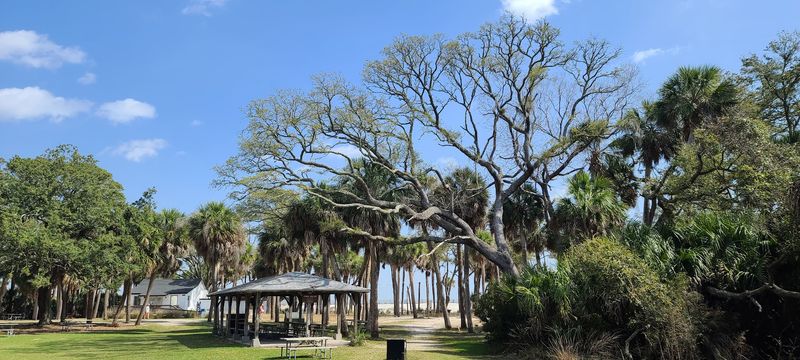
For many families, Hunting Island is not just a trip. It is a yearly tradition built around the campground.
The campground sits on the north end of the island, close to the beach. Many sites are shaded by pines and palmettos, giving campers a bit of privacy.
RV and tent sites typically come with water and electric hookups, a fire ring, and a picnic table. Full sewer hookups are not offered, so plan accordingly.
Bathhouses are kept clean and are a big plus after a sandy day. A camp store sells ice, firewood, and basic supplies.
Short paths lead from the campground straight to the shore. Morning beach walks are just steps away.
Sites can book up months in advance, especially in spring and summer. Reserving early through the South Carolina State Parks system is the best way to secure a spot.
Campground areas have changed over the years due to erosion, so double-check which loops are open when booking.
Wildlife Around Every Bend
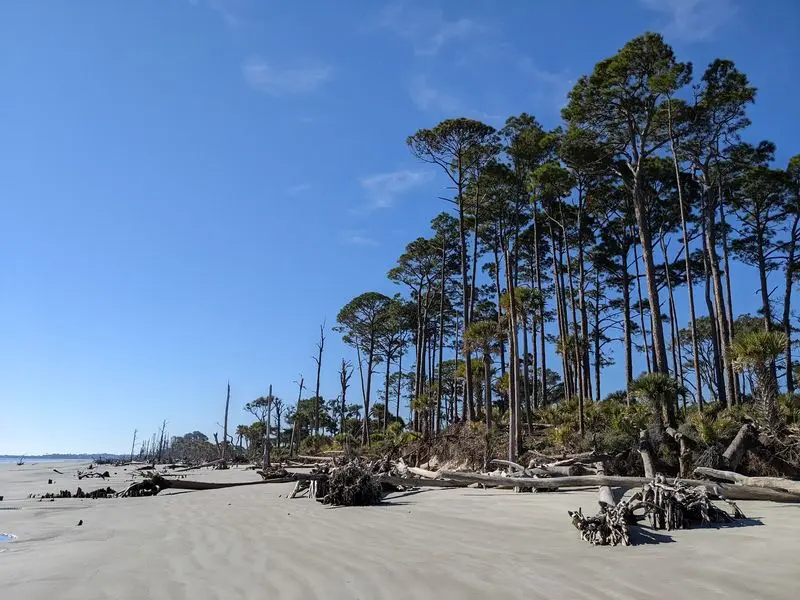
Keep the camera ready, because the island is busy with wild neighbors. Deer, raccoons, dolphins, and many kinds of birds call this park home.
Ospreys build big nests in tall trees and on poles. Watching them dive for fish is a favorite pastime for many beachgoers.
Loggerhead sea turtles nest on the beach from about May through October. Marked nests are common sights, and they should never be disturbed.
Raccoons can be clever little thieves at campsites. Store food in sealed containers or vehicles to avoid a midnight raid.
Alligators live in some freshwater and brackish areas. Give them plenty of space and never feed them.
Shell hunters often find sand dollars and other treasures, especially after storms. Taking live animals off the beach is not allowed, so leave anything that is still living.
Biting bugs like gnats and mosquitoes can be intense, especially in warm months. Insect repellent is one item you will not regret packing.
After Dark on the Beach
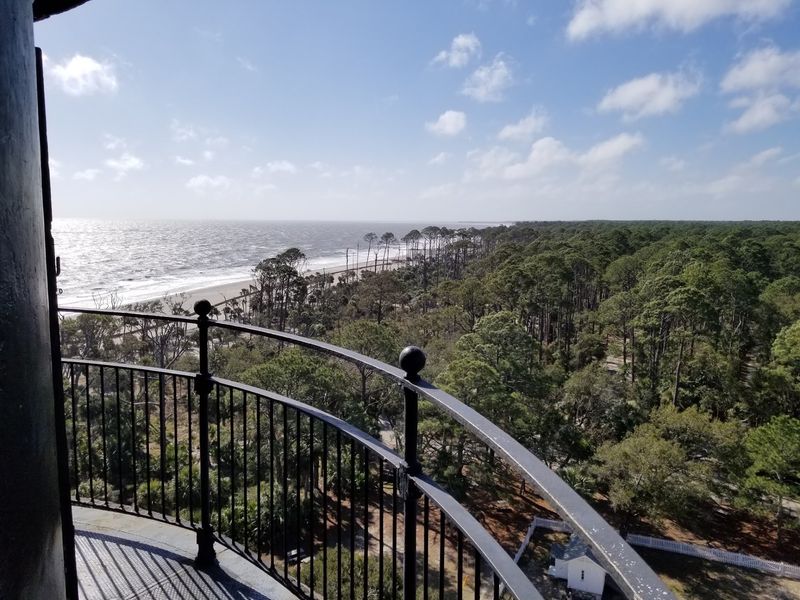
Stargazers, take note. With few bright lights nearby, Hunting Island can offer surprisingly dark skies.
On clear, moonless nights, the Milky Way can sometimes be seen from the beach. Early morning hours before sunrise are another good window.
Day-use visitors should check gate hours, since the park closes in the evening. Campers have the best chance of enjoying the night sky.
Bring a red flashlight if you plan to stargaze. Red light helps your eyes adjust to the dark and is easier on wildlife.
Bright white lights can confuse baby sea turtles during nesting season. Keeping beach lighting low helps hatchlings find their way to the ocean.
Sunrise is another highlight. The beach faces east, so the sun rises right over the Atlantic.
Many early risers say these quiet mornings are the best part of any visit. Fewer people and calm water make the shore feel almost private.
Set that alarm, grab a blanket, and let the sky do the rest.