Charleston, South Carolina, has no shortage of places serving smoky barbecue, but one West Ashley restaurant brings something completely different to the table.
At Palmira Barbecue, traditional Southern cooking meets the bold flavors of Puerto Rico, creating a dining experience that stands apart from the usual pulled pork and brisket stops.
Behind the restaurant is pitmaster Hector Garate, whose passion for wood-fired cooking has turned a small barbecue operation into one of Charleston’s most talked-about destinations.
From slow-cooked whole hog and tender beef cheeks to creative sausages and flavorful Southern sides, every part of the menu reflects a careful balance of tradition and innovation.
For anyone exploring Charleston’s food scene, this is one barbecue stop worth getting to know.
A West Ashley Barbecue Spot Worth Finding
Charleston’s historic downtown attracts plenty of hungry visitors, but some of the city’s most interesting restaurants are found beyond the peninsula.
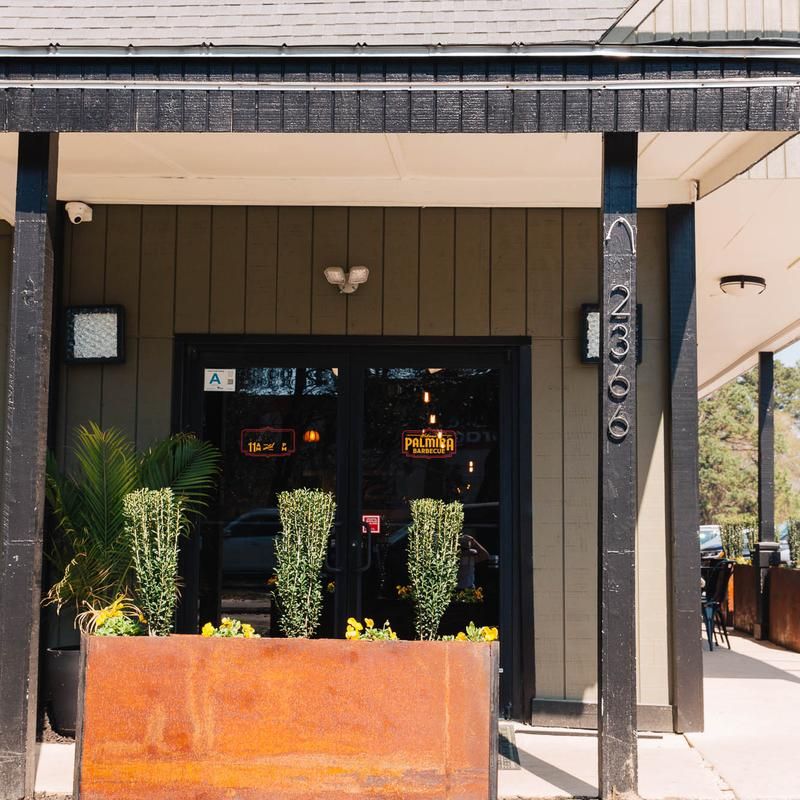
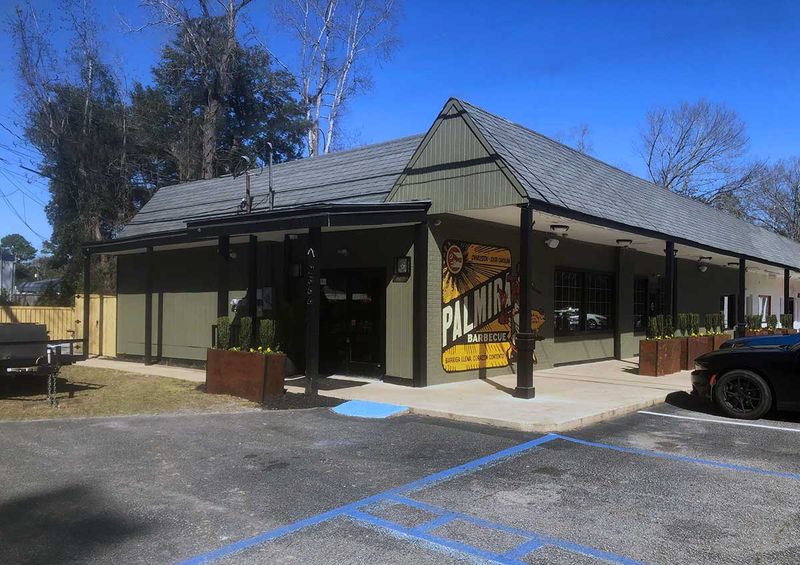
Palmira Barbecue is located at 2366 Ashley River Road, Building 1, Charleston, SC 29414, in the West Ashley neighborhood.
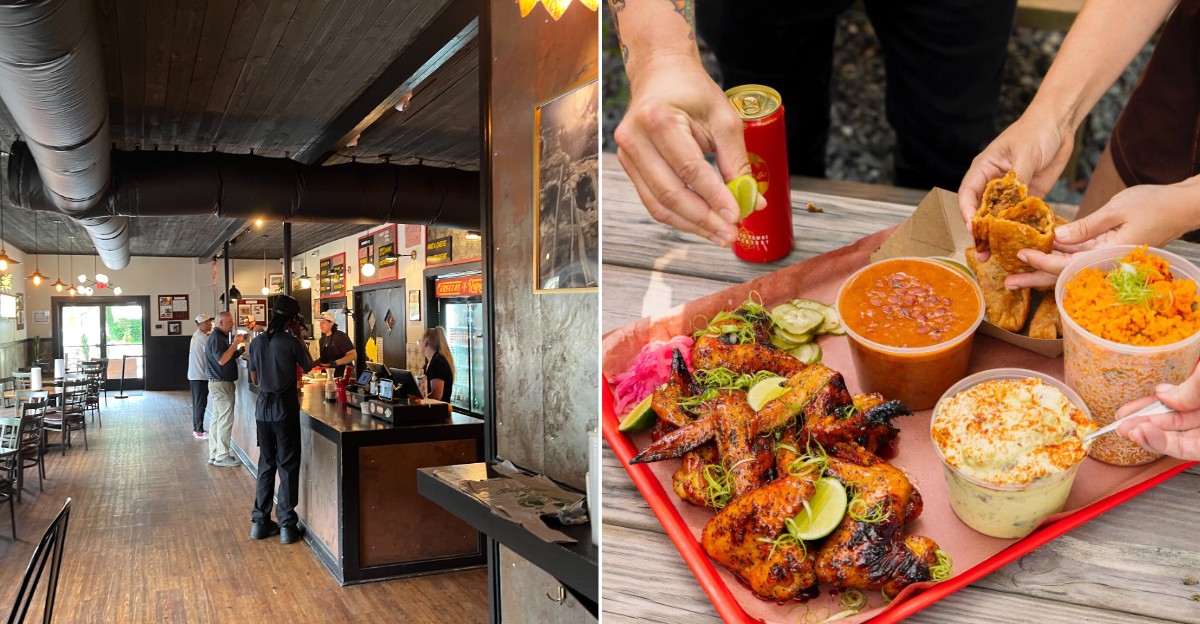
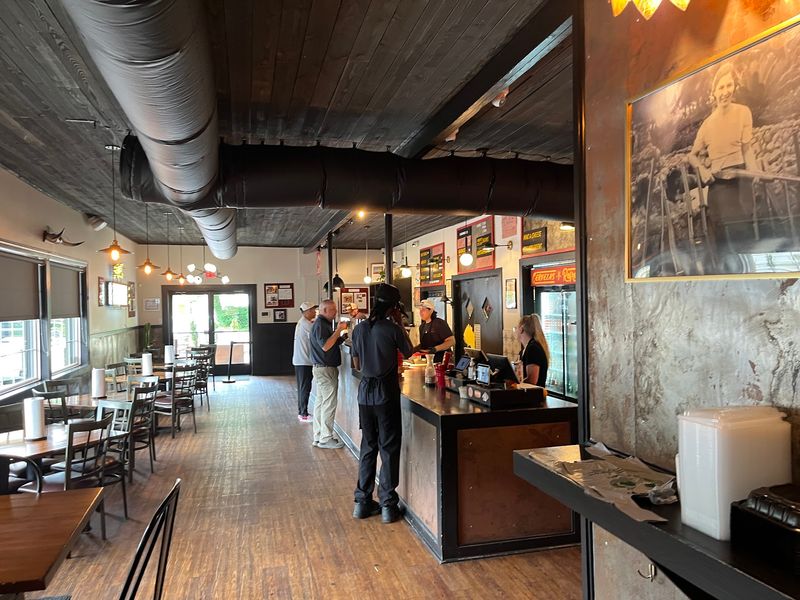
The restaurant occupies a casual, welcoming space where the focus is firmly on wood-fired cooking rather than elaborate decorations or formal dining.
Outside, a colorful mural celebrates whole-hog barbecue, giving visitors a hint of the traditions waiting inside.
Wooden picnic tables provide outdoor seating, while the dining room offers additional space for enjoying a leisurely meal.
The atmosphere is relaxed enough for families and groups of friends, making it easy to concentrate on the food.
Unlike barbecue restaurants that focus entirely on one regional style, Palmira draws inspiration from several culinary traditions.
South Carolina whole-hog cooking forms an important foundation, but Texas smoking techniques and Puerto Rican seasonings bring unexpected flavors to the menu.
That combination makes the restaurant particularly interesting for visitors who already know traditional Southern barbecue and want to discover something different.
The Puerto Rican Pitmaster Behind the Smoke
Every memorable barbecue restaurant has a story, and Palmira’s begins with Hector Garate.
Born in Puerto Rico, Garate grew up around food traditions that celebrated cooking entire animals and bringing people together around a shared meal.
Those early influences eventually became part of his approach to American barbecue.
Rather than choosing between the traditions of his birthplace and the Southern cooking styles he admired, he found ways to combine them.
The restaurant’s name is a tribute to his grandmother, Palmira, who grew up on a cattle ranch.
That family connection reflects the importance of heritage, careful sourcing, and traditional cooking methods in the restaurant’s identity.
Garate began building his reputation through barbecue pop-ups, where he introduced Charleston diners to his distinctive approach.
His operation later appeared at the Port of Call food hall before moving into a permanent West Ashley location in 2024.
Today, Palmira represents years of experimenting with smoke, seasoning, and different cuts of meat.
The result is a restaurant that feels rooted in family history while offering a fresh perspective on Southern barbecue.
Whole-Hog Barbecue With a Caribbean Twist
Whole-hog barbecue is one of South Carolina’s most recognizable culinary traditions, especially in the eastern part of the state.
Instead of smoking only pork shoulders or ribs, pitmasters cook an entire hog slowly over wood coals.
The process requires patience, experience, and careful control of the fire.
At Palmira, this traditional technique receives a distinctive Puerto Rican influence.
The restaurant uses locally raised heritage-breed pigs, allowing the natural character of the pork to remain central to the finished dish.
During cooking, the meat is basted with sofrito, a flavorful mixture associated with Puerto Rican cuisine.
The combination adds another dimension to the familiar taste of Carolina-style whole-hog barbecue.
The pork cooks over wood-fired coals for many hours before being chopped and prepared for serving.
Different parts of the animal contribute their own textures and flavors, producing a mixture that is richer and more varied than a single cut.
For visitors interested in traditional barbecue, this dish offers a fascinating example of how regional cooking methods can evolve without losing their original character.
Beef Cheeks That Have Earned National Attention
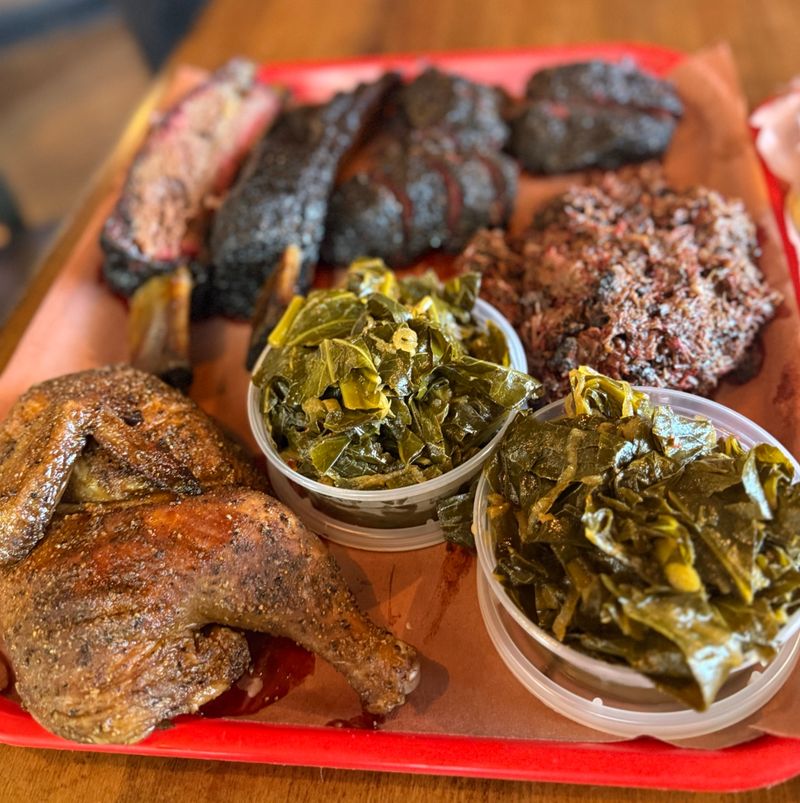
Whole hog may be central to Palmira’s identity, but another menu item has helped establish the restaurant’s reputation.
Smoked beef cheeks are among its most celebrated specialties.
This cut comes from a hardworking muscle, which means it contains connective tissue that requires careful cooking to become tender.
When prepared properly, that tissue breaks down during the smoking process, creating meat with a remarkably soft texture and deep beef flavor.
Garate’s approach combines slow cooking with a carefully developed seasoning blend.
The result is a rich, smoky dish that offers something different from the brisket commonly associated with Texas barbecue.
Palmira’s beef cheeks have attracted attention from food writers and barbecue enthusiasts, including national recognition for their quality.
They are particularly appealing to visitors who enjoy discovering less familiar cuts of meat.
Ordering beef cheeks alongside whole hog also provides an opportunity to compare two different approaches to barbecue.
One celebrates the traditional Carolina pit, while the other highlights the possibilities of slow-smoking beef.
Together, they demonstrate the range of techniques behind Palmira’s menu.
A Wood-Fired Kitchen Built Around Tradition
Great barbecue depends on more than seasoning and quality ingredients.
The equipment and the person managing the fire are just as important.
At Palmira, Garate has invested considerable effort in developing the cooking equipment used to prepare his meats.
He has built custom smokers, including an offset smoker designed to support the restaurant’s particular style of barbecue.
Offset smokers use a separate firebox to generate heat and smoke, allowing meat to cook slowly in an adjoining chamber.
Whole-hog cooking requires a different approach, using wood-fired pits that provide steady heat over a long period.
Both methods demand constant attention.
Maintaining the correct temperature is essential because too much heat can dry out meat, while too little can interrupt the cooking process.
Wood also contributes flavor, giving properly smoked barbecue its characteristic aroma.
The commitment to traditional fire management helps explain why Palmira’s food has developed such a distinctive reputation.
Rather than relying on shortcuts, the kitchen emphasizes the techniques that have shaped barbecue cooking for generations.
For visitors, understanding that process makes every serving of smoked meat a little more interesting.
House-Made Sausages Bring Unexpected Flavors
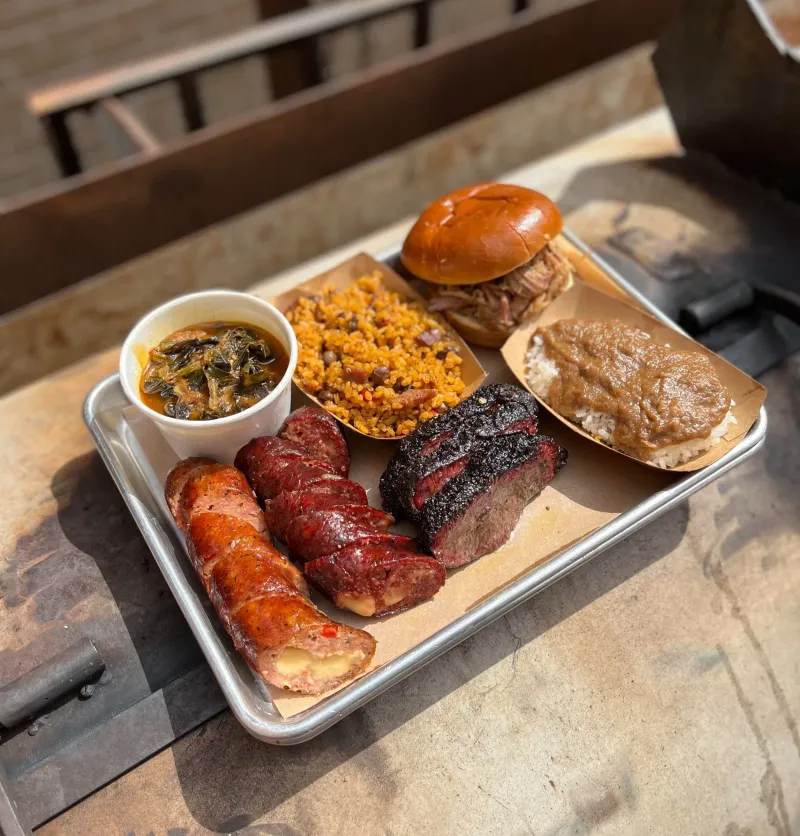
Sausage is a familiar sight at barbecue restaurants, but Palmira approaches it with the same creativity found throughout the menu.
The restaurant prepares its own sausages, allowing the kitchen to experiment with different combinations of meat, seasoning, and additional ingredients.
Some varieties have incorporated flavors associated with Caribbean cooking, including warm spices and plantains.
Other versions have featured ingredients such as Gouda cheese.
Because sausage selections can change, returning customers may discover something different from one visit to the next.
The smoked exterior and juicy interior offer a contrast to the softer textures of whole-hog pork and beef cheeks.
Sausage also makes a useful addition to a shared barbecue platter.
A group can order several meats and compare how the different seasonings work together.
The restaurant’s willingness to experiment shows how barbecue can remain connected to tradition while still allowing room for new ideas.
For anyone who usually orders only pulled pork or brisket, trying a house-made sausage can be an easy introduction to Palmira’s more adventurous side.
Southern Sides Meet Puerto Rican Cooking
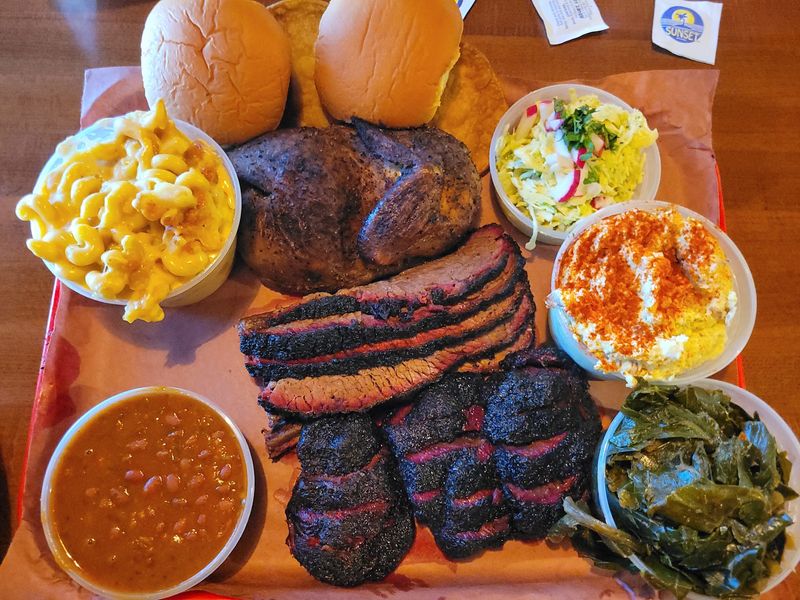
The smoked meats receive plenty of attention, but Palmira’s side dishes are an important part of the experience.
Instead of treating sides as simple additions, the kitchen gives them the same consideration as the barbecue itself.
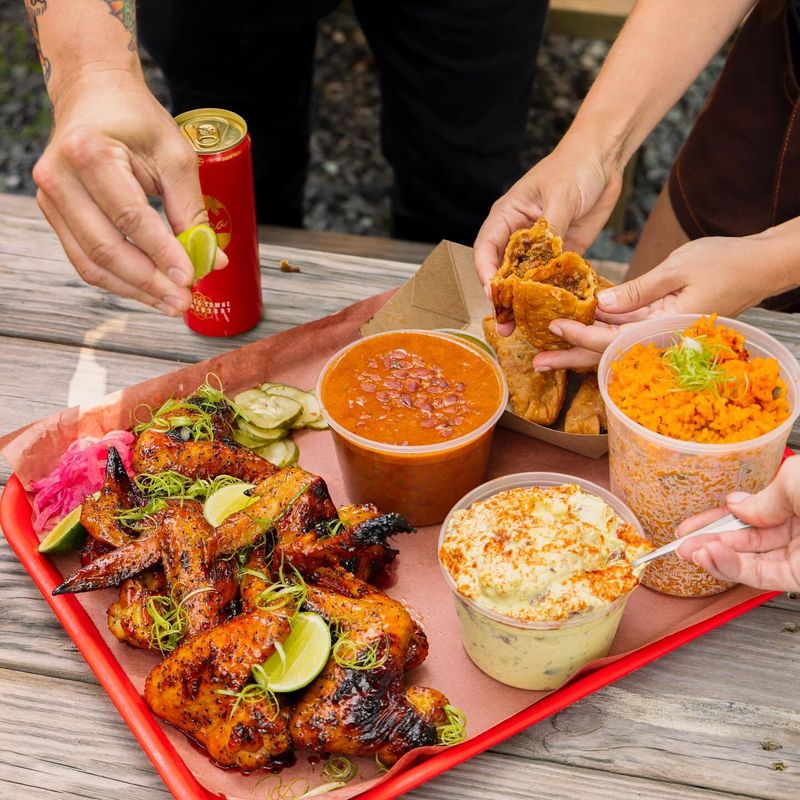
Puerto Rican beans are a particularly distinctive choice.
Prepared with sofrito-inspired flavors, they bring a different character to the plate than traditional Southern baked beans.
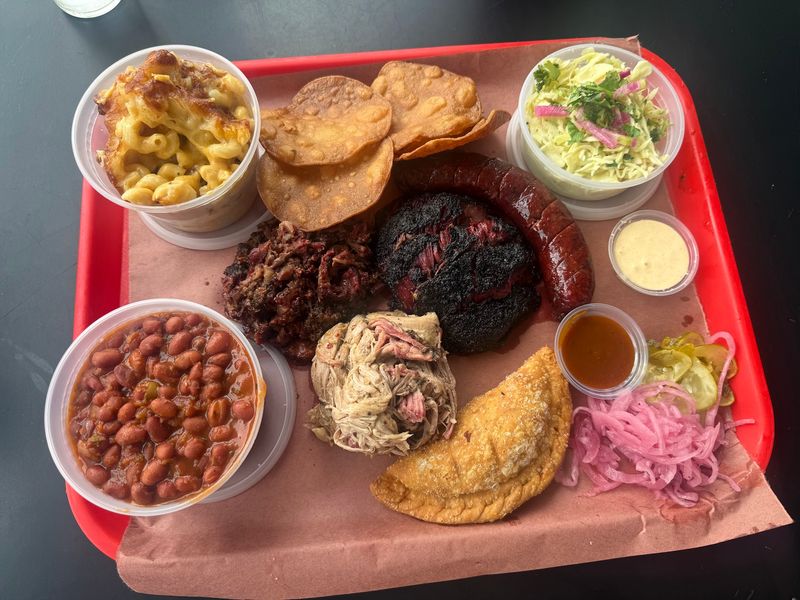
The restaurant also serves familiar favorites such as macaroni and cheese, collard greens, and mustard slaw.
These dishes help balance the richness of smoked pork and beef.
Another notable option is hash and rice, a classic South Carolina barbecue combination with deep regional roots.
Traditionally, hash is a savory meat-based preparation served over rice, and Palmira offers its own interpretation.
Trying several sides alongside different meats creates a fuller picture of the restaurant’s cooking philosophy.
The combination of Carolina comfort food and Puerto Rican flavors is particularly noticeable here.
Nothing feels completely disconnected from the restaurant’s central idea.
Instead, each dish contributes to a menu that celebrates the similarities between different food traditions while highlighting what makes them unique.
From Local Pop-Ups to National Recognition
Palmira did not begin as a large restaurant with an established dining room.
Its reputation developed gradually through pop-up events, where Garate introduced his barbecue to customers around Charleston.
Those early appearances gave him opportunities to refine recipes and build an audience.
A residency at the Port of Call food hall helped bring the food to even more people.
The restaurant eventually opened its permanent West Ashley location in February 2024.
That move marked an important step for a business built around demanding, labor-intensive cooking techniques.
National attention followed.
Southern Living named Palmira the top restaurant on its list of the South’s best new barbecue joints in 2024.
The recognition highlighted Garate’s distinctive combination of Carolina whole-hog cooking, Texas-style smoking, and Puerto Rican flavors.
The restaurant continued receiving praise in subsequent years, becoming an increasingly familiar name among serious barbecue enthusiasts.
Recognition from food publications has introduced Palmira to visitors who might otherwise spend their entire Charleston trip eating downtown.