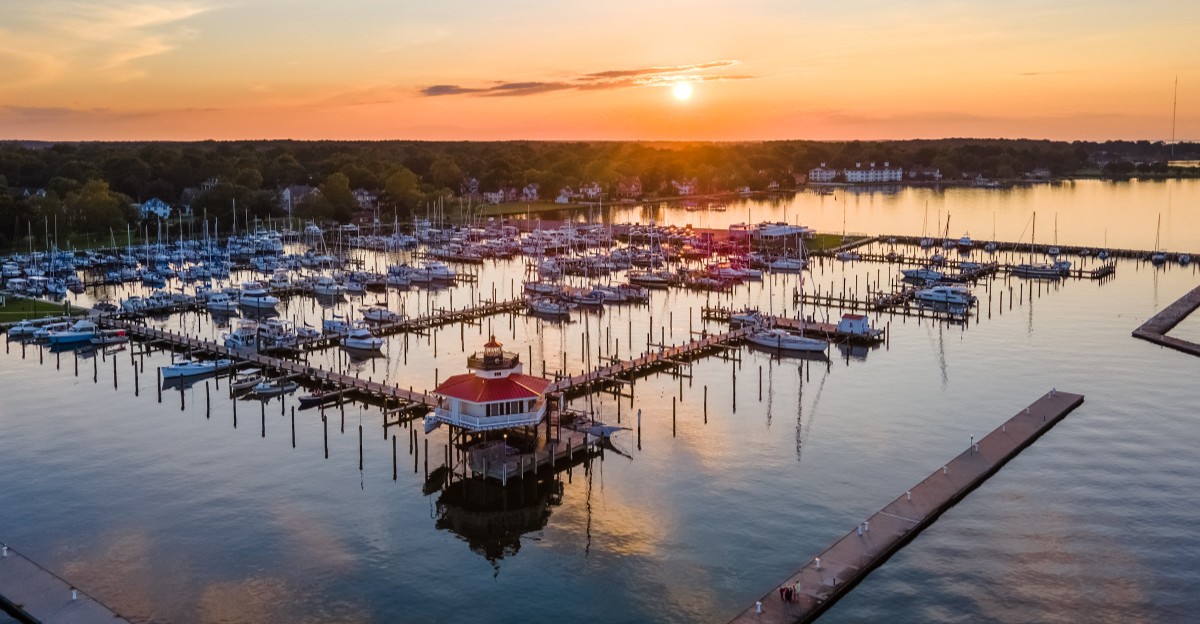
Six sides, one red roof, and a whole lot of river. That is the short version of a little lighthouse on Maryland’s Eastern Shore that keeps showing up in vacation photos.
It sits in a small waterfront city in Dorchester County, where boats drift by and the Choptank River stretches wide toward the Chesapeake Bay.
The structure looks almost like a dollhouse built for sailors, and it has a surprising backstory to match.
This town is more than a pretty lighthouse, though. It holds deep history, a famous freedom story, a wildlife refuge, and a downtown full of murals and old brick buildings.
Keep reading to learn where the lighthouse stands, why it has six sides, and what else makes this riverside city worth a weekend trip.
Where the Six-Sided Star Lives
Cambridge is a city in Dorchester County on Maryland’s Eastern Shore, with the ZIP code Maryland 21613, USA. It serves as the county seat and is the largest town in the county.
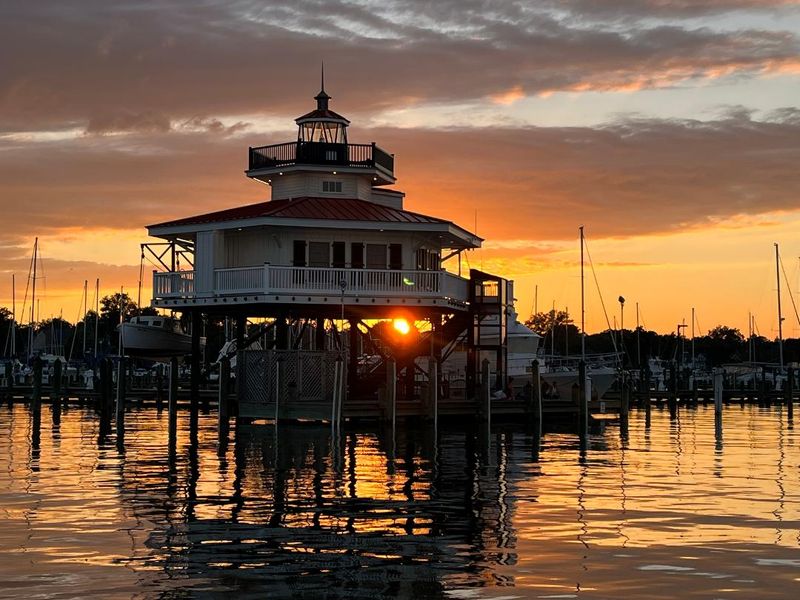
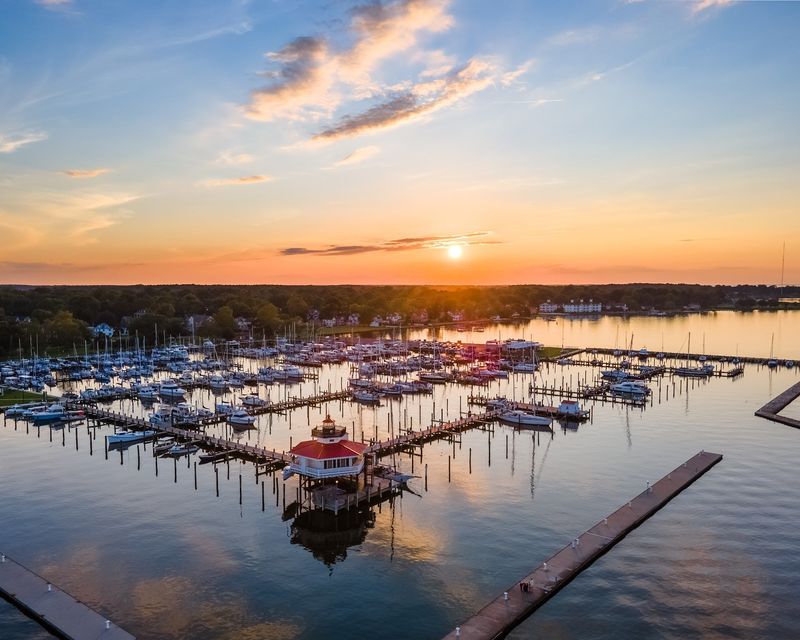
The lighthouse everyone talks about is the Choptank River Lighthouse, found at Long Wharf Park near the end of High Street. It stands at the edge of the municipal marina, right where the town meets the wide river.
The building has six sides and a red roof topped by a lantern room. Its shape follows the style of the screwpile lighthouses that once dotted the Chesapeake Bay.
Getting there is simple. Long Wharf Park sits close to the historic downtown, so a short stroll links the lighthouse to shops and old streets.
Parking is available near the waterfront, and the park itself is open and easy to explore. Many people come for a quick photo and end up staying for an hour.
Fair warning: once you see those six sides against the river, your camera roll will fill up fast.
A Copy With a True Story
Here is a fun twist. The lighthouse in Long Wharf Park is a replica, built to honor a real one that once guided boats on the Choptank River.
The original Choptank River Light stood out in the water on iron piles. That design, called a screwpile, used metal legs twisted into the soft river bottom.
Ice was a big problem for these lights. Moving ice on the Chesapeake damaged several of them over the years, and the Choptank light was eventually replaced and later taken down.
Decades later, the people of Cambridge decided to bring the look back. The replica was completed in 2012 and placed at the marina for everyone to enjoy.
It was modeled on the old six-sided cottage style. That means the shape you see today connects directly to the river’s working past.
So the next time someone calls it just a cute photo spot, you can share the real story. History buffs, this one is for you.
Peek Inside the Keeper’s World
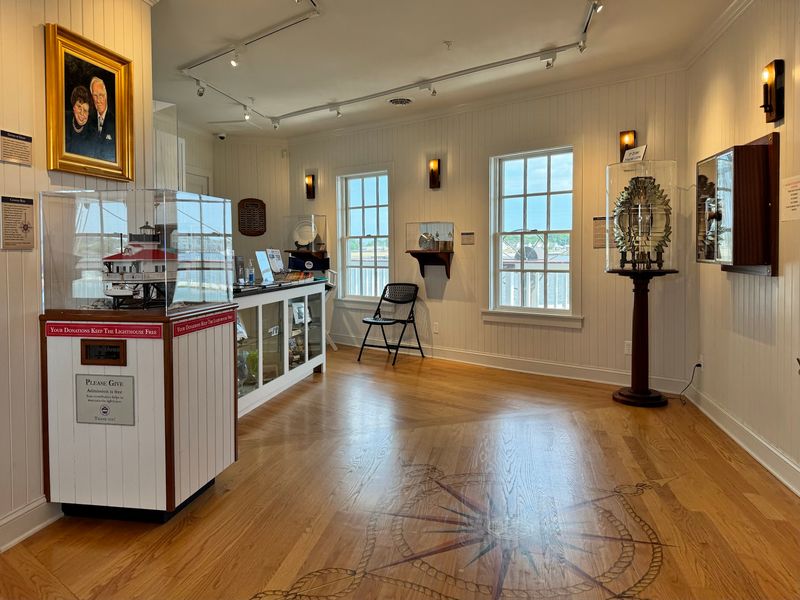
Plenty of lighthouses are only for looking. This one often lets you walk right in during its open season.
The inside shows what life might have been like for a lighthouse keeper on the river. Exhibits share details about the old light, the people who worked there, and the Chesapeake’s lighthouse history.
The rooms are small, which makes sense. Keepers lived in tight spaces and worked long shifts watching over boats at night.
Hours can change by season, and the lighthouse is usually open during warmer months. Checking with the city or the local tourism office before a visit is a smart move.
Families tend to like this stop because it is quick and easy. Kids can see a real-looking lighthouse up close without climbing a giant tower.
Bring questions along. Volunteers and signs help explain how these six-sided homes worked out on the water, and the answers are often more interesting than expected.
Those River Views, Explained
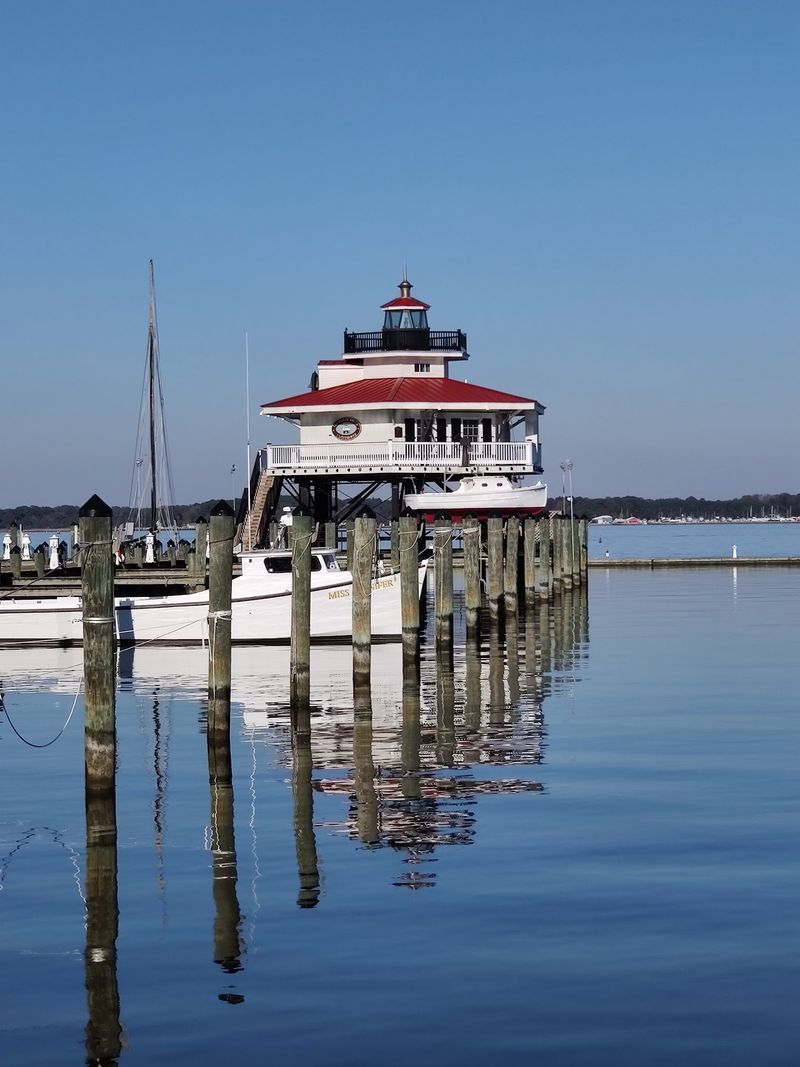
Ask locals about the best seat in town, and many will point to Long Wharf. The Choptank River opens up wide here, giving a big, clear look across the water.
The Choptank is the longest river on the Delmarva Peninsula. Near Cambridge it grows broad as it heads toward the Chesapeake Bay.
Sailboats, fishing boats, and small cruisers move in and out of the marina. The lighthouse sits right in the middle of the action, so every boat becomes part of your photo.
Sunset is a favorite time to visit. The sky over the river often puts on a colorful show, and the lighthouse makes a great outline against it.
Benches and open space make it easy to sit for a while. Bring a snack, find a spot, and let the boats do the entertaining.
Tip for photographers: try shooting from different sides of the park. Each angle shows a new side of those six walls.
Harriet Tubman’s Home Ground
Few places in America carry a story this powerful. Dorchester County is where Harriet Tubman was born into slavery around 1822, and Cambridge sits at the heart of that history.
Tubman escaped to freedom and then returned again and again to guide others north. Her bravery made her one of the most famous leaders of the Underground Railroad.
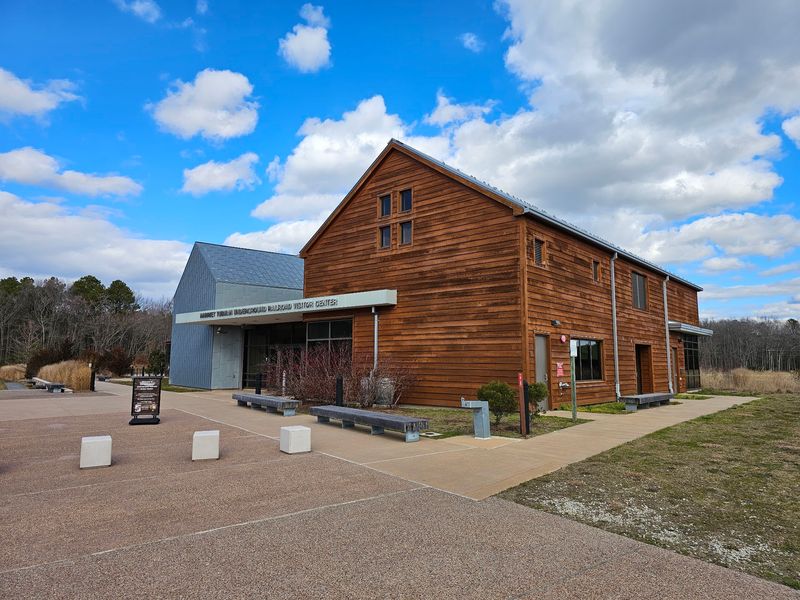
Just south of town, the Harriet Tubman Underground Railroad National Historical Park and its visitor center tell her story. Exhibits explain the land, the people, and the risks involved.
The Harriet Tubman Underground Railroad Byway also winds through the area. It links many sites connected to her life and to the journey toward freedom.
In downtown Cambridge, the Harriet Tubman Museum and Educational Center shares more local history. Its nearby mural of Tubman reaching out her hand has become famous.
Plan extra time for this part of the trip. These stops tend to stay with people long after they head home.
A Mural That Reaches Out
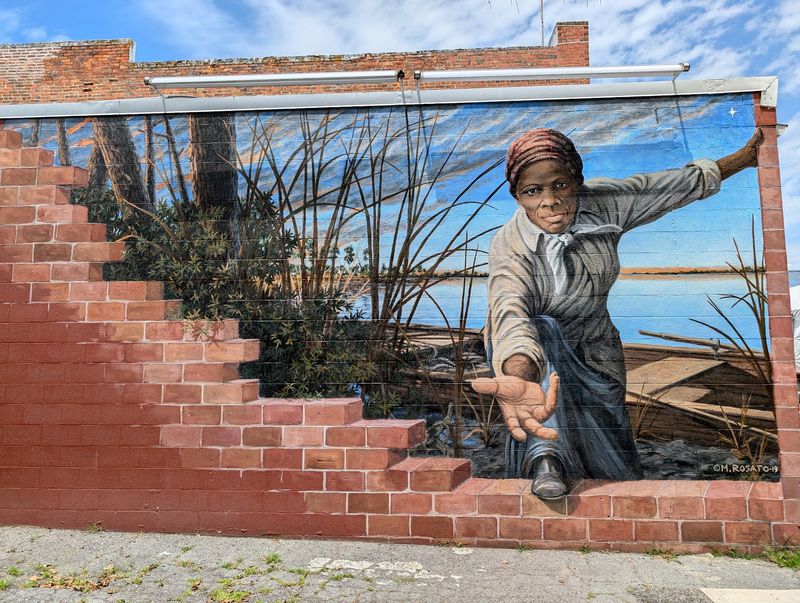
One painted hand has drawn people from all over the country. The Harriet Tubman mural in downtown Cambridge, created by artist Michael Rosato, shows her reaching straight out of the wall.
Many people stand in front of it and place their own hand in hers for a photo. The mural turned a simple brick wall on Race Street into a meaningful landmark.
Cambridge has other murals too. Artwork around downtown celebrates local history, the water, and community life.
A self-guided mural walk is an easy, free way to spend part of a day. It also helps you discover side streets you might otherwise skip.
Downtown is compact, so the mural sits only a short walk from many shops. It pairs nicely with a lighthouse visit on the same afternoon.
Bring patience on busy weekends, since a small line for photos is common. The wait is part of the experience, and the moment is worth it.
Old Bricks on High Street
Cambridge is one of the older towns in Maryland, founded in 1684. That long history shows up clearly along High Street.
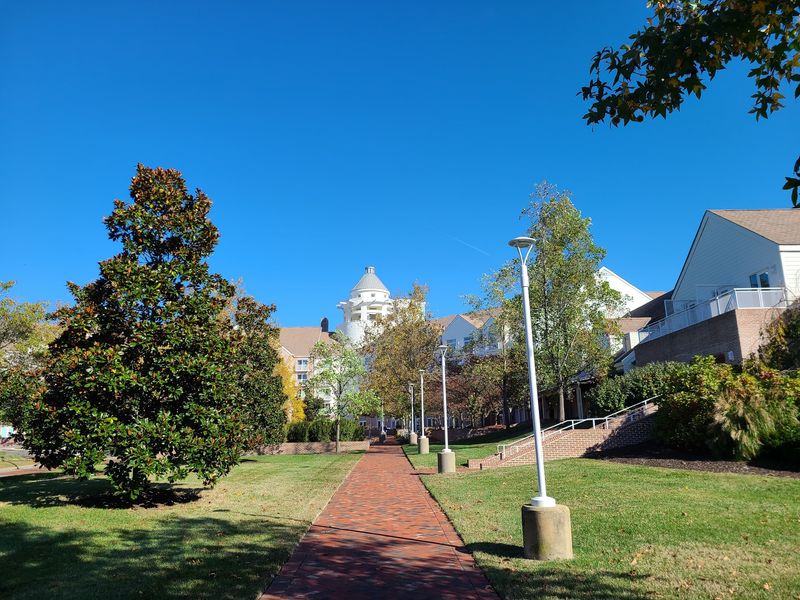
The street runs toward the water and is lined with historic homes. Brick sidewalks and old architecture give it a classic small-town look.
Many homes date back to the 1700s and 1800s. Walking the street feels a bit like flipping through a history book, minus the homework.
The Dorchester County Courthouse is also nearby. It plays a role in the town’s long story as the center of county life.
High Street makes an easy path between downtown and Long Wharf Park. So a walk to the lighthouse can double as a history tour.
Comfortable shoes help, since brick paths can be uneven. Take your time, read the historic markers, and notice the porches and old details.
By the end of the walk, the lighthouse waiting at the bottom of the street feels like a well-earned reward.
Wild Neighbors at Blackwater
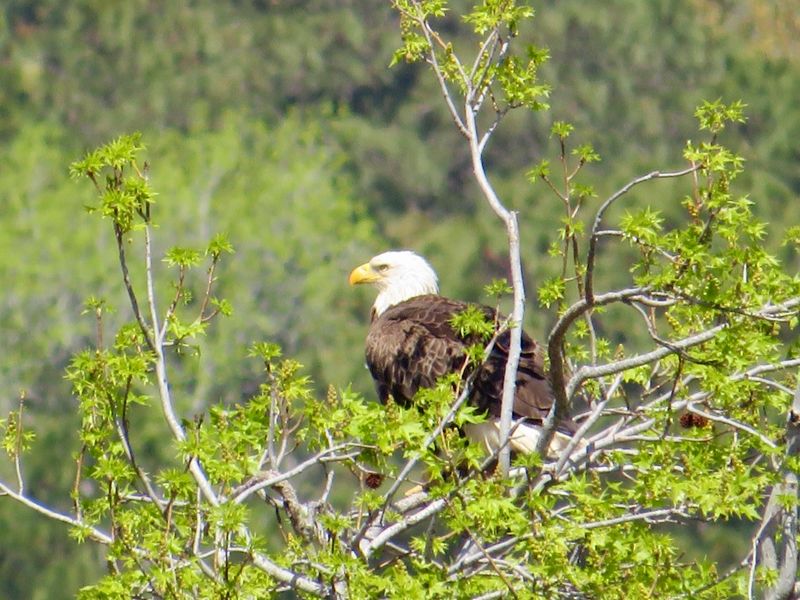
Bald eagles are the local celebrities around here. Blackwater National Wildlife Refuge, about 12 miles south of Cambridge, is known for one of the largest eagle populations on the East Coast.
The refuge was created in 1933 as a safe place for migrating birds. Today it covers more than 28,000 acres of marsh, forest, and water.
The Wildlife Drive is a favorite way to explore. It lets people see birds and marsh views from a car, bike, or on foot.
Winter brings huge numbers of ducks and geese. Spring and fall are also popular for bird watching.
Paddling trails let kayakers explore the quiet waterways. A visitor center offers maps and helpful information.
Bring binoculars and bug spray, especially in summer. Mosquitoes and biting flies can be busy, so plan ahead.
After a morning of eagle spotting, heading back to the lighthouse for sunset makes a very full and happy day.
Life on the Water
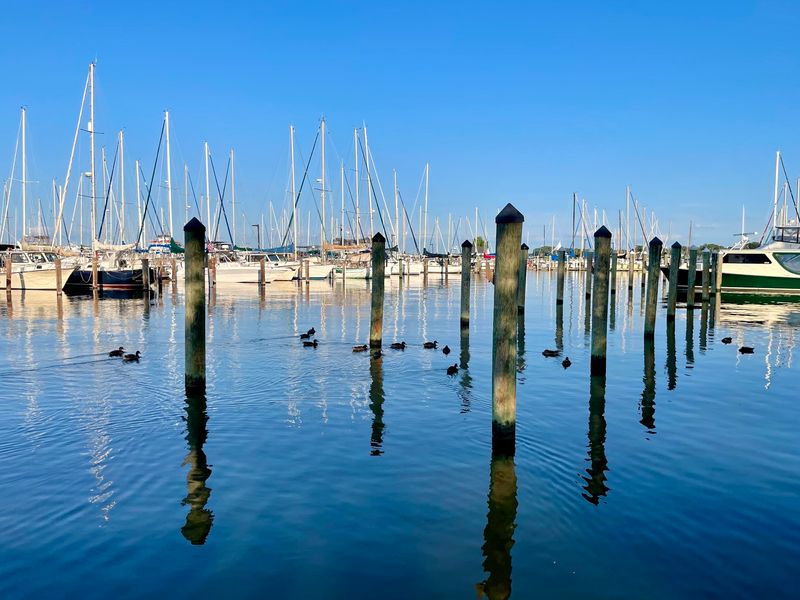
Boats are basically part of the family in Cambridge. The town grew up around the water, and that connection is still strong today.
The skipjack Nathan of Dorchester is a great example. This traditional sailing workboat was built to honor the skipjacks once used to harvest oysters on the Chesapeake.
Skipjacks are the official state boat of Maryland. Seeing one in person helps explain how hard working life on the bay could be.
The Richardson Maritime Museum also shares local boatbuilding history. Its exhibits focus on the skilled builders who shaped Chesapeake workboats.
Kayaking and sailing are popular on the Choptank. Calm days offer good conditions for paddling near shore.
Check schedules ahead of time if you want a skipjack sail, since trips usually run in warmer months. Once you see those big sails heading past the lighthouse, it becomes clear why so many people here love the water.
Best Times to Make the Trip
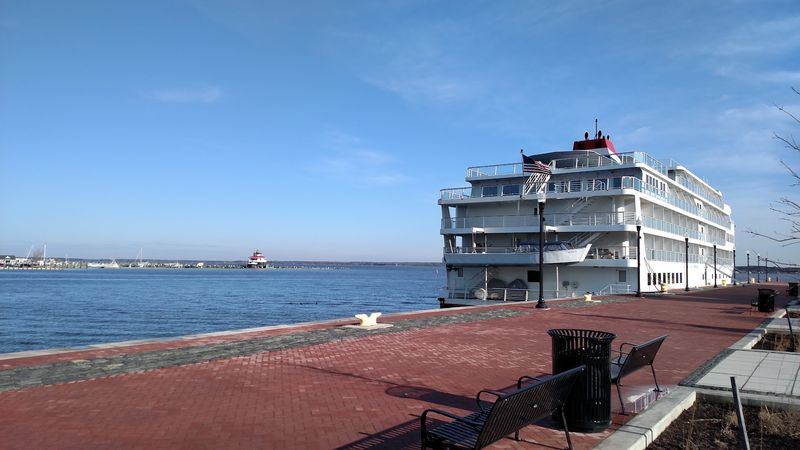
Timing can make a good trip even better. Late spring through early fall is the most popular season in Cambridge.
Warm months bring open lighthouse hours, boat trips, and outdoor events. The waterfront stays lively, and long days mean more time for exploring.
Fall is a sweet spot for many travelers. Crowds thin out, and the weather is often mild for walking downtown or visiting the refuge.
Winter is quieter, but it has a big perk. Blackwater fills with migrating waterfowl, and bald eagle sightings are common.
Cambridge is also within driving distance of Baltimore, Annapolis, and Washington, D.C. Many people reach it by crossing the Chesapeake Bay Bridge and heading south on U.S.
Route 50.
A weekend gives enough time to see the lighthouse, downtown, the Tubman sites, and the refuge without rushing. Pack layers, check event calendars, and save one evening for the river.
That six-sided lighthouse looks ready for its close-up in every season.