In 1966, a bulldozer operator in central Connecticut turned over a slab of gray sandstone and found something nobody expected. A three-toed footprint was pressed into the rock, left there about 200 million years ago.
More prints followed, then hundreds more, until it was clear that a whole crowd of dinosaurs had once crossed this exact spot in Rocky Hill. Today, those tracks sit right where they were made, protected under a giant dome instead of locked in a faraway lab.
That alone makes this place worth a trip, but there is a lot more waiting here, including live reptiles, plaster casting, an arboretum full of ancient plant families, and miles of woodland trails. Keep reading to learn what to see, when to go, and how to make the most of a day with some very old neighbors.
A Prehistoric Address in Connecticut
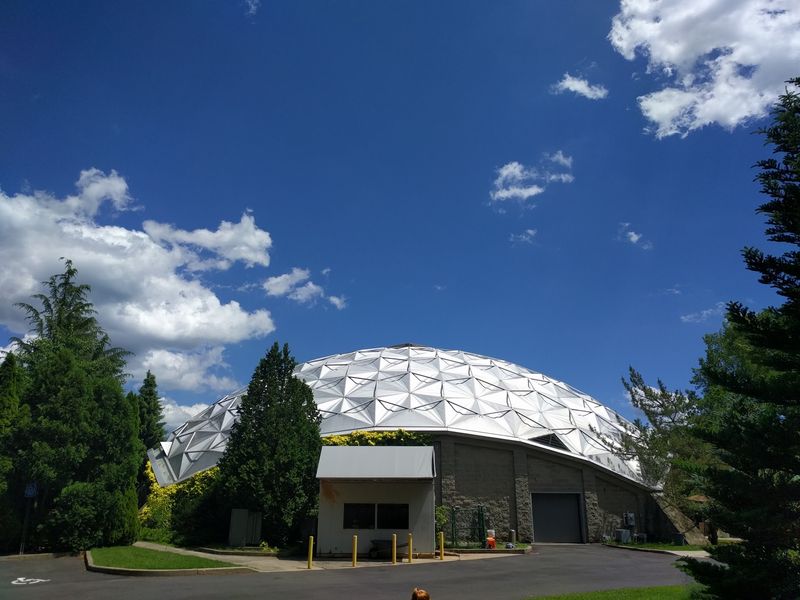
Some of the oldest footprints in New England have a very modern street address. Dinosaur State Park sits at 400 West St, Rocky Hill, CT 06067, in the United States, just a short drive south of Hartford.
The park is easy to reach from Interstate 91, which makes it a popular stop for families on road trips through the state. A large lot offers plenty of free parking, and there are even electric vehicle chargers on site.
The exhibit center keeps a simple schedule. It is open Tuesday through Sunday from 9 am to 4:30 pm and closed on Mondays, so plan around that day off.
Admission to the building is very affordable, with adult tickets around $6 and lower prices for kids. The outdoor grounds and trails can be explored separately.
Checking the official state parks website before heading out is a smart move. Programs and schedules can shift with the seasons, and a quick look saves a wasted trip to a locked door.
The Bulldozer Discovery of 1966
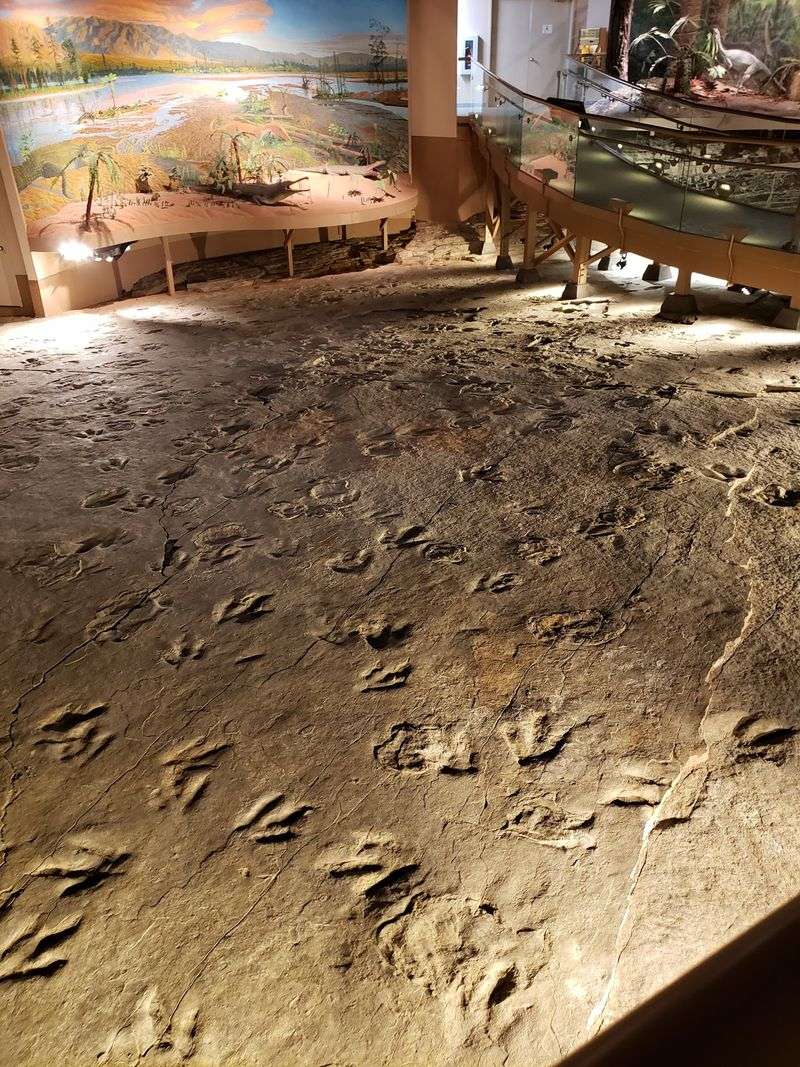
Construction crews were supposed to be building a state office here. Instead, in 1966, a bulldozer exposed sandstone covered in three-toed footprints, and the plans changed fast.
Scientists and state officials soon realized the find was huge. Workers uncovered around 2,000 tracks on the site, one of the largest dinosaur track sites in North America.
Rather than move the prints, Connecticut chose to protect them where they lay. The land became Dinosaur State Park, and in 1968 it was named a National Natural Landmark.
Here is a detail many people miss. Most of the tracks were carefully reburied to keep them safe from weather and wear, so the ones on display are only part of the full trackway.
That choice tells you a lot about the spirit of the park. Preservation came first, and showing off came second.
So the next time someone grumbles about road work, remind them that one construction project in Rocky Hill accidentally dug up a whole chapter of Earth history.
Under the Big Dome
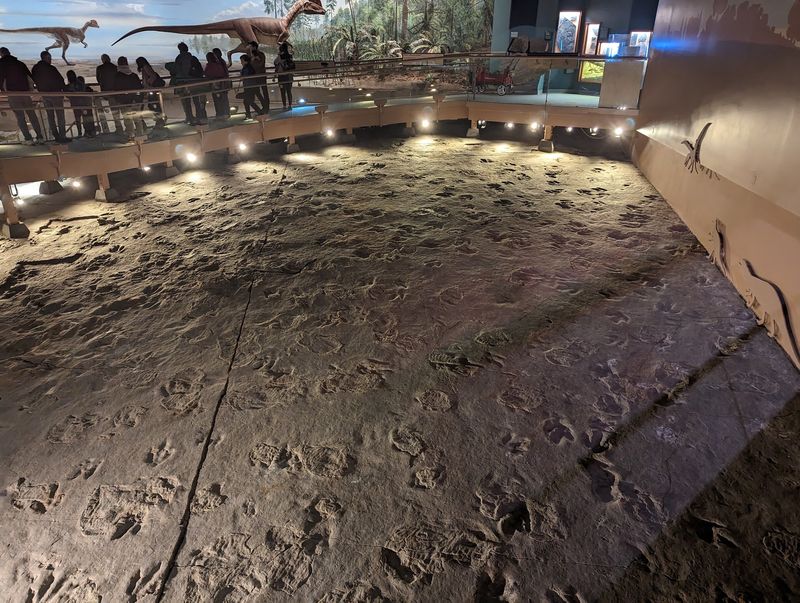
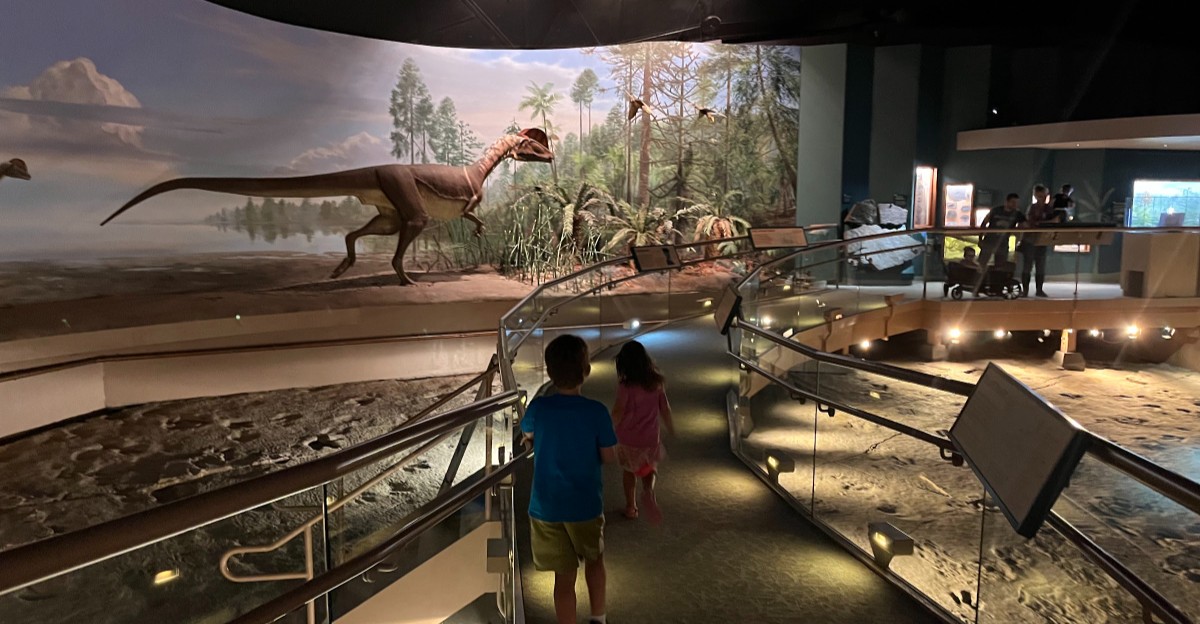
Nothing here is a replica. The famous geodesic dome was built right over the real trackway, so the prints sit exactly where the animals stepped.
Hundreds of tracks are visible inside, with figures often given between 500 and 750 depending on how they are counted. A ramp and walkway wind around the rock, so every angle is easy to see without crowding.
One rule matters most. The prints cannot be touched, which is a big reason they still look so crisp after millions of years.
Lighting and signs help point out individual footprints and the paths they form. Following one trail of steps across the slab feels a little like reading a very slow story.
Bring patience for younger kids who want to spot every single print. Turning it into a counting game keeps little eyes busy and focused on the rock.
Most people spend a good chunk of their visit right here, and for good reason. It is the heart of the whole park.
Meet Eubrontes, the State Fossil
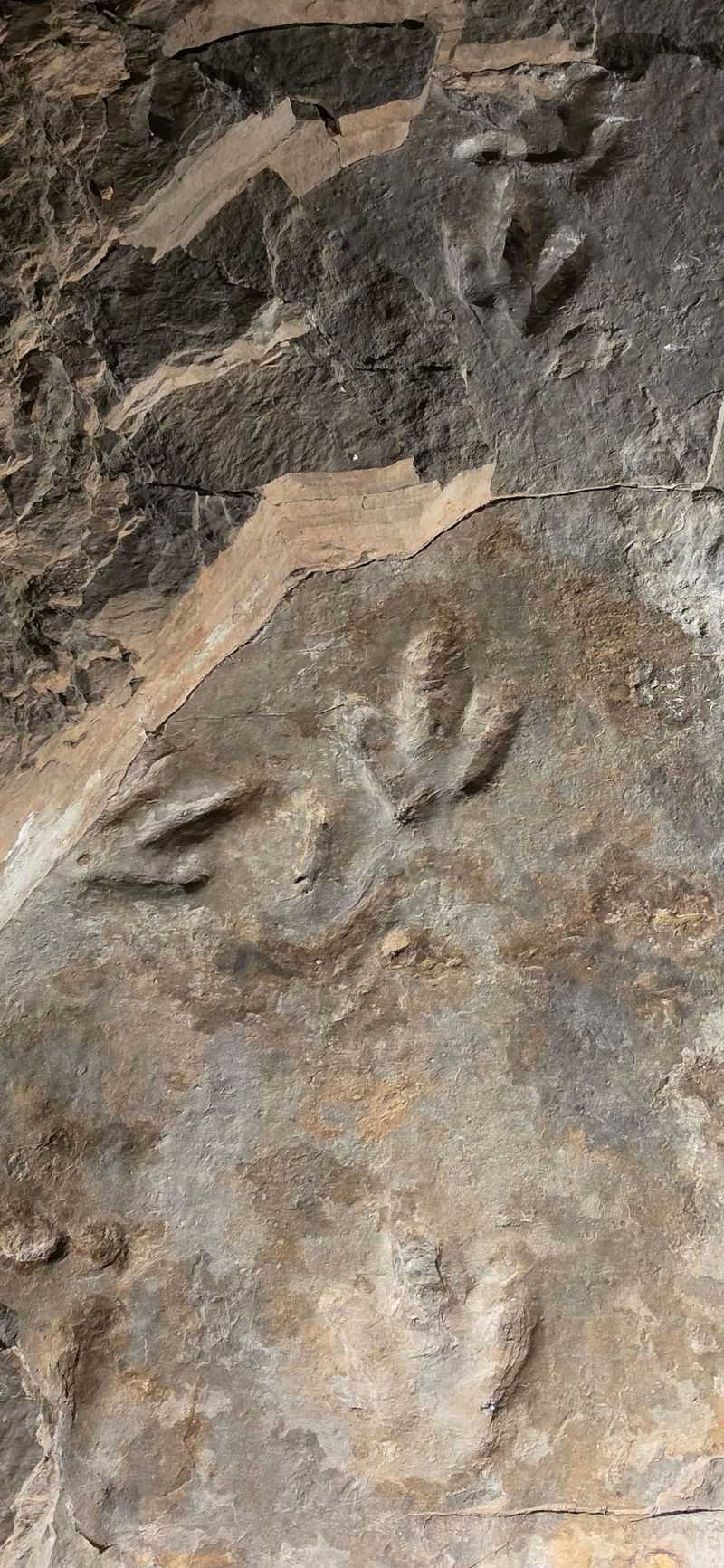
Connecticut has an official state fossil, and you can see it here in person. It is called Eubrontes giganteus, and it is not a bone at all but a footprint.
Scientists use the name Eubrontes for this type of track, which is large and has three toes. The animal that made it was likely a meat-eating dinosaur similar to Dilophosaurus.
Since nobody found the actual dinosaur next to its prints, experts cannot say exactly which species left them. That mystery is part of the fun.
Inside the exhibit, a large life-size model shows what the track maker may have looked like. Standing beside it helps kids understand just how big these creatures were.
The prints date back roughly 200 million years, to the Early Jurassic period. Back then, this area looked very different, with lakes and muddy shores instead of suburbs.
Not many states can say their official fossil is waiting right off the highway. Connecticut gets bragging rights on that one.
Exhibits Built for Curious Minds
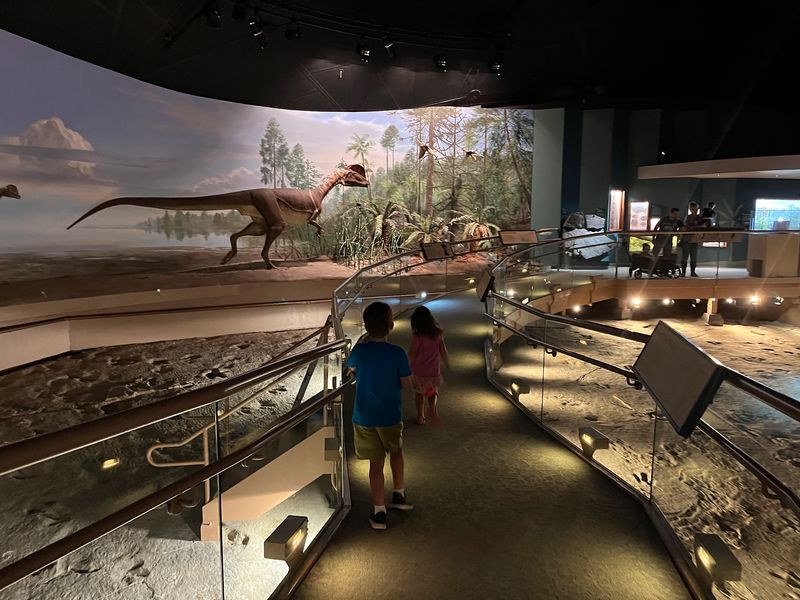
Small museum, big ideas. The exhibit center packs a lot of learning into a compact space that most families can explore in about an hour.
Interactive displays explain how the tracks formed and how Connecticut’s land changed over time. A section on the state’s geological history connects ancient lakes and lava flows to the ground under your feet today.
After the dome, a hands-on room lets kids handle fossils and rocks. Minerals sit behind glass nearby for a closer look.
A sand play area tends to keep younger visitors busy for a long while. It is a good spot for parents to take a short breather.
Short films and video shows play on a schedule posted near the entrance. Grabbing a look at that schedule first helps you plan the rest of the visit.
Adults will find plenty to read, too. The setup works for a six-year-old and a grown-up dinosaur fan at the same time, which is not an easy balance to strike.
Scales, Shells and Live Critters
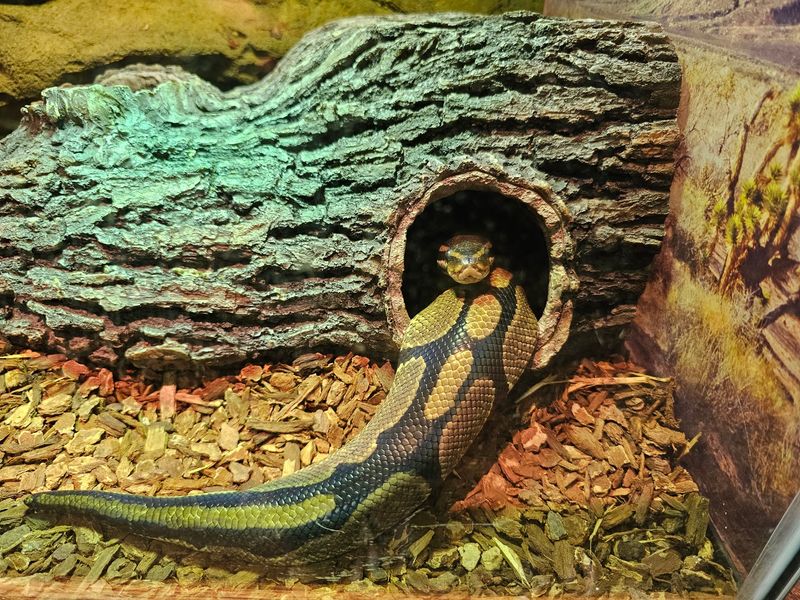
Dinosaurs may be long gone, but their modern cousins are on duty. The exhibit center keeps live animals, including snakes, lizards, turtles, frogs, and even a few insects.
These residents help connect ancient reptiles to the ones living today. Kids often get as excited about a gecko as they do about a giant footprint.
The real highlight is the live animal program. Staff bring out creatures, share facts about each one, and sometimes let guests gently pet a lizard or snake.
Sessions run about 30 minutes and usually include time for questions. Little hands shoot up fast, so expect plenty of curious queries.
Program times vary, so check the posted daily schedule as soon as you arrive. Planning your visit around one of these talks is well worth it.
Naturalists also give talks about the footprints themselves, and they bring a lot of energy. Between the animals and the experts, the human side of this park is surprisingly strong.
Make Your Own Footprint Cast
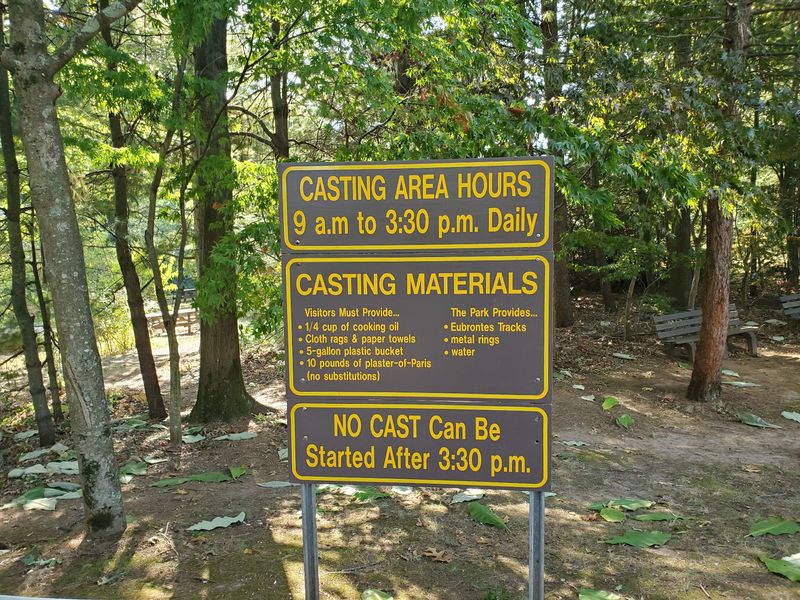
Here is a souvenir you cannot buy at the gift shop. The park has an outdoor casting area where you can make a plaster copy of a dinosaur footprint.
The prints used for casting are replicas, not the real ones, but the results still look impressive on a shelf. Staff provide the frame, and they can help guide the process.
You need to bring your own supplies. That usually means plaster of Paris, water, a bucket, a stirring stick, cooking oil, and some rags.
Casting is offered only at certain times and seasons, often around warmer months. Checking the official park website ahead of time keeps you from showing up with a bucket and no plan.
Plaster takes a little while to set, so be ready to wait. A picnic nearby makes the time pass quickly.
Kids love carrying home a track that looks just like the ones in the dome. Years later, it still makes a great show-and-tell piece.
An Arboretum With Ancient Roots
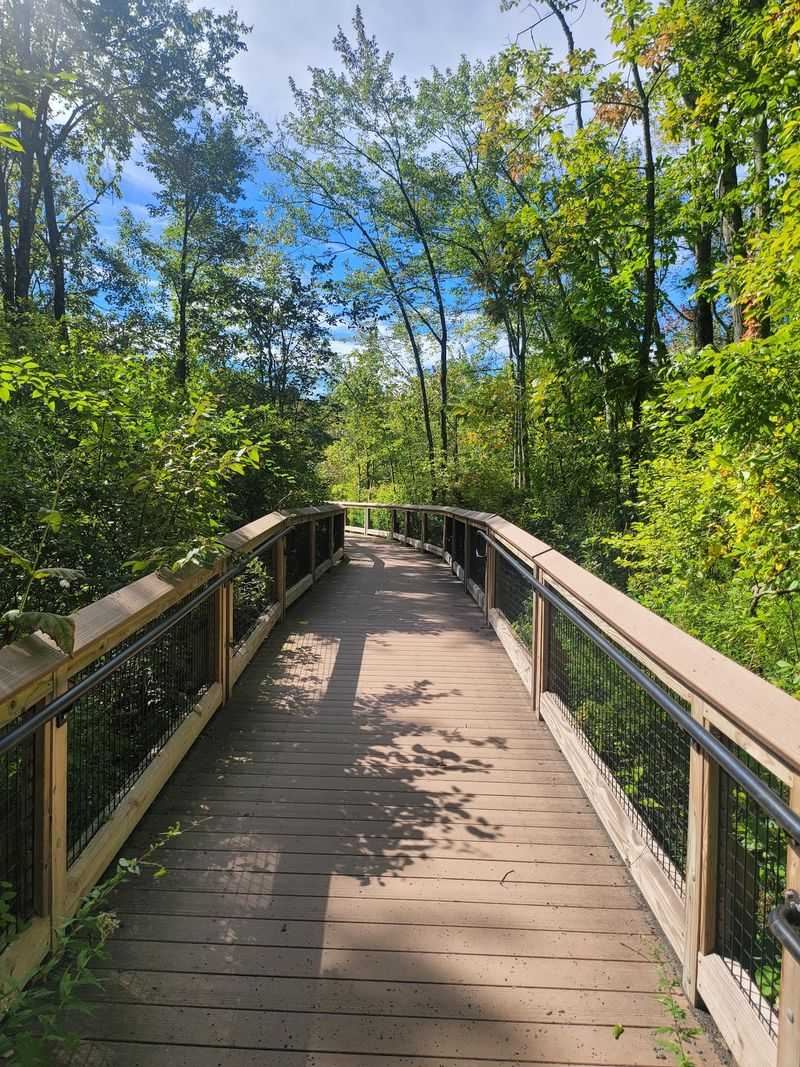
Plants have family trees, too, and some go back very far. The park’s arboretum covers about 10 acres and features plant groups that existed during the age of dinosaurs.
Look for conifers, ginkgoes, ferns, and other specimen plants. Their ancestors grew around the same time the track makers were wandering past ancient lakes.
Signs help identify many of the trees and shrubs. Reading them turns a simple stroll into a lesson about how life on Earth has changed.
The arboretum is a calmer part of the park and makes a nice break after the busy exhibit center. Many people overlook it, which means it often stays quiet.
Gardeners will find plenty of ideas here. Some of these plant families still grow well in yards today.
Bring a phone or notebook to jot down names that catch your interest. It is a fun way to discover that dinosaurs and your backyard have more in common than you might think.
Trails Through the Woods and Wetlands
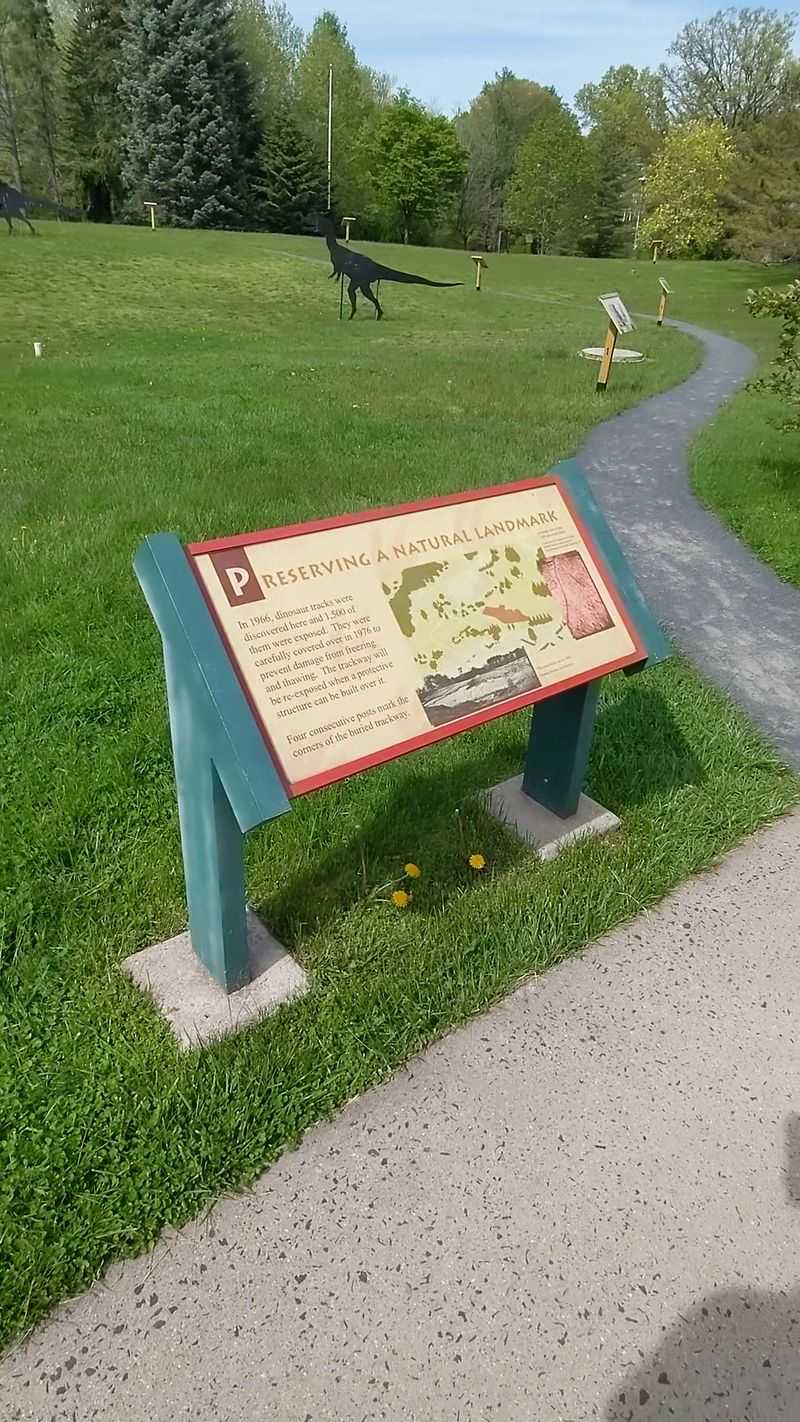
More than three miles of trails loop through the park’s woods and wetlands. They are a big reason some families stay for half a day instead of an hour.
The blue trail is a favorite and works well for school-age kids. Several loops take around 30 minutes, which fits short legs nicely.
Paths pass through forest and swampy areas, and boardwalks cross some of the wetter spots. Some sections are wheelchair accessible.
Stroller use is a mixed bag. Some trails handle wheels fine, but others are rougher, so a baby carrier may be the easier choice.
Mosquitoes can be very active near the wetlands, especially in summer. Packing insect repellent is one of the best tips for this park.
The outdoor grounds are free to explore, separate from the exhibit center fee. Rainy days make the trails less appealing, so save them for a dry afternoon and spend stormy hours inside with the tracks.
Smart Tips Before You Go
A little planning stretches your budget and your day. Many Connecticut public libraries lend passes that offer free entry to the exhibit building for two adults and two kids.
Veterans with a service-connected disability may also be eligible for free admission. Asking at the front desk is easy.
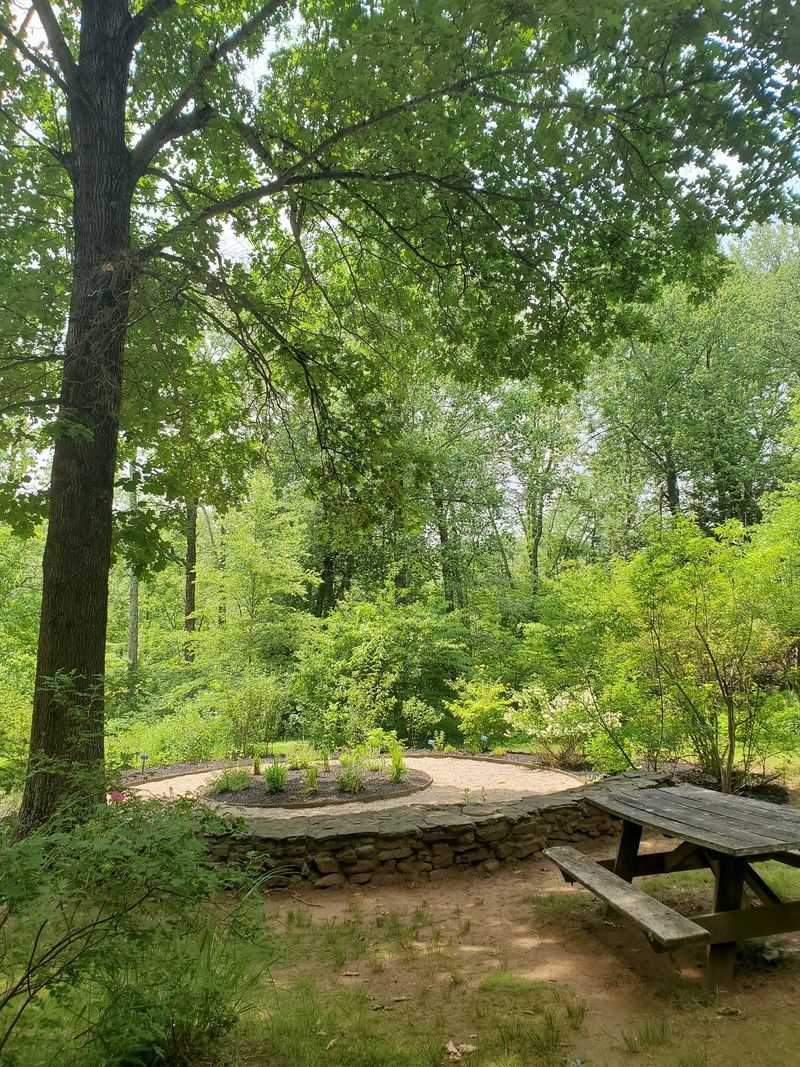
Shaded picnic spots are scattered around the grounds. Packing a lunch turns a quick stop into a relaxed outing.
The gift shop near the exit sells dinosaur toys, books, and geology gifts. You can also buy a small bag of sand for gemstone mining, which kids tend to love.
Remember that the building is closed on Mondays. Arriving early on weekends helps you beat the busiest crowds.
Donations support the park, so dropping in a few dollars helps keep those ancient prints safe. In the end, this spot rewards curiosity, and every trip leaves you walking a little closer to the giants who came first.