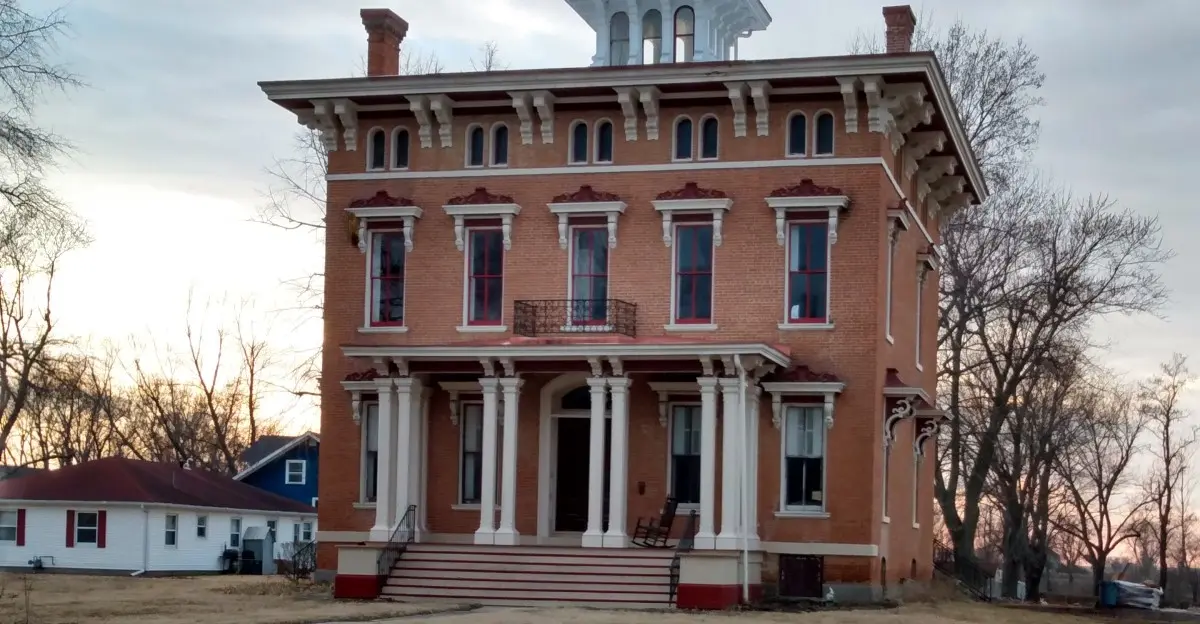
Some towns rush to keep up with the world, and some politely decline the invitation.
Out in northeast Missouri, where two-lane highways cross wide farm country, one small city has kept its brick storefronts, its railroad roots, and its unhurried habits in good working order.
About 1,600 people call it home, according to the 2020 census, and it still feels like the kind of place where a trip to the hardware store can turn into a half-hour visit.
It grew up beside the rails in the 1850s, and the town square layout from that era still shapes daily life.
The sections ahead cover its history, its Main Street, its yearly gatherings, nearby outdoor escapes, and simple tips for planning a day trip.
Grab a coffee and settle in, because this crossroads town rewards anyone willing to slow down.
Finding the Crossroads on the Map
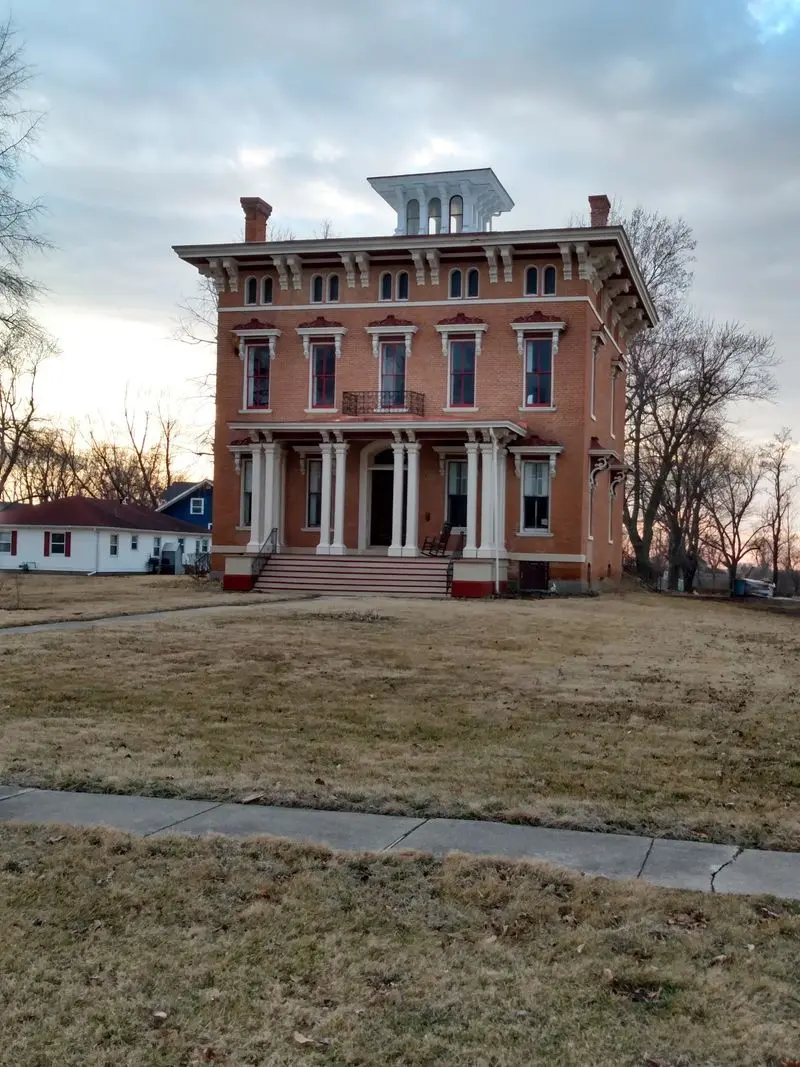
Every good road trip needs a destination, and this one is Shelbina, Salt River Township, MO 63468, USA. The small city sits in southern Shelby County in northeast Missouri, surrounded by farmland and quiet country roads.
U.S. Route 36 runs just north of town, linking it with Hannibal to the east and Macon to the west.
Missouri Route 15 also passes through, which explains the crossroads nickname that fits the town so well.
Hannibal, the famous Mark Twain town on the Mississippi River, is roughly an hour away by car. That makes Shelbina an easy side trip for travelers already exploring the river region.
Columbia and Kirksville are both within reach for a day drive as well. The location gives the town a handy balance, close enough to bigger places for errands but far enough away to keep its own steady pace.
Plan to arrive in daylight if possible. The surrounding fields and farm scenery are a big part of the welcome, and they set the tone for everything that follows.
A Town Built by the Rails
Back in the 1850s, the Hannibal and St. Joseph Railroad was stretching across Missouri, and towns popped up along its path. Shelbina was one of them, laid out in 1857 as the line moved west.
The railroad was a big deal for the young nation. It became one of the first lines to connect the Mississippi River with the Missouri River, and it carried mail, goods, and settlers across the state.
Small stops like this one turned into trading centers for local farmers. Grain and livestock could finally reach distant markets without slow wagon trips.
That railroad heritage still shapes the town today. Tracks still pass close to the heart of the community, a reminder of why the streets were drawn where they are.
History fans will enjoy tracing how the downtown grid lines up with the rail corridor. A quick walk along the older blocks shows how closely the city’s early growth followed the trains, one stop at a time.
Main Street Moves at Its Own Speed
Nobody hands out speeding tickets for strolling, which is good news here. Downtown Shelbina is built for slow walks past rows of older brick commercial buildings.
Many of these storefronts date back generations. Their tall windows and upper floors reflect the style common to Midwestern business districts from the late 1800s and early 1900s.
Local shops, offices, and gathering spots still fill many of the spaces. Business hours can be shorter than in a big city, so checking ahead before a visit is a smart move.
Parking is usually simple, often right along the street. That alone can feel like a small vacation for anyone used to circling crowded garages.
The best approach is to park once and explore on foot. Read the dates and names carved into some of the building fronts, since they quietly tell the story of the families and merchants who built the town.
Main Street here never tries to impress, and that is exactly its charm.
Hometown Pride in Shelby County
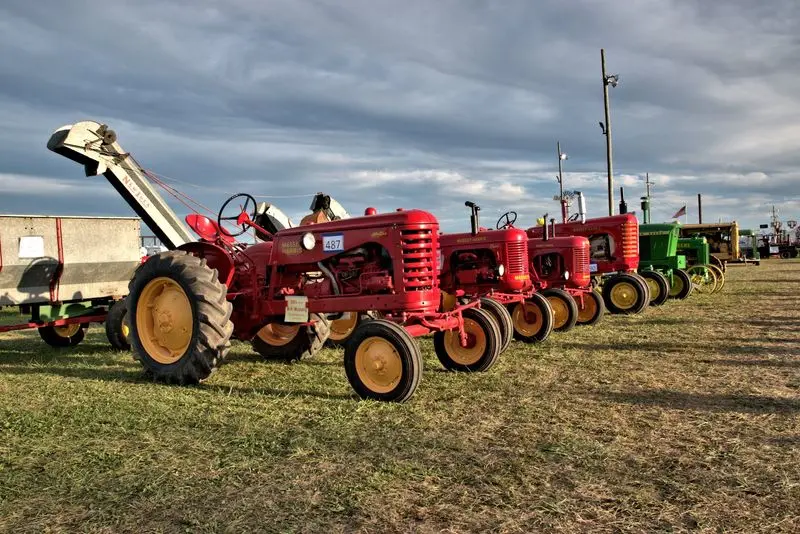
Ask around, and folks will happily tell you which local team they cheer for. Community spirit runs deep in Shelbina, and much of it centers on schools, churches, and civic groups.
The town is part of Shelby County, a mostly rural area where agriculture remains a major part of life. Farming families and small business owners often know each other by name.
That close-knit feeling shows up in everyday moments. Friendly waves from passing trucks are common, and a simple question about directions might earn a short history lesson too.
Visitors can show respect by supporting locally owned shops and keeping a relaxed attitude. Small towns run on relationships, not rush.
Community bulletin boards and local newspapers are great tools for finding out what is happening during your stay. Fundraisers, school events, and church gatherings are often open to the public.
Showing up for one of these events is a fine way to see the real heartbeat of the place, beyond any tourist brochure.
Fair Season Fun
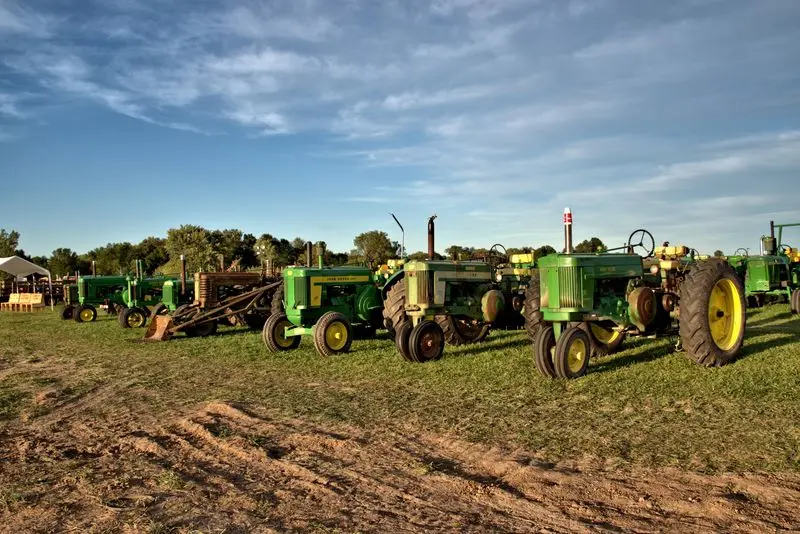
Summer in rural Missouri often means fair season, and Shelbina has long been connected to that tradition. The Shelby County Fair has historically been held in the area, drawing families from across the county.
County fairs are a big part of farm culture. Young people in 4-H and FFA show livestock, display projects, and compete for ribbons they have worked on for months.
Events like these also bring parades, games, and plenty of chances to catch up with neighbors. For a visitor, they offer an honest look at what matters most to the community.
Dates can change from year to year, so checking official county or town announcements before planning a trip is important. Local social media pages are often the quickest source for updates.
Bring cash, comfortable shoes, and patience for small crowds. Fair days tend to run long, and many locals make a full day of it.
Leaving with a newfound respect for show cattle is almost guaranteed.
Lake Life Just Down the Road
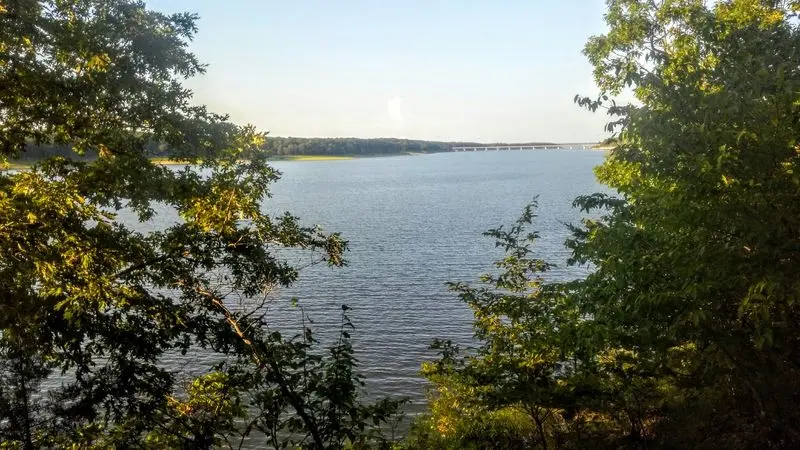
Need a break from Main Street? A short drive south leads toward Mark Twain Lake, one of the largest outdoor recreation areas in northeast Missouri.
The lake was created by the Clarence Cannon Dam on the Salt River. It covers about 18,000 acres and offers boating, fishing, camping, and hiking.
Fun fact: the Salt River also lends its name to the township that includes Shelbina. The local geography and the big lake share the same watery roots.
Several parks and campgrounds surround the shoreline, including areas managed by the U.S. Army Corps of Engineers and Mark Twain State Park.
Reservations for campsites can fill quickly during summer weekends.
Anglers often target crappie, bass, and catfish here. Make sure to have a valid Missouri fishing permit before casting a line.
Pairing a morning downtown with an afternoon at the lake creates a well-rounded day. Small-town pace and wide-open water make a surprisingly great team.
Farm Country All Around
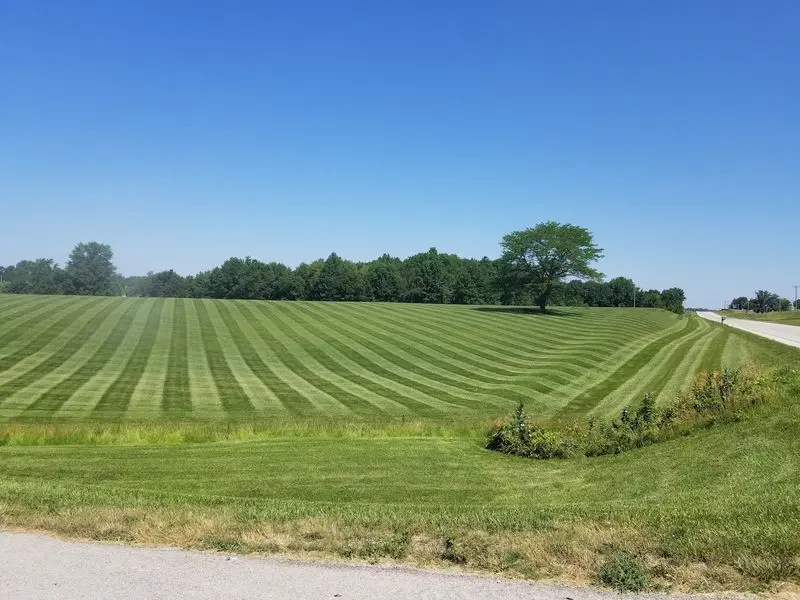
Corn, soybeans, and cattle are the quiet stars of the landscape around town. Agriculture has shaped Shelby County since its earliest days, and it still drives much of the local economy.
Back roads outside the city limits pass working farms, grain bins, and wide fields. A slow drive here gives a clear look at how much of America’s food supply begins.
Planting season usually arrives in spring, while harvest kicks into gear in the fall. During these busy weeks, large farm equipment often shares the roads.
Drivers should stay alert and patient. Tractors and combines move slowly, and passing them safely sometimes takes a little time.
Gravel roads are common in the area, so a vehicle with good tires is helpful. Keep an eye on your map, since cell service can fade in more remote spots.
Respect private property and never drive into fields or farm lanes. The view from the road is more than enough to understand why this land matters so much.
When to Plan a Visit
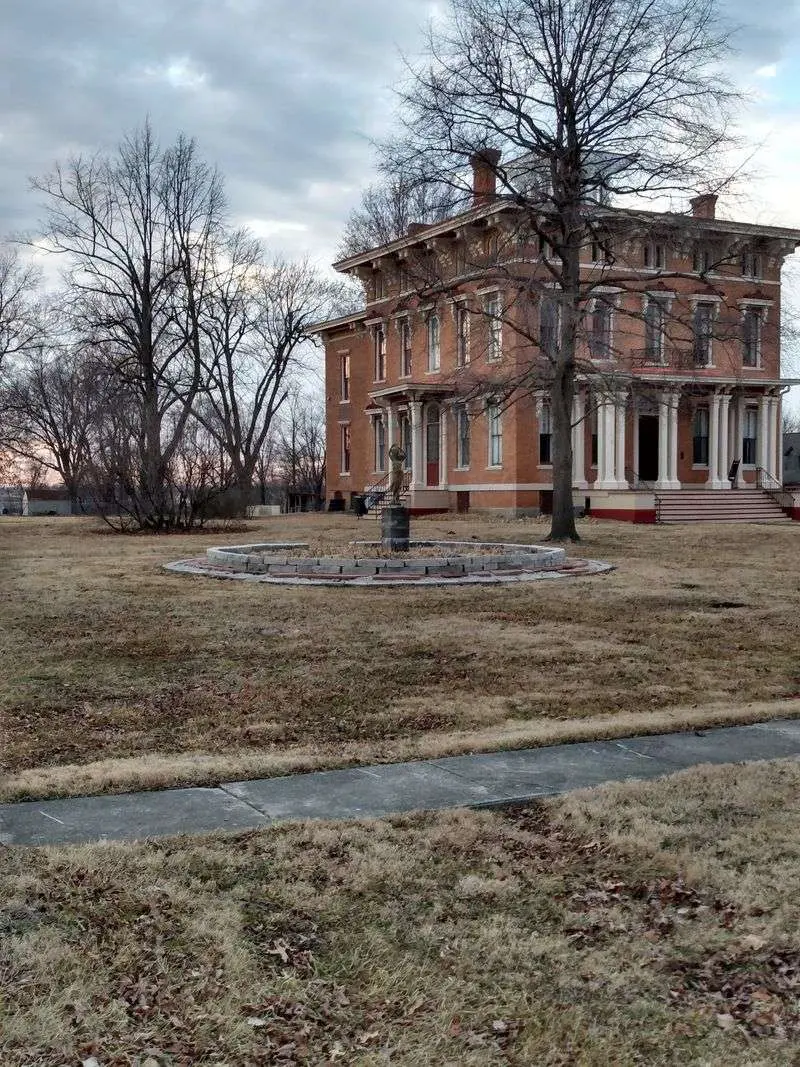
Timing can make a small-town trip twice as rewarding. Late spring and early fall usually bring the most comfortable weather for exploring northeast Missouri.
Summer offers the busiest event calendar, with fairs and lake activities at their peak. Heat and humidity can be strong, though, so plan outdoor time for mornings or evenings.
Autumn is a favorite season for many travelers. The trees turn colorful, harvest is underway, and the roads feel lively without being crowded.
Winter is quieter, and some outdoor attractions slow down. Snow and ice can affect rural roads, so checking forecasts before driving is wise.
Weekdays tend to be calm downtown, while weekends may bring more local activity. Shops in small towns sometimes close on Sundays, so a Friday or Saturday visit often works best.
Whatever the season, building in extra time is the real secret. Shelbina is a place that rewards lingering more than checking boxes off a list.
Easy Day Trips Nearby
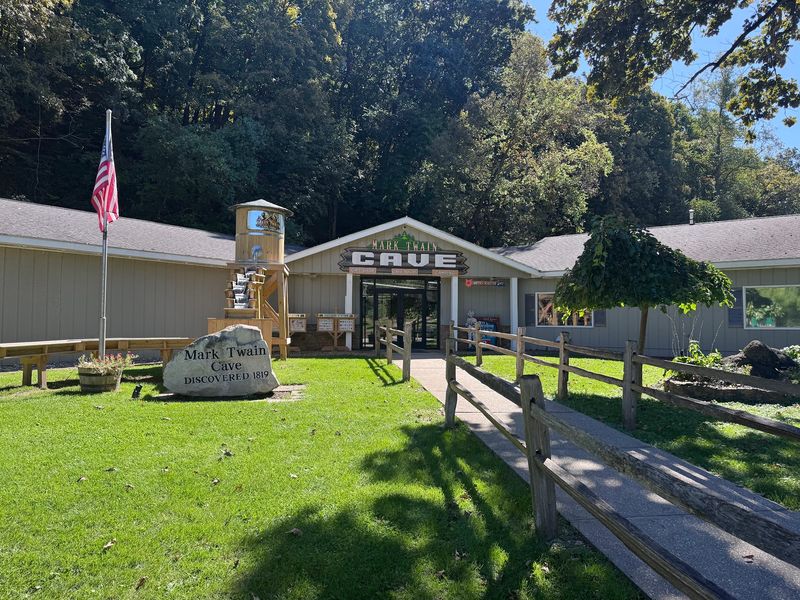
Shelbina makes a handy home base for exploring the region. Several interesting stops sit within about an hour’s drive.
Hannibal is the most famous neighbor. Mark Twain spent his boyhood there, and the town features his boyhood home, a museum, and riverfront views of the Mississippi.
Florida, Missouri, near Mark Twain Lake, is the author’s birthplace. The Mark Twain Birthplace State Historic Site preserves the small cabin where he was born in 1835.
Macon and Kirksville to the west offer more shopping and dining choices. Kirksville is also home to Truman State University and A.T.
Still University.
Shelbyville, the Shelby County seat, sits a short drive to the north. Its historic courthouse is worth a quick look for anyone interested in local government history.
Mapping out a loop route can help cover several towns in one day. Coming back to Shelbina at sunset feels like returning to a friend’s porch after a long, satisfying drive.
Smart Tips for a Smooth Stay
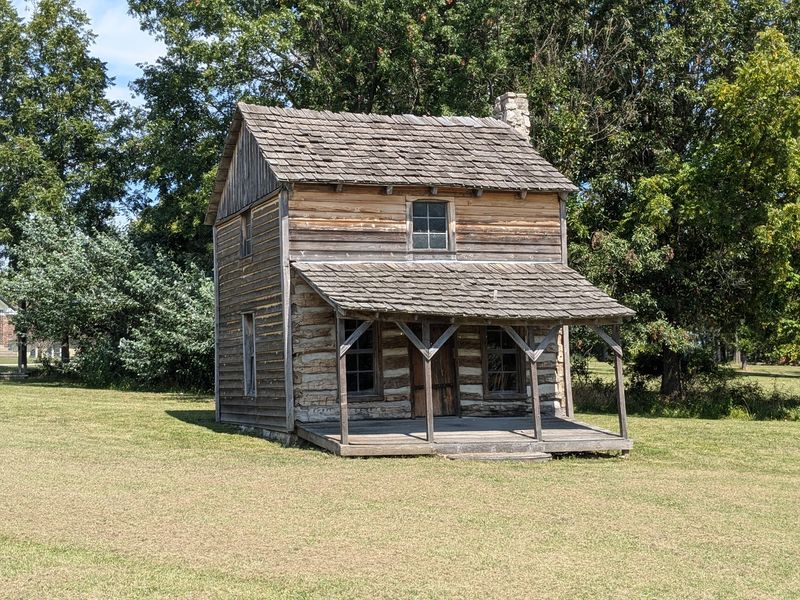
A little preparation keeps a small-town visit stress free. Shelbina has limited lodging, so many travelers book rooms in nearby larger towns or campgrounds near Mark Twain Lake.
Fill up the gas tank before heading onto back roads. Stations can be spread out in rural parts of Shelby County.
Carry some cash for small businesses and community events. Not every booth or shop accepts cards.
Download maps ahead of time, since cell signals can weaken outside town. A paper road map also makes a trusty backup.
Be ready to chat. Locals often enjoy sharing stories, and those conversations can lead to useful tips about events or history.
Finally, leave the rush at home. Main Street here still keeps time the old way, where errands move slowly and neighbors take a moment to say hello.
Follow that rhythm, and this little crossroads town will feel less like a stop on the way and more like the reason for the trip.