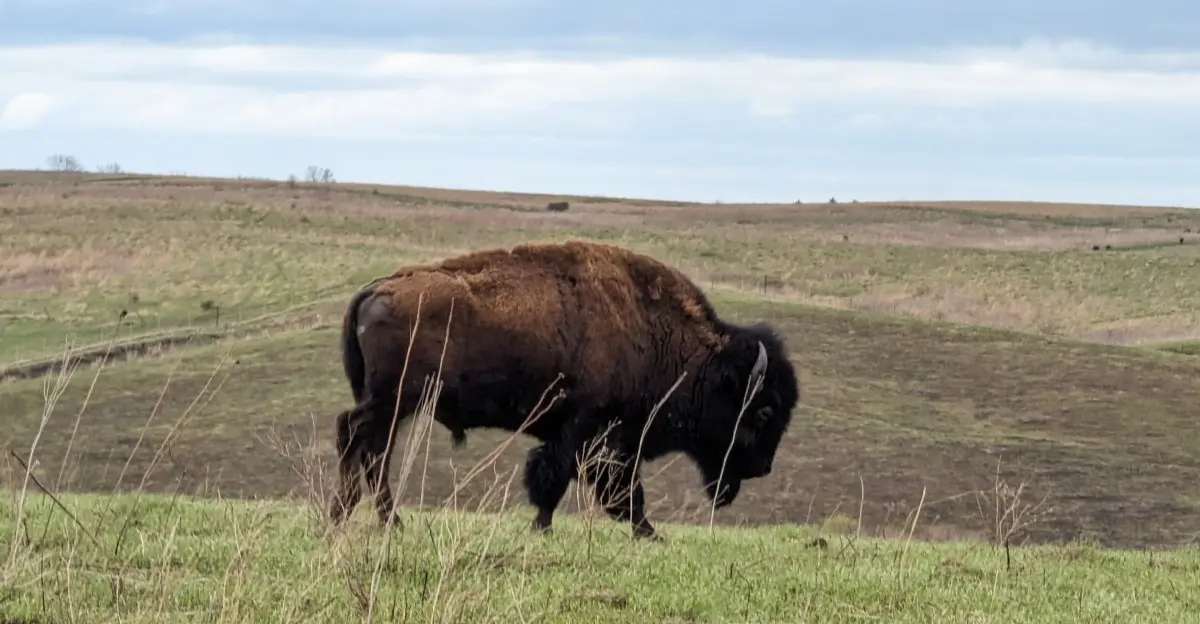
More than 200 genetically pure bison graze on a Missouri prairie that costs nothing to visit. They’re open to admire from sunrise to sunset, every single day.
The herd started with roughly 30 animals in 2011. Those first bison came all the way from Wind Cave National Park in South Dakota.
The land under their hooves is just as impressive. More than 1,000 acres of it have never felt a plow.
That means the grass here grows the way it did long before tractors showed up.
I love that a place like this still exists in the Midwest. It holds wildflowers, rare birds, and big shaggy animals that seem to have wandered out of a history book.
Honestly, the hardest part might be convincing yourself to leave before sunset.
Those Shaggy Giants Out There Are Very Much Real
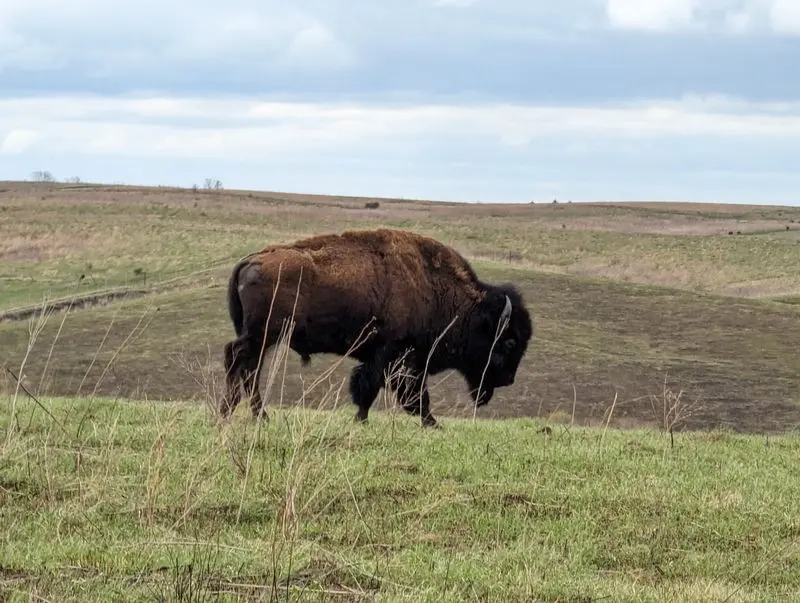
Bison are the headline act at Dunn Ranch Prairie, and they earn every bit of that billing. The herd now tops 200 animals, all genetically pure.
Their story started in 2011 with a small group of roughly 30 to 35 bison. They traveled from Wind Cave National Park in South Dakota to a brand-new Missouri home.
Since then, the herd has grown steadily across the grasslands. That’s a big comeback for an animal that once vanished from this part of the country.
The bison aren’t here just to look good, though they certainly do. Their grazing is a real tool for keeping the prairie healthy and varied.
As they munch, they trim some plants and leave others alone. That patchwork creates different kinds of habitat for birds, bugs, and smaller critters.
So when you spot a bison chewing, it’s technically working. Not a bad job, considering the view.
Bring binoculars and a little patience for your bison search. The herd moves around, so they might be close or far on any given day.
Either way, seeing them roam freely across open grass feels like a peek into the past. Few places in the Midwest offer that.
Your Best Bison Views Come With Four Walls Of Fence
Here’s a rule worth remembering before you lace up your boots. Hiking inside the bison grazing units isn’t open to the public.
That might sound like a letdown at first. It really isn’t, since these animals are huge, wild, and not in the mood for selfies.
Instead, the preserve offers roadside viewing stations and observation areas. These spots give you a safe front-row seat without bothering the herd.
Driving the old roads is a smart way to scan the grasslands. You can cover more ground and pull over when something big and brown catches your eye.
A camera with a decent zoom lens helps a lot here. So does a pair of binoculars, especially if the herd is lounging far out in the grass.
Early morning and evening light can make the prairie glow. The preserve stays open from sunrise to sunset, so you have plenty of hours to try your luck.
Keep your expectations flexible and your eyes peeled. Bison follow their own schedule, and nobody has managed to hand them a calendar yet.
When they do show up, the wait feels completely worth it.
Over 1,000 Acres Here Have Never Met A Plow
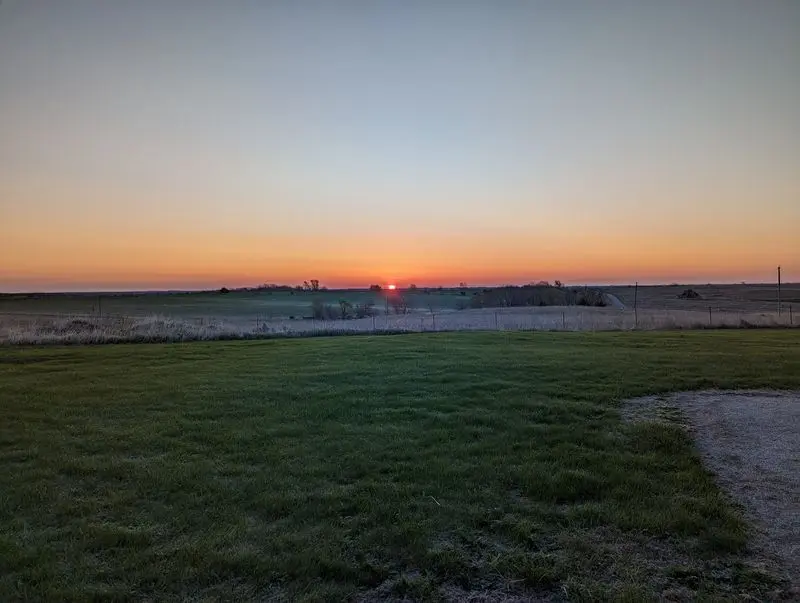
Most of the Midwest was turned into farmland long ago. That’s what makes the unplowed ground at Dunn Ranch Prairie such a rare treasure.
The preserve covers 3,258 acres in all. More than 1,000 acres of the original purchase have never been plowed, which is almost unheard of today.
Native prairie like this holds deep roots and old soil. Once it gets torn up, bringing it back takes decades of hard work.
The prairie also sits inside something even bigger. It’s part of the Grand River Grasslands, a region of about 70,000 acres stretching north into Iowa.
That size matters for wildlife. Grassland birds and other animals need wide-open spaces, not tiny patches surrounded by roads and fields.
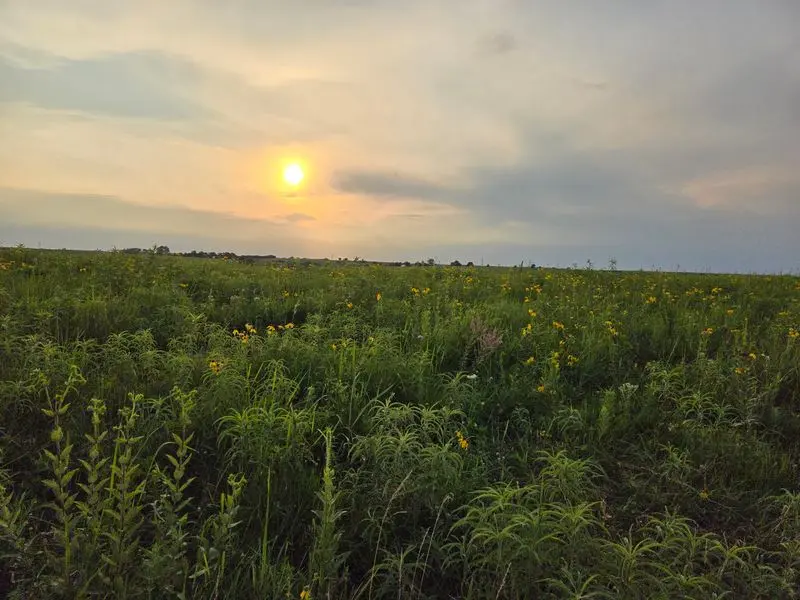
Standing at the edge of all this grass can feel humbling. The land rolls on and on, with very little to interrupt the horizon.
For a fun comparison, think of it as a living museum without glass cases. The exhibits sway in the wind and change color with the seasons.
Just don’t expect a gift shop at the end of the hall.
Bird Lovers, Pack The Binoculars And A Reservation
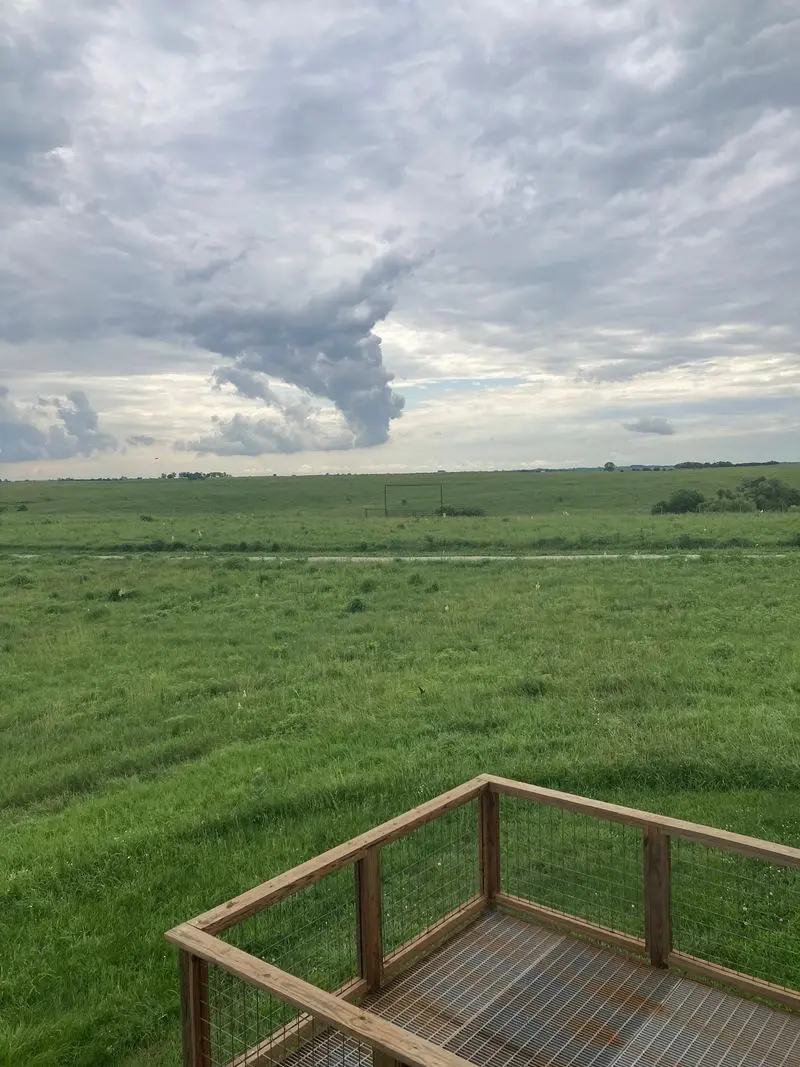
Over 100 bird species have been spotted across these grasslands. That alone makes the trip worthwhile for anyone who owns a field guide.
The real star is the greater prairie-chicken. Dunn Ranch hosts one of the last populations of this bird left in Missouri.
Every spring, the males gather on a patch of ground called a lek. They puff out orange air sacs, stamp their feet, and make a low booming sound to impress the hens.
It’s part dance, part concert, and totally unforgettable. There is one catch, though.
The lek is off-limits during breeding season unless you make a reservation ahead of time. Plan early if watching the booming ritual is on your bucket list.
Other feathered residents deserve attention too. Watch for upland sandpipers, Northern Bobwhite, and Bobolinks across the open fields.
Hawks and falcons often patrol overhead. In colder months, winter sparrows bring their own quiet charm to the grass.
Birding here rewards patience and a good pair of binoculars. Move slowly, listen closely, and let the prairie show off at its own pace.
Wildflowers Steal The Show When Summer Hits Its Peak
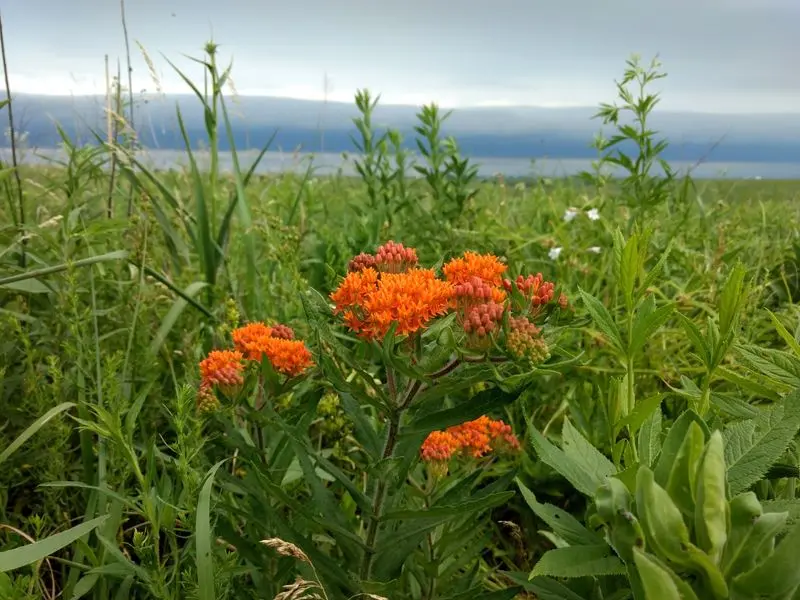
More than 300 species of native grasses, wildflowers, sedges, and trees grow across this preserve. That’s a serious plant lineup for one patch of countryside.
Summer brings the peak blooming months. Hundreds of wildflower species add bright splashes of color to the sea of green.
Each season gives the land a new outfit. Spring wakes things up, summer turns the color dial way up, and fall brings golden tones to the tall grasses.
Winter has its own quiet beauty. Frost can glisten on plant stems, turning the whole prairie into something that looks dusted with sugar.
Flowers also feed a lot of hungry neighbors. Regal fritillary butterflies call this prairie home, and they’re a real treat to spot.
Pollinator studies take place here too. Scientists want to understand how bees, butterflies, and blooms work together on restored land.
A simple tip goes a long way. Walk slowly and look down as often as you look out.
Some of the prettiest blooms are small and easy to miss. Your phone camera will get a workout, and you won’t regret a single shot.
A Short Trail, A Deck, And A Shady Spot For Lunch
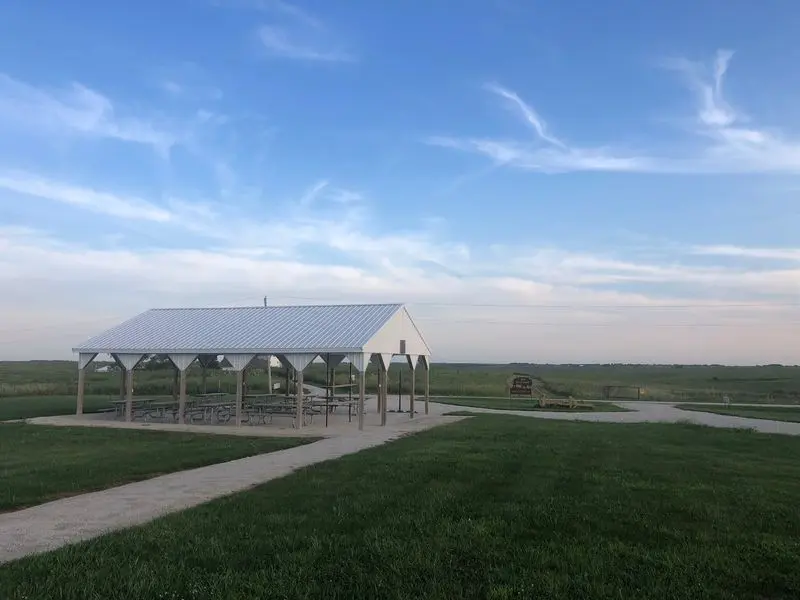
Good news for anyone who wants nature with a few comforts. Dunn Ranch Prairie offers a developed nature trail with an observation deck.
The deck gives you a raised view across the grasslands. It’s a handy place to pause, scan for wildlife, and catch your breath.
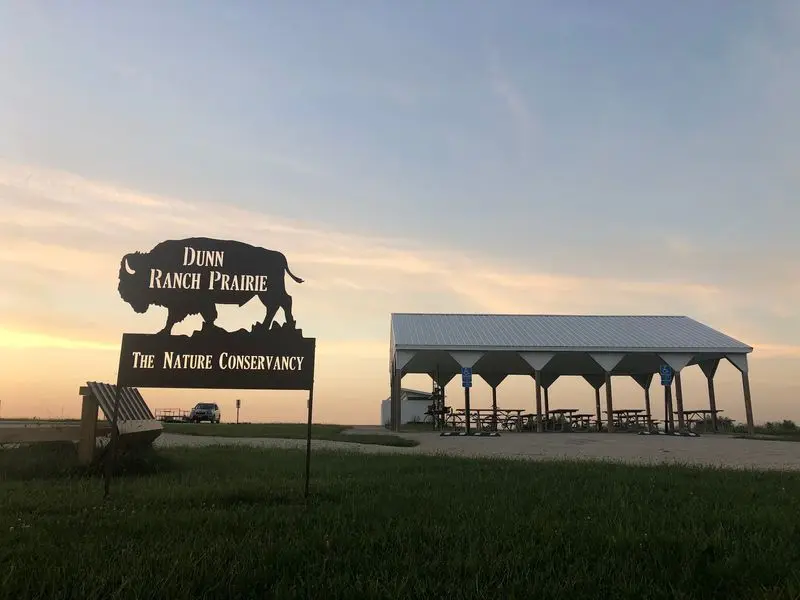
A picnic shelter and restrooms are also on site. That makes a packed lunch or an evening snack feel like a real plan instead of a backseat compromise.
Informational kiosks are scattered throughout the preserve. They share helpful background on the prairie, its plants, and its animals.
You can also walk or drive along old roads to explore more ground. That flexibility works well for families or anyone with tired legs.
Driving an electric car? There’s a charging station available at the office, which is a nice surprise in such a rural spot.
Visiting is free, and the gates welcome guests daily from sunrise to sunset. Keep in mind that the office itself is open by appointment only.
So pack a cooler, grab a blanket, and plan to linger. The prairie is better enjoyed slowly anyway.
Prairie Fire, Seeds, And A Whole Lot Of Patience
The Dunn family homesteaded this land about 150 years ago. Their story is woven into every acre you see today.
In 1999, The Nature Conservancy bought 2,281 acres from Dunn family descendants. That purchase kicked off a long restoration effort that’s still going strong.
The prairie marked 20 years of restoration in 2019. Two decades sounds long, but prairies work on nature’s clock, not ours.
Crews reseed native species and pull out plants that don’t belong. They also reduce woody growth so trees and shrubs don’t swallow the open grass.
Prescribed fire is another key tool. Controlled burns mimic the natural fires that once swept across the plains and kept them healthy.
It might seem strange to set a prairie ablaze on purpose. Yet native grasses bounce back quickly, often greener than before.
The work also helps creatures that need clean water. The federally endangered Topeka shiner, a small minnow, was re-established here in 2013.
Every healthy patch of grass reflects years of careful choices. Knowing that makes a simple walk feel a bit more meaningful.
Cattle And Science Share The Grass With The Bison
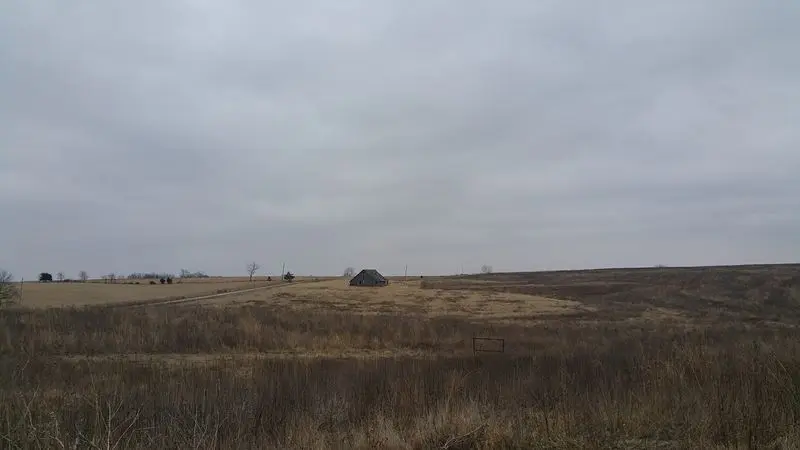
Cows on a nature preserve might raise an eyebrow or two. At Dunn Ranch Prairie, they’re part of a clever plan called a grassbank.
It was the first grassbank in the Midwest. Local ranchers can graze their cattle on Conservancy land while their own pastures get a rest.
Everyone gets something useful from the deal. The ranchers’ land recovers, and the grazing helps manage the prairie at the same time.
The preserve doubles as an outdoor research center too. Scientists study soil health, pollinators, birds, plants, and grazing patterns here.
That research doesn’t happen alone. The Nature Conservancy works with partners like the Missouri Department of Conservation and the U.S.
Fish and Wildlife Service.
All that study helps answer big questions. What keeps a prairie thriving, and how can ranching and wildlife share the same landscape?
Even the tiny residents get noticed. More than 30 species of ants live on this prairie, which is a fun fact for your next trivia night.
Deer, coyotes, bobcats, rabbits, and squirrels round out the cast. It’s a busy neighborhood, even if it looks peaceful.
Finding Your Way To This Quiet Corner Of Missouri
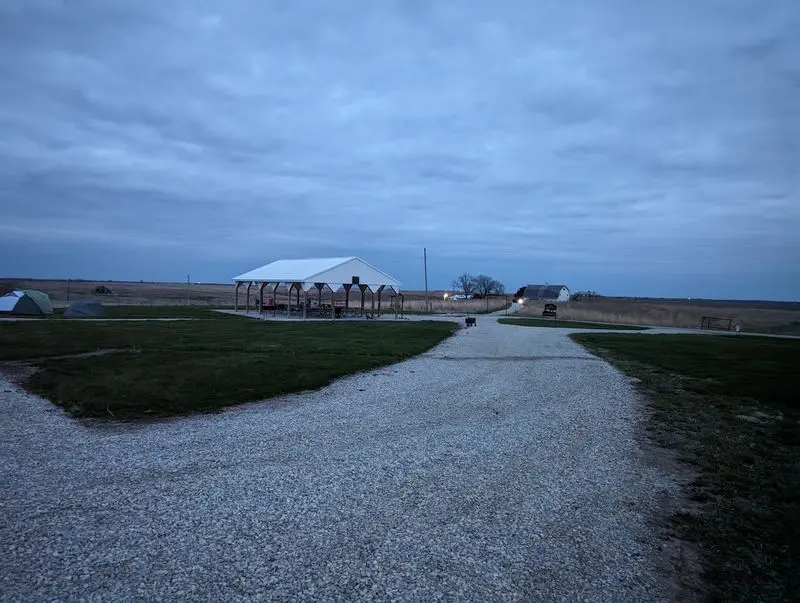
Set your GPS for 16970 W 150th St, Hatfield, MO 64458. That’s where you’ll find Dunn Ranch Prairie in rural Harrison County.
The preserve sits near the small towns of Hatfield and Eagleville. It’s a peaceful part of northern Missouri where big skies and open roads take over.
A little preparation makes the visit much more fun. Wear sturdy shoes, dress for the weather, and bring plenty of water.
Ticks can be common, especially during summer. Long pants, long sleeves, and insect repellent will help you head home without unwanted hitchhikers.
Remember that admission costs nothing at all. The preserve welcomes visitors every day from sunrise to sunset.
Plan your timing around what you hope to see. Spring brings the prairie-chicken show by reservation, while summer delivers the brightest blooms.
Fall and winter offer calmer, quieter views across the grass. Each season rewards a return trip with something new.
Leave plenty of room in your camera roll before you go. Between bison, birds, and endless grass, you’ll want every bit of storage.