About 20 miles southeast of Columbia, South Carolina, a forest grows so tall that people tilt their heads back and forget to look down.
Some of the trees here hold national and state records for size.
The ground floods often, the paths float on wooden boards, and the summer nights can glow with fireflies that blink together.
This is not a park with mountains or geysers, and that is exactly the point.
It protects one of the largest old-growth bottomland hardwood forests left in the southeastern United States.
Read on to learn where it is, what makes the trees so special, the best trails and paddling routes, the wildlife you might spot, and smart tips that will help you enjoy every step without getting bugged by the local mosquitoes.
Finding the Forest Near Columbia
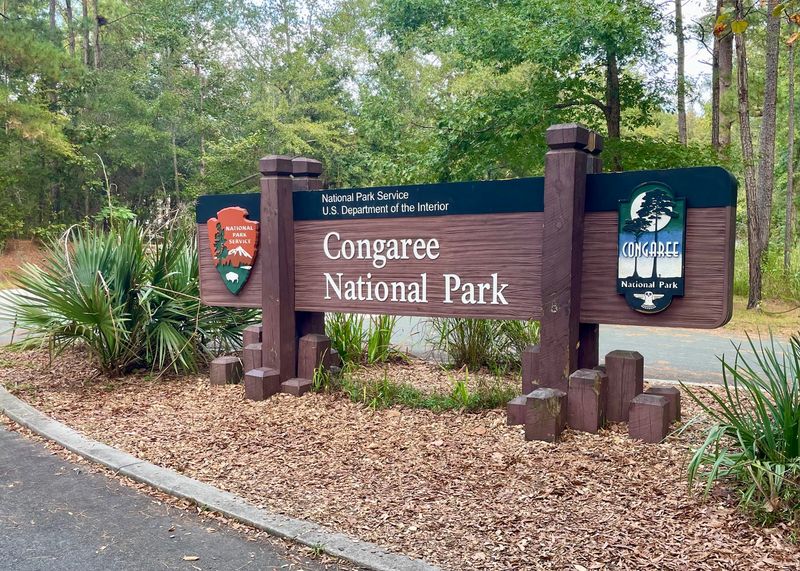
Congaree National Park sits at 100 National Park Road in Hopkins, South Carolina, in the United States. The drive from downtown Columbia takes roughly 30 to 40 minutes, which makes it an easy day trip from the state capital.
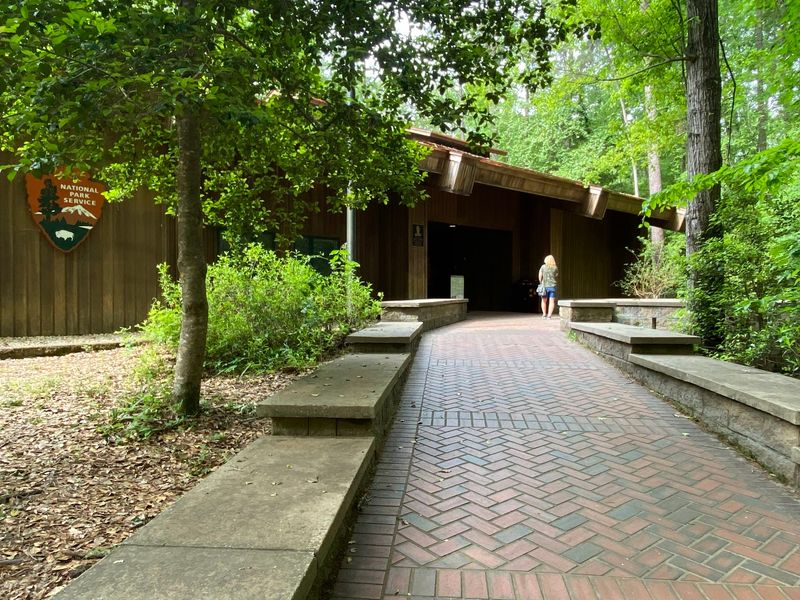
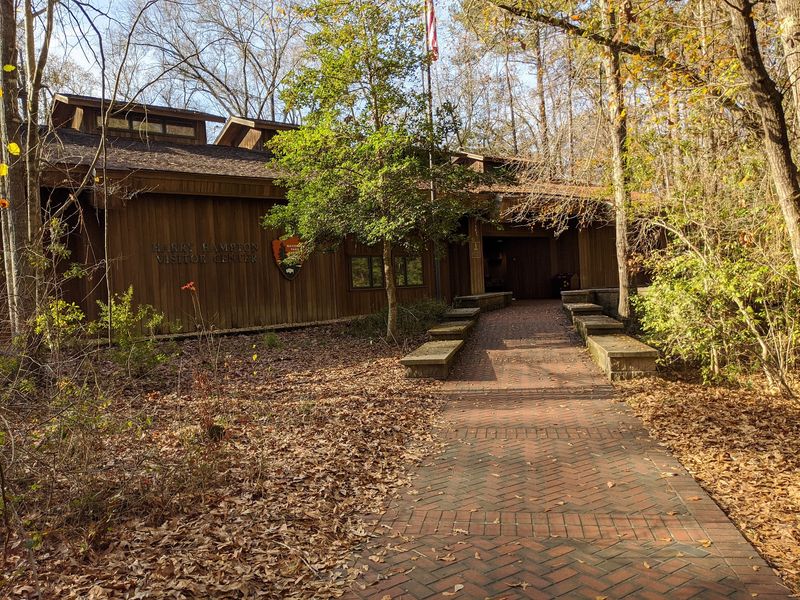
Most trips begin at the Harry Hampton Visitor Center. It serves as the main hub, with a parking lot, picnic tables, clean restrooms, and a small gift shop.
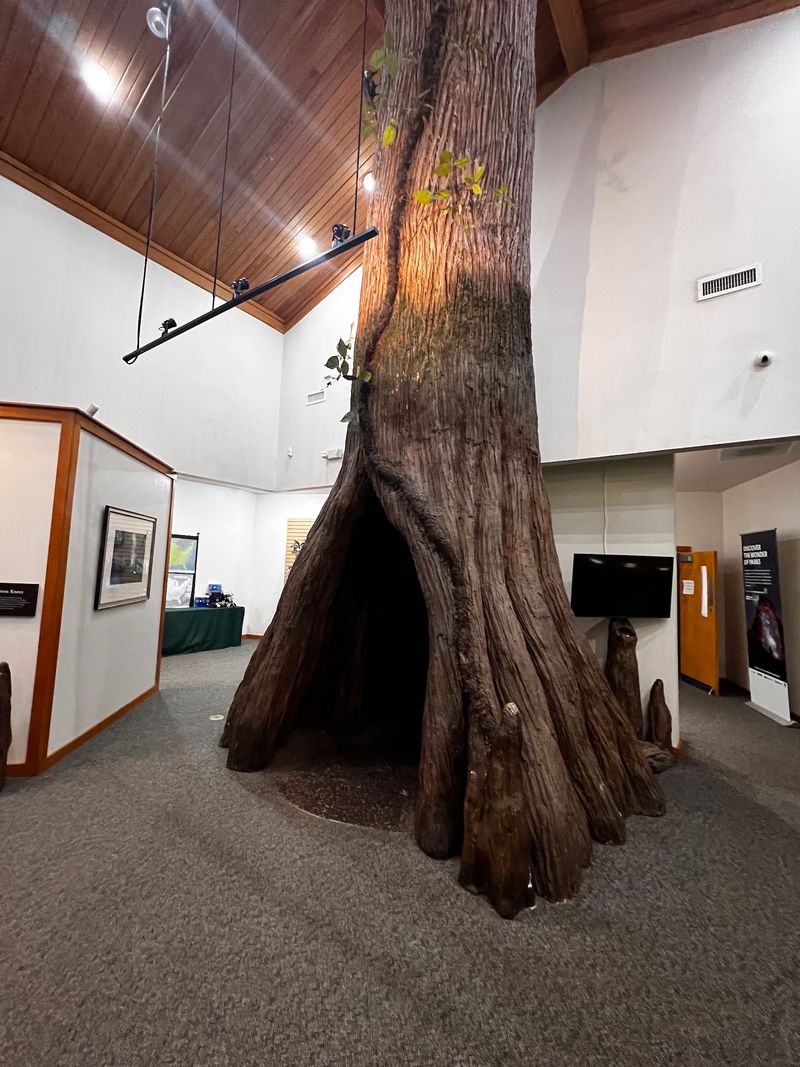
Inside, a short film explains how the forest formed and why people fought to protect it. The exhibits are clear and friendly for kids, so families get a quick lesson before heading outside.
Park rangers and volunteers staff the front desk. They hand out free trail maps and can tell you which paths are flooded that day.
Here is a nice bonus for budget planners. There is no entrance fee to enter the park, so the money you save can go toward a kayak rental or a gift shop patch.
Once the map is in hand, the tall trees are only a few steps away.
Giants That Hold Records
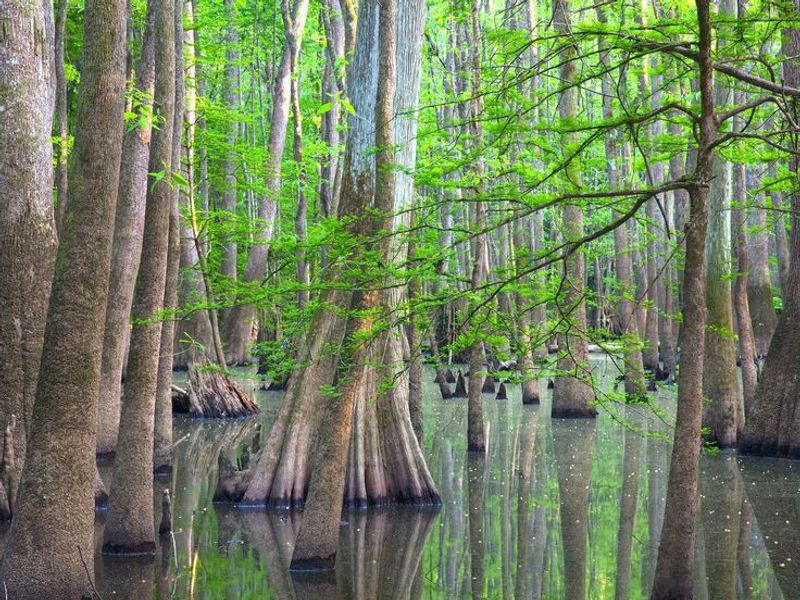
Some trees here are so big they have official titles. The park is home to many champion trees, which are the largest known trees of their species in the state or even the nation.
Loblolly pines here can stretch past 160 feet tall. That is taller than a 15-story building, and a few of them rank among the tallest trees in the eastern United States.
The forest canopy is also one of the highest of any temperate deciduous forest in the world. Average treetops reach well above 100 feet, which is unusual for a broad-leaved forest.
Why did these trees grow so huge? Rich soil left behind by river floods feeds them year after year.
Another reason is luck. Much of the area escaped heavy logging, so many trees were allowed to grow old.
When walking the trails, pause and stand next to a big trunk. Doing so gives a real sense of scale that photos rarely capture, and it makes a great moment for a family picture.
How the Forest Was Saved
History almost went a very different way here. In the late 1800s, lumber companies cut many of the old forests across the South, and this land was on the list.
Logging did happen in parts of the area. Still, the remote, flooded ground made it hard to haul trees out, so large sections stayed standing.
By the 1950s and 1960s, logging began picking up again. Local people grew worried that the last big trees would vanish.
A newspaperman named Harry Hampton led a long campaign to protect the forest. The visitor center now carries his name in honor of that work.
Thanks to growing public support, the land became Congaree Swamp National Monument in 1976. It was later named a national park in 2003.
Today the park is also recognized as an International Biosphere Reserve and a Wilderness Area. Knowing this story makes each tall tree feel like a small victory that many people worked hard to win.
The Boardwalk Loop Everyone Loves
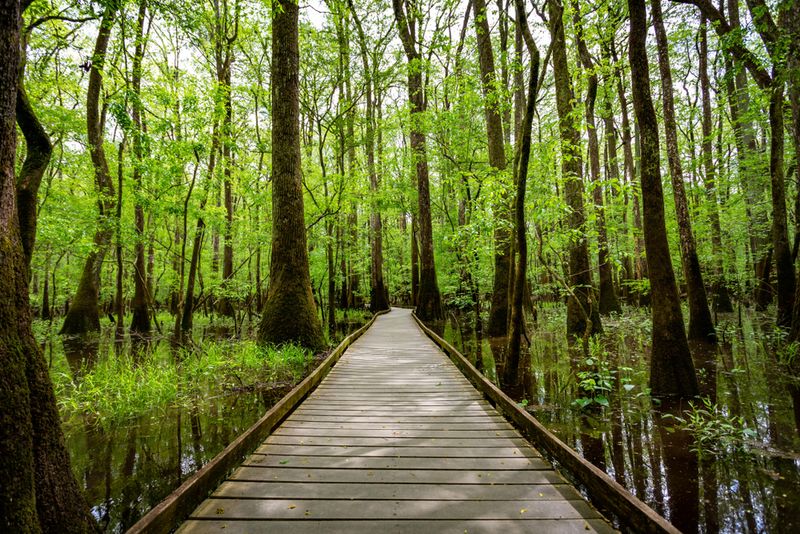
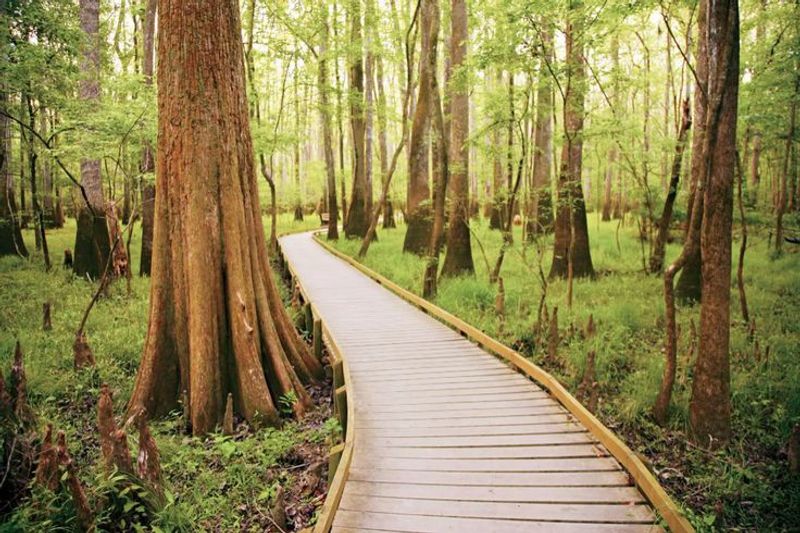
Start with the star of the show. The Boardwalk Loop Trail is about 2.6 miles long and winds through the forest on raised wooden planks.
Flooding is common here, and the elevated sections of the boardwalk help visitors explore the forest above the water.
However, lower sections can become submerged during high water, so checking current trail conditions before visiting is essential. The boardwalk is generally accessible to wheelchairs and strollers when conditions allow.
Along the way, plenty of benches give tired legs a rest. Kids can count cypress knees, which are the odd woody bumps sticking up from the ground around bald cypress trees.
Grab the free trail guide at the visitor center before setting out. Numbered stops along the path match the booklet, which explains the plants, animals, and history at each spot.
The loop also passes Weston Lake. Its viewing area is a good place to linger and scan the water for turtles or the occasional alligator.
Most people finish the loop in about an hour or two. Go slowly, though, because the best details tend to show up when you stop rushing.
Longer Trails for Curious Feet
Once the boardwalk is done, more adventure waits on the dirt paths. The park has more than 25 miles of hiking trails for people who want extra miles.
The Weston Lake Trail covers approximately 4.5 miles round trip from the visitor center and follows Cedar Creek for part of its route.
For a full day, the King Snake Trail is a longer option. Expect fallen trees across the path that you may need to climb over, which some hikers find fun.
A quick heads-up matters here. Trails off the boardwalk can get muddy, especially after rain, so waterproof shoes are a smart pick.
Heavy rain can also flood whole sections of trail. Check the park website or ask a ranger before heading out.
Trail markers are generally clear, but carrying a paper map is wise since phone signal can be spotty. With good shoes and a little planning, these quieter routes show a wilder side of the forest.
Paddling Cedar Creek
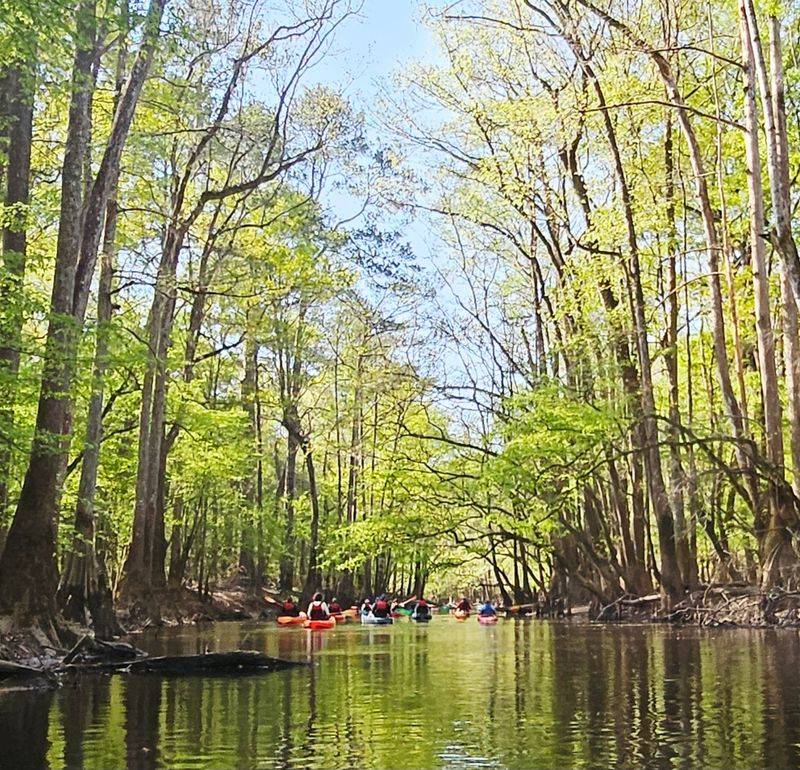
Some of the best views in the park come from the water. Cedar Creek winds through the forest and is marked as an official canoe trail.
Paddlers float past huge trees and quiet bends that hikers never see. The creek is usually calm, which suits beginners with some basic paddling skills.
No boat? No problem.
Local outfitters offer guided kayak and canoe tours, but they fill up fast, so book ahead.
Many people suggest a morning paddle followed by an afternoon walk on the boardwalk. That plan packs a lot into a single day.
Bringing your own kayak is another option for those who like a slower, self-guided trip. Launch points are at South Cedar Creek and Bannister Bridge.
Water levels change often. Too little water means dragging boats over logs, while too much can make paddling risky, so check conditions first and always wear a life jacket.
The Firefly Light Show
Every spring, the forest puts on a show that draws people from all over. Synchronous fireflies here blink their lights at the same time, a rare event in North America.
The display usually happens for about two weeks between mid-May and mid-June. Thousands of tiny lights flash together in the dark trees.
Due to its popularity, the park uses a lottery system for event entry. Sign-ups usually open in the spring through Recreation.gov, and winners get a parking pass for a specific night.
Follow a few simple manners to protect the show. Cover flashlights with red film and keep them pointed at the ground.
Apply insect repellent before arriving at the park, since spraying it after arrival is prohibited during the special firefly viewing event. Visitors must also use red-filtered flashlights, keep their lights pointed toward the ground, and avoid using cell phones in the designated viewing area.
Not chosen in the lottery? Don’t worry.
The park is worth visiting any season, and trying again next year adds something fun to look forward to.
Wildlife Worth Watching For
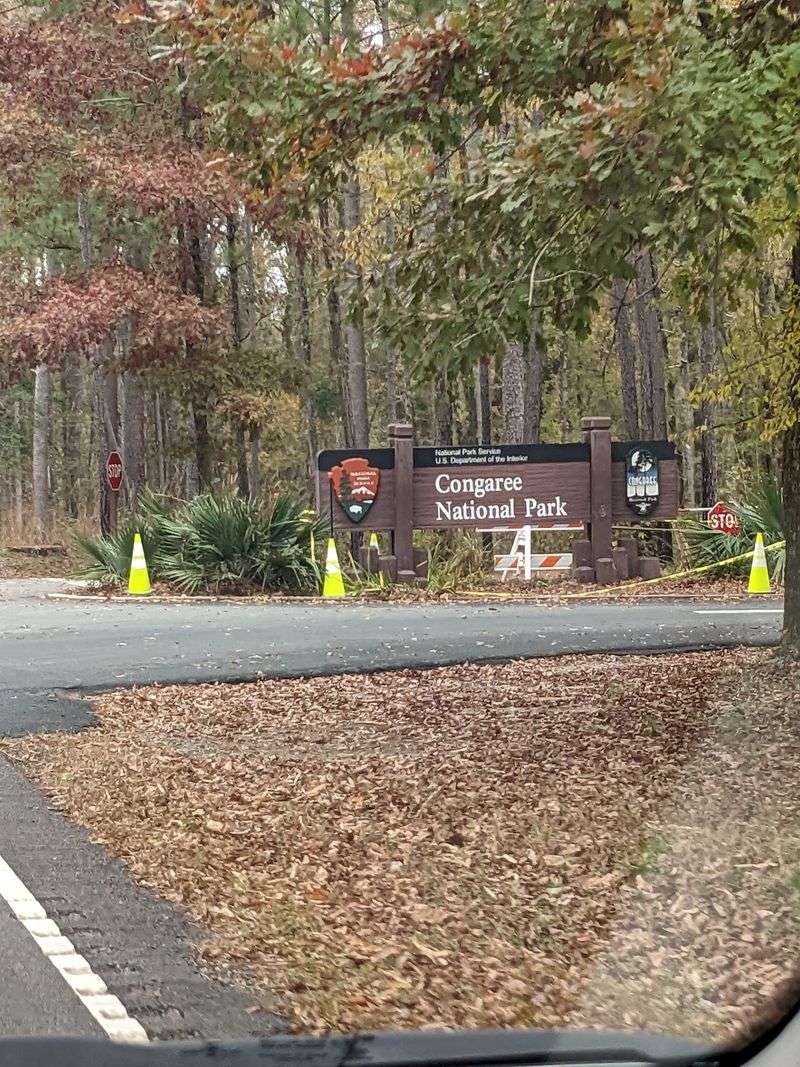
Patience pays off in this forest. Animals are everywhere, and a slow pace helps you notice them.
Owls are a highlight. Barred owls live here, and night walks on the boardwalk sometimes come with owl calls overhead.
During the day, keep an eye out for turtles sunning on logs. Tree frogs, anoles, water snakes, and fish also appear along the creeks and lake.
Bird lovers often bring binoculars. Woodpeckers are common, white ibis wade in shallow water, and warblers pass through in spring.
Wild hogs roam the woods too, along with deer and southern fox squirrels. Alligators sometimes show up in Weston Lake, so give them plenty of space.
Here is a fun fact for young explorers. The park offers a Junior Ranger program, and kids can earn a badge by completing activities about the plants and animals.
Remember to stay on trails and never feed wildlife. Watching from a distance keeps both you and the animals safe.
Meet the Mosquito Meter
Yes, the park really has a mosquito forecast. Near the visitor center, a sign called the mosquito meter shows how buggy the day is.
Its levels run from all clear to war zone. The playful sign gives a quick way to decide how much protection you need.
Mosquitoes are most active in late spring, summer, and early fall. Winter is the calmest time, with very few bugs at all.
Smart prep goes a long way. Apply repellent in the parking lot, and consider long sleeves and pants during warm months.
On low days, you might not need spray at all. Checking the meter first can save you from coating yourself for no reason.
The forest is a swamp, after all, and bugs come with the territory. With a little planning, they rarely spoil the trip, and the meter usually gets a laugh from everyone who reads it.
Spiders, Webs, and Morning Walks
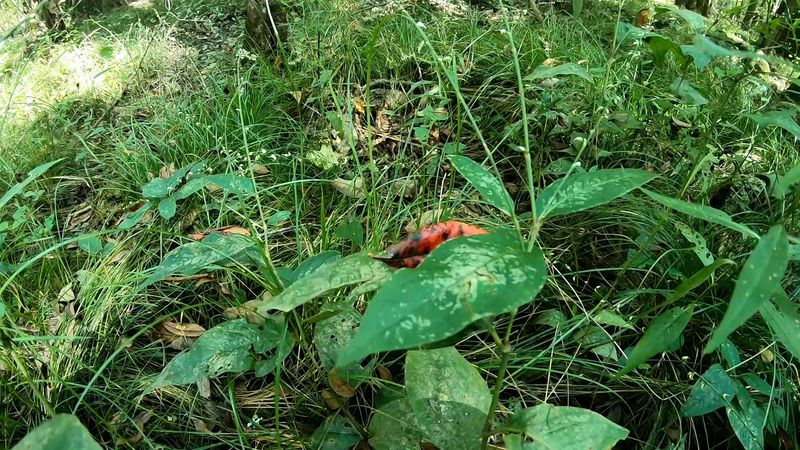
Early birds on the trail meet a surprise. Large spider webs often stretch across paths in the morning, especially in late summer and fall.
Most belong to golden silk orb weavers, also called banana spiders. Their webs can be huge and often shimmer with a golden color in the light.
These spiders are not considered dangerous to people. They mostly eat flying insects, which means they help keep the bug population in check.
Some hikers carry a stick and wave it gently ahead of them. It is an easy trick for avoiding a face full of web on quieter trails.
Kids usually find the webs fascinating. Stopping to study one up close can turn into a great science lesson about how spiders build.
If spiders make you nervous, try walking later in the day. Other hikers will have cleared many of the webs by then, and you can focus on the trees instead.
Camping Under the Canopy
One day may not feel like enough. Luckily, the park has two front-country campgrounds for overnight stays.
Longleaf Campground sits near the park entrance and offers tent sites with picnic tables and fire rings.
Campers park in a designated lot and walk to their sites, since vehicles cannot pull directly up to the tents. Vault toilets are available, but there is no running water at the campground.
Bluff Campground is a quieter option reached by a short hike of about a mile. It offers a more remote feel without going too deep into the woods.
Reservations are made through Recreation.gov. Booking early is a good idea, especially for weekends in spring and fall.
Backcountry camping is also allowed with a free permit. Winter backcountry trips are popular because the bugs are low and the forest is calm.
Nighttime brings its own entertainment. Owls, including screech owls, call from the trees, and their hoots can make a campfire story feel extra exciting.
Pack bug spray, a flashlight, and rain gear. Weather in this part of South Carolina can change quickly.