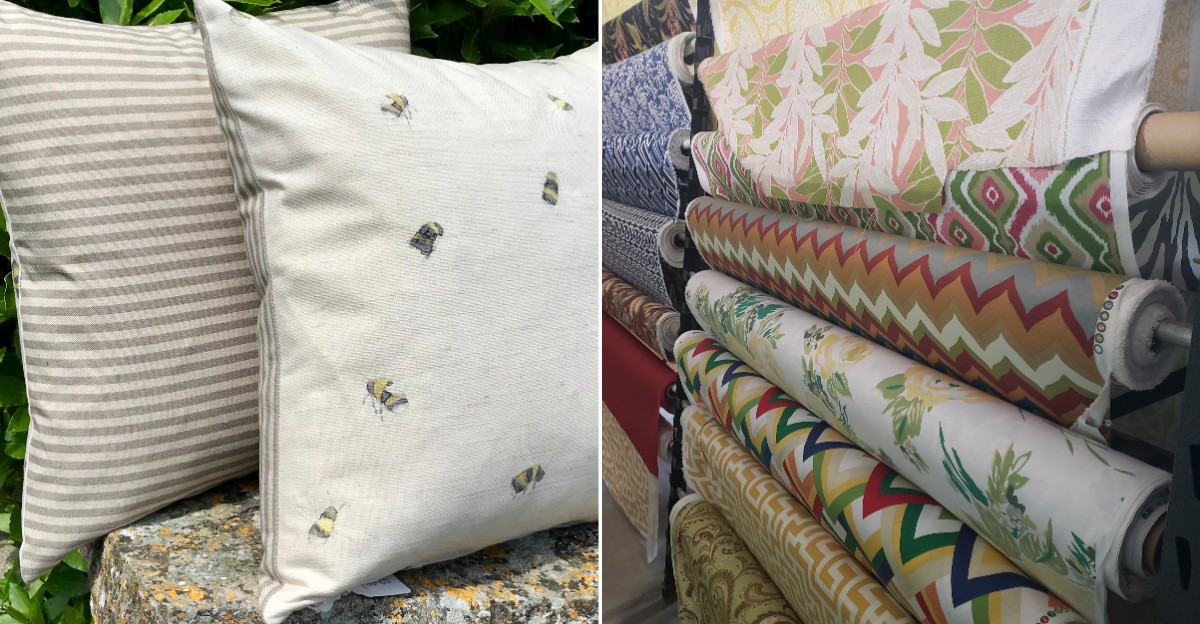
Some people plan road trips around ballparks or barbecue joints. Crafters in South Carolina plan theirs around bolts of fabric, and they show up with empty totes on purpose.
Fabric Warehouse has earned a loyal following among quilters, sewists, and home decor fans who walk in with one idea and walk out with a whole year of projects.
The appeal comes down to three things: a huge selection, fair prices, and staff who know their stuff.
Curtain makers, upholstery fans, and weekend quilters all find something worth carrying to the register.
The sections ahead cover what makes this spot worth the drive, how to shop it smartly, and a few tips that will help your budget survive the trip. Grab a notebook and keep reading.
Where This Fabric Adventure Begins
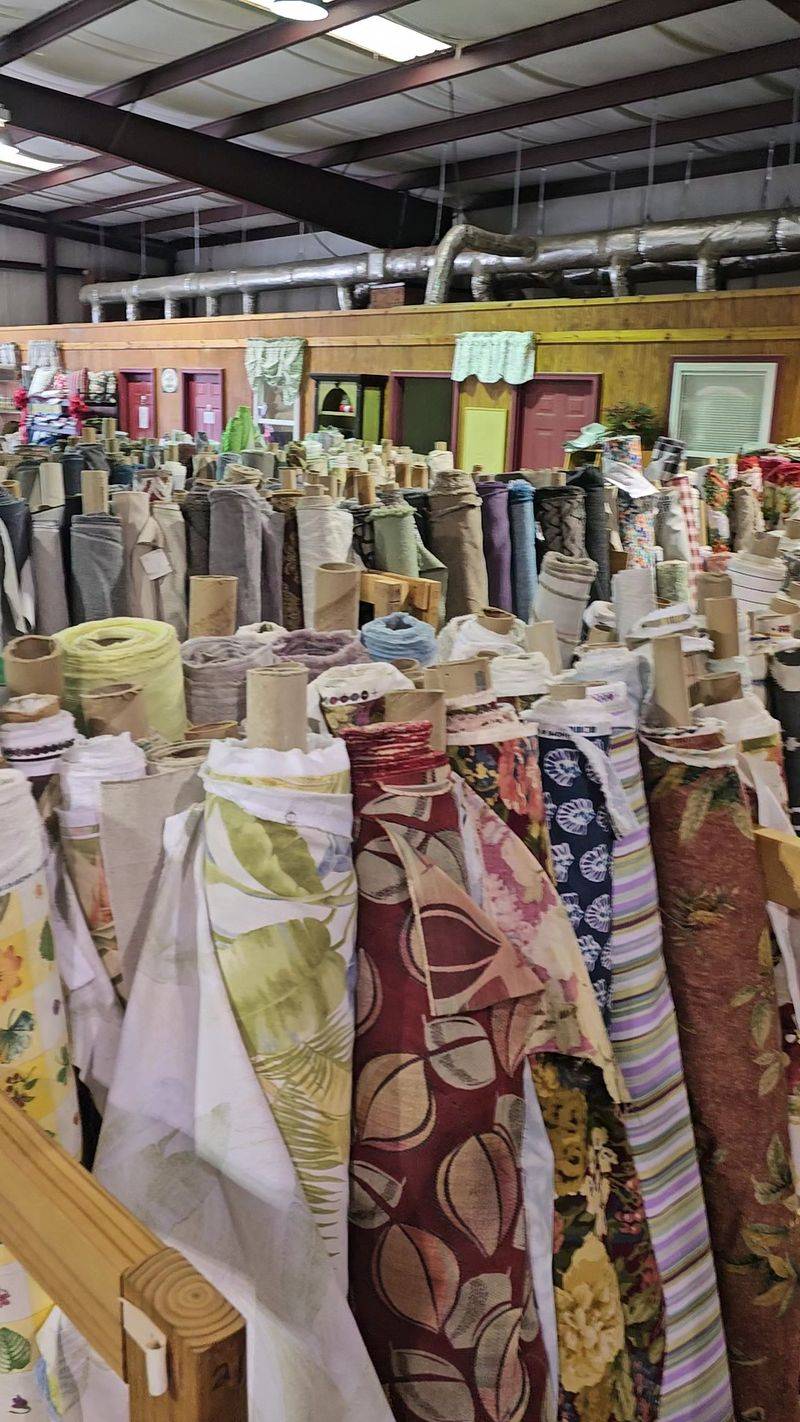
Every great craft haul starts with a destination, and Fabric Warehouse sits at 1870 Tearcoat Road, Alcolu, SC 29001, in South Carolina’s Clarendon County.
This large fabric warehouse specializes in materials for upholstery, curtains, home decorating, and other sewing projects, making it an interesting stop for anyone who loves working with fabric.
The warehouse has historically operated Monday through Friday from 10 a.m. to 4 p.m. and Saturday from 10 a.m. to 3 p.m., with Sundays closed. Because online business listings do not always agree, calling ahead at 803-473-6797 is the safest way to confirm current hours before making the trip.
The shop draws home sewists, quilters, and people tackling decorating projects. Many plan the visit like a mini road trip, bringing friends along to split the driving and share opinions on patterns.
Easy parking makes the arrival simple, which matters when you plan to leave with armloads of bolts. Bring a list, but leave room for surprises.
A good tip is to measure your windows, cushions, or quilt blocks before you leave home. Having those numbers on your phone means you can buy with confidence instead of guessing at the cutting table.
With the basics sorted, the real fun starts at the front door.
Why the Empty Totes Come Along
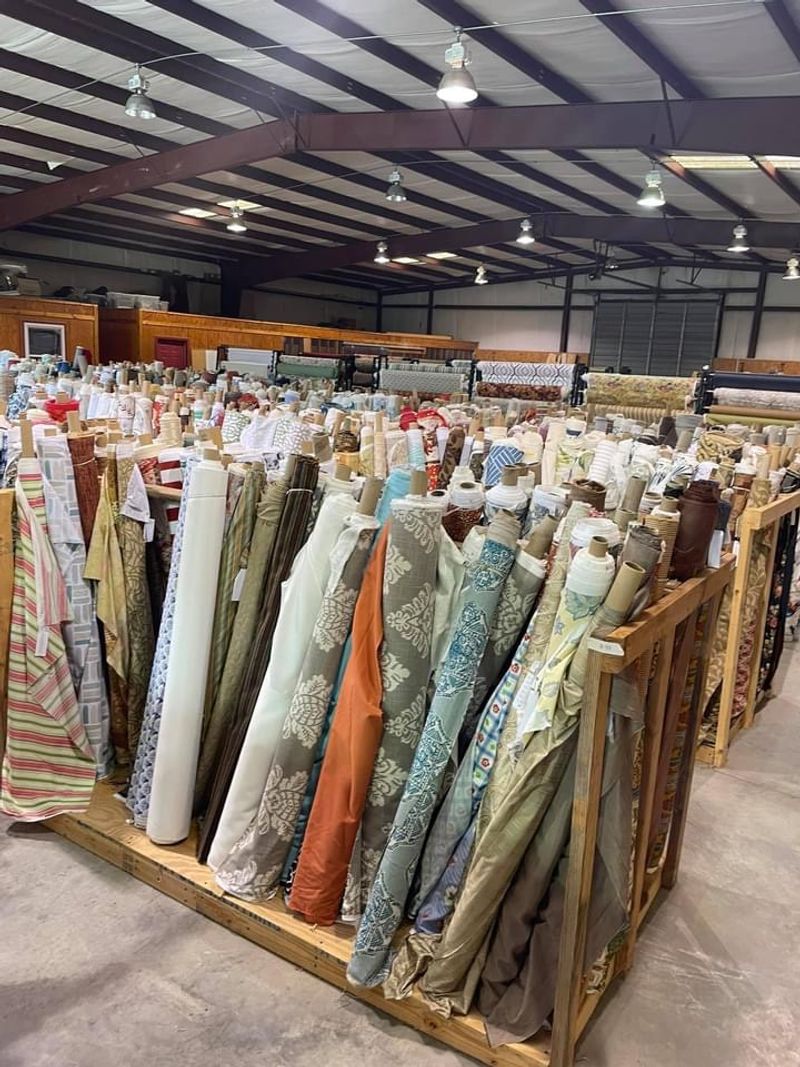
Seasoned shoppers have a running joke about this place. Nobody arrives with a full bag, and nobody leaves with an empty one.
The empty tote is a strategy, not a fashion choice. Bolts and cut yardage pile up fast, and a sturdy bag keeps your arms free for browsing.
Many crafters treat a trip here as their once-a-year stock-up. They gather fabric for holiday gifts, spring quilts, and that recliner that has needed new covering for three years.
The idea is simple. Buying in one trip saves gas money and time, and it lets you match colors across several projects at once.
Pack a few extras alongside the tote:
A tape measure, paint chips or fabric swatches from home, and a written budget. That last one might be the most useful item in the bag.
Smart packing turns a shopping trip into a planning session, and the next section shows why that planning matters so much.
A Selection That Stops You Mid-Aisle
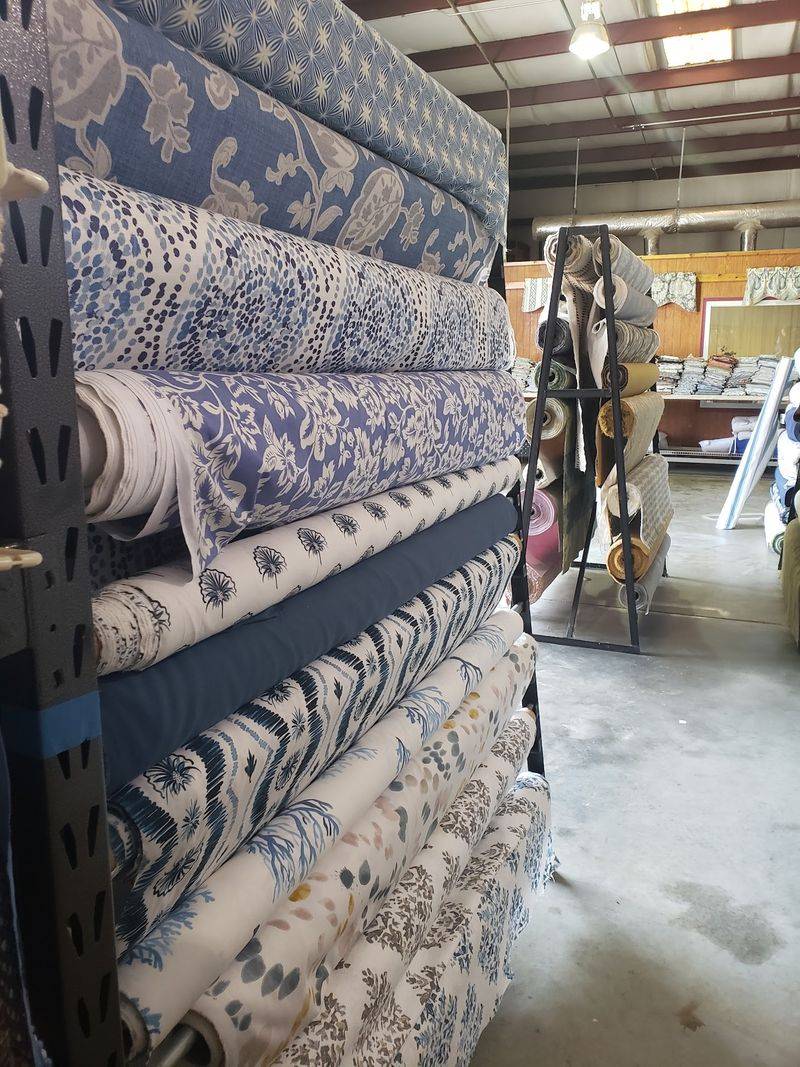
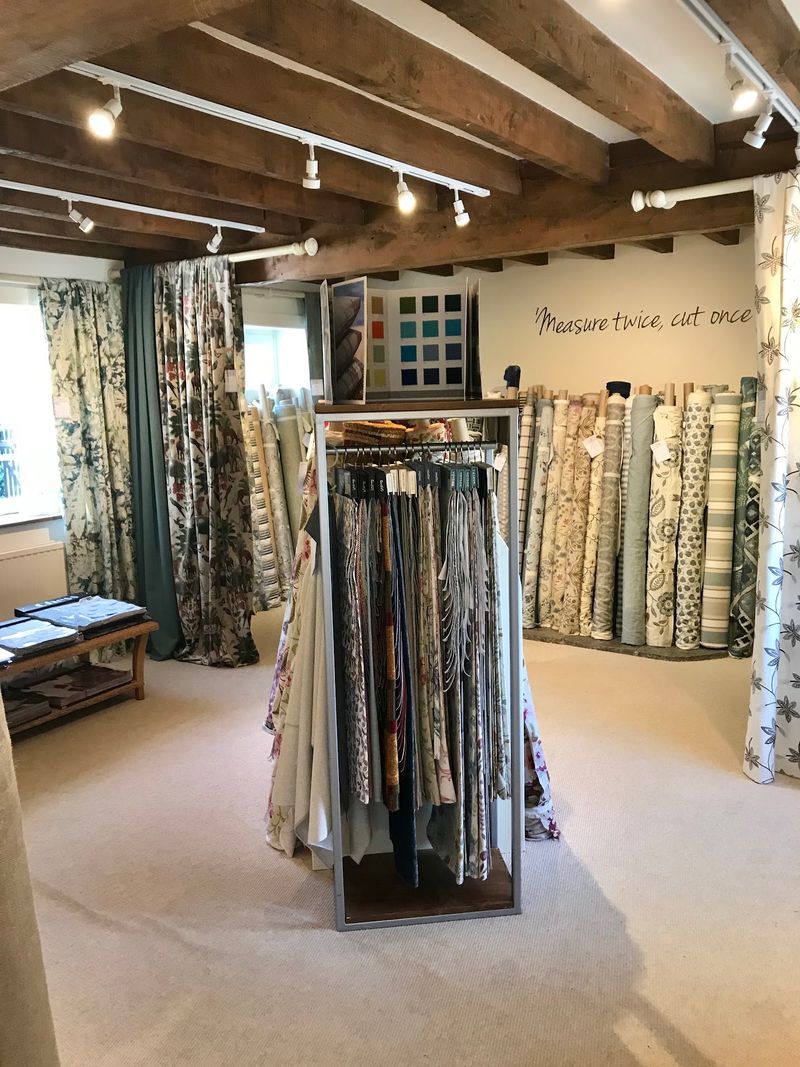
Choice is the headline act here. Shoppers consistently point to the sheer range of fabrics as the main reason they return.
The warehouse specializes in upholstery, drapery, vinyl, and indoor-outdoor fabrics, with patterns and textures suited to furniture and home decorating projects.
Its advertised selection has included materials from manufacturers such as Waverly, Richloom, Mill Creek, and P/Kaufmann, giving shoppers plenty of options to compare.
That much variety has a small catch. Some bolts sit stacked high or heaped together, so be ready to do a little digging.
Wear comfortable clothes and shoes that handle plenty of walking. You may spend more time here than planned, and that is part of the charm.
One helpful habit is to do a full lap of the store before pulling anything. Seeing the whole range first keeps you from grabbing the first nice print and missing a better one two aisles over.
Snap phone photos of bolt labels as you go. Those pictures help you remember prices and fiber content when decision time arrives.
With so many options, a little patience goes a long way.
Curtain Dreams Start Here
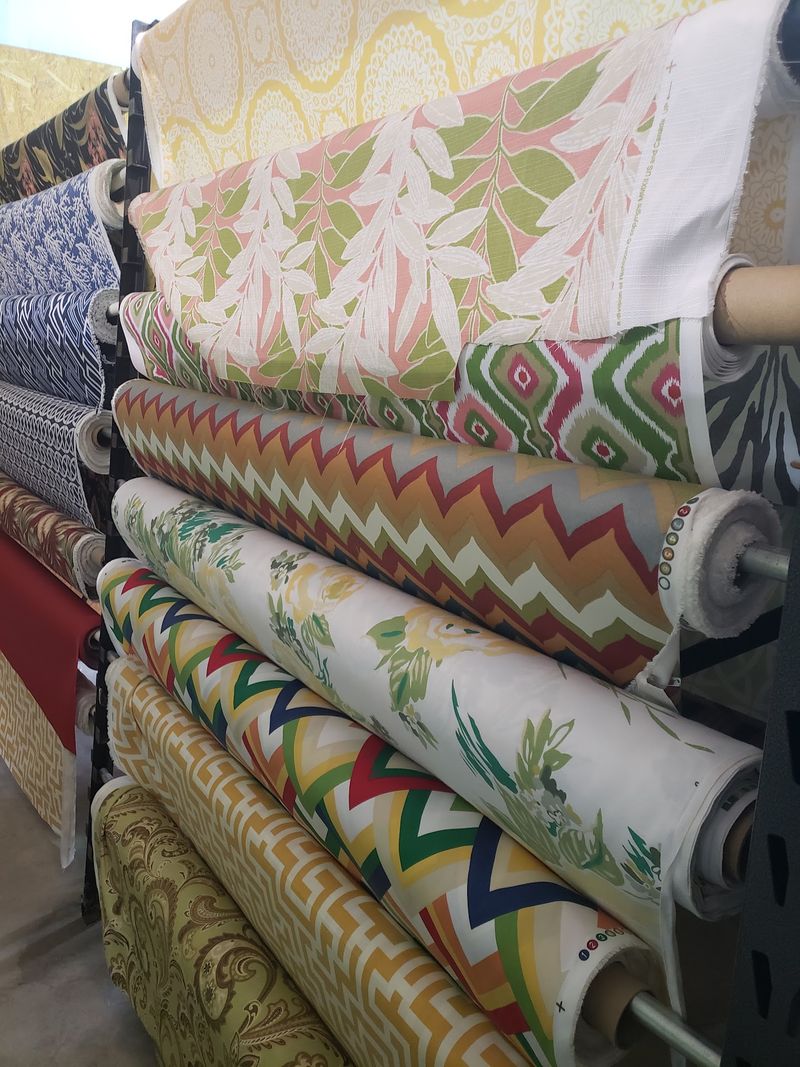
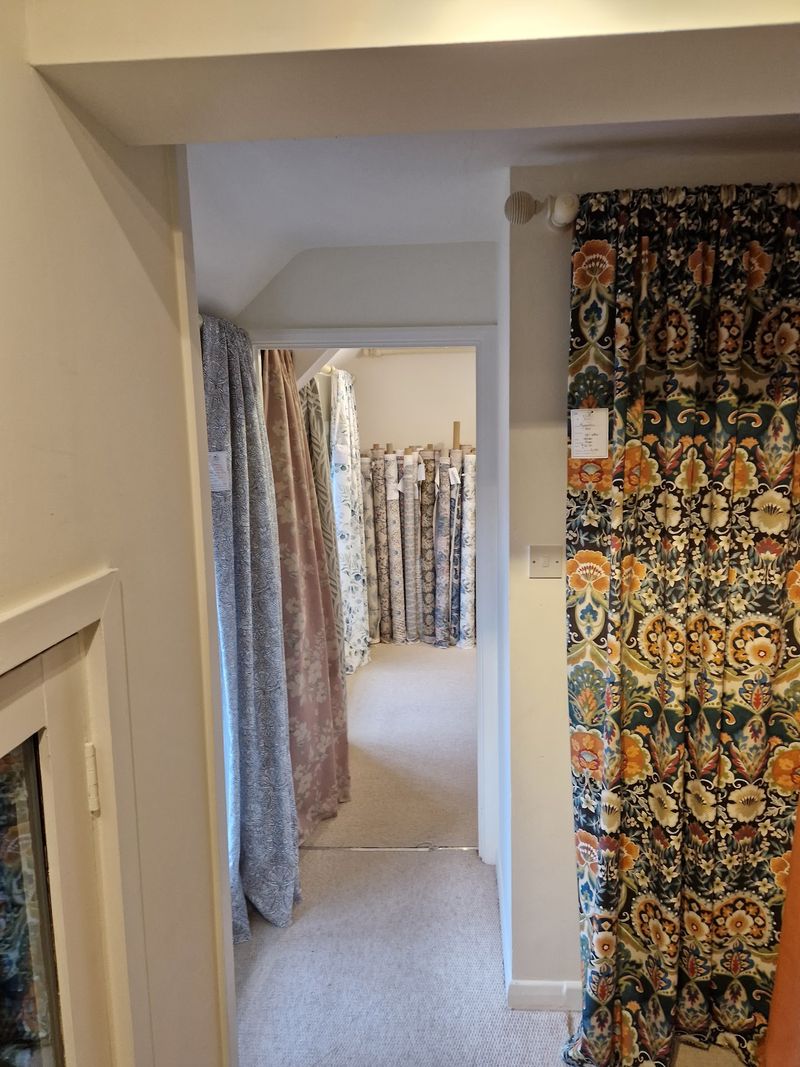
Window treatments can transform a room, and this is one of the best spots to find the material for them. Curtain fabric is a big reason decorators make the trip.
Drapery projects eat up yardage quickly. A pair of long panels can take many yards, so buying where prices stay reasonable makes a real difference.
Here is a simple formula many sewists use. Measure the window width, then multiply by about two for fullness, and add extra length for hems and headers.
Bring those measurements with you. The staff can help you figure out how much to buy so you are not short a yard halfway through sewing.
Think about lining, too. A lining fabric can help block light and protect your main fabric from fading.
Pattern repeats matter as well. Large prints need extra yardage so the design lines up across panels.
Getting these details right at the store means fewer headaches at home, and your windows will thank you for the effort.
Giving Old Furniture a Second Act
That worn armchair in the corner has more life in it than you think. Upholstery fabric is one of the strongest categories on these shelves.
Reupholstering is a budget-friendly way to refresh a room. Good furniture frames last for decades, and new fabric can make an old piece feel brand new.
Upholstery fabric is usually heavier and tougher than quilting cotton. Look for tightly woven material if the piece will get daily use from kids or pets.
Ask the staff about durability. Their knowledge can steer you toward fabrics that hold up instead of ones that only look nice on the bolt.
Measuring furniture is trickier than measuring windows. Note the seat, back, arms, and cushions separately, and add a little extra for mistakes.
If you need to compare colors at home, ask whether fabric samples are available before making a large purchase. Checking a material against your existing furniture and wall colors can help prevent expensive decorating mistakes.
A dining chair is a great first project for beginners. Small wins build the confidence for that bigger sofa later.
Staff Who Actually Know Fabric
Great fabric is only half the story. The other half is the team behind the counter.
Helpful staff rank as the most talked-about part of shopping here. The employees are known for being friendly, patient, and genuinely knowledgeable about what they sell.
That expertise matters more than many people realize. Picking the wrong fabric for a project can mean wasted money and hours of frustration.
Do not be shy about asking questions. Staff can explain which fabrics drape well, which hold their shape, and which suit outdoor or high-traffic use.
Their support also extends to shoppers who need a little extra help getting around. That kind of care makes a visit easier for everyone in your group.
Practical advice is part of the package. You might come in unsure about yardage and leave with a clear plan.
Write down their tips before you forget them. Those notes can save your project when you are sitting at the sewing machine weeks later wondering what came next.
Prices That Make Room for More
Affordable fabric is one of the warehouse’s biggest attractions. A past store advertisement promoted thousands of yards of flat-fold fabric for $2.99 per yard, although that was a historical offer rather than a guaranteed current price.
Today’s selection and prices can vary, so comparing fabric types and checking labels is the best approach.
Lower costs per yard change how you shop. Instead of buying for one project, you can afford to plan two or three.
Still, a budget keeps the excitement in check. Decide on a spending limit before you arrive and track your total as bolts pile up.
Here are a few money-smart habits:
Buy fabric for planned projects first. Then, if there is money left, treat yourself to a fun print for something new.
Compare similar fabrics side by side. Sometimes a lower-priced option works just as well for linings, backings, or practice pieces.
Remember that quality saves money over time. A sturdy upholstery fabric that lasts ten years can cost less in the long run than a cheaper one replaced twice.
Spending wisely here means your craft room stays full and your wallet stays reasonably happy.
Unique Finds You Will Not See Everywhere

Big chain stores tend to carry the same prints coast to coast. This spot is known for something different.
Unique fabrics are a common reason crafters make the drive. The mix on the shelves can include patterns you simply will not spot at a typical mall store.
That variety is great for anyone who wants a home or quilt that feels personal. A one-of-a-kind print can make a simple pillow the star of a room.
Here is the catch with unique stock. When it is gone, it may not come back.
So if a print grabs your attention, buy enough for your project right away. Coming back next month for an extra yard is a gamble.
Some crafters build a small stash of special fabrics for future ideas. That stash becomes a creative library you can pull from anytime.
Unusual finds also make thoughtful gifts for sewing friends. A fat quarter of something rare says you were thinking of them.
Planning Next Year at the Cutting Table
Here is the secret behind the title. Many shoppers use one visit to map out an entire year of sewing.
Start by listing projects by season. Spring might mean lighter curtains, while fall could bring a cozy quilt or new cushion covers.
Matching fabrics across projects creates a pulled-together look at home. Buying them in one trip makes that matching much easier.
Keep a simple project notebook. Write the project name, yardage needed, and a small swatch or photo for each item.
Back home, label your fabric with the project it belongs to. A sticky note or safety pin with a tag keeps your plans from getting mixed up.
Spread the work out over the months. Tackling one project at a time keeps sewing fun instead of overwhelming.
This approach turns one shopping day into twelve months of creative goals. When next year rolls around, you may find yourself packing that empty tote all over again.
Smart Moves Before You Head Home
The checkout line is not the end of the trip. A few smart moves can protect your purchases and your plans.
Double-check your cut pieces before leaving. Make sure the yardage matches your list and that every bolt you wanted made it to the counter.
Keep receipts together in one envelope. They help you track spending and remember which fabric came at which price.
Pack fabric carefully in the car. Fold pieces loosely and keep them away from anything that might spill or snag.
Once home, pre-wash washable fabrics if your project calls for it. Some materials shrink, and washing first prevents surprises after sewing.
Store your haul somewhere dry and out of direct sunlight. Clear bins work well and let you see what you own.
Finally, jot down what you loved about the visit. Those notes make the next trip smoother.
A full tote, a clear plan, and a year of projects ahead make this store worth every mile of the drive.