Most Florida kids have never seen the Milky Way with their own eyes.
City lights, highway signs, and glowing parking lots wash it out long before bedtime. Out in the open grasslands north of Lake Okeechobee, though, one quiet park flips that story around.
After sunset, only red lights are allowed, and the sky fills with more stars than most families knew existed.
Shooting stars, rising planets, and even far-off rocket launches can all show up on a clear night.
Wild turkeys and deer wander past campsites in the morning, and miles of trails wait during the day.
With its extraordinary night skies, peaceful campsites, rare wildlife, and wide-open prairie landscapes, this remarkable Florida preserve offers families an unforgettable escape far from the glow of city lights.
Florida’s Dark Sky Hideaway
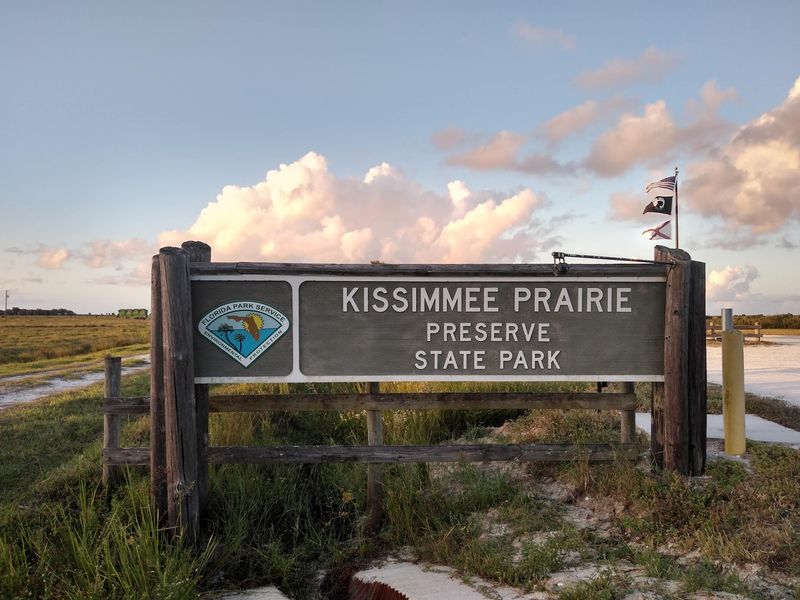
Some places are worth the long drive, and this one sits at the end of a long one. Kissimmee Prairie Preserve State Park is found at 33104 NW 192nd Ave, Okeechobee, FL 34972, in the United States.
The park covers a huge stretch of open grassland in south-central Florida. It is known as one of the darkest spots in the state for viewing the night sky.
Families come here for camping, birdwatching, hiking, and, most of all, stargazing. The park has been recognized as a dark sky place, which means it works hard to keep artificial light low after sunset.
Getting there takes planning. The road into the park is unpaved but smooth and easy to drive for most cars and RVs.
The park is generally open from 8 a.m. until sunset, and overnight visitors should plan to arrive before dark. Registered campers and visitors with appropriate after-hours permits can enjoy the night sky under the park’s special access rules.
Once the sun drops, the real show begins overhead.
The Astronomy Pad Explained
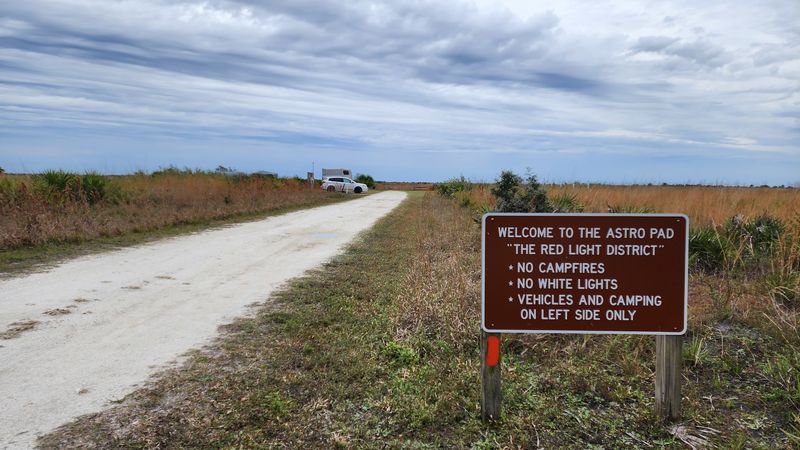
Stargazers have their very own spot here, and it is called the astronomy pad. This open area was set aside just for people who want to watch the night sky.
The pad has room for many telescopes at once. Amateur astronomers, astrophotographers, and curious beginners often share the space on clear nights.
Families planning to use an astronomy pad site should reserve one in advance and arrive before sunset to check in with a park ranger. Special rules apply to these sites, including red-spectrum lighting after dark and a prohibition on campfires.
Families do not need fancy gear to enjoy it. A blanket and a little patience can be enough to spot planets, satellites, and bright star clusters.
Even the regular campgrounds offer good views. Some campers never walk to the pad and still see plenty of stars from their sites.
The pad is the better choice for serious viewing, though, since it keeps light and movement to a minimum. Kids who show real interest might find their first telescope session here becomes a lifelong hobby.
Bring curiosity, and the sky handles the rest.
Red Lights Only After Dark
Here is a rule that surprises first-timers: visitors staying at the astronomy pad sites must use red-spectrum lights after dark.
These special restrictions help protect the exceptionally dark skies and preserve the viewing experience for everyone nearby.
Why red? Red light does not ruin night vision the way white light does.
Eyes need time to adjust to darkness, and one bright flashlight can undo that work in seconds.
Families should pack red flashlights or headlamps before leaving home. Some regular flashlights can be covered with red cellophane or tape as a quick fix.
Car headlights and phone screens matter too. Turning screen brightness all the way down, or using a red filter setting, helps keep the area dark for everyone.
Kids usually think the red light rule is fun. It feels a bit like being part of a secret night mission.
Following the rule is also a kind gesture toward neighbors who brought cameras and telescopes. A single careless beam can spoil a long photo exposure.
Respect the dark, and the dark rewards everyone.
Chasing the Milky Way
Seeing the Milky Way without a telescope is a big deal in Florida. On clear nights here, the bright band of our galaxy can be spotted with the naked eye.
Timing matters a lot. The brightest part of the Milky Way, called the core, is best seen during certain months, generally from spring through late summer.
Arriving a few weeks too early can mean a great sky but a weaker galaxy view. Checking a stargazing app or calendar before booking helps families pick the right window.
Moon phases matter too. A full moon brightens the sky and hides fainter stars, so a new moon week is usually the best choice.
Clouds can still change plans. Some families arrive and see almost nothing because of cover, so building a few extra nights into the trip improves the odds.
Shooting stars often appear as a bonus. Planets like Saturn have also been spotted rising in the early morning hours.
Patience pays off, one star at a time.
Rockets on the Horizon
Stars are not the only things lighting up the sky out here. Rocket launches from Florida’s Space Coast can sometimes be seen from the park.
The launch sites are roughly 100 miles away, so the rockets look small on the horizon. Still, watching one climb into space from a dark prairie is a thrill for kids and grown-ups alike.
Launch schedules change often. Families should check the latest launch times online before and during their stay.
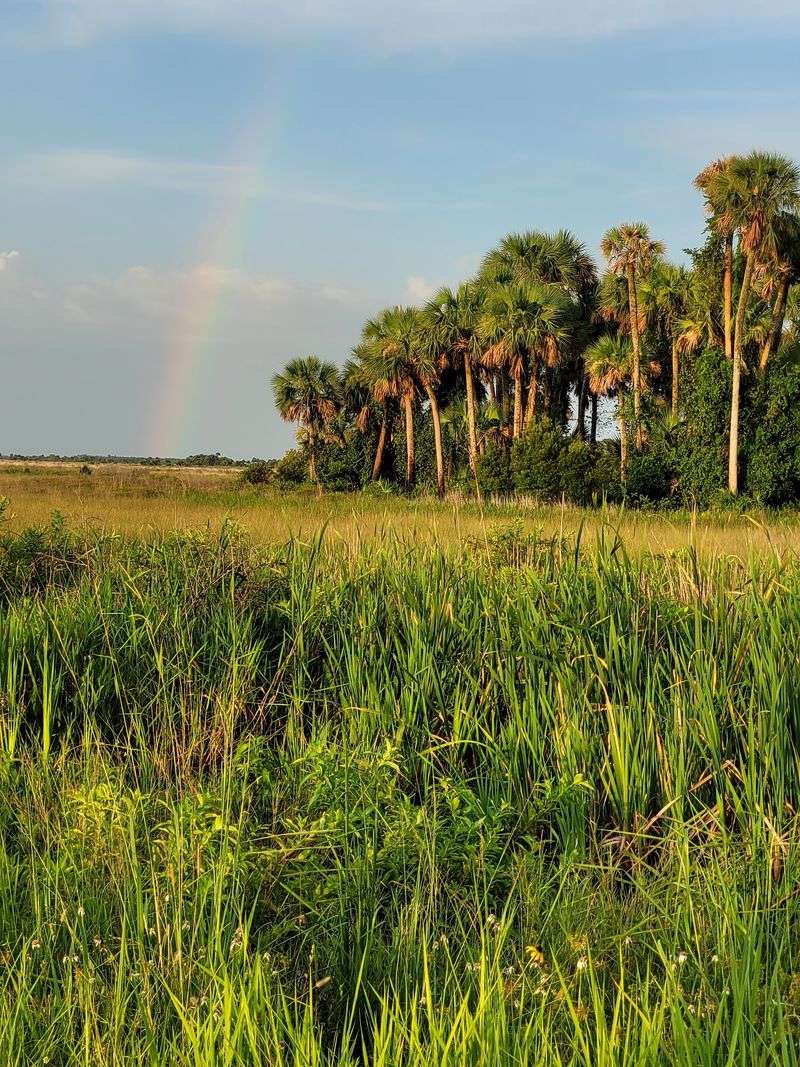
An open view to the east helps. The wide prairie makes that easy, since there are few tall buildings or trees blocking the horizon.
Night launches are usually easiest to spot. Their bright trail stands out clearly against the dark sky.
This makes a fun lesson in space science too. Parents can talk about orbits, satellites, and how rockets travel, then point out passing satellites later that night.
Not every trip lines up with a launch. When one does, though, it becomes the story the kids tell first at school.
Wild Neighbors at Breakfast
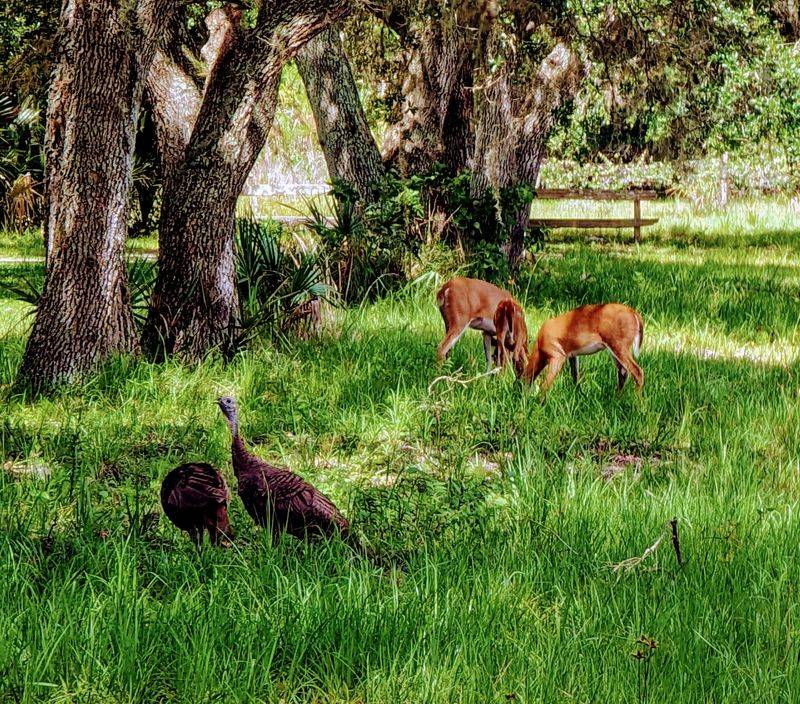
Morning at camp often comes with surprise guests. Wild turkeys, deer, and birds regularly wander close to the campgrounds early in the day.
The wildlife list here is long. Families have spotted gopher tortoises, rabbits, raccoons, possums, snakes, red-shouldered hawks, and crested caracaras.
Alligators live in the area as well. Keeping a safe distance from any water and any animal is the smart move.
The park is also known for rare grassland birds, including many types of sparrows. Bird lovers often bring binoculars and a field guide.
Kids can make a simple checklist before the trip. Crossing off each animal they see turns hiking into a friendly game.
Night brings its own sounds. Coyotes sometimes call near camp, and cattle from nearby ranch land can be heard mooing in the distance.
Feeding wildlife is never allowed. Animals stay healthier and wilder when they find their own meals.
Out here, the animals run the place, and people are just visiting.
Where Families Sleep
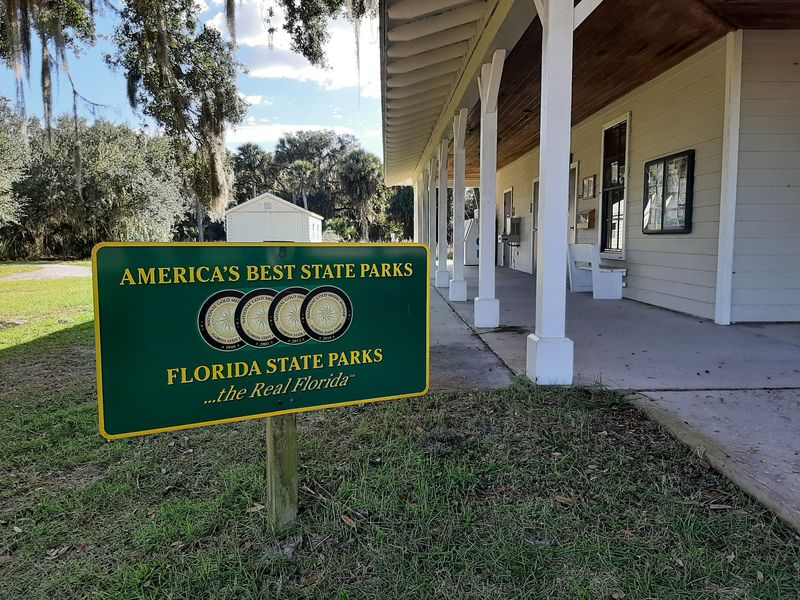
Choosing a campsite is a big part of trip planning. The park offers several options, and each one fits a different style of family.
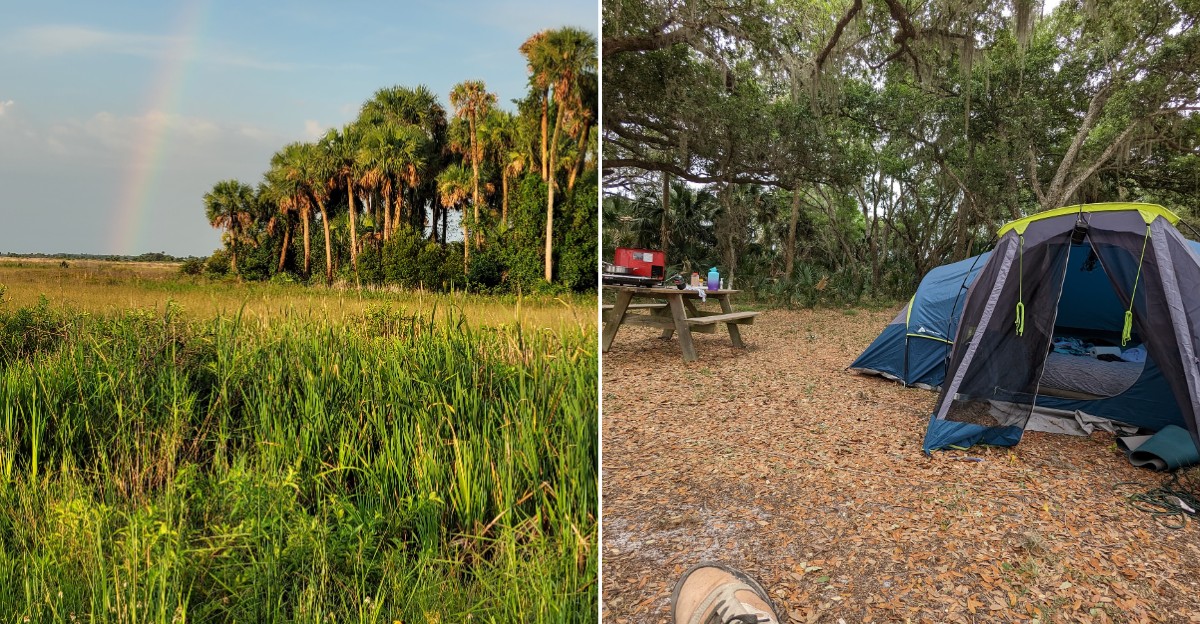
The family campground sits in a hammock, which is a patch of trees surrounded by open prairie. Sites have room to spread out, and many include water and electric hookups for RVs.
The equestrian campground is built for horse owners but can work for others who need extra space. Sites there tend to be closer together.
Privacy can be limited. Many sites have little brush between them, so neighbors are easy to see.
Some sites are better for RVs than tents, especially open ones with no shade. Tent campers should also ask about low spots, since heavy rain can flood certain sites quickly.
Reservations can be made online. Booking early matters, especially during cooler months and good stargazing weeks.
Quiet hours are taken seriously. A calm campground makes the starry sky even more enjoyable for everyone.
Glamping Under the Stars
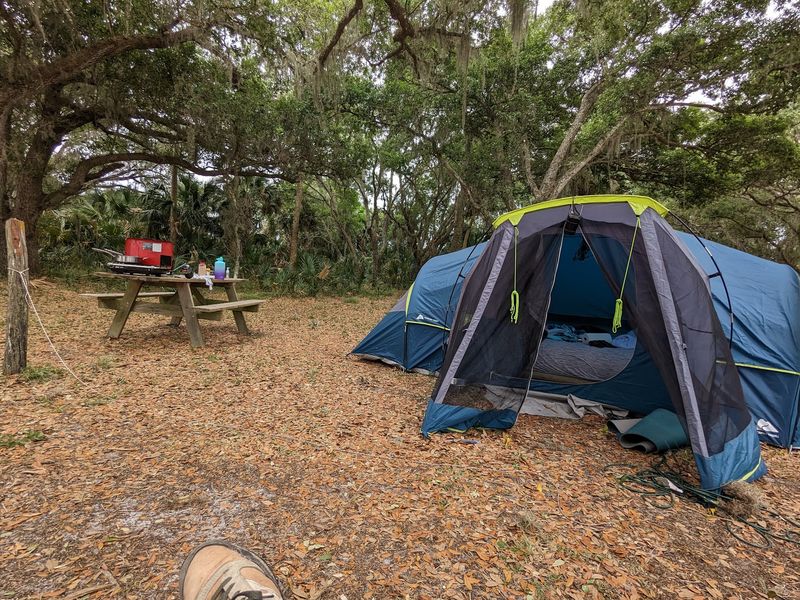
Not every family wants to sleep on the ground. Glamping tents give a comfier option without losing the outdoor feel.
These ready-made tents come with real touches like rugs, throw pillows, and a mini fridge. Families can skip pitching a tent and spend more time exploring.
A short walk leads to the bathhouse. The bathrooms are kept clean and offer hot showers.
There are a few tradeoffs. The glamping tents sit close together, so privacy is limited and outside noise travels easily through canvas walls.
Bringing earplugs is a simple fix for light sleepers. A small fan or white noise app can help too.
Glamping works well for families trying camping for the first time. Younger kids often settle in faster with a real bed.
Fire rules still apply. When burn bans are in place, campfires are off the table, so checking conditions at the office is wise.
Comfort and stars can share the same trip after all.
Trails Across the Grassland
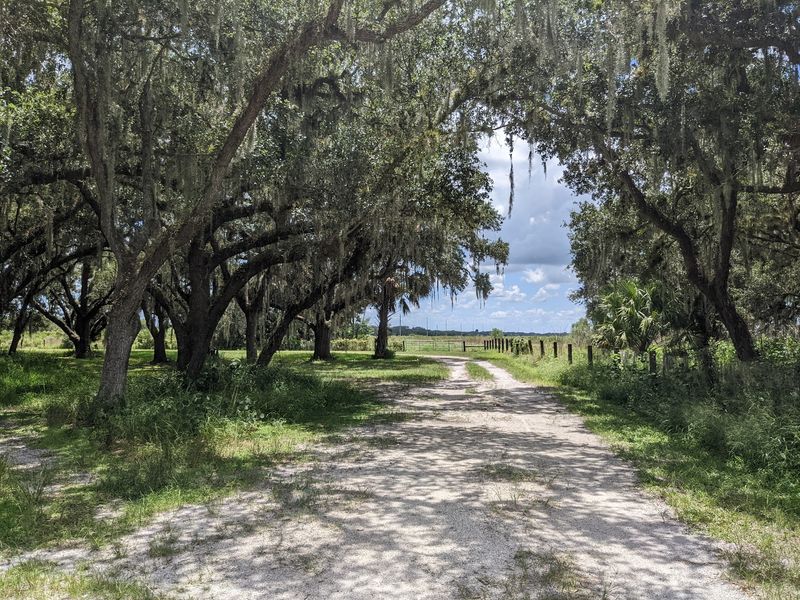
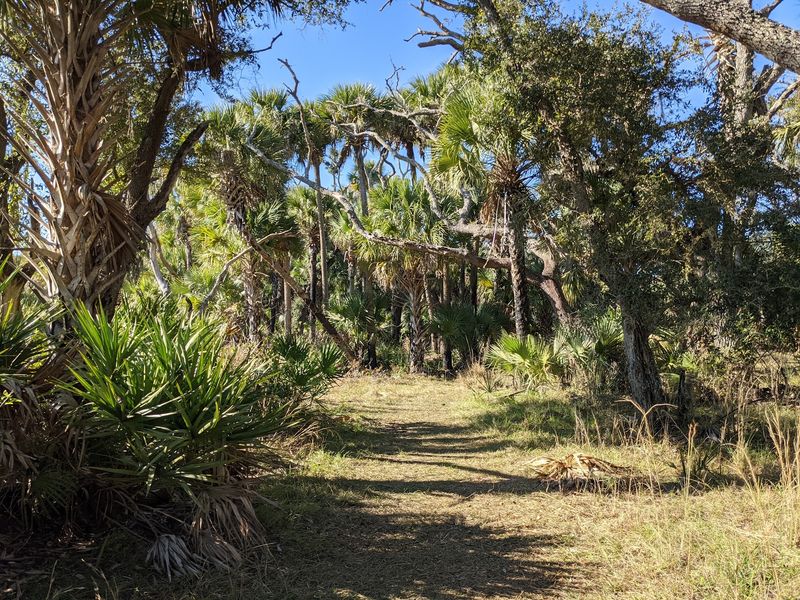
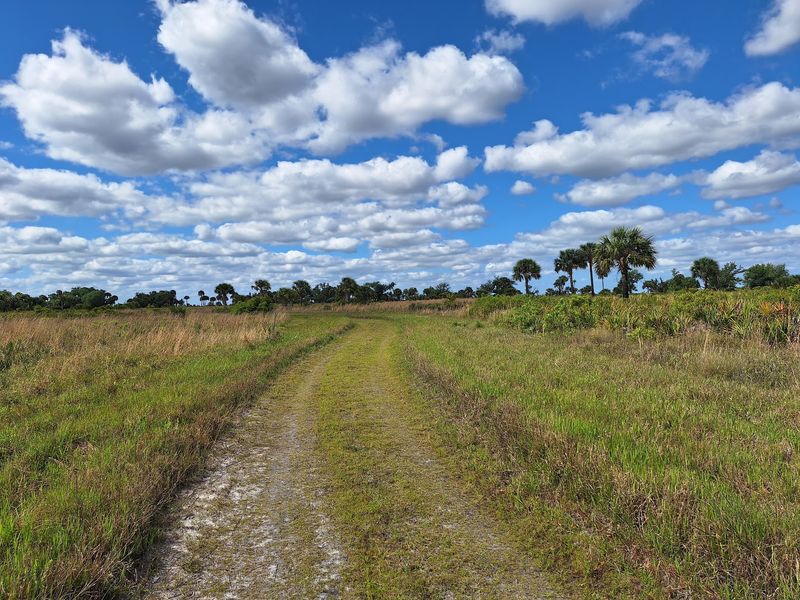
Daytime belongs to the trails. The park has many miles of paths that cross open prairie and shady hammocks.
Trails are flat, sandy, and well marked. The park map is easy to follow, which helps families with young hikers.
Most prairie trails have little shade. Summer hikes are best done early in the morning before the heat climbs.
Water is the top item to pack. Families should bring plenty, plus sunscreen, hats, and insect repellent.
Some hikers freeze water bottles or carry ice packs to stay cool. Rain can also drop temperatures quickly during summer storms.
The hammock loop is a favorite for its tree cover. The prairie trails show off wide views and seasonal wildflowers.
Low areas may hold water during the rainy season. Checking trail conditions at the office saves soggy shoes.
Families bringing their own bicycles can explore designated park roads and shared-use trails. Sandy stretches and standing water can make some routes challenging, so checking current conditions before setting out is a good idea.
Pack Like You Mean It
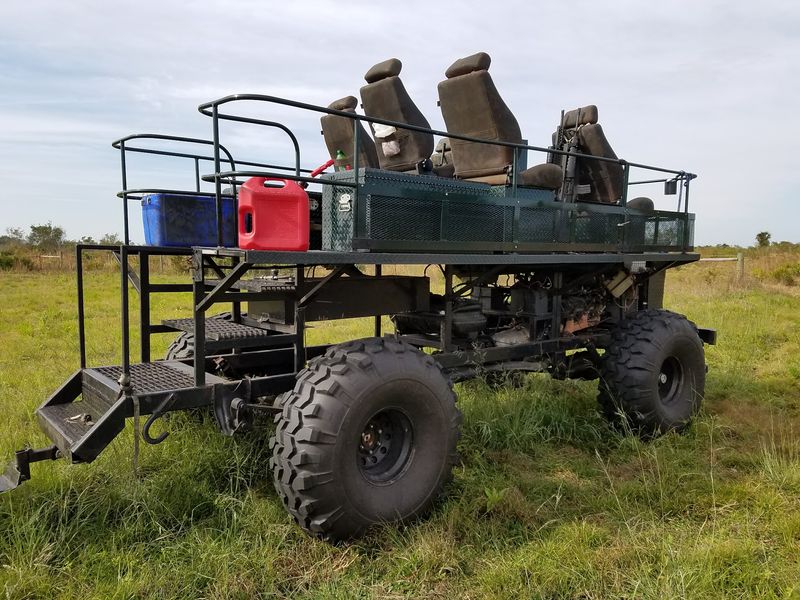
Remote is the right word for this park. The nearest gas station is about 30 minutes away, and the closest grocery store is around 45 minutes away.
Families should fill gas tanks and propane tanks before heading in. Running out of fuel this far out is no small hassle.
Bring enough food and supplies for the whole stay. Ice can be bought at the park office, which helps keep coolers going.
A smart checklist includes red lights, bug spray, sunscreen, extra water, layers, and rain gear. Nights can get chilly in spring even after hot afternoons.
Firewood may be damp, and prairie winds can make fires tricky. Fire starters help when fires are allowed.
The bathhouses are clean and include laundry areas, which is handy for longer trips. Some even have a clothes dryer and a big outdoor sink.
Phone signal may be limited, so download maps ahead of time.
Good planning keeps the focus where it belongs: up in the sky.