Some family outings fade from memory by the next weekend. Others turn into stories that get retold at dinner for months, usually starting with the words, remember when we touched a stingray?
Tampa is home to one of those rare places where kids get to reach into the water and meet ocean animals up close.
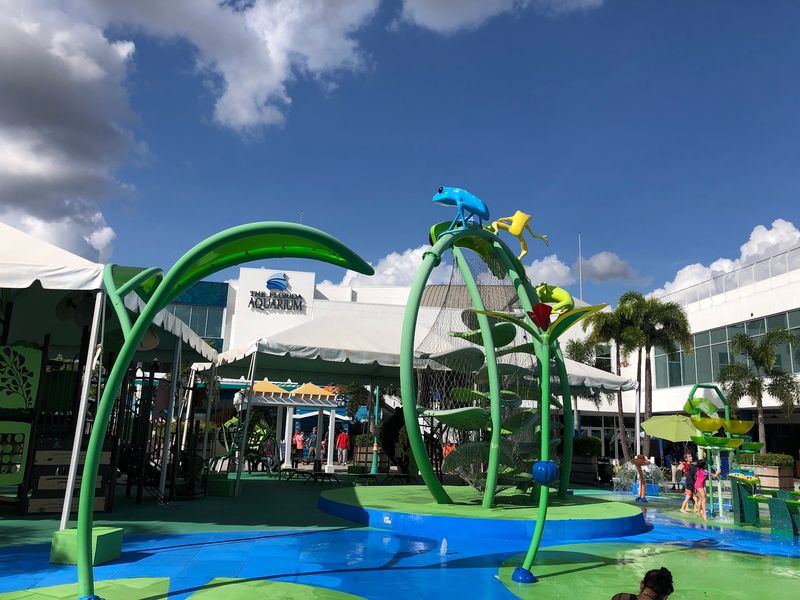
Sharks cruise past giant windows, lemurs climb above your head, and jellyfish drift in glowing tanks. There is even a splash pad waiting outside for anyone who still has energy left.
This guide covers the hands-on stops, the smart planning tips, and the little extras that make a single day feel like a big adventure.
From unforgettable stingray encounters and fascinating jellyfish to playful otters, colorful marine life, and hands-on exhibits, this waterfront aquarium offers families a day filled with discovery and adventure.
Where the Adventure Begins

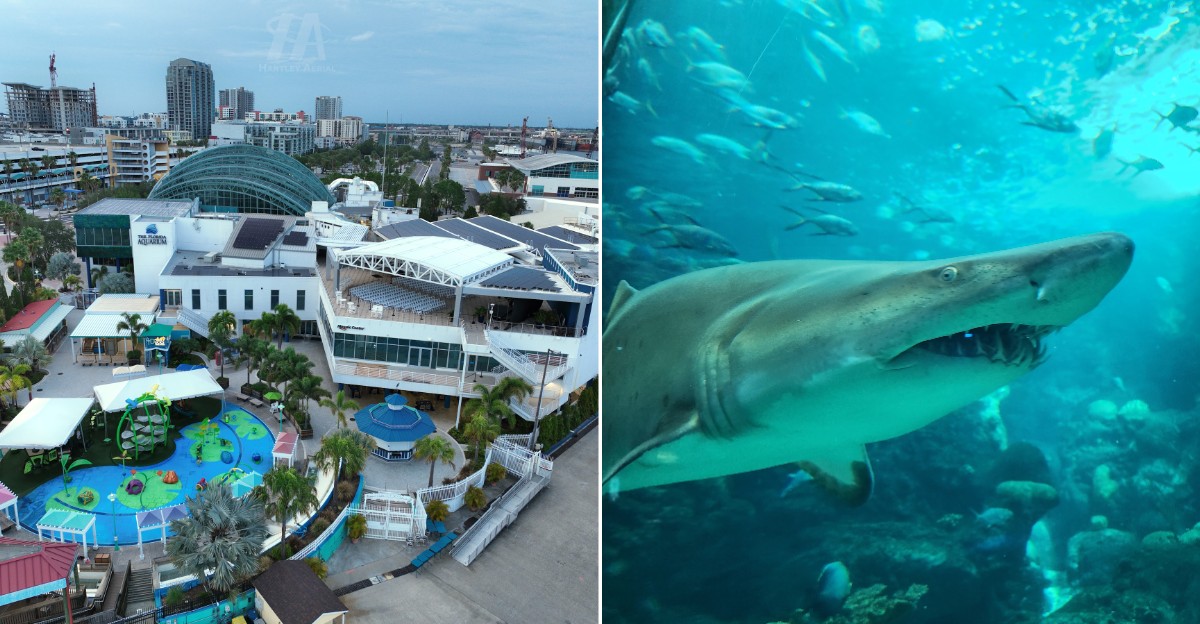
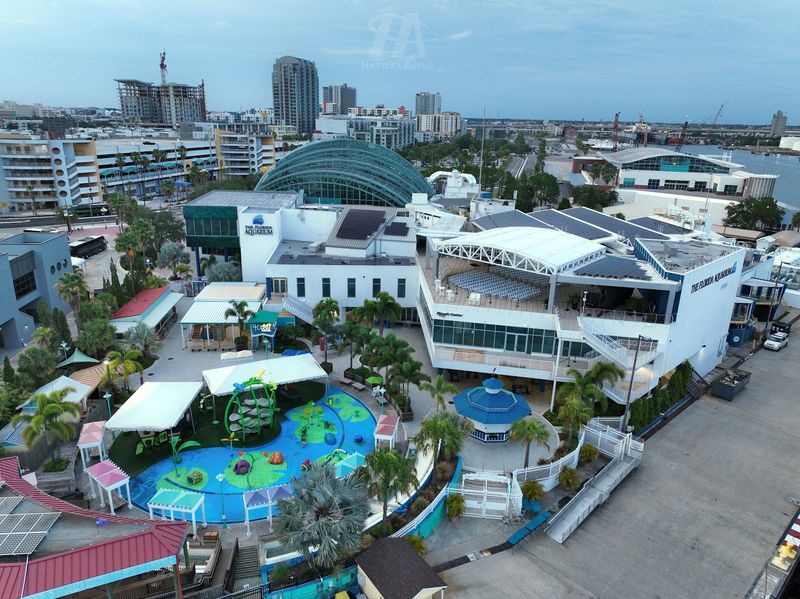
Tampa has plenty of fun stops, but few spark as many excited car rides as The Florida Aquarium. You will find it at 701 Channelside Dr, Tampa, FL 33602, in the United States, right along the downtown waterfront.
The building sits in the Channel District, close to the port and a short ride from the heart of the city. That makes it easy to pair with other plans, like a game or a concert nearby.
Inside, the aquarium holds more than 20,000 aquatic animals and plants. Sharks, penguins, otters, sea turtles, and lemurs all share the spotlight.
Because nearly everything is indoors, it works well on rainy afternoons or sizzling summer days. Families often say it is the perfect escape from Florida weather.
The aquarium generally opens at 9 a.m., but closing times can vary by date, with some days offering extended hours. Checking the official calendar before visiting is the best way to plan a full day of family fun.
Arriving early is a smart move, since crowds tend to build by late morning.
The Stingray Moment
Few aquarium experiences leave kids with a story quite like feeding a stingray. At The Florida Aquarium, families can get close to these fascinating animals through two different experiences.
Stingray Beach is an interactive habitat where visitors can gently touch cownose stingrays as they glide through the water. Staff help guests understand how to interact safely and respectfully with the animals.
For an even closer encounter, the aquarium offers a special Stingray Feeding Experience. During this 50-minute program, participants visit a behind-the-scenes food preparation area before helping feed, touch, and train the rays.
The experience costs an additional $30 per person, on top of general admission. Participants must be at least eight years old, and children ages eight through twelve must be accompanied by an adult.
Spaces are limited, with a maximum of six participants per session, so advance reservations are important.
Families who prefer a simpler visit can still enjoy watching and gently touching the rays at Stingray Beach without booking the feeding program.
Either way, these graceful swimmers often become one of the day’s most memorable encounters.
Jellyfish You Can Actually Touch
Most people spend their beach days trying to avoid jellyfish. Here, kids get to touch one on purpose, and they cannot stop talking about it.
The jellyfish touch tank surprises almost everyone. The species in this tank are safe for gentle touching, and staff help guide each hand.
Many guests say they never thought this was possible. It quickly becomes a bragging point at school the following week.
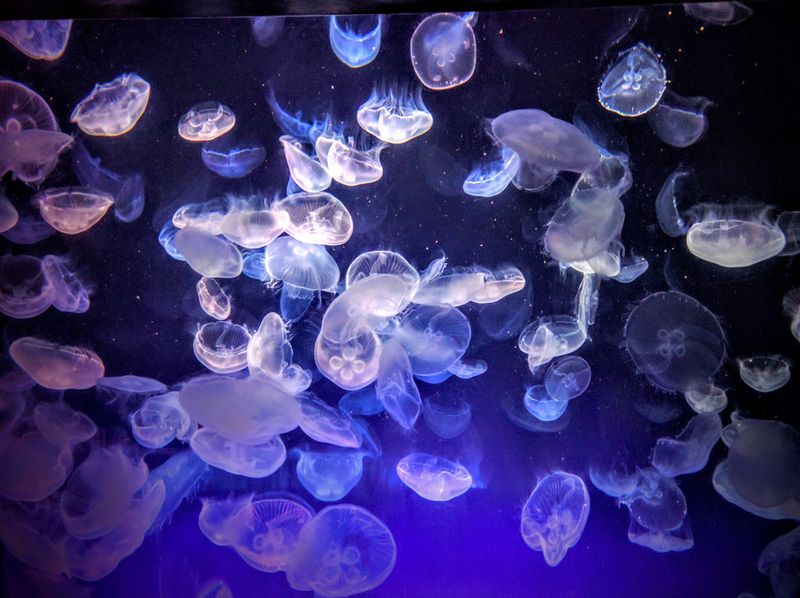
Beyond the touch tank, the jellyfish displays are a family favorite. Rows of tanks show different kinds floating slowly through the water.
Younger kids love to sit and watch them move. It is a nice calm break between the busier exhibits.
Quick fun fact: jellyfish do not have brains, hearts, or bones. Share that one with your kids and watch their eyebrows go up.
At Moon Bay, visitors can gently touch moon jellies in a specially designed interactive habitat. Guests should follow the posted instructions and staff guidance to help keep these delicate animals safe.
A Walk Through the Wetlands
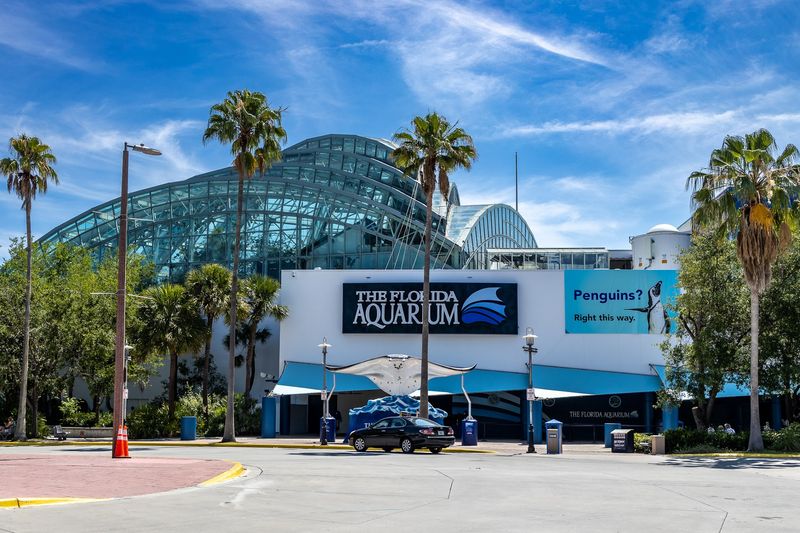
Florida swamps are full of life, and this exhibit brings them right up to eye level. The wetlands area feels like a short nature hike without leaving the building.
Under the big glass dome, a mangrove habitat is home to birds, fish, turtles, ducks, and reptiles. Some birds fly freely around the space.
Alligators are a big draw here. Kids love spotting them resting in the water, sometimes closer than expected.
The path winds gently through the exhibit, so it is easy to explore with small kids. Take your time, because animals often hide in plain view.
Families who visit often call this one of their favorite sections. Each trip, you might notice a new bird or a turtle you missed last time.
Turn it into a game. Challenge the kids to count how many different animals they can find before reaching the exit.
It is also a great way to teach children about the Florida habitats right outside their own backyard.
Sharks and Gentle Giants
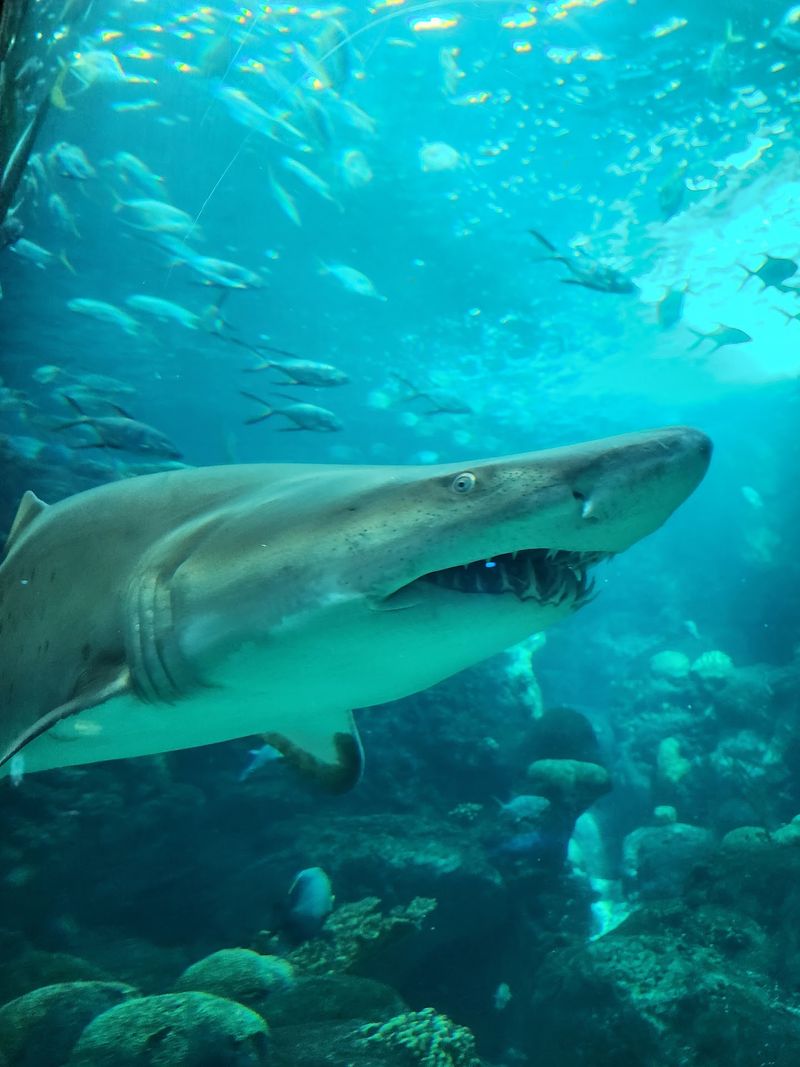
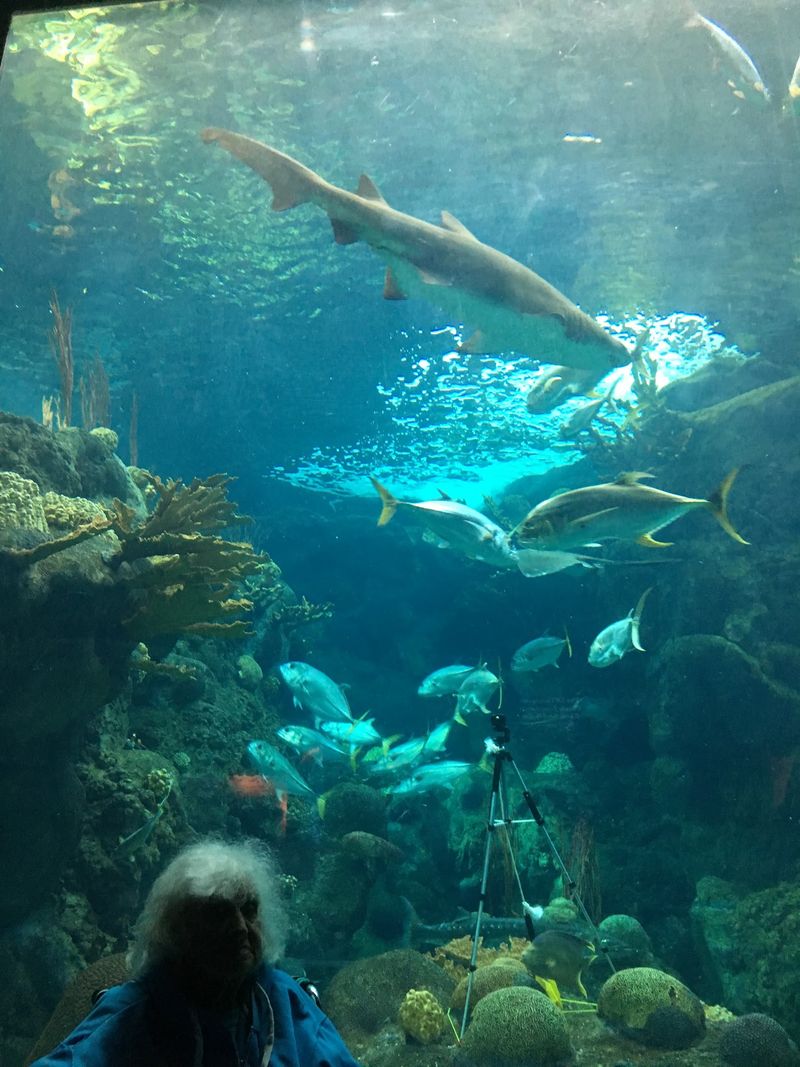
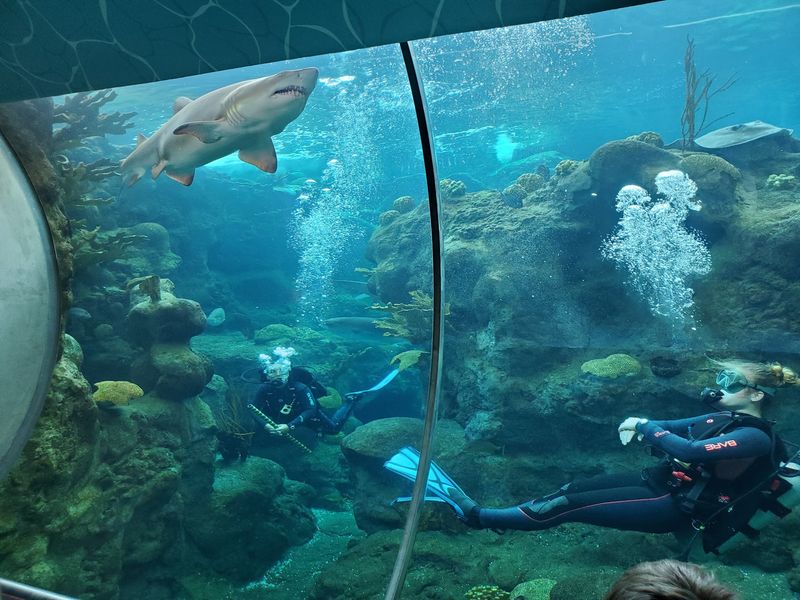
Few things get a kid pressing their nose to the glass faster than a shark swimming by. The big tanks here deliver that moment again and again.
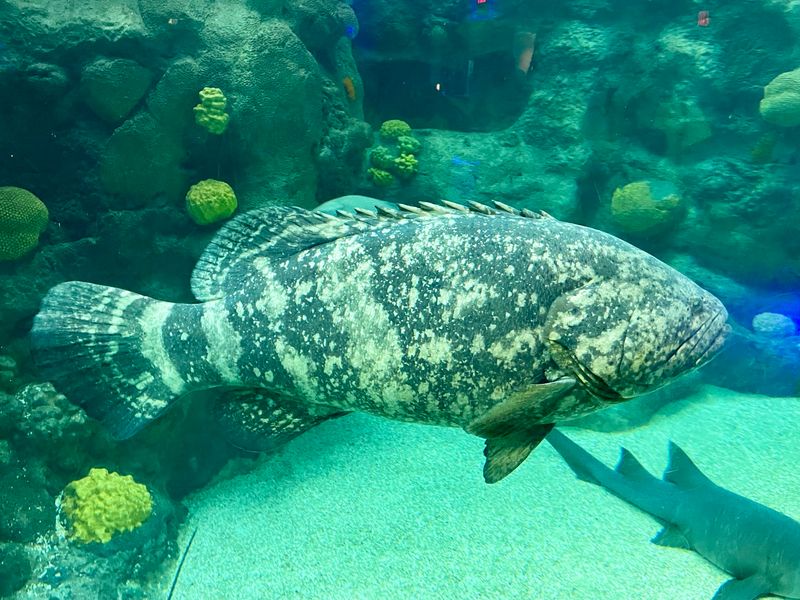
Sharks share space with sea turtles, huge goliath groupers, and schools of colorful fish. Some of these fish are among the largest many people will ever see in person.
A seating area sits in front of one of the main tanks. It is a great place to rest tired legs while watching the action.
Parents often use this spot as a reset button. Kids stay busy pointing out sharks, and adults get a few quiet minutes.
Both saltwater and freshwater tanks show off a wide mix of species. Gar fish, rays, and reef fish all make an appearance.
Try to catch a feeding time if you can. Animals become more active, and staff share facts about what each one eats.
Check the daily schedule at the entrance so you know when the big tank gets the most excitement.
Lemurs Steal the Show
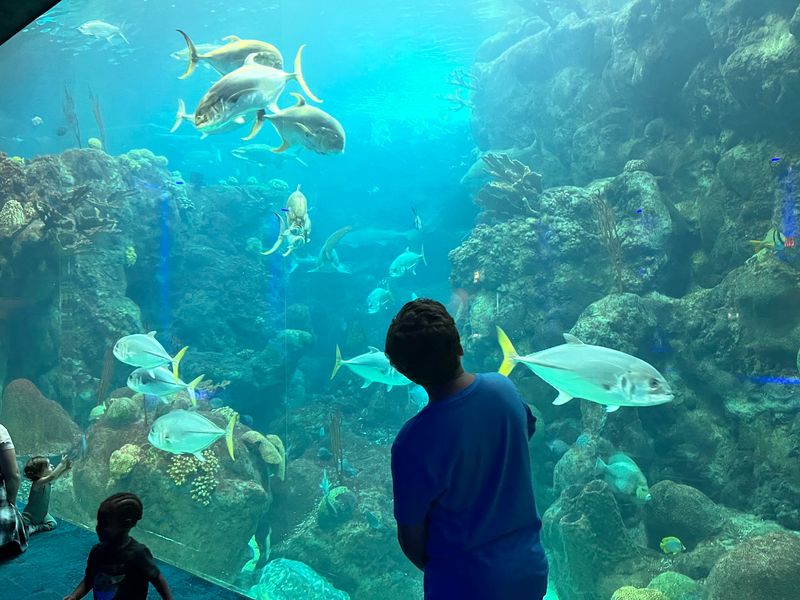
Nobody expects lemurs at an aquarium. That is exactly why they become such a happy surprise for so many families.
These playful primates come from Madagascar, an island off the coast of Africa. At the aquarium, they climb, jump, and play in their own space.
Kids often stop in their tracks when they spot them. Many guests list the lemurs as their favorite part of the whole trip.
The lemur area connects to the theme of island life and its unique animals. It is a fun way to show kids that oceans shape land animals, too.
Watching them play can easily fill ten or fifteen minutes. They tend to be most lively when staff are nearby or during feeding times.
Here is a fact to share: ring-tailed lemurs use their long striped tails to help with balance.
Bring patience and a camera. Lemurs move quickly, so the best photo might take a few tries before you get it.
Otters, Penguins, and Playful Friends
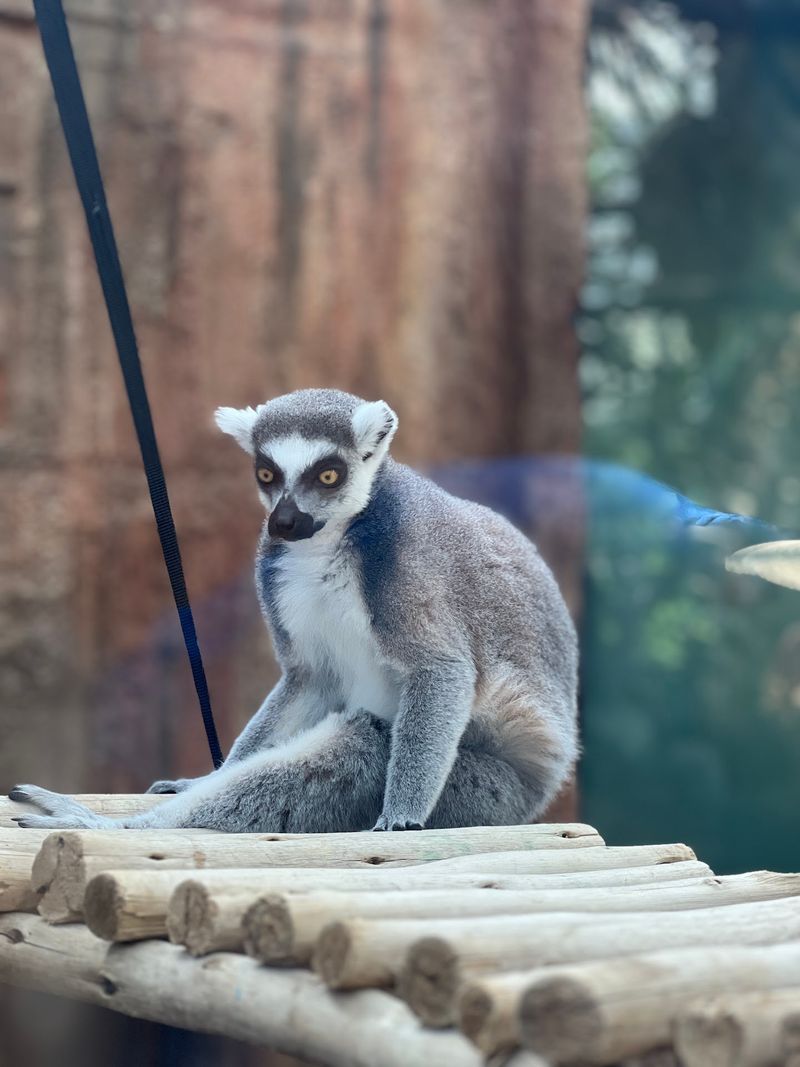
Some animals seem to have a sense of humor. Otters fall squarely in that group, and kids notice right away.
The otters at the aquarium love to swim, roll, and play. Families often gather around their exhibit just to watch the fun.
Penguins are another crowd favorite. Their waddling walks and quick swims keep young eyes glued to the glass.
Both groups tend to perk up around feeding times. Staff often share stories about each animal, including names and personalities.
That personal touch helps kids connect. A penguin with a name feels like a new friend instead of just another animal.
Try asking a staff member which animal is the most playful. You may hear a funny story worth repeating at home.
Toddlers especially enjoy this area, since the animals move a lot and are easy to spot. It works well even without a stroller.
Leave a little extra time here, because little ones rarely want to say goodbye quickly.
More Hands-On Fun
Stingrays get the headlines, but they are not the only animals kids can touch. A second touch pool brings even more hands-on moments.
Sea stars and anemones live in this shallow tank. Kids can gently feel their textures with help from staff.
Each animal teaches something different. Sea stars move slowly with tiny tube feet, while anemones hold onto rocks and wave their arms.
Staff members are friendly and ready with answers. They explain what each animal eats and how it survives in the ocean.
Here is a parent tip worth remembering. Bring hand wipes or plan a quick sink stop after touching, especially with younger kids.
Touch pools also build confidence. A child who tries a sea star often feels brave enough to try the stingrays next.
Fun fact: sea stars can regrow lost arms over time. That one usually earns a big wow from curious kids.
Discovering The Tide Pool
After exploring the aquarium’s tropical habitats, families can discover a completely different underwater world at The Tide Pool.
Opened in August 2025, this interactive exhibit brings the chilly waters of the Pacific Northwest to downtown Tampa. Instead of warm tropical seas, visitors encounter marine animals adapted to rocky coastlines and cool ocean currents.
The habitat features sea stars, anemones, hermit crabs, and other fascinating invertebrates. Children can gently interact with designated animals while learning how these creatures survive in changing coastal conditions.
One of the exhibit’s most unusual features is its simulated wave action, which recreates the movement of water along a rocky shoreline.
Colorful lighting and a dramatic mural also transform the exhibit through a simulated day-and-night cycle, giving families a glimpse of how coastal habitats change over time.
The experience offers a refreshing change of pace between the aquarium’s larger exhibits.
For curious kids, it is another chance to discover that some of the ocean’s most remarkable animals are also among its smallest.
Extra Experiences for Bold Explorers
Some families want more than a regular walk-through. The aquarium offers a few add-on experiences for those ready to go further.
SeaTREK lets guests enter one of the big tanks wearing a special helmet. Fish swim right around them while others watch from the glass.
Safety comes first with this activity. Staff check health conditions carefully, and some guests may not be able to take part.
A virtual reality simulator is another option. Kids can choose packages, like a dolphin adventure, though it costs extra.
There is also a bird feeding experience. Some guests even joke about earning a special T-shirt if a bird leaves a surprise.
A wild dolphin cruise is offered as well. It takes guests out on the water to look for dolphins in Tampa Bay.
Look at the website before your trip. Prices, ages, and availability can change, so planning ahead helps avoid disappointment at the door.
Smart Moves for a Smoother Day
A little planning can save a lot of stress. Families who prepare tend to enjoy the day much more.
Buy tickets online before you arrive. That way, you can skip the ticket line and walk right in.
Weekends, especially Sundays, can bring long lines. Weekday mornings are often the calmest time to visit.
Parking costs extra, so budget for it ahead of time. Many guests are surprised by that added fee.
Snacks are sold inside, along with a cafeteria and snack stands. Eating before you arrive can help keep costs down.
Ask about discounts. Veterans and active duty military may qualify, and Florida residents sometimes find special deals.
A typical visit takes one to three hours. Kids who love every exhibit might stretch it into a full day.
The layout can feel confusing at times, so grab a map. That small step helps make sure nobody misses the stingrays.
Why Families Keep Coming Back
One visit often turns into a yearly habit. Many local families buy memberships and return again and again.
Members get perks like special events. Occasional Member Mornings open an hour before regular hours, so you can explore with fewer crowds.
Homeschool families can look into a homeschool pass. It turns the aquarium into a year-round classroom.
Zoo members may find discounts, too. Some families have enjoyed half-price entry through a zoo membership.
Every trip feels a bit different. One day the octopus hides, and the next day it might be front and center.
Special events like sleepovers add even more reasons to return. Kids love the idea of spending a night near the fish.
More exciting changes are on the horizon through the aquarium’s Sea Change expansion. Current plans include new puffin habitats in late 2027, followed by California sea lions and expanded African penguin habitats in late 2028.
In the end, the stingrays are where the stories start. The memories built here are what keep families circling back to Channelside Drive.