Two rivers meet at the edge of a small Ohio town, and a lot of retirees have decided that is exactly where they want to land. The town is older than the state itself, with roots going back to 1788.
It has brick streets, a college, riverboats, and a hospital system right in town. Housing costs sit well below many big-city markets, and the pace of life gives people room to breathe.
So what keeps pulling retirees here year after year?
The answers are practical, historic, and a little surprising, and they stack up nicely once you see them side by side.
Keep reading for eleven solid reasons this river town keeps winning over people starting their next chapter.
Where Two Rivers Shake Hands
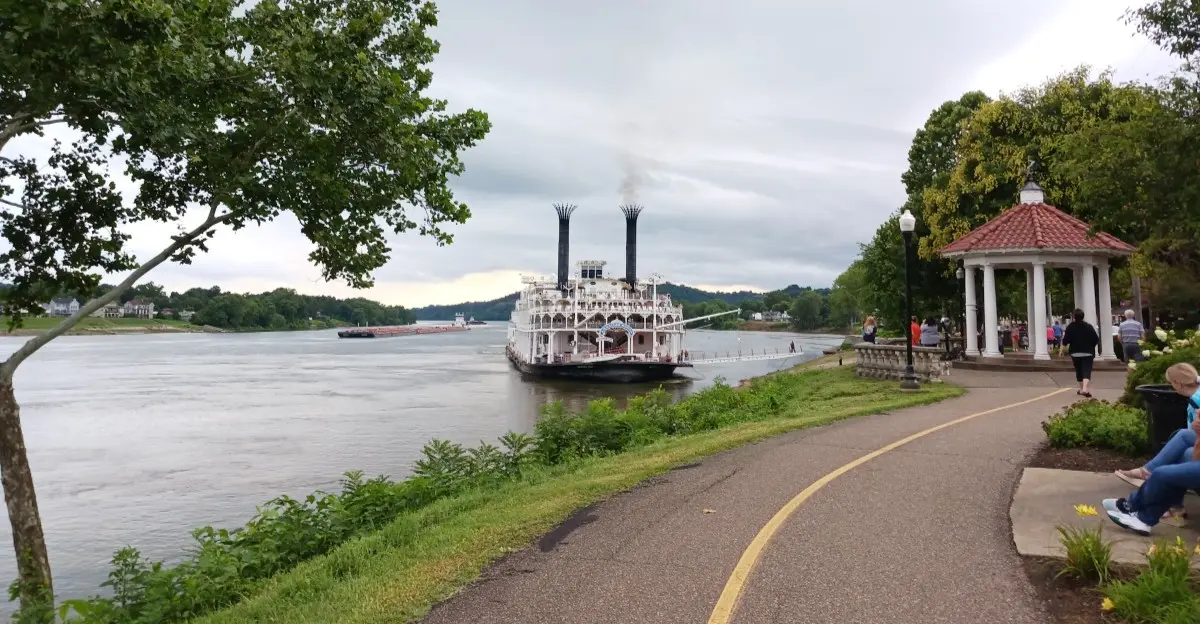
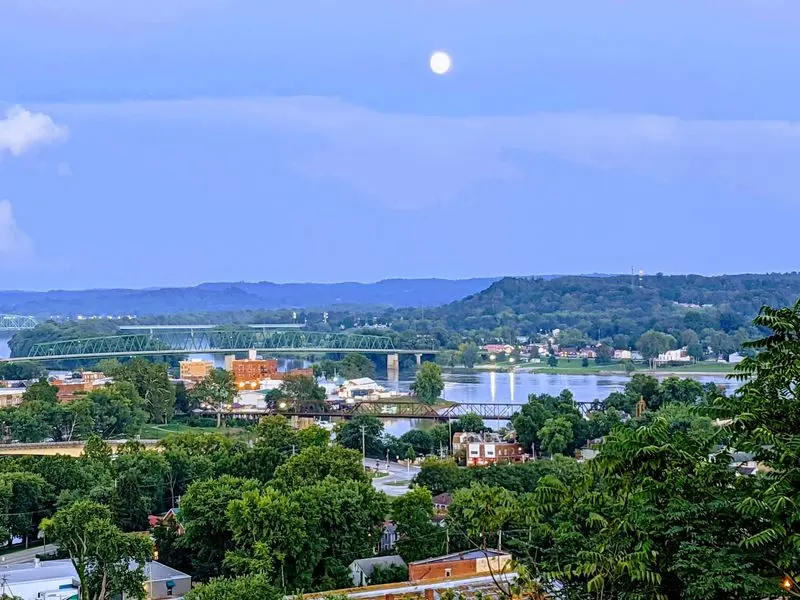
Marietta, Ohio 45750, USA sits in Washington County in the southeastern corner of the state. It serves as the county seat, and it rests right where the Muskingum River flows into the Ohio River.
That spot matters more than it might seem at first. Rivers shaped the town’s growth, its trade, and even its street layout.
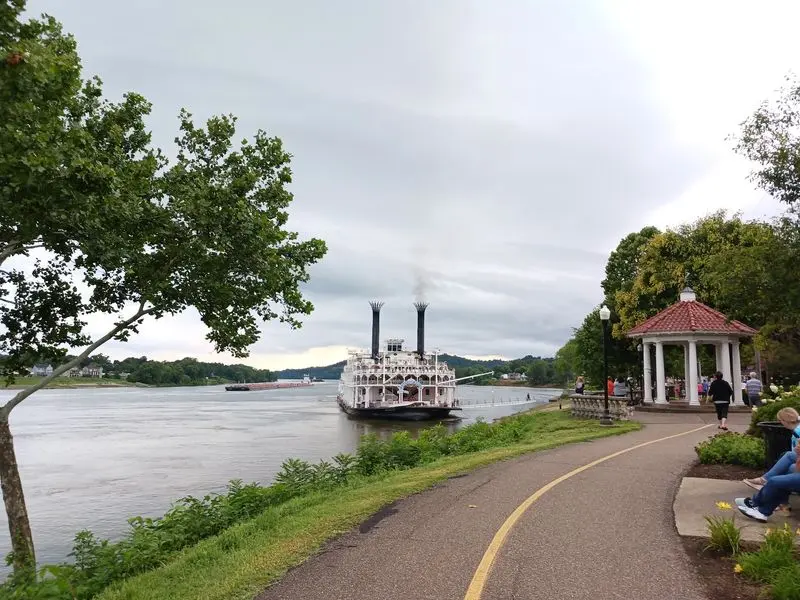
Today they shape daily life, offering walking paths, boat watching, and wide open views from downtown.
The location also works well for practical reasons. Parkersburg, West Virginia, sits about 11 miles to the southwest, which gives residents access to extra shopping, an airport, and more services nearby.
Columbus, Pittsburgh, and Charleston are all within a reasonable drive. That means retirees can visit grandkids, catch a big-city show, or meet a specialist without packing for a long trip.
For many newcomers, this balance hits the sweet spot. The town feels tucked away, yet the rest of the region stays close enough to reach by lunchtime.
Older Than Ohio Itself
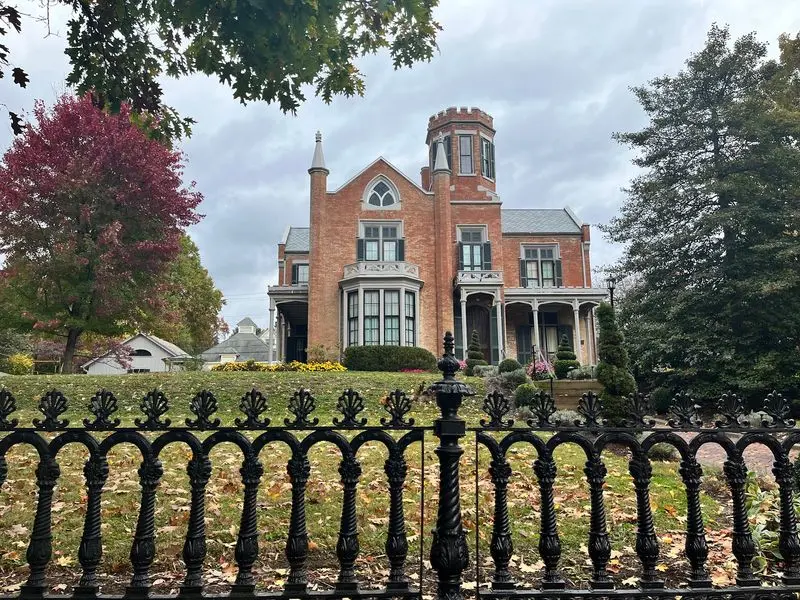
Here is a fun fact to share at the next family dinner. Marietta was founded in 1788, making it the first permanent American settlement in the Northwest Territory, years before Ohio became a state in 1803.
The settlers arrived led by Rufus Putnam, and the town was named after Marie Antoinette, the French queen, as a thank-you for French help in the American Revolution.
History here is not locked away in textbooks. The Campus Martius Museum preserves the Rufus Putnam House, an original structure from the early settlement days.
The Ohio River Museum sits close by and tells stories of steamboats and river life.
Retirees who love learning tend to find plenty to explore. Volunteer roles at museums and historical groups give people a way to stay busy and meet neighbors.
Many former teachers, engineers, and office workers discover a second calling as local history buffs. In a town this old, the curriculum never really runs out.
Bricks, Porches, and a Walkable Downtown
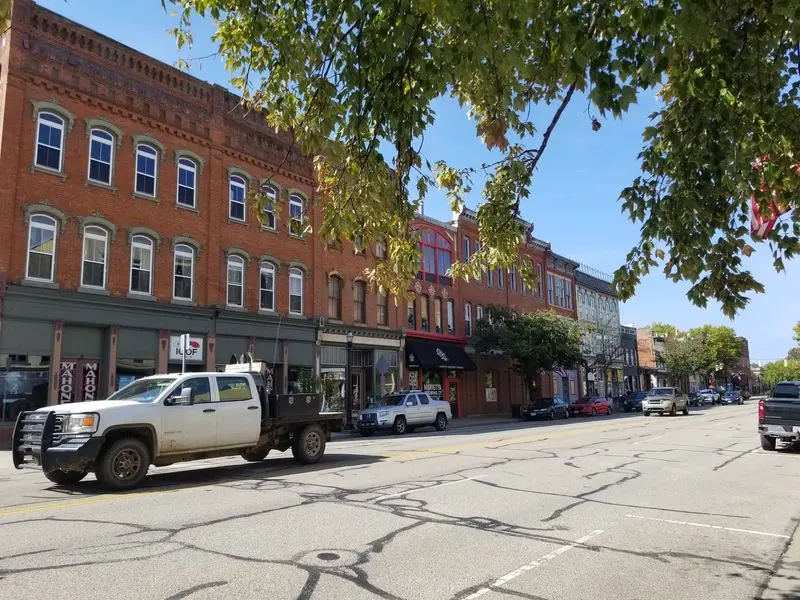
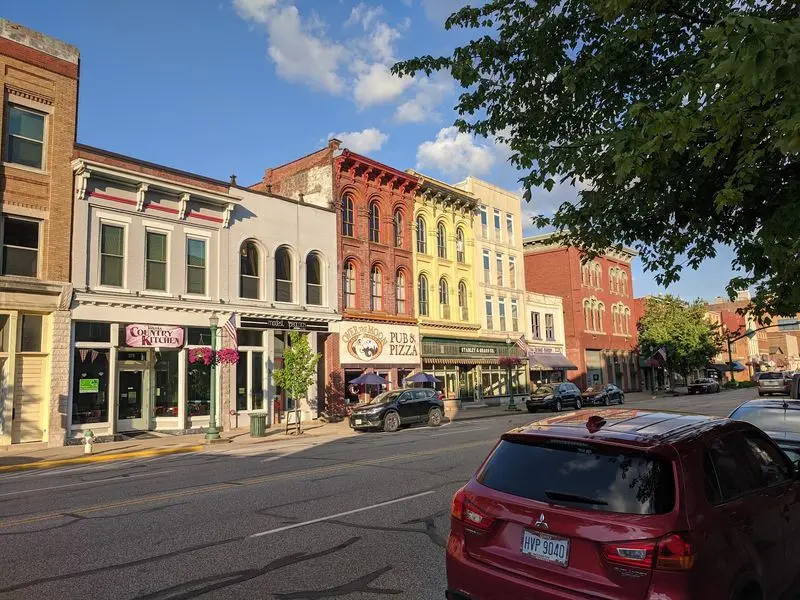
Cars are optional for a surprising amount of daily life in this town. The historic downtown packs shops, cafes, bookstores, and offices into a compact grid that is easy to cover on foot.
Front Street and the surrounding blocks hold many brick buildings from the 1800s. Locally owned businesses fill a large share of the storefronts, so errands often turn into friendly chats with owners who know their regulars.
Walking matters a lot as people age. Doctors regularly recommend daily movement, and a town that makes strolling useful helps that habit stick.
Nearby neighborhoods feature older homes with front porches and tree-lined streets. Some streets still have their original brick paving, which adds charm and naturally slows traffic.
A quick tip for house hunters: look within a few blocks of downtown if walkability ranks high on the wish list. Homes there put the library, shops, and riverfront within an easy trip, no parking hunt required.
Budget Math That Actually Works
Money talks, and in Marietta it speaks in a calm voice. Home prices in this part of Ohio generally run well below national averages, which can stretch a retirement budget much further than in coastal cities.
Many retirees sell a house in a pricier market and buy here with cash left over. That cushion can cover travel, hobbies, or simply peace of mind.
Ohio also does not tax Social Security benefits at the state level. That detail alone can make a noticeable difference for people living on fixed incomes.
Everyday costs like groceries and utilities tend to be reasonable too. Property taxes vary by location, so checking the county auditor’s website before buying is a smart move.
A practical step is to rent for a few months first. It gives newcomers time to learn the neighborhoods, compare home styles, and test the seasons before signing a mortgage.
Smart planning now keeps the nest egg from cracking later.
Health Care Close to Home
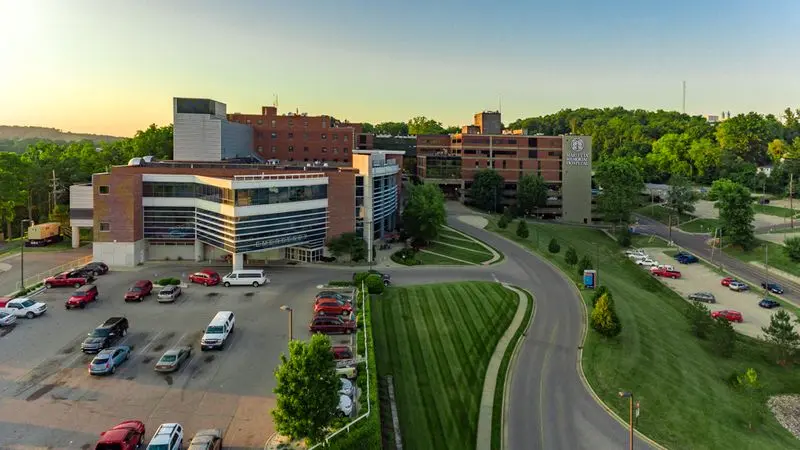
Few things weigh on a retirement decision like access to doctors. Marietta answers that concern with Memorial Health System, which runs Marietta Memorial Hospital right in town.
The system offers emergency care, specialists, imaging, rehab services, and outpatient clinics. Having a full hospital nearby means fewer long drives for routine visits and faster help in urgent moments.
Parkersburg, just across the river in West Virginia, adds more medical options. Larger centers in Columbus are available for highly specialized care when needed.
Pharmacies, physical therapy offices, and family practices are scattered throughout the area. Many retirees find it easier to build a relationship with doctors in a smaller community where faces become familiar.
One helpful tip is to confirm that a preferred Medicare plan works with local providers before moving. A short phone call to the hospital’s billing office can save a lot of paperwork headaches down the road, and that is a prescription worth filling.
A College Town Bonus
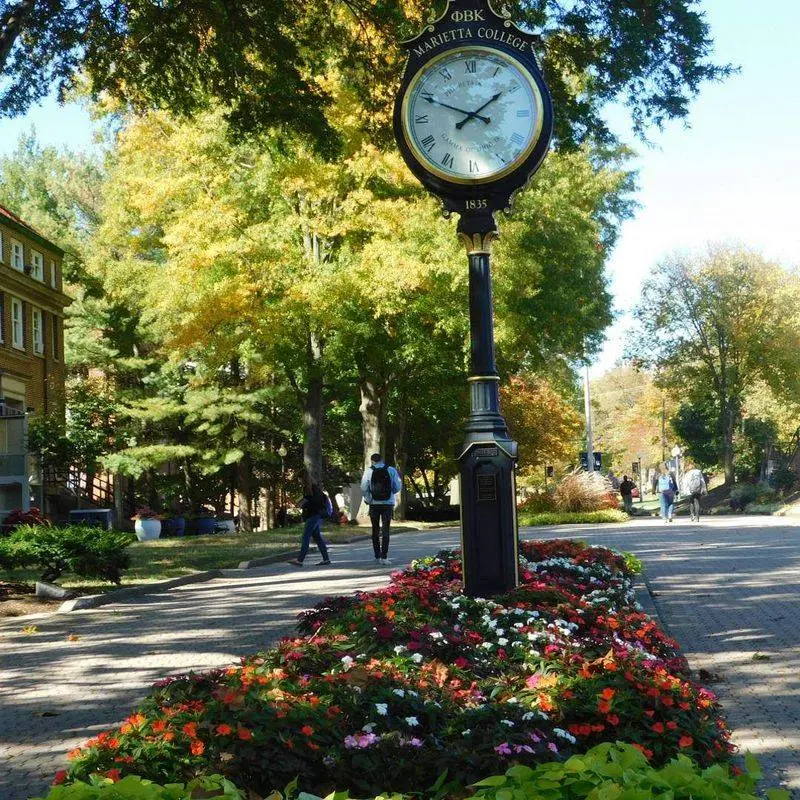
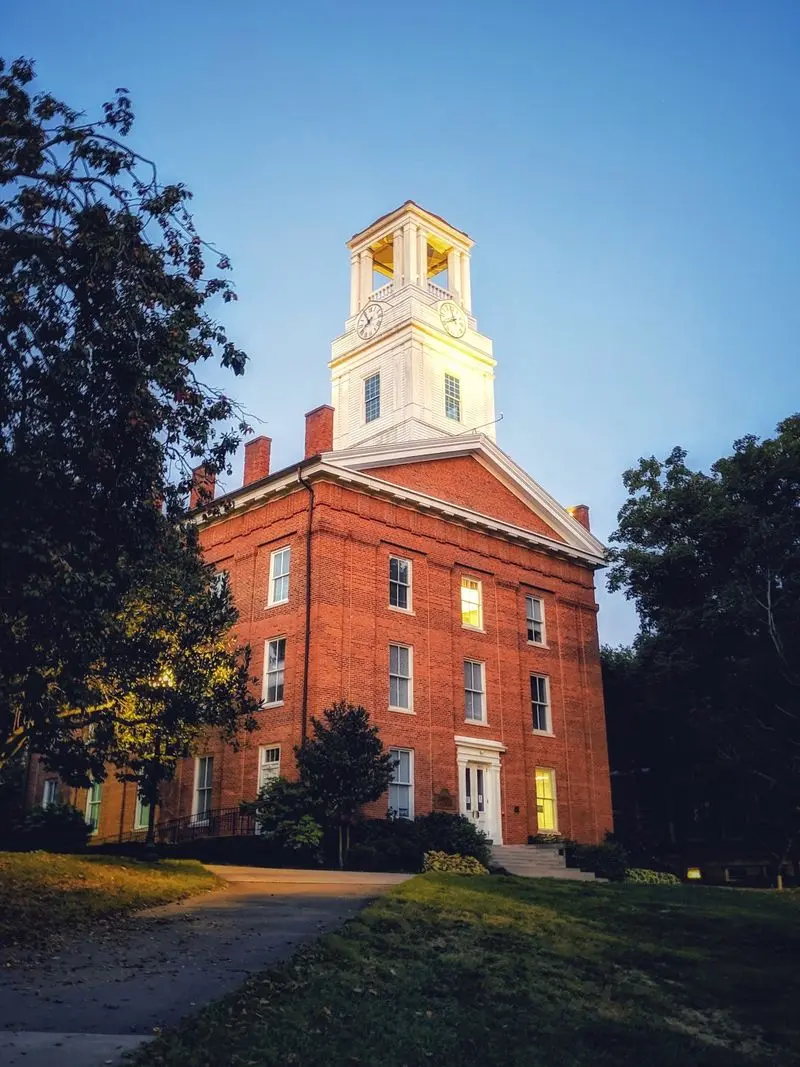
Retirement and college classes might sound like an odd pair, yet they fit together nicely here. Marietta College, founded in 1835, sits just a short walk from downtown.
The school brings lectures, concerts, theater shows, and sports events to town throughout the year. Many of these are open to the public, giving residents easy access to culture without a long drive.
The college is well known for its petroleum engineering program, one of the oldest in the nation. Its leadership program also draws attention.
Having students around adds energy to the community. Coffee shops stay busy, events fill the calendar, and young people often volunteer in local projects.
For lifelong learners, it is worth contacting the college to ask about auditing classes or attending guest talks. Some retirees also share their own career know-how as mentors or guest speakers.
After decades in the workforce, swapping the boardroom for a lecture hall can feel like a well-earned bonus round.
Trails, Rivers, and Room to Roam
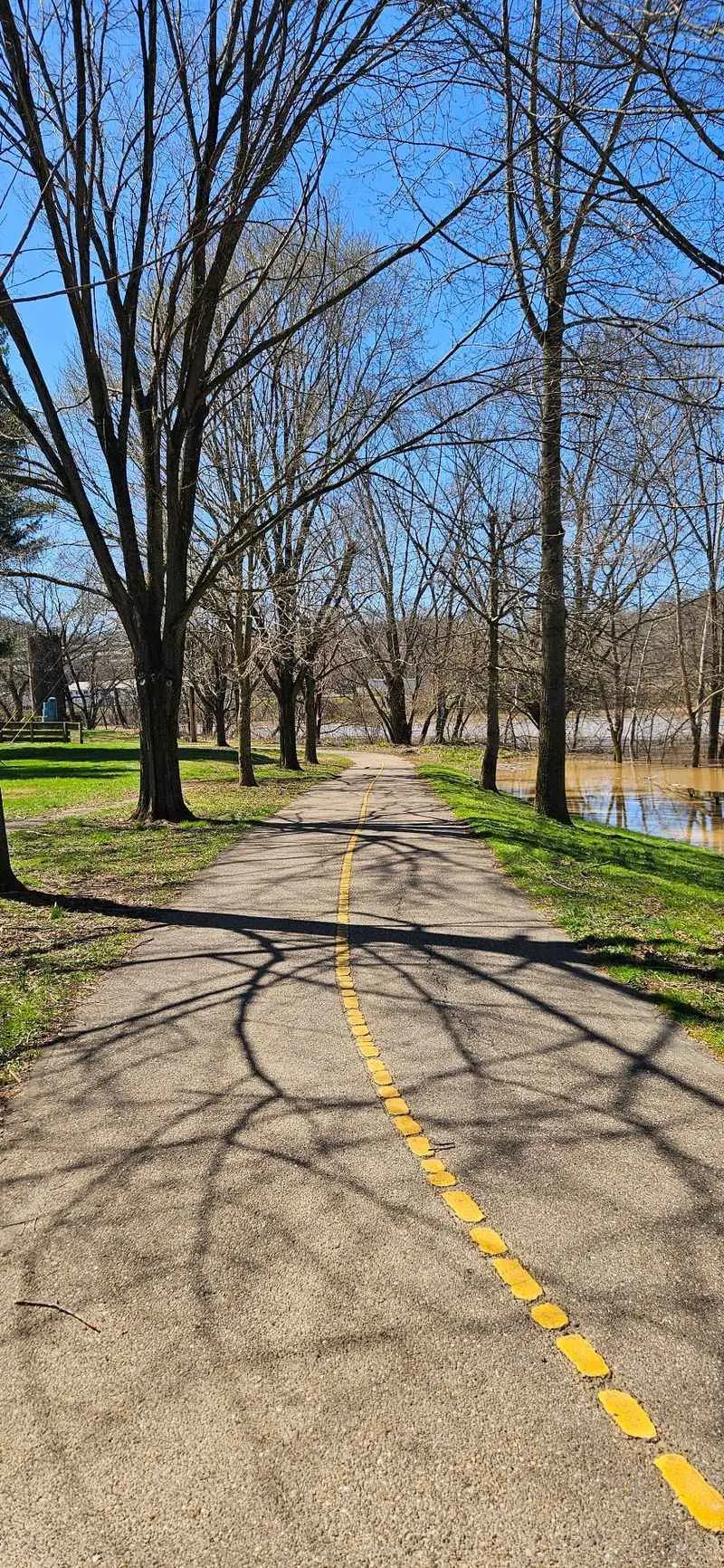
Staying active gets easier when the outdoors starts at the end of the block. Marietta has a network of paved river trails that follow the Muskingum and Ohio Rivers through town.
These flat paths suit walkers, cyclists, and anyone using a mobility aid. Benches along the way offer resting spots and views of passing boats.
The Wayne National Forest stretches across parts of southeastern Ohio, with sections close to Marietta. It offers hiking, wildlife watching, and scenic drives through rolling hills.
Boating and fishing are popular on both rivers. Public boat ramps make launching a small craft or kayak simple.
Golf courses in the area round out the options for those who prefer a fairway to a forest. A good starting point for newcomers is to walk a short trail section each morning and slowly add distance.
Before long, a daily loop by the water becomes the best kind of habit, one with no gym fees attached.
Steamboats Still Steal the Show
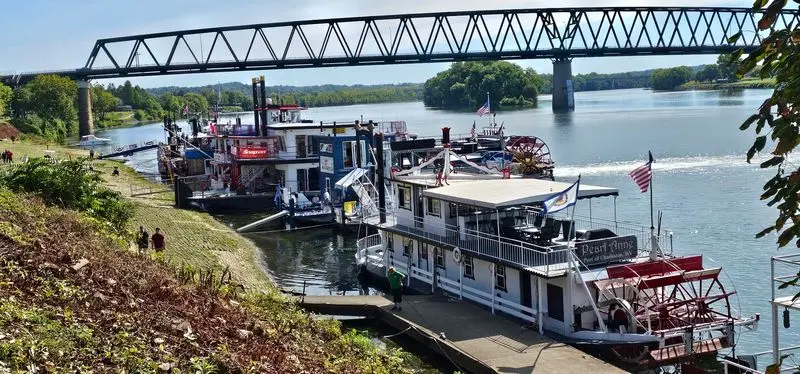
River history floats right at the doorstep. The Ohio River Museum displays the W.P.
Snyder Jr., a steam-powered sternwheel towboat docked on the Muskingum River.
Each September, the town hosts the Ohio River Sternwheel Festival. Sternwheelers gather along the riverfront, and the weekend fills with music, races, and fireworks.
The event has been a local tradition for decades. It gives retirees a reason to invite family for a visit, and it turns the riverfront into one big community gathering.
Riverboat lovers can also learn about locks and dams that helped move goods along the Muskingum. The Muskingum River lock system is among the historic hand-operated systems in the country.
Volunteers help keep many of these traditions going. Retirees who sign up for festival committees or museum programs often say the work feels more like a social club than a job.
On this waterfront, the past keeps paddling forward, one festival at a time.
Mounds, Mysteries, and Ancient Builders
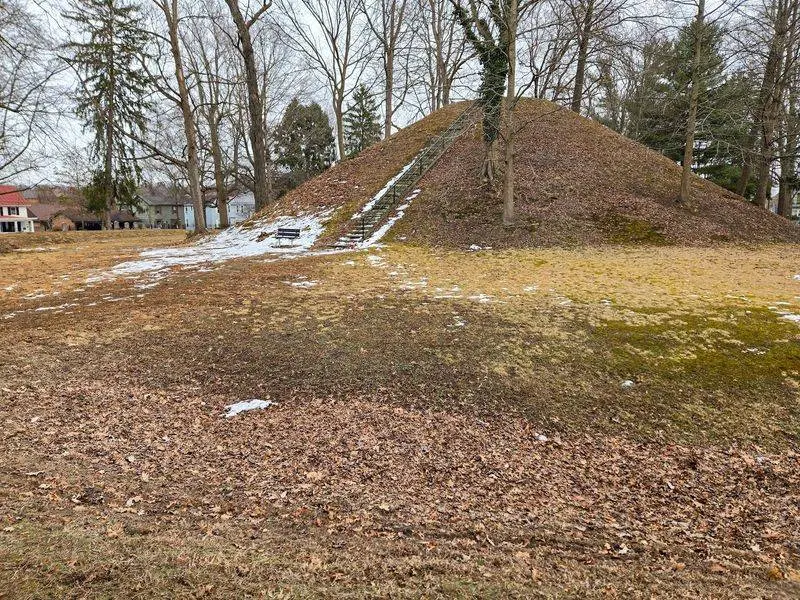
Long before settlers arrived in 1788, people were already shaping this land. Ancient Native American groups, linked to the Hopewell culture, built large earthworks in what is now Marietta.
The Conus, a large conical mound, still stands today. Settlers chose to protect it, and it remains one of the town’s most remarkable landmarks.
Sacra Via, an ancient graded pathway, once led from the earthworks toward the Muskingum River. Today, a small park marks part of its route.
Quadranaou Park and Capitolium Mound also preserve parts of these ancient works. The Washington County Public Library even sits atop the Capitolium Mound.
For curious retirees, these sites offer a chance to learn about cultures that thrived here thousands of years ago. Local guided tours and historical talks are worth watching for.
Few towns can claim layers of history this deep, and exploring them makes a fine reason to lace up walking shoes on a free afternoon.
Neighbors Who Actually Wave Back
Ask around, and the same theme keeps popping up. Community is a big part of why people settle in Marietta and stay put.
With about 13,385 residents as of the 2020 census, the town is small enough for familiar faces. Churches, civic clubs, and volunteer groups give newcomers plenty of ways to plug in.
Loneliness is a real concern for many retirees. Health experts link strong social ties to better well-being, so a friendly setting matters.
Here are a few easy ways to connect:
Join a church or faith group, volunteer at a museum or festival, sign up for a community class, or stop in regularly at a local shop.
Small, steady habits help names turn into friendships. The farmers market, library events, and holiday celebrations downtown are also great places to meet people.
In a town this size, it does not take long before a trip for coffee turns into three conversations and a dinner invitation.
A Stage for Every Season
Calendars rarely stay empty for long in this river town. The Peoples Bank Theatre, a restored historic venue downtown, hosts concerts, comedy acts, films, and touring shows.
The building first opened in 1919 and later went through a major restoration. Today it serves as a lively gathering spot for residents of all ages.
Seasonal events add even more variety. Summer brings outdoor concerts, fall welcomes the sternwheel crowds, and winter fills downtown with holiday decorations and celebrations.
Art galleries and small craft shops showcase work by regional artists. Some offer classes, which can be a great outlet for retirees exploring painting, pottery, or other creative hobbies.
The Marietta Main Street organization helps promote many downtown events. Checking its website and the city site regularly is an easy way to keep up.
With this much going on, the hardest part of retirement might be choosing which event to attend first.