Most museums have one big rule for kids, and it usually sounds like “look, but do not touch.”
A building just outside downtown Sheboygan bends that idea in a clever way. Here, whole rooms built by self-taught artists have been saved, moved, and rebuilt so families can step right into them.
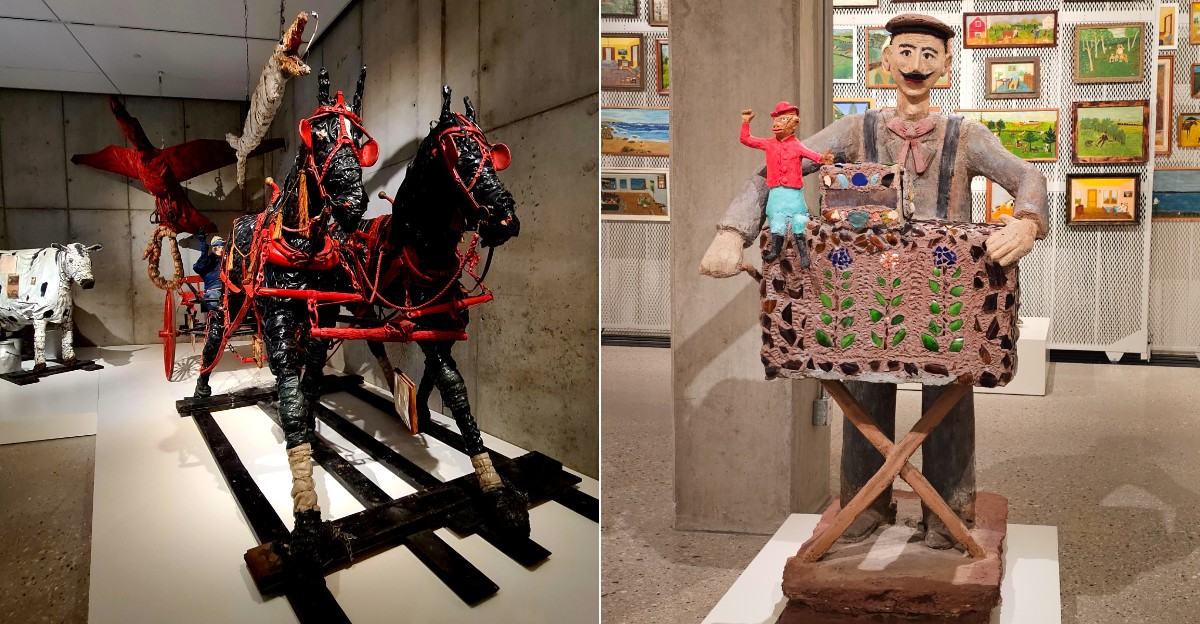
Some pieces are giant concrete figures. Others are walls, furniture, and tiny objects that once filled an artist’s home or backyard.
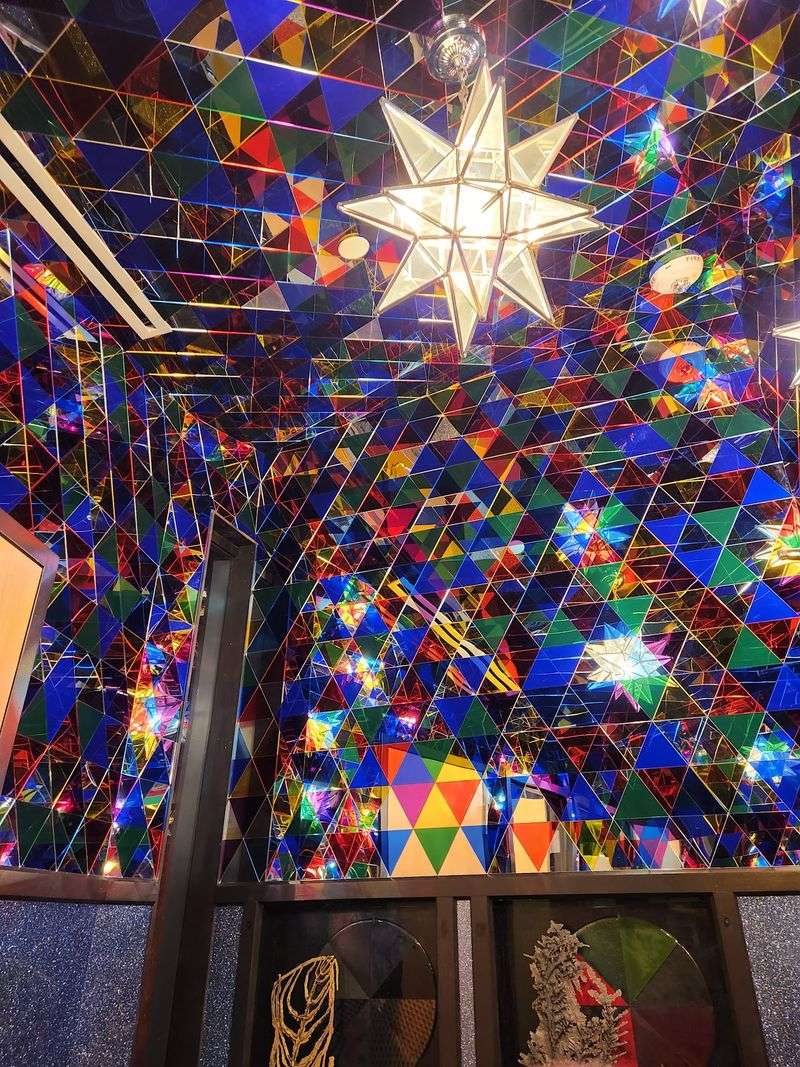
Even the restrooms were made by artists, which tends to surprise everyone.
Admission costs nothing, the floors are easy to roll a stroller across, and there is a free guide with pencils for little sketchers.
Keep reading to learn what makes this place so unusual, which floor to save for last, and the simple tips that make a family trip go smoothly.
A Museum Hiding in the Woods on Lower Falls Road
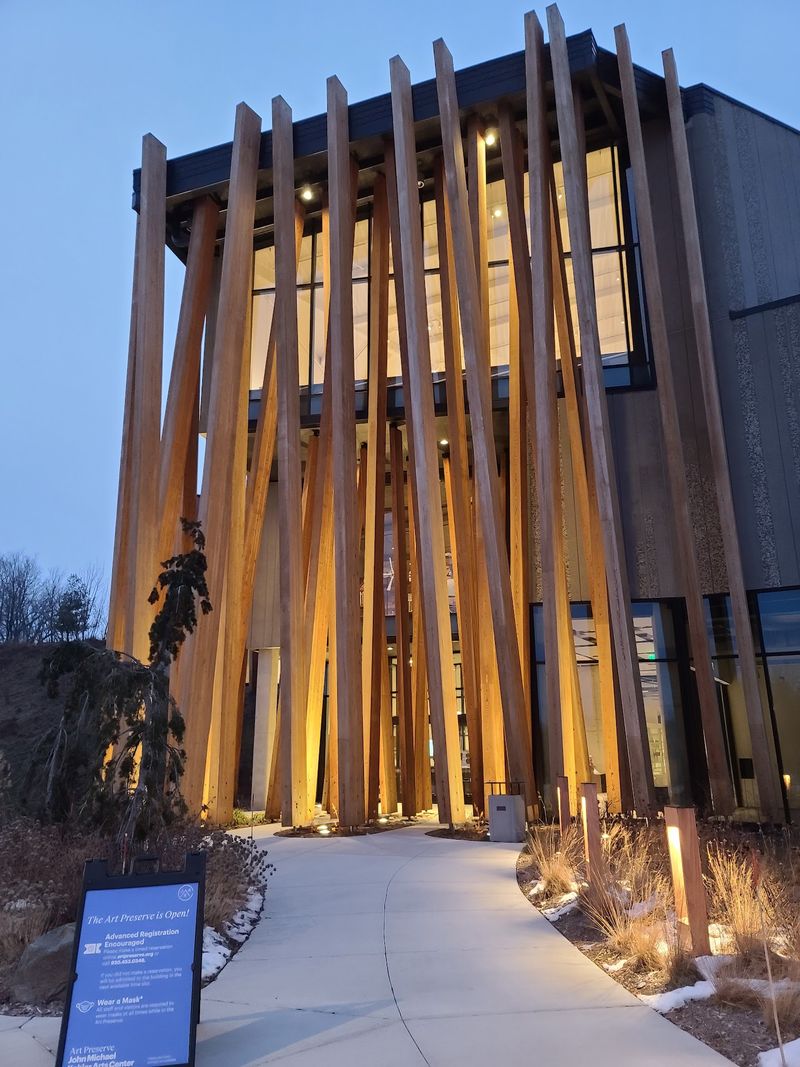
Finding it feels a bit like a treasure hunt. The Art Preserve of the John Michael Kohler Arts Center sits at 3636 Lower Falls Rd, Sheboygan, WI 53081, in the United States, a short drive from the main arts center downtown.
The building opened in 2021, and it was made for one big job. It holds and shows art from artist-built environments, which are homes, yards, and spaces that ordinary people turned into giant works of art.
The front entrance uses tall wooden beams with large stones at the base. Many people say it feels like strolling into a forest before the art even starts.
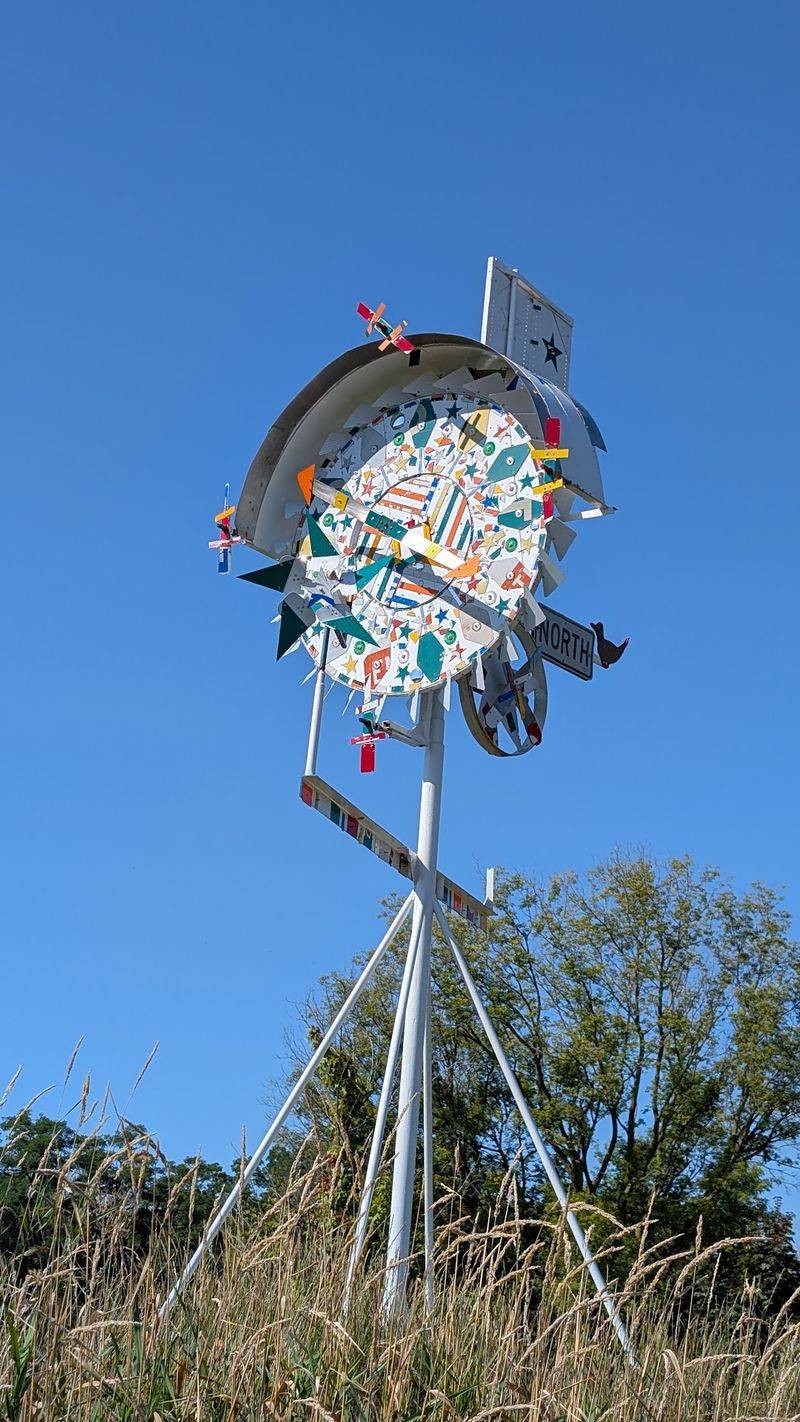
Sculptures also stand around the parking lot, so the fun begins before the front door. Bushes planted for bees and butterflies line the path in.
Hours run 10 AM to 5 PM Tuesday, Wednesday, and Friday. Thursday stays open until 8 PM, and weekends close at 4 PM.
Mondays are closed, so plan around that day.
Backyard Artists Who Never Went to Art School
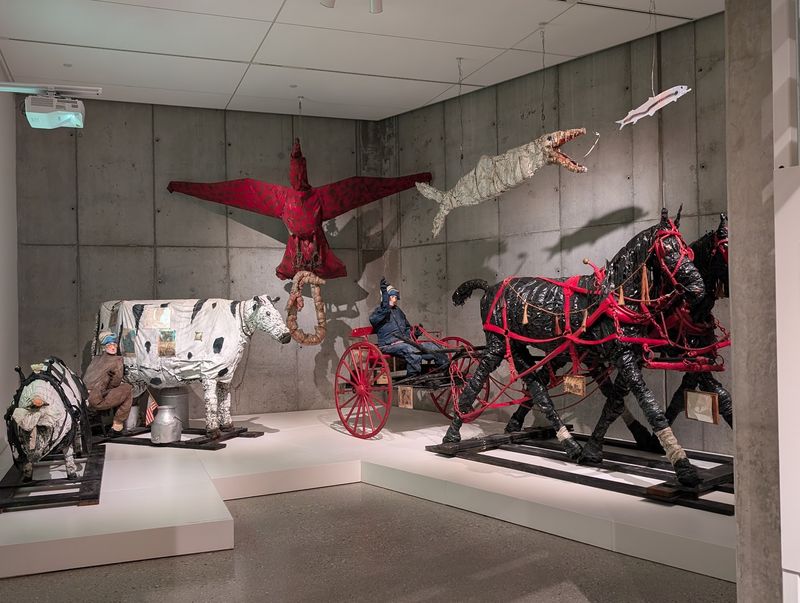
Plenty of the artists here never took a single art class. They were farmers, factory workers, and neighbors who simply had an idea and kept building.
Over many years, these makers turned their houses, gardens, and yards into personal worlds. Some used concrete, some used bottles or shells, and some filled every wall with paintings.
When those places were at risk of being lost, the Kohler Foundation and the arts center stepped in. They saved huge collections, sometimes nearly everything an artist ever made.
That is why the building is called a preserve. It works partly as a home for art that needs a safe place to stay.
The first floor shows many Wisconsin backyard artists. Older guests sometimes spot concrete statues that look familiar from road trips “up north.”
For kids, the big lesson is simple. Art does not have to come from a fancy studio, and anyone with a dream and some patience can make something amazing.
Art You Can Step Right Up To
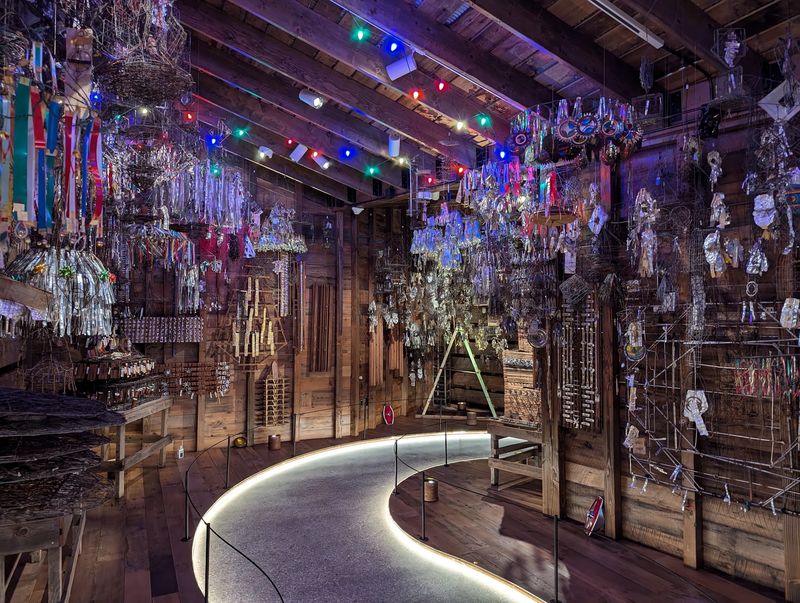
Glass cases are rare in this place. Almost all of the art is displayed out in the open, which lets families get a close and clear view.
One exhibit even gives guests a way to walk up onto it, with a ramp so wheelchair users do not miss out. That is a big reason kids remember this trip long after it ends.
Still, being close comes with responsibility. Many pieces are fragile and decades old, so a quick talk before heading in helps young ones know where feet and hands belong.
A good family rule is “walk where the path goes.” Staff members are friendly and happy to point out what is okay.
The museum is calm and quiet, and it is not built for running or loud games. Kids who like exploring at a slower pace tend to do best.
Short stops and frequent breaks keep the visit fun for everyone, especially the youngest art fans.
Three Floors, Three Different Moods
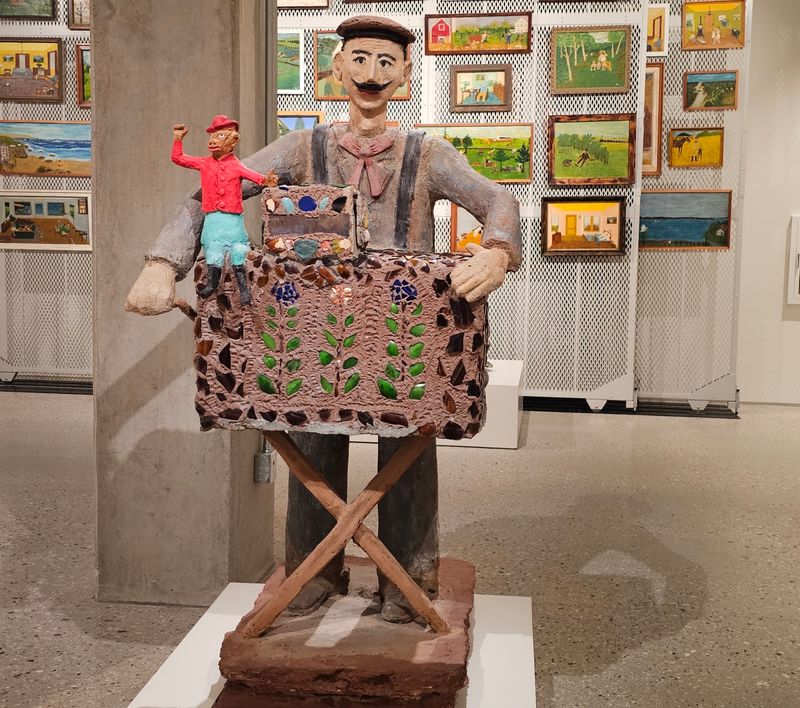
Each level has its own personality. Seeing all three floors is the best way to get the full story.
The first floor focuses heavily on Wisconsin backyard artists. Big concrete figures and outdoor-style pieces fill much of the space.
The second floor is the wildest of the bunch. It holds some of the most out-of-the-ordinary work, so an open mind helps a lot.
Parents of younger kids may want to walk this level first before deciding how long to stay. Some of the art is personal and quirky, and it can spark lots of questions.
The third floor has a more open and relaxed layout. Many families like ending the visit here as a slower finish.
Screens near the exhibits share details about each artist. Old films and videos also play throughout the building, and one exhibit uses a vintage television set from a restored house.
Plan at least an hour or two, because hurrying through means missing the best surprises.
An Elevator With Its Own Movie Seats
Most elevators are boring boxes. This one comes with seats and a screen.
The elevator at the Art Preserve is massive, and it has a few chairs inside. A short presentation plays on a TV, so the ride becomes a tiny theater moment.
Kids tend to love it, and tired legs appreciate it too. It is a smart spot for a quick rest between floors.
The stairs offer their own fun detail. Lights along the staircase are shaped like hobo signs, a set of old symbols travelers once used to leave messages for each other.
Families can turn that into a game. Try spotting a few signs and guessing what they might mean, then look up the answers at home.
Small touches like these show how carefully the building was planned. Nothing here feels like an afterthought, from the floors to the ceiling lights.
Ride up once, take the stairs down, and enjoy both little adventures.
Free Entry and a Sketchbook Guide
Good news for family budgets. Admission is free, just like at the main John Michael Kohler Arts Center downtown.
Donations are welcome, and many people choose to give something to help support the art. Even a small amount helps keep the doors open for everyone.
When families arrive, greeters offer a quick welcome and explain how the self-guided visit works. It is a relaxed start with no pressure.
Kids can grab a guide book that has space for sketching. Little pencils are included, so young artists can draw their favorite pieces as they go.
That activity slows kids down in a good way. They look longer, notice more, and leave with their own art souvenir.
Checking the website before a trip is smart, since entry reservations have been suggested in the past. The site is jmkac.org.
Free fun that teaches something real is hard to beat on a family weekend.
Smart Tips Before Heading Inside
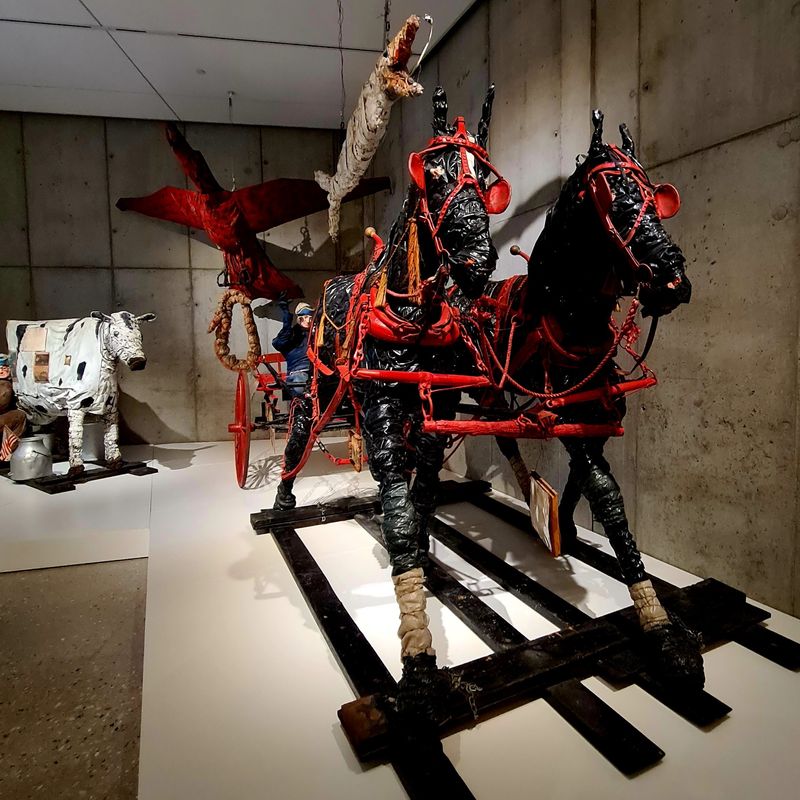
A little planning goes a long way. These small details make the day easier.
Food and drinks, even water bottles, are not allowed inside because they could harm the art. Staff have been known to hold a bottle at the front desk, but leaving snacks in the car is simpler.
There is no cafe on site, so eat before or after the visit. Sheboygan has plenty of options nearby.
Accessibility is a real strength here. Paths are wide, floors are smooth and polished, and strollers and wheelchairs move easily.
Some rooms use darker lighting to protect the art. Those spaces also give a calm break for anyone who needs a quieter moment.
The building is generally peaceful, which many neurodivergent families appreciate.
Thursday evenings, open until 8 PM, are handy for after-school trips. Pair the stop with the downtown arts center for a full creative day, and the drive home will be full of stories about concrete giants and artistic bathrooms.