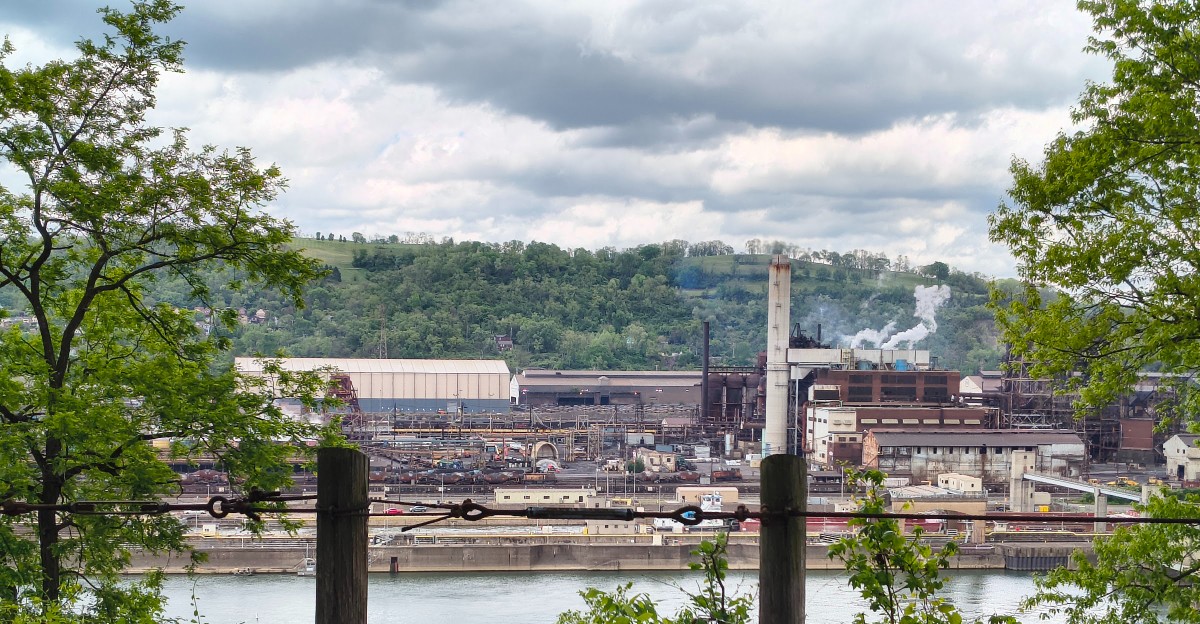
Andrew Carnegie’s first steel mill made its first liquid steel in August 1875. It never closed.
Today it still pours steel, right on the same riverbank where it started.
Two blast furnaces still run there, called No. 1 and No. 3. The mill was named after a railroad president to win his business.
Clever move, Andrew.
The town around it tells a bigger story. About 20,879 people lived there in 1920.
The 2020 census counted 1,721. Yet the furnaces kept working while the streets grew quiet.
That contrast hits hard.
I love places where history refuses to sit still behind glass. This little Pennsylvania borough holds one of those stories.
It also sits on a battlefield older than the United States. And a steel company from Japan just bet big on its future.
A Steel Mill That Simply Never Clocked Out
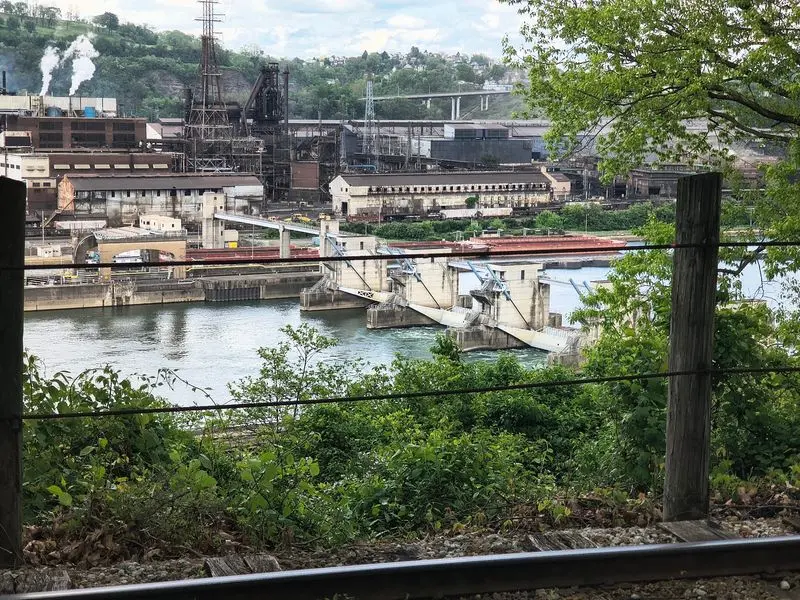
Most 1870s factories became parking lots, museums, or memories long ago. The Edgar Thomson Steel Works in Braddock is still making steel.
Its official name today is the Mon Valley Works – Edgar Thomson Plant. Locals and history books mostly call it the Edgar Thomson Steel Works, or just E.T.
Andrew Carnegie began building it in 1872. The first liquid steel poured in August 1875, and the plant has run ever since.
That makes it one of the oldest working steel plants in the country. Two blast furnaces, No. 1 and No. 3, keep things going today.
So what does a working mill this old actually do? It melts raw materials into liquid iron, refines it into steel, and casts it into big slabs.
Those slabs aren’t the final product, though. They head off for more work at another plant nearby, which we’ll get to soon.
For a Pennsylvania town with such a quiet reputation, that’s a pretty loud claim to fame. Not many places can say their biggest landmark has been on the job for 150 years.
Honestly, most of us struggle to keep a houseplant alive that long. This mill just keeps showing up for work.
Carnegie Named His Mill After A Customer, And It Worked
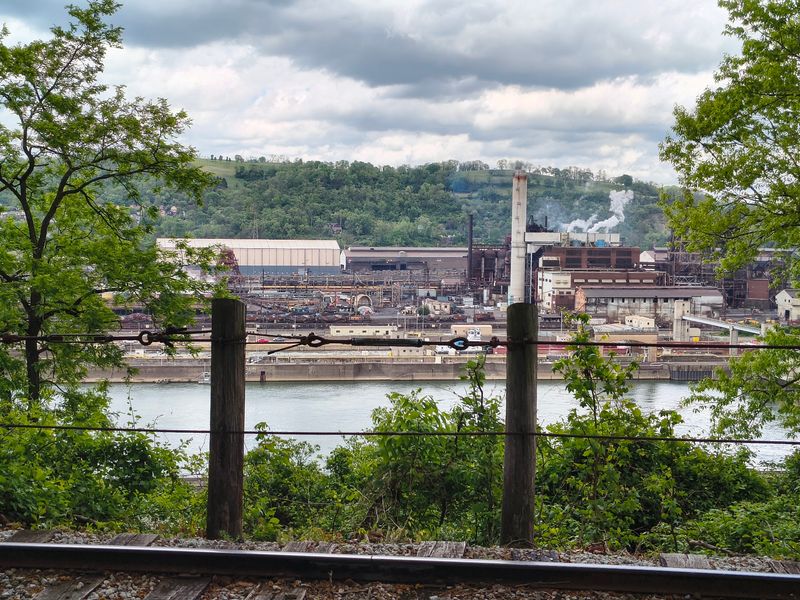
Flattery can build an empire. Andrew Carnegie named his new mill after J.
Edgar Thomson, president of the Pennsylvania Railroad.
Railroads needed tons of rails, and Carnegie wanted to sell them. Giving the boss’s name to the biggest new mill around was a smart business wink.
The bigger story was the method inside. The Edgar Thomson Steel Works helped introduce the Bessemer process to the United States.
That process made steel cheap enough to produce in huge amounts. Before it, iron was the go-to metal for most building jobs.
After it, steel took over fast. Bridges, rails, and buildings across America began switching to the stronger metal.
The Monongahela Valley changed almost overnight. Mills spread up and down the river, and towns grew around them.
Braddock sat right at the start of that boom. It’s fair to say a big chunk of modern America traces back to this one riverbank.
Next time you cross an old steel bridge, give a small nod to this place. There’s a decent chance its story connects back here somehow.
Not bad for a mill named mostly to impress a customer.
You’re Standing On A Battlefield Older Than The Country
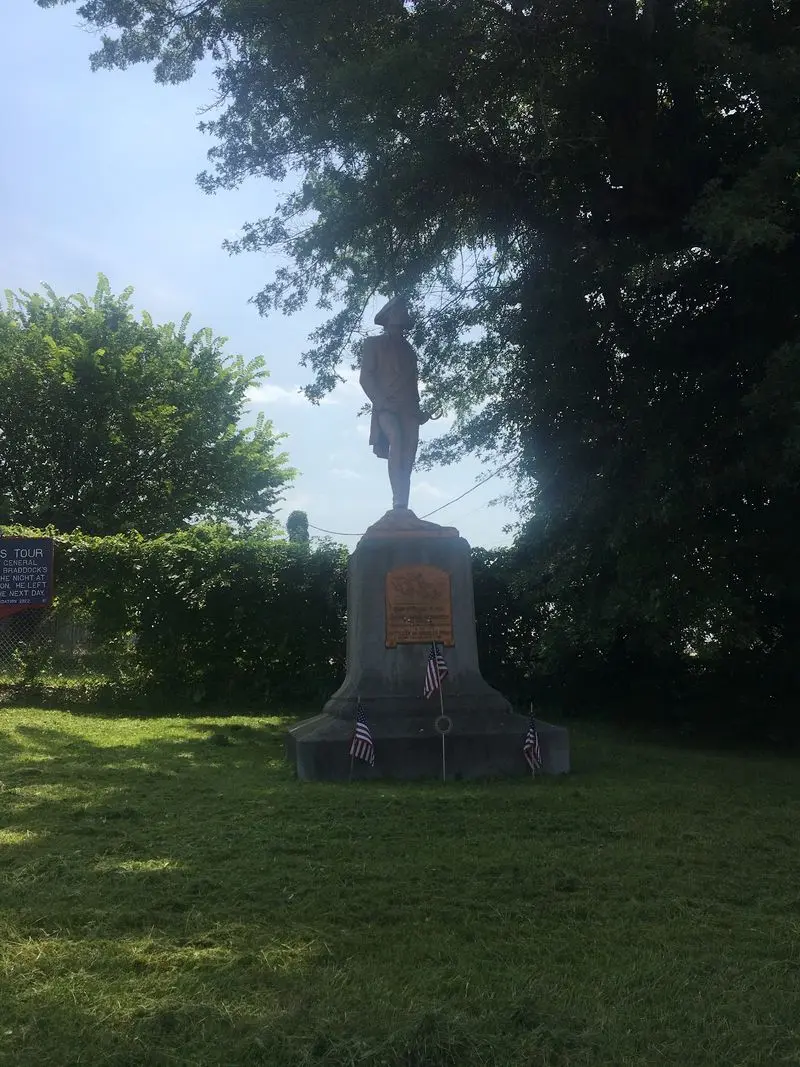
Long before any furnace glowed here, soldiers marched across this ground. The mill site is part of Braddock’s Field, a place packed with early American history.
In 1755, British General Edward Braddock led troops here during the Battle of the Monongahela. The battle went badly for his side, and the general was fatally wounded.
The town later took his name. A young George Washington was also part of that 1755 expedition, which gives this spot an extra famous connection.
Then came 1794. During the Whiskey Rebellion, angry militiamen gathered at Braddock’s Field to protest a federal tax.
That’s two big chapters of early American history on one patch of riverbank. Then Carnegie showed up and wrote a third one in steel.
It’s a strange stack of stories when you think about it. Muskets, protests, and blast furnaces all on the same land.
History fans should read up on both events before visiting the area. Knowing what happened here makes the drive along the river feel very different.
Few factory towns can say their mill sits on a colonial battlefield. Braddock can.
The River Picked This Spot Long Before Carnegie Did
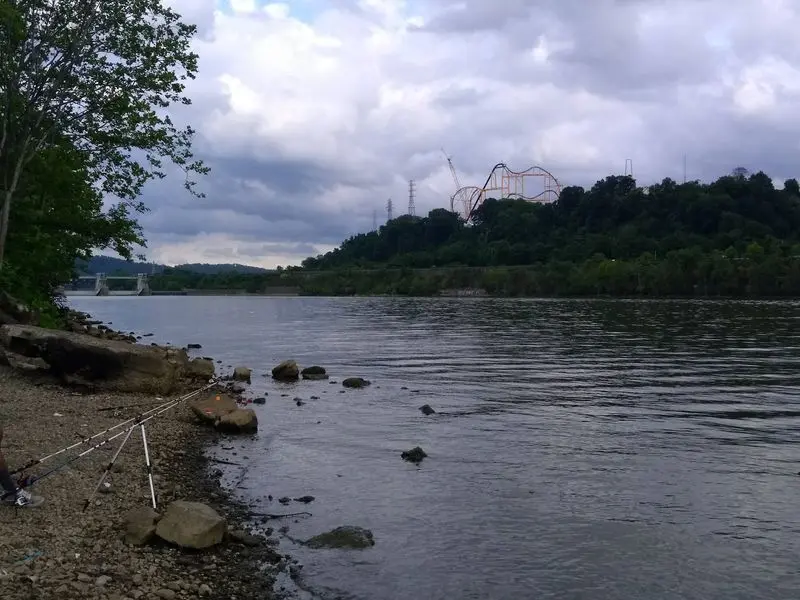
Location is everything, even for steel. Carnegie chose a bend in the Monongahela River for very practical reasons.
Moving heavy stuff by water was cheaper than almost any other option back then. Barges could bring in coke and iron, then carry finished steel away.
Rail lines added even more reach. The mill had water and tracks working together from the start.
You’ll find the plant at 13th Street and Braddock Avenue, Braddock, PA 15104. It sits about 10 miles upstream from where the Monongahela meets the Allegheny in Pittsburgh.
That makes Braddock an easy trip from the city. It’s part of Pittsburgh’s eastern suburbs, close enough for a short drive.
Keep in mind that the plant is a working industrial site. It isn’t a tourist attraction with a gift shop or public tours listed.
The best way to appreciate it is respectfully, from public streets and nearby viewpoints. The size of the place does plenty of talking on its own.
Fun detail: the river that helped build the mill still hugs it today. Some partnerships really do last.
Steel Slabs Here Take A Train Ride Before They’re Finished
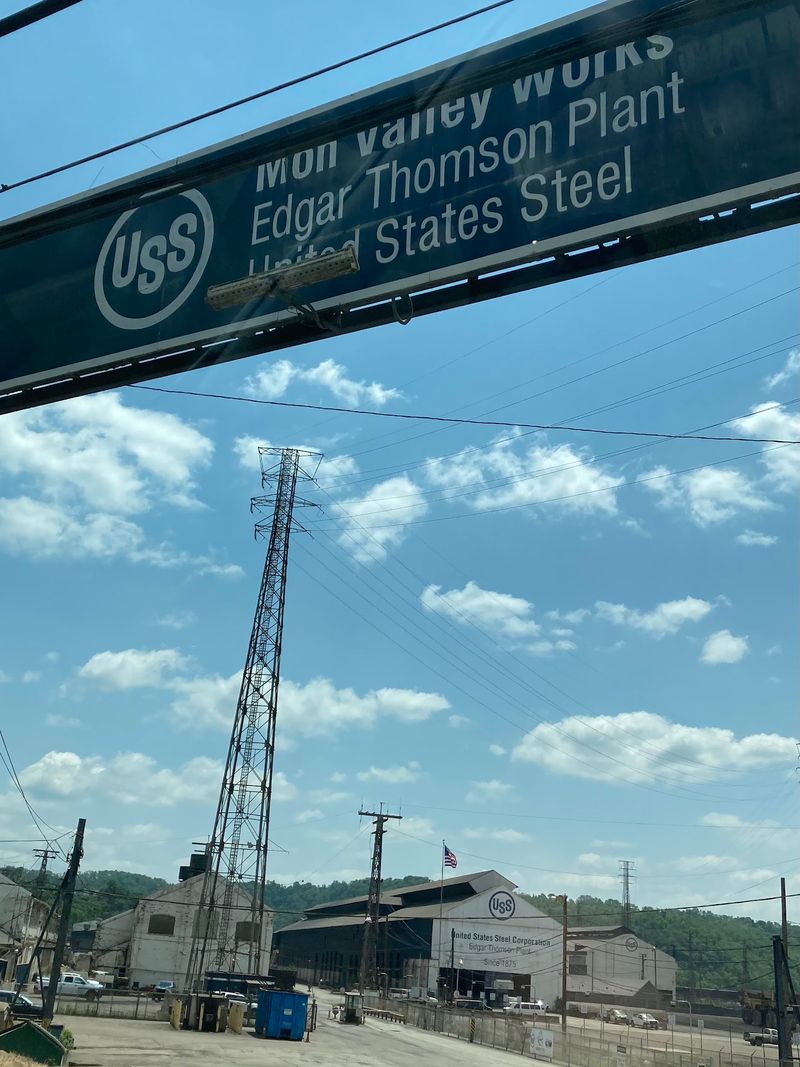
Think of this mill as the first stop on a team relay. The Edgar Thomson Plant is one piece of U.S.
Steel’s larger Mon Valley Works.
Here’s the job breakdown. Raw materials go into massive blast furnaces, which produce liquid iron.
That iron gets refined into steel. Then the steel is cast into large, heavy slabs.
From there, the slabs ride the rails to the Irvin Plant in West Mifflin, Pennsylvania. That’s where they get rolled into sheet steel.
Those sheets end up serving industries like automotive and construction. So a car door or building part might begin its life right here in Braddock.
It’s a neat reminder that modern steelmaking is a group project. No single plant does everything alone.
The Mon Valley Works facilities together support roughly 3,000 union steelworker jobs. That’s a big deal for this part of the state.
Many of those jobs run through families too. Some workers are the second or third generation in their family to work at the mill.
Imagine telling your grandkid you work where your grandpa did. In Braddock, that’s not a movie plot.
The Population Numbers Will Make You Do A Double Take
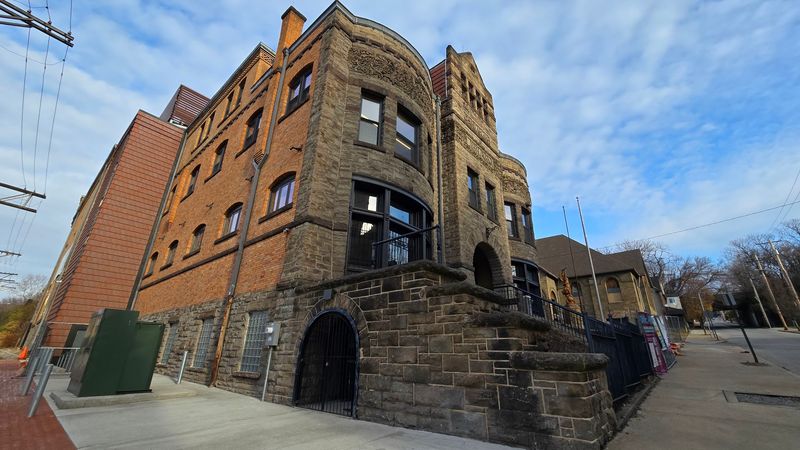
Here’s a stat that stops people cold. In 1920, Braddock had 20,879 residents.
By the 2020 census, that number had dropped to 1,721. That’s a decline of about 91.8 percent.
Steel jobs across the region shrank over the decades. Many families moved away to find work elsewhere.
Yet the mill that started it all kept running. That’s the strange twist that makes this town so memorable.
Usually, when a town empties out, its big factory is long gone. In Braddock, the furnaces outlasted most of the neighbors.
Driving through, you’ll see a small borough with a huge industrial neighbor. The contrast between quiet streets and towering mill structures is hard to miss.
Braddock is a borough in Allegheny County. It sits in a cluster of small river communities east of Pittsburgh.
Visiting with an open mind helps. This is a real town with real people, not a backdrop for photos.
Take your time, support local spots you find, and read about the town’s history before you go. You’ll understand it far better.
Small numbers. Big story.
Living Next To A Furnace Comes With Real Questions
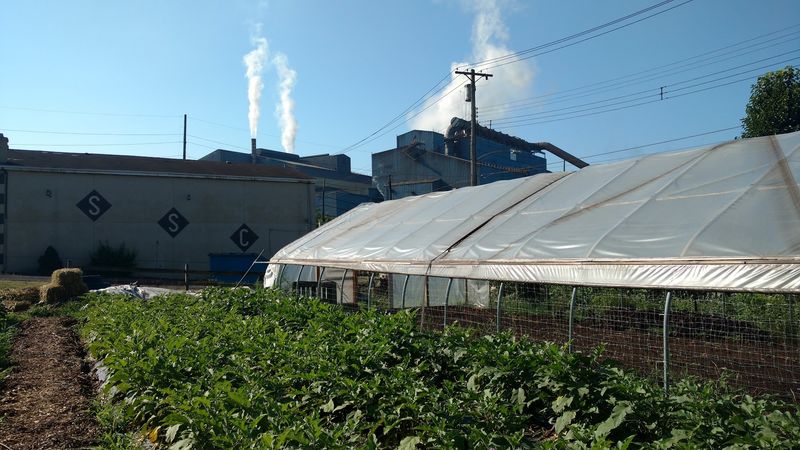
Jobs and smokestacks often come as a package deal. In Braddock, the mill brings both paychecks and serious conversations.
Air quality is a long-running concern for nearby residents. Local environmental groups and neighbors keep a close eye on the plant’s operations.
When new projects get proposed, public hearings give people a chance to speak up. Community advisory panels also discuss how the mill affects the area.
U.S. Steel has done outreach of its own.
That includes educational programs and partnerships with schools in the Pittsburgh region.
So the relationship is complicated. The town relies on the mill, and the mill relies on the town’s patience.
That tension isn’t unusual in Pennsylvania steel country. Still, it feels especially sharp here, since the plant sits so close to homes.
Curious readers can follow local reporting to see how these talks unfold. Outlets around Pittsburgh cover the mill’s plans and permits regularly.
It’s a good reminder that history isn’t only about old dates. Some of Braddock’s most important chapters are being written at community meetings right now.
Not glamorous. But definitely worth paying attention to.
A Japanese Steel Giant Just Bet Billions On This Old Mill
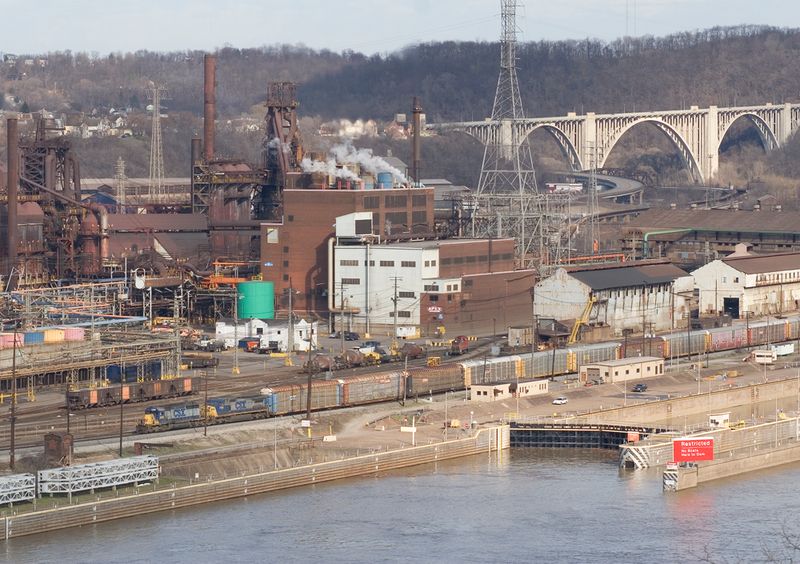
A 150-year-old mill getting a massive upgrade sounds like a plot twist. That’s exactly what’s happening in Braddock.
Nippon Steel acquired U.S. Steel in June 2025.
The company has committed to investing billions into the mill by 2028.
One planned project is a slag recycler worth about $100 million. Slag is a byproduct of steelmaking, and the recycler is meant to repurpose it.
Construction on that is slated for 2026. Even bigger plans are on the table too.
A new hot strip mill is in the works. Permit filings are expected in early 2026, with production targeted for late 2029.
The goal is to replace older equipment and raise capacity. Annual production could jump from 2.2 million tons to about 3.5 million tons.
Of course, big plans can shift. Permits, hearings, and air quality reviews will all play a role.
Still, the message is clear. Somebody thinks Carnegie’s old mill has plenty of working years left.
Not many 1870s buildings get a shiny new chapter funded by a global company. This one just did.
Plan A Trip That Honors The Town Behind The Steel
A good visit here starts with homework, not a tour bus. Braddock rewards travelers who know its story before they arrive.
Start with the big three chapters. There’s the 1755 Battle of the Monongahela, the 1794 Whiskey Rebellion gathering, and the 1875 first steel pour.
Then take a drive along Braddock Avenue. The Edgar Thomson Steel Works stands near 13th Street, and its scale is impressive from public roads.
Remember, it’s an active plant. Stay off private property, respect posted signs, and keep photos to public spaces.
Pittsburgh is close by, so pairing this trip with a city visit is easy. You can explore more of western Pennsylvania’s steel heritage in the same weekend.
The mill recently marked its 150th anniversary. That milestone makes now a great time to learn about this place.
Bring curiosity and a little humility. Braddock has been through booms, busts, and a lot of change.
Few towns let you see 1875 and 2025 sharing one riverbank. In Braddock, the past isn’t just remembered.
It’s still clocking in every single day.