Seattle rain has a way of showing up right after the snacks are packed and the shoes are on.
The playground turns into a puddle, the slide gets soggy, and a small person with way too much energy starts bouncing off the couch.
Plenty of families in the city have a backup plan for these days, and it sits right under one of the most famous skylines in the country.
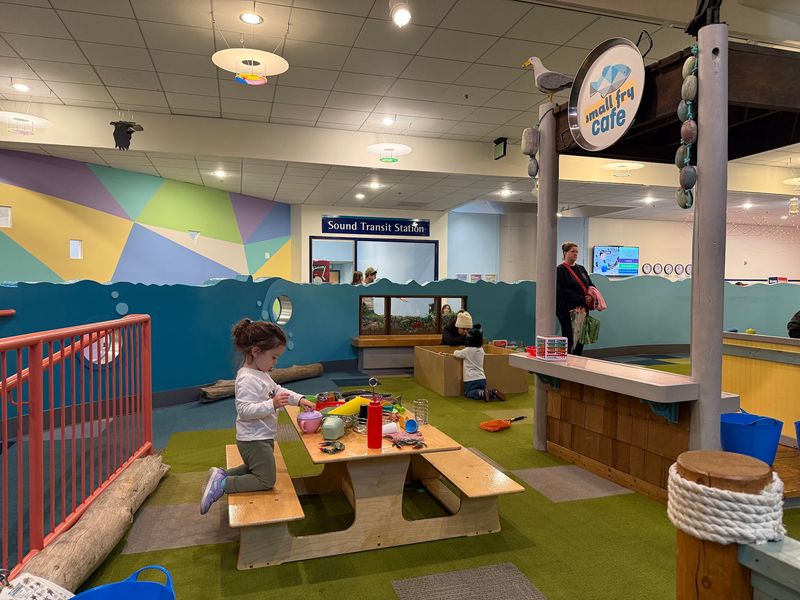
Kids can run a pretend fire station, explore a camping cave, shop at a tiny farmers market, and build with a whole wall of Lego bricks, all without one raindrop touching their jackets.
Grown-ups also get a few welcome perks, like re-entry for nap breaks and food just one floor up.
With imaginative exhibits, hands-on activities, and plenty of room for curious little explorers, Seattle Children’s Museum offers families a fun escape from Washington’s rainy weather.
Finding The Hidden Basement Playground

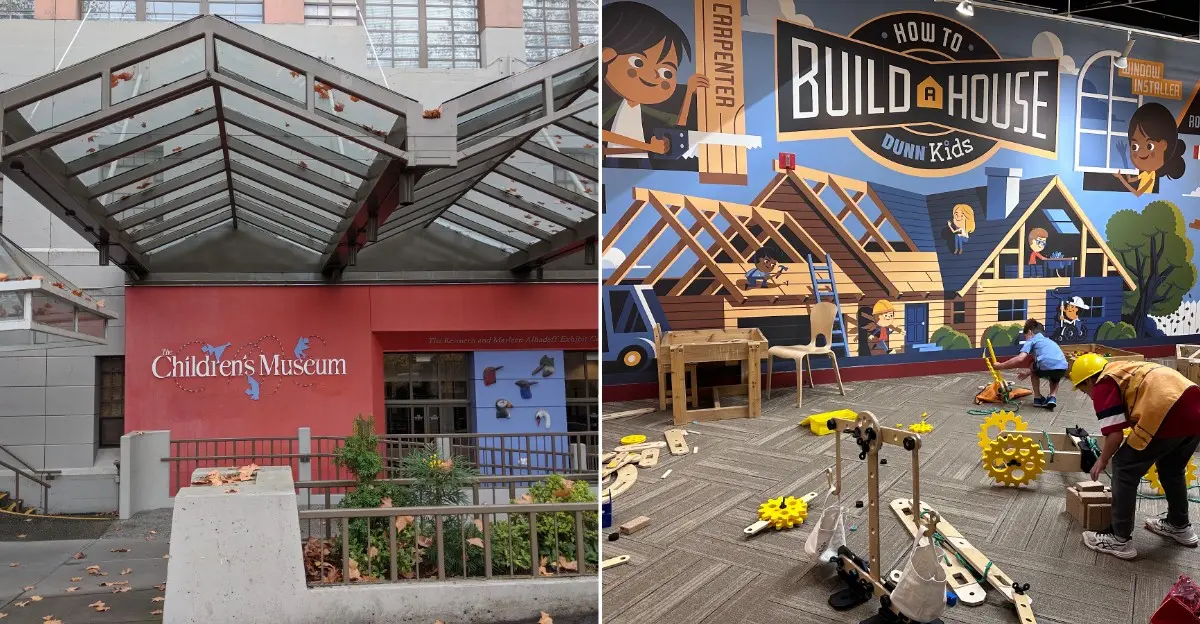
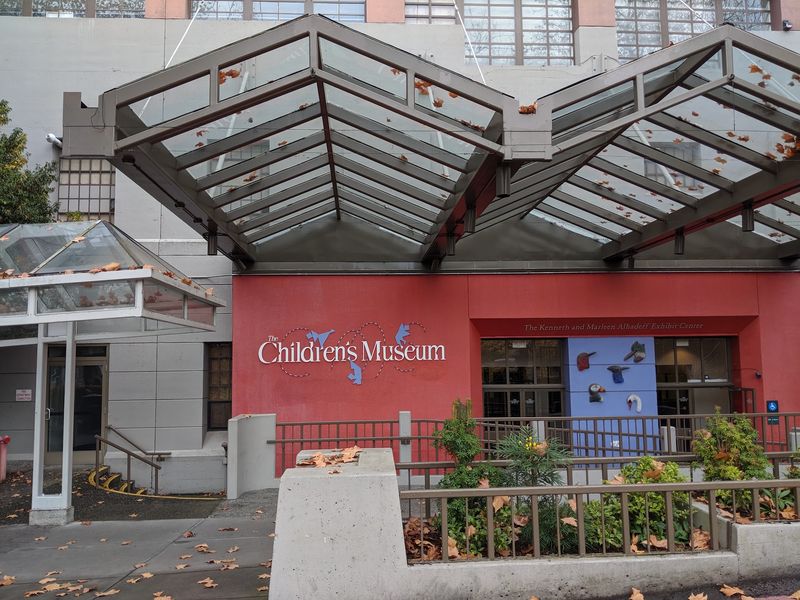
Seattle Children’s Museum sits at 305 Harrison St, Seattle, WA 98109, inside the Armory building at Seattle Center in Washington. It is tucked on the lower level, below the busy food court.
The Space Needle stands close by, so the neighborhood is easy to spot on any map. Finding the actual museum door is the tricky part for first-timers.
Here is the trick that saves a lot of wandering. Take the main elevator in the center of the food court, not the side elevators.
The side ones can drop families into the wrong corner of the building. The main elevator leads straight down to the museum level, where the entrance is hard to miss.
Plan a few extra minutes on the first trip anyway. Strollers, diaper bags, and excited toddlers rarely move in a straight line.
Once the path is learned, it becomes second nature. Most families only get turned around once before the route sticks for good, and the next rainy morning feels a lot smoother.
A Pint-Sized City Built For Pretending
Small kids love big jobs. That is the whole idea behind the pretend city area inside the museum.
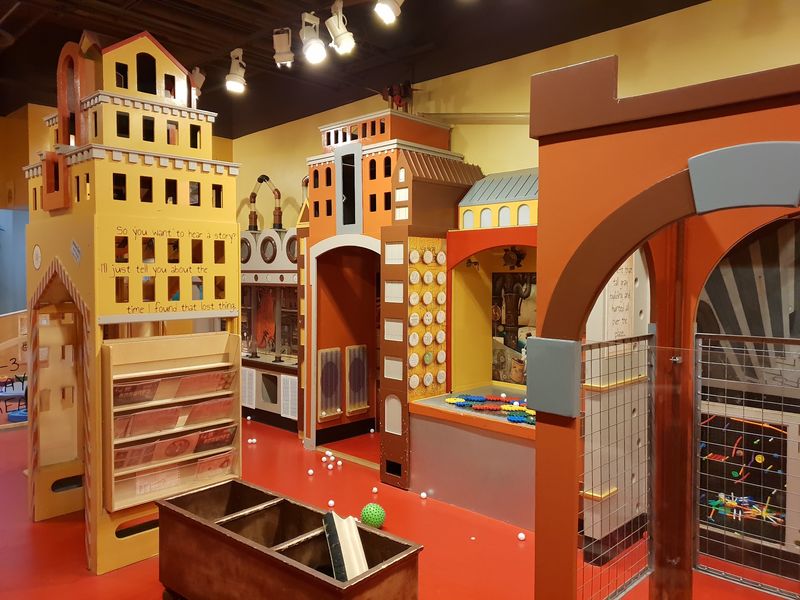
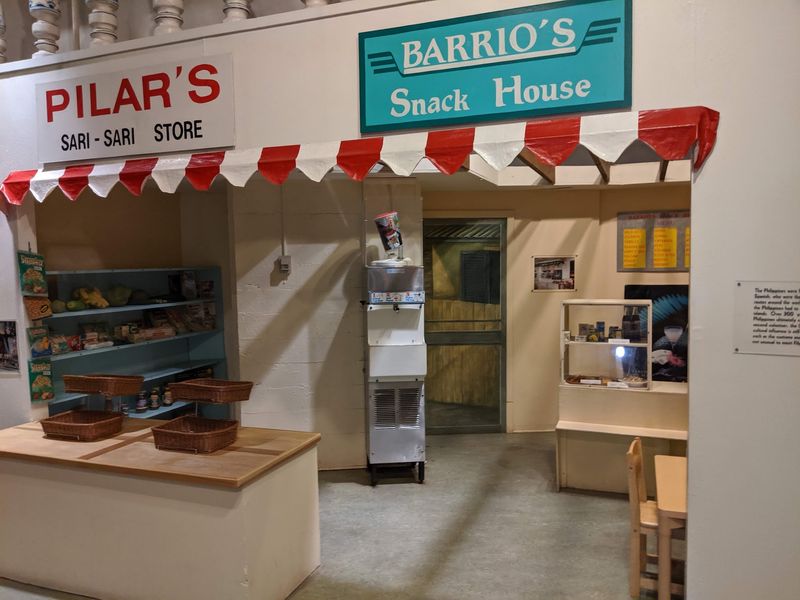
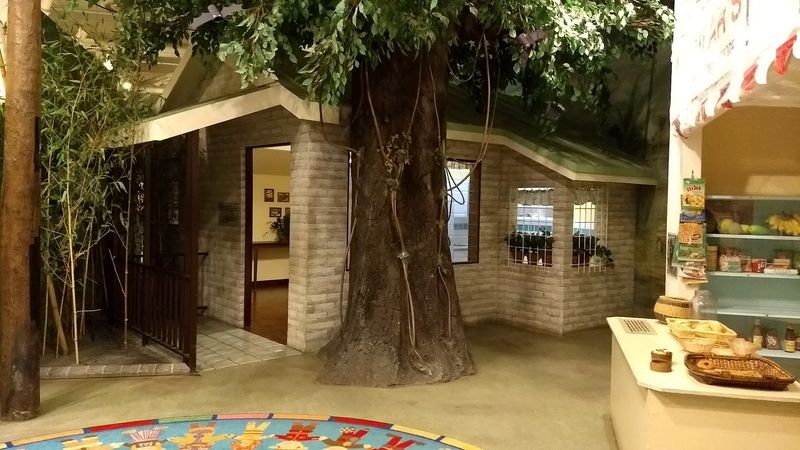
Children over age three can move from one role to the next in a single morning. There is a construction site, a vet room, a doctor’s office, a theater, a mail room, and a grocery store.
A fire station and a US mail truck add even more ways to play grown-up. Kids can deliver letters one minute and rush to a pretend fire the next.
The farmers market counters are a big favorite. Little shoppers fill baskets, ring up orders, and argue happily over who gets to be the cashier.
Each themed space has its own set of toys that match the setting. That keeps the play focused and helps kids act out real-life scenes they see every day.
Parents often find their child stuck in one room for a long time. Gentle reminders that more rooms are waiting can help keep the tour moving along.
Trails, Caves And Camping Indoors
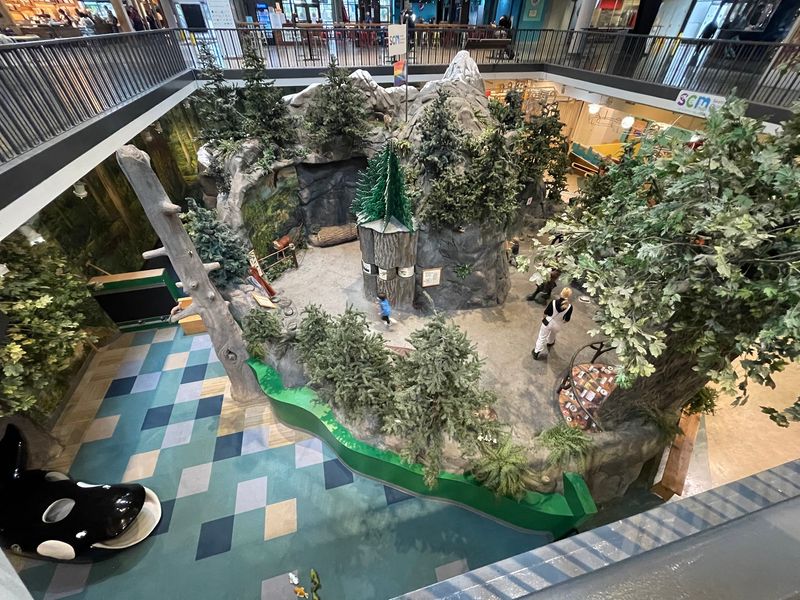
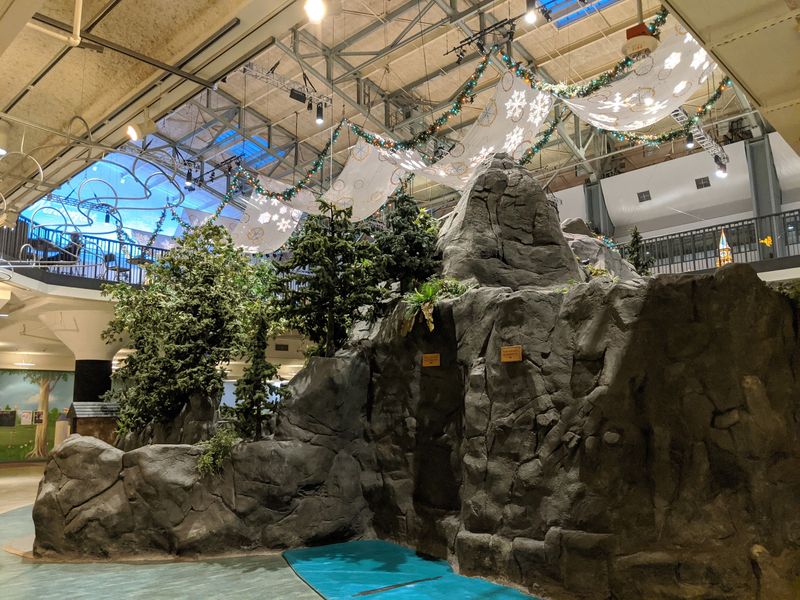
Who needs a trailhead when the trail comes indoors? The camping area gives kids a taste of the great outdoors without muddy boots.
A play cave invites crawling, climbing, and peeking around corners. Kids who need to burn energy tend to head here first.
Nature and wildlife displays surround the space. They turn the area into a little lesson about the forests and creatures found around the Pacific Northwest.
A hiking trail setup adds another layer of adventure. Children can pretend to lead a family hike, set up camp, and explore at their own speed.
A boat area nearby offers one more place to climb aboard and steer a make-believe voyage. Short legs get a workout while imaginations do the heavy lifting.
On a stormy afternoon, this corner of the museum feels like a small victory. The outdoor spirit stays alive, and nobody has to wring out a raincoat afterward.
Build It, Drop It, Stack It Again
Some kids pretend. Others prefer to build, test, and knock things over just to start again.
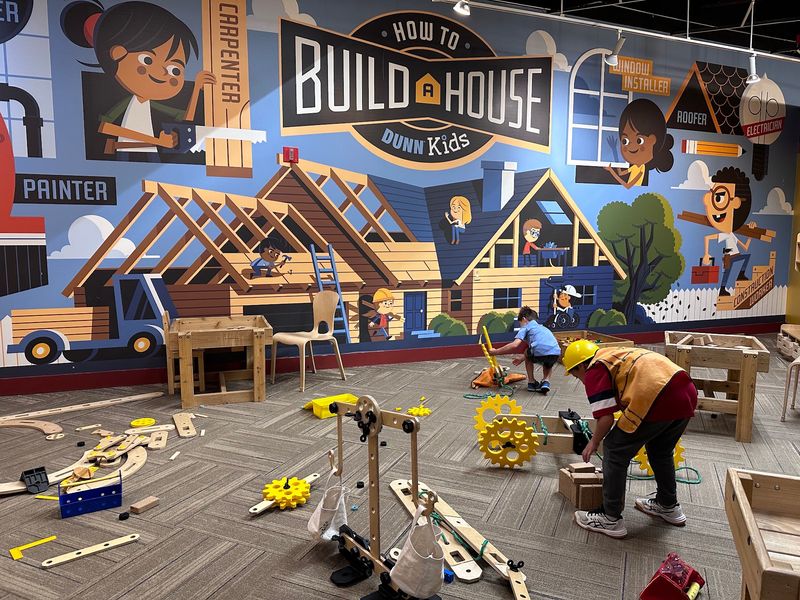
For the builders, the museum has construction and building zones that mix fun with hands-on STEM learning. Kids experiment, stack, and figure out what works.
Lego walls give tiny engineers a vertical canvas. Pieces snap on and off, so designs can change every few minutes.
A ball drop adds a dose of cause and effect. Children send balls on their way and watch what happens next, then try a new path.
These spaces tend to hold the attention of slightly older kids. A five or six-year-old who has outgrown toddler toys can still find a challenge here.
Grown-ups are welcome to jump in too. Building a tower side by side is a simple way to connect, and it often leads to a friendly contest over whose creation stays standing longer.
A Safe Zone For The Smallest Explorers
Babies need room to roam too. The museum sets aside a dedicated area just for children from birth to 18 months old.
That means crawlers and new walkers can play without worrying about bigger kids racing past. Parents can relax a little and let them wobble around.
Children under three also have their own nice space away from older siblings. It is a calm spot for toddlers to practice new skills.
Older areas stay open to little ones as well. Many one-year-olds still enjoy poking around the pretend city and camping area with a parent close by.
Toy hygiene gets real attention here. If a child puts a toy in their mouth, families should place it in a special bucket so staff can sanitize it.
Following that simple rule helps every family. When everyone pitches in, the youngest crowd gets a cleaner and happier place to play.
Glue Sticks, Stories And Scheduled Fun
Every visit needs a quiet moment. The art and craft area offers one, with plenty of materials for little hands to cut, glue, and create.
Children can make something to take home, which turns a rainy day into a small souvenir. Fridge doors across Seattle are probably full of these masterpieces.
Story time is another highlight. It gives kids a break from running around and a chance to sit, listen, and enjoy a good book together.
The museum also runs scheduled activities throughout the week. Checking the website before heading out helps families plan around the ones they want to catch.
Seasonal events pop up during the year too. A fall festival around Halloween has brought extra fun to the space.
These planned moments add structure to an otherwise free-play visit. For kids who like a bit of routine, a story or craft session can be the best part of the day.
Leave For Lunch, Come Back For More
Here is a perk that parents of nappers will love. Tickets are good for the whole day, and families can leave and return.
A hand stamp or a saved receipt is all that is needed to get back in. That makes it simple to step out for a nap in the car or a meal.
Lunch is easy because the Armory food court sits right upstairs. Several food choices are available under the same roof.
Families do have to exit the museum to reach the food court. Keep that stamp or receipt handy for the trip back down.
Designated snacking areas inside the museum help with quick bites between activities. Hungry toddlers rarely wait politely for lunchtime.
Comfortable seating is scattered throughout the space as well. Grown-ups can actually sit down for a bit while kids explore nearby, which is a rare treat on a busy rainy day.
Smart Ways To Save On Admission
Admission covers both kids and adults, and children start paying at age one. Luckily, there are several ways to trim the cost.
The museum takes part in Museums for All. Families using an EBT card can get a discounted entry.
Military discounts are also offered. Ask at the front desk to see what applies.
Eligible families can visit for $5 per person through the Museums for All program by presenting qualifying benefit documentation. The museum also offers discounts through participating museum associations, making it worth checking available admission options before visiting.
Families who visit often may want a membership. Members can also access other children’s museums around the Puget Sound area, and a reduced yearly rate has been offered for those on public assistance.
As a nonprofit, the museum uses admission money to support exhibits, staff, and daily operations. Picking the right discount makes regular rainy-day trips much easier on the family budget.
Skip The Parking Puzzle, Ride The Monorail
Parking near Seattle Center can be tricky and expensive. Many lots also mean a long walk with strollers and tired kids.
There is a fun fix. The Seattle Monorail connects to Seattle Center, putting families close to the Armory.
For little train fans, the ride itself becomes part of the adventure. It is a short trip that often gets as much excitement as the museum.
Buses are another solid option. Public transit cuts out the hunt for a parking spot entirely.
On rainy days, the monorail connection is a big plus. Families can reach the building with less time spent outside in the wet weather.
Drivers should check lot prices and locations ahead of time. A little planning keeps the morning calm and saves energy for the fun part, which is a lot more valuable than circling the block three times.
Timing The Perfect Visit
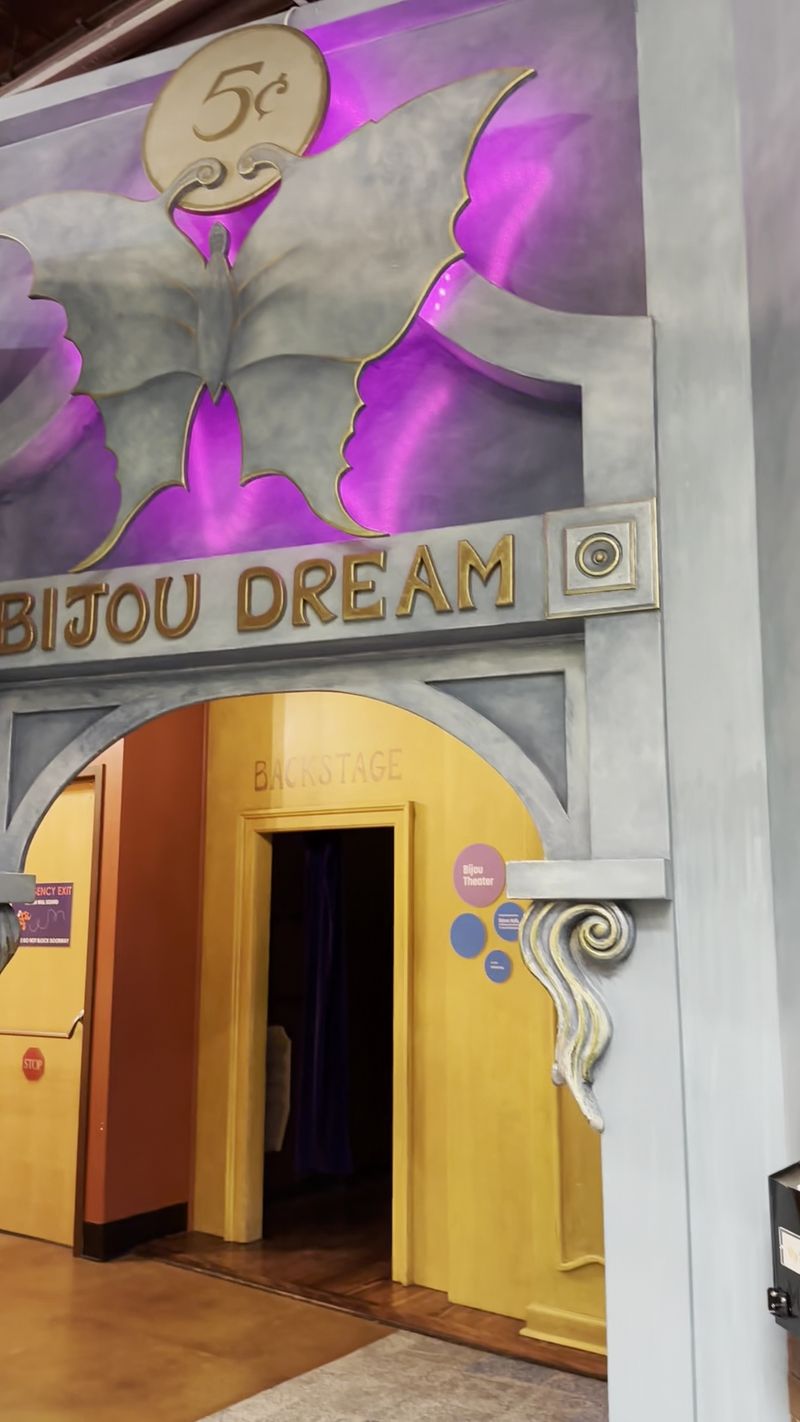
During the school year, Seattle Children’s Museum is open Wednesday through Monday from 10 a.m. to 5 p.m. and closed on Tuesdays.
Summer schedules and special events may affect opening days, so families should check the museum’s website before visiting.
The space is designed for kids 10 and under. It works best for children around one to six years old.
Older kids who still love make-believe play can have a great time too. A ten-year-old with a big imagination may surprise everyone.
Weekday mornings tend to be calmer. Rainy days bring bigger crowds, though the open layout helps it feel roomy.
Most families spend one to three hours here, depending on the child. Some stay the whole day thanks to re-entry.
Staff regularly reset and clean the rooms throughout the day. There is only one entrance and exit, which staff watch closely, but kids still like to dart between exhibits, so keep eyes on the little ones.
A well-planned visit leaves everyone happy, and usually ready for a long nap.