Deep in the Cascade Mountains, an old railroad line has quietly turned into one of the best history lessons you can walk.
Trains once fought their way over steep mountain passes here, carving tunnels into solid rock and building huge concrete walls against the snow.
Today the tracks are gone, but the tunnels, snowshed walls, and stone retaining walls are still standing in the forest.
Families now follow the same path the trains once used, reading signs and old photos that tell the story mile by mile.
The grade is mostly gentle, the history is real, and the mountain views pop up between the trees when you least expect them.
With its historic tunnels, towering snowshed walls, and peaceful mountain scenery, Iron Goat Trail offers families a memorable walk through Washington’s fascinating railroad past.
Finding the Old Rail Line
Getting to a piece of railroad history is easier than most people expect. Iron Goat Trail follows the historic railroad corridor near Stevens Pass in Washington’s Cascade Mountains.
To reach the Martin Creek Trailhead, turn off U.S. Highway 2 near milepost 55 onto Old Cascade Highway, then follow Forest Road 6710 for approximately 1.4 miles.
The trail lies inside the Mount Baker-Snoqualmie National Forest, east of Skykomish. Most families start at the Martin Creek Trailhead, which leads onto the flat Lower Grade.
Another popular starting point is the Iron Goat Interpretive Site at Scenic, right next to Highway 2. Both spots give you quick access to tunnels and history signs.
The parking area may close early in the season while crews clear winter damage. Some hikers park along the road and walk past the gate during those times.
Plan to check the forest service page before leaving home. Road and trail conditions can change after storms or heavy snow.
Bring a printed map or download one ahead of time, since phone signal in the mountains can be spotty. A good start makes every mile afterward feel a lot more relaxed and a lot less like a guessing game.
A Railroad That Climbed a Mountain
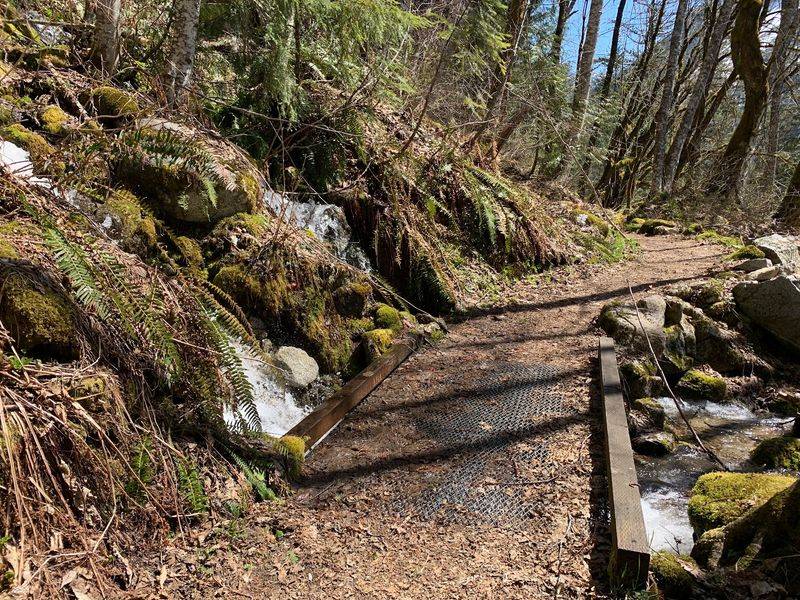
Long before cars zoomed over Stevens Pass, the Great Northern Railway had a big problem. Its trains had to cross the Cascades, and the mountains did not want to cooperate.
Engineers built a twisting route with switchbacks and tunnels to get trains over the top. Later, the first Cascade Tunnel opened in 1900 to make the trip shorter.
Snow was the real enemy. Crews built long wooden and concrete snowsheds to keep the tracks clear in winter.
In 1929, a much longer new Cascade Tunnel opened lower in the valley. After that, this old stretch of track was abandoned and left to the forest.
Here is a fun bit of trivia. The trail takes its name from the Great Northern logo, a mountain goat standing on a rock.
Volunteers began turning the old grade into a trail in the 1990s. Their hard work means kids today can walk where steam engines once puffed, and parents get bragging rights for sneaking in a history lesson.
The Lower Grade Is Kid Territory
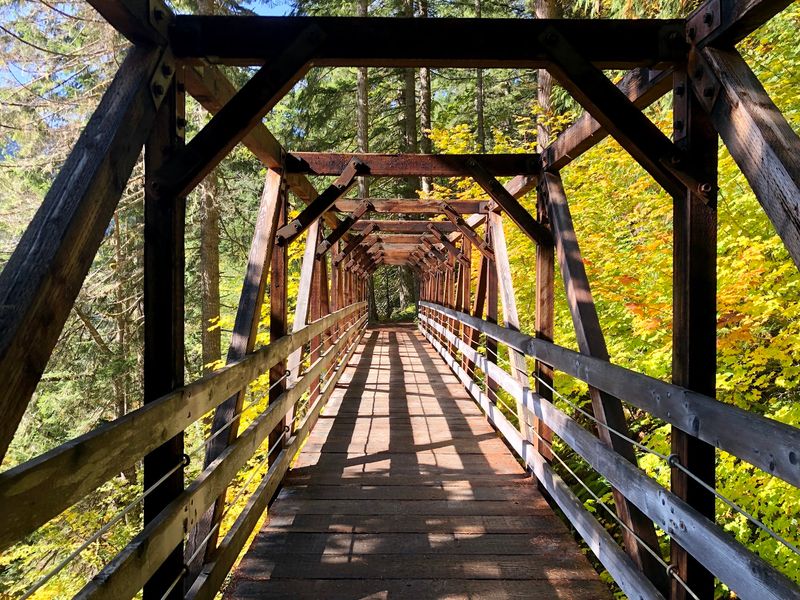
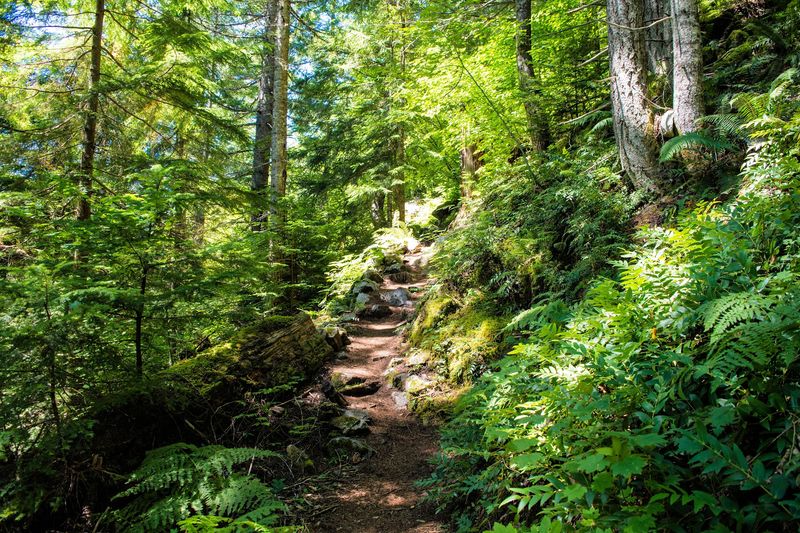
Small legs, meet your new favorite trail. The Lower Grade follows the old track bed, so it stays wide, flat, and steady for long stretches.
Trains could not handle steep hills, and that is great news for families. The gentle grade makes it easy to walk and talk without huffing and puffing.
Part of this section is considered accessible for wheelchairs and strollers near the trailhead. Benches pop up along the way for snack breaks or quick rests.
A walk of about 2 miles in and back is a great goal for many families. That distance gets you past an abandoned tunnel and several history markers.
Some patches may have rocks from old landslides, so keep an eye out. Younger kids should still stay close, especially near drop-offs.
Short outings of 1 to 2 hours work well here. You can turn around whenever energy runs low, which makes this stretch a stress-free choice for first-time hikers and their grown-ups.
Tunnels That Time Left Behind
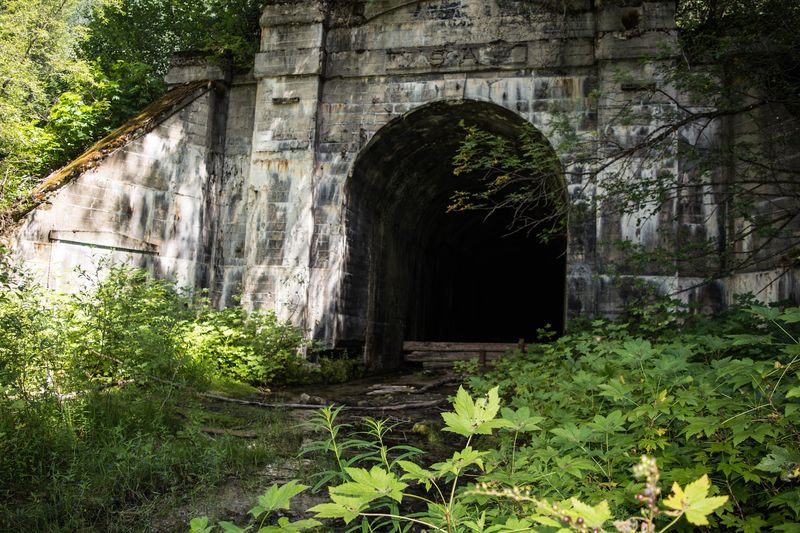
Dark openings in the hillside are the stars of this hike. Old railroad tunnels, carved through solid rock, line the route like doors to the past.
Crews dug these passages more than a century ago with tools far simpler than today’s machines. Many tunnel entrances still show their stone and concrete edges.
For safety, hikers should not go inside the tunnels. Some have partly collapsed, and loose rock can fall without warning.
The best way to enjoy them is from the trail. Kids can count the tunnels they spot and guess how long each one was.
Signs near several portals explain what you are looking at. They often include old photos showing trains rolling right through the same spot.
That before-and-after view tends to click with children. A plain hole in a hill suddenly becomes a place where real engines once rumbled, and the walk turns into a scavenger hunt through history.
Walls Built to Beat the Snow
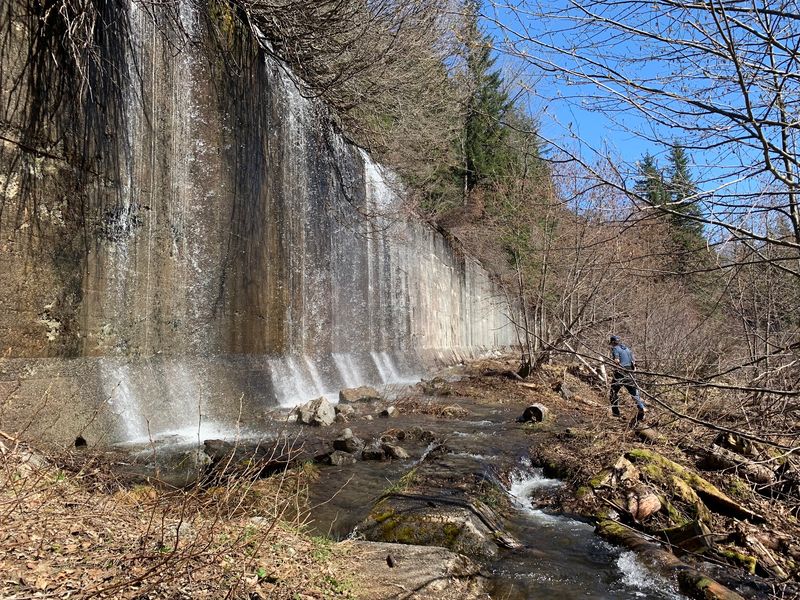
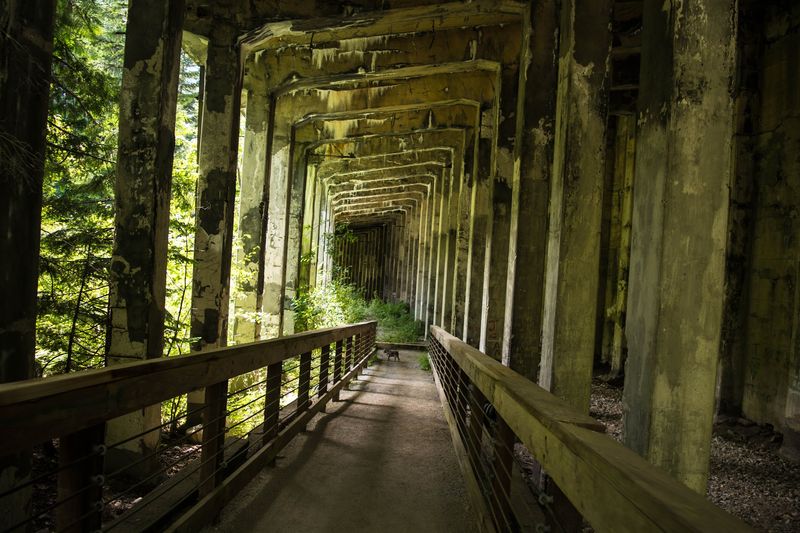
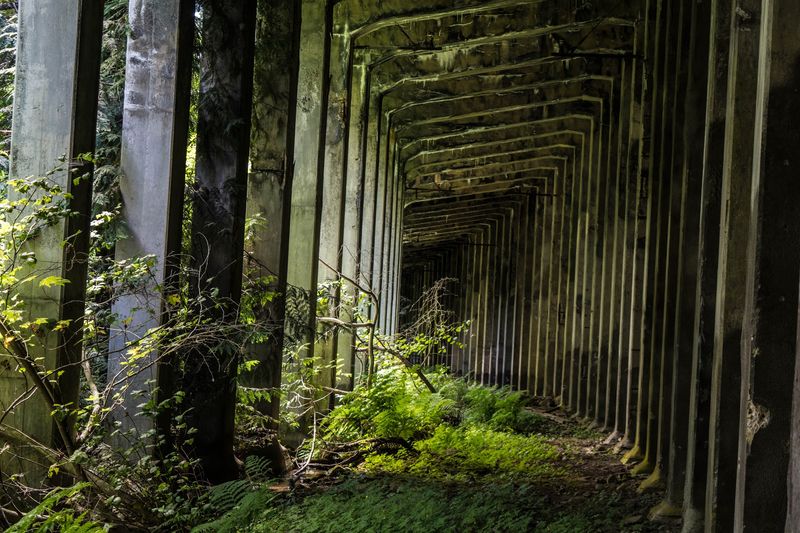
Giant concrete walls in the middle of a forest seem a little odd at first. These are the remains of snowsheds, and they once acted like shields for the tracks.
Winter in the Cascades brings deep snow and avalanches. The railroad built these long structures so snow could slide over the top instead of burying the trains.
Some snowshed walls stretch for long distances beside the trail. Their arched openings and tall sides make great photo spots.
Stone retaining walls also show up along the route. Workers stacked them to hold back the hillside and keep the grade steady.
Point out to kids that all of this was built without modern cranes. That fact usually earns a wide-eyed reaction.
Take a few minutes to read the nearby signs. They explain how each wall worked and why the railroad spent so much effort here, and suddenly a gray slab of concrete becomes one of the most memorable parts of the day.
Mountain Peeks Between the Trees
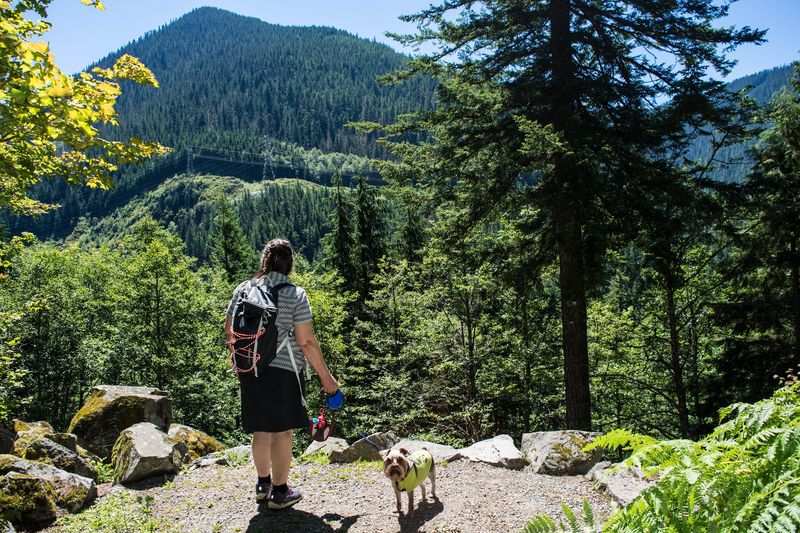
Most of the walk stays tucked under tall trees. Then, without much warning, the forest opens up and the mountains appear across the valley.
The trail sits high above the Tye River, so those gaps offer views of facing ridges and peaks. Both the Lower Grade and Upper Grade share similar outlooks.
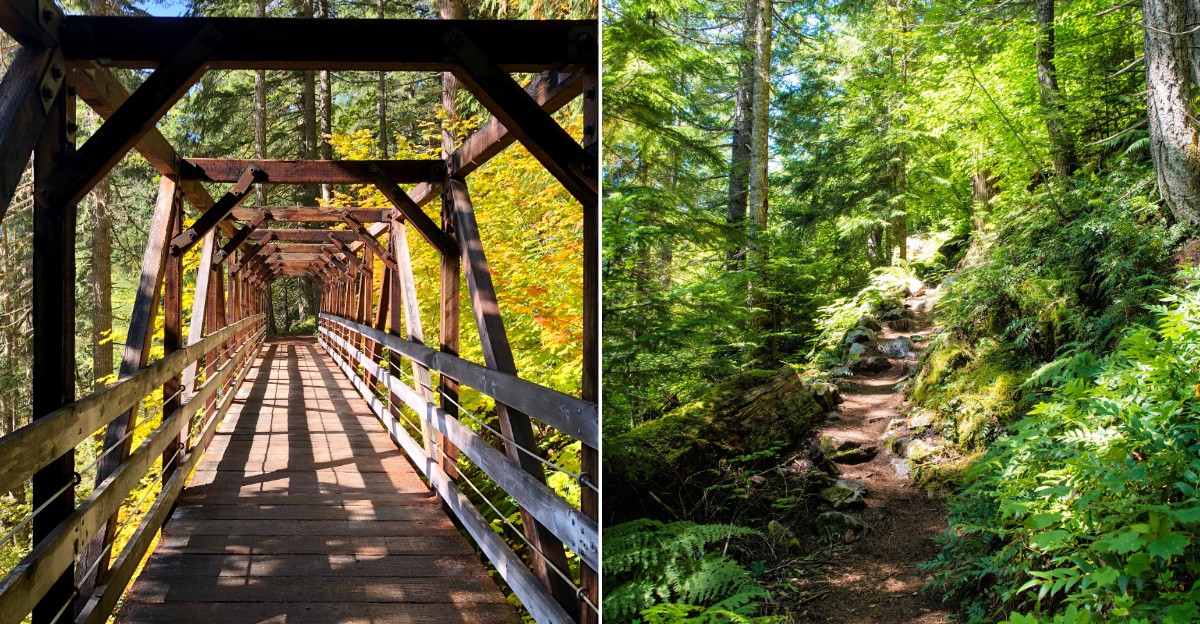
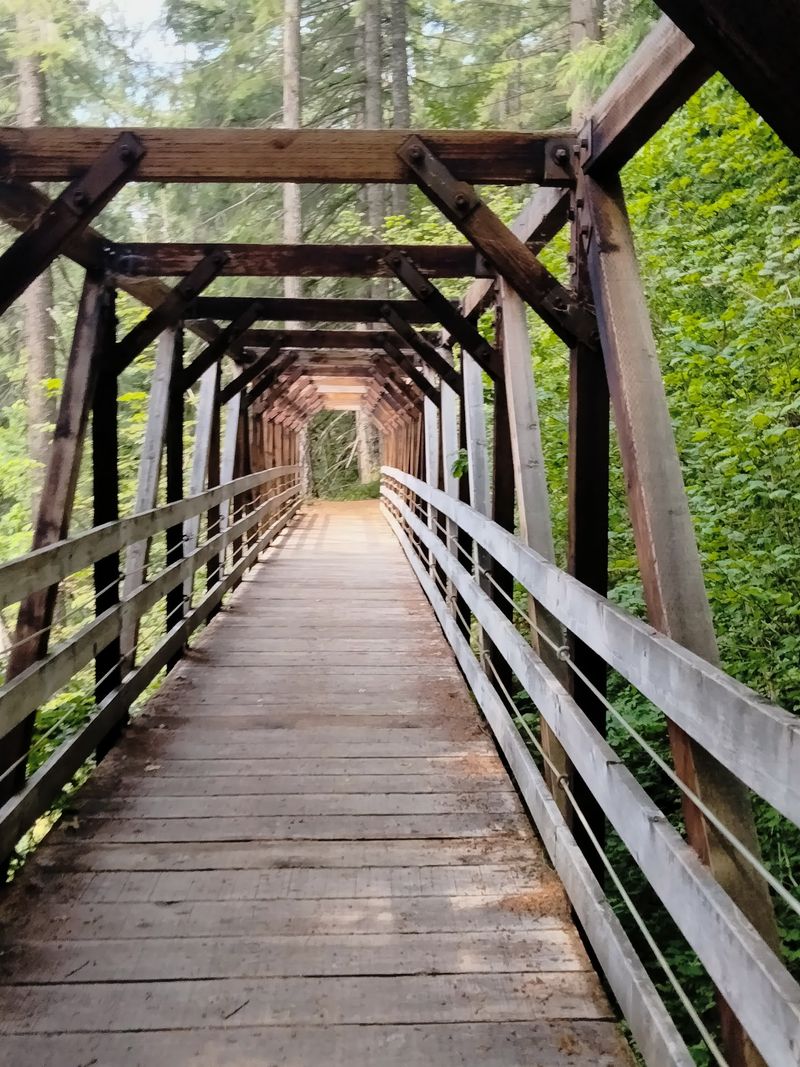
Wooden truss bridges add even more photo chances. One smaller bridge frames the scenery so well that many people stop for a long pause there.
Clear days make the views pop the most. Cloudy weather can hide the peaks, but the forest and history keep things interesting either way.
Encourage kids to pick a favorite viewpoint and snap a picture. It gives them a goal and something to share later.
The views are lovely rather than jaw-dropping, so set expectations right. Think of them as a bonus between tunnels, a little reward that shows up just often enough to keep everyone moving down the path.
Signs That Tell the Story
Learning history from a textbook can feel slow. Out here, the lessons stand right beside the trail on easy-to-read signs.
Interpretive panels appear at key spots along the route. Many include old photographs of trains, workers, and snowsheds in the very places you are standing.
Matching the photo to the real view is half the fun. Kids can hunt for the same rock wall or tunnel opening shown in the picture.
Mile markers also help families track their progress. Turning that into a game, such as guessing when the next marker will show up, keeps spirits high.
The signs explain how the railroad worked and why the line was later abandoned. Short reading stops also double as rest breaks.
Many people return several times and keep noticing new details. With so much to learn along the way, a single visit rarely covers it all, which is a pretty good excuse to come back again soon.
The Upper Grade Takes Grit
Ambitious hikers can climb the Corea Crossover and loop back along the Upper Grade. Just know the vibe changes fast once you leave the lower path.
The connector includes steep switchbacks with narrow ledges. Trekking poles help a lot, especially on the downhill sections near the end of the loop.
Upper trail conditions vary by season. Brush can grow thick in early summer, and fallen trees may block the way before crews clear them.
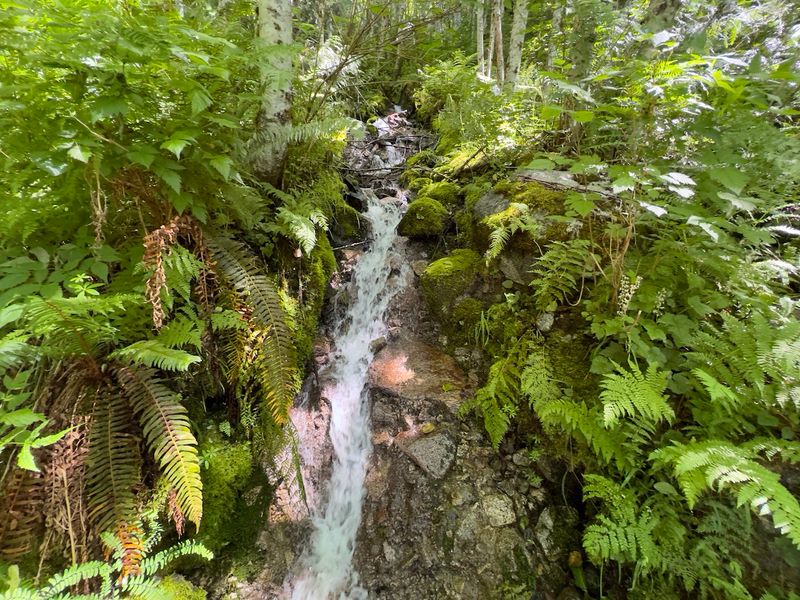
Spring brings extra challenges. Melting snow can send streams of water across the path, which makes footing tricky.
The full loop with plenty of photo stops can take more than four hours. The Upper Grade has similar views to the lower route but asks for much more effort.
For most families, especially those with young children, the Lower Grade is the smarter pick. Save the Upper Grade for older kids and experienced adults, and treat it as a level-up challenge for another day.
Timing Your Trip Right
Good timing can turn a decent hike into a great one. Summer and early fall usually offer the smoothest trail conditions.
Late spring is a bit of a wild card. Snow patches, running water, and fallen trees may still cover parts of the route, and the parking lot or restrooms may not be open yet.
Summer brings its own small issue. Mosquitoes can be busy in the shaded forest, so pack bug spray and consider long sleeves.
Weekdays tend to be quieter, with fewer cars at the trailhead. Weekends can get busier on nice days.
Winter hiking is not recommended on Iron Goat Trail because of avalanche danger and limited parking access. Families should plan their visit for the snow-free months and check current trail conditions before heading into the mountains.
Always check the weather and trail updates before driving out. A quick look online can save a long trip that ends at a closed gate, and it helps everyone arrive ready to enjoy the day instead of scrambling.
Packing for a Smooth Day
A little planning keeps the fun rolling from start to finish. Restrooms in latrine style are available at the trailhead when it is open, so make a stop before you set out.
Pack water, snacks, and layers for each person. Mountain weather can shift quickly, even on bright days.
Bug spray deserves a spot near the top of the bag. Mosquitoes can be a real nuisance in summer.
Sturdy shoes matter too. The Lower Grade is easy, but rocks, roots, and wet patches still show up.
Bring trekking poles if you plan to tackle the Upper Grade. They help on steep switchbacks and slippery ground.
Dogs often join their families on the trail, so keep yours leashed and bring bags. Leave the tunnels and old structures as you found them for the next group of explorers.
A Northwest Forest Pass or America the Beautiful Pass is required for parking at the Martin Creek Trailhead. Families should arrange the appropriate pass before leaving home to avoid an unexpected problem at the trailhead.
With a packed bag and a flexible plan, the old railroad grade becomes an easy family win, one tunnel and one story at a time.