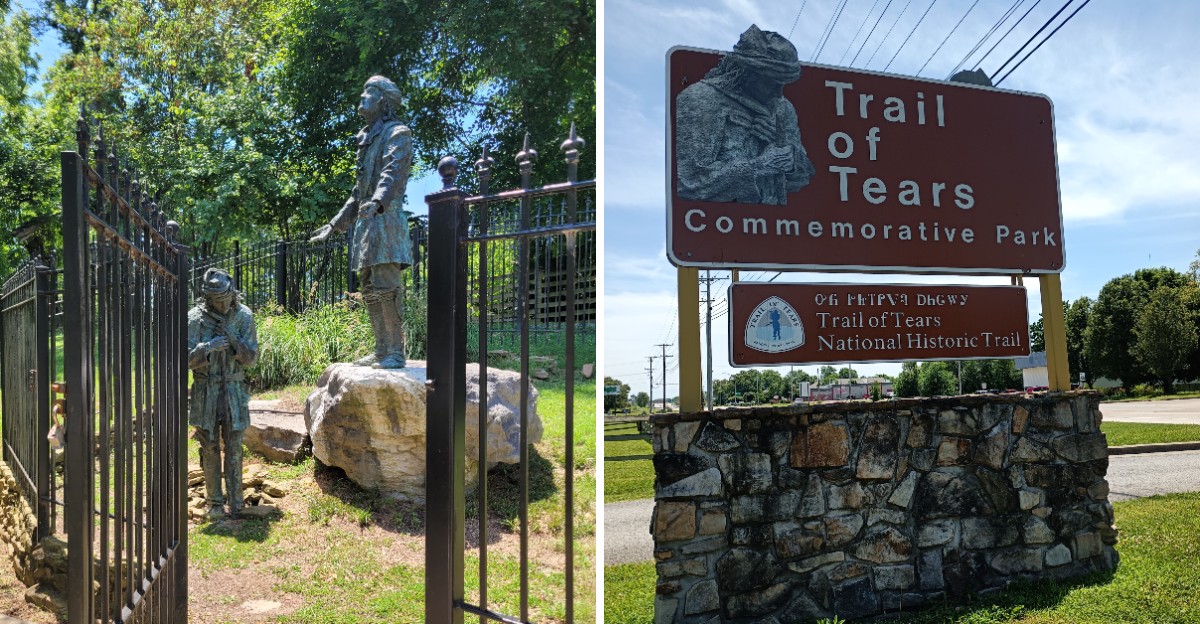
In the late 1830s, thousands of Cherokee people stopped to rest on a patch of ground in western Kentucky during one of the hardest journeys in American history. Two of their leaders never left.
Today, that same ground in Hopkinsville is a calm, tidy park where statues, markers, and a small museum keep their story alive. It is not flashy, and it was never meant to be.
There are no big lights, no gift shop crowds, and no long lines. What it offers instead is something many history spots lack: a quiet place to stand where real events happened and real people were laid to rest.
Keep reading to learn who those chiefs were, what you can see on the grounds, when to go, and why this small park carries such a big meaning.
Where This Story Begins
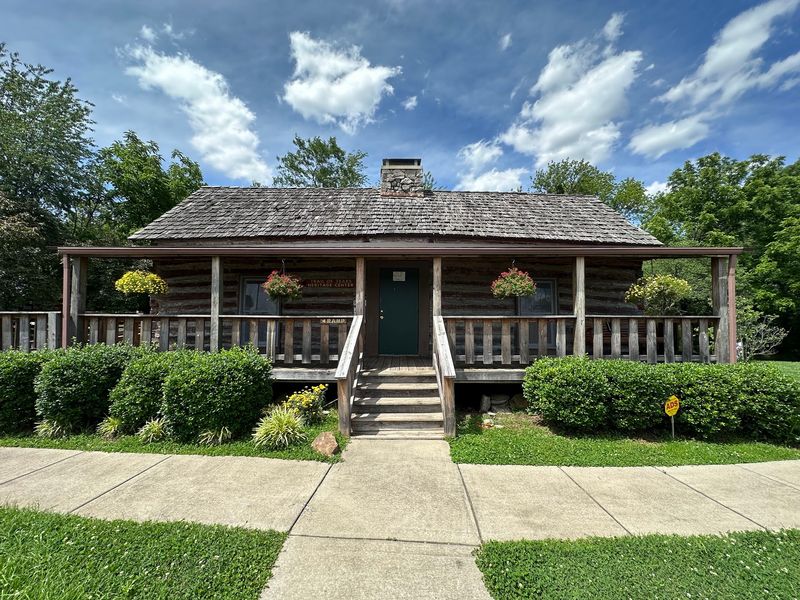
Some of the most meaningful places in America sit just off ordinary roads. The Cherokee Trail Of Tears Commemorative Park is one of them, found at 100 Trail of Tears Dr, Hopkinsville, KY 42240, in the western part of Kentucky.
The park is set close to town, so getting there is simple. A large parking area makes the stop easy for families, road trippers, and school groups alike.
The grounds are free to visit, which is a welcome bonus for anyone traveling on a budget. Walking paths connect the main features, so the whole site can be explored at an easy pace.
The park is listed as a certified site along the Trail of Tears National Historic Trail. That link to the national trail system gives the stop extra weight for history fans.
Hopkinsville itself is a good base for a day trip in this corner of the state. Plan to give the park at least an hour, though many people stay much longer once the stories start to unfold.
A Resting Place On A Hard Road
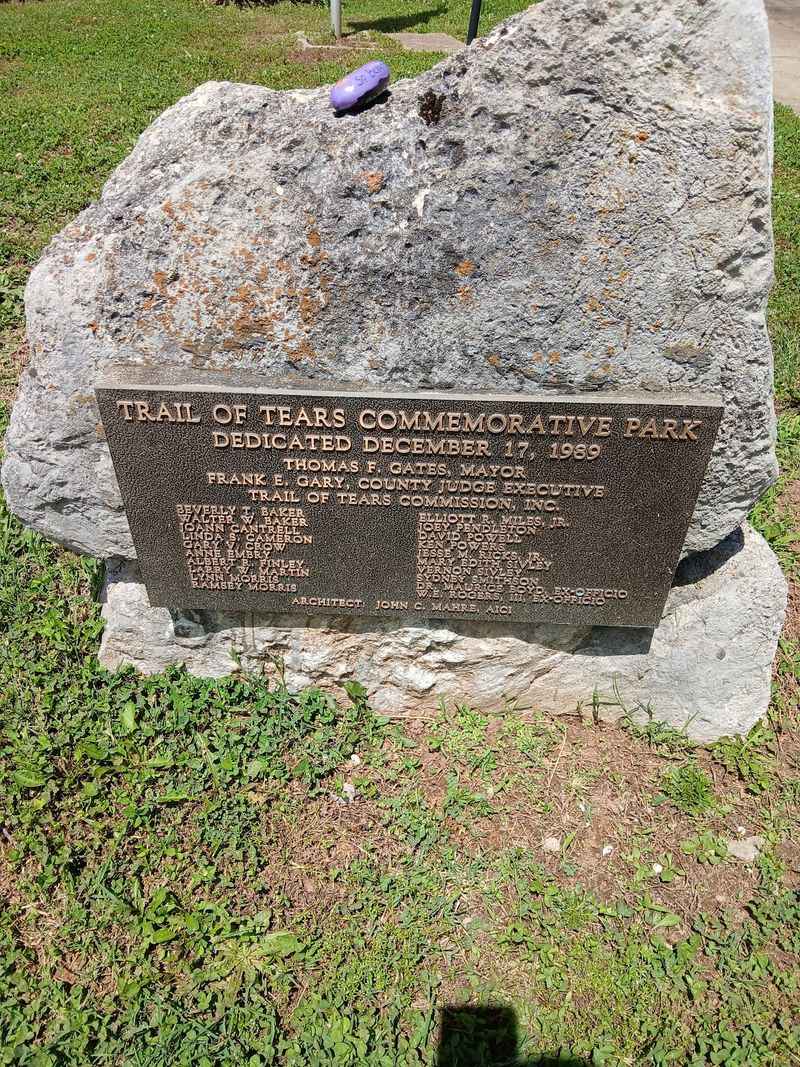
History books often skip the small stops along big journeys. During the forced removal of the Cherokee in 1838 and 1839, groups traveled west under the Indian Removal Act, and this land became one of their camping grounds.
More than 10,000 Cherokee people passed through this area. They paused here to rest and gather supplies before pushing on toward Indian Territory in present-day Oklahoma.
Many of the travelers were walking, and the trip stretched through fall and winter. Stops like this one gave them a short break from a long and difficult road.
The park helps people understand that the Trail of Tears was not one single path. It was a series of routes, river crossings, and camps spread across several states.
Hopkinsville sits on one of those routes. Standing on the same ground where families once set up camp turns a chapter from a textbook into something much more personal and real.
Meet Chief Whitepath And Chief Fly Smith
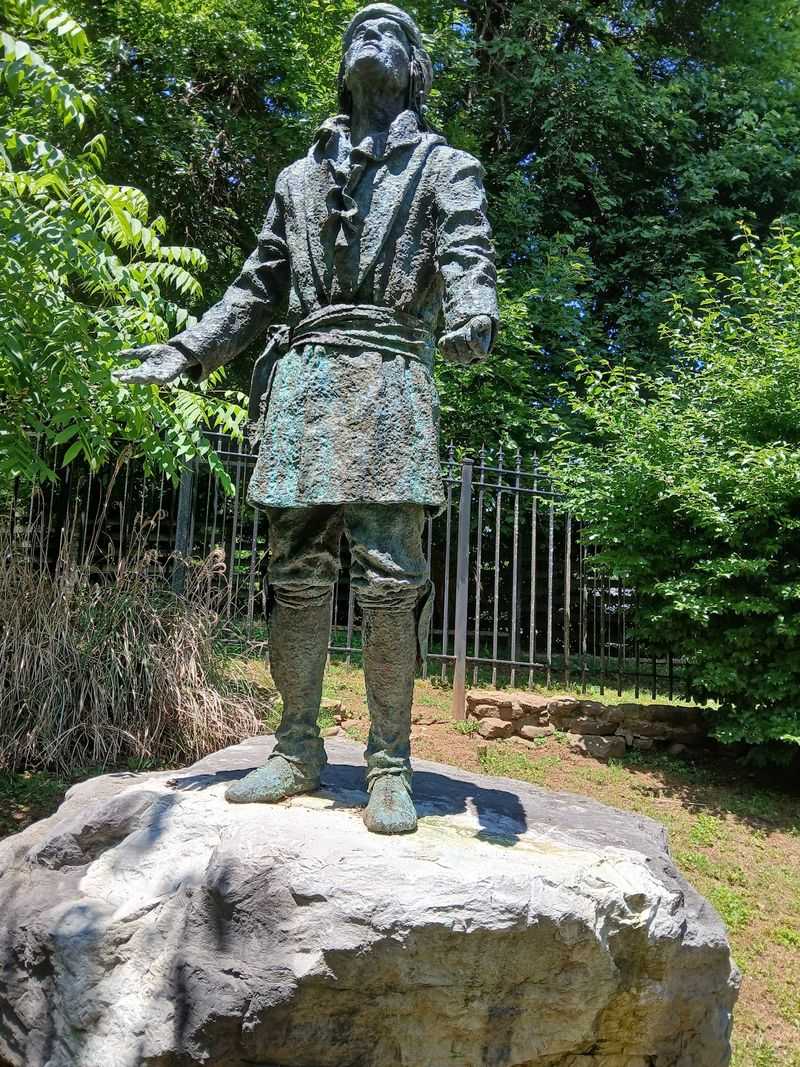
Two names stand at the center of this park. Chief Whitepath and Chief Fly Smith were Cherokee leaders who made the journey west, and both became ill along the way.
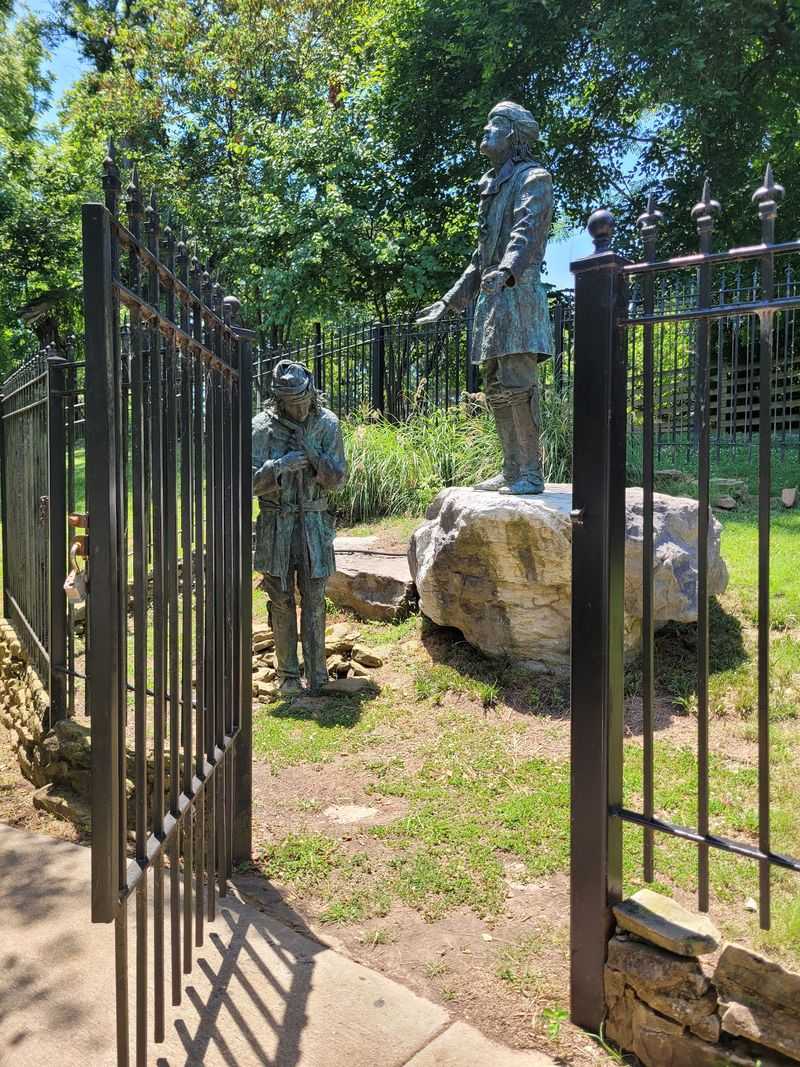
Neither chief finished the trip. They were buried here, in what was then the Latham family cemetery, and their graves remain on the grounds today.
Chief Whitepath was an older leader with a long history in Cherokee affairs. Fly Smith was also a respected figure among his people.
The park honors both men with statues that stand near their resting place. The statues give faces to a story that can feel distant, and they make a natural first stop on any walk around the site.
Benches are placed close to the graves, so there is room to sit and think. Many people take a quiet moment here before moving on.
It is the heart of the park, and it is easy to see why the site was built around these two leaders.
A Small Museum With Big Stories
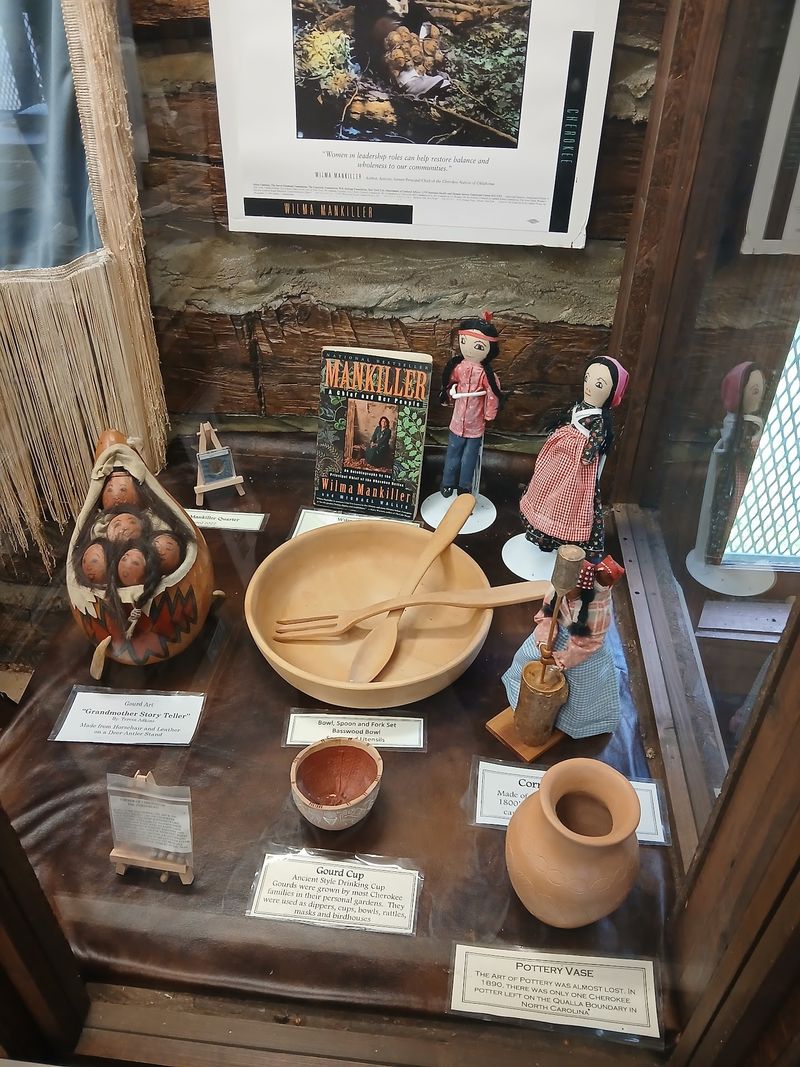
Good things often come in compact packages. The heritage center on the grounds is small, yet it holds a surprising number of artifacts tied to Cherokee life and the Trail of Tears.
Display cases share objects, photos, and written history. Much of the collection has deep family roots, with items passed along by the people who cared for the museum over the years.
The real treasure is often the person behind the desk. Staff here are known for knowing the history inside and out and for answering every question with patience.
Some guests plan a short stop and end up staying for hours. Conversations can stretch on because there is always one more story to hear.
Story time sessions are also offered at times, and they are worth catching. Bring your curiosity and a few questions.
The museum rewards people who ask, and you may leave knowing far more than any plaque could teach in a single afternoon.
Timing Is Everything Here
Here is the tip that saves the most trips: the visitor center keeps short hours. Showing up at the wrong time means seeing the grounds but missing the museum.
On weekdays, Monday through Friday, the center usually opens from 10 am to 2 pm. Saturdays run from 10 am to 4 pm, and Sundays from noon to 4 pm.
Hours can shift, especially in the colder months. The museum has closed for stretches in winter before, sometimes until early spring.
Calling ahead or checking the official website before a long drive is a smart move. It takes two minutes and can spare a lot of disappointment.
The outdoor grounds, statues, and markers can still be enjoyed when the building is closed. Still, the indoor collection and the staff stories add so much that planning around the open window is worth it.
Arrive early in the window so you are not rushed, since many people find the visit runs longer than expected.
Markers That Do The Talking
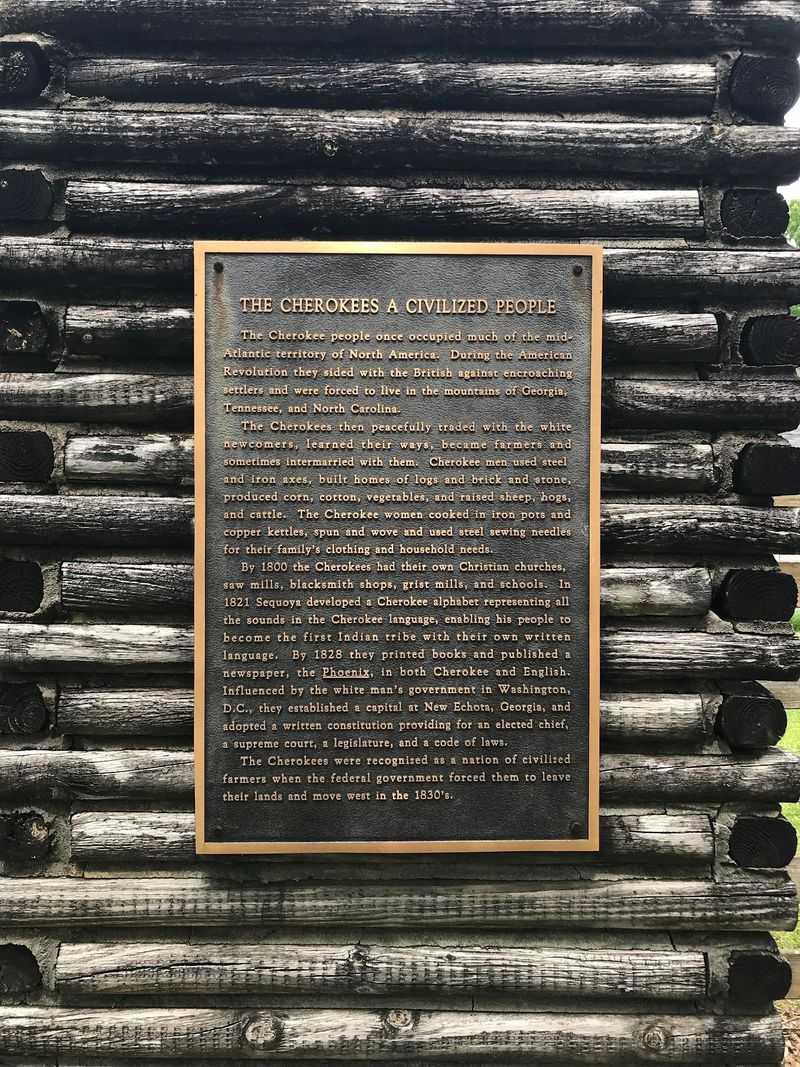
Not every lesson needs a tour guide. Informational plaques are spread throughout the property, and they turn an easy stroll into a self-guided history class.
The walking trail is flat and simple to follow. It works well for kids, older travelers, and anyone who prefers a slow pace.
Each marker covers a piece of the story. Some explain the removal, while others focus on the camp, the chiefs, and the people who traveled through.
Reading them in order helps the full picture come together. By the end of the loop, the events feel connected instead of scattered.
There is also a meditation area on the grounds. It offers a calm spot to pause between markers and think about what you have just read.
Families can turn the walk into a small game for children, asking them to find one new fact at each sign. Learning sticks better when it feels like a scavenger hunt rather than homework.
The September Powwow
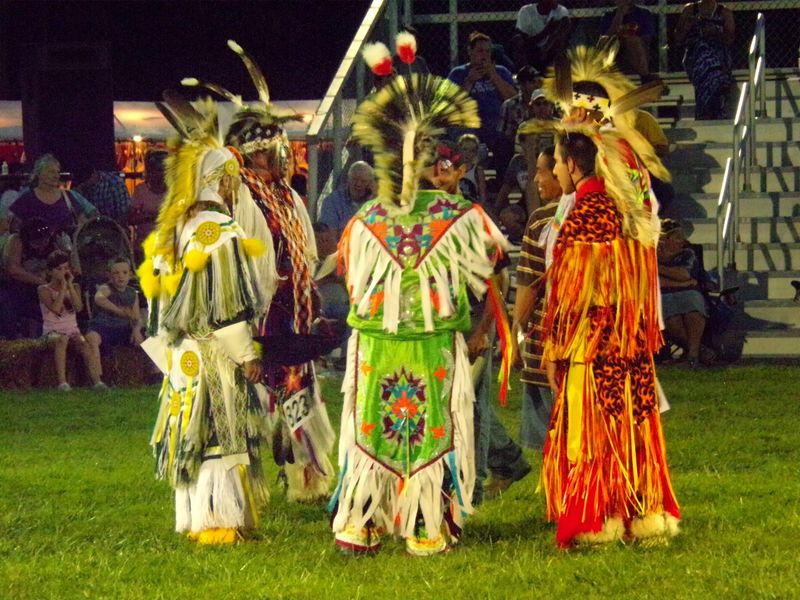
Once a year, the calm park becomes a gathering place. The Trail of Tears Powwow takes place each September, and it draws people from near and far.
A powwow is a celebration of Native American culture. It often features dancing, drumming, traditional dress, and crafts made by Native artists.
For many families, this event is a yearly tradition. Some return season after season to connect with heritage and friends.
The powwow shows that this park is not only about the past. It is also a place where Native culture is shared and celebrated in the present.
Guests are welcome to watch and learn. Following the guidance of event hosts, such as standing during certain songs or asking before taking photos, shows respect.
Planning a fall trip around the powwow adds a whole new layer to the visit. Check the event dates ahead of time, since crowds are larger and nearby lodging in Hopkinsville can fill up during that weekend.
Picnics, Books, And A Pause
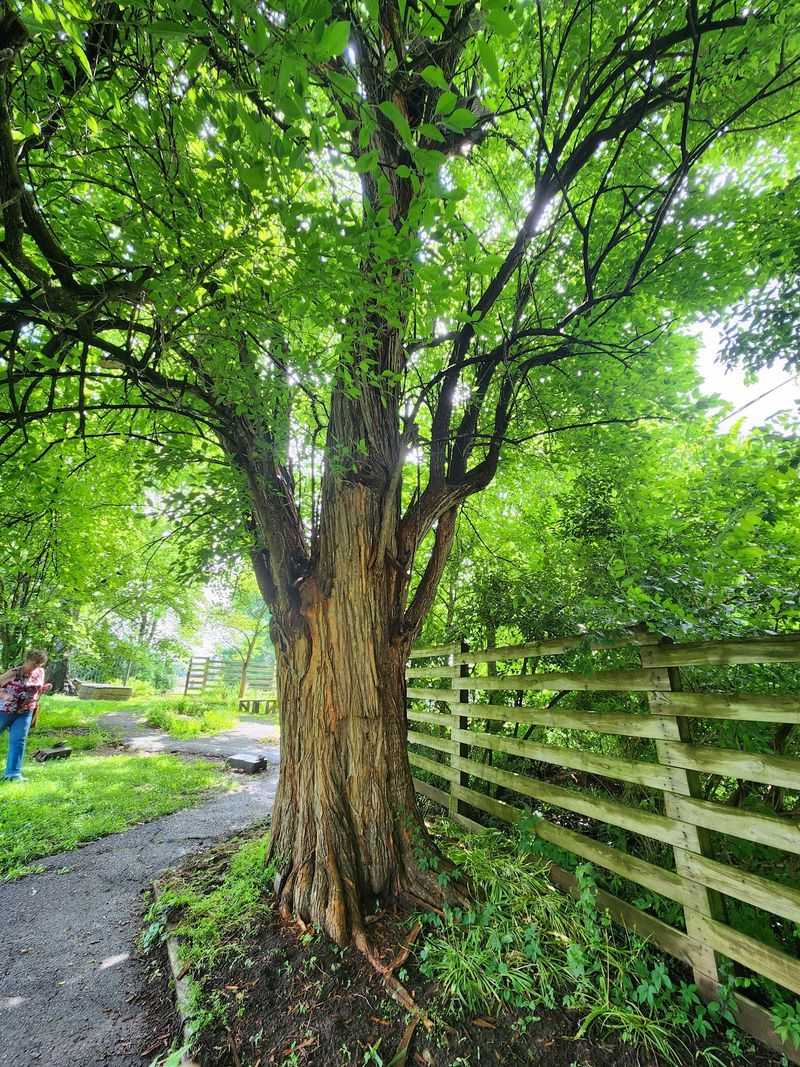
History can make anyone hungry for a break. Picnic tables sit behind the visitor center, giving families a handy spot to rest and recharge before heading back on the road.
Packing a lunch is a smart plan, since the park does not sell meals. Bring a bag for trash, too, and leave the grounds as tidy as you found them.
Restrooms are available on site. Behind them sits a Little Free Library, where people can borrow a book or leave one for the next reader.
That tiny bookshelf adds a friendly touch. It fits the spirit of a place built around learning and sharing stories.
Shade trees and flowers help make the lawn a pleasant place to linger. Benches around the property invite a slow, unhurried visit.
Even when the museum is closed, a picnic here is a fine reason to stop. Sometimes the best part of a road trip is simply sitting still for a while.
Stamp Collectors, Take Note
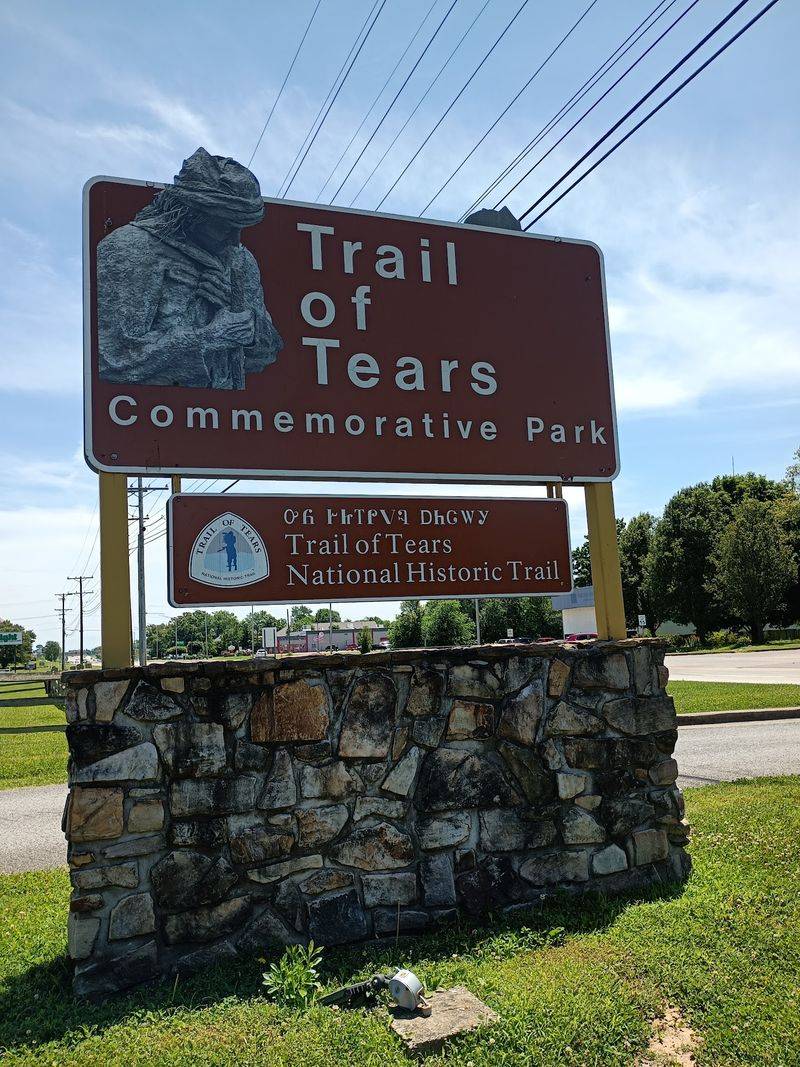
Got a National Park passport book tucked in the glove box? Grab it before you go.
The park is a certified site on the Trail of Tears National Historic Trail, and a passport stamp may be available at the visitor center.
Collectors love adding stamps from lesser-known stops. This one tells a story many big parks do not cover.
Forgot the book? Staff have been known to help with a scrap of paper so the stamp is not missed.
The connection to the national trail also means the park fits nicely into a bigger road trip. Other certified sites stretch across several states along the routes the Cherokee traveled.
The park is also a gift with special meaning. It honors the Cherokee story and the people of Kentucky together.
For families tracing their own Cherokee roots, a visit can feel deeply personal. Bringing children here turns family history into a memory they can carry forward for years to come.