Back in the 1940s and 1950s, a small river town in northern Kentucky had a reputation that reached far beyond the state line. Big-name entertainers, Frank Sinatra among them, played its nightclubs, and gamblers crowded its back rooms while the law mostly looked the other way.
People started calling it Sin City long before Las Vegas grabbed the title. Then a group of reformers stepped in, cleaned house, and changed the town’s story for good.
Today the same streets hold restored Victorian homes, a famous aquarium, a pedestrian bridge, and a museum that proudly tells the wild old tales. This article walks through the history, the landmarks, and the practical tips that make a day trip here worth planning.
Keep reading to see how a town with a rowdy past turned itself into one of the most interesting stops along the Ohio River.
Where Two Rivers Meet
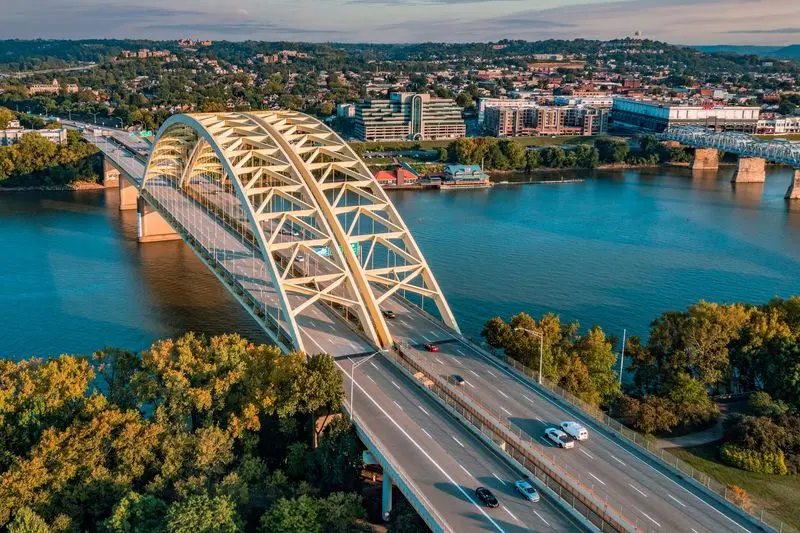
Geography wrote the first chapter of this town’s story. Newport, Kentucky, sits in Campbell County in the northern tip of the state, right where the Licking River flows into the Ohio River.
Across the water stands Cincinnati, Ohio, close enough that the two cities feel like neighbors sharing a front porch. That closeness shaped almost everything that happened here, good and bad.
The city is home to about 14,150 people, according to the 2020 census. It is a home rule-class city, and it once served as one of four county seats for Campbell County.
Being across a state line mattered a great deal in the old days. Ohio law could not reach into Kentucky, so people from Cincinnati crossed the bridges looking for fun their own city did not allow.
Getting here today is simple. Several bridges connect Newport to downtown Cincinnati, and the riverfront area is easy to explore on foot once you park.
Start with the map, and the rest of the history begins to make sense.
How Sin City Got Its Name
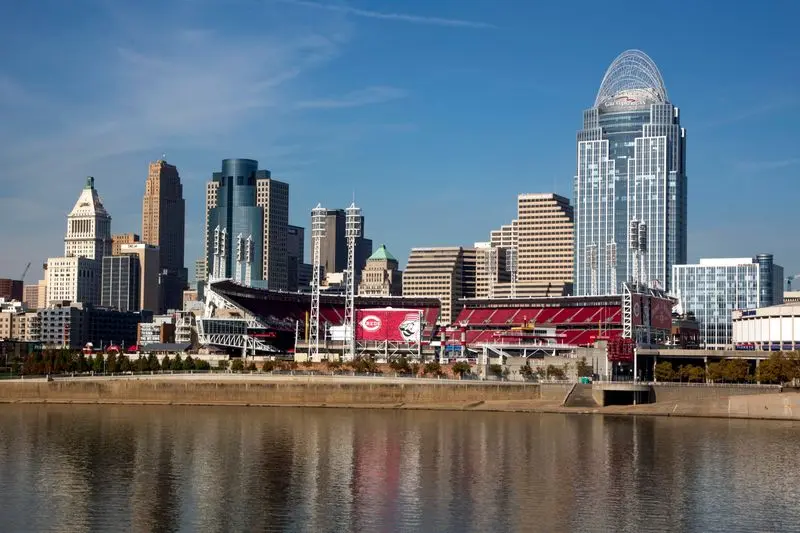
Long before Las Vegas became famous for its casinos, this Kentucky river town had already earned a nickname that stuck: Sin City.
From the 1920s through the early 1960s, Newport was known for illegal gambling halls, nightclubs, and organized crime. Crime groups from other cities had a strong hand in running many of the clubs.
Local officials often ignored the activity. Some were accused of taking money to keep quiet, which allowed the clubs to operate in plain sight for decades.
Tourists from all over came to see the shows and try their luck at the tables. For a while, the town’s economy leaned heavily on this nightlife.
Historians often point out that some of the people who later helped build Las Vegas learned the business in places like Newport. That connection gives the town a surprising spot in American entertainment history.
The nickname is no longer a badge of trouble. Today it works more like a conversation starter, a reminder of how far the city has traveled since its rowdy years.
Old Blue Eyes on the Riverfront
Frank Sinatra did not just pass through. He was among the big entertainers linked to Newport’s nightclub circuit during its heyday.
Clubs such as the Beverly Hills Country Club in nearby Southgate and spots in Newport itself drew top talent of the era. Singers, comedians, and bands performed for packed rooms night after night.
Sinatra’s connection to the area is part of the local legend. Other famous performers of the time, including Dean Martin and Jerry Lewis, are also tied to the region’s showbiz past.
Why would stars come to a small Kentucky town? The clubs paid well, and the gambling money behind them meant owners could afford the biggest names around.
For fans of classic music, this is the fun part of the story. A town of a few thousand homes once hosted some of the brightest acts in the country.
Next time a Sinatra song comes on the radio, it is worth remembering that his voice once filled rooms just across the river from Cincinnati.
The Cleanup That Changed Everything
Every wild era has an ending, and Newport’s arrived in the early 1960s.
A group of local citizens, church leaders, and reformers grew tired of the corruption. They formed a group called the Committee of 500 to push for change.
In 1961, George Ratterman, a former professional football quarterback, ran for Campbell County sheriff on a reform platform. Before the election, he was set up in a scheme meant to ruin his reputation.
The plan failed. The scandal drew national attention, and Ratterman went on to win the election.
Around the same time, U.S. Attorney General Robert F.
Kennedy made organized crime a priority. Federal pressure helped close down the gambling operations.
By the mid-1960s, the casinos were mostly gone. The town faced hard economic times afterward, since so much money had come from the clubs.
That rough patch did not last forever, though. The cleanup set the stage for the reinvention that came decades later, and that next chapter is a far happier one.
Gangster Tales Come to Life
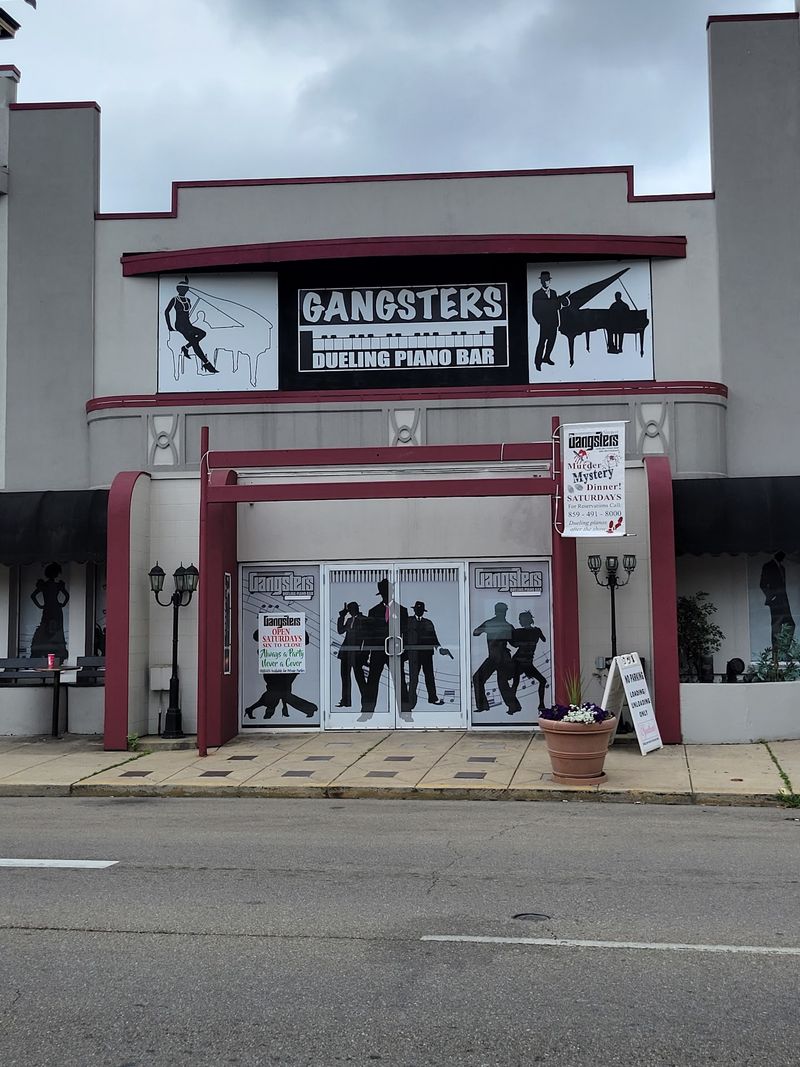
History lessons rarely come with secret rooms, but the Newport Gangster Museum has them.
Located on the riverfront side of town, the museum tells the story of the city’s gambling and nightclub years. Exhibits cover the crime figures, the clubs, and the reformers who shut it all down.
The building itself has a past tied to the era, which adds to the experience. Guides share details about hidden spaces and how gambling halls tried to stay one step ahead of raids.
Walking tours are also offered through the same organization. These guided strolls point out buildings that once housed clubs and gambling rooms around downtown.
Here is a helpful tip: check tour times before you go. Some tours fill up on weekends, and booking ahead saves a lot of waiting around.
Families with older kids often enjoy this stop because the stories feel like a real-life movie plot. Younger children may find parts of it less exciting, so plan accordingly.
Few museums let you stand where the history actually happened.
Sharks Beneath the Levee
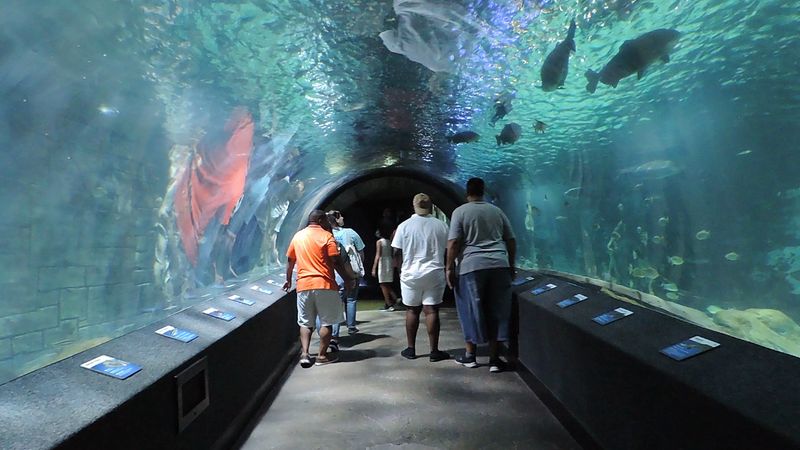
Sharks swimming over your head is not something most people expect in Kentucky. At Newport Aquarium, it happens every day.
The aquarium sits at Newport on the Levee, the riverfront entertainment area. It opened in 1999 and quickly became one of the region’s most popular family attractions.
Its underwater tunnels let guests walk beneath tanks filled with sea life. Penguins, jellyfish, stingrays, and sharks are among the animals on display.
One of the most talked-about features is a rope bridge that stretches over a shark tank. It is safe, but crossing it still gets plenty of nervous laughs.
For practical planning, weekday mornings tend to be less crowded than weekends. Buying tickets online in advance can also help skip lines at the entrance.
Allow at least two to three hours to see everything without rushing. Kids usually want to stop at the touch pools, so build in extra time for that.
It is a fun contrast with the town’s old reputation, since the only sharks here now are the kind with fins.
Life on the Levee
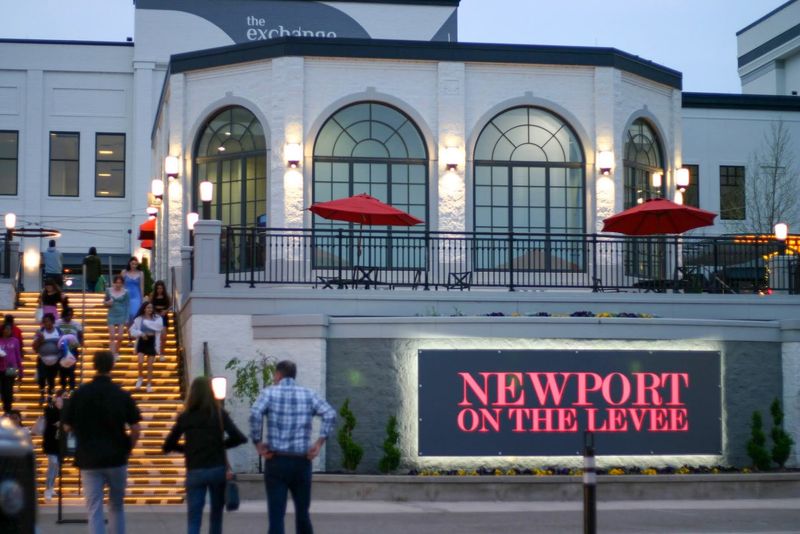
Plenty of riverfront towns have a main gathering place, and here it goes by the name Newport on the Levee.
The entertainment district opened in the early 2000s along the Ohio River. It brought new energy to an area that had struggled after the gambling era ended.
Shops, restaurants, entertainment spaces, and the aquarium all share the same complex. Over the years, the area has gone through updates and changes, so it is smart to check what is open before visiting.
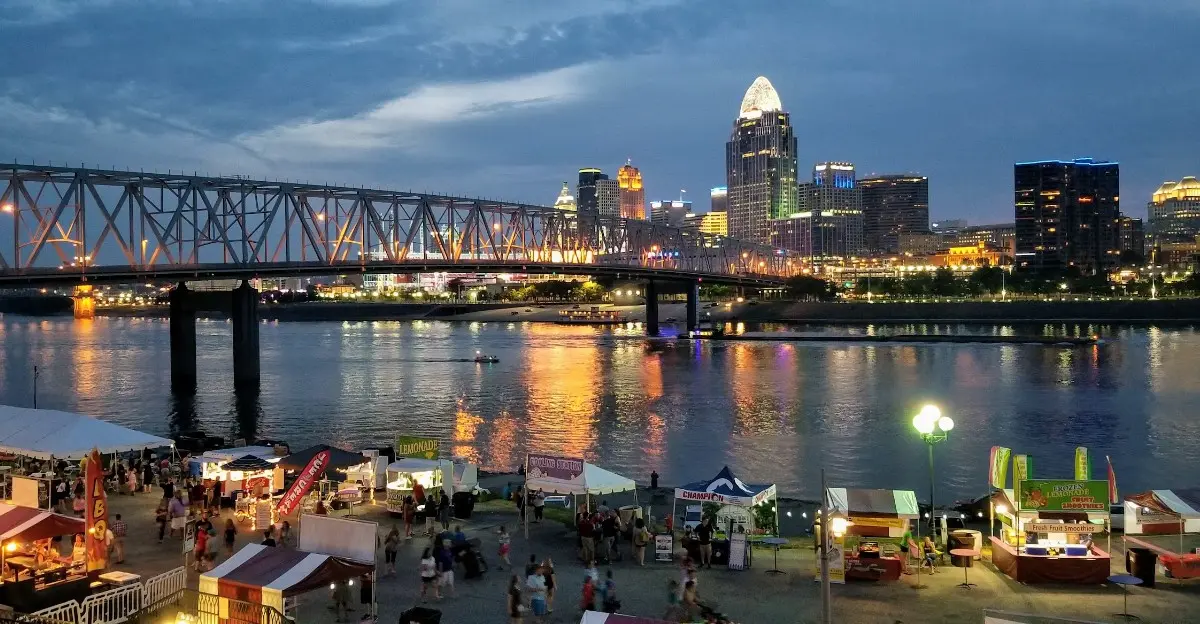
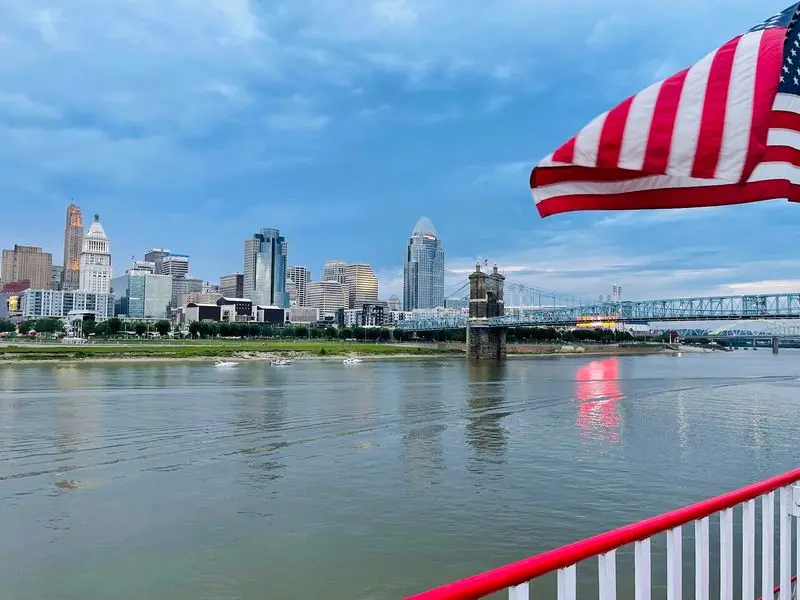
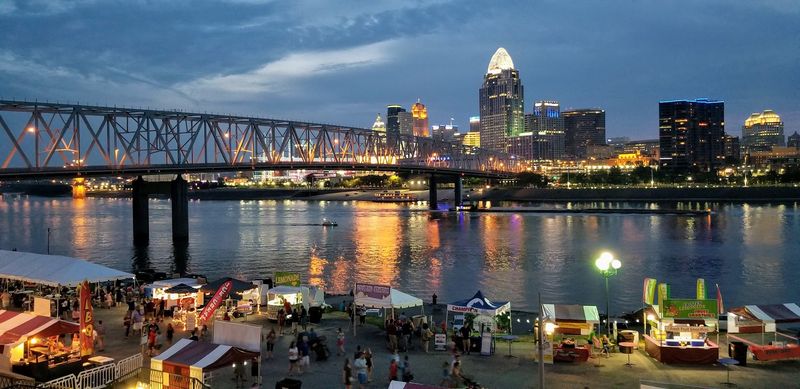
One of the best parts is the view. The plaza looks straight across the water at the Cincinnati skyline, which makes it a popular spot for photos.
Parking garages are available nearby, and the district is easy to reach on foot from the pedestrian bridge.
Evenings bring a relaxed crowd of locals and tourists. It is a good place to slow down after a day of museums and tours.
Not bad for a stretch of riverbank that once had a very different kind of nightlife.
A Purple Bridge for Walkers
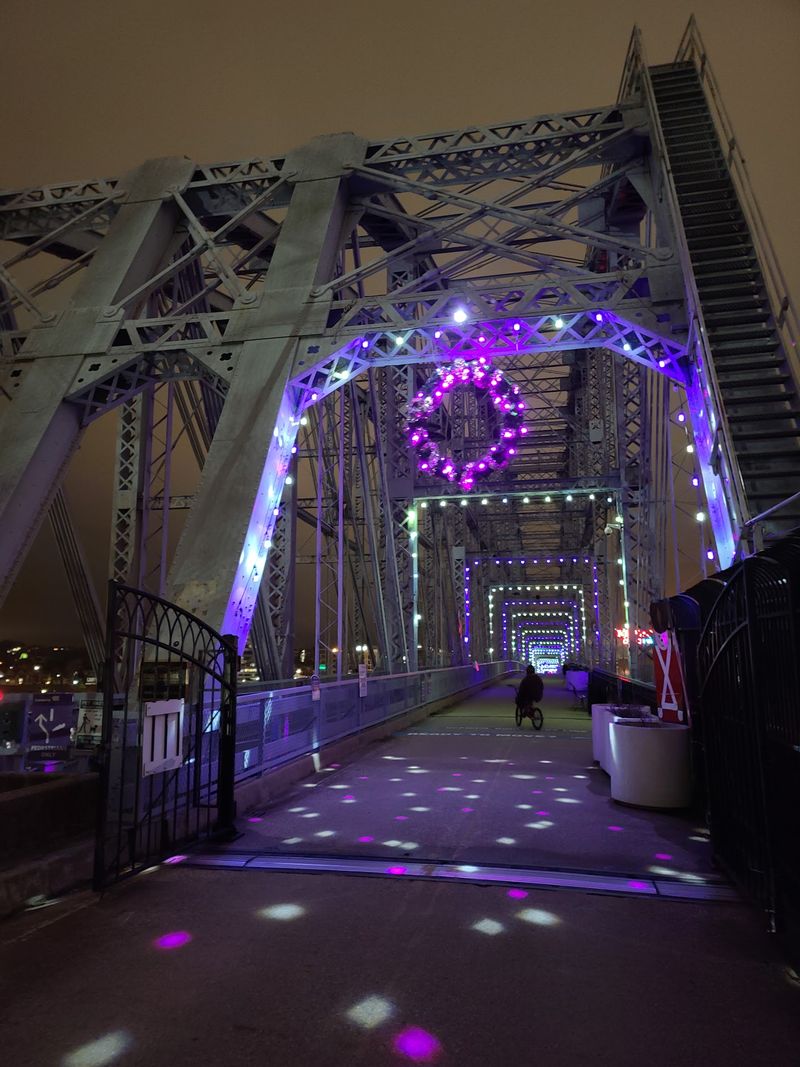
Bright purple steel is hard to miss, and that is exactly the point.
The Purple People Bridge connects Newport to downtown Cincinnati across the Ohio River. It is a pedestrian-only bridge, which means no cars are allowed.
The structure was originally built as a railroad bridge called the L and N Bridge in the 1870s. It later carried cars before being turned into a walking bridge and painted its famous color in the early 2000s.
The walk takes about 10 to 15 minutes at an easy pace. Along the way, the river views stretch in both directions.
Many people park on one side and walk across to enjoy both cities in a single day. It is an easy way to see Cincinnati’s riverfront parks and stadiums without dealing with traffic.
Be sure to bring comfortable shoes and check the weather. The bridge has little shelter, so rain can make the trip less fun.
Few states share a walkway this colorful, and it makes crossing a border feel like a stroll in the park.
Victorian Streets of East Row
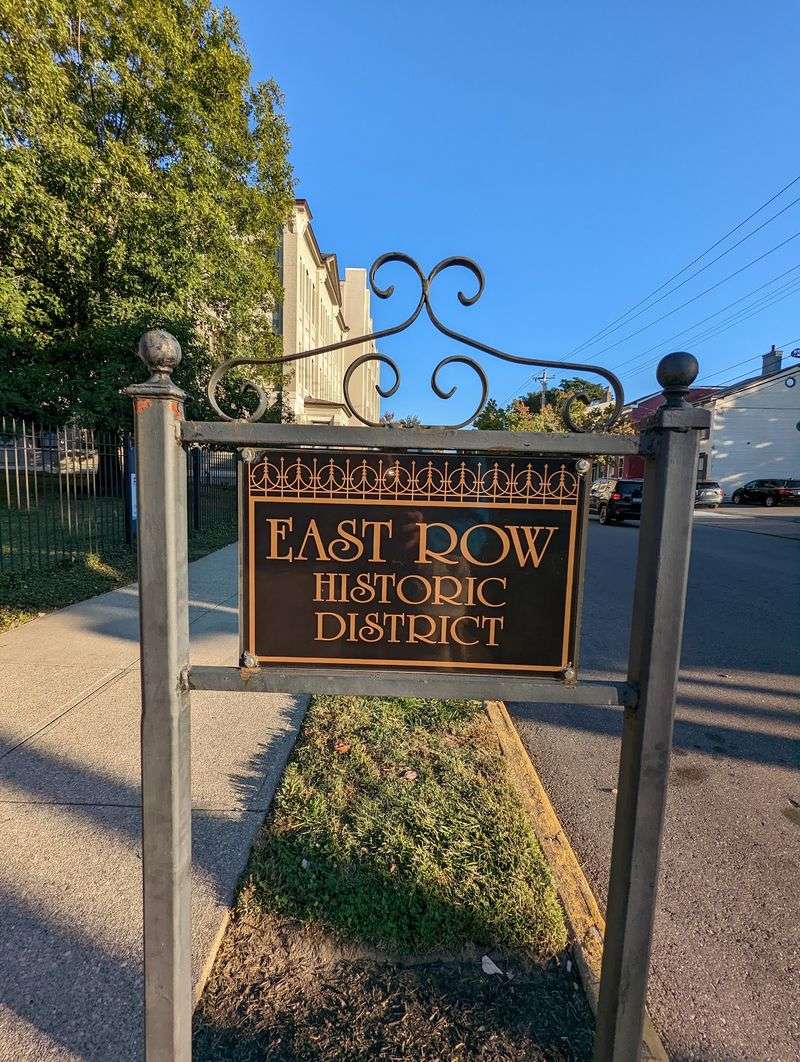
Behind the riverfront attractions lies a quieter side of town that architecture fans love.
The East Row Historic District is one of the largest historic districts in Kentucky. It contains hundreds of homes built mostly in the late 1800s and early 1900s.
Styles include Italianate, Queen Anne, and other Victorian designs. Many homes have tall windows, detailed trim, and porches that have been carefully restored by their owners.
The district is listed on the National Register of Historic Places. Its preservation shows how residents worked to protect the town’s older character during its comeback.
A self-guided walk is the best way to explore. Wear good shoes, stay on public sidewalks, and remember that these are private homes where people live.
During the holiday season, some years bring special home tours that let guests see inside selected houses. Checking local event listings ahead of time is a good idea.
Gangsters may have ruled the clubs downtown, but these quiet blocks tell a story of everyday families who built something lasting.
A Bell That Means Peace
Here is a fun fact to share at the dinner table: one of the largest swinging bells in the world sits in this small Kentucky city.
The World Peace Bell was cast in France and dedicated in late 1999 to welcome the new millennium. It weighs about 66,000 pounds.
When it was installed, it was described as the largest free-swinging bell in the world. The bell was created to stand as a symbol of peace and unity.
The bell is located near the downtown area along Monmouth Street. It rings at certain times and for special occasions throughout the year.
It makes for a quick and interesting stop on a walking route through the city. Most people spend only a few minutes there, but it is a nice photo opportunity.
The idea of a peace bell feels fitting for a town that once had such a rough reputation.
Sometimes the biggest message in a city comes from a single, very heavy piece of metal.
Smart Timing for Your Trip
Good planning can turn a fine visit into a great one, and a few simple tips help a lot here.
Spring and fall are popular times to come. The weather is usually mild, which makes walking tours, the purple bridge, and historic district strolls more comfortable.
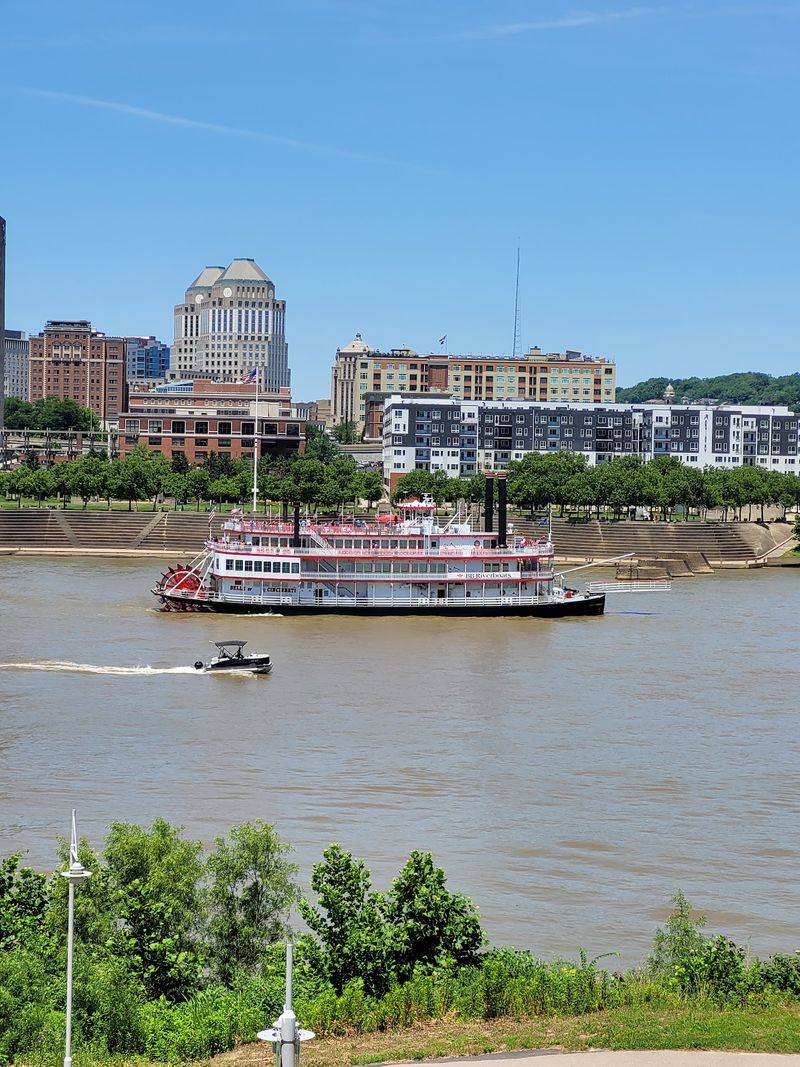
Summer brings more crowds, especially on weekends and during baseball season. The aquarium can get busy when school is out.
Winter is quieter, and indoor stops like the aquarium and museum stay open. Holiday decorations around town can also make a cold-weather trip worthwhile.
A full day covers the main highlights. Two days allow time to add Cincinnati attractions across the river.
Parking is available in garages and some street spots near the levee and downtown. Many sights are close together, so walking between them is easy.
The city’s story works best when told in order: start with the gangster history, then see how the town reinvented itself. From Sin City to family favorite, Newport rewards anyone curious enough to cross the river and look a little closer.