A stone staircase in Kentucky has stood for nearly two centuries with no visible center support, held together by a single keystone. I still can’t wrap my head around how that works.
Then there’s a riverside bridge built by the same engineer who later designed the Brooklyn Bridge. Down the road, a whole village was built by a group who made some of the plainest, smartest wooden furniture in America.
Your great-grandparents may have strolled past these exact brick fronts on the way to market, church, or a busy Saturday errand. I love that so many of those sidewalks are still here, waiting for new footsteps.
Some still have gas lamps lining the way, and one still has the market building where farmers once sold their goods. So which old Kentucky street would you walk first?
Whiskey Row
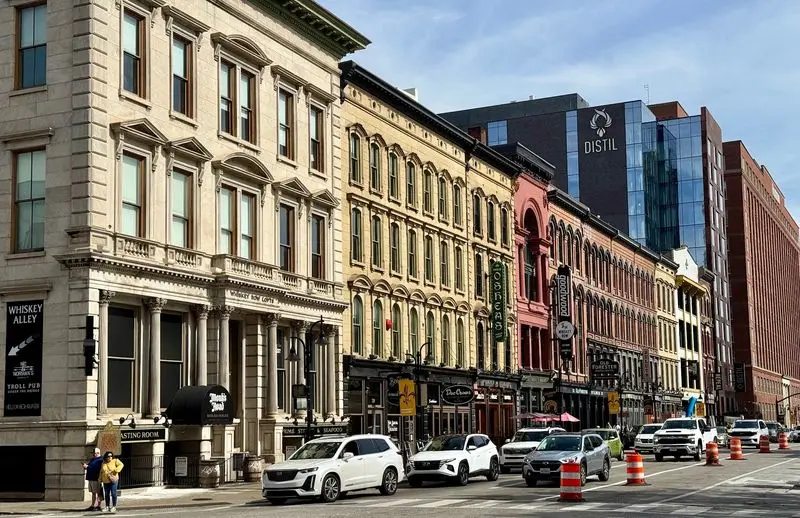
Cast iron rarely gets fan mail, but this downtown Louisville block deserves a whole sack of it. Its fancy metal storefronts form one of the largest collections of their kind outside New York’s SoHo district.
Back in the mid-to-late 1800s, West Main Street sat close to the Ohio River and buzzed with trade. Steamboats, wagons, and merchants kept goods moving through Kentucky’s busiest commercial corridor.
Builders in those days loved cast iron because it could be molded into columns, arches, and fancy trim. It let shop owners show off without carving stone by hand.
Today you’ll see restored brick and iron fronts dating from roughly the 1850s to the 1880s. Many now hold museums, shops, and local businesses, so the block feels busy rather than frozen in time.
Look up when you walk here. The best details sit above eye level, where most folks never think to glance.
Bring a camera and take your time between storefronts. Your great-grandparents may have hurried past to catch a boat, but you get to linger.
Address: W Main St, Louisville, KY 40202
Historic Old Louisville
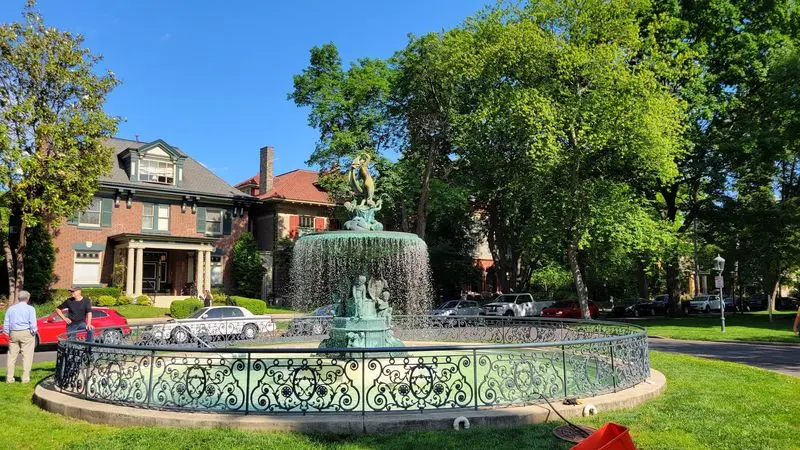
Fancy houses come in bulk here, and that’s no exaggeration. This Louisville neighborhood holds the largest collection of restored Victorian mansions in the United States.
Much of it grew between the 1870s and early 1900s, after the Southern Exposition drew big crowds to the area. Wealthy families soon built towers, turrets, and grand porches along these blocks.
St. James Court and Belgravia Court are the real showstoppers. Both are pedestrian walking courts, so you can stroll without dodging traffic.
Gas lamps line the way, and a Victorian fountain sits at the center of St. James Court. You’ll spot Richardsonian Romanesque stonework and Queen Anne homes with playful shapes and trim.
Want to peek indoors? The Conrad-Caldwell House Museum offers a look inside one of the area’s grand homes.
Walking tours, both guided and self-guided, run year-round and begin near Central Park. The visitors center on South 4th Street makes a handy first stop before you wander.
Wear comfy shoes, because one block easily turns into ten. Your neck may get a workout from all that looking up, too.
Address: 1340 S 4th St, Louisville, KY 40208
Licking Riverside Historic District
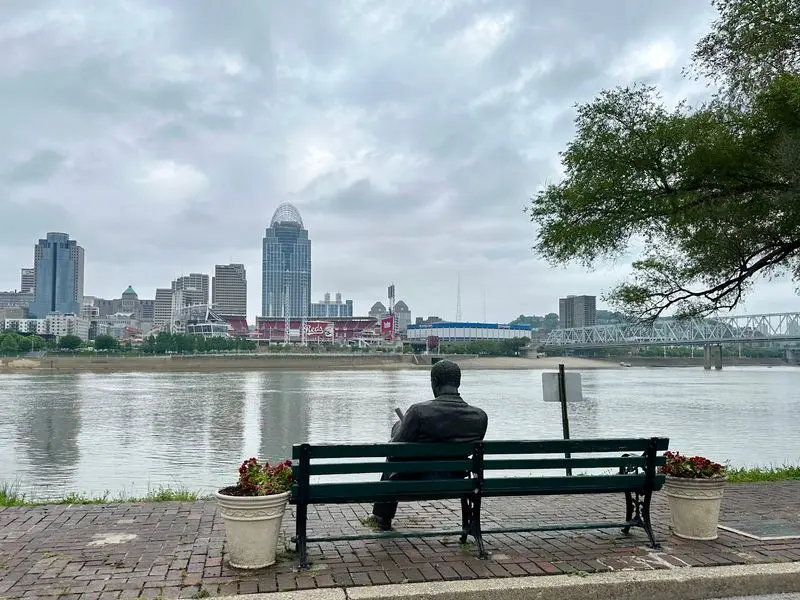
Two rivers meet at the edge of this Covington neighborhood, and the view still steals the show. The Licking River flows into the Ohio right here, with Cincinnati waving from the other bank.
The area grew during the 1800s, when steamboats ruled the water and a famous bridge rose nearby. That bridge is the John A.
Roebling Suspension Bridge, which opened in 1866.
Fun fact: Roebling later designed the Brooklyn Bridge. Many people call the Covington span its older sibling, and once you see the blue cables, you’ll notice the family resemblance.
Strolling Garrard Street feels like flipping through an architecture textbook, minus the pop quiz. Homes here range from Federal and Greek Revival styles to Italianate and Queen Anne designs.
Some date back to the 1810s, which makes them older than the bridge itself. Brick sidewalks and riverfront paths tie the whole scene together.
Go near sunset if you can. The skyline across the water lights up, and the old homes look extra handsome in the fading light.
Address: 101-149 Garrard St, Covington, KY 41011
West Main Street
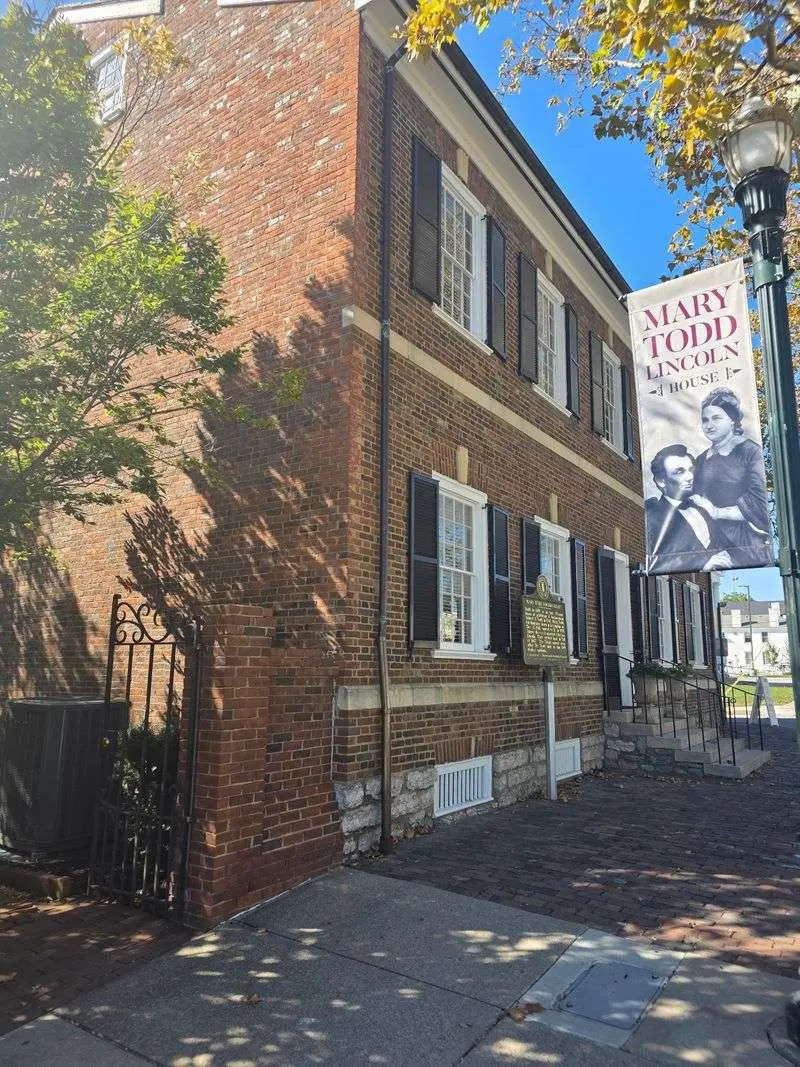
Long before she became First Lady, Mary Todd was a Lexington teenager living on a busy downtown street. She called this brick house home from 1832 to 1839.
The Georgian-style residence went up between 1803 and 1806. It’s a fine example of the tidy, balanced design that wealthy Bluegrass families favored back then.
West Main Street once linked the courthouse square with estates stretching into the countryside. Carriages, horses, and shoppers would have kept this road plenty busy in the early 1800s.
Here’s a fun bit of trivia for your next family dinner. This was the first site in the country restored to honor a First Lady.
Tours run seasonally, from March 15 through November 30. Off-season, you can still admire the outside from the sidewalk any time of year.
Abraham Lincoln himself visited the Todd family in Lexington in 1847 with his wife and kids. Standing on the same sidewalk is a neat way to connect with a famous Kentucky love story.
Address: 578 W Main St, Lexington, KY 40507
West Broadway Street
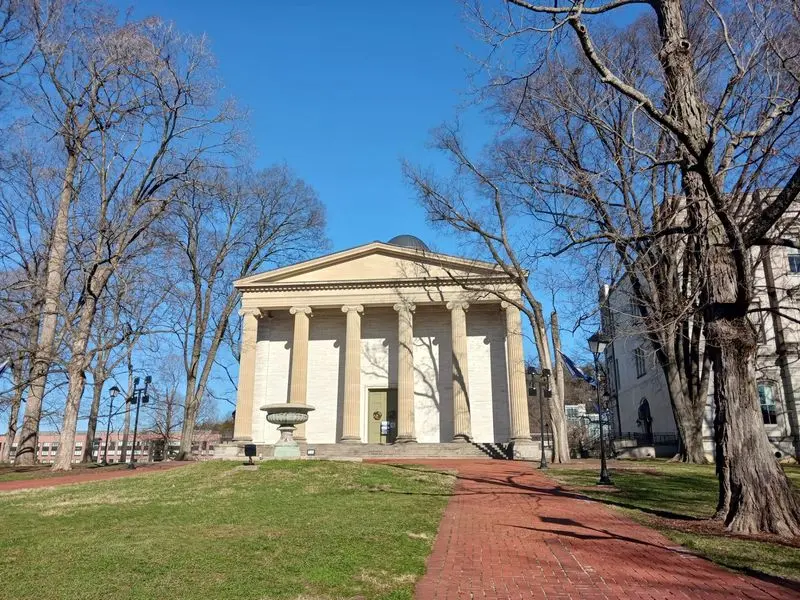
Gravity seems to take a day off inside this Frankfort landmark. Its famous stone staircase is held together by a keystone, with no visible center support.
Architect Gideon Shryock designed the Greek Revival building, which was completed in 1830. Its stately columns give it the look of a temple straight out of ancient Greece.
For 80 years, this spot served as the political center of the Commonwealth. Lawmakers, visitors, and townsfolk all had reasons to pass along West Broadway.
The building sits at the head of Broadway, framed by historic wrought-iron fencing. Period storefronts nearby add to that old downtown feel.
The Kentucky Historical Society runs tours, with guided and self-guided options. It’s a great pick for a rainy day or a curious kid who loves a good mystery staircase.
Spend a few minutes reading the historic markers along Broadway, too. They pack a lot of local history into a few quick lines.
The Capitol lawn is open to the public as well. Bring a snack, find a nice patch of grass, and soak up the view.
Address: 300 W Broadway St, Frankfort, KY 40601
Shaker Village Of Pleasant Hill
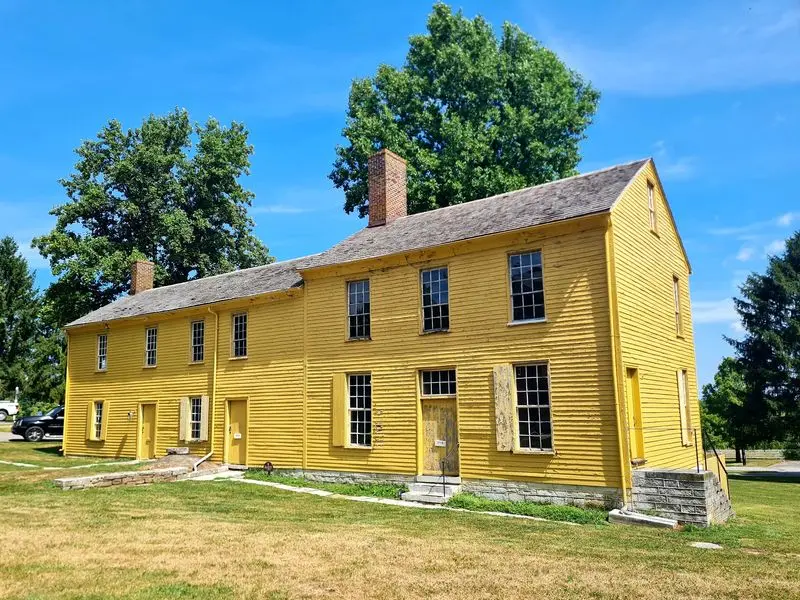
A community that didn’t marry still managed to build one of the largest Shaker villages in America. Pleasant Hill ranked as the third-largest, with Shakers living here from 1805 to 1910.
Their settlement grew right along the old Lexington to Harrodsburg turnpike. That means you’re walking the same road where farmers and travelers once rolled through Kentucky.
Unlike city streets filled with modern towers, this village lane looks largely unchanged. Thirty-four original 19th-century buildings stand along it, made of brick, limestone, and wood.
The Shakers were famous for simple, useful design. Their furniture and buildings skipped fancy trim, yet they still look sharp today.
Stone fences snake across the hills, built without mortar. Around 3,000 acres of protected Bluegrass countryside surround the village, so there’s room to roam.
The village welcomes visitors Tuesday through Sunday. Plan for a longer stay than you think, because the trails and old buildings can easily fill an afternoon.
Great-grandparents who passed this way might have stopped to buy Shaker goods. You’ll leave with fresh air in your lungs and a new respect for tidy craftsmanship.
Address: 3501 Lexington Rd, Harrodsburg, KY 40330
Fountain Square Park
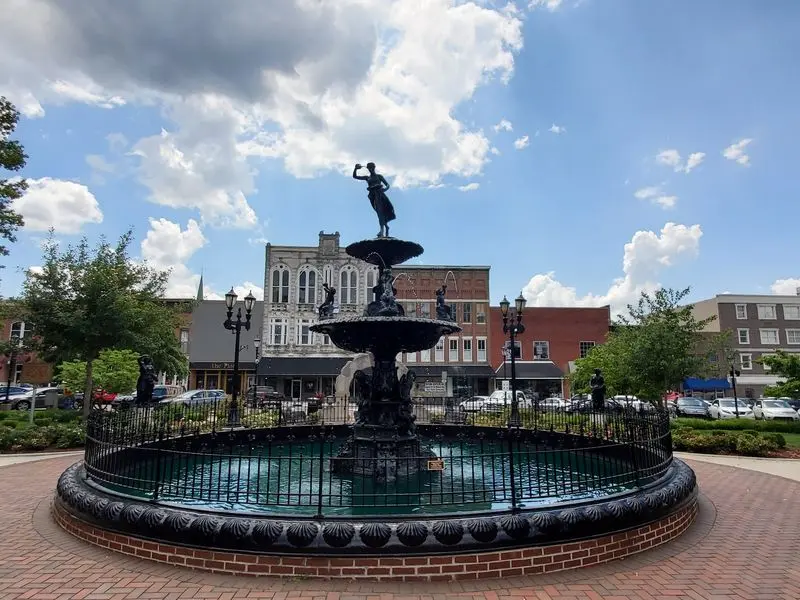
Bowling Green has been gathering at the same downtown square for more than 150 years. Landscaped in 1872, this park still sits at the heart of the city.
The square was first laid out in the early 1800s. Over time, the streets around it became the busiest commercial center in South Central Kentucky.
Back then, farmers’ markets, parades, and daily shopping filled the brick walkways. Victorian-era storefronts and opera-house blocks lined the edges, and many still stand today.
The star of the show is the historic fountain at the center. Statues add charm, and the sound of splashing water makes a pleasant background soundtrack.
Walk the full loop around the square. You’ll spot preserved 19th-century storefronts that now house local shops and businesses.
It’s an easy outing for families, since the park is compact and simple to explore. Grandparents and grandkids can cover it at the same easy pace.
Ask an older relative if they remember downtown Bowling Green. You might uncover a family story tied to this very square.
Address: 445 E Main Ave, Bowling Green, KY 42101
Market House Square
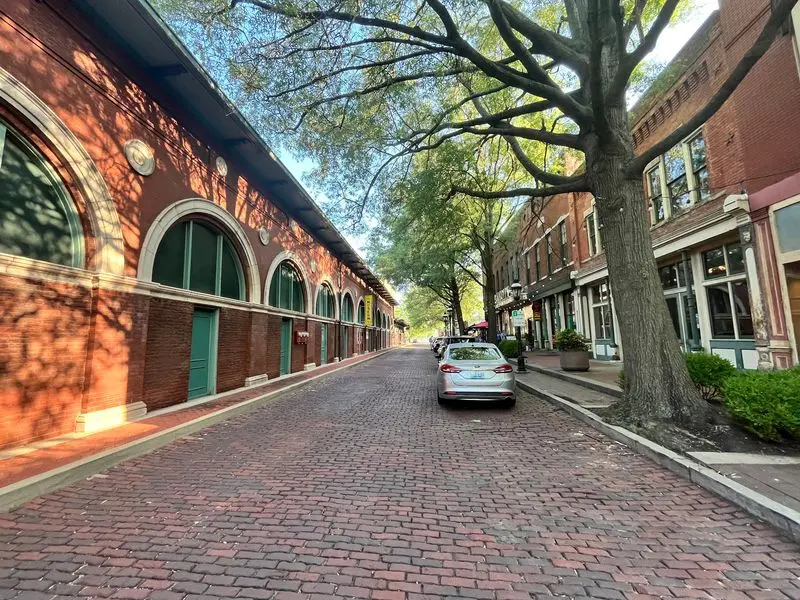
William Clark didn’t stop exploring after his famous trip west with Meriwether Lewis. In 1827, he laid out the town of Paducah, including this riverside market square.
Throughout the 1800s and early 1900s, the square was a bustling open-air market. Boats on the nearby Ohio River brought goods in and carried crops out.
The brick Market House was built in 1905 and still anchors the square. Today, it holds the William Clark Market House Museum, open Wednesday through Saturday.
Around it, late-19th-century commercial buildings line Broadway and Second Street. Brick streets and local shops make it easy to spend an afternoon wandering.
Save time for the Ohio River floodwall murals just a short walk away. Painted panels show scenes from Paducah’s past, so it’s like a history book stretched along a wall.
Try matching mural scenes to the real buildings nearby. It’s a fun game for kids and grownups alike.
Your great-grandparents may have haggled over vegetables right on this square. Now you can walk it at your own pace, no bargaining required.
Address: 121 Market House Square, Paducah, KY 42001