Florida is famous for its beaches and theme parks, but one of its most memorable wildlife experiences happens beside a power station.
In Apollo Beach, wild manatees gather in a warm-water canal during the cooler months, giving families an incredible opportunity to watch these gentle giants in their natural environment.
I love that this experience doesn’t require an expensive ticket or a boat ride. Children can watch manatees surface for air, explore nature trails, and discover how Florida’s coastal wildlife survives.
The Manatee Viewing Center offers much more than a quick look at the water.
Between its observation areas, educational exhibits, and peaceful surroundings, there’s enough to turn a simple stop into a family adventure.
And the best surprise? Admission and parking are completely free.
Where To Find This Free Wildlife Attraction In Apollo Beach
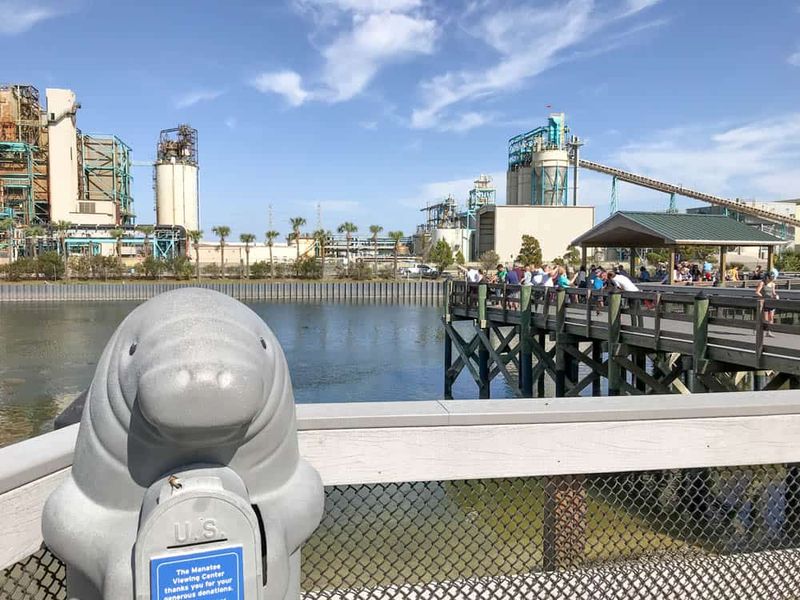
Just south of Tampa, the Manatee Viewing Center offers families a chance to experience one of Florida’s most fascinating wildlife encounters without paying an admission fee.
Located at 6990 Dickman Road in Apollo Beach, the attraction sits beside Tampa Electric’s Big Bend Power Station, overlooking a protected warm-water canal connected to Tampa Bay.
At first, a power station might seem like an unusual place for a family outing. But this location has become an important seasonal refuge for manatees, making it a popular destination for visitors hoping to see these gentle marine mammals.
I love how different the experience feels from a typical Florida attraction. Instead of crowded rides and expensive entertainment, families can spend time outdoors, watch wildlife, and explore the surrounding coastal environment.
The center includes designated viewing areas, walking paths, educational displays, and opportunities to discover other native species.
Visitors can take their time exploring rather than following a strict schedule.
It’s an especially appealing stop for families traveling around the Tampa Bay area during winter.
With free parking and admission, the Manatee Viewing Center proves that some of Florida’s most memorable experiences don’t require a big vacation budget.
Why Wild Manatees Gather In The Warm Water Every Winter
The reason manatees visit this Apollo Beach location is surprisingly simple. They need warm water to survive Florida’s colder winter temperatures.
Manatees are large aquatic mammals with relatively little insulation against the cold. When water temperatures fall below approximately 68 degrees Fahrenheit, prolonged exposure can become dangerous.
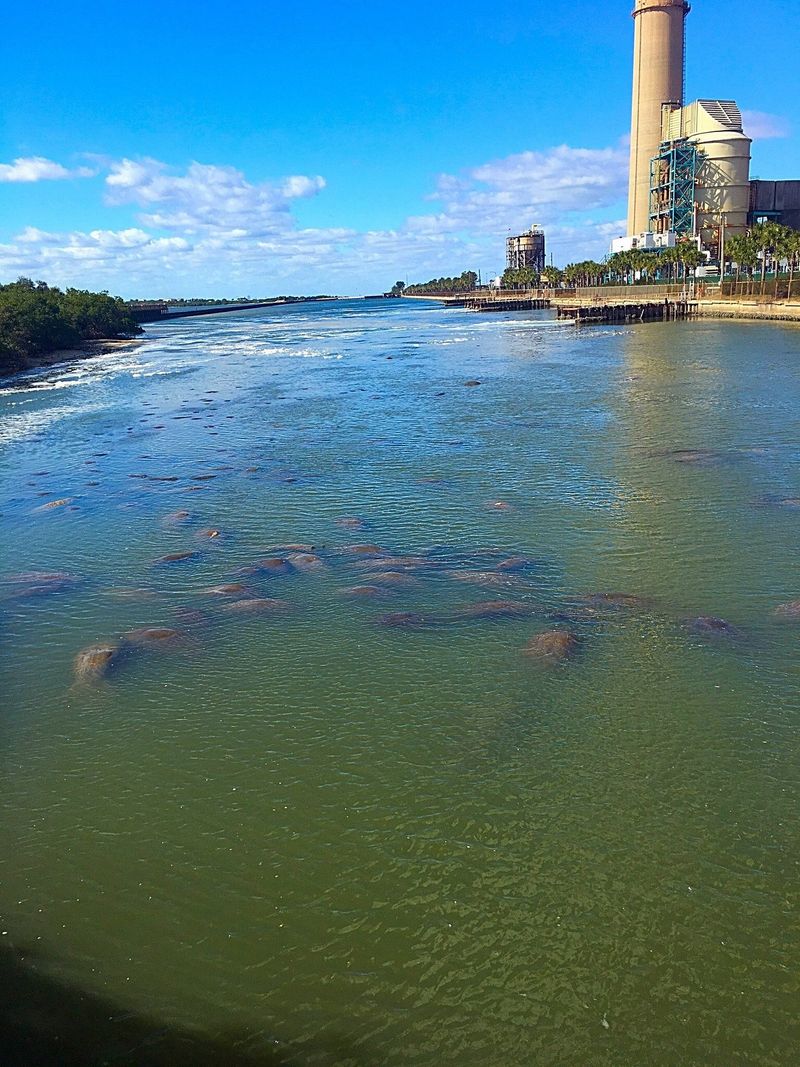
The nearby Big Bend Power Station draws water from Tampa Bay for cooling purposes and releases it into a discharge canal at a warmer temperature.
That warmer water creates a refuge where manatees can gather when surrounding bay temperatures become uncomfortable.
I find it remarkable that these animals discovered the location on their own and continue returning when conditions are right.
Unlike animals in a traditional aquarium, the manatees here are completely wild. They can enter and leave the canal as water temperatures and their natural behavior change.
On particularly chilly days, visitors may see large groups resting close together near the surface.
During warmer weather, fewer manatees may be present because they can comfortably explore other parts of Tampa Bay.
This makes every visit a little different.
The animals aren’t following a performance schedule. Families are simply getting a glimpse into how wild manatees respond to their environment.
Watching Giant Manatees Surface Just Beyond The Boardwalk
The most exciting part of visiting the Manatee Viewing Center is often the quiet moment before something appears in the water.
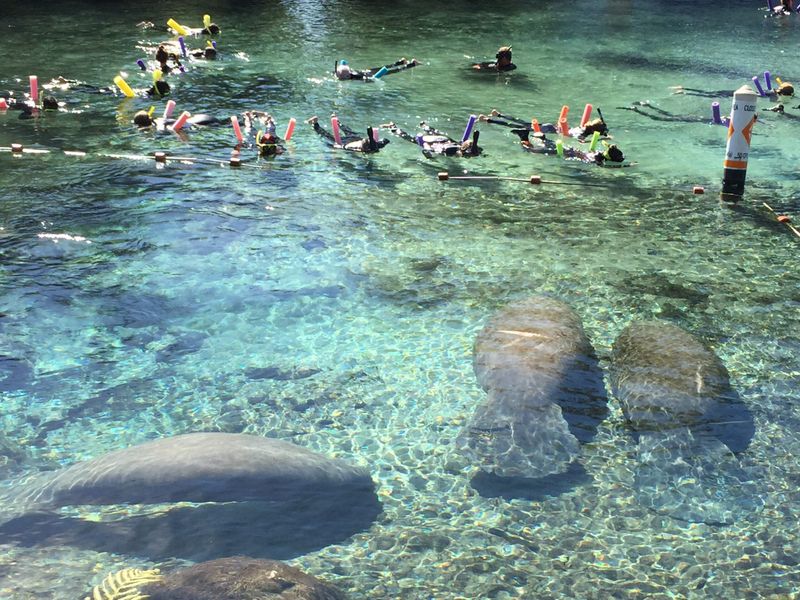
Families gather along the designated viewing areas, looking across the canal for movement beneath the surface.
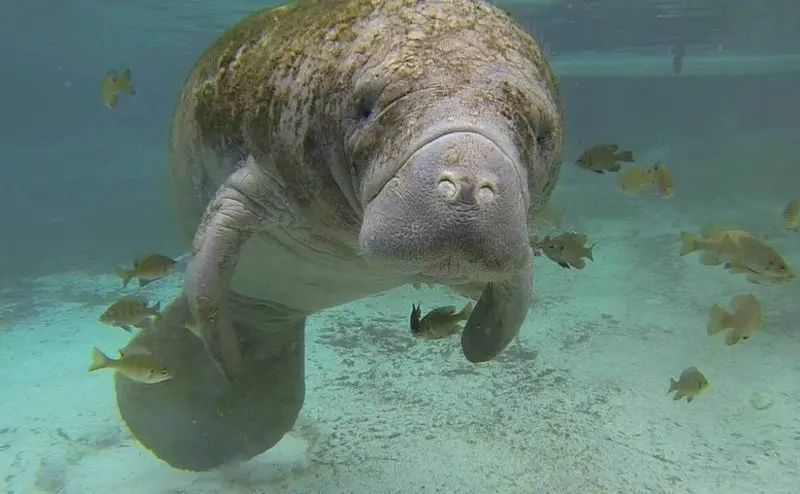
Then a rounded gray nose suddenly rises for air, followed by a broad back or a gentle swirl of water.
I think children find these moments especially fascinating because manatees look so different from the animals they usually encounter.
Their large bodies move slowly and gracefully through the water, and their paddle-shaped tails help propel them forward.
Sometimes several manatees rest near one another. Other times, visitors may notice only a few distant shapes or ripples.
Patience makes a big difference here.
Manatees can remain underwater for several minutes, so standing quietly and watching carefully often leads to the most rewarding sightings.
Binoculars may help when the animals are farther away, although they aren’t essential for enjoying the experience.
It’s also an opportunity to teach children about respecting wildlife.
Visitors observe from designated areas without entering the water, feeding the animals, or interfering with their movements.
That respectful distance helps protect the manatees while allowing families to enjoy an unforgettable encounter.
The Best Time To Visit For An Unforgettable Manatee Sighting
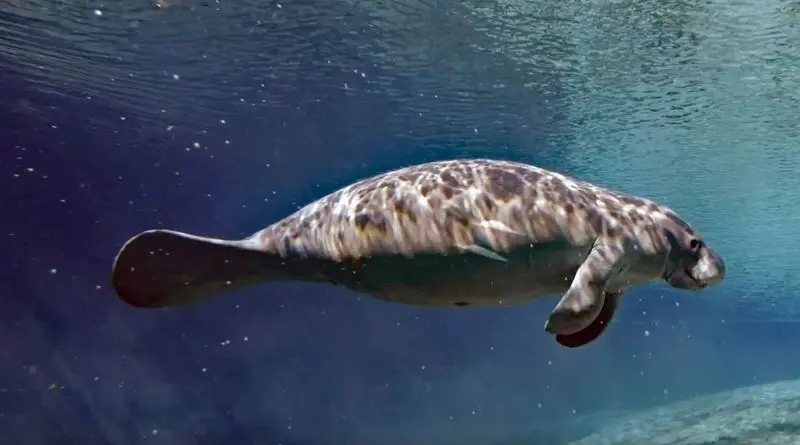
Timing can make the difference between seeing a handful of manatees and watching a much larger group gathered in the canal.
The Manatee Viewing Center operates during the cooler part of the year, typically from November 1 through April 15.
That seasonal schedule matches the period when manatees are most likely to seek out warmer water around Tampa Bay.
I would plan a visit after a cold front, especially when temperatures have remained chilly overnight.
As surrounding waters cool, the warm-water discharge canal becomes more attractive to manatees searching for a comfortable place to rest.
A sunny afternoon following several warm days may produce a very different experience.
Even during the official viewing season, there’s no guarantee that manatees will be visible in large numbers.
That’s part of the excitement of observing wildlife in a natural setting rather than visiting an enclosed exhibit.
The center generally welcomes visitors from 10 a.m. until 5 p.m. during its operating season, although hours and access can change.
Checking the official website before leaving home is always a smart idea.
Families should also consider arriving earlier on popular winter weekends, when the attraction can become busy.
A little planning increases the chances of enjoying the visit without feeling rushed.
Exploring The Observation Tower And Beautiful Coastal Trails
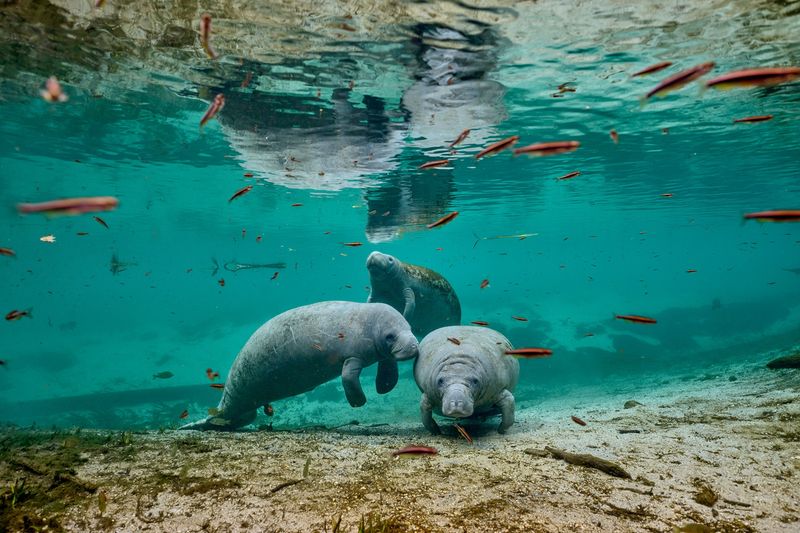
Although the manatees attract most visitors, the surrounding landscape gives families several additional reasons to explore.
One of the center’s most recognizable features is its observation tower, which rises approximately 50 feet above the surrounding coastal environment.
The elevated viewpoint offers a different perspective on Tampa Bay, nearby vegetation, and the waterways that support local wildlife.
I like how the tower encourages visitors to look beyond the canal and appreciate the wider ecosystem.
Children may enjoy spotting birds along the shoreline or watching them glide over the water.
The center also features the Tidal Walk, a walkway through native coastal vegetation that introduces visitors to Florida’s shoreline habitats.
Mangroves are especially interesting because their unusual root systems help shelter small fish and other marine creatures.
They also play an important role in protecting coastal areas from erosion.
Families can use the walk as an informal nature lesson, encouraging children to notice different plants, listen for birds, and look for movement near the water.
Comfortable shoes are helpful because exploring the center involves walking between several outdoor areas.
For visitors who enjoy combining wildlife watching with a little exercise, these paths make the outing feel like a complete coastal adventure.
Meeting Stingrays And Discovering More Florida Wildlife
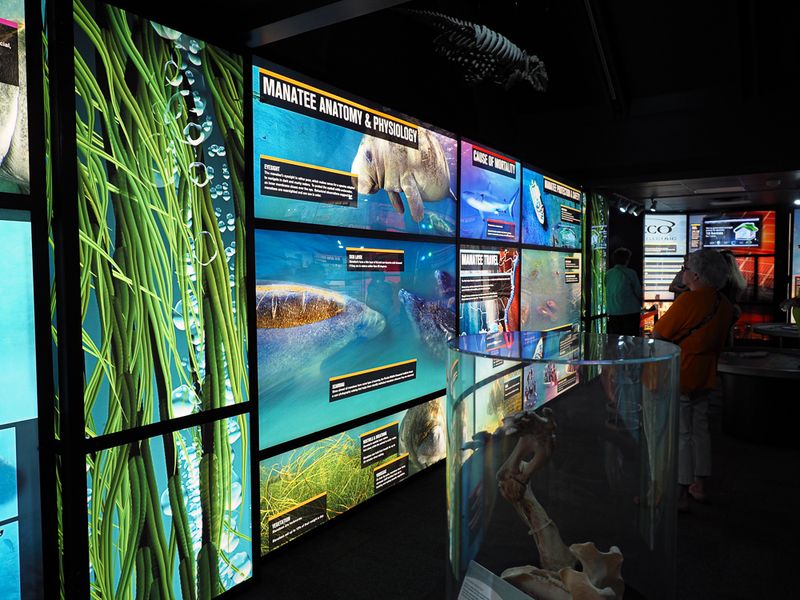
Manatees aren’t the only animals that can make a visit to Apollo Beach memorable.
The Manatee Viewing Center also features a stingray touch tank, giving families an opportunity to learn about another fascinating group of marine animals.
Watching rays glide through the water can be surprisingly captivating.
Their flattened bodies and graceful movements make them look almost as though they’re flying underwater.
When supervised touching is available, staff provide instructions to help visitors interact with the rays safely and respectfully.
I think this kind of experience can be especially meaningful for children who are curious about marine life but haven’t encountered these animals before.
It also creates opportunities for questions about how rays swim, what they eat, and why they’re related to sharks.
The center’s outdoor areas offer more wildlife discoveries.
Birds may appear around the shoreline, while butterflies and other pollinators can be spotted near flowering plants.
A butterfly garden introduces visitors to the importance of native vegetation and the relationship between plants and insects.
Families should remember that wildlife activity changes with the weather and season.
Even so, these smaller encounters add variety to the day and help children appreciate the many creatures that share Florida’s coastal environment.
How The Educational Exhibits Turn A Fun Visit Into A Learning Experience
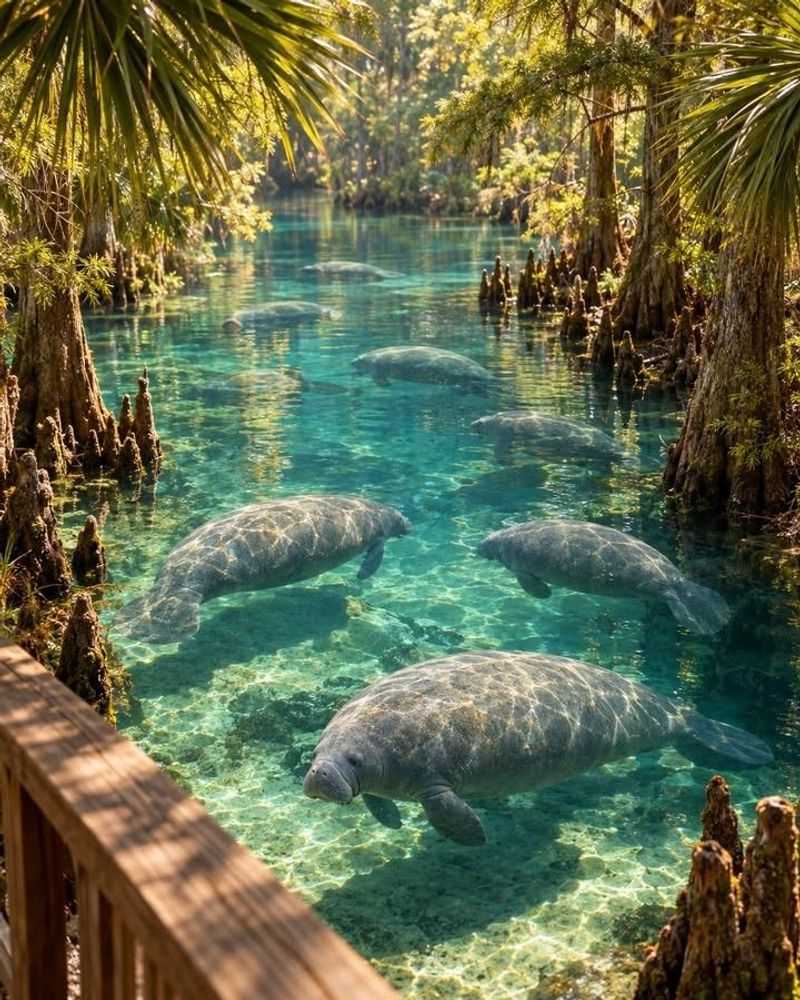
Seeing a manatee in the canal is exciting, but learning about its life makes the experience even more memorable.
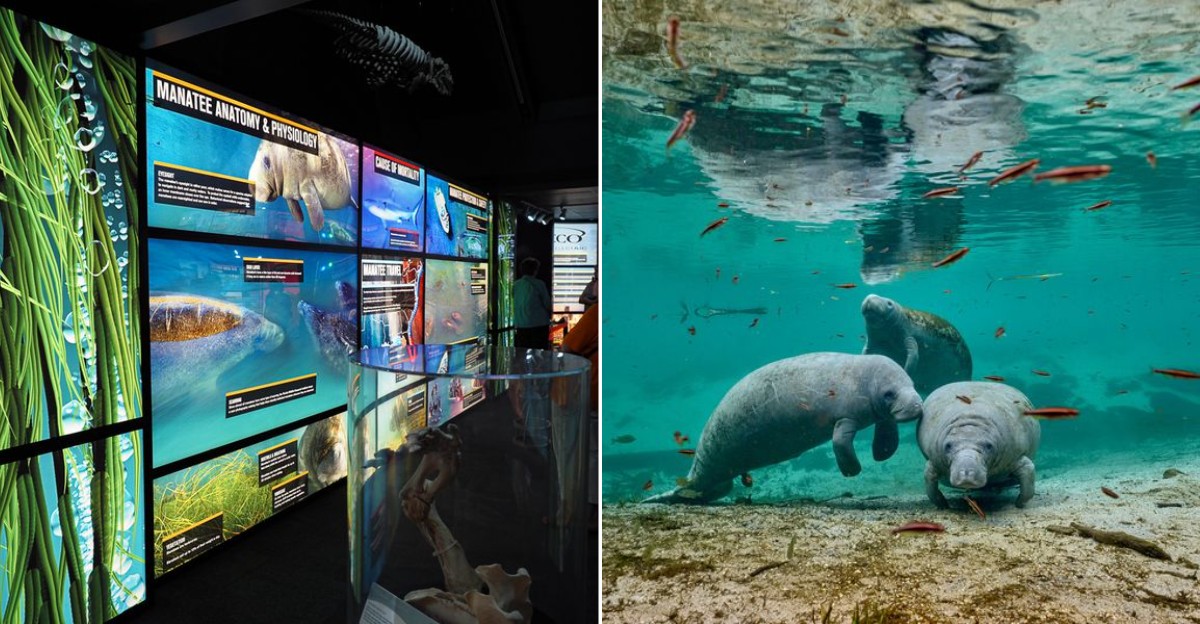
The Manatee Viewing Center includes educational exhibits that explain manatee biology, local wildlife, and the environmental challenges facing Florida’s coastal ecosystems.
Children can discover why manatees need warm water, how they move through the bay, and what they eat.
Despite their enormous size, these gentle mammals feed primarily on aquatic vegetation.
I think that fact alone surprises many young visitors who expect such large animals to hunt for fish.
The exhibits also help families understand why protecting manatees is so important.
Watercraft collisions, habitat changes, and cold stress are among the threats these animals face.
Learning about those challenges gives children a clearer understanding of why sanctuaries and conservation efforts matter.
The educational experience doesn’t have to feel like a classroom lesson.
Parents can encourage children to connect the information they read with the animals they’ve just watched outside.
For example, after learning how manatees breathe, families can return to the viewing area and watch for noses appearing above the water.
That connection between observation and learning is one of the center’s greatest strengths.
It turns an enjoyable afternoon into an experience that may inspire a lasting interest in wildlife.
Why Families Keep Coming Back To This Peaceful Winter Destination
One of the most appealing things about the Manatee Viewing Center is how easily it fits into a family day trip.
Admission and parking are free, so visitors can enjoy the experience without worrying about the cost of tickets for every family member.
The attraction also offers a refreshing alternative to Florida’s busier entertainment destinations.
Instead of rushing between scheduled shows, families can explore at their own pace and spend as much time as they like watching the canal.
I would recommend allowing enough time to enjoy the observation areas, walk the nature trails, and explore the educational exhibits.
The center is primarily an outdoor destination, so comfortable shoes, sunscreen, drinking water, and weather-appropriate clothing can make the visit more enjoyable.
Even in Florida, winter mornings near the water can feel surprisingly cool.
Families with younger children may appreciate taking breaks between activities rather than trying to see everything at once.
It’s also worth remembering that the manatees are wild animals, and their numbers change depending on the weather.
A quieter day doesn’t mean the visit has been wasted.
The coastal views, nature trails, and educational opportunities still offer plenty to enjoy.
For families hoping to experience a different side of Florida, this Apollo Beach attraction combines wildlife, learning, and beautiful scenery in one memorable destination.