Somewhere in Seattle, a building is packed with blinking, clacking pinball machines, and not a single one asks for a quarter.
Kids can flip their way through decades of game history in one afternoon, starting with machines older than their grandparents’ first car and ending with flashy modern tables based on movies and pop culture.
One wristband covers the whole day, so nobody has to beg for more coins or count tokens.
The space sits in one of the city’s most interesting neighborhoods, and it works just as well on a rainy weekday as on a lazy weekend.
Families, couples, and curious tourists all end up here for the same reason: it is simple, fair, and a lot of fun.
With decades of playable machines, unlimited games after admission, and a lively atmosphere, this Seattle museum turns a simple afternoon into a nostalgic family adventure.
A Pinball Paradise Hiding in Plain Sight
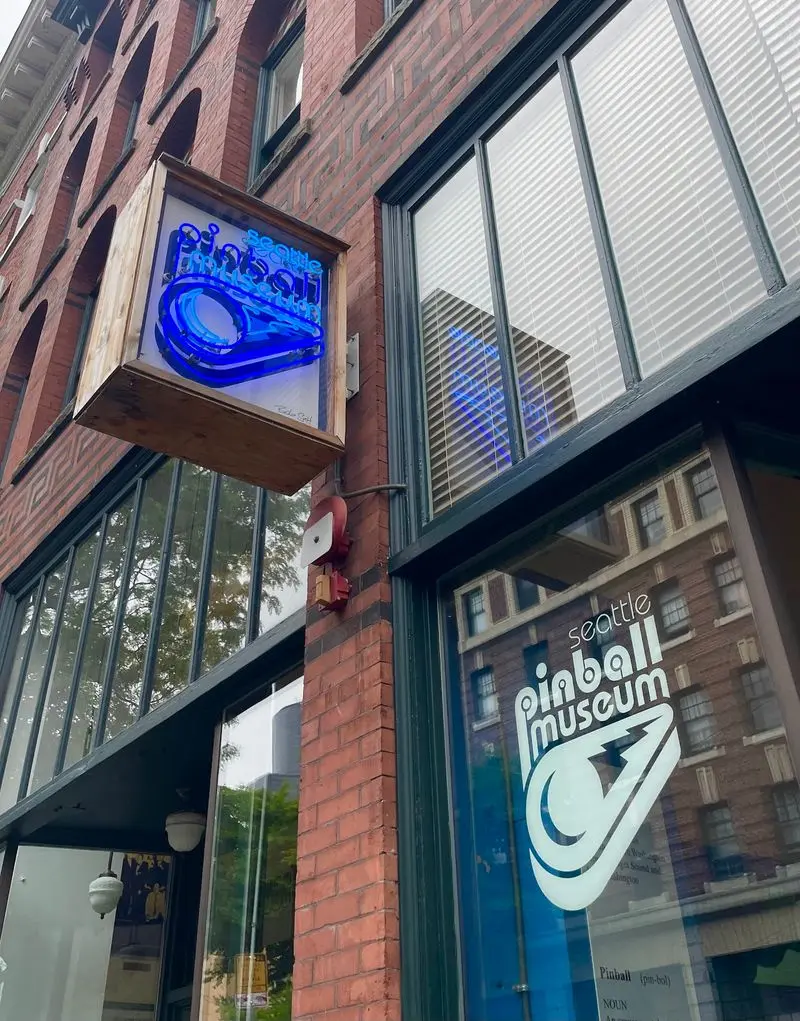
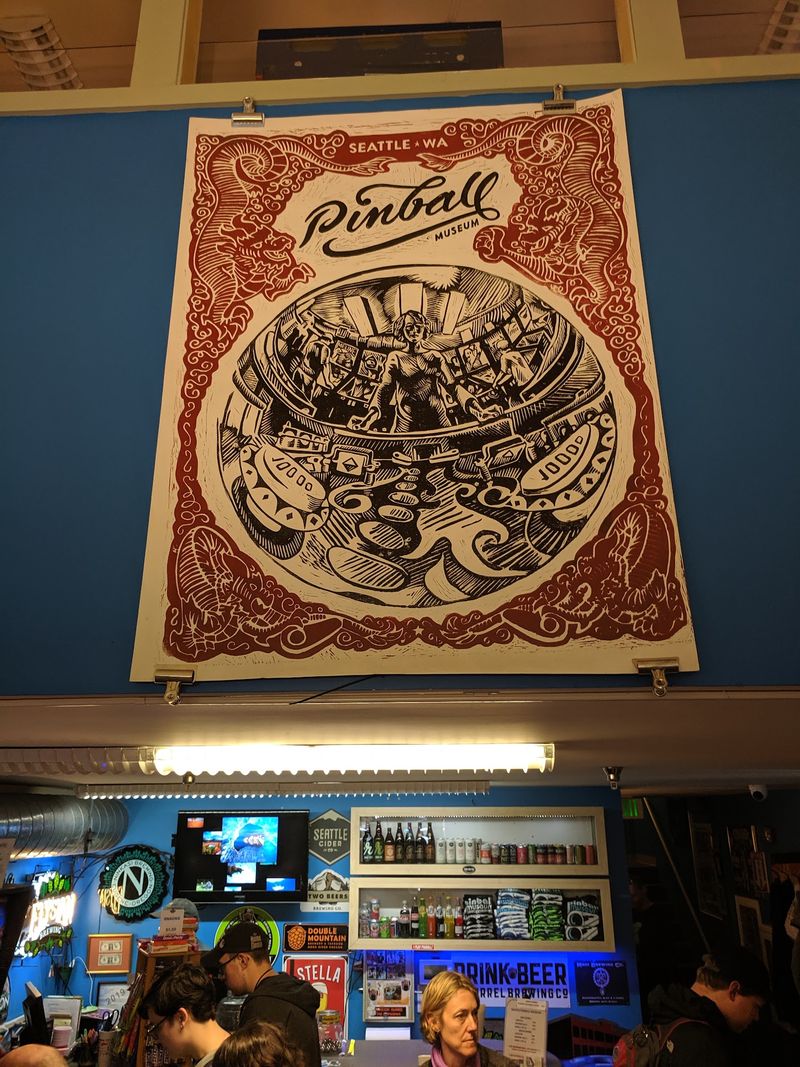
Tucked into the heart of the Chinatown-International District, the Seattle Pinball Museum sits at 508 Maynard Ave S, Seattle, WA 98104, in Washington State.
From the street, it looks like a modest storefront. Inside, though, two floors hold a huge lineup of pinball tables and a handful of classic arcade cabinets.
The location makes it easy to fold into a bigger day in the city. The neighborhood is full of shops and restaurants, and downtown attractions are a short trip away.
Families exploring the area on foot can drop in, play for a while, and keep sightseeing afterward. That flexibility is a big part of the charm.
The museum is open Thursday through Monday from 12 p.m. to 6 p.m. It closes on Tuesdays and Wednesdays, so plan around those days.
Checking the official website before heading out is a smart move. Hours can shift on holidays or during private events.
Families should also know that children must be at least 7 years old to enter the museum, and all visitors under 15 must be accompanied by an adult.
Once the address is saved in a phone, the only question left is which machine to try first.
One Wristband, Endless Flips
Forget digging through pockets for quarters. The museum runs on a simple idea: pay once, then play as much as you want.
Admission currently costs $25 for adults ages 15 and older and $23 for children ages 7 to 14. Children under 7 are not permitted, and visitors should check the official website for future price changes.
That admission comes with a wristband good for the whole day. Guests can leave for lunch, explore the neighborhood, and come back later without paying again.
For kids, this setup is a huge relief. Nobody has to stress about losing a game in ten seconds and wasting money.
Beginners can practice freely, and skilled players can chase high scores without watching a coin counter. The pressure simply disappears.
Keep in mind that last entry is at 5 p.m., while closing time is 6 p.m. Arriving earlier gives the wristband much more value.
A noon arrival stretches the fun across a full afternoon of flipping.
Six Decades of Silver Balls
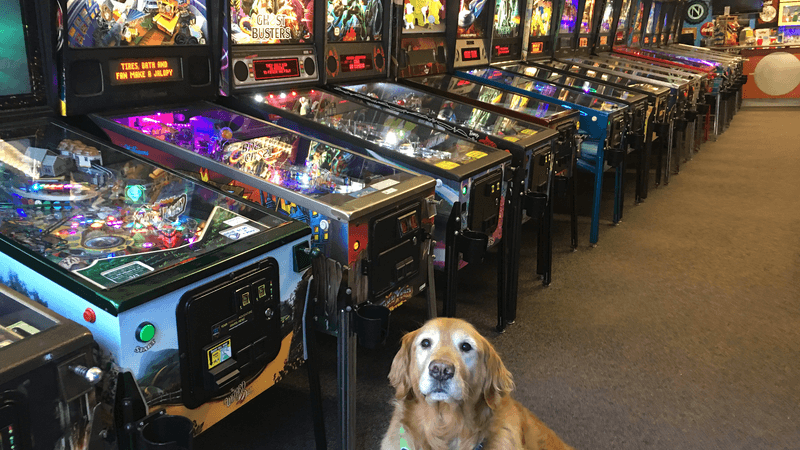
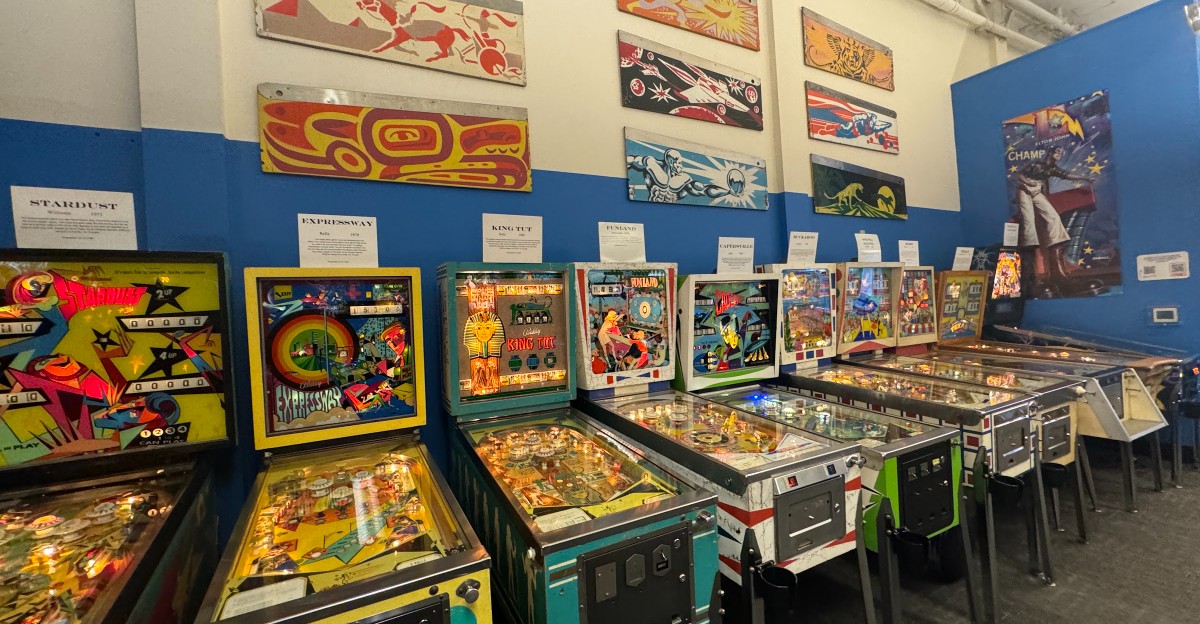
Here is a fun fact: the collection runs from the 1960s all the way to the present day. That means kids can play machines their grandparents might have played as teenagers.
The tables are arranged roughly by decade. Walking through them feels like flipping the pages of a game history book.
Older machines tend to have simpler designs, with fewer ramps and more basic scoring. Kids often find them surprisingly tricky.
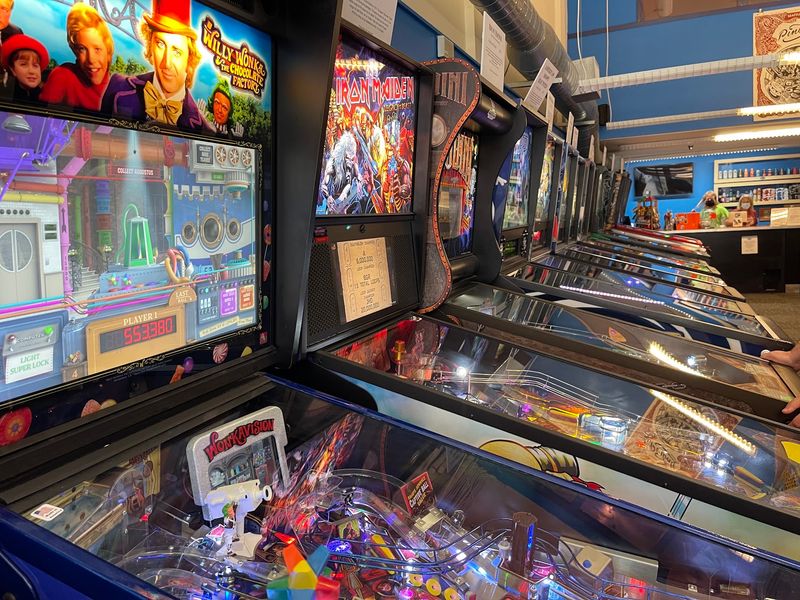
Newer tables add ramps, toys, lights, and speaking characters. Comparing the two styles side by side is part of the fun.
Parents can turn the visit into a casual lesson. Asking kids which era they like best sparks great conversations about how technology has changed.
Many families end up playing a few rounds on every decade before picking favorites. That approach helps everyone see the full range of the collection.
By the time the newest machines come into view, the oldest ones may still be calling for a rematch.
Old School on the Right, New School on the Left
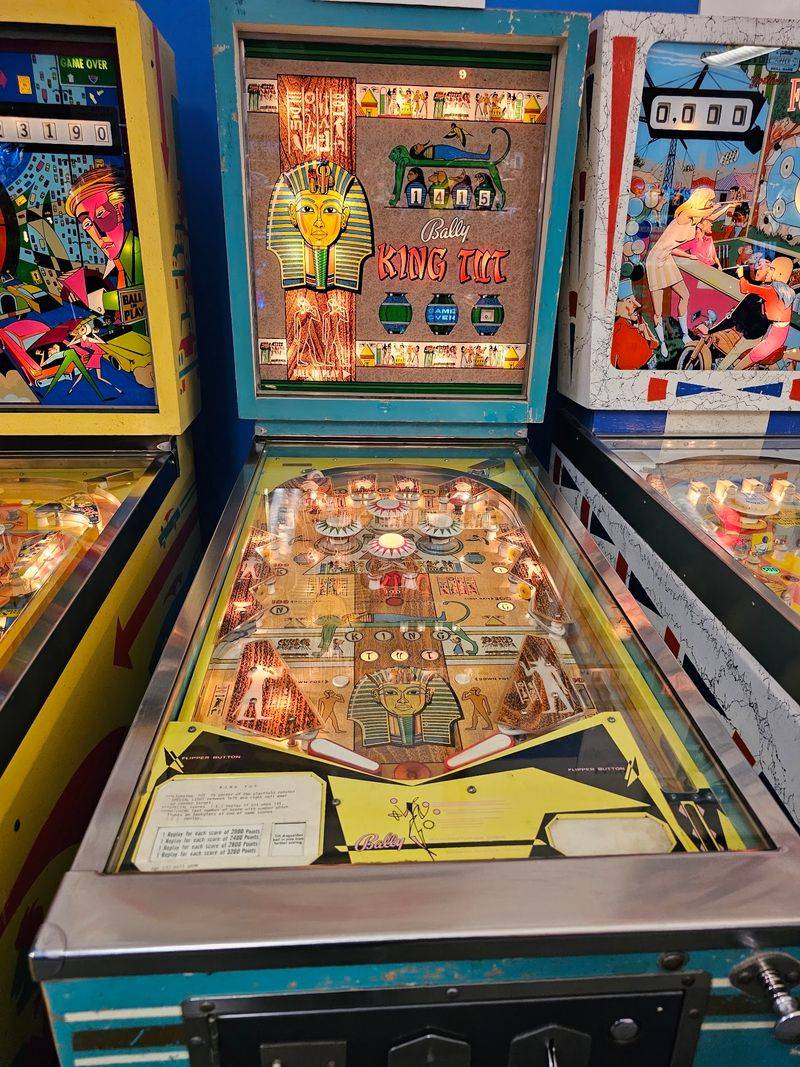
Getting around the ground floor is easy once the layout clicks. Older pinball machines line the right side as guests come in, while newer ones fill the left.
That setup helps first-timers find their footing fast. Fans of vintage tables can head one way, and fans of flashy modern games can head the other.
The newer side features ramps, lights, and big themes, including tables like Elvira and UFO-themed games. Those machines often draw kids right away.
Meanwhile, the vintage side rewards patience. The games are quieter in design, but they can be just as competitive.
A good plan is to start on one side and slowly work across. That way, nobody misses a machine.
The main floor feels more open than the upstairs area. It usually handles bigger groups well, even when things get busy.
With the first floor mapped out, the staircase in the back starts to look very interesting.
Upstairs Surprises and Arcade Classics
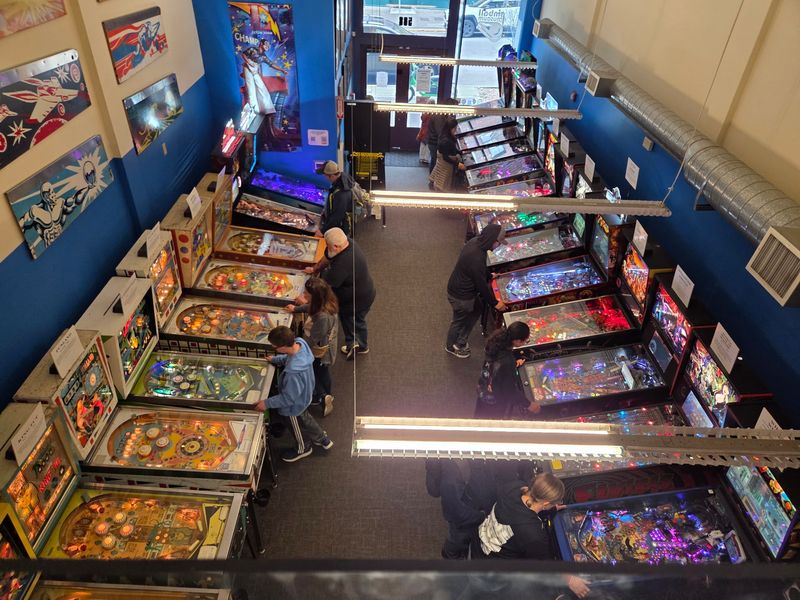
Plenty of guests do not realize there is a second floor until they spot the stairs. Up there, more pinball machines wait, along with a few classic arcade cabinets.
Games like Donkey Kong, Pac-Man, and Ms. Pac-Man make appearances. They are a great break for kids who want something different after a long pinball streak.
Parents often enjoy showing kids the arcade games they grew up with. It becomes a friendly family challenge almost instantly.
The upstairs space is smaller than the main floor. It can feel a bit cozier, so groups may want to take turns.
Arcade cabinets are limited in number, since pinball is clearly the star here. Still, the selection adds nice variety to the visit.
Accessibility is covered too. A wheelchair-accessible lift platform in the back helps guests reach the upper floor.
Between the stairs and the lift, nobody has to miss out on the hidden half of the museum.
Meet the Medieval Legend

Every collection has a headliner, and many pinball fans point to Medieval Madness as the big one. Some call it one of the greatest pinball machines ever made.
The table is packed with knights, castles, and silly characters. Kids tend to love the goofy humor built into the game.
Other popular picks include Lord of the Rings, Funhouse, Godzilla, Pulp Fiction, Ghostbusters, and an Elton John machine. The museum’s published game list also includes Pokémon Pro and Toy Story 4, alongside several other modern machines.
The exact lineup can rotate over time. Machines need repairs, and new ones sometimes join the collection.
Families with a must-play favorite should check the museum’s website or social pages. That can save disappointment at the door.
One fun goal is to try beating the high score on a famous machine. Some guests have done it, and the bragging rights last for years.
Just be ready for a long line of challengers if a grandparent claims the crown.
History Lessons Above the Glass
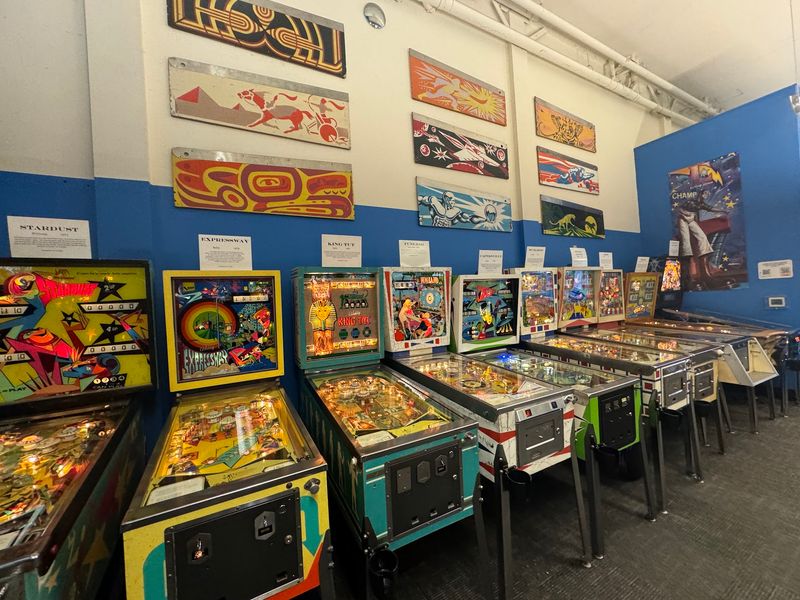
Calling this place a museum is not just a clever name. Above many machines, small signs share history about each table.
These notes explain things like when a game was made and what made it special. They turn a fun afternoon into a quiet learning moment.
Kids who enjoy trivia can read a sign, then test their skills on the machine. It makes each game feel more meaningful.
Some of the older games also offer educational audio guides. Bringing a pair of headphones is a handy idea for anyone who wants to listen.
Staff members often know plenty about the collection. Some can share stories about how certain machines were found and brought in.
Asking a friendly question at the front counter can lead to surprising backstories. Pinball fans tend to enjoy talking about their favorite games.
Teachers and homeschool families may find this a sneaky way to mix history with play. Nobody complains about homework when it comes with flippers.
The Two-Game Golden Rule
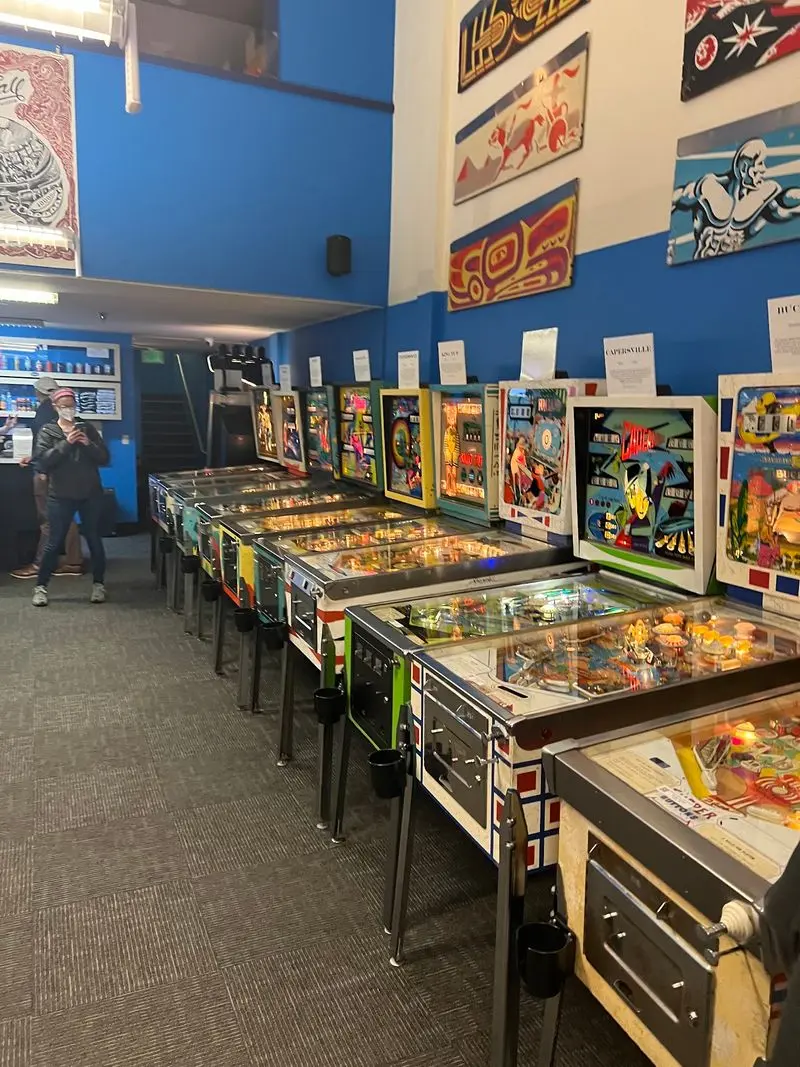
Sharing is a big deal in a room full of eager players. Guests are asked to play two rounds on a machine before moving on when others are waiting.
The rule keeps things fair for everyone. It also helps kids learn patience and good manners in a fun setting.
With unlimited play, nobody loses anything by stepping aside. A favorite machine will still be there after a quick lap around the room.
Parents can use the rule as a gentle game plan. Two games, then explore something new, then circle back later.
This approach also helps families try more of the collection. Many kids discover a new favorite simply because their first choice was busy.
Staff can help if a ball gets stuck or a machine needs a reset. Raising a hand politely is the easiest way to get assistance.
Good etiquette makes the whole floor run smoothly. A little courtesy goes a long way when the flippers start flying.
Beat the Crowds Like a Pro
Timing matters more than most people expect. Weekdays usually bring smaller crowds, while weekends can fill up fast.
Arriving right at the noon opening is a great strategy. The early hours often feel relaxed, with more open machines to choose from.
As the afternoon goes on, the noise and crowds tend to grow. Even then, open machines can usually be found with a little patience.
The building has a capacity limit. On especially busy days, a short wait outside is possible before getting in.
Rainy days are popular, which makes sense in Seattle. When outdoor plans fall apart, this spot becomes a go-to choice for many families.
Remember that the museum is closed Tuesday and Wednesday. A Thursday or Monday visit can be a sweet spot for lighter crowds.
Planning around these patterns gives kids more time playing and less time waiting. The best high scores usually happen when the room is calm.
A Furry Greeter Named Rocky
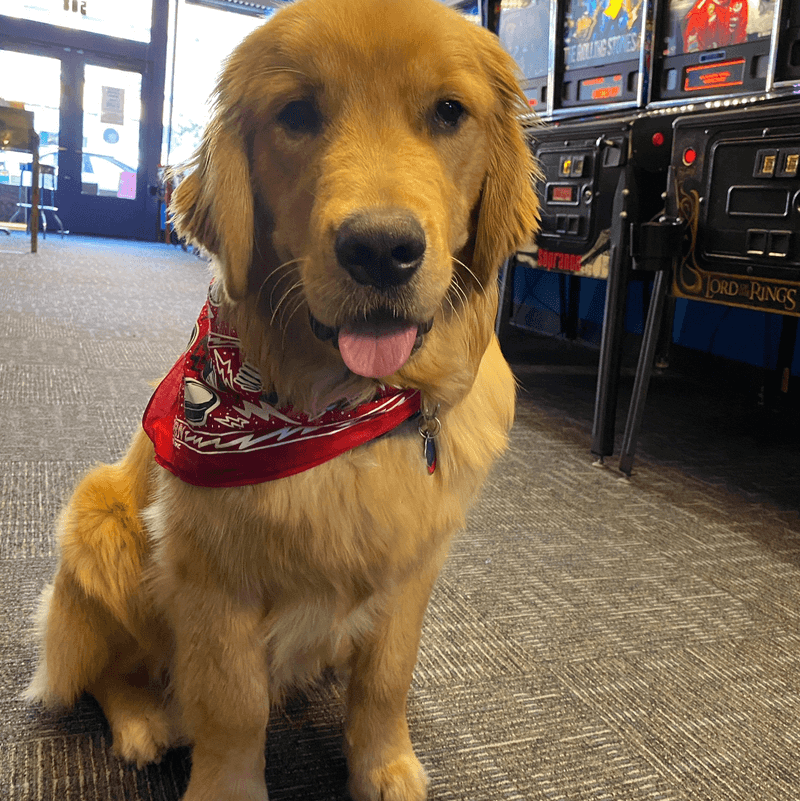
Some lucky guests get a bonus welcome. Rocky, a sweet golden retriever, shows up from time to time and acts as an unofficial mascot.
Kids often light up when they spot him near the entrance. It adds a homey touch that most arcades simply cannot offer.
Rocky does not visit every day, so there is no guarantee of a meeting. That small mystery makes spotting him feel like finding a rare bonus.
The overall mood here is laid back. Staff members tend to be friendly and know a lot about the games.
Groups of strangers often end up cheering for each other at the machines. A big multiball moment can turn a whole row into a mini fan club.
Families with kids who love animals should still ask before petting. Good manners apply to four-legged hosts as well.
A furry hello followed by a fresh game might just be the best combo of the day.