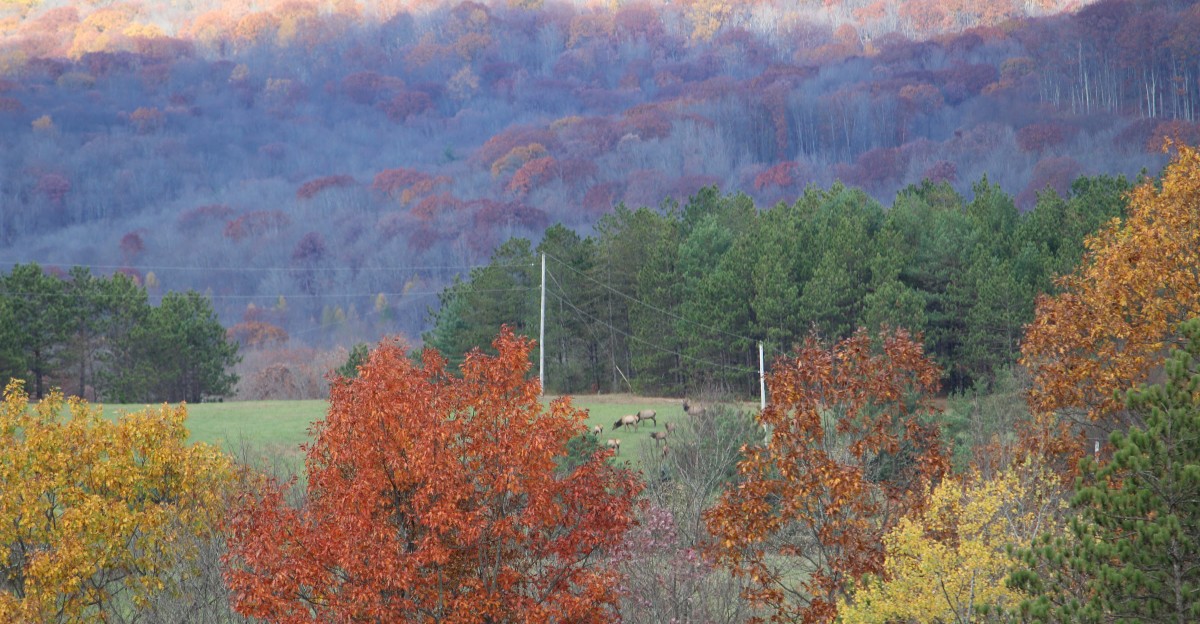
Pennsylvania has wild elk, and they are not a rumor.
Big herds roam the hills of Elk County, and they stick around when the snow piles up.
More than a thousand of these animals live in the state today, making this the largest wild elk herd in the Northeast.
They once vanished from Pennsylvania completely, so their return is a real comeback story.
Winter is a great time to find them, because the herds gather in open fields and valleys where food is easier to reach.
The forest they call home covers huge stretches of mountains, streams, and quiet back roads.
Keep reading to learn where it is, how the elk came back, when to go, and the smart moves that make a trip here go smoothly.
Where the Wild Herds Roam
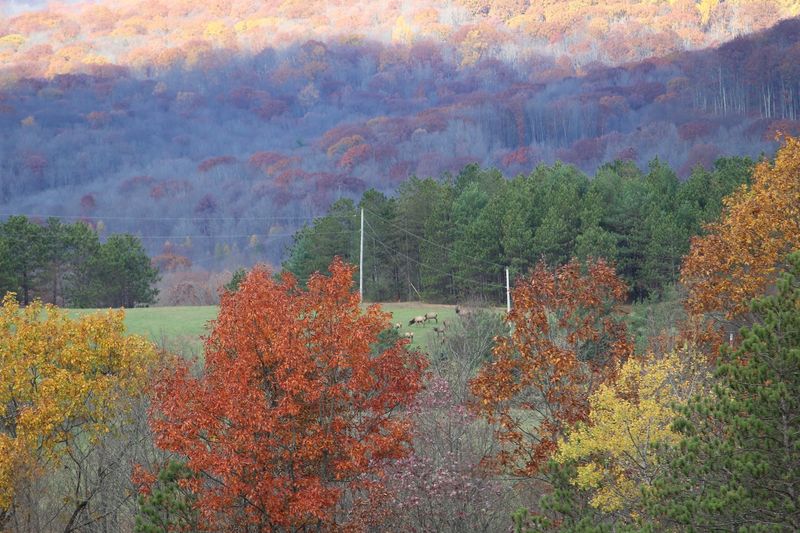
Some of the best wildlife country in the eastern United States hides in plain sight in north-central Pennsylvania. Elk State Forest, with a listing in Benezette Township, PA 15868, USA, sits in the heart of the state’s elk range.
The forest is one of Pennsylvania’s state forests, managed by the Department of Conservation and Natural Resources. It covers roughly 200,000 acres spread across Elk, Cameron, Potter, Clinton, and McKean counties.
That is a lot of room for big animals to wander. The land includes steep ridges, deep hollows, and plenty of winding streams.
Benezette is a tiny village, but it has become famous among wildlife fans. Its small size is part of the charm, since the elk often outnumber the traffic.
Cell service can be spotty in these hills. Downloading maps before the drive is a smart idea, especially on the twisty back roads.
Once the location clicks into place, the next question is a big one: how did elk end up here in the first place?
A Comeback Worth Cheering
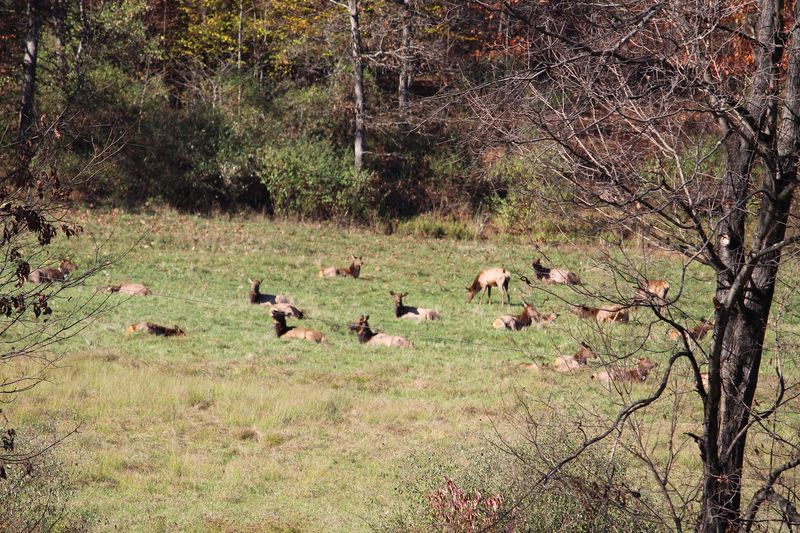
Here is a twist many people never see coming. Pennsylvania once lost its native elk entirely, with the last ones gone by the late 1800s.
Hunting without limits and the clearing of forests pushed them out. For years, the hills had no elk at all.
Then, starting in 1913, the state brought elk back. Animals were shipped in from Yellowstone National Park and released in the area.
The early years were bumpy, and the herd stayed small for decades. Careful management and habitat work slowly turned things around.
Today the herd numbers around 1,400 animals, according to state wildlife officials. That makes it a true conservation success.
The story gives every sighting a little extra meaning. Each elk grazing in a field is part of a recovery that took more than a century.
History buffs will enjoy learning more at the visitor center nearby. And speaking of good timing, the cold months have their own special advantages for elk watching.
Why Winter Wins
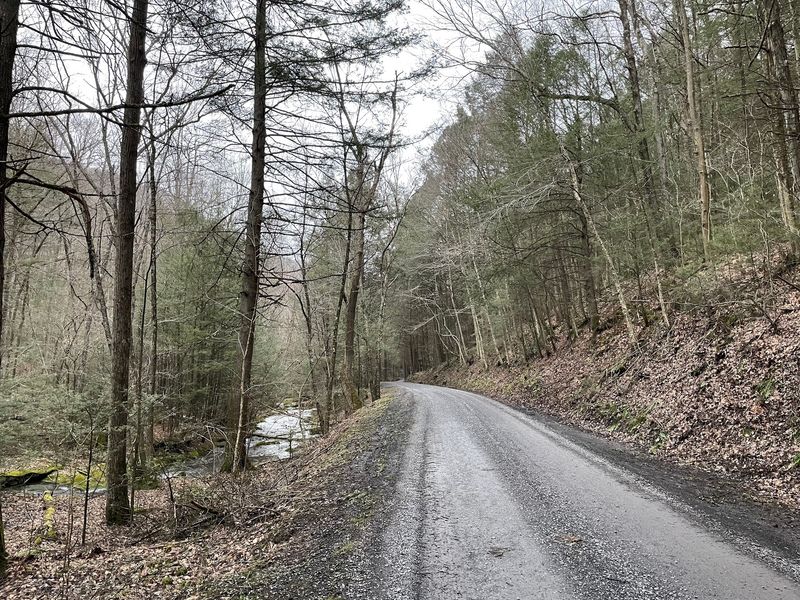
Cold weather does something handy for elk fans. It pushes the herds together.
During winter, elk tend to gather in larger groups in open fields and valleys. Food plots and clearings give them easier access to grass and plants poking through the snow.
Bare trees also help a lot. Without summer leaves blocking the view, spotting a herd on a distant hillside gets much easier.
The busy fall rut is over by then, so the crowds of people thin out too. That means quieter roads and more breathing room at viewing spots.
Winter trips do take planning, though. Roads can be snowy, and some forest roads are not plowed at all.
Packing warm layers, extra snacks, and a full gas tank is wise. Services are few and far between in this part of the state.
Early morning and late afternoon are usually prime hours. Get the timing right, and the elk often seem to be waiting for an audience.
Headquarters for Elk Fans
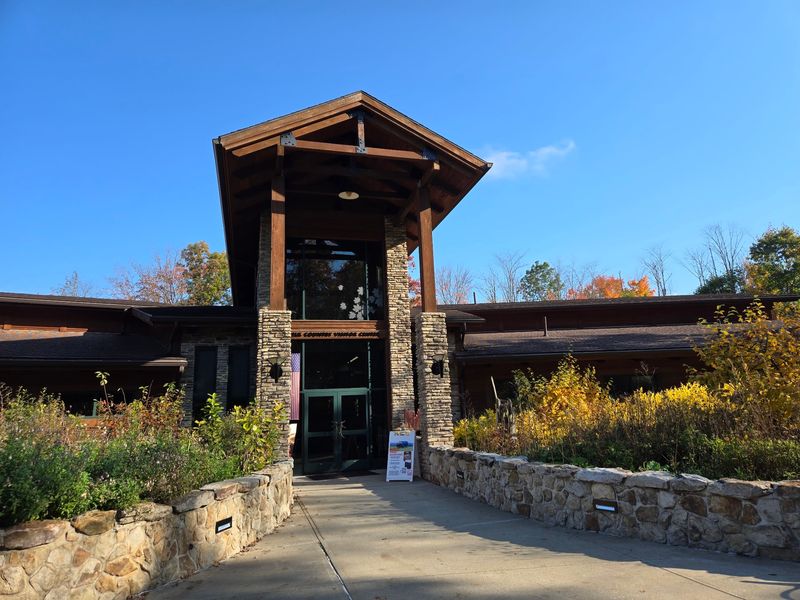
Every great adventure needs a home base. Near Benezette, that spot is the Elk Country Visitor Center.
Run by the Keystone Elk Country Alliance, the center sits on a hill above open meadows. Elk often graze right in view of the building.
Inside, exhibits explain elk biology, the herd’s history, and the wider forest. There is also a theater that shows a short film about elk country.
Outside, trails and viewing blinds give people a chance to watch wildlife without disturbing it. Kids tend to love the hands-on displays.
Hours can change with the seasons. Checking the center’s website before a winter visit is a smart move.
The staff can share tips on where elk have been spotted lately. That local knowledge can save a lot of guesswork.
Think of it as the place to load up on facts before hitting the road. After that, the scenic drives around the forest are ready for exploring.
Roads Made for Slow Driving
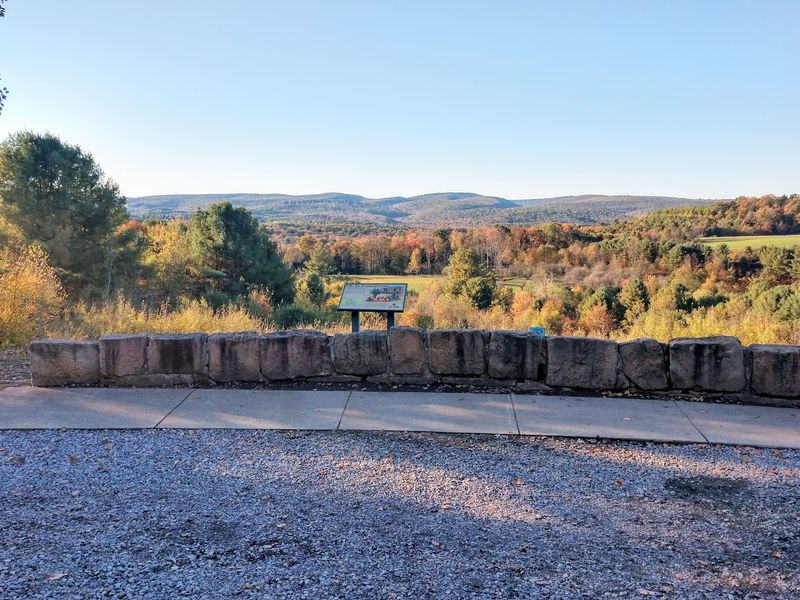
Some road trips are about speed. This one is about patience.
The roads around Benezette wind through valleys where elk often appear near fields and yards. Route 555 runs through the village and follows the Bennett Branch of the Sinnemahoning Creek.
Many people spend hours cruising slowly, scanning hillsides and meadows. The Elk Scenic Drive, a marked route of about 127 miles, links many viewing areas across the region.
Brown signs with an elk symbol mark the way. It is easy to follow, even without much local knowledge.
Safety matters out here. Pulling fully off the road before stopping keeps everyone out of trouble.
Elk may also step onto the pavement without warning. Lower speeds, especially near dawn and dusk, help avoid surprises.
The mountains, streams, and rivers along the way make the drive worthwhile even on a slow elk day. Still, the animals themselves are the real headliners, and they deserve a closer look.
Meet the Big Locals
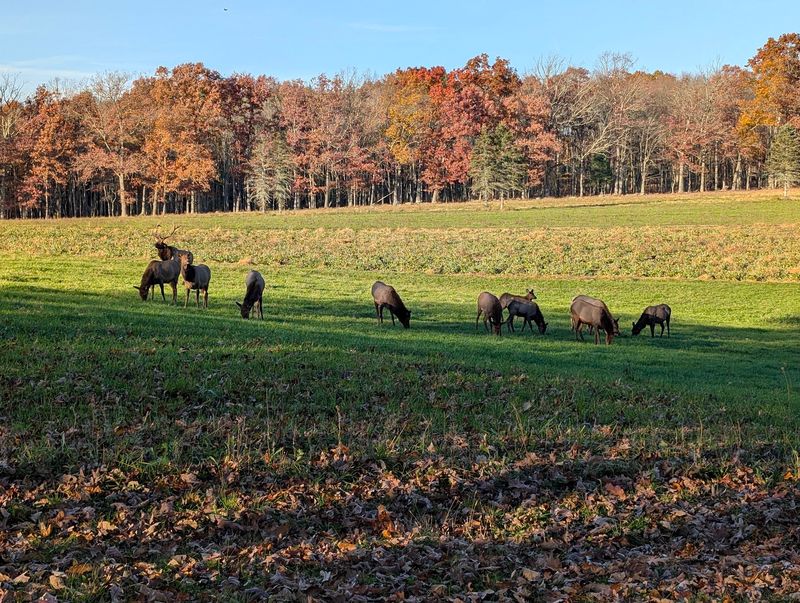
Size alone makes these animals hard to forget. A grown bull elk can weigh 600 to 1,000 pounds, while cows are usually smaller.
Bulls grow large antlers each year and shed them in late winter or early spring. New antlers start growing almost right away.
In winter, bulls often hang out in their own groups. Cows and young elk tend to travel together in separate herds.
Elk eat grasses, plants, and twigs. When snow covers the ground, they dig or browse on whatever they can reach.
Fun fact time: the word wapiti is another name for elk. It comes from a Native American language and refers to the animal’s pale rump.
Elk are wild, no matter how calm they seem. They can move fast and act unpredictably, especially bulls.
Knowing a bit about their habits makes watching more fun. It also leads straight into the most important rule of elk country, which is all about space.
Give Them Room
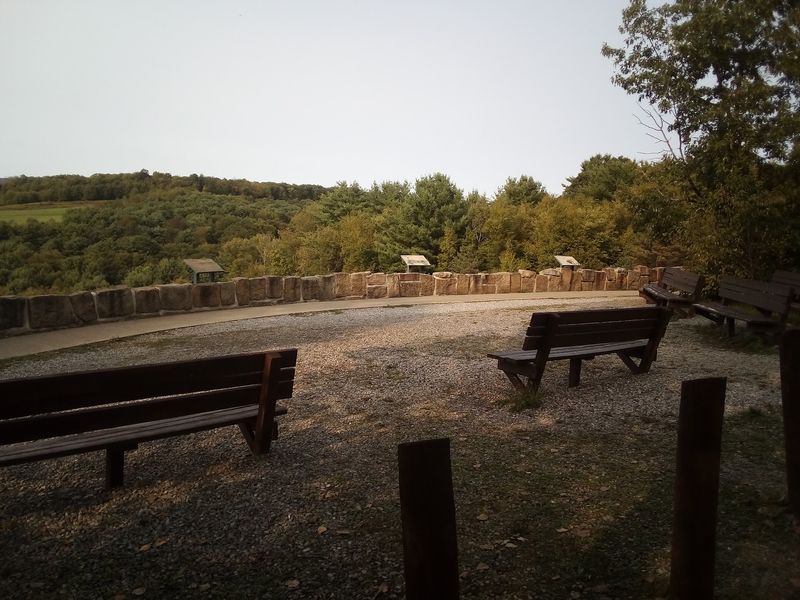
Good manners matter, even with animals. In elk country, that means keeping a healthy distance.
Wildlife officials advise staying well back from elk and never approaching them. A good rule is that if an elk changes its behavior because of you, you are too close.
Feeding elk is illegal in Pennsylvania. It can harm the animals and make them too comfortable around people.
Binoculars and zoom lenses are the best tools here. They bring the action close while everyone stays safe.
Pets should stay leashed or in the car. Dogs can stress elk and may set off a dangerous reaction.
Staying in vehicles or on marked viewing areas is often the simplest plan. Many of the best sightings happen right from the car window anyway.
Respect keeps the herd wild and healthy for future trips. With safety covered, the rest of the forest has plenty more to offer.
More Than Just Elk
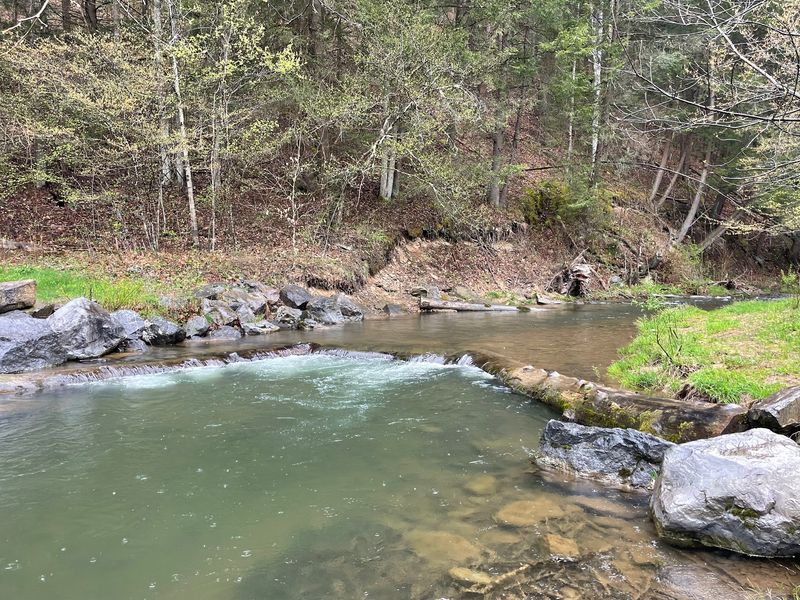
Elk may get top billing, but they share the stage. The forest is home to a wide mix of wildlife.
White-tailed deer are common, and they sometimes act like they own the place. Black bears live here too, though they usually rest through much of the winter.
Wild turkeys wander through clearings in small flocks. Bird watchers may also spot bald eagles near larger streams.
Smaller creatures fill in the rest of the cast. Squirrels, foxes, and many songbirds keep the woods busy.
Streams in the area support trout, which draw anglers in warmer months. Pennsylvania fishing rules and licenses apply.
Bringing a simple field guide can turn any outing into a scavenger hunt. Kids enjoy checking off animals as they spot them.
Not every trip will bring a huge elk herd. Thankfully, the supporting cast often keeps the day interesting, and the landscape itself adds even more reasons to linger.
Trails, Streams, and Wide Open Views
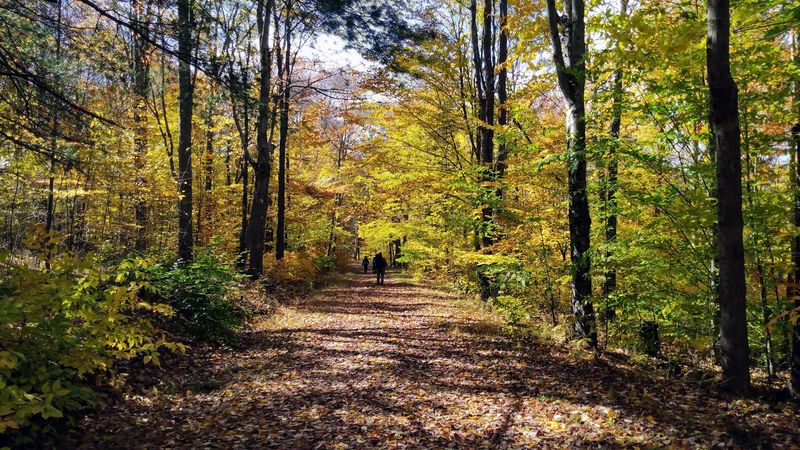
Mountains, streams that grow into rivers, and endless ridges give this forest its character. Plenty of people stumble onto it by accident and end up glad they got lost.
Hiking is a big draw. Part of the long-distance Quehanna Trail passes through the region, along with shorter paths.
Winter hiking takes extra care. Trails can be icy, and daylight runs short.
Traction devices for boots help on slick spots. Telling someone your plans before heading out is always smart.
Snowmobiling is allowed on certain marked trails in state forests during the season. Rules and trail conditions are posted by the state.
Primitive camping is also possible in many state forest areas, though permits may be required. Winter camping is best left to experienced folks.
Overlooks along the forest roads offer wide views of the valleys. On a clear day, the rolling hills seem to go on forever, which makes a good case for planning a full weekend.
Smart Moves for a Smooth Trip
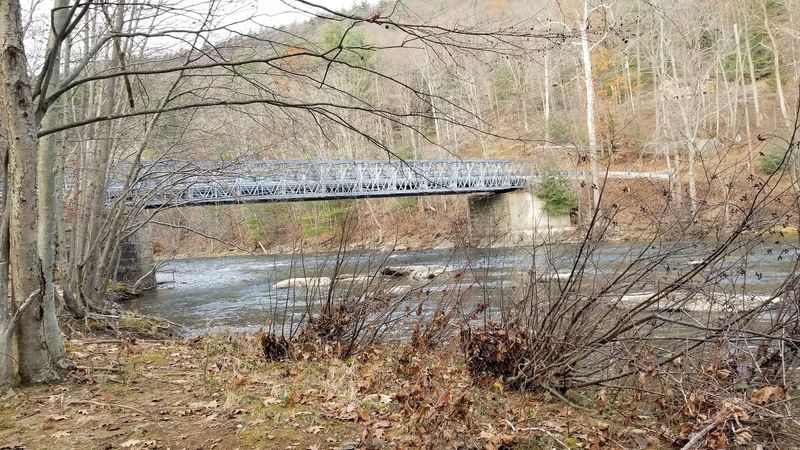
A little planning goes a long way in remote country. Benezette is small, so services like gas and stores are limited.
Filling up the tank in a bigger town before arriving is wise. St. Marys and Emporium are among the nearby options.
Paper maps are handy because phone signals drop often. The state also offers free maps of its forests.
Weather can shift quickly in the mountains. Checking road conditions before leaving home helps avoid surprises.
Lodging fills up fast during the fall rut, but winter is usually calmer. Booking ahead is still a good habit.
Pack layers, a blanket, water, and snacks for the car. Long waits for elk can be part of the fun.
Most of all, slow down and enjoy the quiet. Elk country rewards patience, and a calm winter morning spent watching a herd graze is the kind of memory that tends to bring people back again and again.