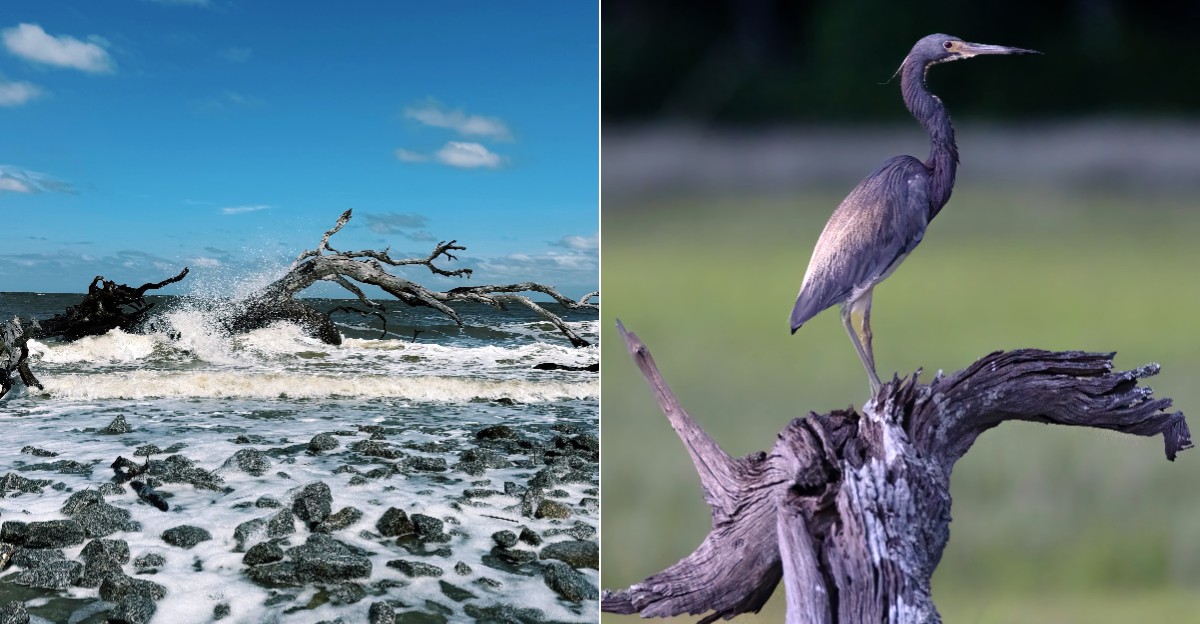
Most beaches go quiet when winter rolls in, and most people stay home. On one Georgia barrier island, that might be the best news a trip planner could get.
Fallen oak and pine trees lie across the sand like a giant outdoor sculpture garden, and the winter months leave more room to explore them.
The parking is easier, the crowds are smaller, and the sunrise still shows up right on time.
This guide covers the history, the best timing, the tide tricks, the rules worth knowing, and a few small details that make the drive pay off.
Grab a jacket and keep reading, because this shoreline might change the way you think about an off-season beach day.
A Shoreline Built by Time
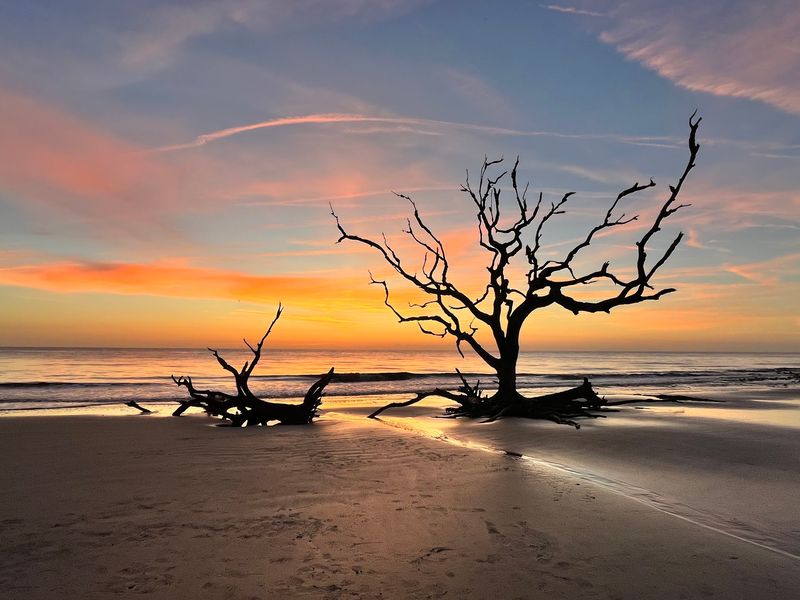
Trees are not supposed to end up on the beach, yet here they are by the dozen. Driftwood Beach sits on the north end of Jekyll Island, GA 31527.
The scene came together slowly. Over many years, the shoreline on this end of the island has worn away, and the maritime forest that once stood back from the water found itself at the edge of the sea.
Oaks and pines toppled over as the ground beneath them washed out. Salt water and sun bleached the trunks until they turned pale and smooth.
What remains today looks almost like a forest that decided to go for a swim. Some trunks lie flat, others still stand upright, and a few sprawl their roots across the sand like twisted fences.
Nobody arranged these pieces on purpose. Nature handled the design work, and it keeps changing a little with every storm season.
That ongoing change is part of the appeal, since a winter trip may reveal a layout that looked different just a year earlier.
Winter Means Elbow Room
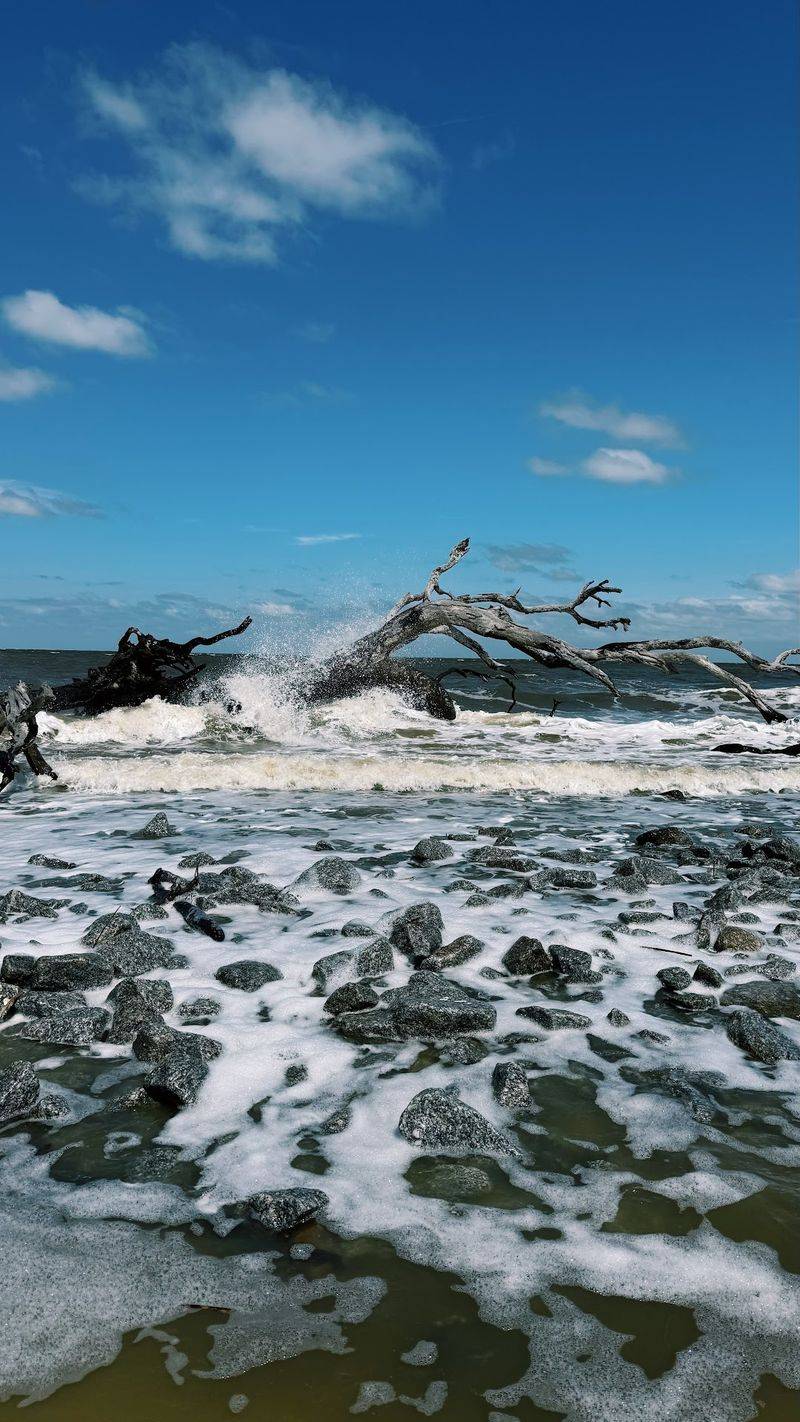
Summer is the busy season on Jekyll Island, and the popular spots show it. Golden hour in the warmer months draws a crowd, and parking near the beach can fill up fast.
Winter flips that story around. Fewer cars line the road, and the short path to the sand feels a lot less like a parade.
Photographers get clean shots without strangers wandering into the frame. Families can let kids explore the trunks without waiting in line for a turn.
The beach is also big enough that even on a fairly busy day, groups can spread out. In winter, though, it often feels like a private gallery with free admission once inside the park.
Quiet weekday mornings are especially calm. A Monday or Tuesday visit in January can make the whole shoreline seem reserved for a handful of early risers.
Bring layers, because coastal wind can be chilly even when the sky looks friendly. A light jacket, a hat, and a thermos of hot cocoa can turn a brisk walk into a cozy outing.
Sunrise Steals the Show
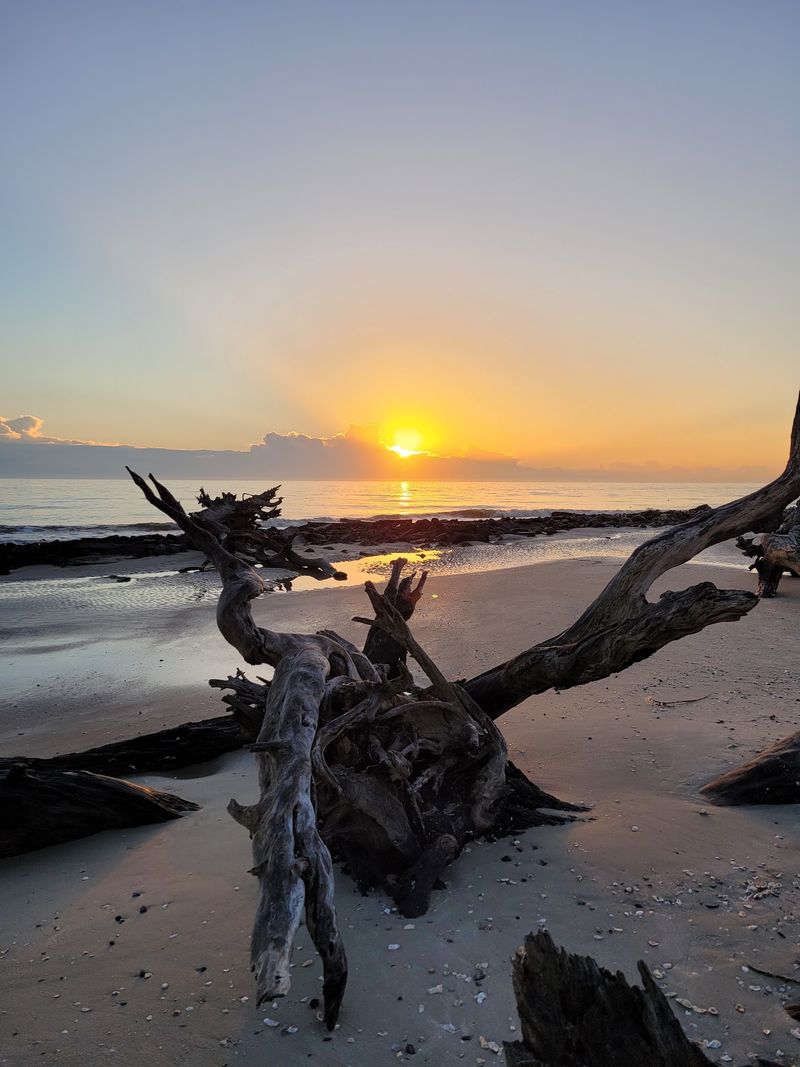
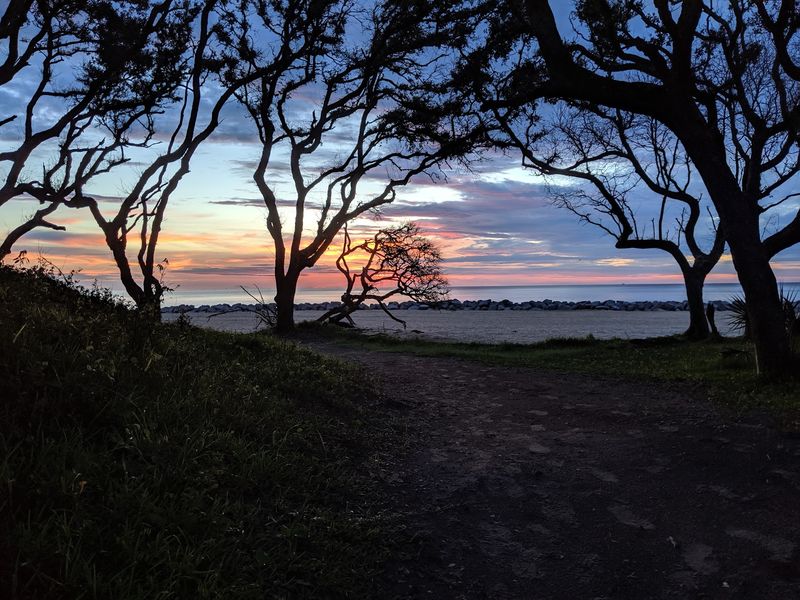
Early alarms are rarely popular, but this is one case where setting one makes sense. The beach faces east toward the Atlantic Ocean, which makes it a natural front-row seat for sunrise.
Silhouettes are the big prize here. The bare branches and twisting roots stand out sharply against a brightening sky, giving even phone cameras a real chance at a frame-worthy photo.
Winter helps out in a sneaky way. Sunrise arrives later in the morning during the colder months, so catching it does not require a painfully early start.
A smart plan is to arrive about 20 to 30 minutes before the sun comes up. That gives time to park, walk the short trail, and pick a favorite trunk before the light changes.
Sunset is also a lovely choice for anyone who prefers to sleep in. The sky behind the island can glow in soft colors, and the trees make a fine backdrop either way.
Morning or evening, the light does most of the heavy lifting.
Timing the Tide Like a Pro
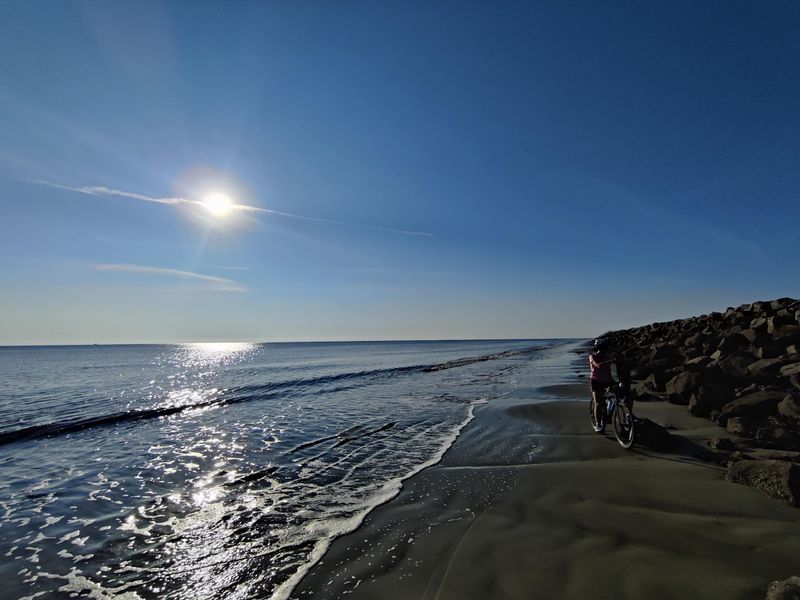
Here is a tip that separates a good visit from a great one: check the tide chart before heading out. The ocean on this stretch rises high enough to cover a good chunk of the sand.
At high tide, many of the trunks sit in the water, and walking room shrinks. Some paths along the shore can disappear completely.
Low tide is the sweet spot. More driftwood is exposed, more beach opens up, and small tide pools often form around the trees.
Those pools are fun to peek into, though they can attract bugs. Mosquitoes sometimes gather near pools on the southern side, while the northern end tends to be calmer for bites.
Free tide charts are easy to find online or in weather apps. Look up the Jekyll Island or St. Simons area for the closest numbers.
Pairing low tide with sunrise or sunset is the ultimate combo. It takes a bit of planning, but the payoff is a wide open beach with the trees at their most dramatic.
Getting There Without the Guesswork
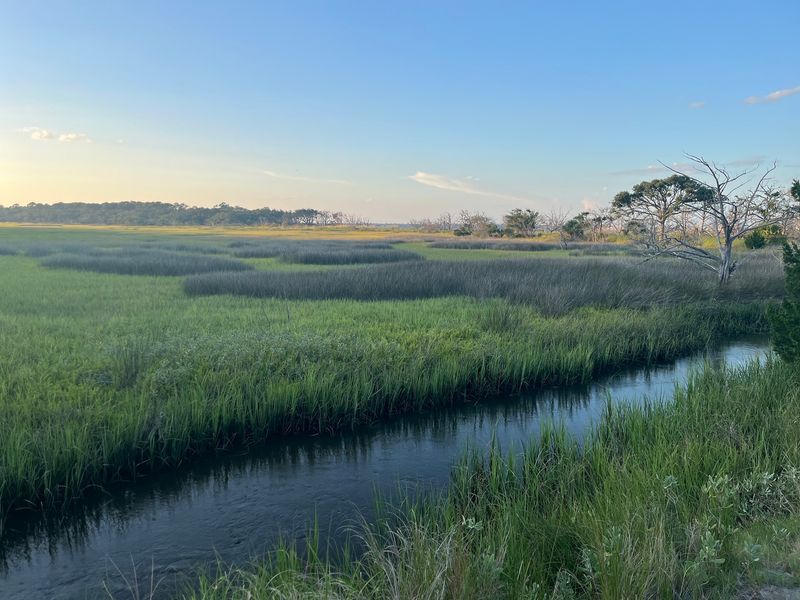
Jekyll Island is a Georgia state park, so every car pays a $10 daily parking fee at the entrance. After that, the island is open for exploring, and the beach itself has no extra charge.
Parking for Driftwood Beach is along the side of the road on the north end. There are spaces near the trail, including accessible parking spots.
A short, clearly marked path leads from the road to the sand. The walk is quick, but footwear matters more than most people expect.
Bits of wood, shells, and rocks mix into the sand in places. Sneakers or water shoes are a better bet than bare feet, especially for kids.
A bike rack and a bench sit near the access point. Biking is a popular way to get around the island, and winter weather often makes pedaling more comfortable than in summer.
One more thing to know is that there are no picnic shelters right at the beach. Plan snacks and restroom stops elsewhere on the island before settling in.
Four-Legged Friends Welcome
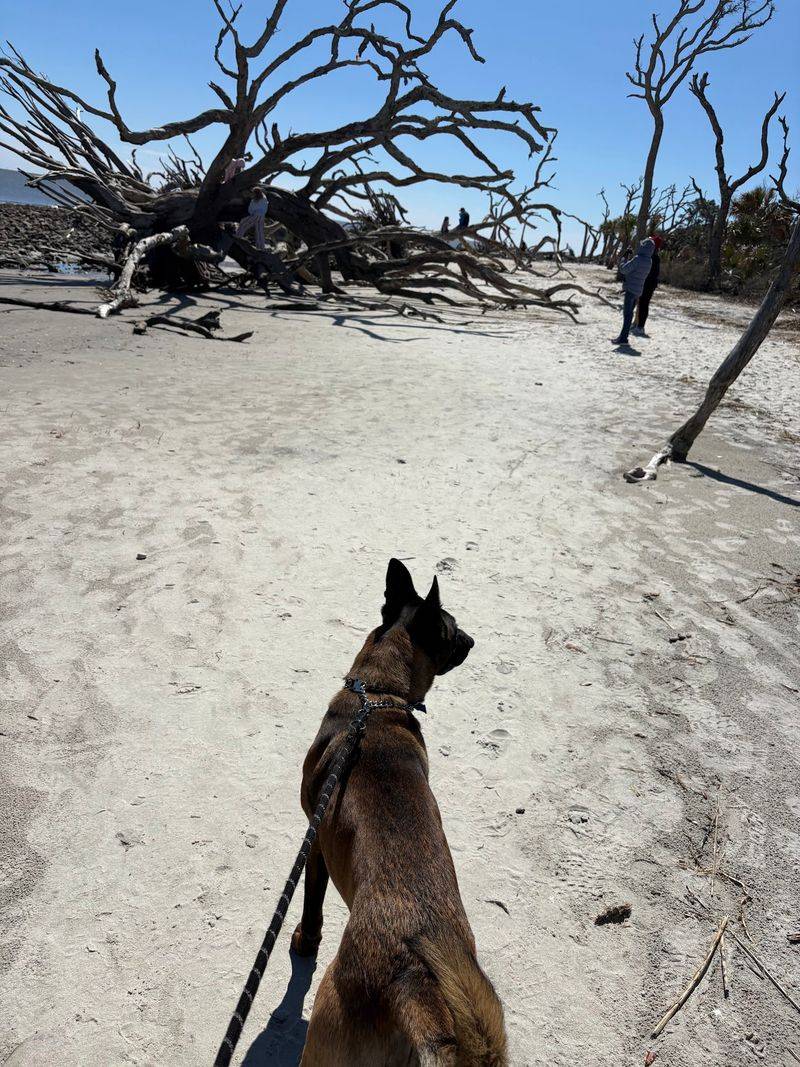
Good news for dog owners: pets are allowed at Driftwood Beach. That makes it a popular stop for travelers who never leave home without their furry sidekick.
Winter is a particularly pleasant time to bring a dog along. Cooler sand is easier on paws, and the smaller crowds mean less stress for pets who get nervous around lots of people.
Leashes are expected on Jekyll Island, so keep one handy. A leash also helps keep curious noses away from crabs hiding near the driftwood.
Packing a few basics makes the trip smoother. Waste bags, a water bowl, and a towel for sandy legs before getting back in the car are all worth bringing.
Watch for sharp shells and rocks along the shoreline. A quick paw check after the walk can catch any small problems early.
Plenty of travelers end up with their favorite pet photo here. A dog posing beside a giant twisted trunk is the kind of picture that ends up framed on the fridge.
Small Creatures and Big Ships
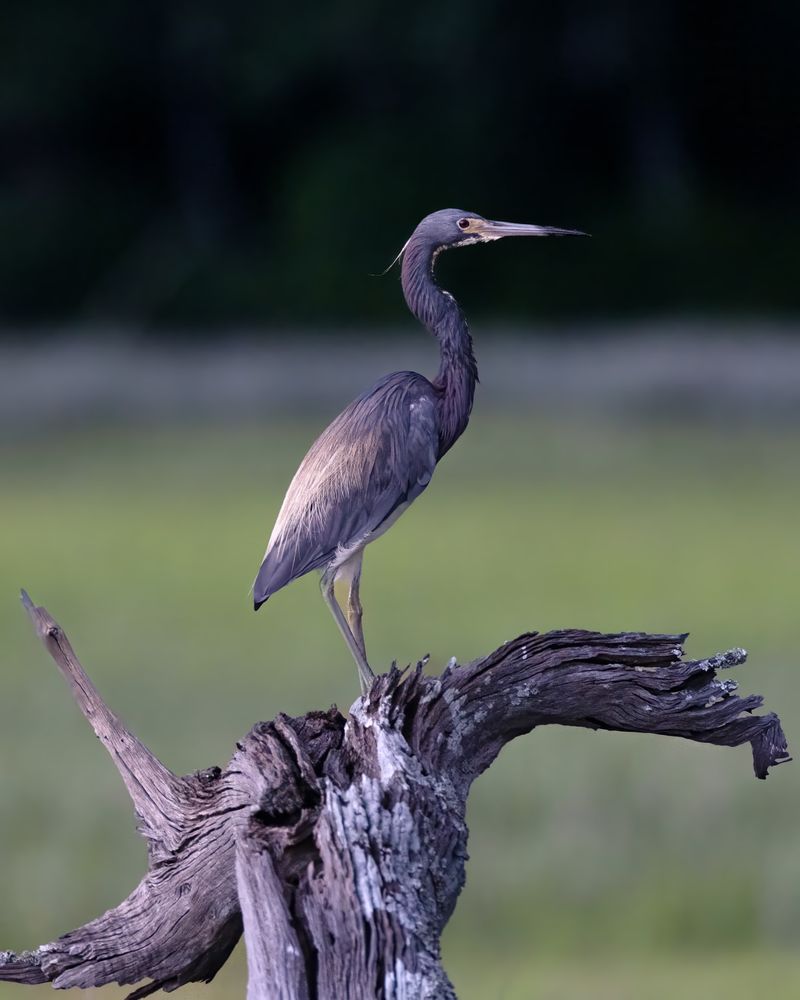
Look closely at the base of the trees, and the beach starts to feel alive. Little crabs often scurry around the driftwood and duck into the sand when someone gets too close.
Shells are scattered across the shore too. Admire them, photograph them, and leave them behind, since removing shells from the beach can bring a steep fine.
Empty shells and dead sand dollars are fine to take, but leave anything alive where you found it, and leave the driftwood in place.
Some beachcombers hunt for sea glass among the rocks. Occasional finds can also include unusual sea life washed ashore, such as a Portuguese man-of-war, which should never be touched.
Out on the water, the view stretches far. Large container ships sometimes pass by on their way to nearby ports, and fishing boats work the waters too.
Walking farther along the beach usually pays off. The deeper sections tend to feel more open, with fewer people and more space to explore.
A pair of binoculars is a handy addition to the bag. Between the tiny crabs at your feet and the giant ships offshore, there is a lot to spot.
History Just Up the Road
A trip to the north end does not have to stop at the sand. The Horton House historic site sits just up the road, making it an easy add-on to a beach morning.
The remaining walls belong to one of the oldest standing structures in Georgia. It was built from tabby, a building material made from shells, lime, sand, and water.
Shopping and places to grab a meal are a short drive away in the island’s historic area. That helps balance out the lack of facilities right at the beach.
Planning a loop works well in winter. Start with sunrise at the driftwood, swing by the Horton House, then warm up with lunch somewhere on the island.
Some travelers treat the beach as a quick sightseeing stop rather than an all-day outing, and that is perfectly fine. Pairing it with nearby spots turns a short visit into a full, satisfying day.
By the time the car heads back over the causeway, that $10 entrance fee will feel like a bargain well spent.