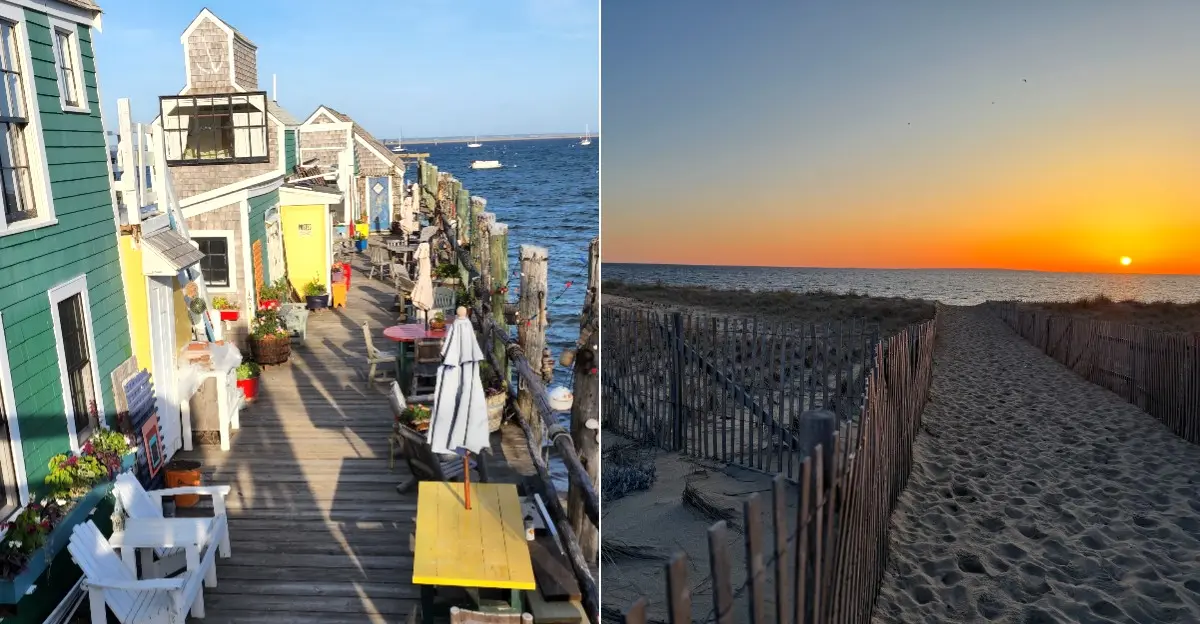
At the very end of Cape Cod, the road simply runs out of land. That is where you find a tiny town packed with painted cottages, rainbow flags, art galleries, and more history than most big cities can claim.
The Pilgrims landed here before they ever set foot at Plymouth, and artists have been showing up ever since. Today the town stays bright all summer long, with busy streets, wide beaches, and a welcome mat rolled out for everyone.
Locals will tell you it is the most colorful little place in Massachusetts, and they mean that in more ways than one.
In this guide, you will learn where to start, what to see, when to go, and a few handy tips that make a trip here easier and a lot more fun.
Where the Cape Finally Ends
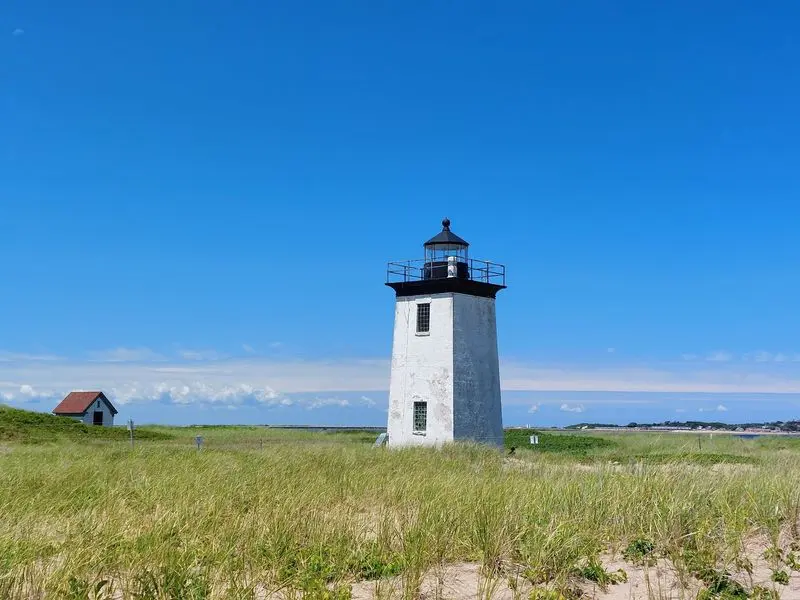
Some towns sit in the middle of things. This one sits at the very edge, and that is part of its charm.
Provincetown, Massachusetts, USA, is found at the northern tip of Cape Cod, where the curled arm of land wraps around a calm harbor. Route 6 carries drivers all the way out, and there is no next town after it.
The town is small in size but big on personality. Most of the action happens along a narrow strip between the harbor and the dunes.
That makes it easy to explore on foot or by bike once you arrive.
Getting here takes some planning. In summer, ferries run from Boston and Plymouth, which lets you skip the long drive and the traffic over the Cape bridges.
A good tip is to check the town website before your trip. The official site at provincetown-ma.gov shares parking details, local events, and town news.
Once you reach the end of the road, you will see why so many people decide it is worth the extra miles.
The Pilgrims Got Here First
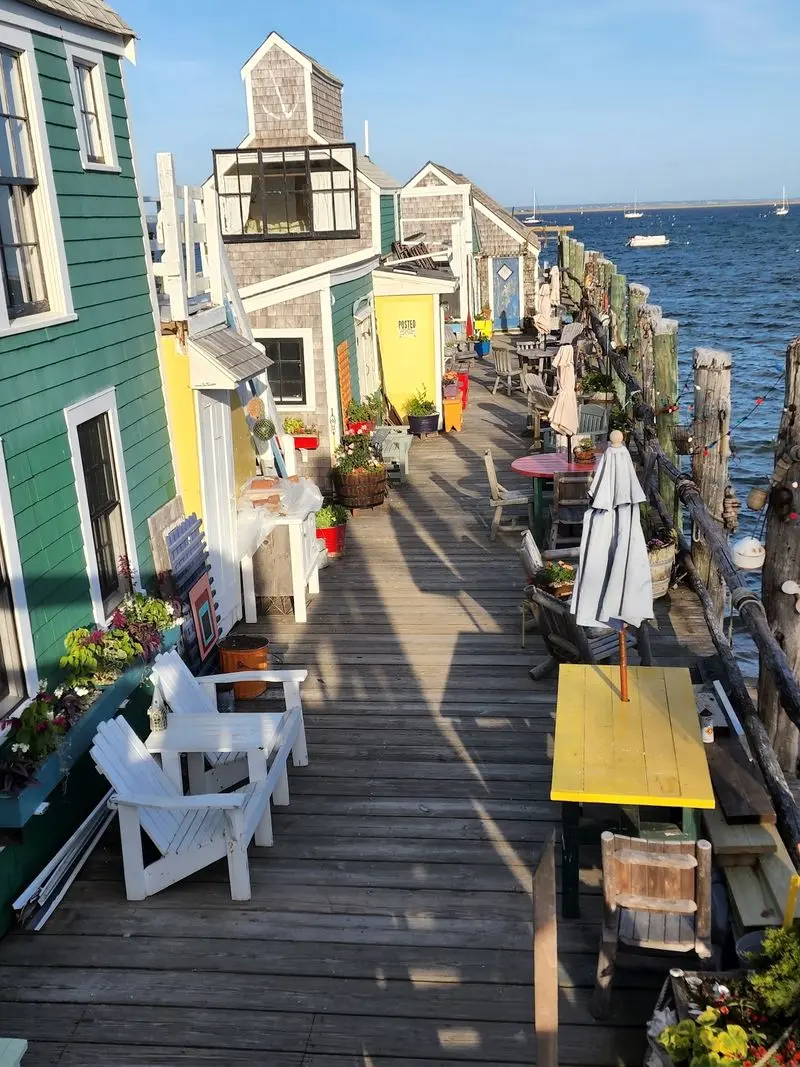
Ask most people where the Pilgrims landed, and they will say Plymouth. The real first stop was right here in 1620.
The Mayflower reached this harbor before the passengers ever moved on to Plymouth. While anchored nearby, they signed the Mayflower Compact, an early agreement about how they would govern themselves.
To honor that moment, the town built the Pilgrim Monument. The tall granite tower stands above every rooftop and can be spotted from far away.
Climbing to the top is a favorite activity. The path inside uses ramps and stairs instead of an elevator, so wear comfy shoes and take your time.
From the top, you can see the harbor, the town, and the long sandy reach of the outer Cape on a clear day.
Right next door, the Provincetown Museum shares stories about the town’s past, from the Pilgrims to its fishing days. History fans can easily spend a couple of hours here and still want one more look.
Commercial Street Steals the Show
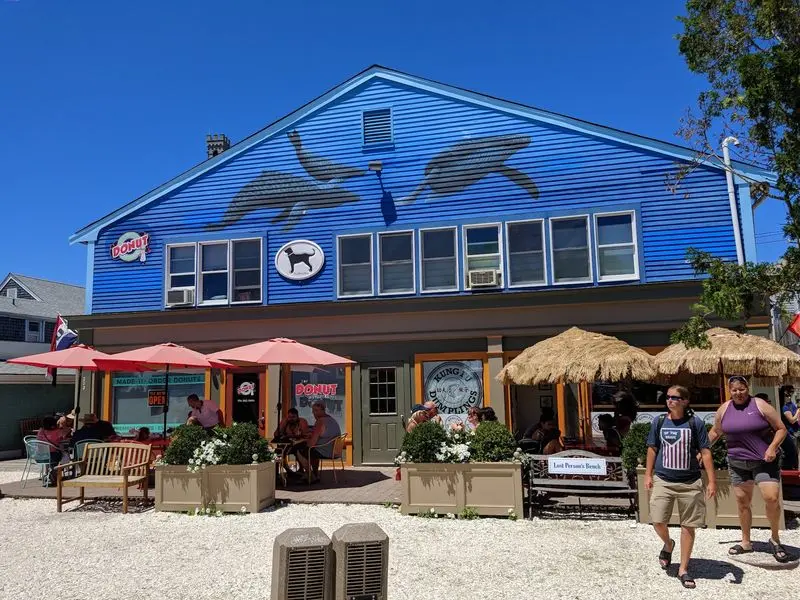
One narrow road holds most of the town’s energy. Commercial Street runs along the harbor and is packed with shops, galleries, and places to eat.
The street is so slim that walkers, bikes, and cars all share it. Most people simply stroll, and that is the best way to enjoy it.
Colorful storefronts line both sides. You will find bookshops, clothing boutiques, gift stores, and plenty of spots selling fun souvenirs.
Rainbow flags hang from many buildings, and painted signs add even more color. It is one of the reasons locals call this the brightest town in the state.
Evenings bring a whole new crowd. Cabarets, shows, and street performers keep things lively after the sun goes down.
Here is a helpful tip for drivers. Park your car once and leave it, because moving slowly through crowds on this street can take a while.
Bring a little patience and a lot of curiosity, and Commercial Street will reward you around every corner.
A Haven Built on Welcome
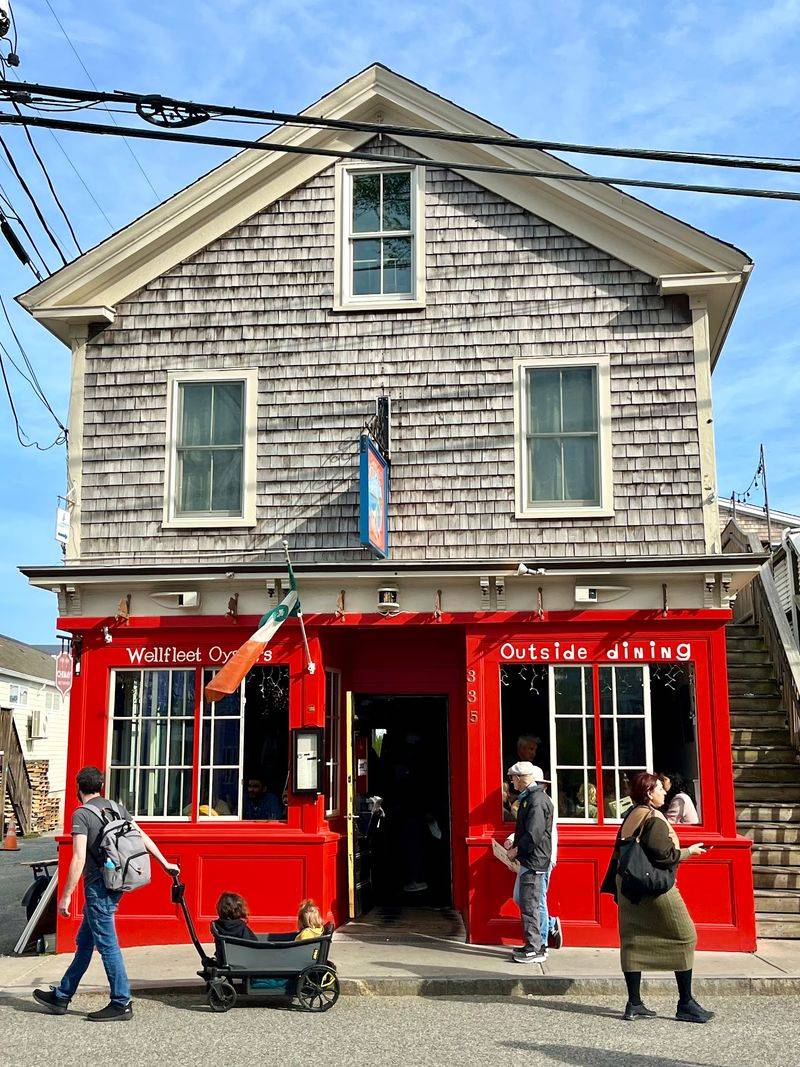
Few small towns have a reputation quite like this one. For decades, P-town has been known as a safe and welcoming haven for gay men and lesbians.
That open spirit shapes daily life here. Couples and families of every kind walk the streets, and nobody blinks twice.
Many local businesses are owned by members of the LGBTQ community. The town’s events, shows, and festivals reflect that proud history.
Summer brings themed weeks and celebrations that fill the streets with costumes and parades. Carnival week in August is one of the biggest, so book rooms early if you plan to visit then.
Even outside the big events, the friendly attitude stays steady. Visitors from all over the world come to feel free to be themselves.
That welcome is a big part of the color locals talk about. The town is bright not only in paint and flags, but in the people who call it home.
Artists Have Always Loved It
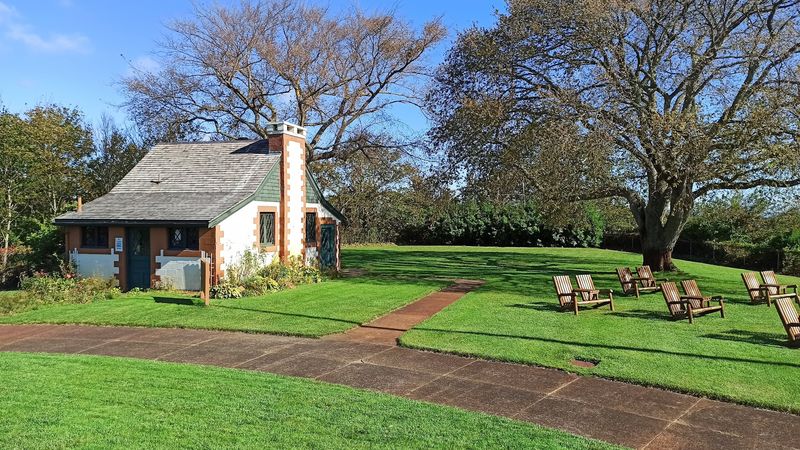
Long before it became a summer hot spot, this town drew painters and writers looking for a quiet place to create.
Provincetown is often called one of the oldest continuous art colonies in the country. Artists arrived in the early 1900s and never really left.
Today, numerous galleries sit along and near Commercial Street. Some show work by famous names, while others feature local artists just starting out.
Many galleries hold openings on Friday evenings in summer. These are free to walk into, so you can see new work and chat with the people who made it.
The Provincetown Art Association and Museum is a great place to learn about the town’s creative past. Its collection highlights artists who lived and worked here.
You do not need to be an expert to enjoy any of it. Just wander, look around, and notice what catches your interest.
Who knows, you might head home with a small painting and a new favorite artist.
Beaches at the Edge of the Map
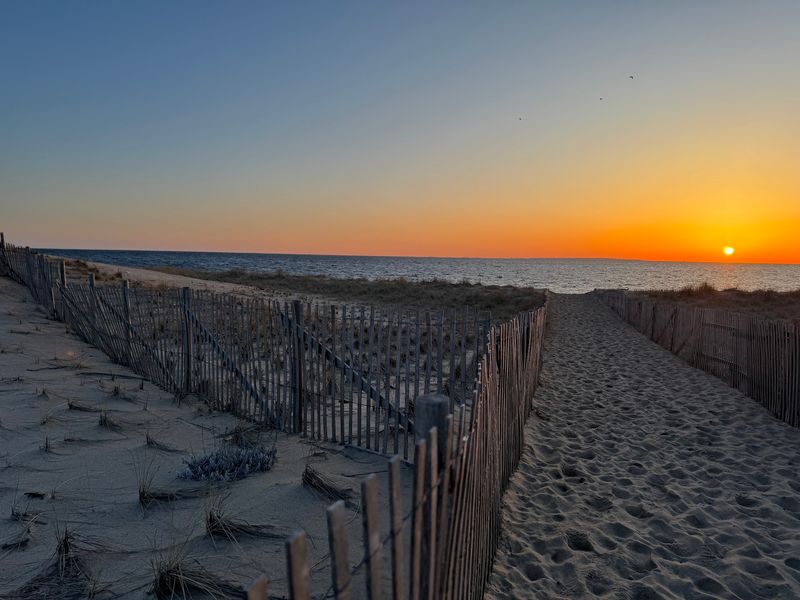
Sand is never far away in this town. Water surrounds it on nearly every side, so beaches are part of everyday life.
Race Point Beach and Herring Cove Beach are two favorites. Both are part of the Cape Cod National Seashore, a protected area with wide shores and tall dunes.
Herring Cove is known as a great spot to watch the sunset over the water. That is rare on the East Coast, so it is worth planning an evening there.
Race Point faces the open Atlantic. On some days, you may spot seals or even whales out past the waves.
The dunes behind town are fun to explore too. Guided dune tours can take you out to see the old dune shacks where artists and writers once stayed.
Bring water, sunscreen, and a hat, since there is not much shade. A beach parking fee may apply in summer, so check ahead and pack your patience along with your towel.
Whales Just Offshore
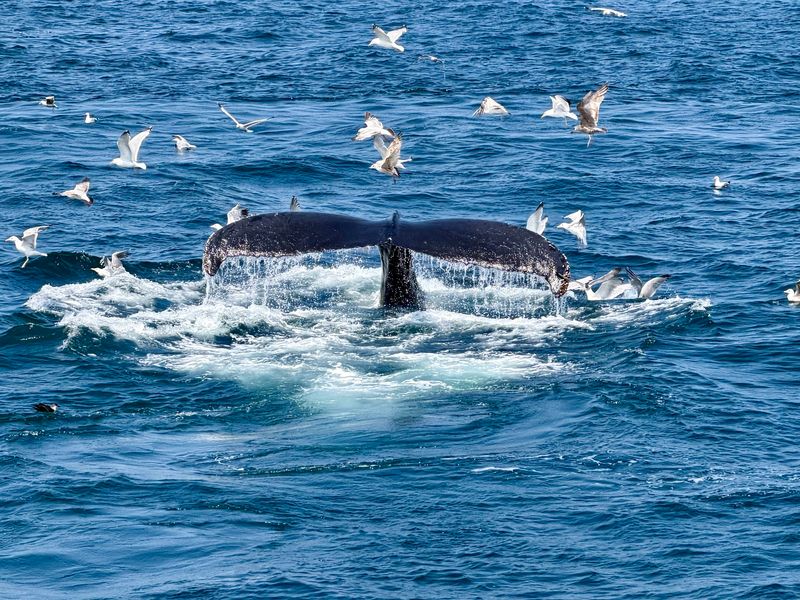
Here is a fun fact. Provincetown sits close to Stellwagen Bank, one of the best places in the world to watch whales.
Stellwagen Bank is a protected marine sanctuary just off the tip of the Cape. Humpback whales, finbacks, and minke whales often feed there in warmer months.
Whale watch boats leave from MacMillan Pier right in town. The trips usually last a few hours and include guides who explain what you are seeing.
Spring through fall is the main season. Many families say it is the highlight of their entire trip.
A few simple tips help a lot. Bring a jacket even on warm days, because it gets cooler out on the water.
If you tend to feel seasick, eat a light meal before you go and stay near the middle of the boat. Keep your camera ready, since a whale tail can pop up when you least expect it.
Timing Your Trip Just Right
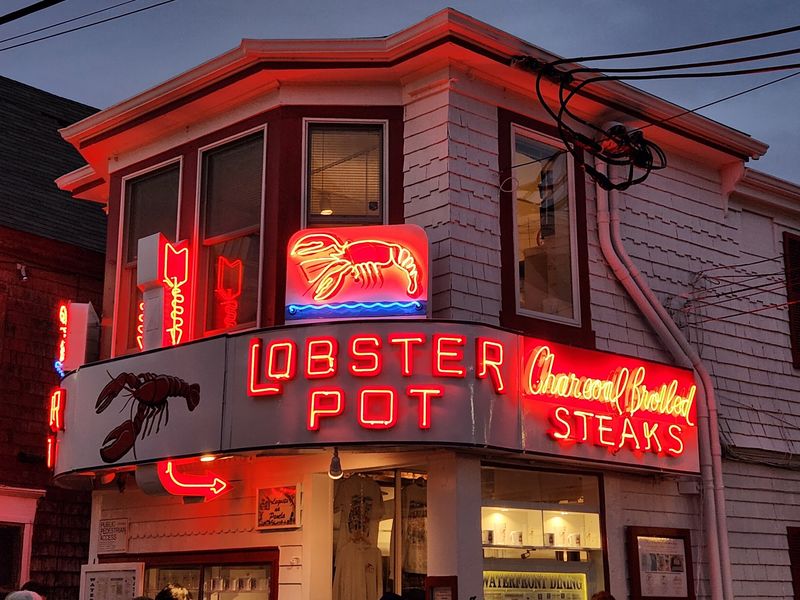
When you visit makes a big difference. The town changes quite a bit from season to season.
Summer is the busiest time. Shops stay open late, events fill the calendar, and the streets are crowded with people from all over.
That fun comes with higher hotel prices and less parking. Booking a place to stay early is a smart move.
Spring and fall are calmer choices. The weather can still be pleasant, and you will find shorter lines and quieter streets.
September is a local favorite for that reason. Many businesses are still open, but the summer rush has eased.
Winter is very quiet, and some places close for the season. It suits travelers who want peace and empty beaches more than nightlife.
No matter when you go, a bike is a great way to get around. Rentals are easy to find, and nearby trails lead right into the dunes.
Pick your season wisely, and this colorful town will show you its best side.