Some Michigan families wait all year for summer, but a growing crowd waits for the deep freeze instead.
Up in the Upper Peninsula, a big river keeps roaring even when the snow piles high, and the ice around it builds into giant frozen shapes.
Kids in puffy coats and parents with thermoses head out on snowy trails just to see it.
It is one of the most popular winter trips in the state, and it is easy to see why once you learn what waits at the end of the path.
This guide covers where to go, which falls to see first, how the trails work in winter, and the smart tips that make a cold day turn into a family favorite.
Where the Wild River Waits
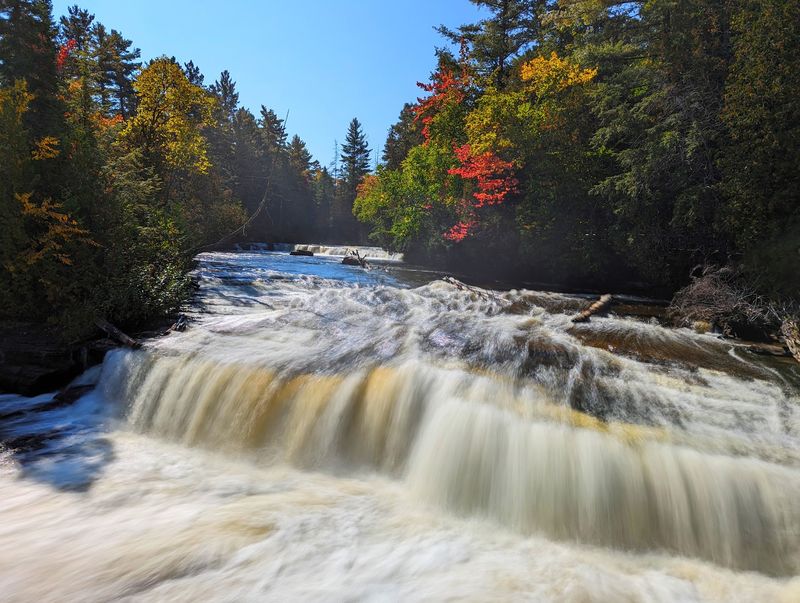
Deep in Michigan’s Upper Peninsula, far from big cities, sits one of the state’s most loved outdoor spots. Tahquamenon Falls State Park is found at 41382 W M-123, Paradise, MI 49768, in the state of Michigan.
Getting there often means a long drive through quiet forest roads. Many families joke that the road seems empty for miles, and then the parking lot suddenly fills up with fellow falls fans.
The park is one of the largest in the Michigan state park system. It stretches across a huge area of forest, rivers, and wild land along the Tahquamenon River.
Day hours run from 6 a.m. to 10 p.m. every day of the week. That gives plenty of time for a slow morning start, which helps when little ones need extra time to get into snow pants and mittens.
A Recreation Passport is needed for each vehicle. Michigan residents can add it when they renew their license plates, while out-of-state cars pay a separate fee at the park.
Plan the route ahead, since cell service can be spotty up here.
The Upper Falls Steals the Show
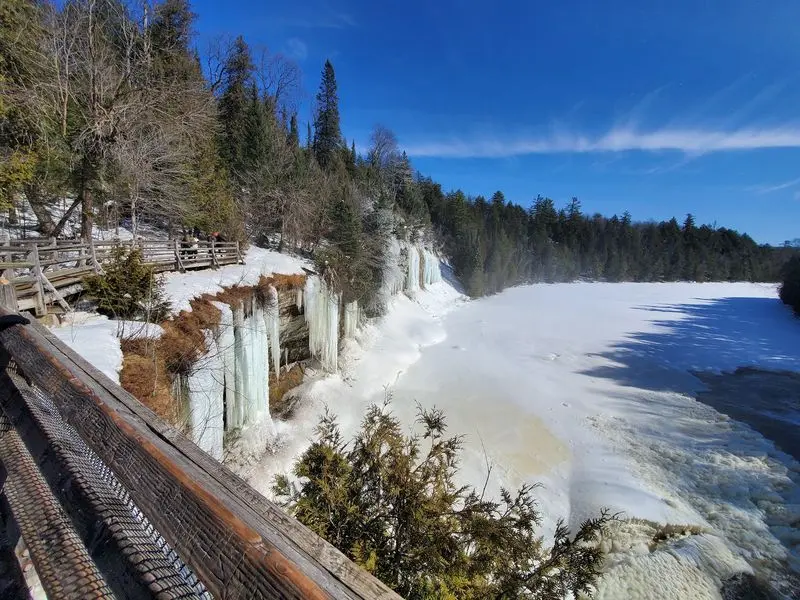
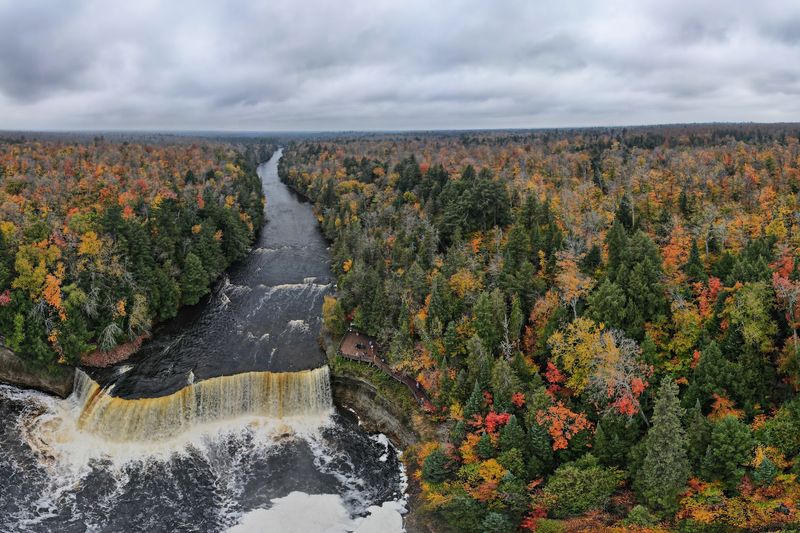
Nearly 50 feet tall and over 200 feet across, the Upper Falls is one of the largest waterfalls east of the Mississippi River. Many people call it a smaller version of Niagara Falls, and the horseshoe shape makes that comparison fair.
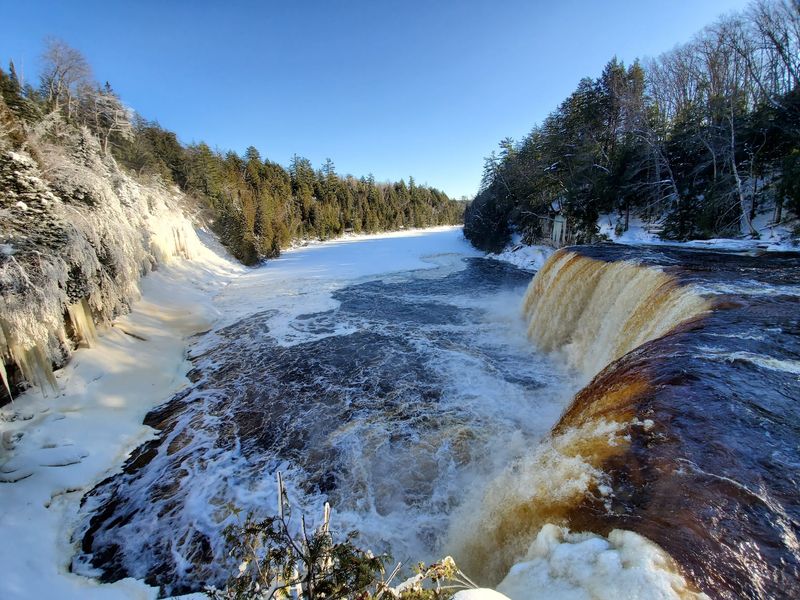
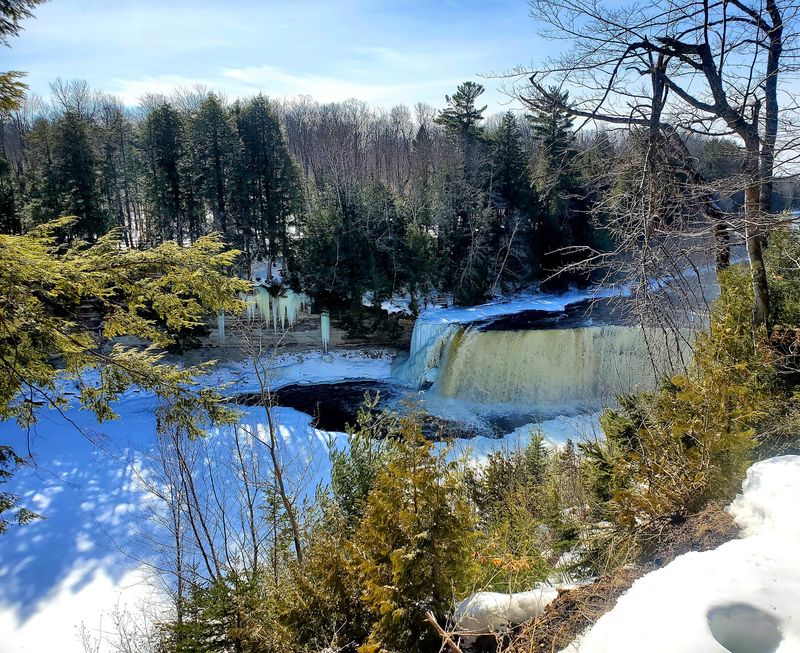
Winter changes everything here. Ice builds up along the sides of the falls, creating huge frozen walls and columns while the middle keeps flowing.
The water rarely freezes all the way across. The river carries a big volume of water, so the center stays active even on very cold days.
Families often stand at the viewing platform for a long time, pointing out new ice shapes. Kids tend to name the biggest chunks, which turns the visit into a fun game.
Bring a camera with a charged battery, because cold weather drains batteries quickly. Keeping a spare in an inside pocket is a smart trick.
Every winter the ice looks a little different, so even repeat visits feel new. That alone keeps many Michigan families coming back each year.
Why the Water Looks Like Root Beer
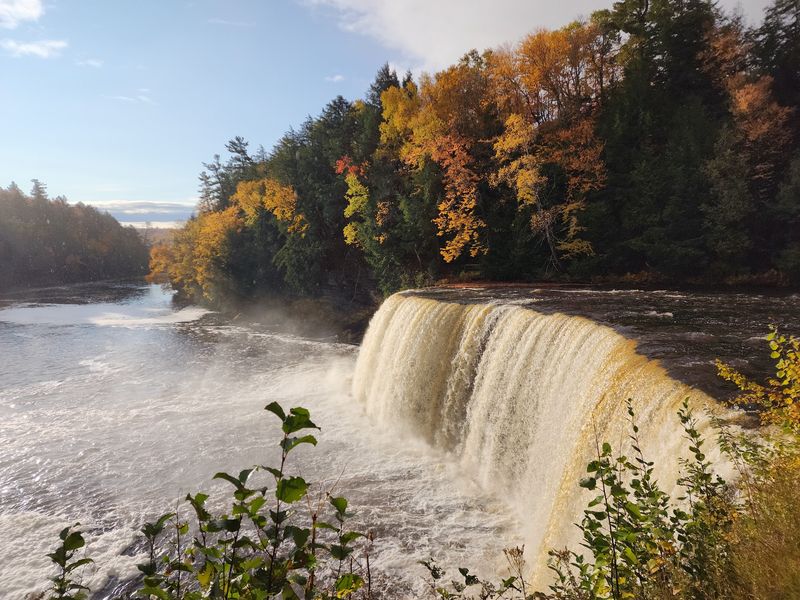
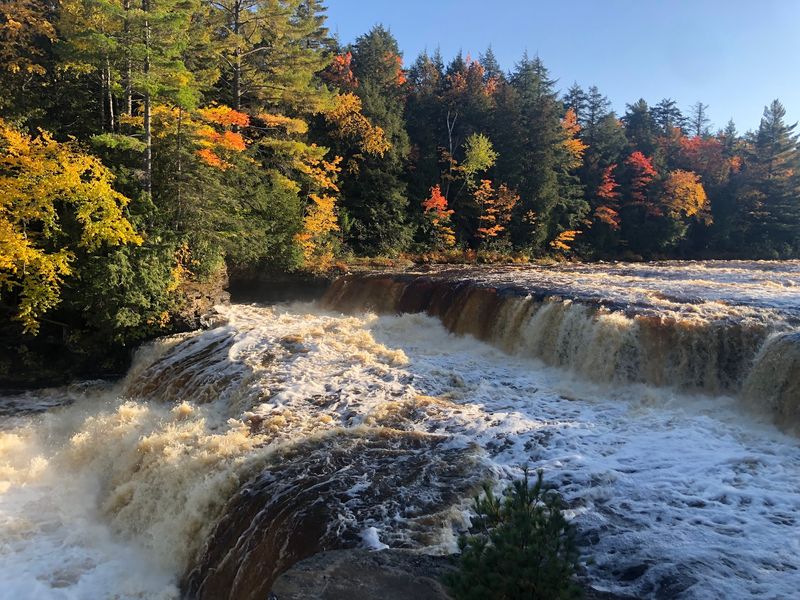
Here is a fun fact that kids love: the river’s water has a brown, amber color that looks a lot like root beer. Many first-time guests assume something is wrong with it, but it is completely natural.
The color comes from tannins. These are natural substances that leach from cedar, spruce, and hemlock trees in the swamps that drain into the Tahquamenon River.
In winter, the amber water stands out even more against white snow and pale ice. The contrast makes for some of the best family photos of the whole trip.
The falls also create lots of foam at the bottom. Soft water in the river helps that foam form, and it can pile up in thick clumps below the drop.
Parents can turn this into a mini science lesson on the walk. Ask kids to guess why the water is brown before sharing the answer.
The color can change with the seasons and water levels. Some days it looks darker, and other days it looks lighter and closer to rust.
Ramps Built for Every Family
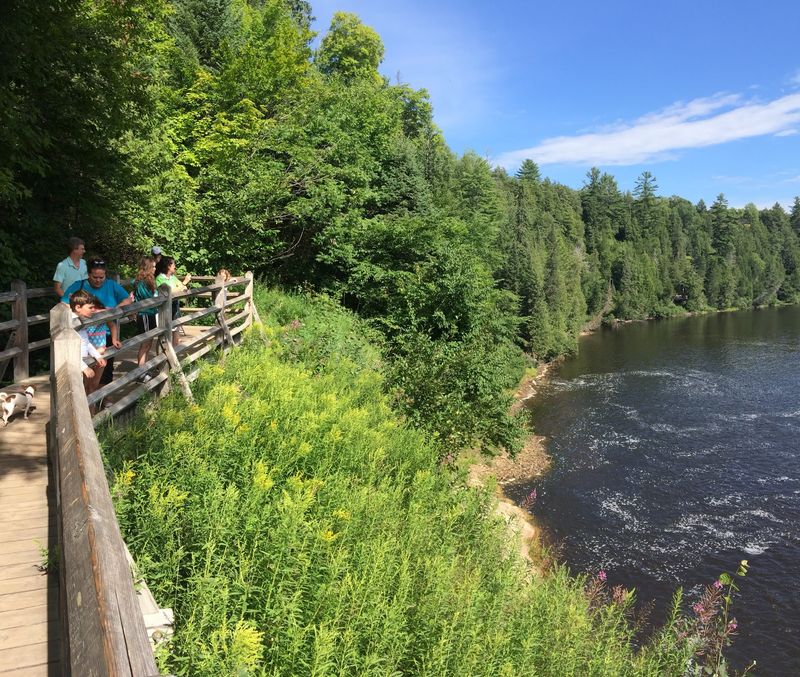
Strollers, wheelchairs, and wobbly toddler legs all have a place at the Upper Falls. The park added a new system of wide ramps and boardwalks that replaced many of the old steep stairs.
These ramps wind gently through the trees and lead down to viewing areas close to the falls. Wheelchairs are available at the entrance for use on the Upper Falls boardwalk.
Families with grandparents along will find this especially helpful. Everyone can reach the same views together without anyone waiting at the top.
Going back up takes more effort, though. The ramps climb steadily, so plan for a slower return trip and short rest stops.
Mobility scooter users should start with a full charge. The climb back can drain a battery faster than expected, and cold weather makes that worse.
In winter, check conditions before heading down, since snow and ice can affect walking surfaces. Sturdy boots with good grip are a must for every member of the group.
The gorge viewing area still uses over 100 stairs, so pick the route that fits your crew.
Four Miles Downstream, a Different Story
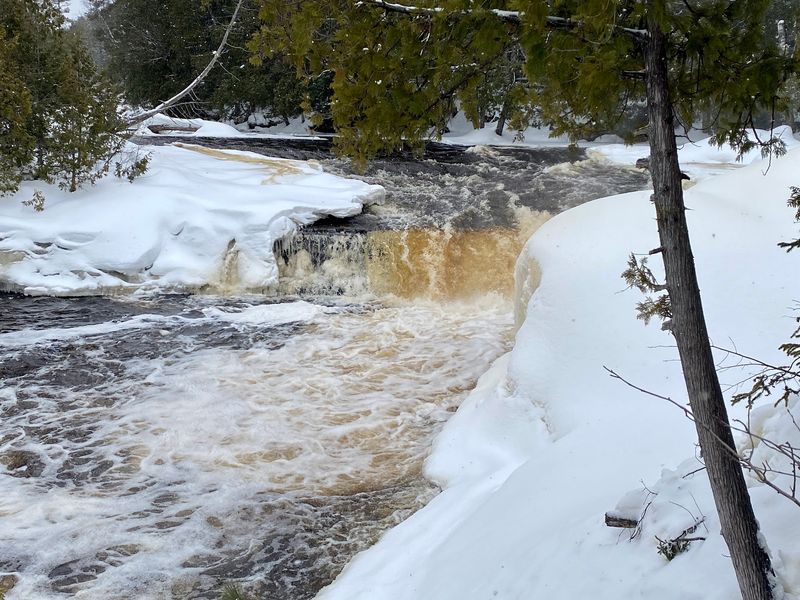
About four miles down the river, the Lower Falls offers a whole new look. Instead of one big drop, there is a series of smaller cascades and rapids.
The river splits around an island here, so the falls flow on both sides. That means twice the waterfalls in one stop, which kids find pretty exciting.
A paved path of about half a mile leads to the viewing areas. It is a manageable walk for young children in winter boots.
In summer, rowboats can be rented to reach the island. Those are a warm-weather treat, so winter guests enjoy the island from the shore viewpoints instead.
Ice around the smaller cascades often forms in interesting layers. Each little drop gets its own frozen trim, giving photographers lots to work with.
Many families drive between the two areas rather than hike. There is a separate parking lot at each set of falls.
Some people end up liking the Lower Falls even more than the big one upstream. Visiting both is the best way to pick a family favorite.
Snowshoes, Skis, and Quiet Trails
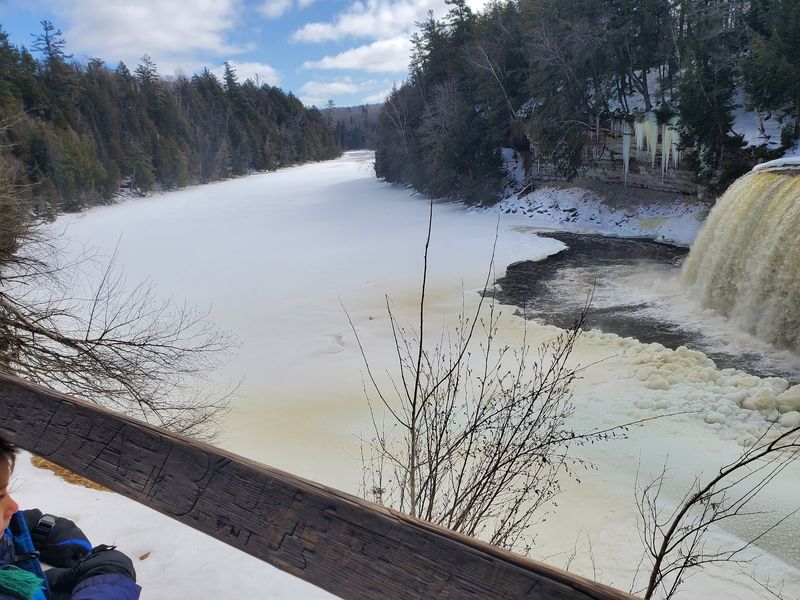
Winter does not shut down the fun at this park. It just changes the gear.
The park has more than 35 miles of hiking trails, and many become routes for snowshoeing and cross-country skiing in winter. Some trails are groomed for skiing during the snowy months.
A popular hike runs between the Upper and Lower Falls along the river. It is about four miles one way, and in winter it is best for experienced and well-prepared groups.
Trails through the woods are not always level and have plenty of roots. Snow can hide those roots, so a slower pace keeps everyone upright.
Snowshoes are a great choice for families with older kids. They make deep snow easier to cross and give children a sense of adventure.
Check trail conditions with the park before heading out. Weather in the Upper Peninsula can change quickly, and some routes may not be packed down.
Short loops work best for little ones. Ending a hike while everyone still has energy is the real secret to a happy winter outing.
Bundle Up the Smart Way
Good layers make or break a winter trip to the falls. The Upper Peninsula gets serious cold and heavy lake-effect snow, so planning ahead pays off.
Start with a base layer that wicks sweat away. Add a warm middle layer like fleece, then finish with a waterproof outer jacket and snow pants.
Hats, mittens, and neck gaiters are must-haves. Mittens usually keep small hands warmer than gloves do.
Boots matter most of all. Choose insulated, waterproof boots with deep treads, and consider slip-on traction cleats for icy spots on paths.
Pack extra socks and mittens in the car. Kids tend to get wet faster than adults, and dry gear can save the day.
Hand warmers are cheap and handy. Tuck a few into pockets for breaks at the viewing areas.
A thermos of hot cocoa waiting in the car is a classic family move. It gives everyone something to look forward to on the walk back.
A Warm Spot Near the Upper Falls
Cold noses need a break sometimes, and the Upper Falls area has a few comforts close by. Near the parking area, a pavilion offers food, drinks, and gifts during operating hours.
Restrooms are on site, including accessible options. That is a big relief for families traveling with young kids.
A gift shop sells souvenirs, which makes a fun final stop. Kids often pick out a small keepsake to remember the frozen falls.
The Lower Falls area also has a gift store, a small concession spot, and restrooms. Hours for these spots can be shorter in winter, so check ahead.
Some outside vendors near the paths only take cash in busier seasons. Keeping a little cash on hand helps avoid surprises.
Packing snacks is still a smart idea. Granola bars and warm drinks in a thermos can keep everyone happy between stops.
A planned warm-up break can turn a chilly morning into a cozy memory for the whole crew.
Furry Friends Are Welcome Too
Good news for the family dog: pets are allowed on leash at both the Upper and Lower Falls areas. Plenty of pups join their families on the boardwalks and trails.
Winter brings a few extra things to think about for four-legged hikers. Snow and ice can build up between paw pads, and salt or grit may bother sensitive feet.
Dog booties or a paw balm can help a lot. Short-haired breeds may also enjoy a warm coat on very cold days.
Keep leashes short near the viewing areas. Railings protect people, but excited dogs can still pull hard when they spot something new.
Bring bags to clean up after pets. Keeping the trails tidy helps the park stay welcoming for everyone.
Fresh water is easy to forget in winter. Dogs still get thirsty while hiking, so pack a bottle and a collapsible bowl.
A tired, happy dog snoozing in the back seat on the drive home is a pretty good sign the day went right.
Timing Tricks for a Calmer Visit
Summer crowds can pack the trails here, with parking at a premium by late morning. Winter is usually calmer, which is a big reason many families pick the cold season.
Weekends and holiday breaks still draw a steady stream of people. Weekdays tend to be quieter if school schedules allow.
Arriving earlier in the day gives the most daylight. Winter days in the Upper Peninsula are short, so plan the hike to finish well before dark.
Road conditions matter a lot. Check the weather and road reports before leaving, since heavy snow can slow travel on M-123.
Fill the gas tank in a larger town before the final stretch. Services thin out as the road heads deeper into the forest.
Let someone know your plans and expected return time. Spotty cell coverage makes this simple step extra important.
Patience pays off up here. A slower, well-timed visit often means more space at the railing and more time to enjoy the frozen view together.