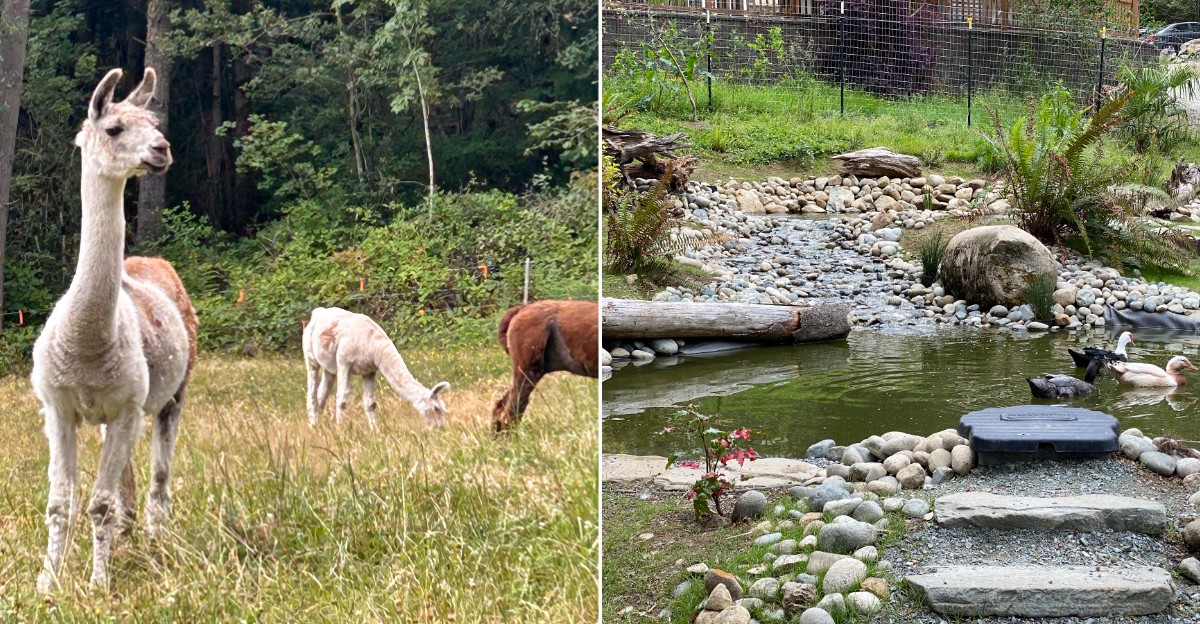
Not far from Seattle, a peaceful animal sanctuary gives rescued farm animals the chance to live safely after difficult beginnings.
Cows graze in open pastures, curious goats explore their surroundings, and pigs enjoy the comfort of a home built around their needs.
At Pasado’s Safe Haven in Washington, families can join guided tours to meet these remarkable animals and learn the stories behind their rescue.
The 85-acre sanctuary is more than a place to see farm animals. It is a working refuge dedicated to ending animal cruelty and teaching compassion through meaningful encounters.
Children can discover why every animal deserves patience, respect, and proper care, while parents enjoy an educational outing surrounded by the natural beauty of the Cascade foothills.
A visit here leaves families with memories and a deeper understanding of animal welfare.
Where the Rescue Story Lives
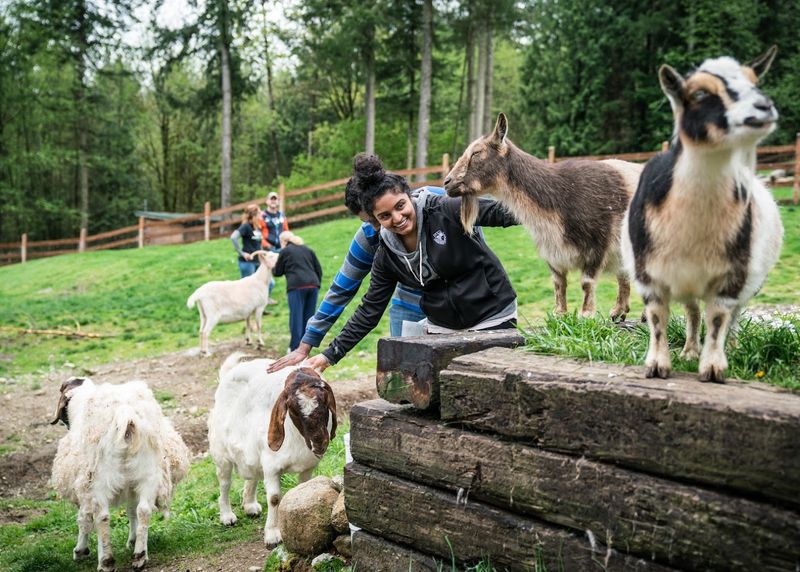
Pasado’s Safe Haven is located near Monroe in Snohomish County, Washington, about an hour outside Seattle. Its 85-acre sanctuary sits in the foothills of the Cascade Mountains, surrounded by peaceful woodland.
Many people drive out from Seattle, and the trip takes roughly an hour, depending on traffic. That makes it an easy day outing for families living around Puget Sound.
The sanctuary is not a petting zoo or a theme park. It is a working rescue home for animals that came from cruelty, neglect, or tough situations.
Cows, goats, pigs, chickens, cats, and dogs all have a place here. Each animal gets a safe spot to live, regular care, and people who notice when something is wrong.
Because it is a real rescue, the land is set up for the animals first and guests second. That is a good thing, and kids quickly pick up on it.
Planning ahead matters here. Checking the official website before you leave helps you learn about tour times and visiting rules, so nobody shows up to a closed gate.
Meet the Fluffy Celebrities
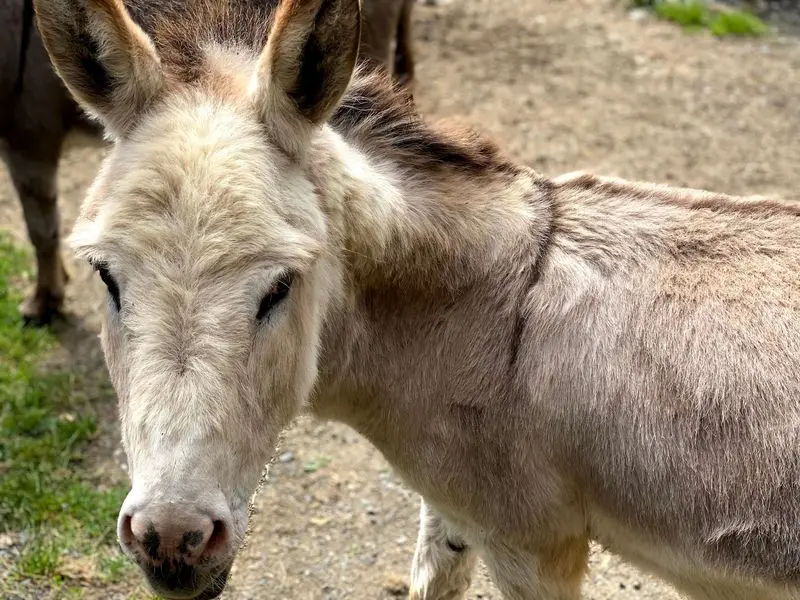
Some cows look like they forgot to get a haircut, and Highland cows wear that look proudly. With long, shaggy coats and curved horns, they tend to become instant favorites with kids.
Here is a fun fact. Highland cattle come from the Scottish Highlands, where their thick double coat helps them handle cold, windy weather.
At the sanctuary, rescued cattle get a calm life in open pasture. Many of them are known for an easygoing personality that makes them a great match for supervised visits.
Meeting rescued cattle can be a memorable experience for children. During guided tours, staff explain each animal’s personality and help visitors understand when and how interactions are appropriate.
Always follow the guide’s lead. Those horns are not for show, and even a friendly cow can turn its head quickly.
Teach little ones to keep fingers flat and voices low. A relaxed cow is a happy cow, and a happy cow sticks around for more attention.
Goats With Big Opinions
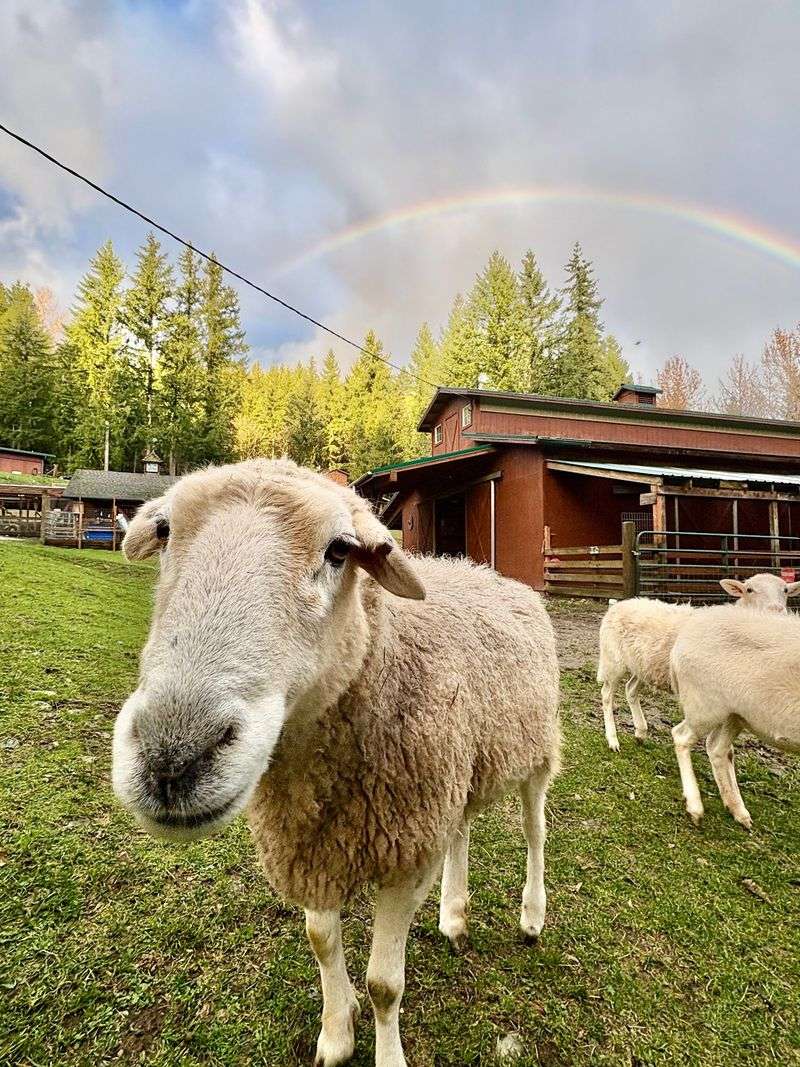
Goats have never met a rule they did not want to test. Ask anyone who has spent time around them, and you will hear stories about chewed sleeves and curious noses.
The rescued goats at this sanctuary bring a lot of personality to the farm. Some are bold and come right up to the fence, while others prefer to watch from a distance.
That mix is part of the lesson for kids. Animals, like people, have different comfort levels.
Guides help families learn how to read goat body language. A goat that walks toward you is usually saying hello, while one that backs away needs space.
Did you know goats have rectangle-shaped pupils? That shape helps them see a wide area around them, which kept their wild relatives safe from predators.
Pockets are another thing to watch. Loose papers, strings, and snack wrappers can look like a treat to a goat, so zip everything up before you get close and keep the visit stress-free for everyone.
A Family Visit With a Purpose
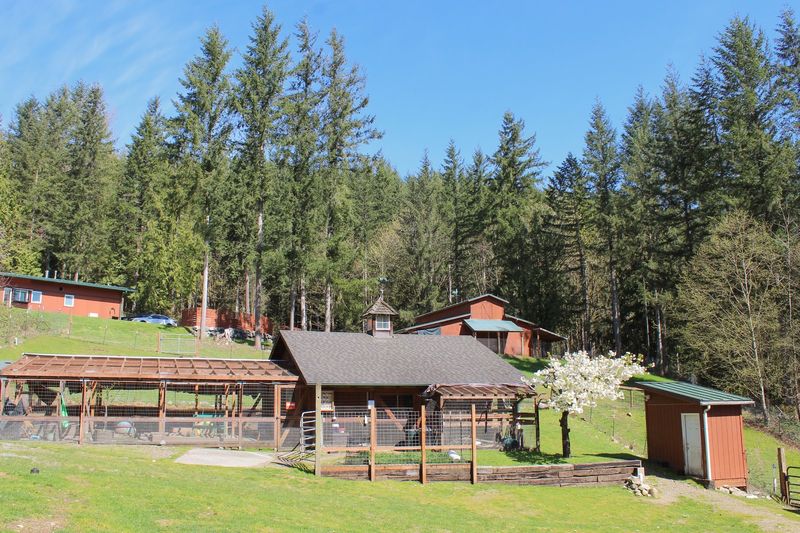
A visit to Pasado’s Safe Haven offers families something more meaningful than an ordinary afternoon outing. Guided tours introduce guests to rescued animals while explaining the sanctuary’s mission to protect them from cruelty and neglect.
Public tours currently cost $25 per adult and $18 for children ages 4 through 12. Children younger than four can attend for free, making the experience accessible to families with little ones.
Tickets must be purchased in advance, and visitors should arrive about 15 minutes before their scheduled tour begins.
The admission fees help support an organization that provides food, shelter, medical care, and rehabilitation to animals in need.
Children can also learn how small acts of kindness make a difference. Families interested in contributing further can explore donation opportunities and the sanctuary’s wish list.
Beyond meeting cows, goats, pigs, and other residents, the experience encourages young visitors to think about animal welfare in a new way.
Every ticket helps support a mission built around compassion, safety, and second chances.
Piggies, Chickens, and Friends
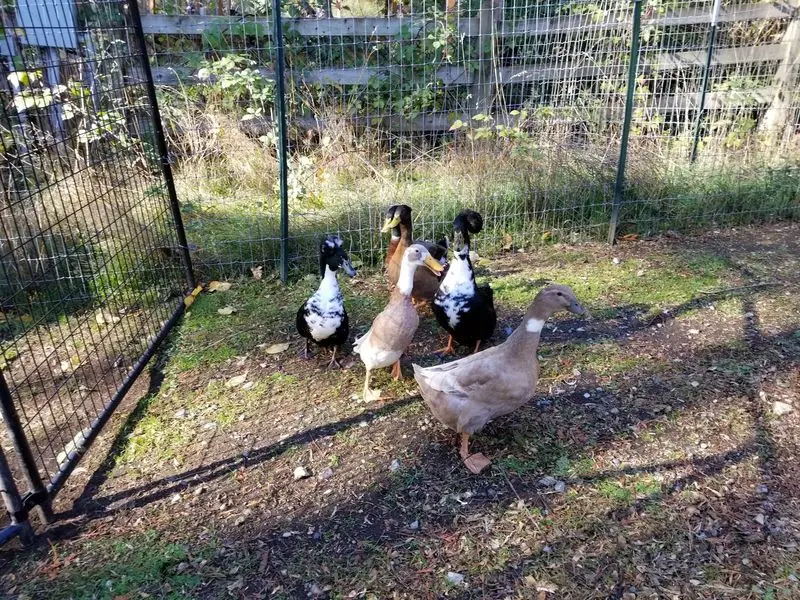
Cows and goats may grab the headlines, but they are far from the only stars on the property. Pigs, chickens, and other farm animals call this place home as well.
Pigs are known as some of the smartest animals on a farm. Scientists have found they can learn tricks and solve simple puzzles, which kids usually find amazing.
Chickens also have more going on than most people think. Each bird has its own habits, favorite spots, and even friends in the flock.
Not every area is open on every visit. Some guests have found that the cat and bird spaces were closed on their day, so it helps to keep expectations flexible.
Sanctuary visits are guided by trained staff who introduce guests to the animals and explain their individual rescue stories. Certain animal areas may be restricted to protect the residents.
Bring a little notebook so kids can list every animal they meet. It turns the day into a mini field study that they will want to share at school.
Rules That Keep Everyone Safe
Every great visit starts with a few simple ground rules. Listening to staff is the biggest one of all.
Many animals here came from rough pasts. Loud noises, fast moves, or grabbing hands can make them nervous, even if the person means well.
Before the trip, practice at home with your kids. Show them how to hold out a flat hand, move slowly, and speak in a quiet voice.
Here are a few handy tips:
Wear sturdy closed-toe shoes, since farm ground can be uneven or muddy. Dress in clothes you do not mind getting dirty.
Leave your own pets at home. Visiting dogs can stress the residents, and they could bring in germs.
Wash hands after touching animals. A small bottle of hand sanitizer in the car is a smart backup.
Following these steps is not about being strict. It shows respect for animals that are still learning to trust people again, and that respect is what makes the scratches possible.
Timing Your Trip Right
Visiting Pasado’s Safe Haven requires a little advance planning, since public tours take place on scheduled dates rather than through unrestricted daily admission.
Families should check the official tour calendar, purchase tickets ahead of time, and arrive approximately 15 minutes before their scheduled tour begins.
Keep in mind that public tours may follow their own dates and times. The website is the best place to confirm what is open before you head out.
Weather in Central Washington can change with the seasons. Summers tend to be warm and dry, while winters can bring snow and cold.
Packing for the season makes a big difference for kids. Hats and water help in summer, and warm layers keep everyone comfortable in colder months.
Plan for the drive too. With about an hour of travel from Seattle, building in a snack stop and a bathroom break keeps little travelers in a good mood for the barnyard.
Helping Hands Wanted
Behind every brushed coat and clean stall is a team of people who show up week after week. Volunteering is one of the biggest parts of life here.
Plenty of helpers make the drive from the Seattle area on a regular basis. Many say the work feels important and the staff make them feel welcome.
There is a real community feel among the volunteers. People who care about animals end up working side by side and building friendships along the way.
Tasks can include cleaning, feeding, and helping with animal care. The exact jobs depend on the sanctuary’s needs and any age rules they have in place.
Families with older kids should check the website for volunteer requirements. Some programs may have age limits or training steps first.
Younger kids can still help from home. Making posters, collecting supplies, or running a lemonade-free bake sale for donations are all ways to pitch in.
Small efforts add up fast when lots of people join in.
Forever Homes Start Here
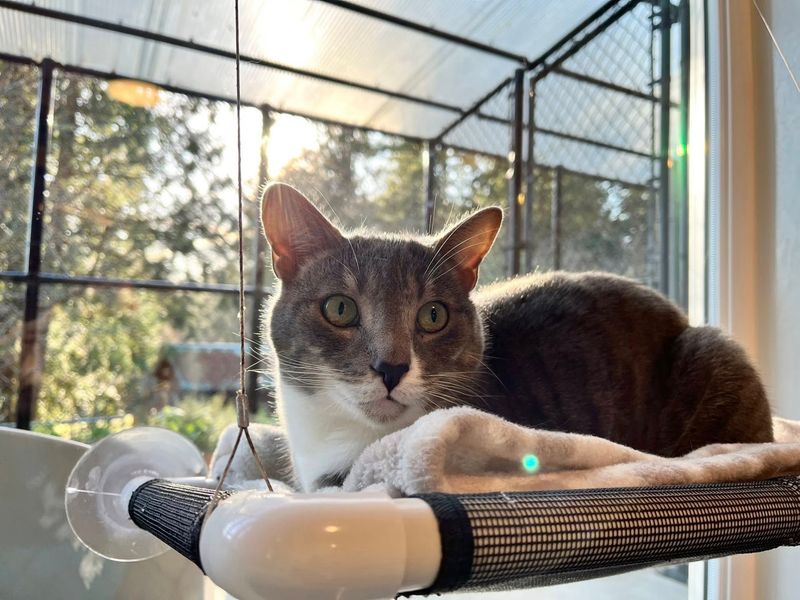
Not every resident stays forever. Cats and dogs at the sanctuary can be adopted into loving homes.
Some animals wait a long time for the right match. One senior cat with special needs lived at the sanctuary for close to 15 years before a patient adopter finally took her home.
Staff are known for sharing honest details about each animal’s health and needs. That helps families pick a pet that truly fits their home.
Patience is helpful during the process. Email replies on adoption questions can sometimes take a while, so a polite follow-up may speed things along.
Shy cats often warm up faster than expected. Plenty of adopted cats go from hiding to playing with their new siblings within a month.
Foster options have also been offered. Fostering lets families test how a pet fits with the animals already at home.
For kids, adoption can be a big lesson in responsibility. Feeding, cleaning, and showing love every day is how a rescue becomes family.
Care Beyond the Barn
Rescue work does not stop at the pasture fence. The sanctuary also runs spay and neuter services, including a mobile clinic.
Spaying and neutering helps cut down on the number of homeless pets. Fewer unplanned litters means fewer animals ending up in shelters.
Pet owners have praised the skilled staff and clear after-surgery instructions. Pain medicine and a cone are often sent home to help with recovery.
Extra services like microchipping, nail trims, and ear cleaning may also be available. These can come with add-on charges, so ask ahead.
This is not a standard vet office. Following their simple directions makes the appointment go smoothly.
Scheduling can take some persistence, so reaching out early is a good idea.
For kids, this side of the sanctuary shows that helping animals also means preventing problems before they begin. Scratching a happy Highland cow is fun, but caring for animals across the whole community is what keeps the mission moving forward every single day.