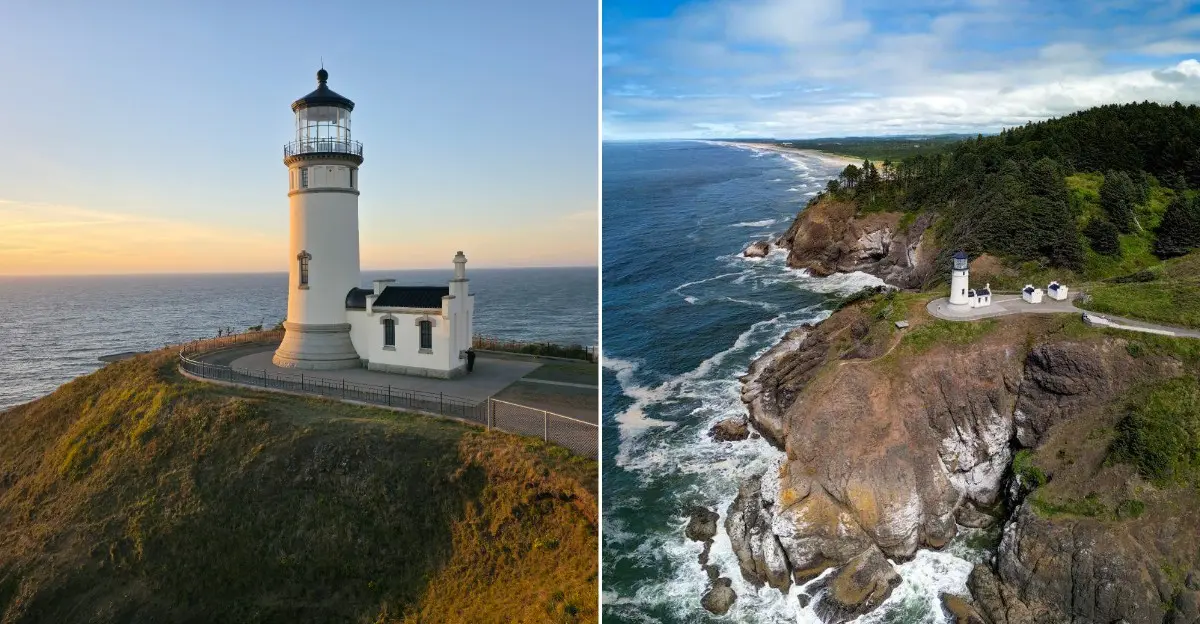
Ships have feared the mouth of the Columbia River for more than two centuries. Shifting sandbars, fierce winter storms, and sudden fog turned this stretch of coast into a place sailors nicknamed the Graveyard of the Pacific.
Thousands of vessels have run into trouble here, and the coastline needed more than one guardian to help crews find their way.
On a rocky bluff in southwest Washington, a stout white tower took up that job in 1898, and it still has not clocked out.
Today it welcomes travelers with a short forest walk, a climb to the top, and wide views of the ocean and the northern Oregon Coast.
The story behind it is full of stubborn keepers, careful restoration, and passing whales.
Its history of shipwrecks, determined lighthouse keepers, and dramatic coastal scenery makes this Washington landmark one of the most memorable stops along the Pacific coast.
Why a Second Light Was Needed
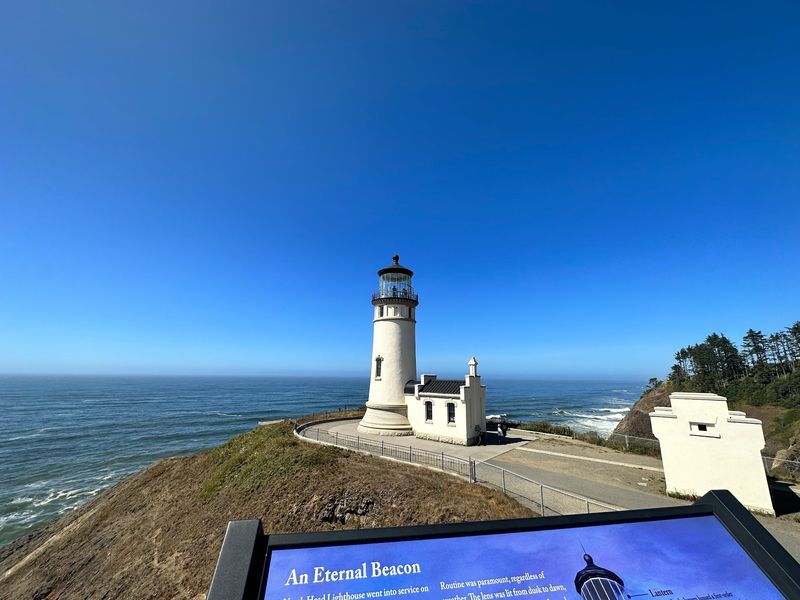
Cape Disappointment already had a lighthouse, so why build another one just two miles away?
The answer comes down to direction. Ships sailing south along the coast often could not see the older Cape Disappointment Lighthouse until they were dangerously close to the river bar.
North Head Lighthouse was lit in 1898 to fix that blind spot. Its position helped ships approaching from the north spot the coastline earlier, overcoming a visibility problem that the older Cape Disappointment Lighthouse could not solve.
The waters here earned a fearsome nickname for good reason. Strong currents, shifting sand, and heavy surf have caused around two thousand ship accidents in the area over the years.
For keepers, that meant serious work and constant watchfulness. Their job was to keep the lamp burning through every storm and every foggy night.
Standing near the tower today, it becomes clear how much one well placed beam could matter. History here is not a footnote, it is the whole reason the light exists.
Finding the Bluff
Every great lighthouse trip starts with a map, and this one leads to the far southwest corner of Washington.
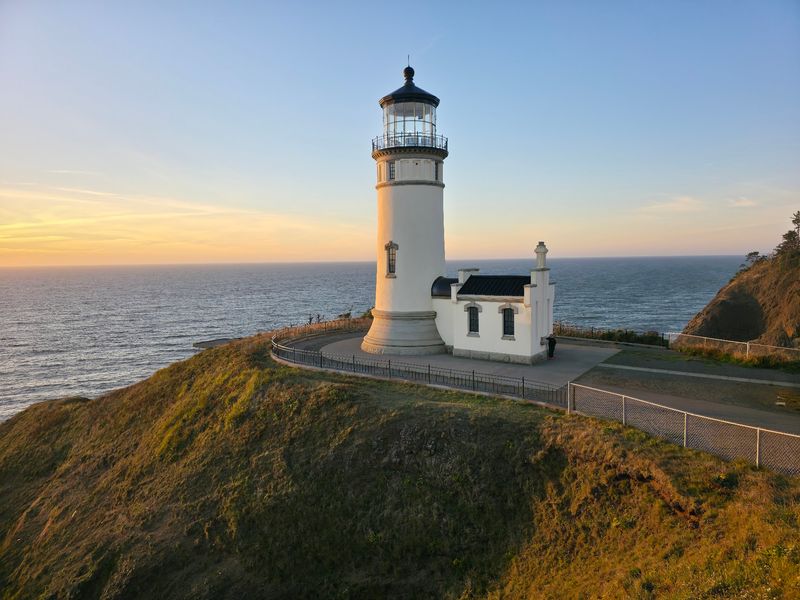
North Head Lighthouse sits at 78 N Head Lighthouse Rd, Ilwaco, WA 98624, inside Cape Disappointment State Park. The tower stands on a headland where the Columbia River meets the Pacific Ocean, close to the Long Beach Peninsula.
From the park campground, drivers take North Head Road north until it meets North Head Lighthouse Road. A left turn there leads to the parking area at the end of the road.
Visitors can enjoy the scenic lighthouse grounds throughout the year, but access inside the tower is seasonal. Guided climbs are offered from May 1 through September 30, between 11 AM and 3 PM, weather and staffing permitting.
Since the park is a Washington state park, a Discover Pass is generally needed for parking. Checking the park website before leaving home keeps the day stress free.
Once the car is parked, the real fun begins with a stroll toward the light.
A Short Stroll Through the Woods
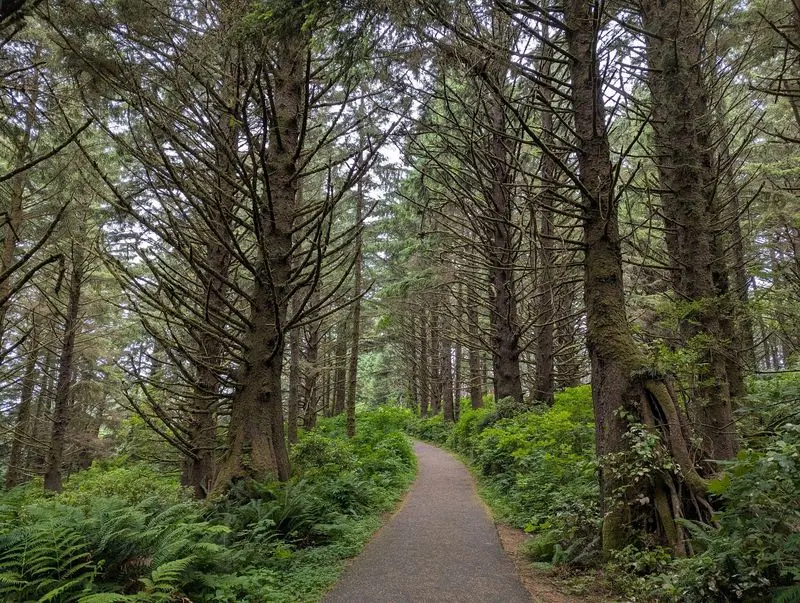
Good news for anyone who prefers views over sweat. The walk from the parking lot to the lighthouse is roughly half a mile each way on a paved path.
The loop splits near the start, and both sides reach the same tower. The right side includes a few stairs, while the left side skips them.
Along the way, the trail passes through coastal forest and open grassy meadows. Interpretive signs share facts about the lighthouse, the keepers, and the surrounding coast.
The route does have some ups and downs, so it is not fully accessible for wheelchairs. Comfortable shoes make the trip easier, especially after rain.
Families with young kids usually handle the walk without trouble. It is short enough for little legs but still feels like a small adventure.
A few benches and picnic tables sit around the park, so there are places to pause. By the time the white tower peeks through the trees, the walk feels well earned and over far too soon.
Don’t Mix Up the Trails
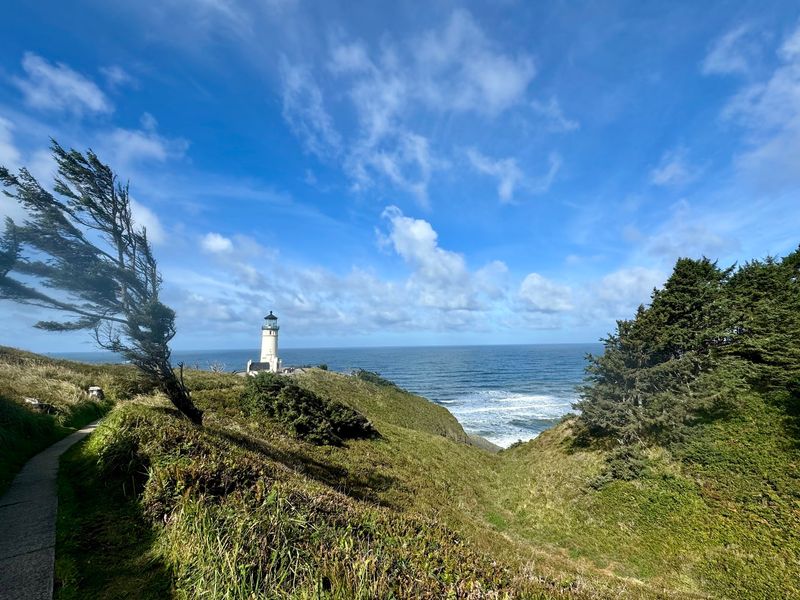
Here is a tip that saves a lot of confused hikers. The trail map near the parking area can be tricky to read.
The short path to the lighthouse is called Bell’s View Trail, and it sits behind you when you face the map. It is less than half a mile.
Some people head the wrong way and end up on the North Head Trail instead. That one stretches about three miles and has more climbing.
The longer trail is lovely, but it is not a quick lighthouse stroll. Starting it by mistake can eat up the limited hours the tower is open.
Before setting off, take a moment to check the signs. A quick look at the map can keep the whole group on the right track.
Of course, hikers who want more miles can save the North Head Trail for another part of the day.
Climbing to the Top
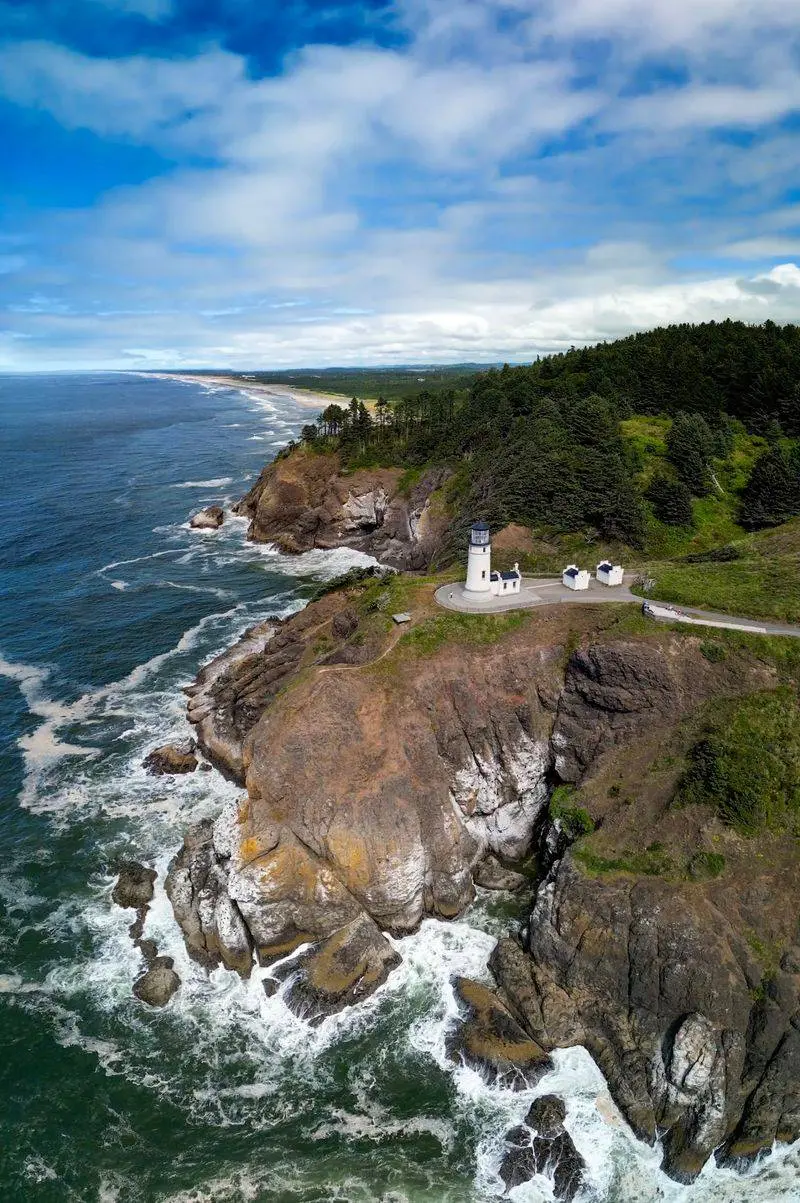
Ready for the best seat in the house? During the tour season, visitors ages 18 and older can climb the lighthouse for $3, while children ages 7 through 17 enter free.
Children younger than seven are not permitted to climb the tower.
The climb is led by friendly volunteers who keep things organized. During busy summer days, tours have run about every fifteen minutes.
At the top, a guide shares stories about the lighthouse, the coastal area, and the many shipwrecks offshore. It is a quick history lesson with a much better view than any classroom.
Groups can sometimes make the wait longer. School trips or large tours may fill the space, so patience helps on crowded days.
The stairs are narrow, as in most lighthouses. Anyone uneasy with tight spaces or steep steps may want to enjoy the outside grounds instead.
Still, most people find the climb worth every step. Few things beat looking out over the same waters the keepers once guarded, with a guide filling in the details.
Stones From the Same Quarry
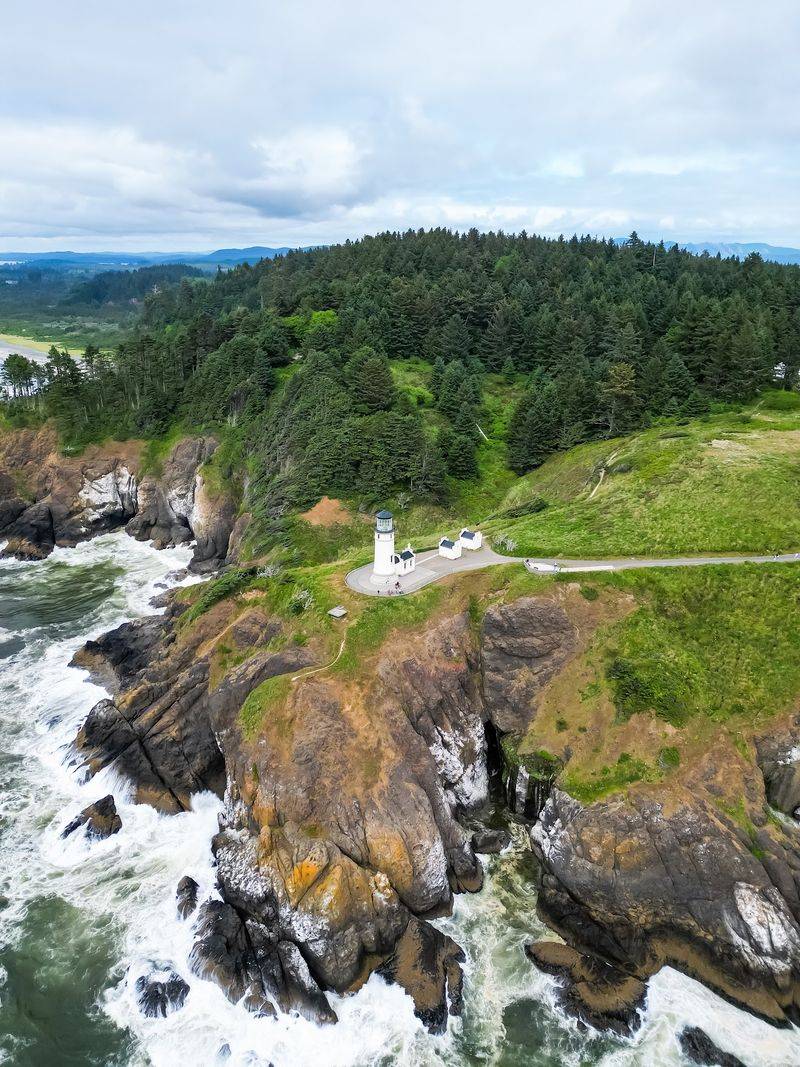
Old buildings by the sea take a beating, and this tower is no exception. Salt air and wind wear down even the toughest walls.
Major restoration work has given the lighthouse a fresh lease on life. Crews repaired the structure, the masonry, and the lantern area to protect it for years to come.
One detail stands out on the info displays. Restoration teams worked to preserve the lighthouse’s historic appearance while repairing damage caused by decades of exposure to harsh coastal weather.
That kind of care is not cheap or easy. Local groups, including the Keepers of North Head, have worked hard to raise funds and support the project.
The result is a tower that looks sharp and well maintained. The grounds around it stay tidy too.
Learning about the restoration adds a new layer to the visit. It turns a pretty lighthouse into a story of people who refused to let history crumble into the sea.
Still on the Job
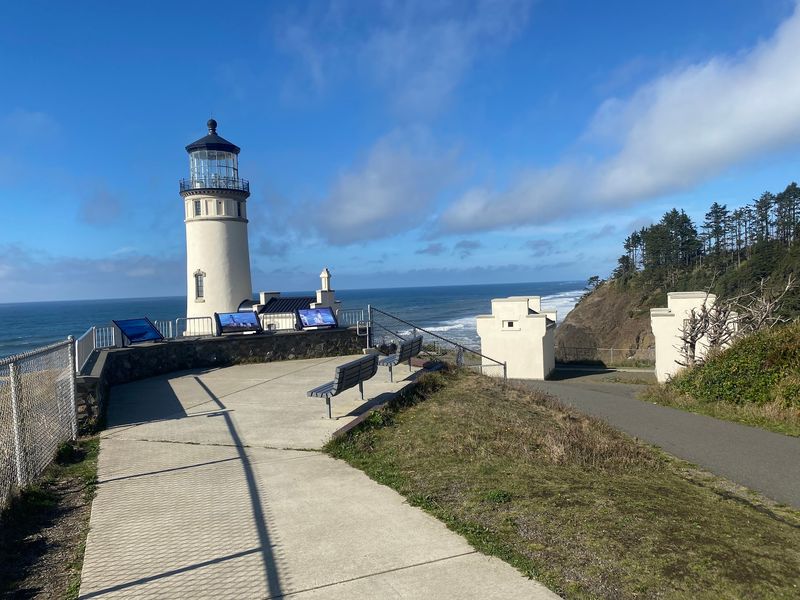
Plenty of old lighthouses are retired, but this one still works. North Head Lighthouse remains an active aid to navigation.
Its light continues to help ships along the coast near the Columbia River entrance. Modern equipment now handles the job that keepers once did by hand.
The original lens was a large Fresnel lens, a type of glass system that bends light into a strong beam. That historic lens was later removed, and today it is displayed at the Lewis and Clark Interpretive Center in the same park.
A visit to both spots makes a fun pairing. The tower shows where the light shines, and the center shows the lens that once did the shining.
Knowing the light still matters gives the visit extra meaning. This is not a museum piece frozen in time.
Sailors still count on it, more than a century after it first switched on. Not bad for a tower that started work in 1898.
Views That Stretch for Miles
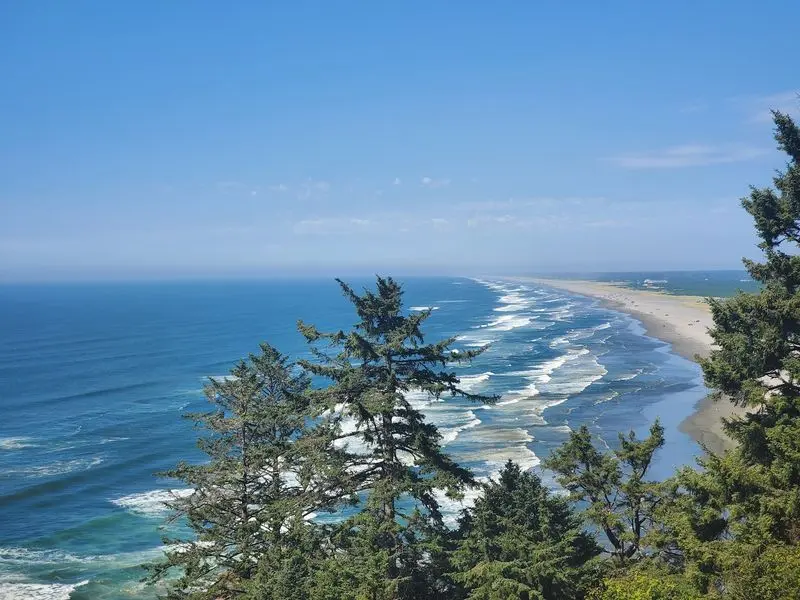
Bring a camera, or at least a fully charged phone. The views from this headland are the main event for many guests.
On a clear day, the Pacific Ocean spreads out to the west. To the south lies Benson Beach, and farther off, the northern Oregon Coast comes into view.
Looking north, the long sands of Long Beach run up the peninsula. It is easy to see why keepers needed a tall tower on this spot.
Seabirds circle the cliffs, and seals sometimes rest on the rocks below. Binoculars help with spotting the smaller details.
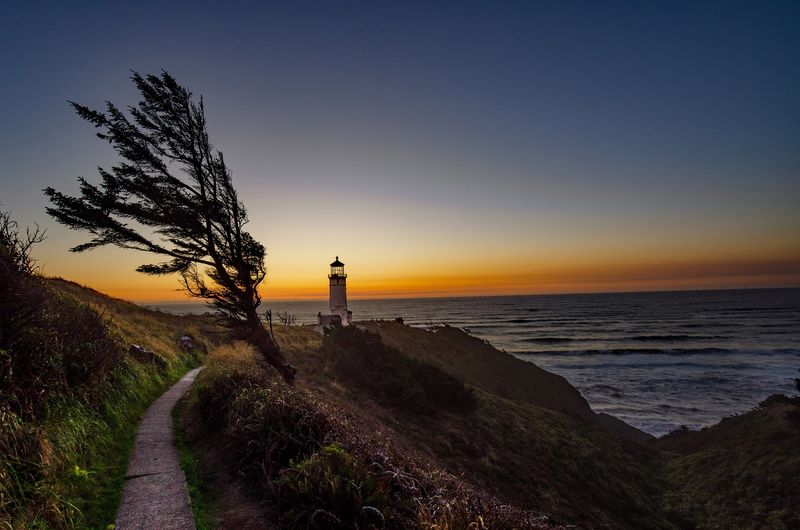
Sunset is a favorite time for photos, though the tower itself closes at 3 PM. The park grounds may offer later views, so check current park hours first.
Weather on this coast changes fast. A foggy morning might clear by noon, so a little patience can pay off with a much wider view.
Watching for Whales
Here is a fun bonus that many people do not expect. The bluff is an excellent lookout for migrating gray whales.
Gray whales travel along the Pacific coast each year. They head south in winter and return north in spring, passing near this stretch of shore.
Spotting them takes a bit of luck and a sharp eye. Look for spouts of water rising above the waves, then watch for a dark back or tail.
Clear days give the best chance. Calm seas make spouts easier to notice than choppy, white capped water.
Bring binoculars and a jacket, since standing still on a windy point can get chilly. A warm layer makes waiting much more pleasant.
Even without a whale sighting, the search itself is part of the fun. Kids especially enjoy turning it into a friendly contest, and the first person to shout about a spout gets bragging rights for the ride home.
Sleep Where Keepers Lived
Ever wanted to spend the night like a lighthouse keeper? At North Head, that wish can come true.
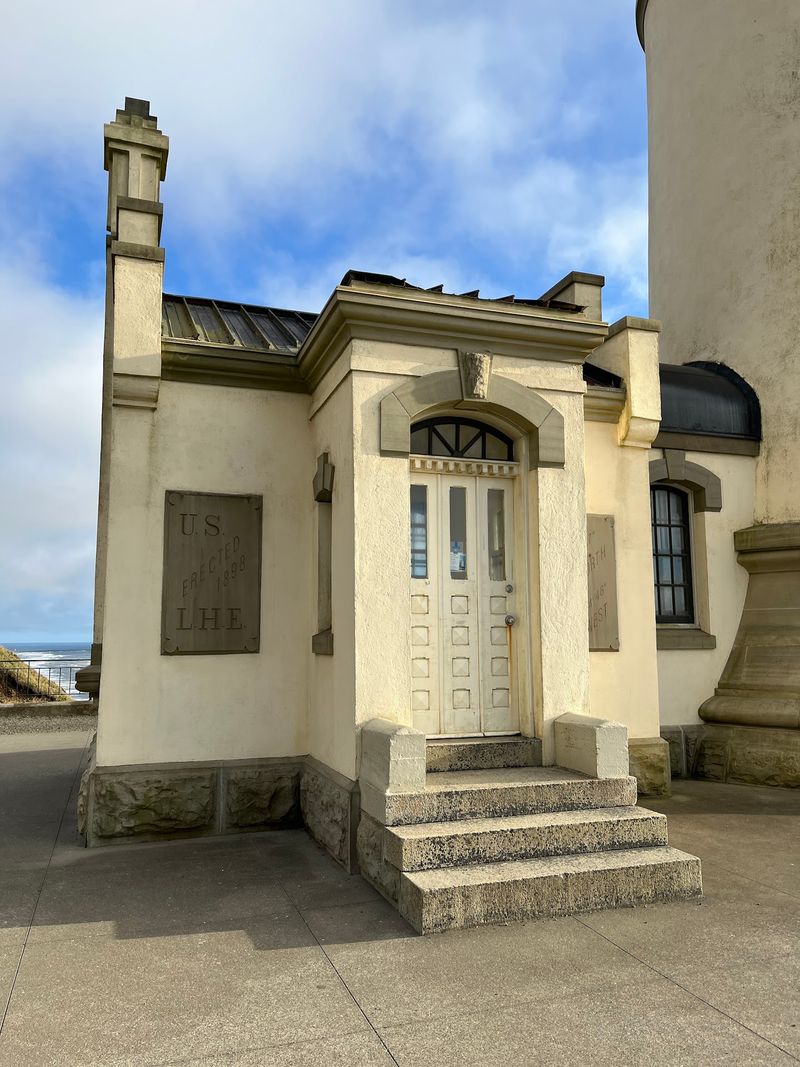
The former keepers’ homes still stand near the trail to the tower. These historic houses are available as vacation rentals through Washington State Parks.
The homes have been carefully maintained, and they add charm to the walk out to the light. Even day guests enjoy passing by and reading about the families who lived there.
Life for keepers was busy and often lonely. They maintained the lamp, kept records, and handled the house chores on a remote, windy bluff.
Staying overnight offers a chance to explore the area before and after the tower hours. Storm watching from a cozy room is a popular idea for many coast lovers.
These rentals tend to book up, so planning ahead is wise. Reserving early is the best way to claim a spot in a home with more than a century of stories.