Plenty of drivers roll through New Castle, Delaware, on their way to somewhere else and never slow down.
That is a shame, because one of the oldest Episcopal congregations in America is sitting right beside the town green, waiting with three centuries of stories. Its graveyard holds a signer of the Declaration of Independence.
Its walls survived a serious fire in 1980 and came back to life through careful restoration. Its parish has been gathering here since the very early 1700s, long before Delaware was even a state.
The building does not shout for attention, and maybe that is why so many people miss it.
A visit here offers a chance to explore colonial architecture, discover the stories behind centuries-old gravestones, and experience one of Delaware’s most remarkable historic landmarks.
Where History Parks Itself on the Green
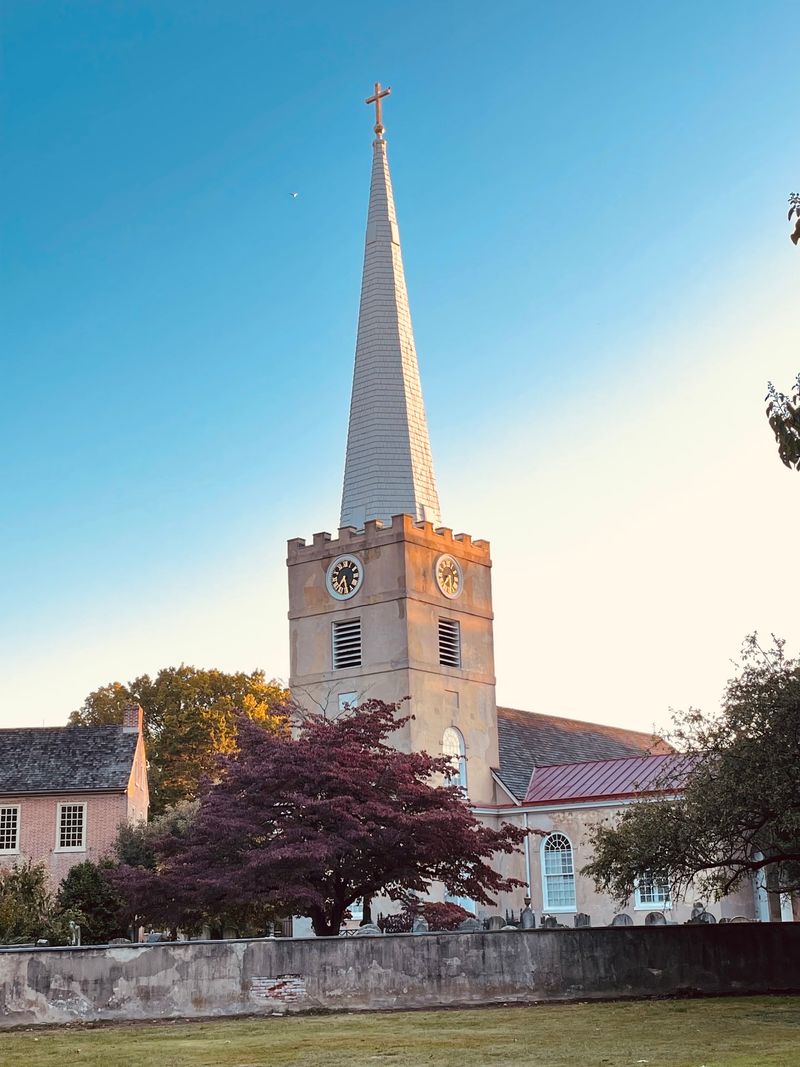
Finding this landmark is the easy part, and noticing it is the real challenge. Immanuel Episcopal Church on the Green sits at 50 Market St, New Castle, DE 19720, right in the historic heart of this small Delaware riverfront town.
The church faces the town green, a wide open lawn that colonial planners set aside centuries ago. Brick sidewalks, old homes, and the historic courthouse all sit within a short stroll.
Many travelers cruise along nearby roads heading toward Wilmington or the Delaware Memorial Bridge. They often have no idea that a parish dating to the early 1700s is only a few turns away.
Parking is generally available on the surrounding streets in the historic district. Once the car is settled, the whole area is easy to explore on foot.
A smart move is to treat the church as the anchor of the visit. Start here, then branch out to the other colonial buildings around the green.
That simple plan turns a quick detour into a full morning of history without any complicated planning.
A Parish Older Than the Nation
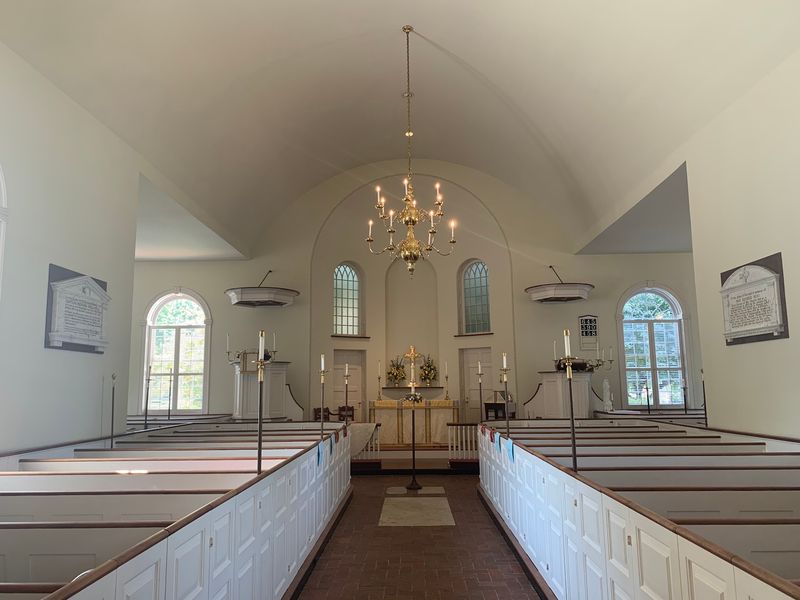
Before there was a United States, there was already a congregation praying on this spot. The parish was founded in 1689, and the church building began rising in 1703.
That makes it one of the oldest Episcopal parishes in the country. It is often described as the oldest Episcopal church in continuous use in the U.S., since some older congregations shut down during the American Revolution.
Think about that for a moment. Services were taking place here while Delaware was still tied to the colony of Pennsylvania.
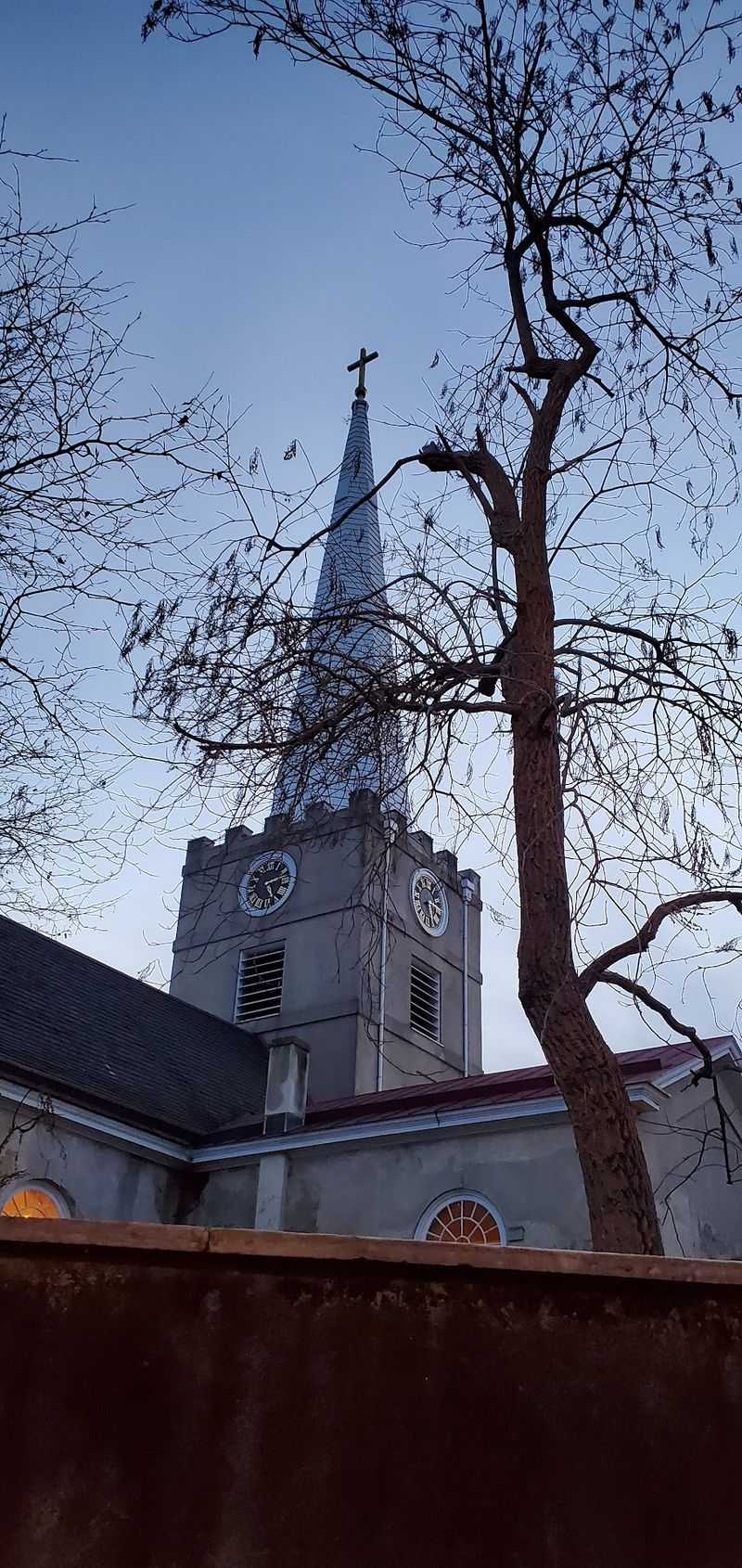
The building has grown over the years. The tower and spire were added in the early 1800s, giving the church the tall profile seen today.
For history fans, this place offers a rare chance to stand inside a story that keeps going instead of reading about one that ended long ago.
Bring a curious mind and maybe a notebook. The timeline here is long enough to fill a few pages, and every date seems to lead to another question worth asking.
Rising From the 1980 Fire
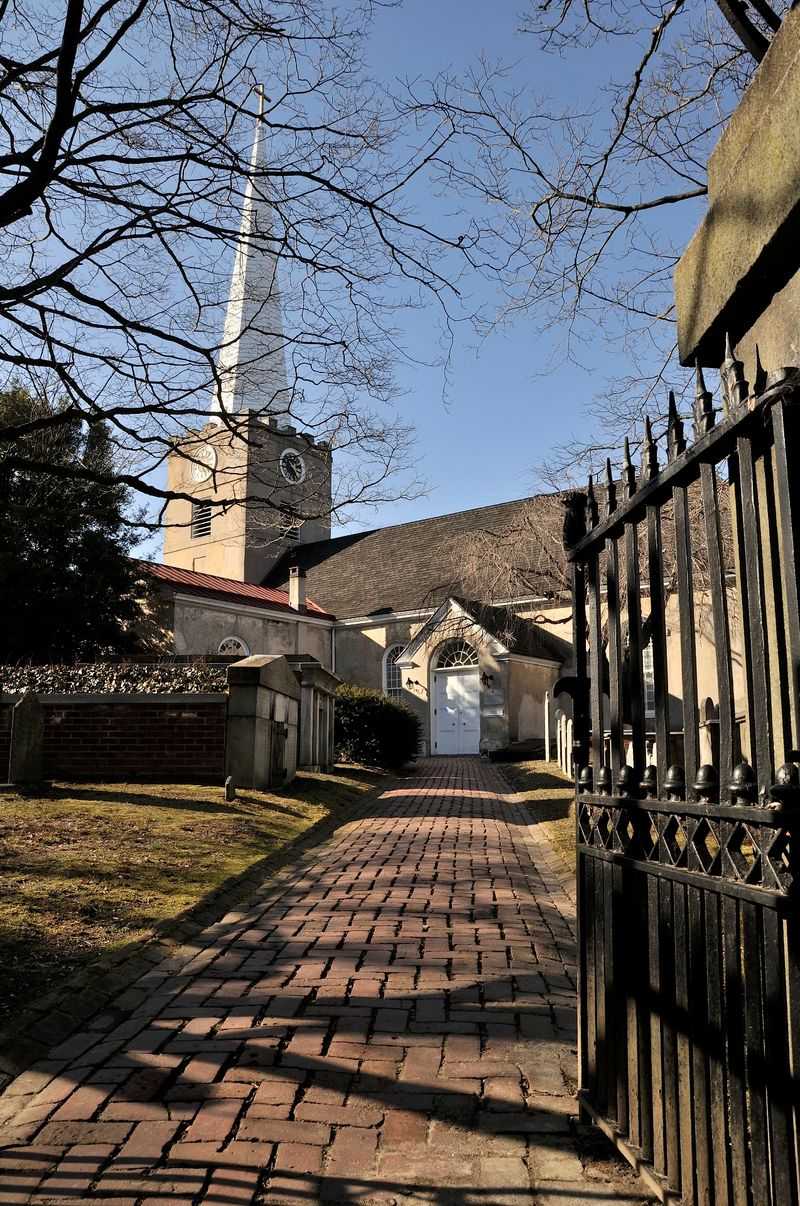
February 1980 brought a dark chapter. A fire swept through the church and left much of the historic structure badly damaged.
Plenty of communities might have walked away. The people of New Castle chose a harder and braver path and decided to rebuild with great care.
The restoration took several years. Workers aimed to honor the colonial character of the building while making it sound for future generations.
Today the result stands proudly beside the green. Many guests walk past without ever guessing that the walls in front of them came so close to being lost.
Here is a fun way to approach a visit. Look at the building with the comeback story in mind, and it starts to feel less like a museum piece and more like a survivor.
That spirit of determination fits a town that has been rebuilding and preserving itself for more than three hundred years.
It also explains why locals speak about this church with such pride. They did not simply keep it standing, they brought it back.
A Founding Father Rests Here
George Read signed the Declaration of Independence, and his final resting place is right in this churchyard.
Read was a major figure in Delaware history. He also signed the U.S.
Constitution, which makes him one of only a small group of people who signed both documents.
His grave is one of the most visited spots on the grounds. His grave offers visitors a direct connection to the founding of the United States and the people who helped shape the country’s earliest years.
Families with kids can turn this into a mini history lesson. Ask young ones to find his name, then talk about what signing those documents really meant back then.
The moment tends to stick with children far longer than a page in a textbook.
Please treat the space with care. This is an active churchyard, so staying on paths and keeping voices low is the polite way to visit.
A short stop here connects the town directly to the founding of the nation, and that is a pretty remarkable thing for a quiet corner off Market Street.
Three Centuries Written in Stone
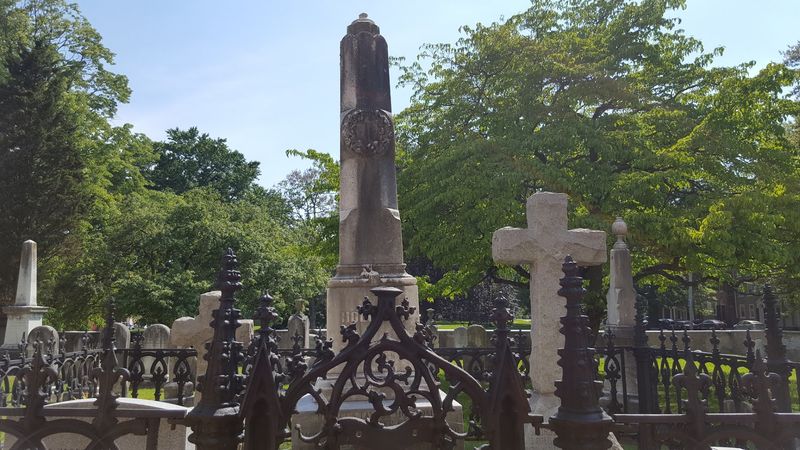
Gravestones here date back to the 1700s, and the churchyard holds roughly three hundred years of local history.
Many markers are ornate, with carved details and old-fashioned lettering. Some crypts stand above the ground, which adds to the timeless look of the grounds.
Reading the epitaphs is one of the most rewarding things to do on a visit. The dates alone can be surprising, and the names reveal families who shaped early New Castle.
Some stones belong to young children and to mothers from long ago. They are a gentle reminder of how hard daily life could be in colonial times.
Families tracing their roots sometimes find ancestors resting here. The grounds are well kept, which makes the search easier and more respectful.
Take your time while exploring. Older carvings can be faint, so a slow pace helps you catch details that hurried folks miss.
Bring a phone for photos of interesting inscriptions. Later, those pictures can spark fun research at home about the people behind each name.
When the Doors Swing Open
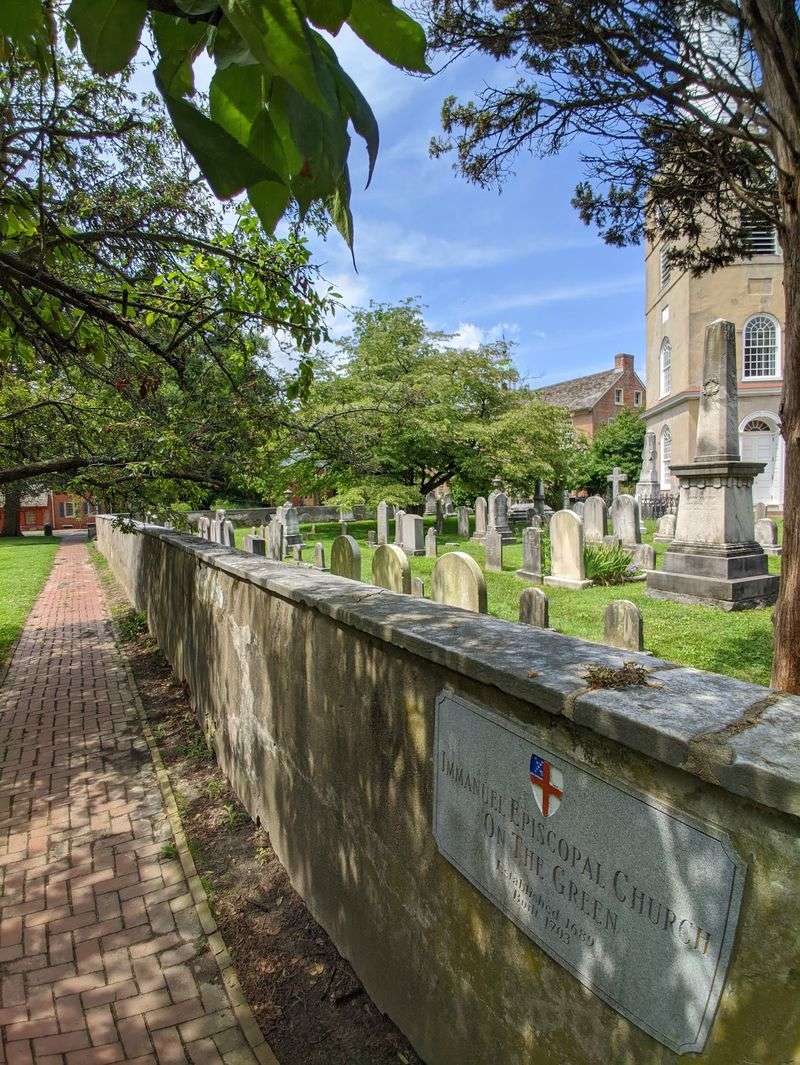
Timing matters more than most people realize. Visitors who want to explore the historic church should check its schedule before arriving.
According to the parish’s official website, the church is open Monday through Saturday from 9 a.m. to 5 p.m. Sunday visits revolve around scheduled worship services, including the morning Eucharist.
The congregation welcomes visitors who want to step inside, admire the historic surroundings, or spend a quiet moment in prayer and reflection.
The parish has made it clear that guests are welcome to look inside when the church is open. So do not be shy about stepping through the door.
A weekday morning is a smart choice for a calm, unhurried look around. Fewer people tend to be on the grounds, which leaves room to read signs and ask questions.
Checking the official website before heading out is always wise. Special events or services can shift schedules, and a quick look saves a wasted trip.
Sunday Mornings and a Celebrated Choir
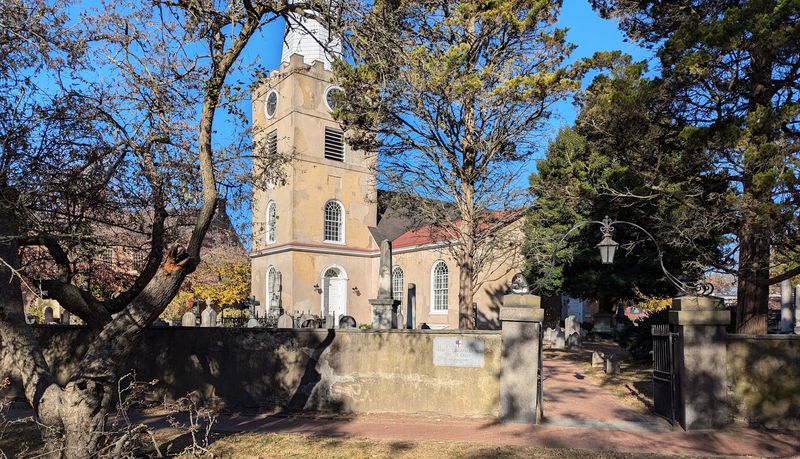
Old buildings are wonderful, but people are what keep a church alive. Immanuel is very much an active parish, not just a historic site.
The choir earns special praise around town. Some worshippers say they would happily pay just to attend, and the music is a big part of why folks come back.
Sermons are often described as inspiring. The atmosphere is friendly and relaxed, so newcomers do not need to feel nervous about joining in.
Easter services here have left a strong impression on guests over the years. Holidays tend to bring extra energy and a full sense of community.
Anyone curious about worship in a colonial setting can simply show up on a Sunday. Arriving a few minutes early makes it easier to find a seat and settle in.
Even if you are just visiting town, joining a service offers a different view of the church. History stops feeling like the past and starts feeling like something still happening right now.
A Congregation With Open Arms
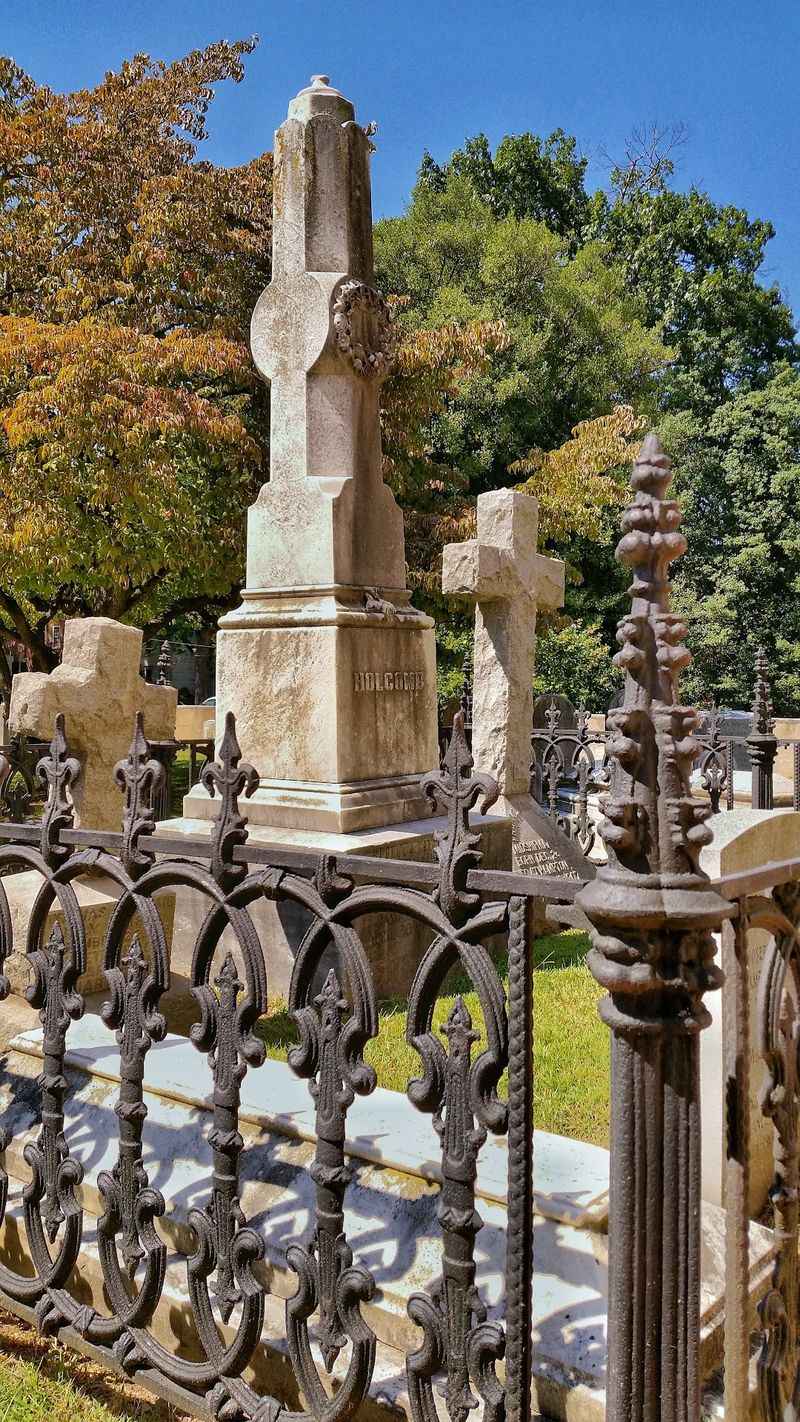
Warm welcomes are something of a tradition at this parish. The congregation is known for accepting people from all walks of life.
Members tend to be deeply dedicated. Many guests leave talking about how genuinely friendly everyone seemed, from the clergy to the folks in the pews.
The parish staff also takes time to respond to people online. They often encourage guests to come back and to peek inside the church whenever it is open.
That kind of attention says a lot. It shows a community that wants its historic home to be shared rather than kept behind closed doors.
For travelers, this openness makes a difference. Questions about the building or the churchyard are usually met with patience and a smile.
So go ahead and say hello if someone is around. A short chat might reveal a story about the parish that no sign or brochure covers.
Sometimes the best part of a historic visit is the people who still care for the place every single week.
Spring Blooms and Snapshot Spots
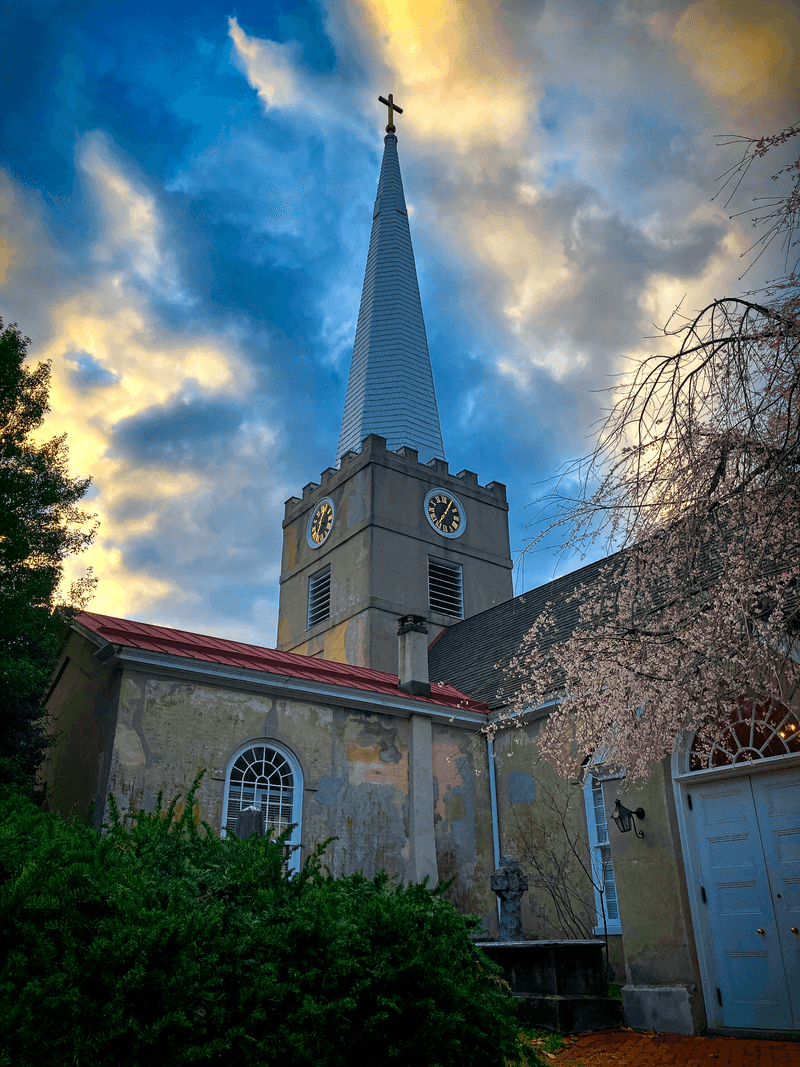
Photographers, take note. The grounds around the church offer some of the most pleasing views in the whole historic district.
Flowering trees brighten the churchyard in season. Spring is an especially lovely time, when blossoms frame the tower and the old headstones.
The tall spire makes a strong focal point. Shooting from across the green lets the entire building fit into one frame along with its peaceful surroundings.
Closer shots work well too. Carved gravestones, brick walls, and colonial details create interesting textures for anyone who likes close-up photography.
Morning light tends to be softer and helps avoid harsh shadows. Late afternoon can also look beautiful as the sun drops lower.
Please keep in mind that this is a place of worship and rest. Avoid climbing on monuments or blocking paths, and stay mindful during services or private events.
A little courtesy keeps the grounds welcoming for everyone. The reward is a set of photos that capture colonial Delaware at its most charming.
Make a Day of Old New Castle
One church can easily turn into a whole day out. The surrounding streets of Old New Castle are packed with colonial history.
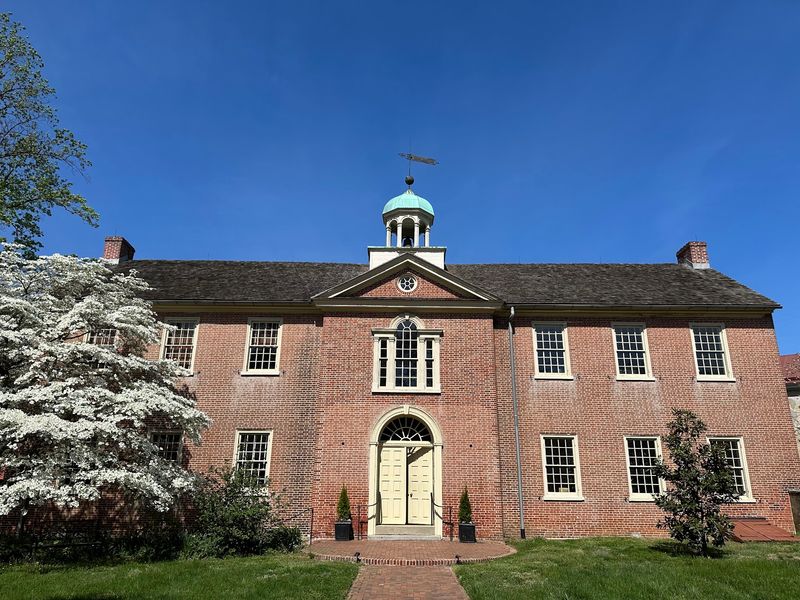
The New Castle Court House sits nearby and ranks among the oldest courthouses in America. Original homes from the 1700s and early 1800s line the streets, and a few cobblestone lanes still survive.
Many people compare the town to a smaller, closer Williamsburg. The difference is that New Castle feels lived in, with real neighbors and real businesses.
The church is part of the popular walking tour of the historic district. That makes it a natural starting or ending point for exploring.
After visiting, a short stroll leads to the main street for a meal. The Delaware River waterfront is also close, perfect for a relaxing walk.
Comfortable shoes are a must, since brick sidewalks can be uneven. Pack water on warm days too.
By the end of the afternoon, it becomes clear why this little building deserves far more than a passing glance from the car window.