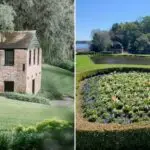
A self-taught gardener once turned a field of scraggly shrubs into giant green spirals, arches, and hearts.
He started with plants other people had thrown away. Now visitors from around the world come to see them.
That garden sits in a tiny South Carolina town most people zip right past.
Down another country road, poems written by an enslaved potter still survive on clay jars. In a third town, a jazz legend’s statue stands near where his story began.
I love that these surprises don’t hang out near the interstate. You have to slow down, take the two-lane road, and trust the map a little.
So here’s my question for you. How many amazing stops have you already driven past without knowing it?
Bishopville
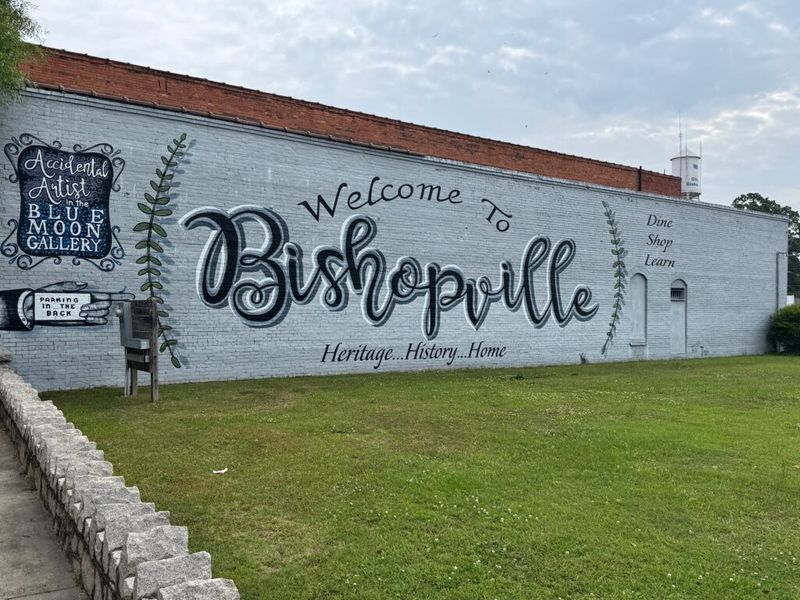
Shrubs shaped like spirals and fish bones are not normal yard decor. In Bishopville, they’re a tourist attraction.
The Pearl Fryar Topiary Garden is the star here. Pearl Fryar had no formal training in gardening when he began trimming plants in the 1980s.
He often rescued shrubs that nurseries were tossing out. Then he shaped them into wild, swooping forms that look almost like modern sculpture.
Give yourself time to wander slowly. The details get stranger and better the longer you look.
Next, swing by the South Carolina Cotton Museum. It tells the story of the crop that shaped this region for generations.
You’ll learn about farming, the boll weevil, and how cotton changed daily life. It’s a smart stop if you have curious kids riding along.
Bishopville also has a quirky claim to fame. In 1988, reports of a scaly creature called the Lizard Man of Scape Ore Swamp made national news.
Nobody ever proved anything. Still, it gives your road trip a fun campfire story for the drive home.
McClellanville
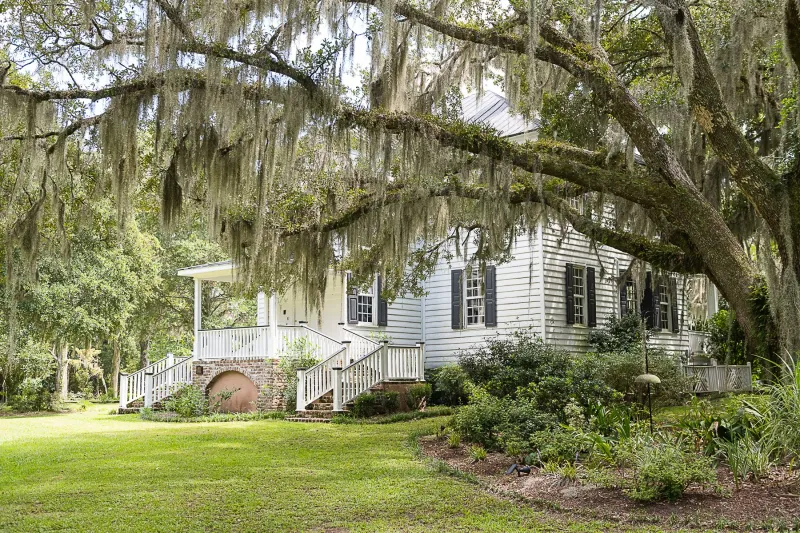
Shrimp boats outnumber stoplights in this little fishing village. That should tell you plenty about its pace.
McClellanville sits along Jeremy Creek, close to the Atlantic coast. Its working shrimp fleet still docks right in town.
Bring a camera for the boats and the salt marsh views. Morning and evening light make the creek look like a painting.
Live oaks line the quiet streets, and old homes peek out between them. A slow walk is the best way to take it in.
Want some backstory? The Village Museum shares local history, from early settlers to the fishing life that still drives the town.
It also covers Hurricane Hugo, which slammed into this area in 1989. The town’s recovery is a big part of its pride.
Nature fans should know about Cape Romain National Wildlife Refuge nearby. It protects miles of barrier islands, marsh, and bird habitat.
Pack bug spray and a little patience. The coast here rewards people who aren’t in a hurry.
Abbeville
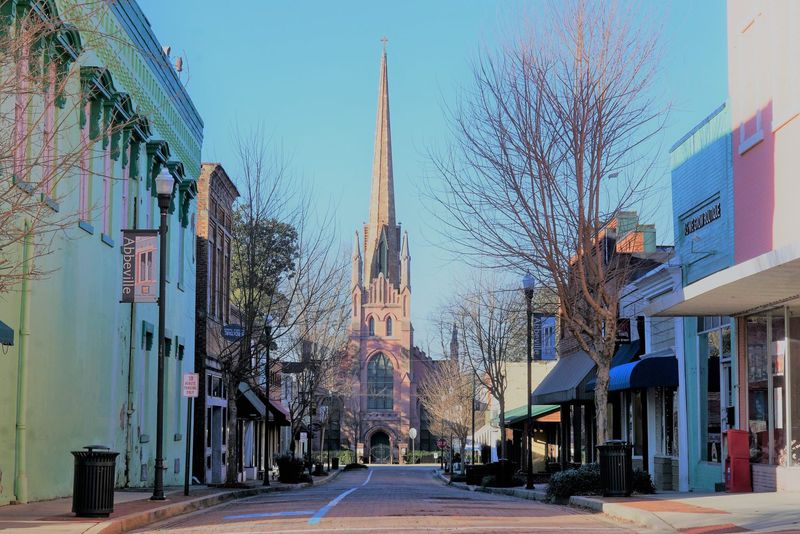
Few small towns can say they played a role at both the start and the end of a war. Abbeville can.
In 1860, a meeting at a spot now called Secession Hill helped push South Carolina toward leaving the Union. Five years later, the story circled back here.
At the Burt-Stark Mansion, Jefferson Davis met with his advisers in 1865. Historians often call it the last council of war of the Confederacy.
The house is now a museum. Guided tours walk you through that tense moment in American history.
Lighter fun waits on the town square. The Abbeville Opera House opened in 1908 and still hosts live shows today.
Catching a performance in a building that old feels like time travel with better seats. Check the schedule before you go.
Around the square, you’ll find local shops and places to eat. The brick storefronts make for an easy afternoon stroll.
History buffs and theater fans can actually agree on this trip. That alone makes it rare.
Lake City
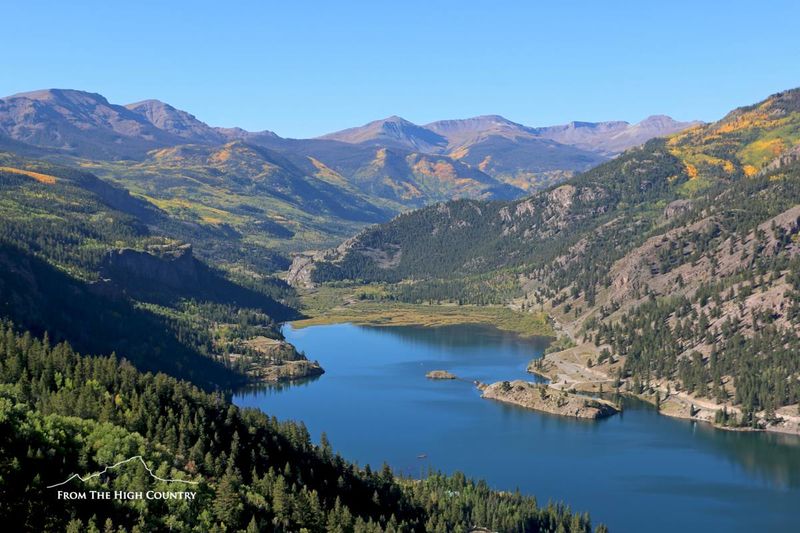
Art in a feed store? In Lake City, that’s not a joke.
Each spring, the town hosts ArtFields, an art competition that started in 2013. Artists from across the Southeast show their work in local businesses and galleries.
Big prize money draws serious talent to this farming town. Visitors get to vote, which makes you part of the judging.
Lake City was once known for its bean market. Farmers brought loads of green beans here to sell, and the town grew around that trade.
Today, the downtown mixes old brick with fresh murals. It’s a fun mix of past and present.
Take a moment at the Dr. Ronald E. McNair Memorial Park.
McNair grew up here and became a NASA astronaut.
His story is a powerful reminder that big dreams can start in small places. Kids especially tend to connect with it.
Plant lovers should look into Moore Farms Botanical Garden nearby. It offers seasonal visits and events.
Plan around ArtFields if you can. The town truly comes alive that week.
Walterboro
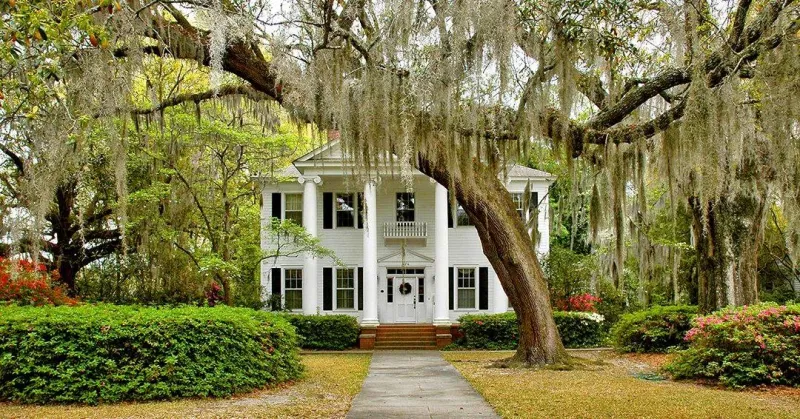
A swamp might not sound like a vacation highlight. Walterboro’s will change your mind.
The Great Swamp Sanctuary sits right inside town. It has walking paths and boardwalks through cypress and tupelo trees.
Keep an eye out for turtles, birds, and other wildlife. Quiet steps help you spot more.
Walterboro calls itself the Front Porch of the Lowcountry. The nickname fits its easygoing, welcoming feel.
Shoppers should head to the South Carolina Artisans Center. It showcases handmade work from artists across the state.
You’ll find pottery, jewelry, woodwork, and sweetgrass baskets. It’s a great place to grab a gift that wasn’t made in a factory.
The Colleton Museum and Farmers Market adds another layer. Local history and fresh produce share the same stop, which is pretty handy.
Walterboro also sits close to Interstate 95. That makes it an easy detour if you’re heading somewhere else.
Still, it’s worth more than a quick pit stop. Give it at least half a day.
Ninety Six
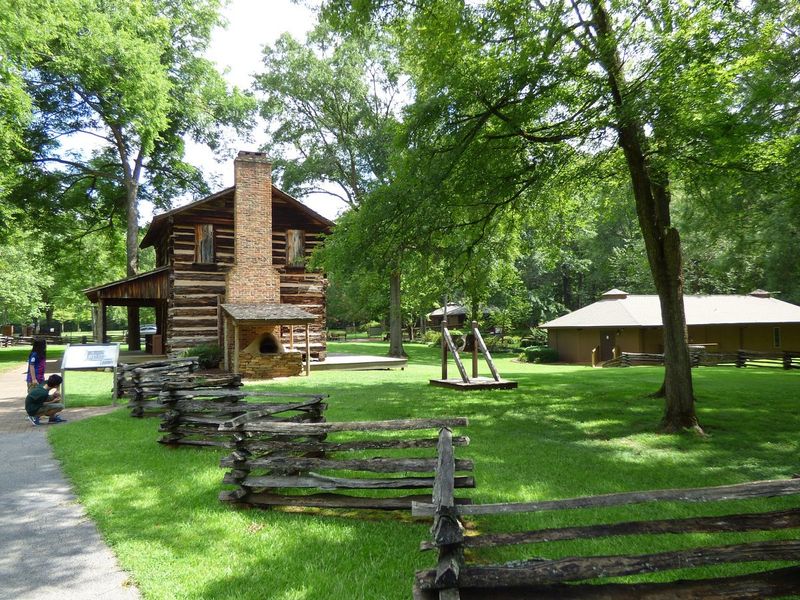
Yes, a town is really named after a number. The story behind it is part of the fun.
One popular explanation says traders thought this spot was 96 miles from the Cherokee town of Keowee. Their math was off, but the name stuck.
The real draw is Ninety Six National Historic Site. It protects the ground where a major Revolutionary War siege happened in 1781.
Patriot General Nathanael Greene tried to capture a Loyalist star fort here. The siege lasted about a month.
You can still see the earthen remains of that star-shaped fort. A walking trail loops past it and other historic spots.
The trail is about a mile long and easy for most people. Signs along the way explain what happened where.
Stop at the visitor center first. Exhibits help the history click before you head outside.
Afterward, the small downtown is perfect for a snack break. It’s a calm finish to a surprisingly dramatic day.
Travelers Rest
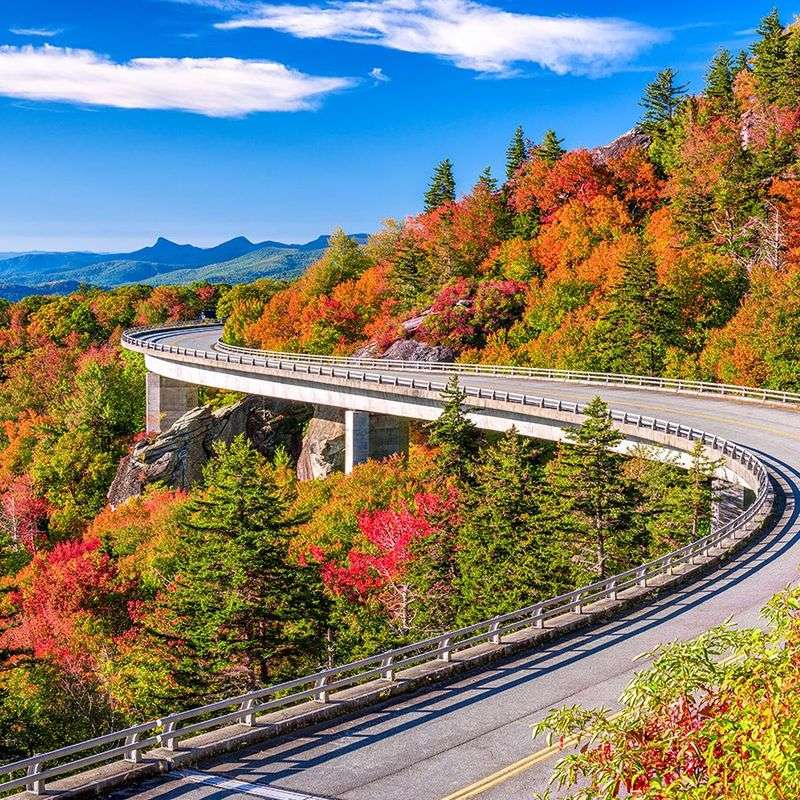
Bikes rule the road in this foothills town. Well, at least on one very popular trail.
The Swamp Rabbit Trail runs right through downtown Travelers Rest. It’s a paved path for walking, biking, and running.
The trail follows an old railroad route. It connects the town with Furman University and continues toward Greenville.
Rent a bike or bring your own. Riding into town for lunch feels like a mini adventure.
The name fits its history, too. Travelers once stopped here before heading into the mountains.
Today, it still works as a gateway to the Blue Ridge. Scenic drives and state parks sit just up the road.
Downtown has local shops, coffee spots, and restaurants along Main Street. Many sit close to the trail, so hopping off is easy.
Weekends can get busy, especially on nice days. Starting early gives you more elbow room.
Pair the trail with a mountain drive for a full day. Your legs might complain, but your camera roll won’t.
Pendleton

Farmers have been meeting in the same building here for about two centuries. Talk about loyalty.
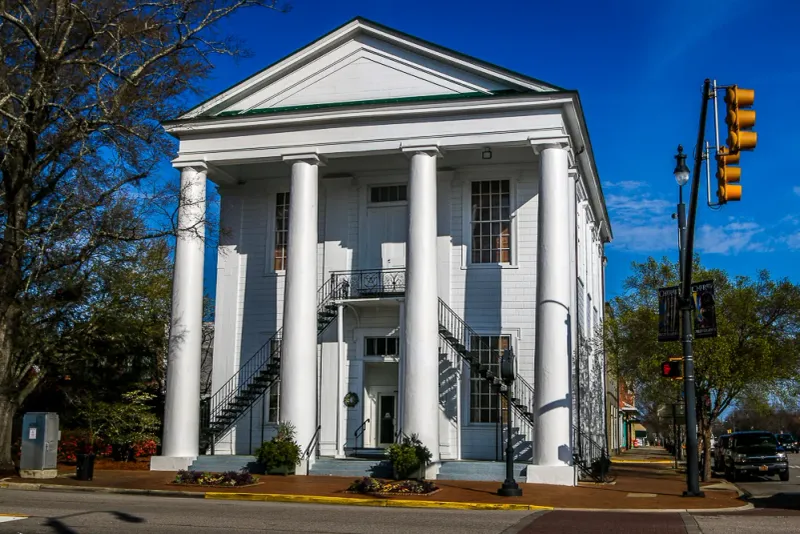
Pendleton’s Farmers Society Hall sits on the village green. It’s often called one of the oldest farmers’ hall buildings in the country still used by its original group.
Today, part of the building holds a restaurant. Eating lunch in that much history is a pretty good deal.
The whole town feels like an outdoor history lesson. Much of it falls within a large historic district.
Two old plantation homes, Ashtabula and Woodburn, sit nearby. They offer a look at life in the Upstate during the 1800s.
Check their schedules before you go. Tour days can be limited.
Antique shops are a big part of the fun here. Bring a little patience and a lot of trunk space.
Pendleton also sits close to Clemson University. On game days, expect more traffic than usual.
Pick a quieter weekend if you want the village green mostly to yourself. Then just wander and enjoy it.
Cheraw
A trumpet bent at a funny angle became one of the most famous sights in jazz. Its owner was born right here.
John Birks Gillespie, better known as Dizzy, was born in Cheraw in 1917. He helped create the bebop style of jazz.
A statue of Dizzy stands downtown, horn raised high. It makes a fun photo stop for music fans.
Cheraw also loves its nickname, the Prettiest Town in Dixie. Shady streets and old homes help back that up.
Don’t miss Old St. David’s Church. It dates back to the 1770s and has a long, layered history.
Outdoor fans have a treat nearby. Cheraw State Park was the first park established in South Carolina’s state park system, with land set aside for its development in 1934.
It offers a lake, trails, and a golf course. Paddling there on a calm morning sounds like a great plan to me.
Spend your morning in nature and your afternoon downtown. That combo shows off both sides of Cheraw.
Edgefield
Ten governors came from one small county seat. Edgefield proudly calls itself the Home of Ten Governors.
That’s a lot of political power for a town this size. The courthouse square still carries that sense of importance.
Edgefield’s pottery story might be even more fascinating. The area became famous for alkaline-glazed stoneware in the 1800s.
One potter stands out above the rest. David Drake, an enslaved man often called Dave the Potter, made huge jars and wrote short verses on some of them.
Writing was risky for enslaved people back then. His signed pots are now treasured in major museums.
You can still see stoneware being made in town at Old Edgefield Pottery. It’s a direct link to that long craft tradition.
Edgefield is also home to the National Wild Turkey Federation headquarters. Wildlife lovers might want to look into its grounds and programs.
Walk the square, browse the shops, and learn a little history. It’s a quiet town with a big voice.
Ridgeway
Blink and you might miss Ridgeway’s most famous building. That’s sort of the point.
This little Fairfield County town once had a police station so small it gained national attention. The tiny building still stands downtown as a quirky landmark.
Snap a photo beside it for scale. Your friends will want proof it’s real.
Ridgeway grew up along the railroad in the 1800s. Its compact downtown still reflects those railroad roots.
Historic homes and old storefronts line the quiet streets. It’s an easy place to stretch your legs after a long drive.
The town sits not far from Columbia. Even so, it feels miles away from city traffic.
Ridgeway hosts community events through the year, including seasonal festivals. Checking the town calendar first can turn a short visit into a fun day.
Antique hunters should keep their eyes peeled. A few shops make browsing worth the stop.
Small towns in South Carolina don’t need to be big to be memorable. Ridgeway proves it with a building you could almost fit in your garage.