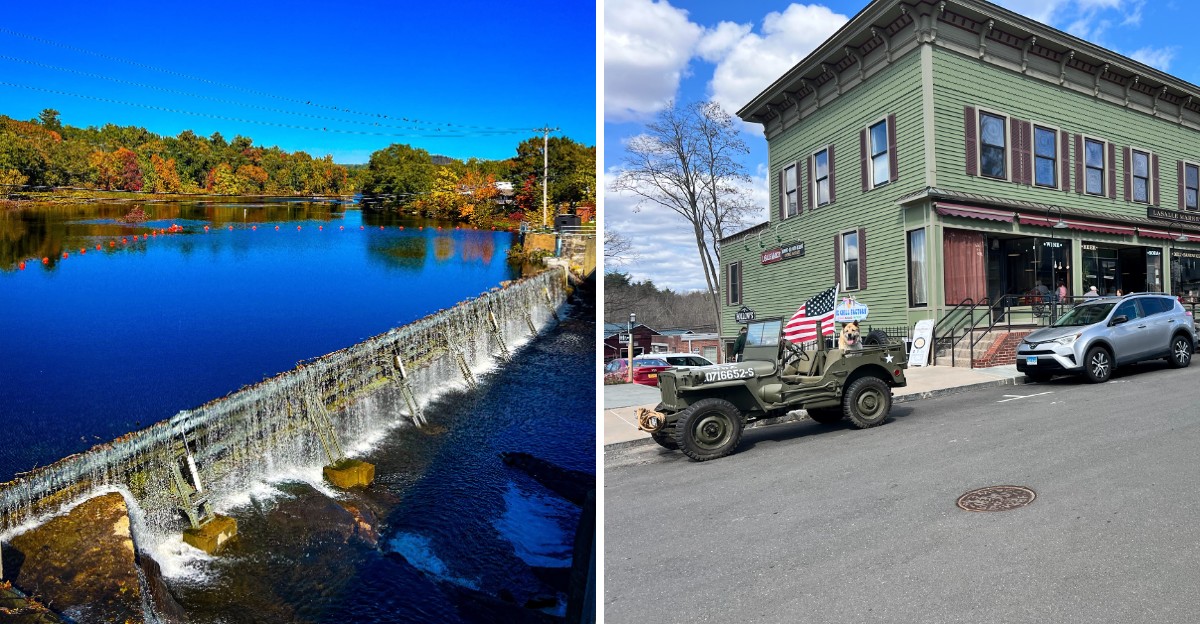
Plenty of drivers heading along Route 44 through the Farmington Valley never turn off the main road. That is a shame, because a short detour leads to a tiny riverside village that once made axes for the whole world.
Old brick factory buildings still line the Farmington River, and a historic town center looks much like it did more than a century ago. Today, the same streets hold small shops, art spaces, a popular bike trail, and quiet spots for paddling and fishing.
The village is small enough to explore in an afternoon, yet it has enough history and charm to fill a whole weekend. Below are ten reasons to finally hit the brakes, from its famous tool-making past to the best ways to spend a relaxed day there.
Stick around, because a few of these surprises are easy to miss.
A Village Hiding in Plain Sight
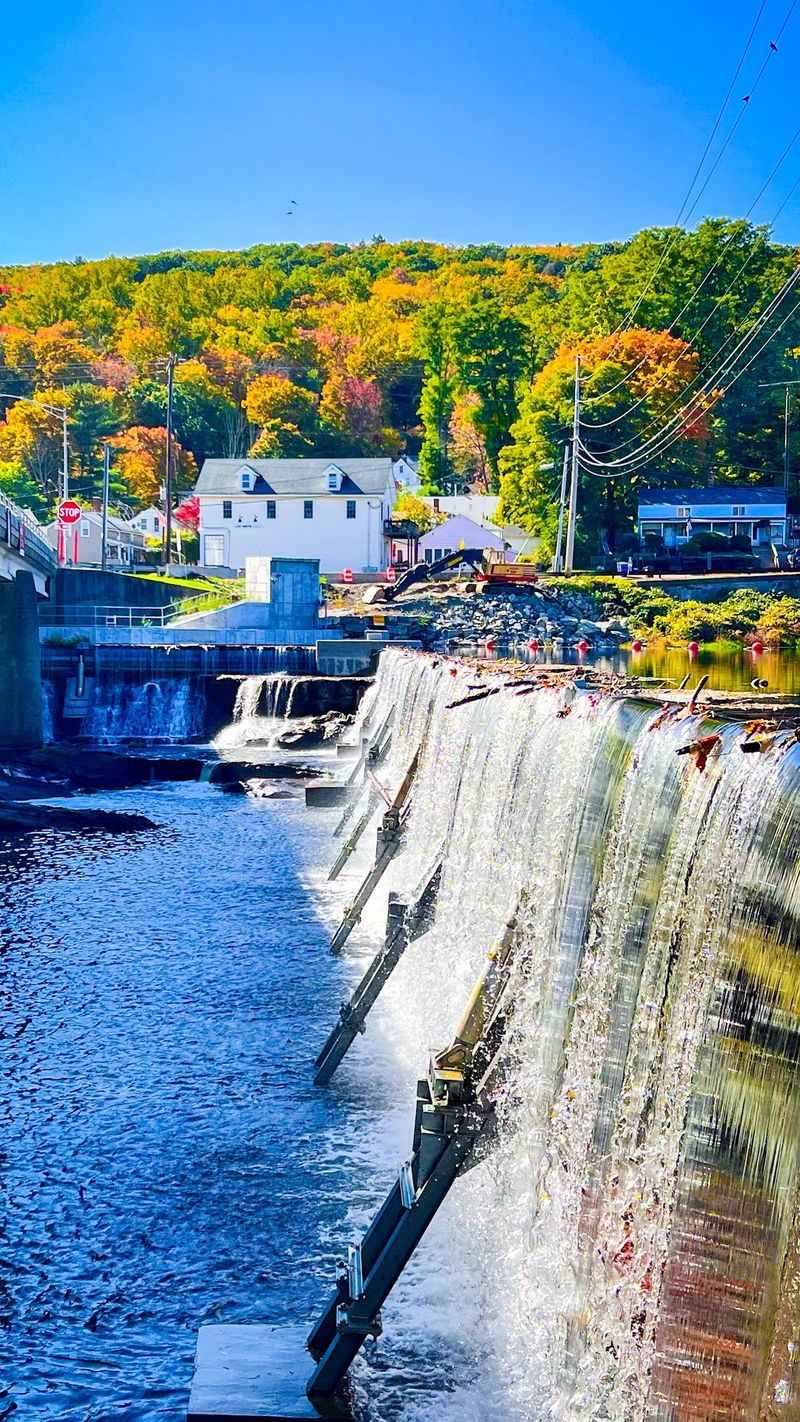
Some places shout for attention, but this one quietly waits for curious travelers to find it. Collinsville is a village and census-designated place in the town of Canton, Connecticut 06019, in Hartford County, United States.
It sits along the Farmington River, just a short drive from Route 44 in the Farmington Valley. Hartford is close enough for an easy day trip, which makes the village simple to reach.
As of the 2020 census, about 3,721 people lived in Collinsville. That small number helps explain its calm, unhurried mood.
The heart of the village is officially recognized as a historic district on the National Register of Historic Places. That means many of its older buildings are considered important pieces of American history.
Parking near the center is usually manageable, and the main streets are compact enough to explore on foot. A good plan is to leave the car in one spot and wander.
Once the engine is off, the real story of this riverside village starts to unfold.
The Axe Factory That Built a Town
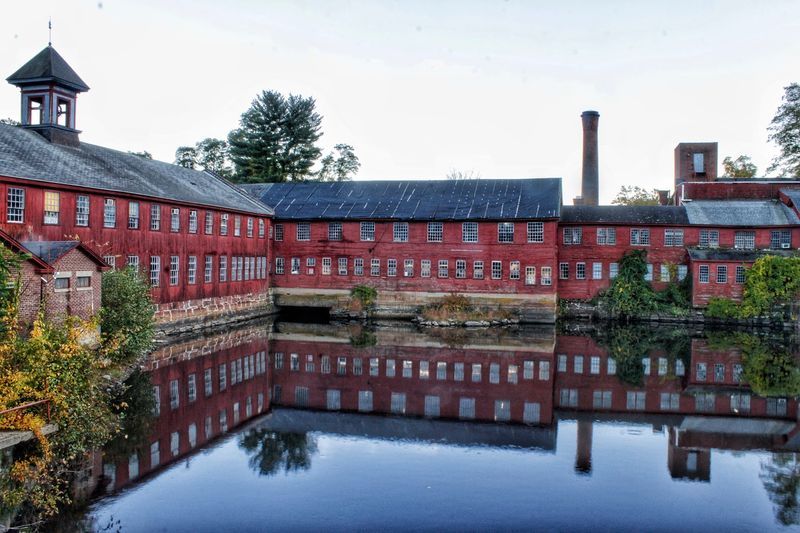
Back in 1826, brothers Samuel and David Collins started making axes beside the Farmington River. Their business, the Collins Company, grew into one of the best-known tool makers in the world.
The village took its name from the company. Workers lived in houses built near the factory, and the whole community grew around the busy mill.
Collins axes, machetes, and other edge tools were shipped across the globe. For a small Connecticut village, that is quite a big reach.
The company closed its doors in 1966 after well over a century of work. Many of the old brick factory buildings still stand along the river today.
Seeing them helps explain why the village looks the way it does. The streets, homes, and churches were shaped by the people who worked there.
A slow walk past the factory complex is a smart first stop. It gives every other part of a visit a little more meaning, and it sharpens the whole story, pun fully intended.
Where History Gets a Display Case
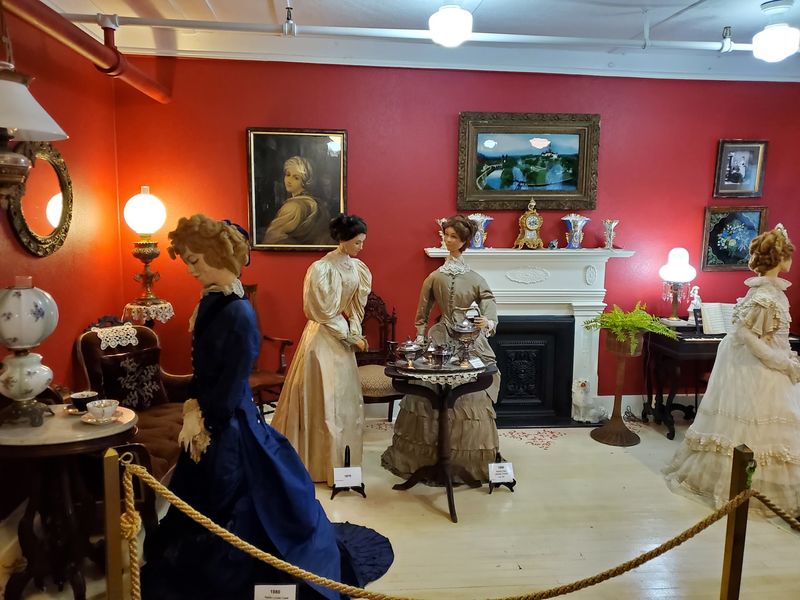
Curious about what life was like when the axe factory was running full speed? The Canton Historical Museum, located in Collinsville, is the place to find out.
The museum keeps a large collection of Collins Company tools, which makes sense given the village story. Axes, machetes, and other items show just how much the company produced.
Exhibits also cover everyday life in the area during the 1800s and early 1900s. Displays of household items, shop goods, and old equipment help bring that time into focus.
The museum is run with plenty of local care and community effort. That gives it a friendly, hometown feel instead of a stiff, formal one.
Hours can be limited and seasonal, so checking the schedule before a visit is wise. Showing up to a locked door is no fun for anyone.
Families with kids who like old machines and gadgets often find this stop more interesting than expected. History tends to stick better when there is something real to look at.
A River That Runs the Show
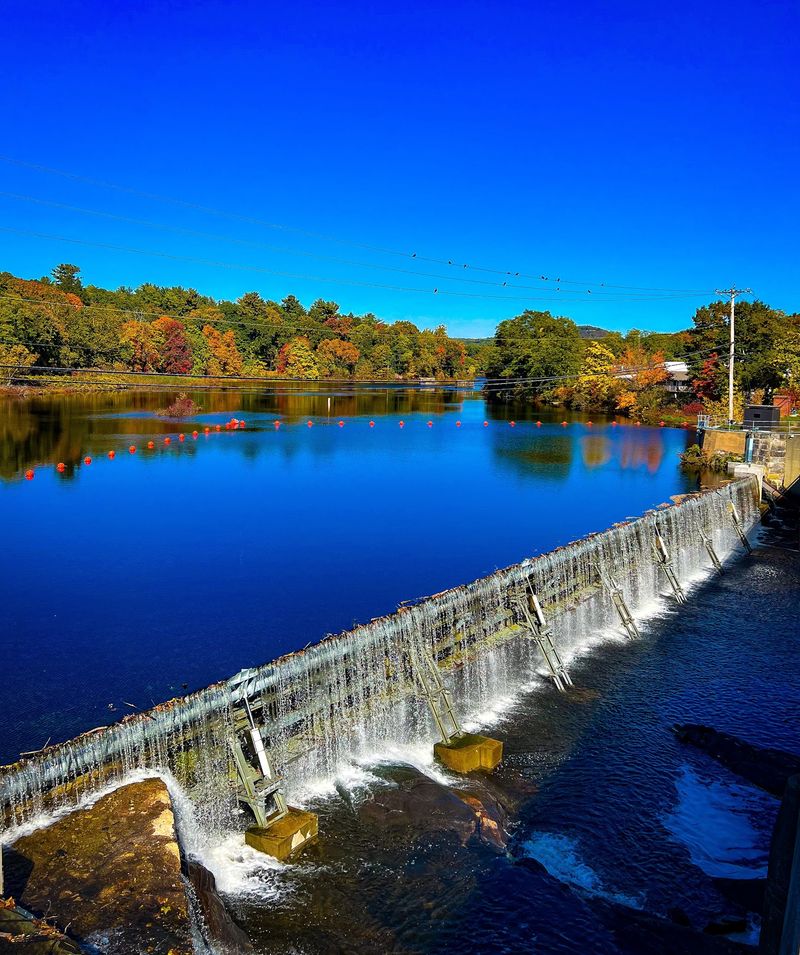
Without the Farmington River, there would be no Collinsville at all. The river once powered the axe factory, and it still shapes daily life in the village.
A dam near the old factory buildings is one of the most photographed spots in town. Water spills over it beside the historic brick structures, making a classic New England scene.
Small bridges and riverside paths offer easy places to stop and enjoy the view. These spots are great for a quiet break between shops.
Photographers often visit during fall, when trees along the banks change color. Early morning and late afternoon tend to work best for pictures.
Bringing a camera or a fully charged phone is a good idea. The mix of water, old buildings, and trees makes for many shots worth keeping.
Safety matters here too, since river currents can be stronger than they look. Staying on marked paths keeps the outing pleasant and worry-free.
Every great small town needs a main character, and here it flows right through the middle.
Pedal Power on an Old Rail Line
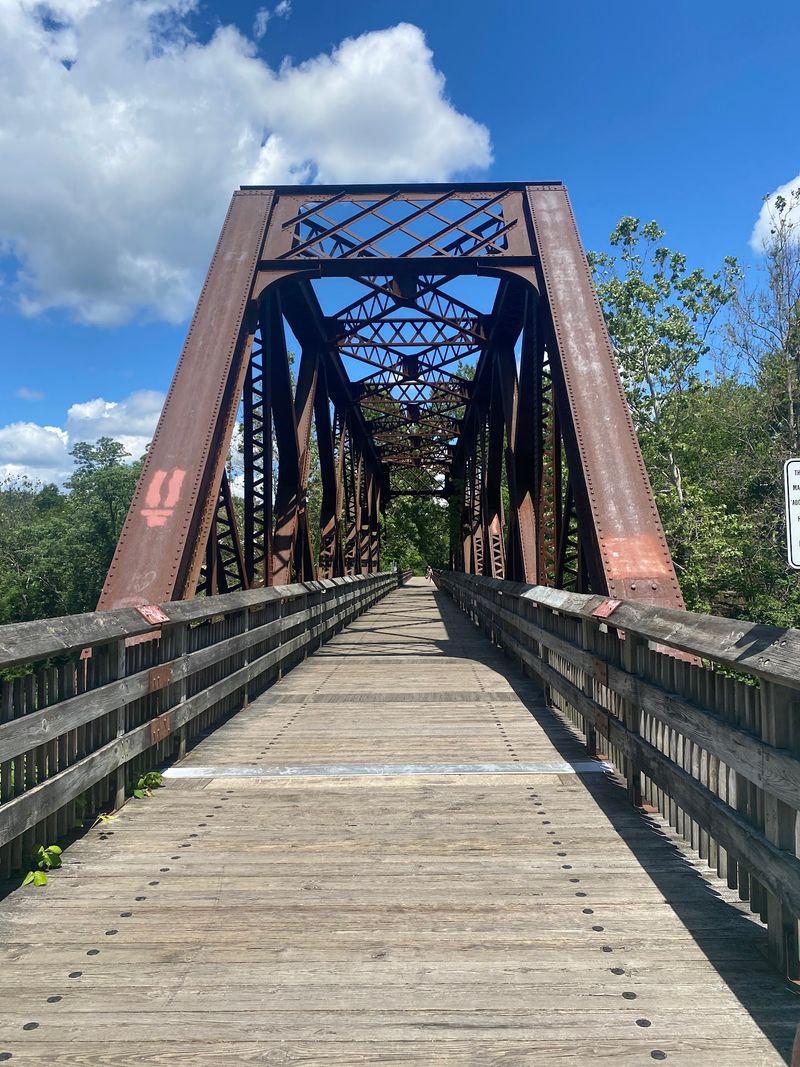
Bikes outnumber cars on some sunny weekend mornings, and the reason is the Farmington River Trail. This paved path follows an old railroad route right through Collinsville.
Because it was once a rail line, the trail is mostly flat and easy to ride. That makes it friendly for beginners, kids, and anyone just getting back on a bike.
The trail connects to the larger Farmington Canal Heritage Trail system. Riders can go a short way or plan a much longer trip through nearby towns.
Walkers and joggers use the path too, so sharing space politely is important. Ringing a bell or calling out before passing keeps everyone happy.
A local bike shop in the village center helps riders with repairs and gear. Some cyclists even make Collinsville their regular rest stop.
Bringing water and sunscreen is smart during warmer months. Parts of the trail are shaded, but others sit out in the open.
Two wheels might just be the best way to see this place, one easy mile at a time.
Paddles Up on the Farmington
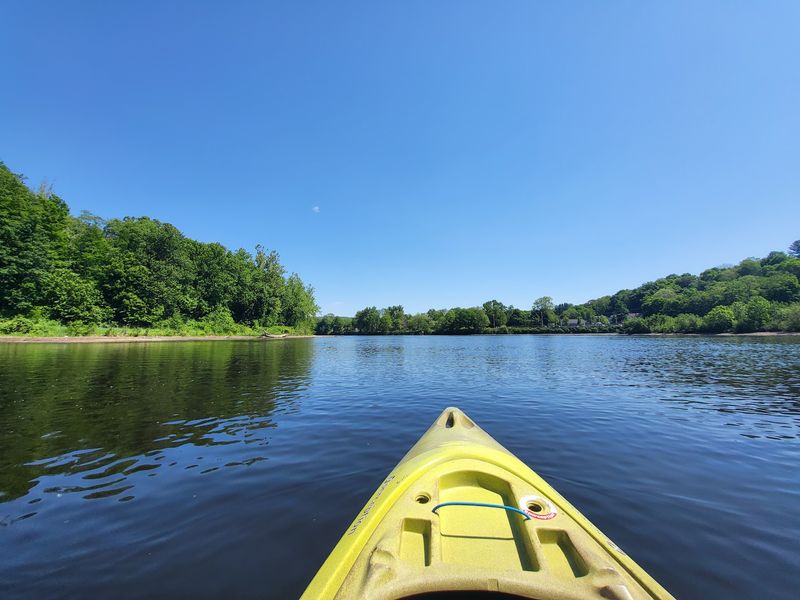
Kayaks and canoes give a whole new view of the village. The Farmington River near Collinsville is a well-known spot for paddling in central Connecticut.
Some stretches of the river are calm and gentle, which suits beginners. Other sections nearby have faster water that draws more experienced paddlers.
Local outfitters have offered rentals and guided trips in the area, depending on the season. Checking ahead is the best way to see what is available.
Water levels can change after heavy rain or dam releases. Paddlers should look at current conditions before heading out.
Life jackets are a must, even for strong swimmers. Wearing one is simple and could make a big difference.
Late spring through early fall is the most popular paddling season. Weekends can get busy, so arriving early helps.
From the water, the old brick mills and wooded banks look completely different. It is a fun way to see the history from a fresh angle.
Just remember, the river always has the right of way.
Browsing Main Street at a Slow Pace
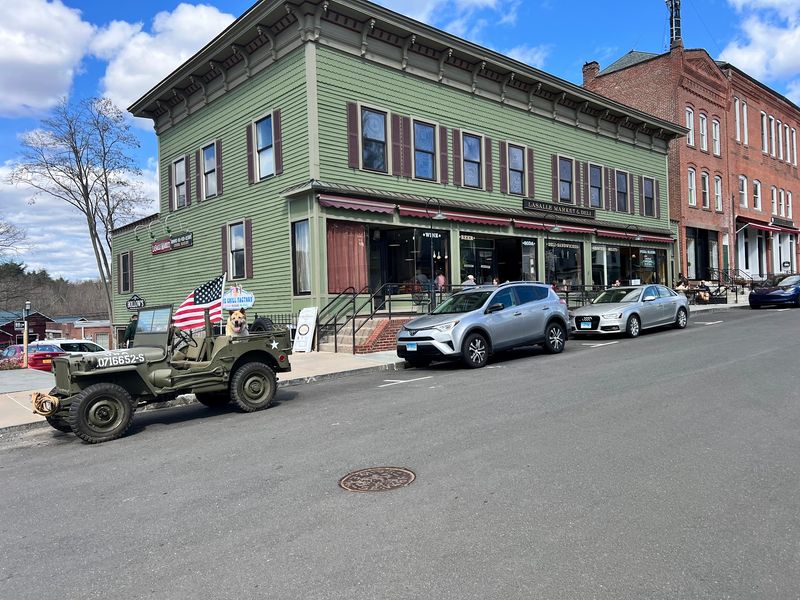
Big chain stores are hard to find in the village center, and that is part of the charm. Independent shops fill the historic storefronts around the main streets.
Antique lovers often enjoy poking around here. Old tools, vintage finds, and odd little treasures sometimes turn up on the shelves.
Gift shops, craft stores, and specialty businesses round out the mix. Each one tends to reflect the taste of its owner.
Shop hours can be different from place to place. Some close early on weekdays, so weekends are often the best time to browse.
The compact layout makes it easy to visit several stores in one stroll. Comfortable shoes are a good idea for this kind of wandering.
Local cafes and eateries are nearby when it is time for a break. They make handy spots to rest between stops.
Talking with shop owners is often part of the fun. Many are happy to share a bit about the village or point out favorite places.
Leaving with empty hands is possible, but not very likely.
Streets Lined With Stories
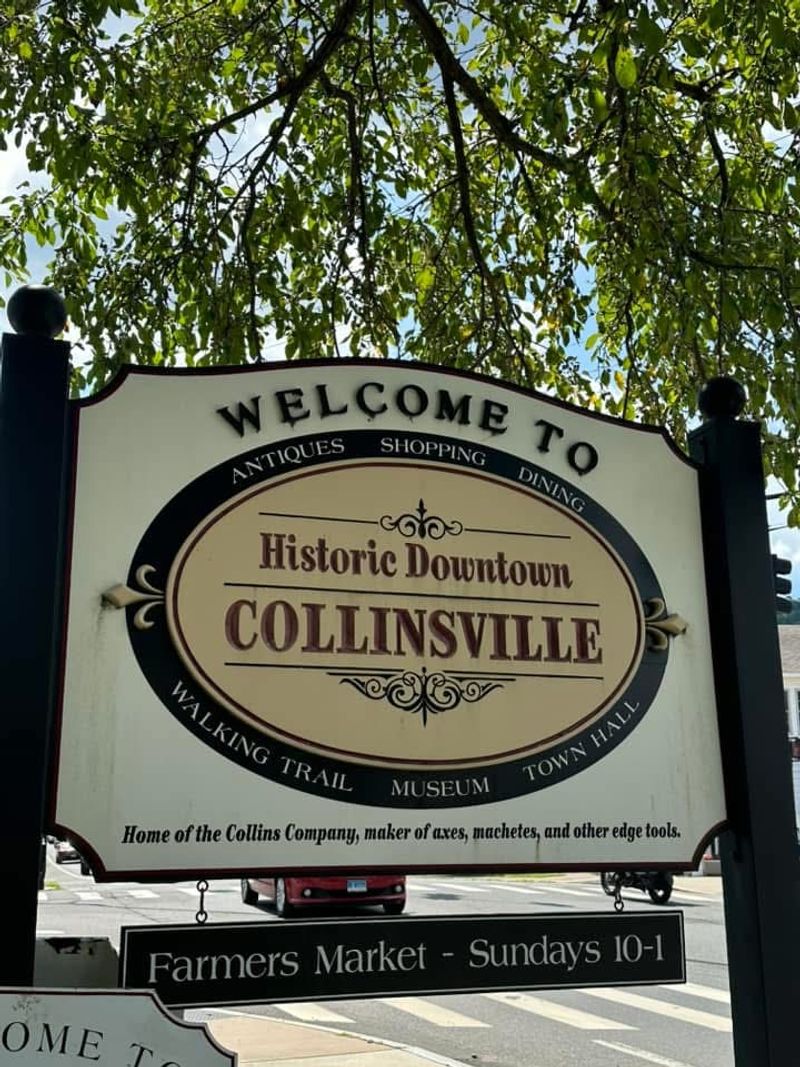
Neighborhood homes in Collinsville tell their own part of the village story. Many were built to house workers and families tied to the Collins Company.
The Collinsville Historic District covers much of the central village. Its listing on the National Register of Historic Places highlights how well the area has been preserved.
Walking the side streets reveals older homes, churches, and community buildings. Many still show the styles that were popular during the 1800s.
Architecture fans will notice how the village grew in a planned way around the factory. The layout reflects how company towns were often designed.
These are private homes, so respecting property lines is important. Enjoying the view from sidewalks keeps things friendly for residents.
A self-guided stroll can take under an hour. Adding the museum before or after makes the walk even more meaningful.
Quiet streets like these are easy to overlook while driving past. On foot, though, the details start to add up into a full picture of village life.
Timing the Trip Just Right
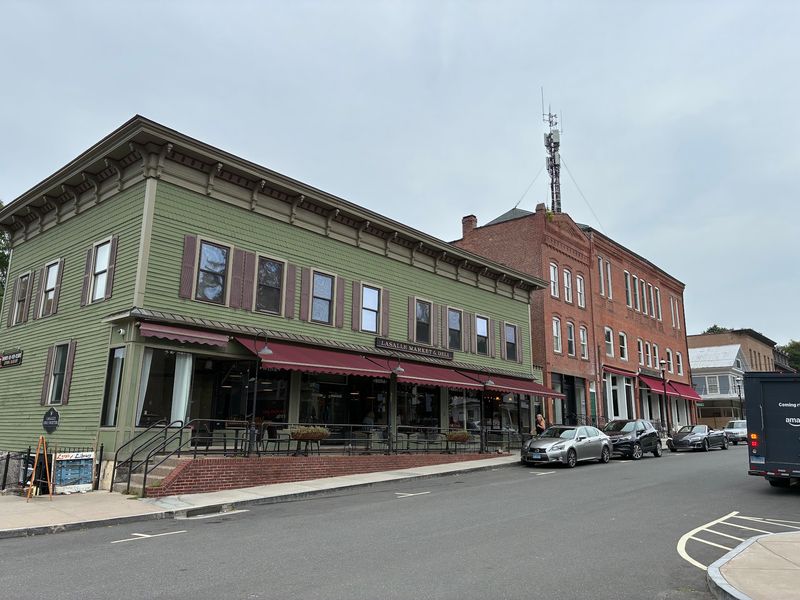
Every season gives Collinsville a slightly different personality. Choosing the right time depends on what kind of trip sounds best.
Autumn is a favorite for many people. Fall foliage along the river and hills makes the whole valley a popular destination in October.
Summer brings the busiest outdoor season. Paddling, biking, and fishing are all in full swing during warm months.
Spring is a nice middle ground with fewer crowds. Trails start filling up again, and the river often runs higher.
Winter is the quietest time of year. Some outdoor activities slow down, but the village still makes a peaceful stop.
Weekends tend to draw more people, especially on nice days. Weekday visits usually mean easier parking and calmer shops.
Checking local events before going can add something special to the day. Festivals, art shows, and community gatherings pop up throughout the year.
Picking the right weekend is a little like choosing a favorite flavor. Every option works, but some just fit the mood better.
Small Village, Lasting Impression
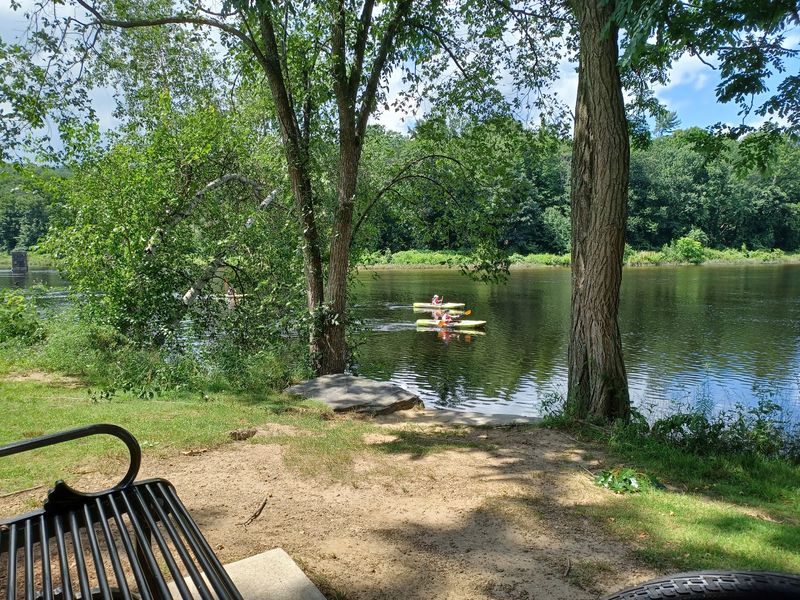
Short drives sometimes lead to the best surprises. Collinsville proves that a tiny village can hold a big story.
Its axe-making past, riverside setting, and preserved historic district give it real depth. Add in biking, paddling, fishing, and local shops, and there is plenty to fill a day.
A simple plan works well for first-time guests. Start with the historic factory area, then explore the museum, shops, and trail.
Families, couples, and solo travelers can all find something to enjoy. The slower pace makes it a good escape from busier city trips.
Remember to check hours, river conditions, and event schedules before heading out. A little planning helps the visit go smoothly.
Leaving a small footprint matters too. Packing out trash and respecting residents helps keep this village special for everyone.
Next time the exit sign appears along the Farmington Valley, it might be worth taking the turn. That quiet little detour could easily become a favorite tradition worth repeating every single year.