Some road trips are remembered for giant attractions. This one is remembered for something small enough to fit in a backyard.
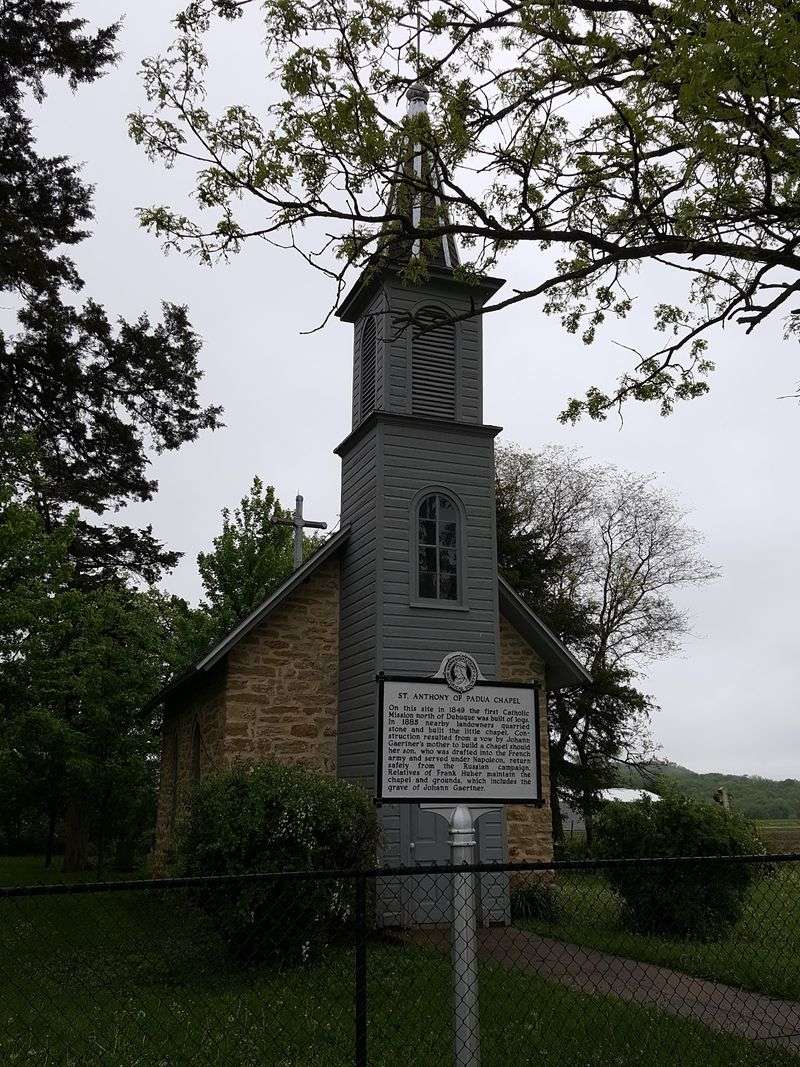
Out in the farm country of northeast Iowa, near the town of Fort Atkinson, road signs point drivers toward a church that holds just four pews.
It is not a joke, a model, or a playhouse. It is a real chapel with a real story, and it has quietly welcomed travelers for generations.
Folks drive down from Minnesota just to see it, and many stop by on a whim and leave with a favorite photo of the whole trip.
The stop takes little time, costs nothing, and gives tired legs a break.
Finding the Little Church on Little Church Road
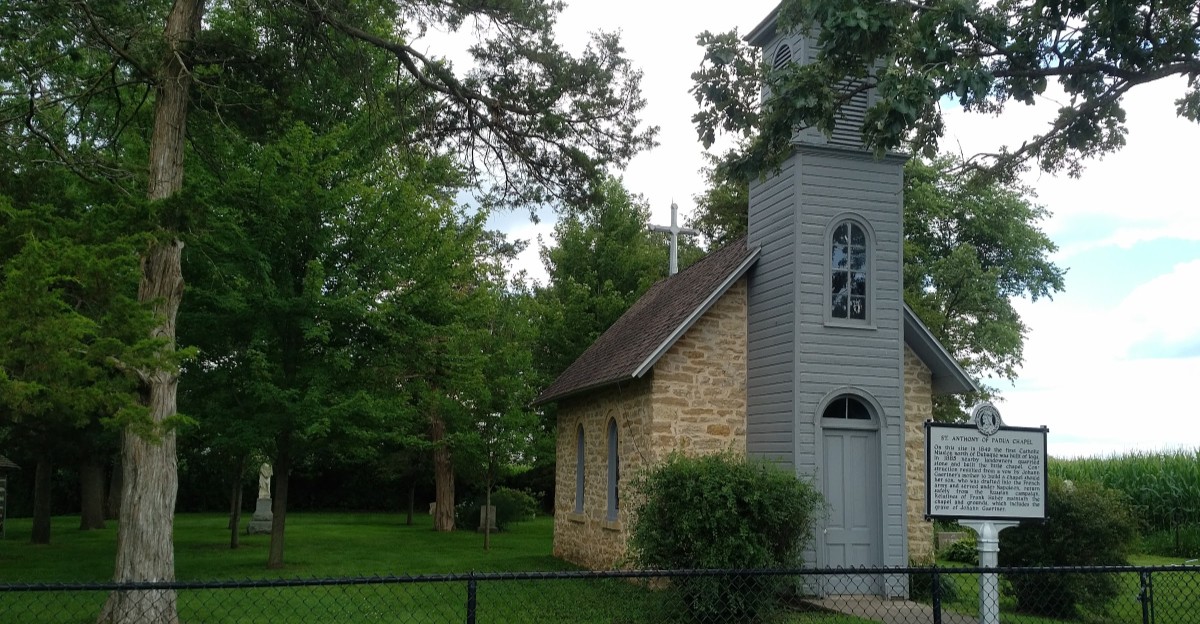
Good news for drivers who worry about getting lost: the road itself practically gives away the answer. The chapel is Saint Anthony of Padua Catholic Church, and it sits at 1120 Little Church Rd, Fort Atkinson, IA 52144, United States.
The spot is in Winneshiek County, in the northeast corner of Iowa. That puts it a short drive from towns like Fort Atkinson, Spillville, and Calmar.
Street signs in the area point the way to what locals often call the smallest church. Many people simply follow those signs and arrive with no trouble at all.
Cell service can be spotty on rural roads, so it helps to load a map before leaving town. A printed note with the address in the glove box is a smart backup plan.
The roads around the chapel pass through open farm fields and rolling countryside. Drivers should watch for tractors and slow farm equipment, especially during planting and harvest seasons.
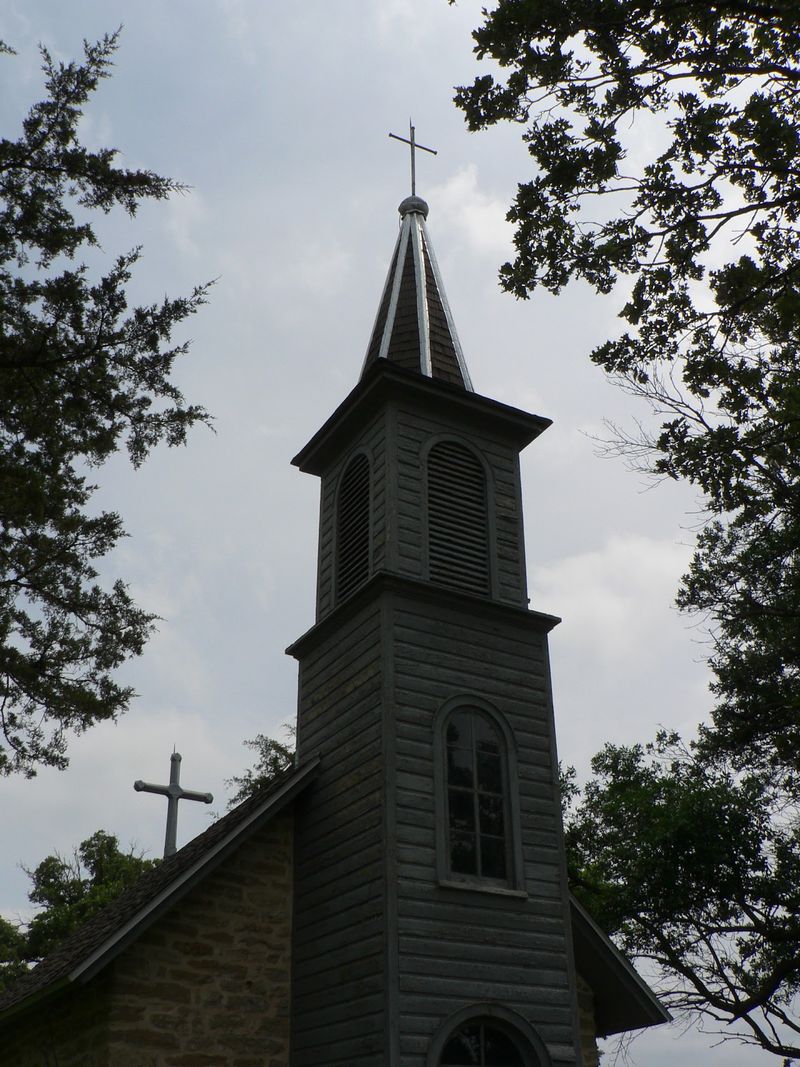
Once the little steeple comes into view, the search is over and the fun begins.
A Promise Made in Stone
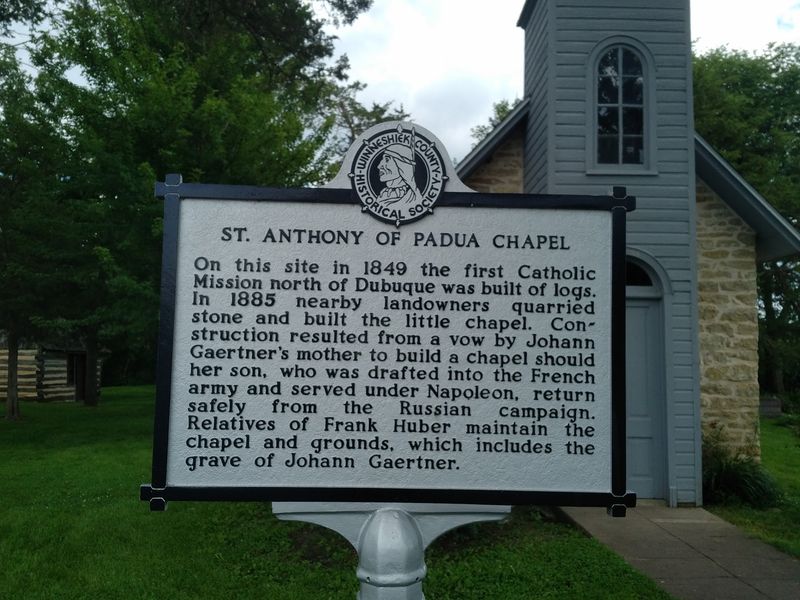
Every small building has a story, and this one starts with a mother’s promise. The chapel was built in the 1880s by the Gartner family, who were early settlers in this part of Iowa.
As the story is told, Johann Gartner’s mother made a vow. She promised to build a chapel if her son came home safely from serving as a soldier under Napoleon in Europe.
He did return, and the family later kept that promise in their new American home.
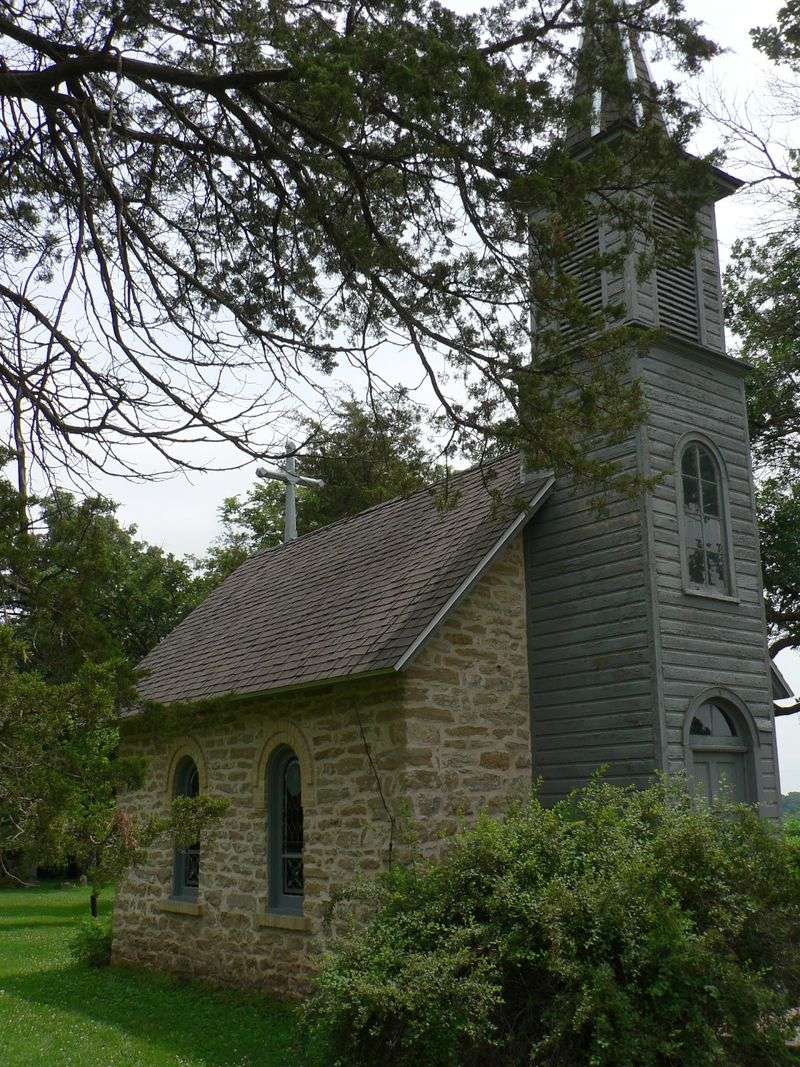
The chapel was finished around 1885 and dedicated to Saint Anthony of Padua. Stone from the local area was used in its walls.
That history is a big reason people find the place so moving. It was not built for show or for crowds.
It was built to keep a family’s word. Knowing the backstory changes how the little building looks, because suddenly those stone walls stand for loyalty and thanks.
Few road stops come with a tale that sticks this well.
Four Pews and Plenty of Charm
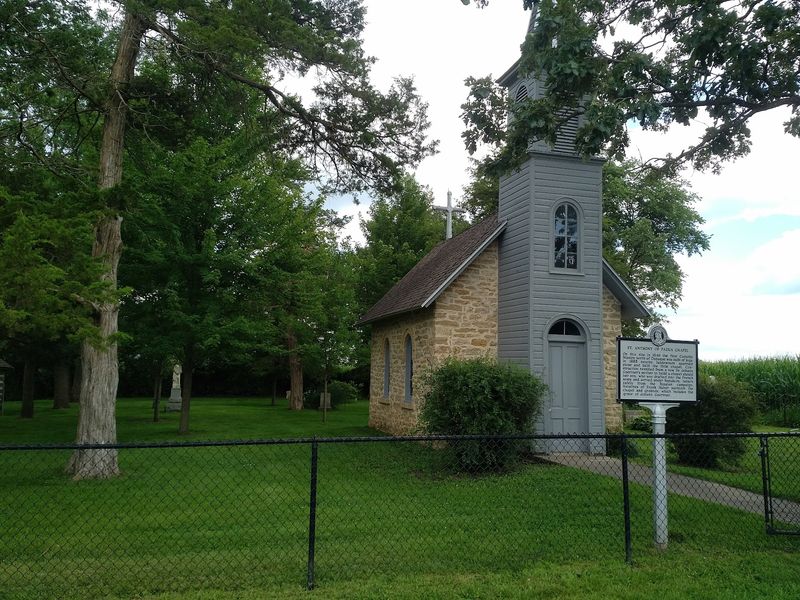
Here is a fun number to remember: four. That is how many pews fit inside this chapel, and it is a big part of why people love it.
The building measures roughly 12 feet by 14 feet. Most family living rooms are bigger than that.
Inside, the setup is simple. There are the short pews, a small altar area, and religious items that fit the chapel’s Catholic roots.
Groups usually take turns going in, since only a handful of people fit at one time. A little patience goes a long way here.
Kids tend to find the size hilarious in the best way. Adults often pause longer, thinking about how a space this small can still feel so meaningful.
It is also a reminder that a church does not need towers and balconies to matter. Sometimes the smallest room on the map holds the biggest surprise of the day.
Bring a camera, because nobody back home will believe the pew count without proof.
The Famous Smallest Church Title
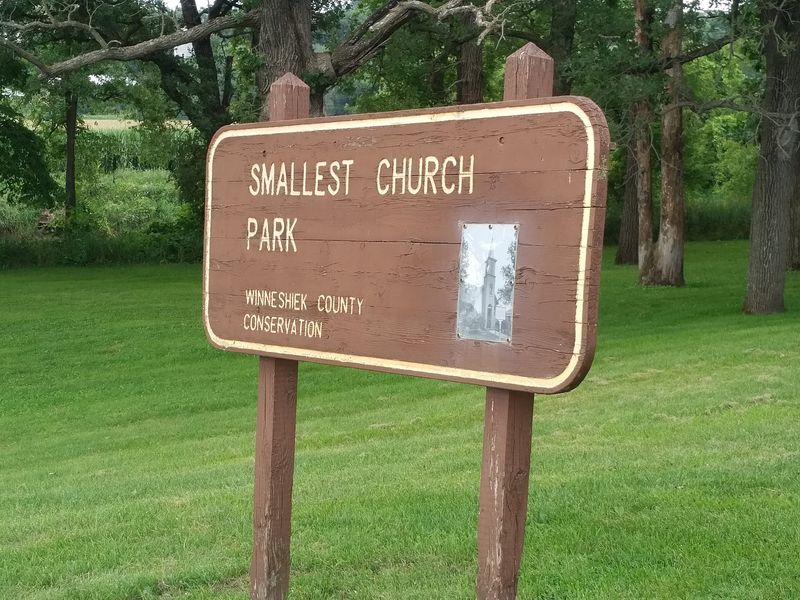
Bragging rights can be a tricky business, especially when it comes to tiny churches. This chapel has long been promoted as the world’s smallest church.
It even earned a mention in Ripley’s Believe It or Not years ago. That kind of attention helped turn a family chapel into a well-known stop.
Other small chapels around the country and the world also claim similar titles. So the label is better treated as a fun nickname than a scientific fact.
That does not take away from the charm at all. The chapel is truly tiny, and the local signs proudly lean into the nickname.
Travelers who enjoy quirky roadside spots often add it to lists with other offbeat American landmarks. It fits right in with that spirit of curious exploring.
A good idea is to snap a photo next to the signs as well as the building. Together they tell the whole playful story.
Small claim or big claim, the visit delivers a grin either way.
Relics of the Past Around the Grounds
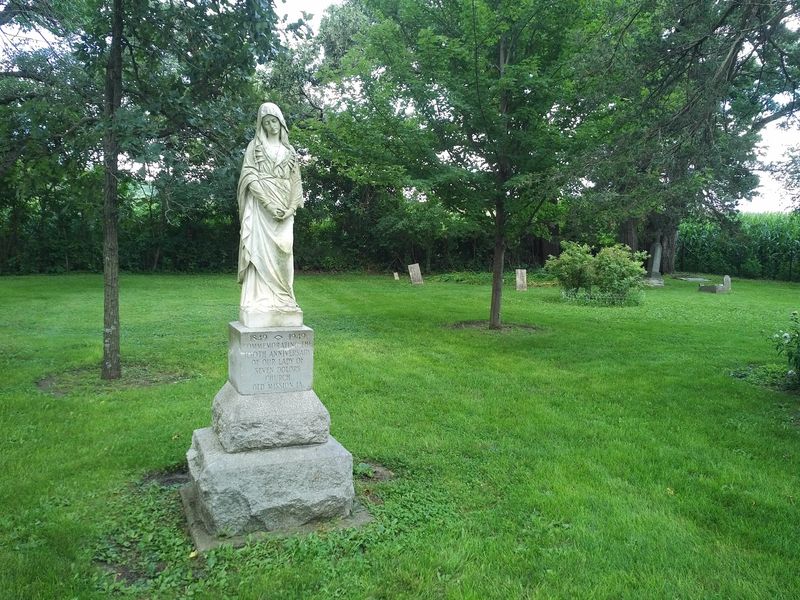
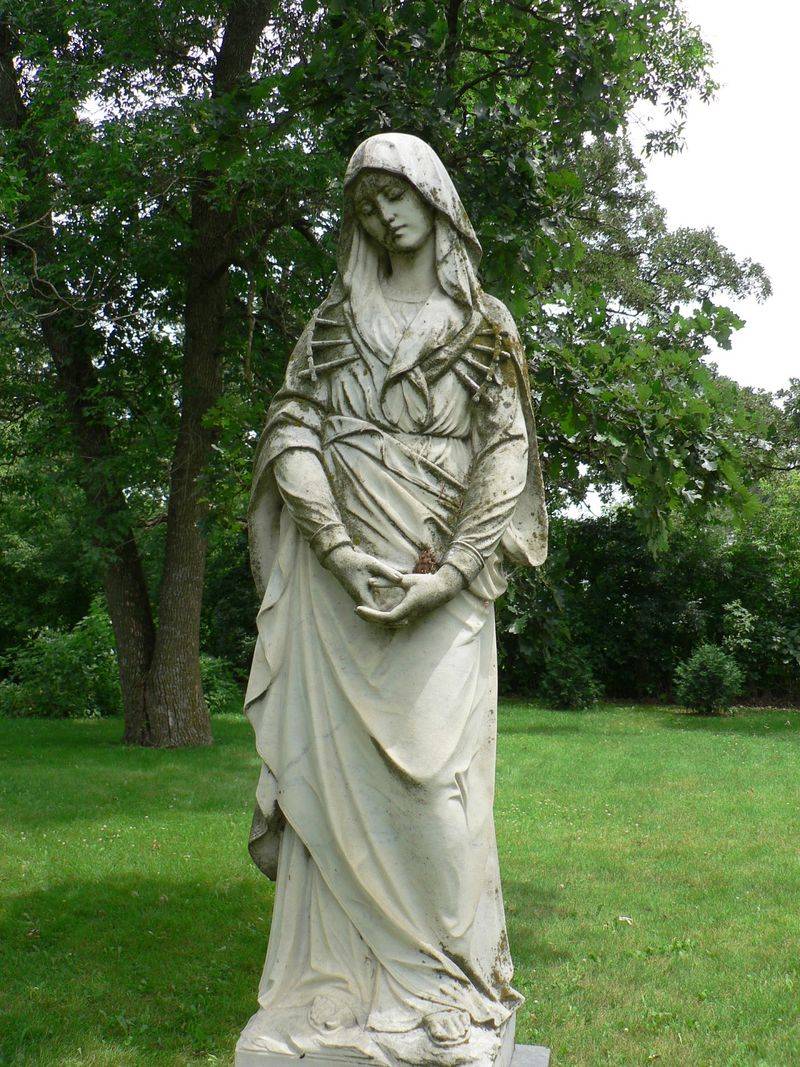
The chapel is the star, but it does not stand alone. The grounds around it include historical relics and markers that add more layers to the visit.
Small historical pieces and signs help explain the area’s past. Reading them is a great way to slow down and learn a few things about early settlers in northeast Iowa.
There is also a small cemetery tied to the families of the area. Visitors should treat that space with care and quiet respect.
Parents can turn this part of the stop into a mini history lesson. Ask kids to find the oldest date they can spot on a marker.
The grounds are compact, so a full loop does not take long. Even so, it is easy to spend more time than planned once the stories start adding up.
Staying on paths and lawns helps protect older items for future guests. Leaving everything as it was found is the golden rule here.
History rarely comes in such a handy, walkable package.
Who Was Saint Anthony of Padua
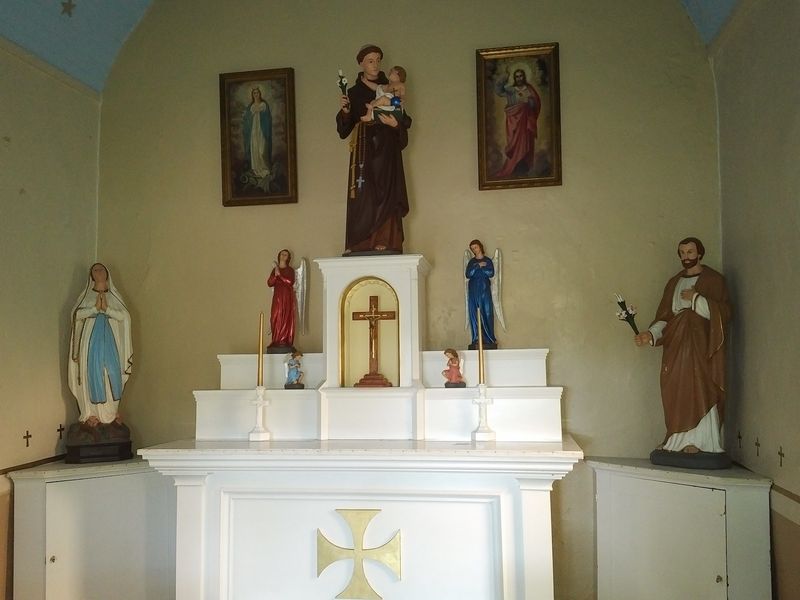
Ever lost your keys and heard someone say to ask Saint Anthony for help? That popular tradition comes from the saint this chapel honors.
Saint Anthony of Padua lived in the 1200s. He was born in Portugal, became a Franciscan friar, and was known as a gifted preacher.
He spent his later years in Padua, Italy, which is how he got his famous name. Today he is often called the patron saint of lost things.
Many Catholic families, especially those with European roots like the settlers here, felt close to him. Naming a chapel after him was a way to show faith and thanks.
Learning a bit about him before the visit makes the stop richer. The name on the sign stops being just a label and becomes part of the story.
Fun fact: his feast day is June 13. It is a nice date to keep in mind for anyone hoping to plan a visit with extra meaning.
Not bad for a saint with a tiny namesake.
A Day Trip Worth the Drive
Plenty of people from Minnesota have made this chapel the goal of a simple day trip. The Iowa border is not far, which makes the drive doable for many.
The best plan is to pair the chapel with other nearby stops. Fort Atkinson is home to a state preserve with a historic fort site from the 1840s.
Spillville and Decorah are also close and offer museums, shops, and scenic drives. Mixing a few places together makes the miles feel well spent.
A visit to the chapel itself is short, often just 20 to 30 minutes. That makes it easy to fit into almost any route.
Spring through fall usually brings easier travel on rural roads. Winter can bring snow and ice, so checking road conditions first is wise.
Daylight hours are the best time to go, since there is little lighting out in the country. Seeing the building clearly is half the fun.
A short stop can still become the highlight of a whole day.
Polite Visiting at a Sacred Spot
Tiny size does not mean tiny importance. This is still a Catholic church and a place of prayer for many people.
Keeping voices low inside is a kind gesture. Some guests come to pray or sit quietly, so a calm approach helps everyone enjoy the space.
Photos are usually fine, but it is polite to wait if someone else is inside praying. A quick glance around before snapping pictures goes a long way.
Hours and access can change, and the chapel is maintained by local caretakers. Checking with the local parish or tourism office ahead of time is a smart move.
Leaving a small donation, if a box is available, can help with upkeep. Old buildings need regular care to stay in good shape.
Pets should stay outside and on a leash. That protects the chapel and keeps the grounds pleasant.
Treating the place with care is how it has lasted for well over a century. Every thoughtful guest helps write the next chapter.
Why Small Stops Leave Big Memories
Funny thing about road trips: the giant attractions often blur together, while the odd little detours stay clear for years. This chapel is that kind of detour.
It asks for very little. There is no ticket, no long line, and no big time commitment.
Yet it gives a lot back. Guests leave with a true story about a family promise, a fun photo, and a quiet moment in the middle of a busy trip.
The chapel also shows how rural communities protect their history. People in this area have cared for it for generations so others could share it.
For travelers crossing northeast Iowa, it is an easy yes. Following those little road signs is a decision few seem to regret.
So next time the map shows a long stretch of farmland, look for Little Church Road. Four pews, a stone steeple, and a story worth telling are waiting at the end of it.
Some of the best memories come in very small packages.