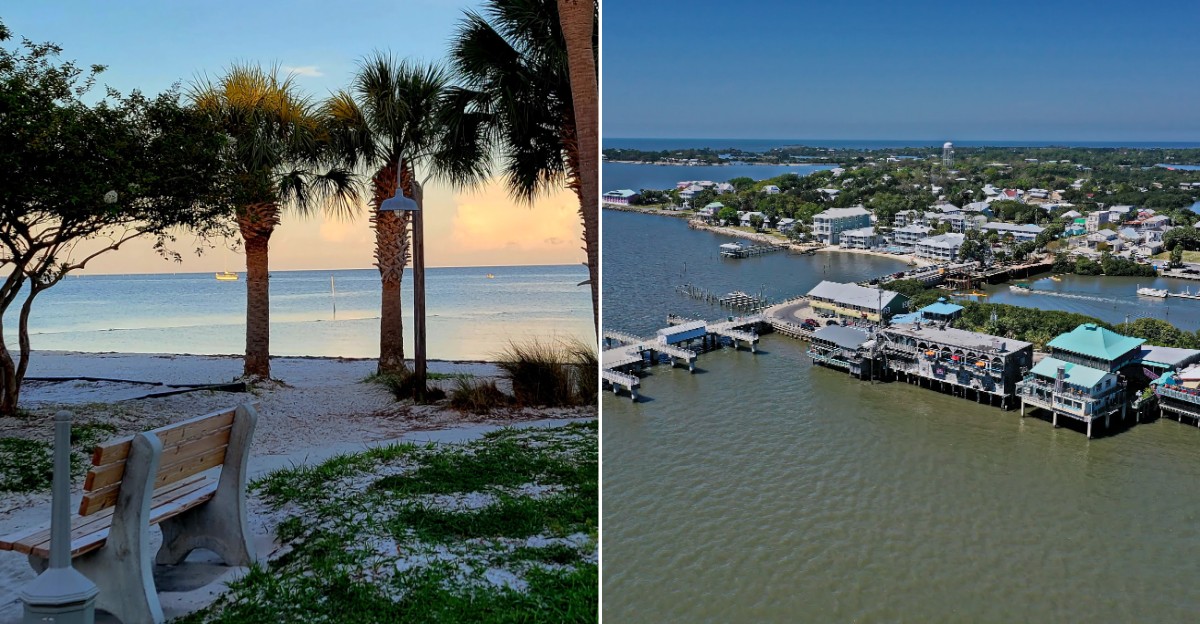
There are no theme parks here, no high-rise hotels, and not a single traffic light on the island. That alone tells you something special is going on.
On Florida’s quiet Big Bend coast, where the highway simply runs out of road, a tiny island town has spent more than a century doing things its own way. Fishing boats still head out at dawn.
Wooden buildings from the 1800s still line the main streets. Golf carts outnumber tour buses by a mile.
People come for a weekend and start checking real estate listings by Sunday.
This story walks through the history, wildlife, waterfront, and small-town habits that keep this place feeling like old Florida.
From its fascinating maritime history and wildlife-filled islands to its resilient waterfront community, Cedar Key offers a glimpse of the quieter Florida that still survives along the Gulf Coast.
Where the Road Runs Out
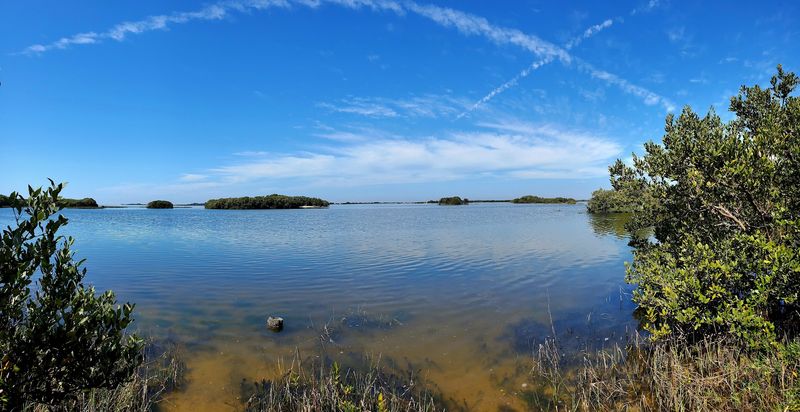
State Road 24 ends at the water, and that is exactly where the adventure begins. Cedar Key sits at Florida 32625, USA, a small island city off the northwest coast of Florida in the Gulf of Mexico.
Getting there takes some commitment. The town is roughly an hour southwest of Gainesville, and the final stretch crosses a series of low bridges over marsh and open water.
There is no shortcut and no interstate exit with a giant sign. That distance is a big reason the town still feels untouched.
The main island is called Way Key, and the downtown area is small enough to explore in an afternoon. Streets are easy to follow, and most places worth seeing sit within a short ride of each other.
Plan ahead before the drive. Fill the gas tank in a larger town, download maps for offline use, and book rooms early for weekends.
Once the bridges are behind you, the clock seems to slow down on its own.
A Port That Once Rivaled the Big Cities
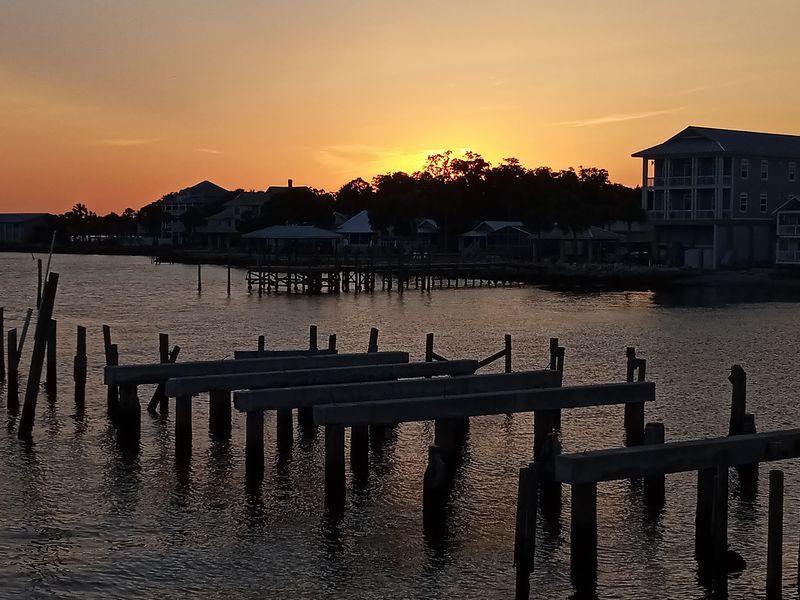
Long before anyone called it sleepy, this island was one of the busiest spots in Florida. In 1861, the state’s first cross-state railroad connected Fernandina on the Atlantic side to Cedar Key on the Gulf.
That rail line turned the town into a shipping hub. Lumber, seafood, and goods moved through its docks at a steady clip.
The area’s cedar trees were especially valuable. Pencil companies set up mills here, and the wood was shipped far away to be turned into pencils.
Then things changed. The cedar supply ran low, and a powerful hurricane struck in 1896, wrecking much of the waterfront.
Railroad routes also shifted toward other cities like Tampa. Bit by bit, the boom faded.
Here is the twist. That decline is what saved the town’s charm, since nobody rushed in to bulldoze the old buildings.
History did not just happen here. It stuck around.
Old Buildings With Stories to Spare
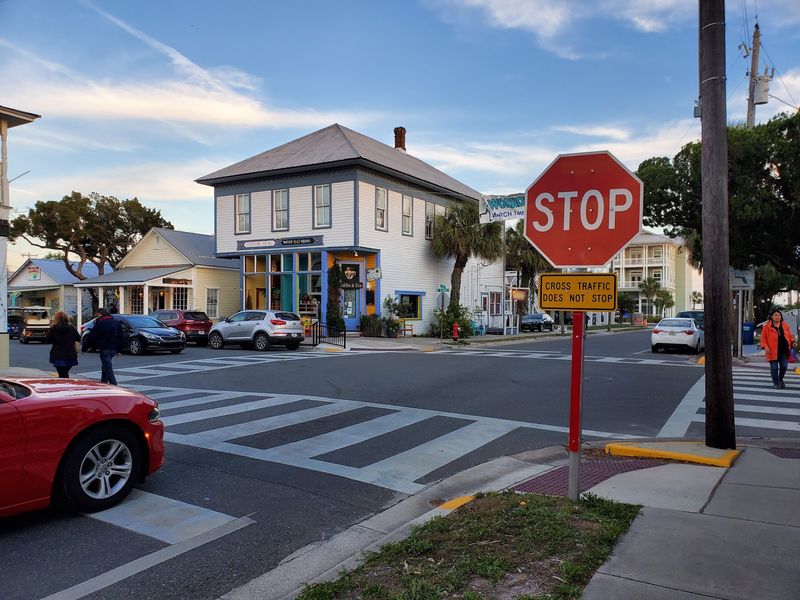
Second Street looks a lot like it did generations ago, and locals like it that way. Many buildings in the downtown district date back to the late 1800s and early 1900s.
Wooden storefronts with upper balconies line the block. Some now hold small shops, galleries, and inns.
The Island Hotel is one of the best-known structures in town. Built in the 1850s, it has survived storms, ownership changes, and plenty of tall tales.
A slow walk is the best way to take it all in. Look up at the second floors, where the architecture tells the clearest story.
Small plaques and signs share bits of history along the way. Reading them turns a casual stroll into a mini history lesson.
Photographers love this area in the early morning, when the streets are almost empty.
Take your time here. These walls have been waiting more than a century, so a few extra minutes will not hurt.
A Museum Hiding in a 1920s Home
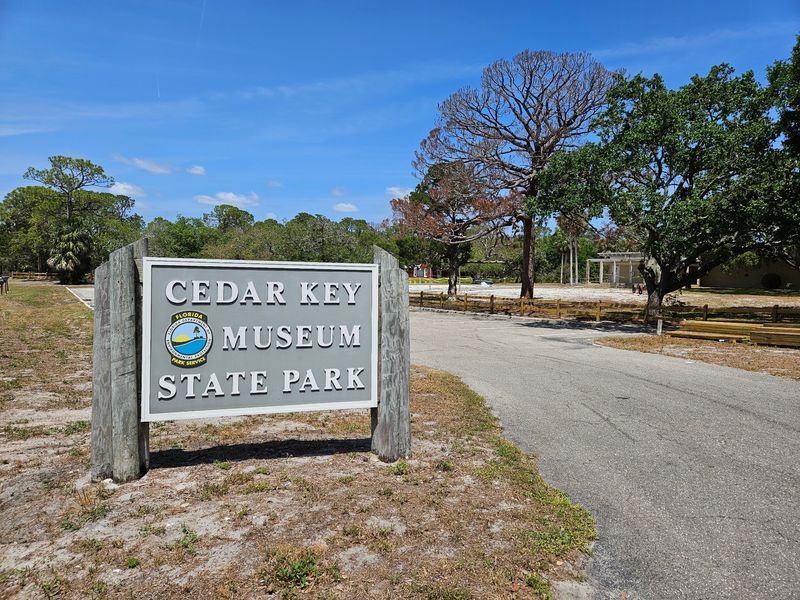
Cedar Key Museum State Park offers a peaceful place to explore the island’s history, surrounded by native Florida vegetation and coastal scenery.
Located at 12231 SW 166th Court, the park features exhibits that tell the story of Cedar Key’s past, from its early settlement to its years as a busy Gulf Coast port.
One of its best-known landmarks is the historic Saint Clair Whitman House, restored to reflect life during the 1920s.
However, the Whitman House has been temporarily closed to visitors since December 2024, so guests should not expect to tour its interior.
The museum itself remains open Friday through Sunday from 10 am to 5 pm, with an admission fee of $2 per person. Children ages five and younger enter free.
Outside, visitors can enjoy the natural surroundings and a short trail through coastal vegetation.
It is an appealing stop for families interested in history, especially when combined with a leisurely afternoon exploring downtown Cedar Key.
Photos, Papers, and Civil War Clues
Some museums need a full day. This one fits perfectly into a relaxed morning.
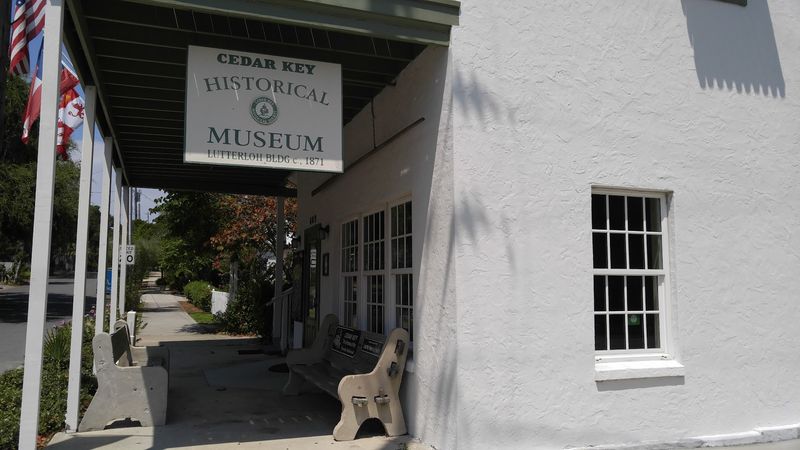
The Cedar Key Historical Museum sits right in town and explores local history through old photographs, documents, and Civil War items.
Exhibits cover the railroad, the pencil mills, and the fishing families who shaped island life. The photos are a highlight, showing streets and docks during the busiest years.
The Civil War section surprises many people. Union forces raided the area in 1862, since the port and railroad mattered to supply routes.
The museum also includes the historic Lutterloh building and other displays nearby. Each one adds another piece to the puzzle.
It is a great stop on a rainy day or during the hottest hours of summer.
Staff and volunteers often know local stories that are not printed on any sign. A simple question can lead to a fascinating answer.
History buffs, consider this your first stop instead of your last.
Islands Built for the Birds
Thousands of birds have claimed the islands offshore, and they are not sharing. Cedar Key National Wildlife Refuge protects a group of small islands near town.
Established in 1929, it is one of the oldest refuges in the area. Pelicans, herons, egrets, and ibis nest here in large numbers.
Seahorse Key is the largest island in the refuge. It holds a historic lighthouse built in the 1850s.
Most of the islands are reached only by boat. Some beaches allow public access, while interior areas stay closed to protect wildlife.
Nesting season brings extra rules. Seahorse Key and its surrounding waters close to the public during spring and summer.
Bring binoculars and a camera with a good zoom. Watching from a respectful distance keeps the birds calm.
Local outfitters offer guided boat tours that explain the refuge and its history.
Bird watchers often leave with a longer life list than they arrived with.
Paddling Through Quiet Waters
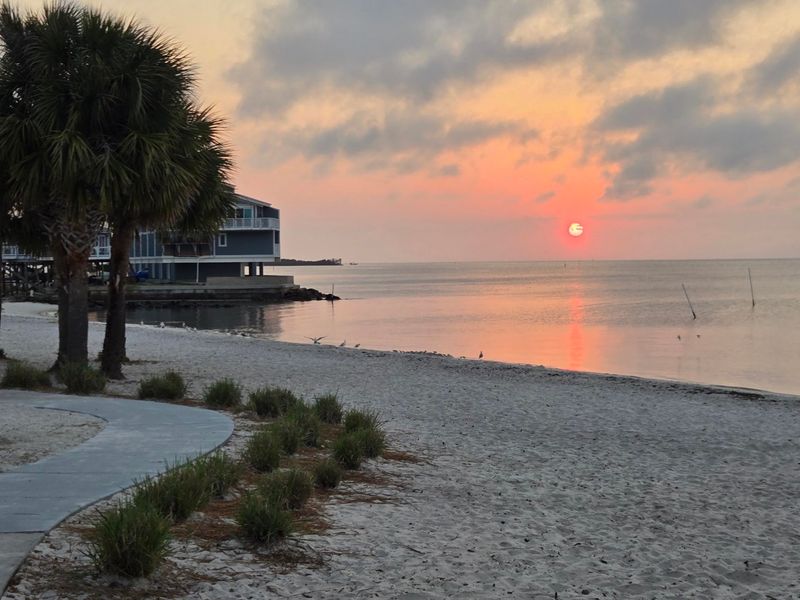
A kayak might be the most useful thing to own in this town. Shallow, calm waters surround the islands, making paddling one of the best ways to explore.
Rentals are available near downtown. Many shops offer maps and tips on which routes match your skill level.
Beginners often stick close to shore and nearby islands. More experienced paddlers head out toward the refuge or along winding marsh creeks.
Tides matter a lot here. At low tide, some areas turn into mudflats, and a boat can get stuck fast.
Check a tide chart before heading out. Plan your trip so you return with the water, not against it.
Dolphins sometimes appear near the channels. Wading birds hunt along the grassy edges.
Bring water, sun protection, and a dry bag for your phone.
A morning on the water can easily become the highlight of the trip, and nobody will judge you for booking another round tomorrow.
Life Along Dock Street
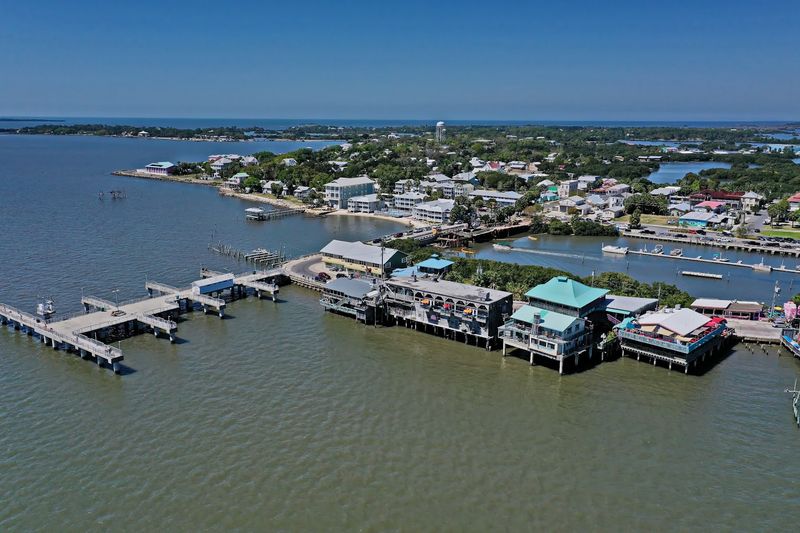
Dock Street remains one of Cedar Key’s most recognizable waterfront areas, with colorful buildings, local businesses, and sweeping Gulf views.
The area has been rebuilding after devastating hurricanes and a major fire in 2024, so visitors may notice a mix of reopened businesses and ongoing restoration work.
It is the liveliest part of town, though lively here still means relaxed. Nobody is rushing anywhere.
Shops sell local art, island souvenirs, and handmade goods. Many are run by people who live just a few blocks away.
The nearby City Marina and public fishing pier draw locals at all hours. Watching boats come and go is a free activity everyone enjoys.
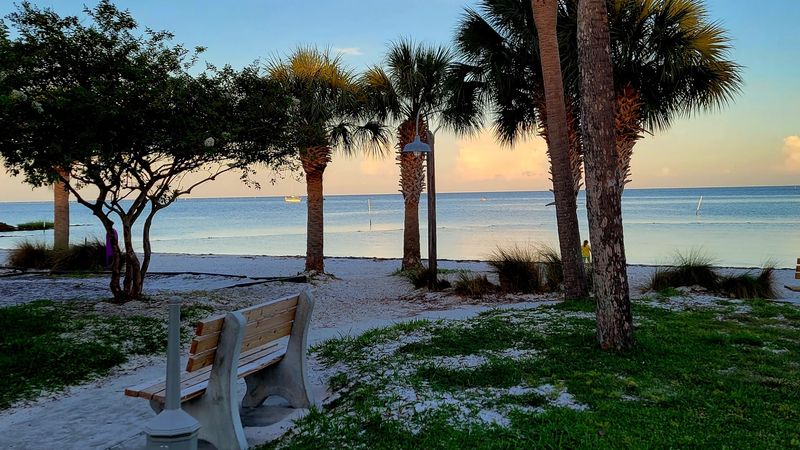
Sunsets are a big deal along this stretch. People gather along the railings as evening arrives.
Parking fills up on weekends, so arriving early helps. Many guests simply walk or ride a golf cart from their rooms.
Stop in a few shops, chat with owners, and let the afternoon stretch out.
Schedules tend to lose their grip somewhere around the second gallery.
Clams Saved the Day
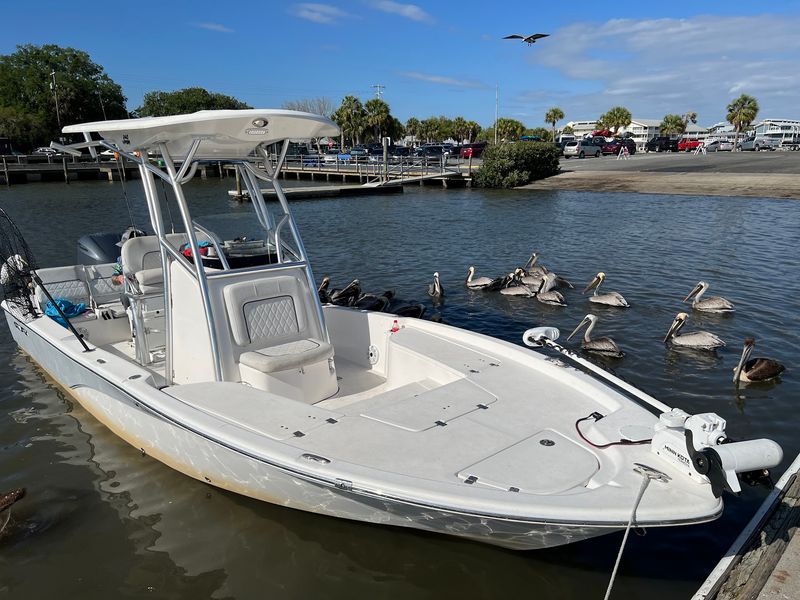
When one industry ends, a smart town finds another. In the 1990s, a state ban on certain types of commercial net fishing hit local fishing families hard.
Job training programs helped many of them switch to clam farming. It turned out to be a great fit for the shallow, clean waters around the islands.
Today, Cedar Key is one of the top producers of farm-raised hard clams in the country. Small aquaculture leases dot the water just offshore.
Farmers plant young clams in mesh bags on the bottom. Months later, they return to harvest them by boat.
This work keeps the town’s working waterfront alive. It also gives the community a strong reason to protect water quality.
Watch for small flat boats heading out in the morning. Those are often clam farmers on their way to work.
Supporting local businesses helps keep this tradition going. A fishing town that reinvented itself deserves a round of applause.
Golf Carts Rule the Road
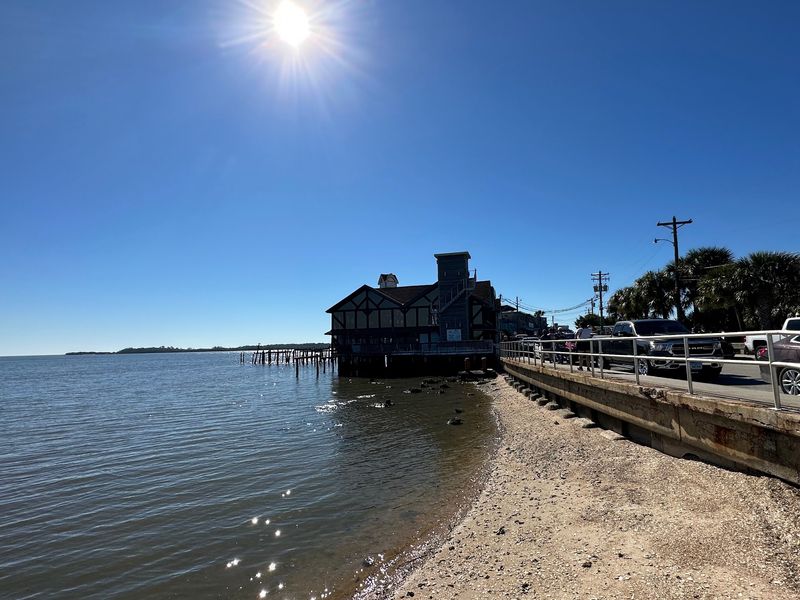
Forget the rental car once you arrive. Golf carts are a popular way to get around the island.
Several local businesses rent them by the hour or day. They are perfect for short hops between downtown, the museums, and the waterfront.
The town is small and laid out simply. Most trips take only a few minutes.
Bicycles are another great option. Streets are fairly flat, and traffic stays light outside of big events.
Follow local rules for carts and bikes. Some roads, especially the main highway leading into town, are not suitable for slow vehicles.
A golf cart ride also helps you notice small details. Painted mailboxes, old cottages, and backyard boats appear around every corner.
Families with kids especially love this way of exploring. It turns errands into mini adventures.
Leaving the car parked for a few days feels freeing in a way that is hard to explain until you try it.