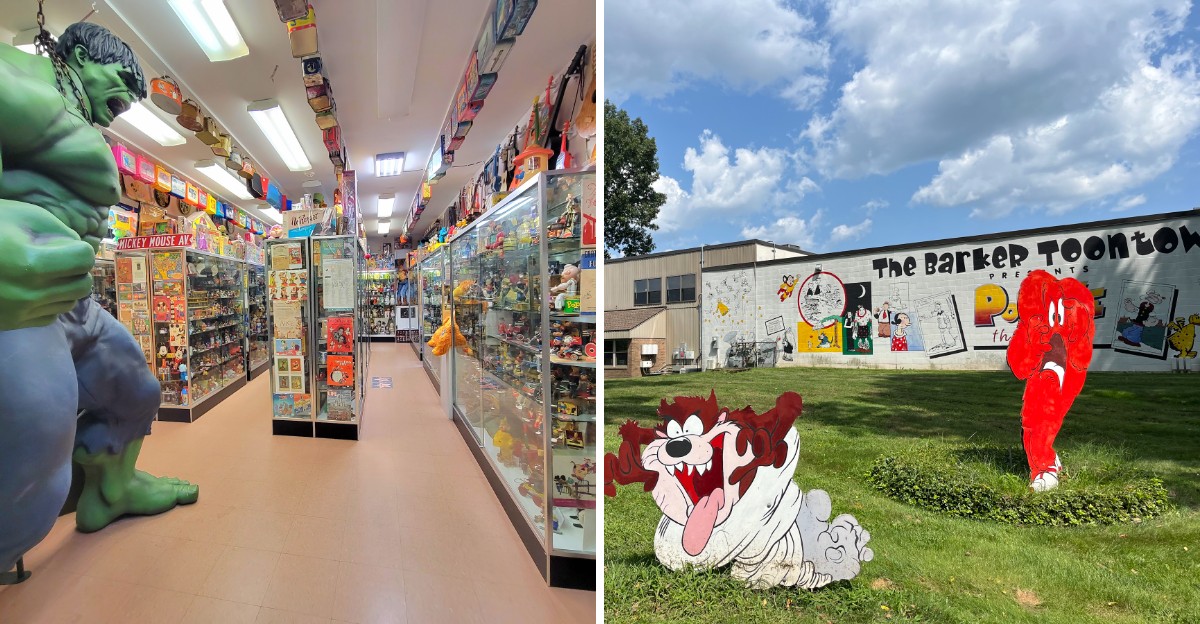
Somewhere in Cheshire, Connecticut, there is a lunchbox from your old school cafeteria table. There is probably the action figure you lost in the backyard, too, and the board game your cousin never let you win.
Tucked into a modest set of buildings along a busy road, one small museum holds decades of childhood behind glass, stacked floor to ceiling. Admission costs about the same as a fast snack, yet people lose track of time inside.
Kids hunt for hidden characters while grown-ups point at shelves and say, I had that. Keep reading to learn where it is, how a family collection grew into a museum, what fills its rooms, and the smart tips that will make your visit smoother and a lot more fun.
Where The Memories Live
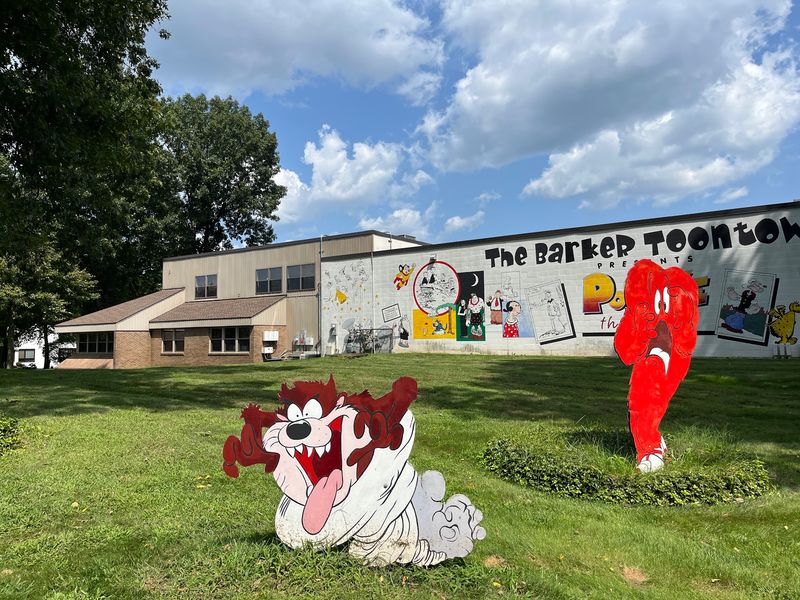
Finding this treasure chest of childhood takes less effort than finding the TV remote. The Barker Character Comic and Cartoon Museum sits at 1188 Highland Ave Bldg b, Cheshire, CT 06410, right along Route 10 in central Connecticut.
Cheshire is a friendly town that makes an easy day trip from Hartford, New Haven, or Waterbury. The museum is not one big building, so it helps to know the layout before arriving.
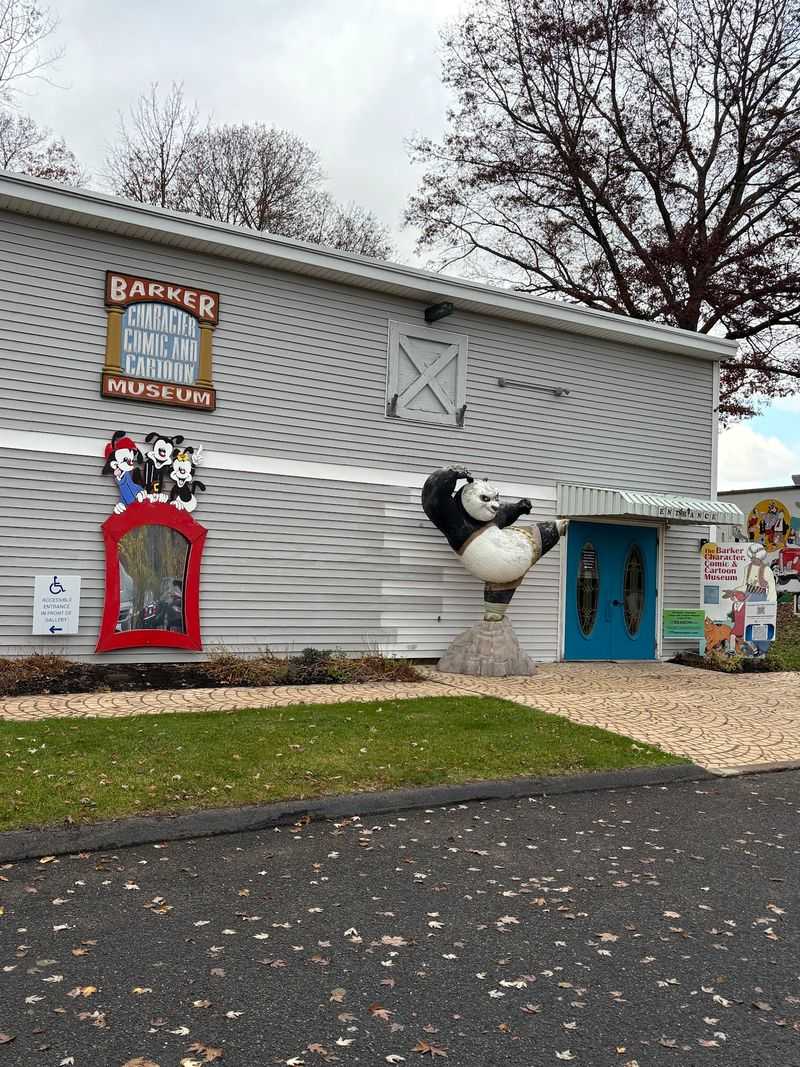
The building facing Route 10 is where tickets are sold. It also holds the Animation Art Gallery and gift shop.
The main museum is the larger building next door. Skip the offices beside the parking lot, since those are not part of the tour.
Hours are typically Wednesday through Saturday, 11 AM to 5 PM, with the doors closed Sunday through Tuesday. Schedules can shift with the seasons, so the official website is the best place to confirm before heading out.
Plan ahead, and the only surprise waiting will be how many old friends are lined up on the shelves.
A Collection That Outgrew The House
Every collector knows the moment when the shelves run out. For the Barker family, the answer was simple and a little bold: turn the collection into a museum.
The museum grew out of a local family’s personal love for toys and cartoon characters. Over the years, that passion piled up into tens of thousands of pieces, far too many for any closet.
Instead of storing everything in boxes, the family put it on display for everyone. That decision is a big part of the place’s charm.
It feels personal rather than corporate. The cases reflect real choices made by people who loved these things first.
Staff members often share pieces of the Barker story during a visit. Ask a question or two, and the backstory makes each shelf feel more meaningful.
Knowing the history also explains the quirky, packed style of the displays. This is a collector’s dream that opened its doors, and it still runs with a hobbyist’s heart.
Floor To Ceiling Fun
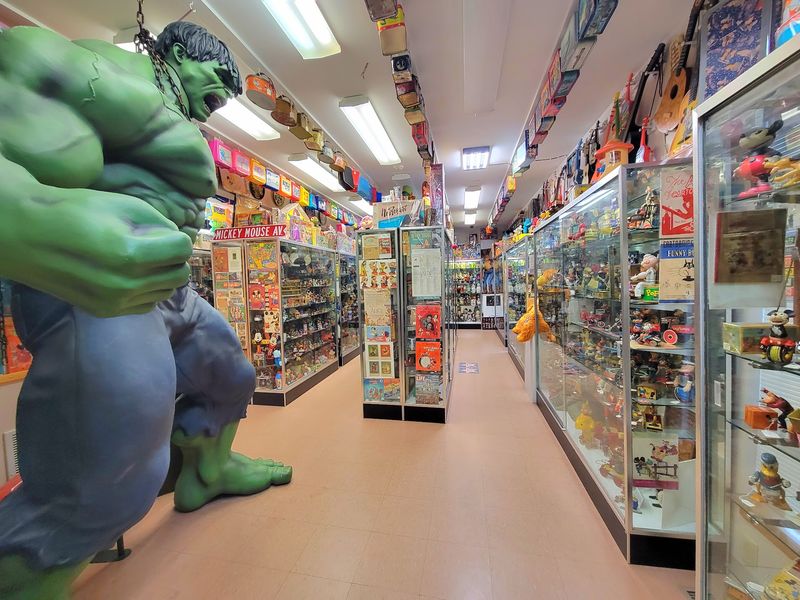
Small building, enormous haul. The main museum is not very large, yet the amount of memorabilia packed inside can stop people in their tracks.
Toys are arranged in display cases that climb from the floor to the ceiling. Four rooms hold vintage pieces of nearly every type, spread across two levels.
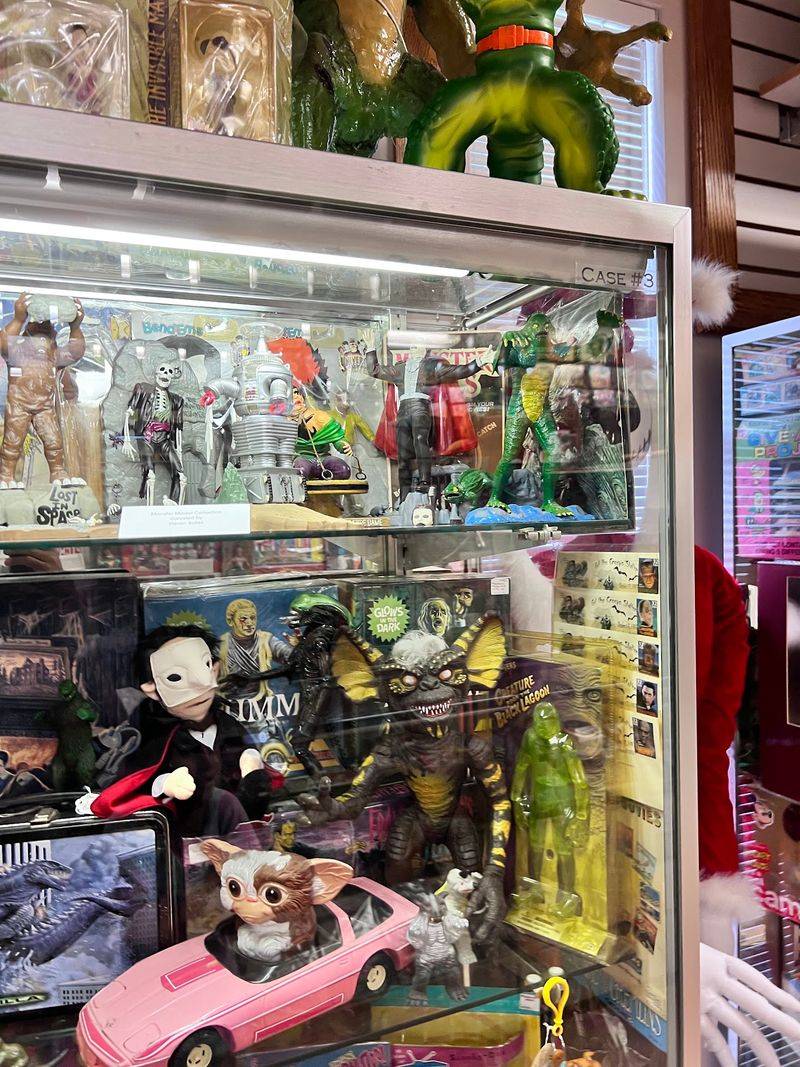
The range is wide. Dolls, action figures, board games, coloring books, and cartoon characters from many decades share the space.
Some items date back well over a century. Others come from the 1970s, 1980s, and later years, so nearly every generation finds something familiar.
Here is a helpful tip for first timers. Walk through slowly, then walk through again.
Many guests spot new things on a second or third pass that they missed the first time. Looking up, down, and into corners pays off in a room this crowded.
Bring patience and good eyes, because the shelves hide more surprises than a cereal box.
The Great Lunchbox Lineup
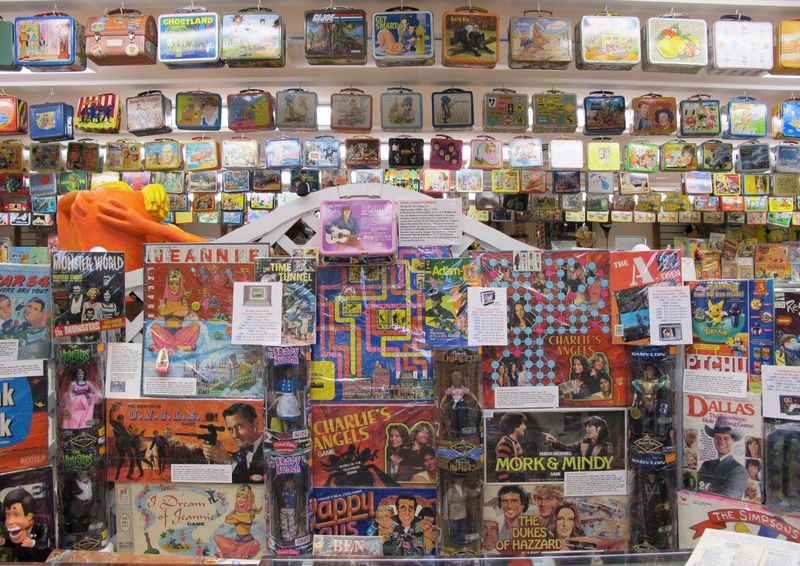
Remember trading lunch at the cafeteria table? Long before plastic containers took over, kids carried metal lunchboxes decorated with their favorite heroes and cartoons.
The museum showcases a huge selection of these boxes. Metal lunchboxes from the 1960s onward appear alongside designs featuring cartoons, TV shows, and popular characters from many eras.
For many adults, this section hits close to home. It is easy to spot the exact box carried to school decades ago.
Kids enjoy it too. They get a peek at how their parents and grandparents packed lunch, which can spark fun family conversations.
Fun fact for the history fans: the museum’s collection reaches back to a brass elephant toy made in Bridgeport, Connecticut, in 1870. That gives the display a neat local connection.
Take time to read the characters on each box. Some shows are famous, while others may be completely new names.
Odds are good that someone in your group will claim a box as their own.
Scavenger Hunts For Sharp Eyes
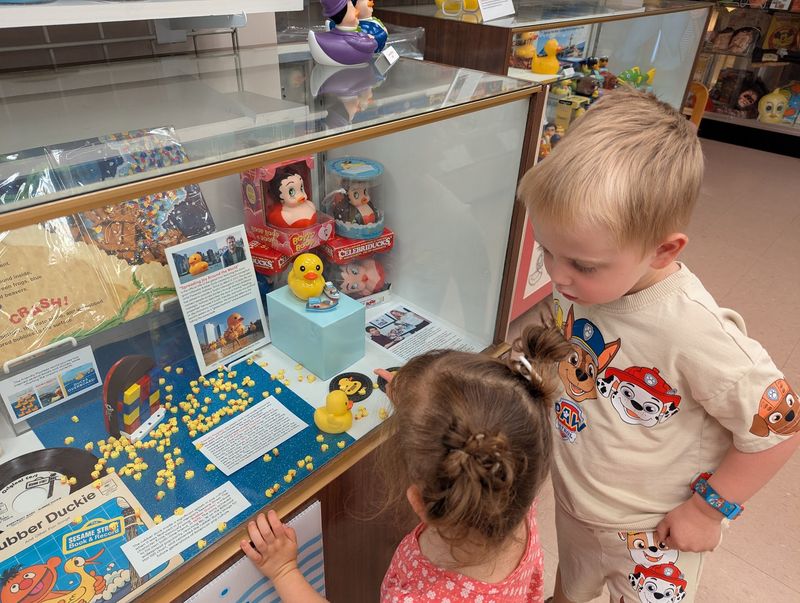
Kids who think museums are boring have probably never been handed a mission. Here, younger guests can join a scavenger hunt that turns the cases into a giant search game.
There are two versions of the hunt. That means families can pick the one that fits their children best.
The hunt gives kids a reason to slow down and study the shelves. Instead of rushing past, they look closely for specific characters and items.
Grandparents and parents often end up helping. It quickly becomes a team activity that keeps the whole group engaged.
This is especially useful because some little ones may not recognize older toys. The hunt gives them a goal, even when the characters are unfamiliar.
Ask about it at the start of the visit. Staff usually give a quick rundown when guests first walk into the main building.
A pencil, a sharp eye, and a bit of patience turn a casual stroll into a playful treasure quest.
Art That Once Moved
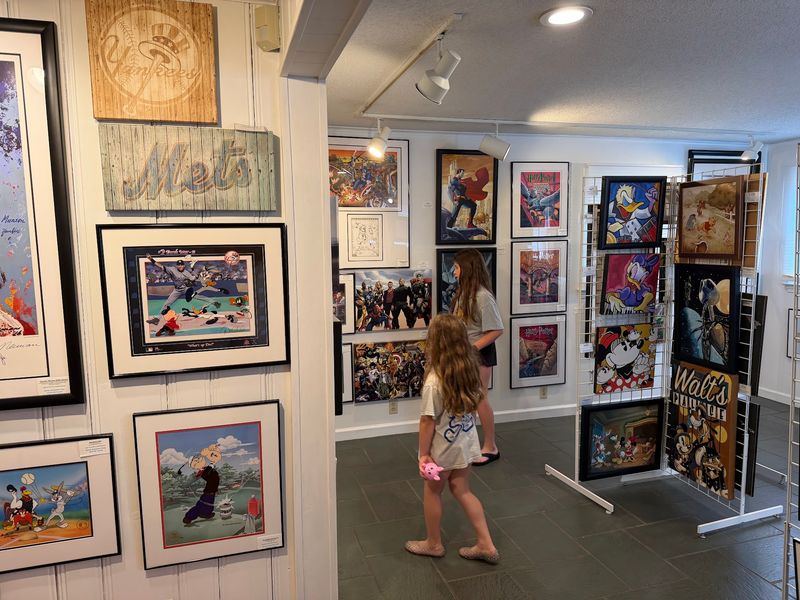
Cartoons start as drawings, and some of that artwork lands right here. The Animation Art Gallery sits in the building facing Route 10, the same spot where tickets are purchased.
The gallery displays pieces tied to many different movies and television cartoons. Framed cels and character art fill the walls.
Many of these works are available for purchase. That makes the gallery part showroom and part shop.
Fans of animation history will want extra time here. Looking at the art up close shows how much skill went into favorite shows.
Even guests who are not planning to buy anything can browse. It works like a bonus exhibit before or after the main museum.
Families with young artists may find it inspiring. Seeing professional cartoon work can spark ideas for drawings back home.
A quick tip: visit the gallery first while energy is high. After all, buying a ticket puts you right at its door, so skipping it would be a cartoonish mistake.
Cheap Tickets, Big Memories
Five dollars does not stretch very far these days. At this museum, it has long covered general admission, which makes the visit one of the friendliest bargains around.
Children ages 3 and under get in free. Parents with toddlers should mention ages at the counter so the right price is charged.
Special programs can lower costs even more. In past summers, Connecticut’s Summer at the Museum program offered free entry for state residents with a child.
Prices can change over time. Checking the official website before visiting helps avoid surprises.
The low cost makes repeat trips easy to justify. Since there is so much on display, a second visit often reveals things missed the first time.
Budget a little extra for the gift shop, though. Collectible items and artwork can tempt even careful spenders.
Families on a tight plan will appreciate a fun outing that leaves room in the wallet. Few places deliver this much nostalgia for so little pocket change.
A Barn With Backstory
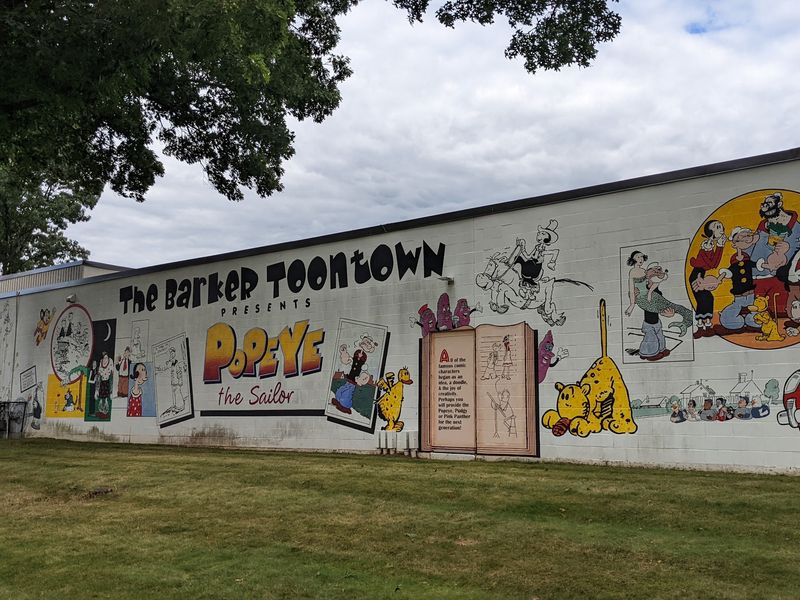
Part of this museum has lived more than one life. Over a third of the collection sits inside a converted barn originally built in the 1950s.
That history gives the space character. It also means the building behaves like many older structures do.
In warm, humid months, the barn can have a musty quality. The museum uses air purifiers and dehumidifiers all year to help.
Guests with allergies can ask for a face mask. The staff keeps them available upon request during the summer season.
Accessibility is another thing to know ahead of time. The main floor aisles fit standard wheelchairs, and that level holds most of the collection.
The second floor does not have elevator access. The gallery at the top of the hill has ramp access around the side to the front.
Space between cases is tight, so large strollers can be tricky. Planning for these details helps the whole visit roll along much more smoothly.
Every Generation Gets A Turn
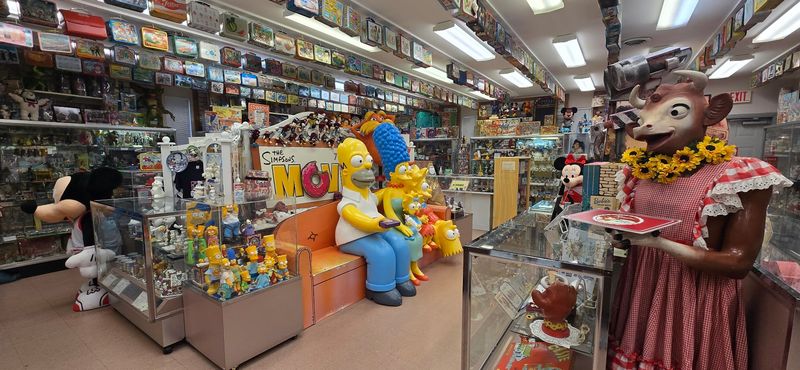
Gen Xers tend to light up here, but they are hardly alone. The collection spans so many decades that grandparents, parents, and kids each find their own corner.
Adults usually connect with toys they once owned. Coloring books, dolls, and games from past decades pop up everywhere.
Younger children may not recognize every character. Still, many enjoy spotting familiar faces from newer cartoons mixed into the cases.
Families with very young kids should set expectations. Little ones may move faster than adults who want to linger.
Many items are fragile and kept behind glass. Children old enough to show respect for delicate pieces tend to enjoy the trip the most.
Talking about the toys makes the visit richer. Grandparents can share stories, and kids can ask questions about how play has changed.
A trip like this works well for multigenerational outings. Everyone walks out with a memory, whether old, new, or freshly made together.
Planning The Perfect Pop-In
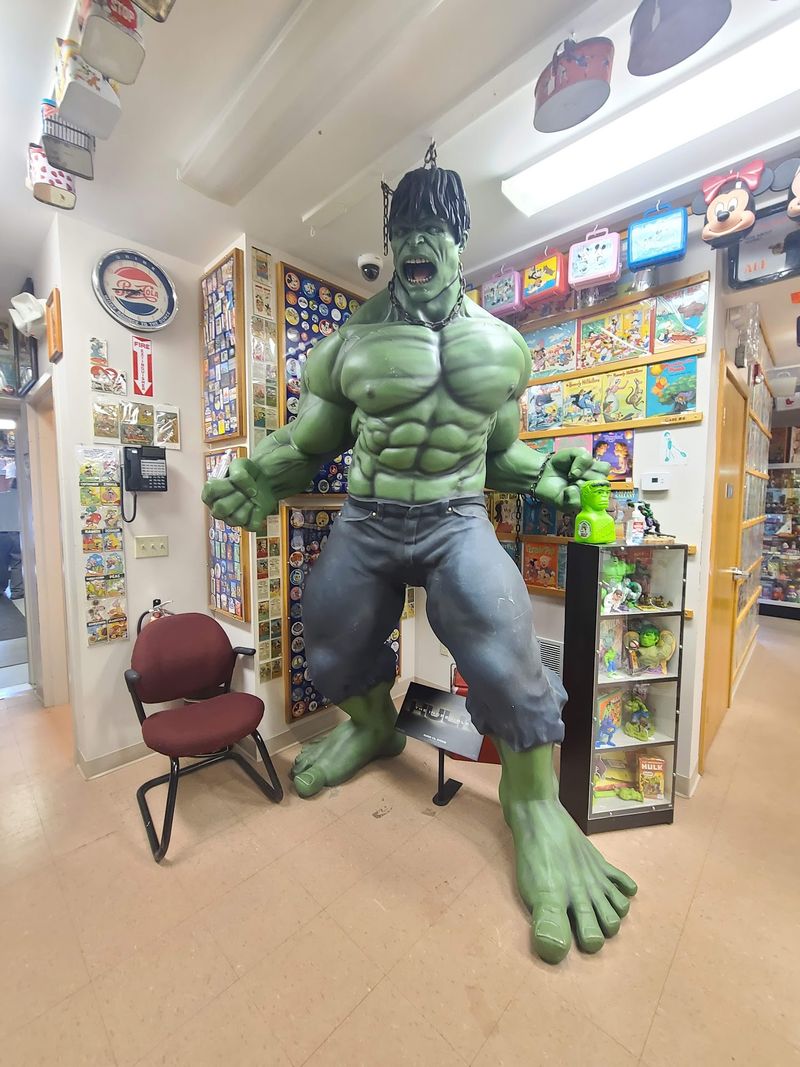
Timing can make a good visit even better. Weekdays often bring little or no wait, which gives more room to browse the narrow aisles.
Most guests spend about one to two hours inside. Dedicated fans of toys and animation may want even longer.
Arriving soon after the 11 AM opening helps. That leaves plenty of time before the 5 PM close for both buildings and the gift shop.
Staff usually greet guests in the main building and explain how things work. Friendly team members are happy to answer questions about the collection.
Before heading back to the car, check out the painted wooden yard displays outside. They make fun backdrops for family photos.
Collectors sometimes bring their own vintage toys along for pictures. It adds a playful personal touch to the day.
From the first case to the last snapshot, this Cheshire stop proves that childhood never truly disappears. It just waits patiently on a shelf for you to come say hello again.