Austin loves new things. New towers, new shops, and new crowds fill its streets every year.
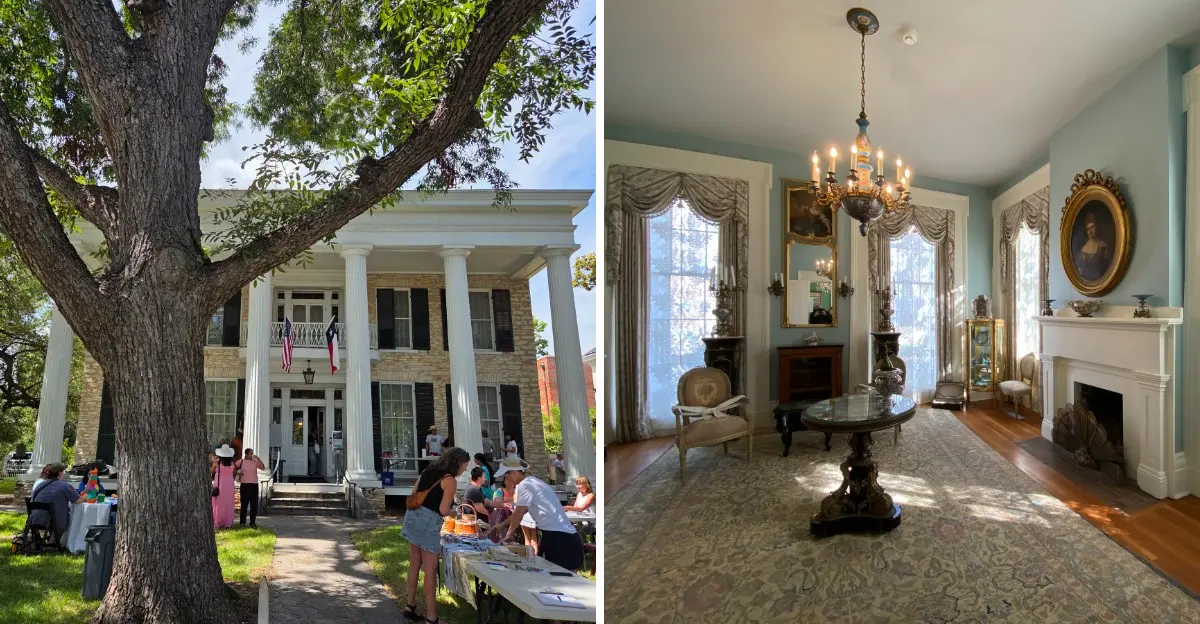
Yet a few blocks from the University of Texas campus, a white-columned house has stood since 1855, older than most of the city around it.
Its rooms hold period furniture arranged as if the family who lived there in the 1890s might return any minute and ask why strangers are admiring the parlor.
Behind the main house stands something even rarer, a building that tells a harder and more honest part of the Texas story. Art shows, holiday ballet, Juneteenth gatherings, and a clever audio tour keep the place busy all year.
Read on to learn what makes this old address worth a visit, when to go, and a few handy tips that can save you money and time.
A Front Porch That Has Watched Austin Grow
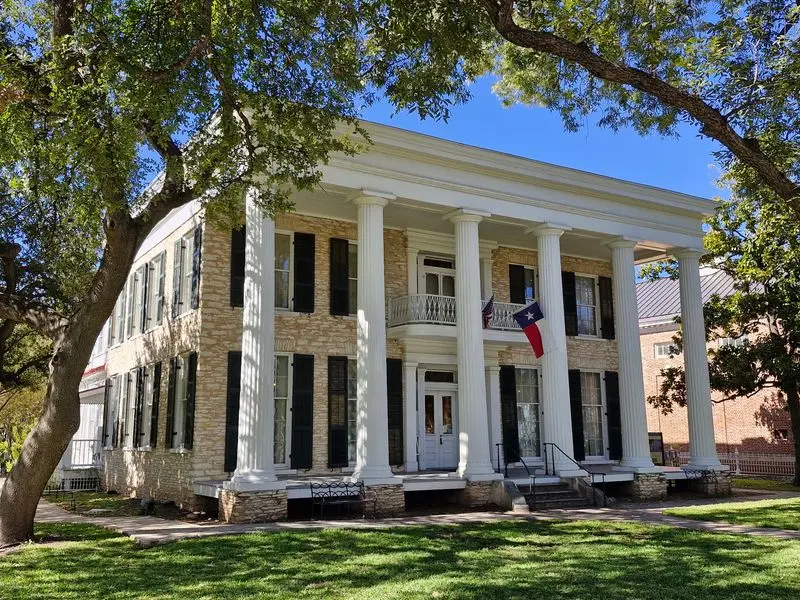
Long before skyscrapers crowded the skyline, this house was already keeping an eye on the neighborhood. The Neill-Cochran House Museum sits at 2310 San Gabriel St, Austin, TX 78705, in the state of Texas, right in the heart of the West Campus area.
The mansion was built in 1855, which makes it one of the oldest buildings still standing in the city. That is a big deal in a place that changes as fast as Austin does.
Today the house works as a museum filled with period furnishings. Rooms are set up to show how a well-off Austin family lived in the late 1800s.
The museum is open Wednesday through Sunday from 11 AM to 4 PM. Mondays and Tuesdays are closed, so plan around those days.
The location is handy for anyone exploring the University of Texas, since campus is only a short walk away. A quick stop between other plans works well.
Give yourself at least an hour, though. History here has a way of asking you to stay a little longer.
The Builder Behind Those Famous Columns
Abner Cook was the name to know if you wanted a grand home in early Austin. He was a master builder, and his work still shapes the look of the city’s oldest landmarks.
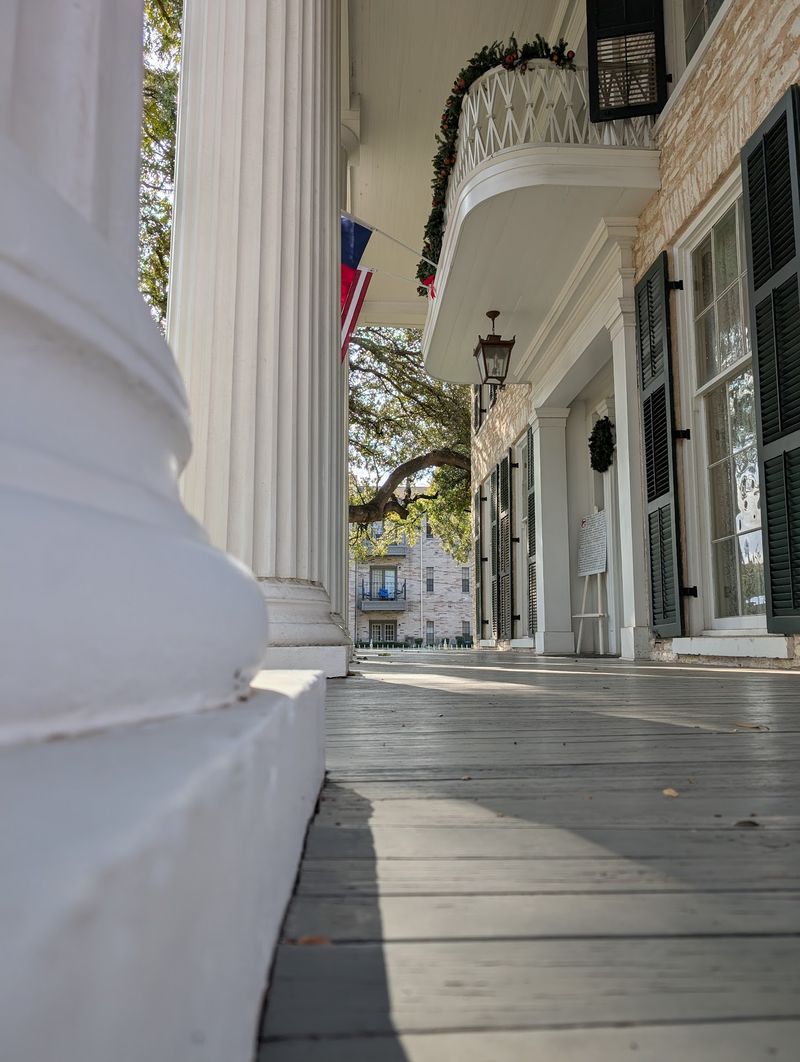
Cook loved the Greek Revival style. That means tall columns, balanced shapes, and a clean, stately front that looks a bit like an ancient temple moved to Texas.
His trademark touches appear right on this house. The portico and the balustrade on the front are classic Cook features that history fans spot right away.
Cook also built the Texas Governor’s Mansion. If you cannot get a tour there, this house makes a smart second choice with a similar style.
Spend a few minutes outside before heading in. Notice how even and symmetrical the front looks from the sidewalk.
Once you know the design rules Cook followed, you will start seeing them around town. Consider it a free architecture lesson that comes with a ticket.
Rooms Frozen in the 1890s
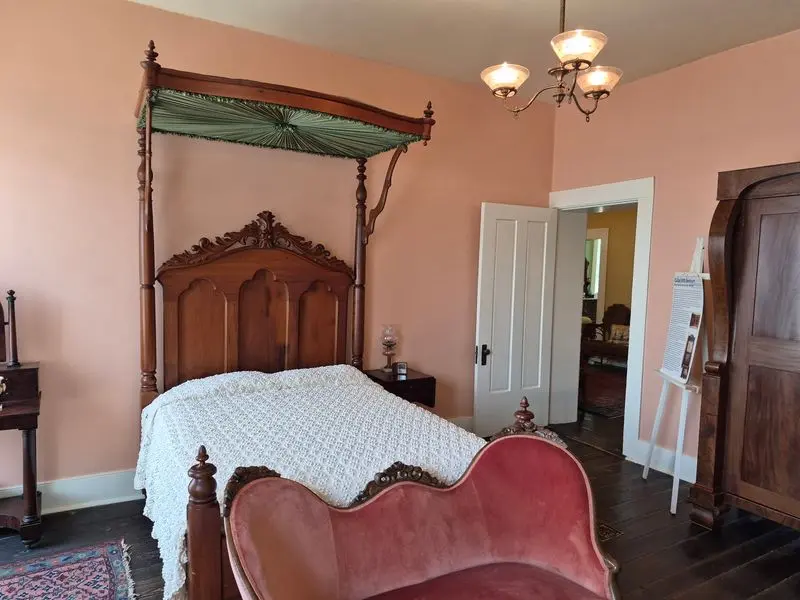
Hats on the hooks would not look out of place here. The rooms are arranged to show the Neill family era, when the house was a lived-in home in the late 1800s.
Classical furniture fills the spaces, and every room has a story. The idea is to help guests see daily life, not just admire fancy objects behind glass.
One standout piece is a wicker loveseat from about 1880. It belongs to an original five-piece set, and three pieces still remain in the collection.
The museum has also shown the kinds of foods families of that time would have eaten. Small details like these make the past feel closer.
Keep in mind that many items are not behind ropes or cases. That openness is part of the charm, but it calls for careful hands.
Move slowly and read the labels. The fun is in noticing what changed in daily life and what stayed surprisingly the same.
The Building That Tells a Harder Story
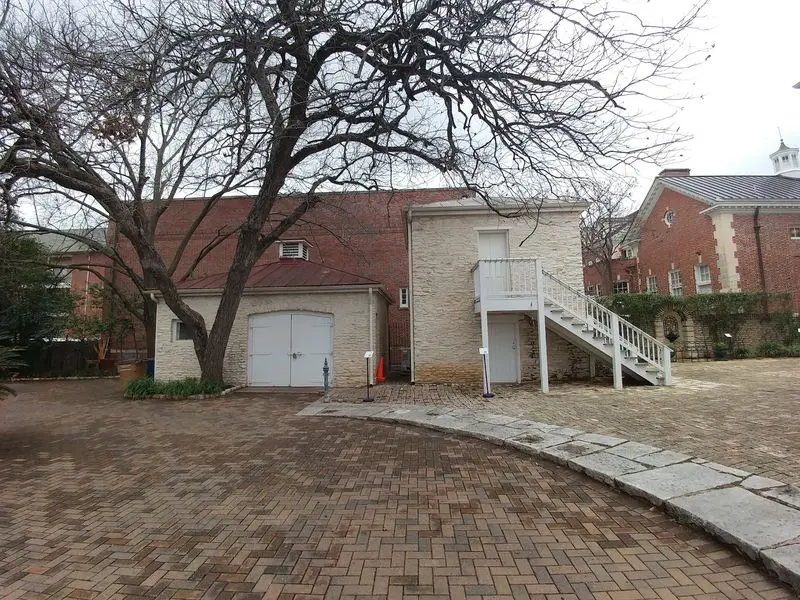
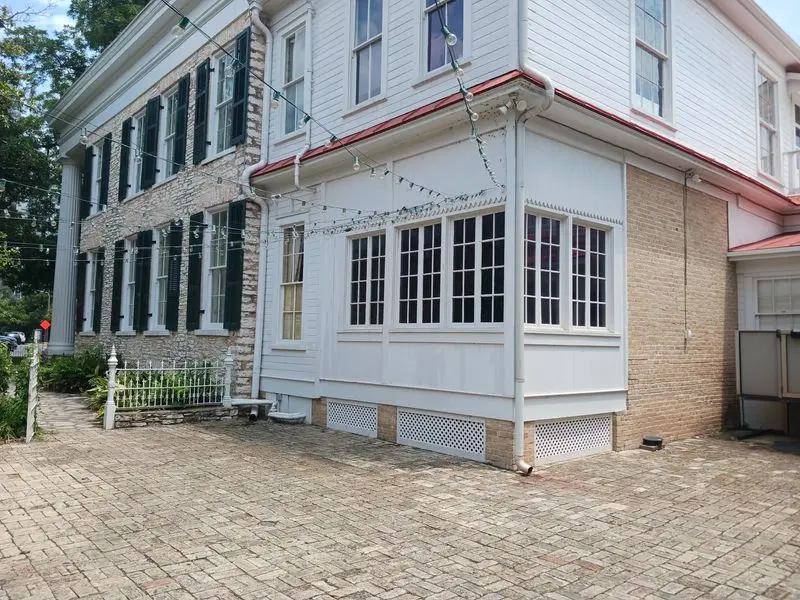
Not every chapter of this house is comfortable, and the museum does not pretend otherwise. Behind the main home stands a two-story dwelling where enslaved people once lived.
It is the only remaining slave quarters within the city of Austin that the public can visit. That alone makes the property important for anyone who wants an honest view of local history.
Since the site was not a farming plantation, the outside of the dwelling matches the main house. Inside, though, it once had a dirt floor.
About ten enslaved people lived across its two floors. Little is known about them, which makes the research done here even more meaningful.
The museum recently restored the building with care. Placards share what is known about the people who lived there and the families who owned the house.
Plan time for this part of the visit. It is the section that stays with most guests long after they leave the grounds.
A Tour That Fits in Your Pocket
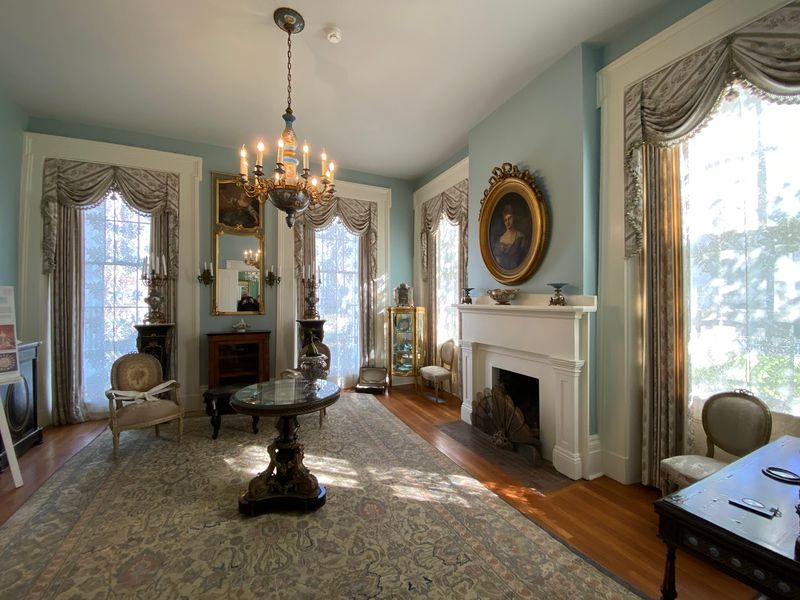
Your phone is about to become a tour guide. The museum offers a free audio tour through your own device, and it comes included with admission.
That setup lets you move at your own pace. Linger in the rooms that grab your interest, then skip ahead when you are ready.
Guided tours with staff have also been offered, and the guides here clearly enjoy sharing history. When a guide is available, ask questions, since many of them know small details that are not on any sign.
Bring earbuds if you have them. Other guests will thank you, and you will catch every word.
A charged battery helps too. Nothing ends a history lesson faster than a phone that quits in the dining room.
The self-paced style works well for introverts, busy schedules, and anyone who likes to read every label twice. Press play, and the house starts talking.
Where Old Walls Meet New Art
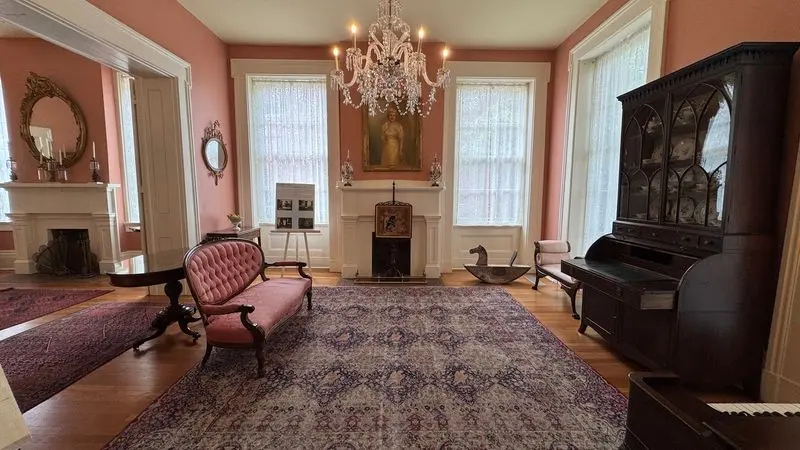
Modern art in an 1855 mansion might sound like an odd pairing. Here, it works surprisingly well.
The museum has an art gallery inside, and it often features local artists. Exhibits change, so there is usually something new to see on a return trip.
Past shows have included art quilts by Debra Harris. Sometimes the artists even appear in person to chat about their work.
A Juneteenth Black Rodeo exhibit has also been on display. Shows like that connect the house to wider Texas stories beyond its own walls.
Each spring, an art show adds another reason to drop by. Check the website before you go to learn what is hanging on the walls.
The mix keeps the museum from feeling dusty. History, art, and architecture share the same roof, and each one makes the others more interesting.
Even guests who come only for the old furniture often leave talking about a painting or quilt.
Juneteenth on the Lawn
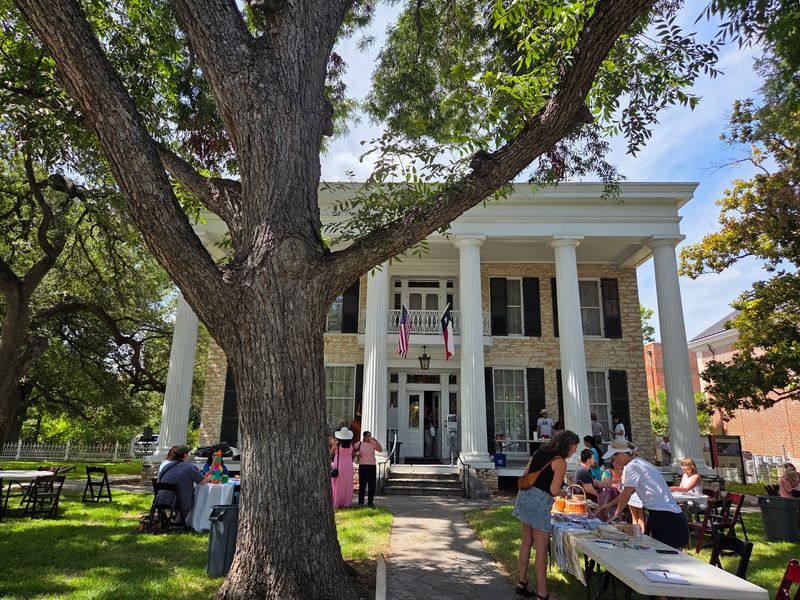
June brings one of the most meaningful days on the museum’s calendar. The Juneteenth celebration has been free and open to the public.
Crowds from many backgrounds gather for it. The mood centers on respect and learning together.
Past events have included a thoughtful tour of the restored quarters led by a historical interpreter who helped with the research. A gospel choir has performed as well.
One year featured the ribbon cutting for a Bench by the Road, a project of the Toni Morrison Society. These benches mark places tied to the history of slavery, giving people a spot to stop and reflect.
The pairing of this holiday and this property makes sense. Few places in Austin can tell the story of freedom from such a direct starting point.
Watch the museum’s website in late spring for details. Arrive early if you can, because this day draws a full and friendly crowd.
Ballet Season Brings a Twist
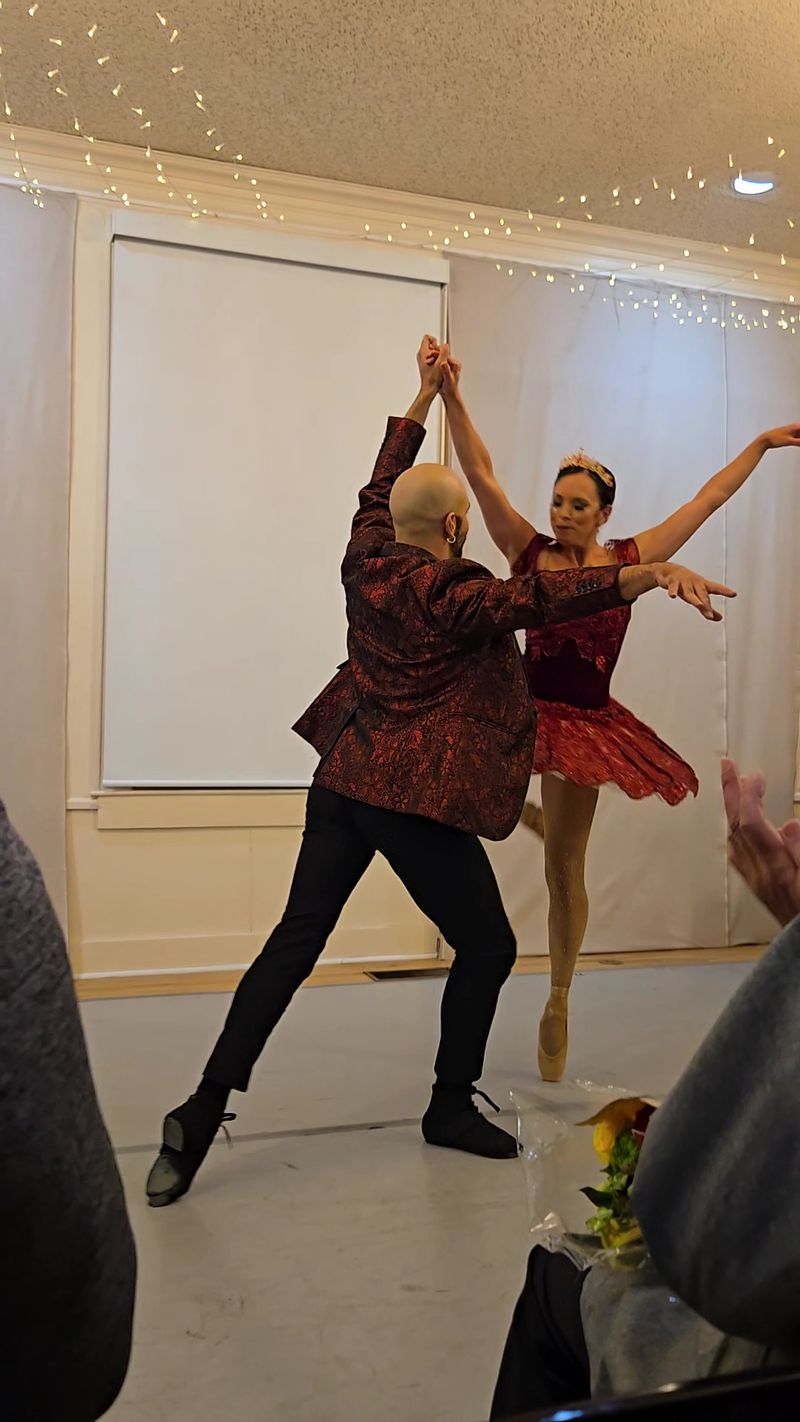
December gets lively here. For about two weeks, a ballet performance moves into the house.
Staff look forward to it as a magical part of the year. The rooms become a stage, and the old home feels busy once again.
There is a catch for regular sightseers, though. Move-in days can be loud and crowded, and some rooms may be cleared or set up for the show.
If your main goal is a quiet look at the furnishings, plan around early December. A call or website check can save you from bad timing.
If you love dance, however, the ballet may be the best way to see the house used as a real home for gatherings. Families of the 1800s hosted parties too, after all.
Either way, knowing the schedule helps. The right season can turn a good trip into a great one.
Puzzles, Pins, and Hands-On Fun
Here is a small reward worth chasing. Kids who finish the I-spy hunt inside the house can earn a little pin on the way out.
Adults get a challenge too. A puzzle inside can earn a discount on souvenirs once it is solved.
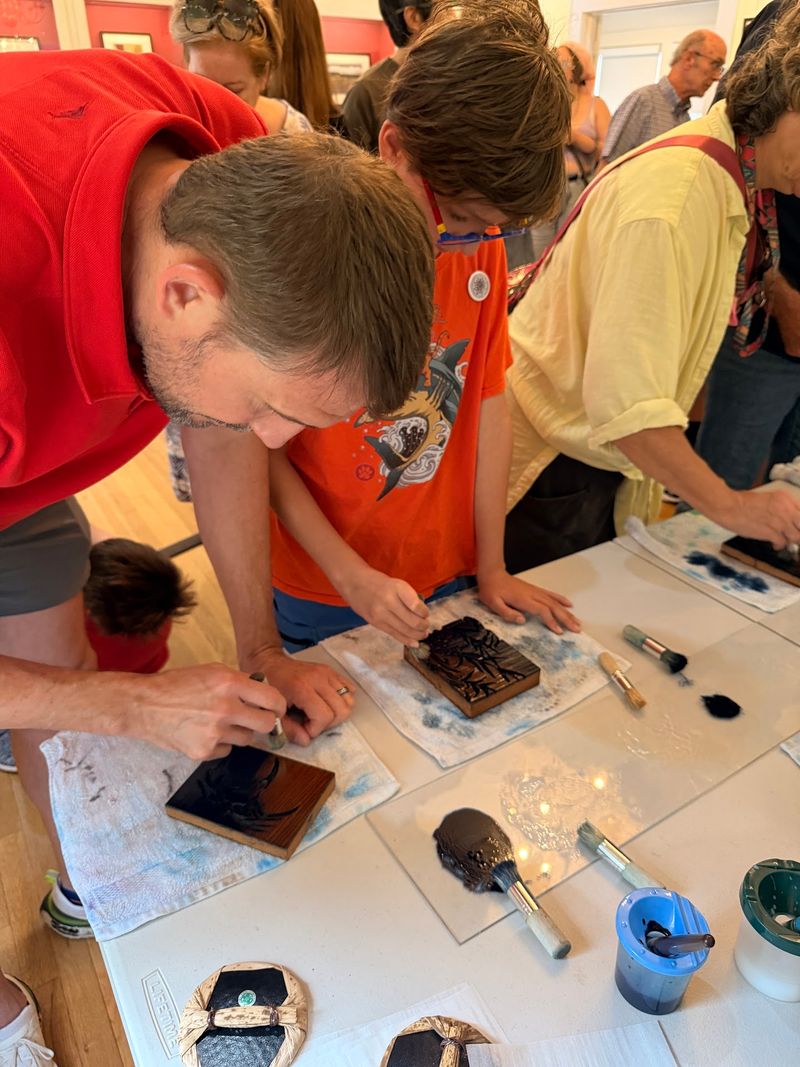
Family activities pop up throughout the year. Past offerings have included Japanese block printing, a printing press craft, and ice cream making.
Stories on the Lawn is another program that has drawn families. Outdoor events give younger guests space to move around.
Still, think about ages before you bring little ones. The house has few ropes or cases, and very small children may lose interest fast.
School-age kids who like searching and spotting tend to do best. Give them the hunt sheet right away, and the tour turns into a game.
Bring patience, and maybe promise a pin. Motivation is a powerful thing.
Small Price, Big Payoff
Good news for budget travelers. A standard tour ticket has cost around ten dollars, which is a modest fee for so much history.
Special free days come up too, like the Juneteenth celebration. Paid events, such as holiday crafts, are priced separately.
The museum runs with a small staff and devoted volunteers. Many know the house well and enjoy answering questions about its past.
Gene, the facilities manager, has become a familiar and friendly face to many guests. He is often called the resident expert.
On quieter weekdays, you may get more time to chat with staff. Weekend and event days can be busier and less personal.
Check the website before your trip for current prices and programs. Details shift with the season.
Bring a few extra dollars for the gift shop. A souvenir helps the museum keep the lights on and the old floors in good shape.
Weddings and Gatherings Under Old Columns

Some guests first find the house by accident, as a wedding invitation. A ceremony here gives a party a setting with more than 160 years of backstory.
The grounds and rooms host private events, and walking through the house during one can feel like living inside its history. The columns certainly help the photos.
This is also a reminder to check the calendar. A private event may change which areas are open on a given day.
Planners like the central spot near campus and downtown. Out-of-town guests can find it without a long drive.
The museum also stays active with talks, exhibits, and seasonal programs. Few days look exactly alike here.
That steady flow of life is the real secret of the place. A house built for gatherings in 1855 is still doing the same job today.
Visit once, and the family that lived here feels a little less like strangers.