Some houses are built from brick, and some from wood.
One house in Ellenton, Florida, was built from crushed oyster shells, sand, and lime, and it has been standing since the 1840s.
That mix, called tabby, has outlasted storms, wars, and well over a century and a half of Gulf Coast weather.
The home sat at the center of a huge sugar plantation along the Manatee River, and its story is part grand architecture and part hard truth about the enslaved people who made it run.
Today, anyone can walk the grounds for free, sit in a rocking chair on the wide porch, and join a guided tour inside.
From its unusual construction to its complicated history, this quiet Ellenton landmark offers plenty to discover on a November afternoon.
Where This Shell-Built Survivor Stands
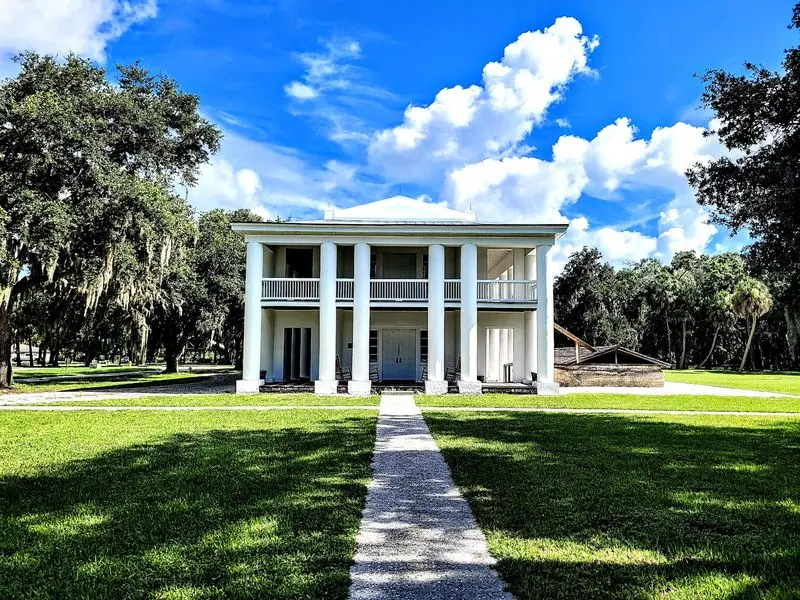
Just off a busy highway in Manatee County sits a piece of Florida history that most drivers zoom right past. The spot is Gamble Plantation Historic State Park, located at 3708 U.S.
Highway 301, Ellenton, FL 34222, just a short drive from Bradenton.
The park sits a short drive from Bradenton and Tampa Bay, which makes it an easy stop on a Gulf Coast trip. The mansion itself is known as the only surviving plantation home in South Florida.
Entry to the grounds is free, and so is parking. There is plenty of room for cars, so no one has to circle the lot.
The park grounds are open daily from 8 AM until sunset. The visitor center and guided mansion tours operate Thursday through Monday, with additional closures on major holidays.
The visitor center and mansion tours are unavailable on Tuesdays, Wednesdays, and Thanksgiving Day. Visitors can still explore the outdoor grounds during regular park hours.
Once the location is sorted, the real fun starts with the walls themselves and what they are made of.
Tabby: The Seashell Secret in the Walls
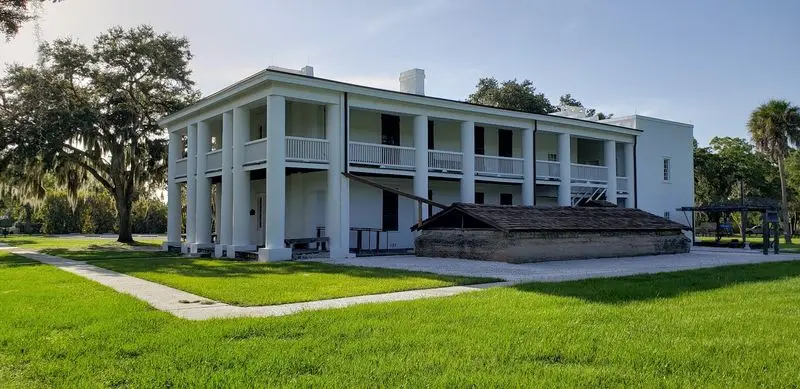
Oyster shells are usually something people step around on the beach. In the 1840s, builders here used them to make a mansion.
The material is called tabby. It is a mix of crushed oyster shells, sand, lime, and water, poured and packed into thick walls that harden over time.
Tabby made sense on the Florida coast. Shells were easy to find, while stone and brick were hard to ship in.
Those walls are about two feet thick in places. That thickness helped keep the inside of the house cooler during long Florida summers.
The tabby also helped the home survive. Plenty of wooden buildings from that era are long gone, yet this one still stands strong on its shell-packed walls.
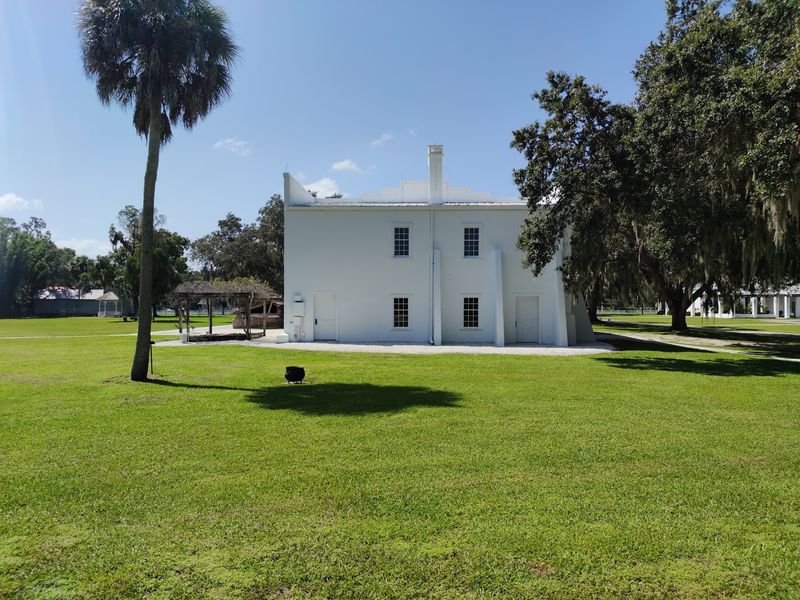
Fans of old buildings should take a moment to look at the walls up close during a visit. Small bits of shell can still be spotted in spots where the surface shows through.
It is proof that good building does not always need fancy supplies, just smart use of what is nearby.
The Major Behind the Mansion
Major Robert Gamble arrived in this area in the 1840s with big plans. He wanted to grow sugarcane on a large scale along the Manatee River.
His plantation grew to about 3,500 acres. At its center stood the mansion, which served as his home and the heart of the whole operation.
Sugar was a valuable crop back then. The land produced cane that was processed into sugar and shipped out by river.
The business did not last forever, though. Money troubles and falling sugar prices led Gamble to sell the property in the late 1850s.
Knowing this background makes the tour more meaningful. The fancy rooms and tall porches were built from the profits of a demanding, labor-heavy crop.
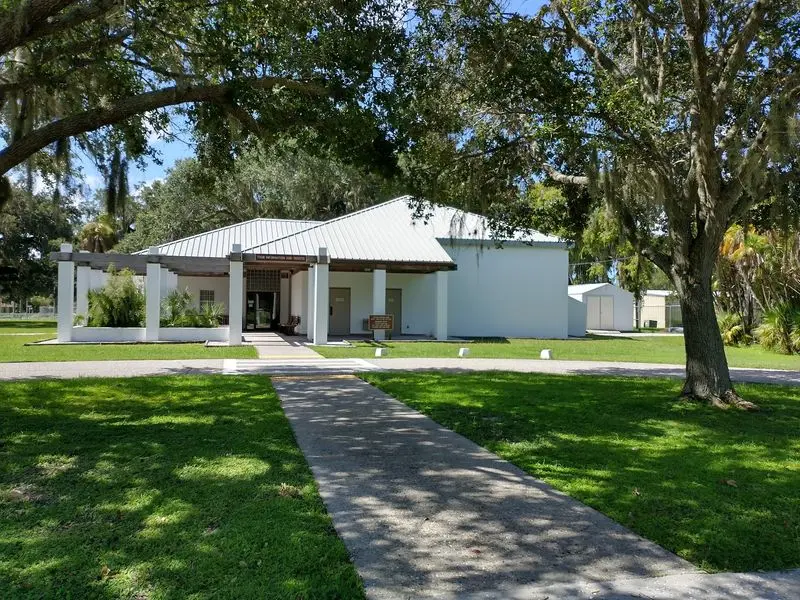
A smart move for curious guests is to visit the museum in the visitor center first. Its exhibits lay out the timeline, so the house makes more sense once the tour begins.
The major may have left, but the house he started still tells his story today.
The People Who Did the Work
Every honest look at a plantation has to include the people who had no choice about being there. The Gamble sugar operation depended on the forced labor of enslaved people.
Around 160 enslaved men, women, and children lived and worked on this land. They cleared fields, planted cane, ran the sugar works, and helped build the mansion itself.
Their work was hard and constant. Sugar production was among the most demanding farm jobs of that era.
The park includes a memorial listing names of the enslaved people connected to the plantation. It is a quiet place worth pausing at during a walk around the grounds.
Guides also talk about their lives during tours. Families who visit with kids can use this as a chance to have real conversations about the past.
Asking questions is welcome, and guides are ready to answer.
Remembering these names gives the visit its full weight. The mansion is beautiful, but the people behind it are the most important part of the story.
A Famous Guest on the Run
Here is a twist few people expect from a Florida farmhouse. In 1865, a high-ranking official from the Confederate government hid here while escaping capture.
His name was Judah P. Benjamin, who served as the Confederate Secretary of State.
After the Civil War ended, Benjamin fled south through Florida and is believed to have briefly taken refuge at the mansion while escaping capture.
From Florida, he made his way to the Bahamas and then to England. There he started a new life as a lawyer and became quite successful.
After reaching England, Benjamin rebuilt his career as a barrister and eventually became a member of Queen’s Counsel, adding another remarkable chapter to his life after the Confederacy.
The park’s official name still references Benjamin. Signs and the state website use the longer title.
History fans will enjoy asking the guide about this escape. It is one of those true stories that sounds made up.
Not bad for a house built from shells, sand, and a lot of patience.
Inside the Guided House Tour
The front door stays locked unless a guide is holding the key. Getting inside the mansion means joining a guided tour, and that is the best part of the visit.
Tours cover both the lower and upper floors. They usually run between 30 minutes and an hour, depending on the group and the guide.
The rooms are filled with furniture and objects from the 1800s. Most pieces are not original to the Gamble family, but they come from the same period.
Guides share fun facts along the way. Listen for the reasons behind the tall ceilings, plus the stories behind sayings like pop goes the weasel and hushpuppies.
Small groups are common, and some guests end up with a private tour. That makes it easy to ask lots of questions.
Very young children may find it tricky, since many items cannot be touched. Older kids and teens tend to enjoy it more.
A small tip for a good guide is always a kind gesture.
Cash, Tickets, and Timing
Nothing ruins a history trip faster than a wallet with only plastic in it. House tour tickets here are cash only, so bringing bills is a must.
Guided mansion tours cost $6 per adult and $4 for children ages 6 to 12, while admission to the park grounds remains free.
A Florida State Parks annual pass does not cover the house tour. The pass holders still pay the tour fee, even though park entry itself is free.
Tour times are spread out across the day. Recent times have been 9:30 AM, 10:30 AM, 1:00 PM, 2:00 PM, 3:00 PM, and 4:00 PM.
There can be an hour gap between tours, so arriving a little early is smart. Checking the official website before the trip helps confirm any changes.
Sunday tours do run, with the last one at 4 PM.
A little planning goes a long way. Cash in hand and a watch on the wrist are the two best travel tools for this stop.
The Museum Worth Seeing First
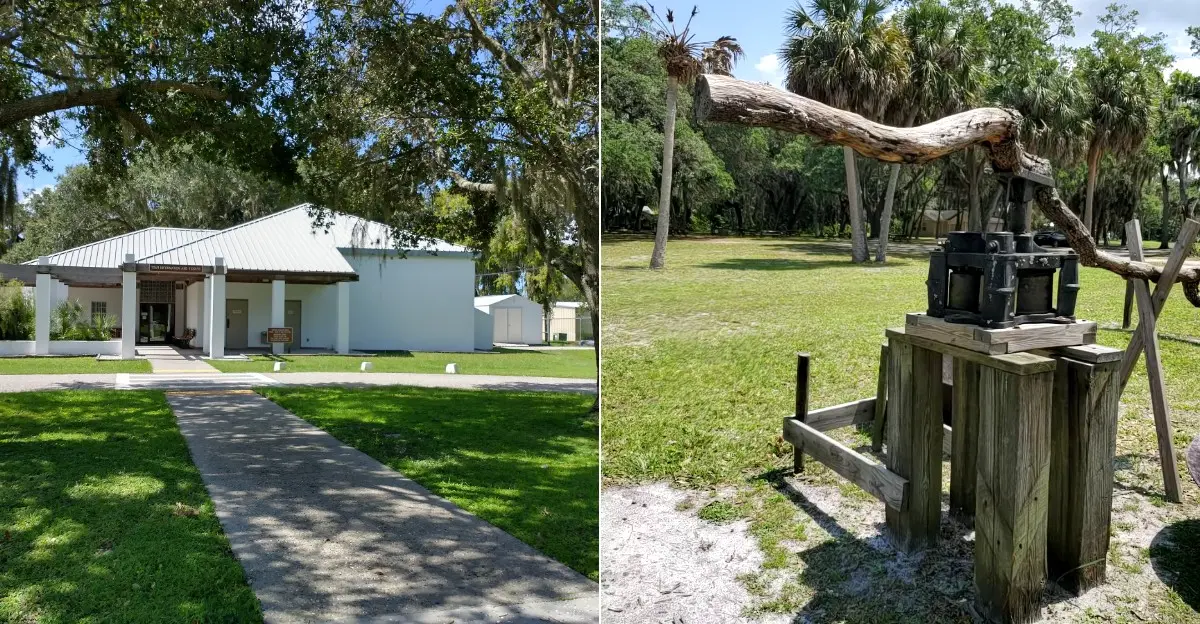
Before heading up the porch steps, it pays to make a quick detour. The visitor center closes for lunch from 11:45 AM to 12:45 PM, Thursday through Monday, so plan your museum stop around that break.
Displays explain the sugar business, the Gamble family, and the people who worked the land. They give context that makes the house tour richer.
Doing the museum first works like reading the back of a book before starting it. The rooms in the mansion click into place much faster.
One timing detail matters here. The visitor center closes for lunch, usually around 11:30 AM or 11:45 AM until about 12:30 PM.
That break catches people off guard. Arriving in the morning or after lunch avoids a wait at a closed door.
Staff and rangers in the building are friendly and happy to point folks in the right direction. They can also share the day’s tour times.
A short stop here turns a pretty house into a full story, and that makes the whole trip more rewarding.
Porches, Picnics, and Rocking Chairs
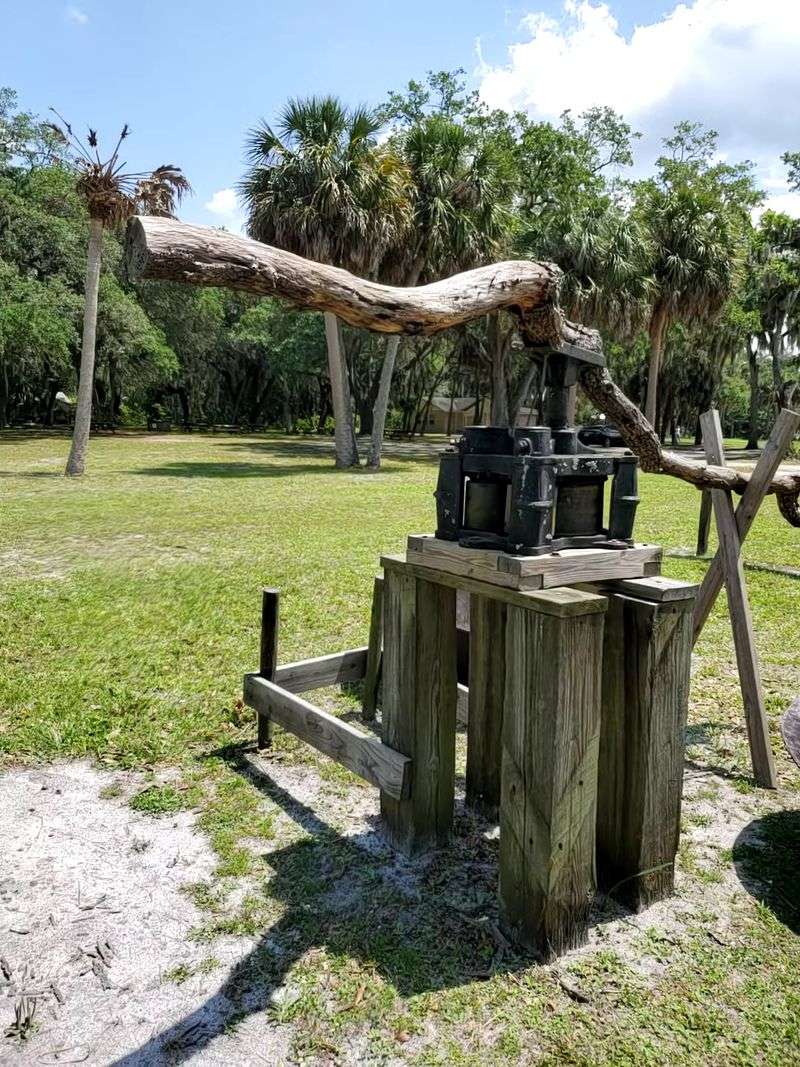
Some of the best moments here happen outside the mansion. The grounds are free to explore, and they are kept neat and green.
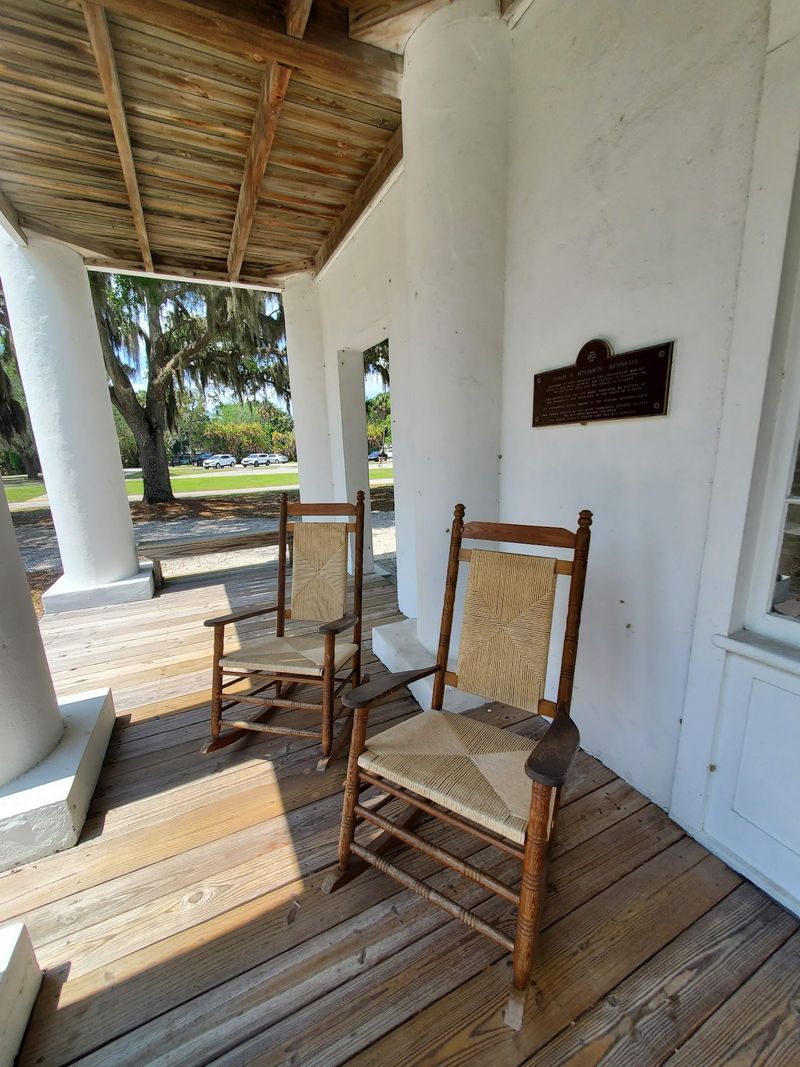
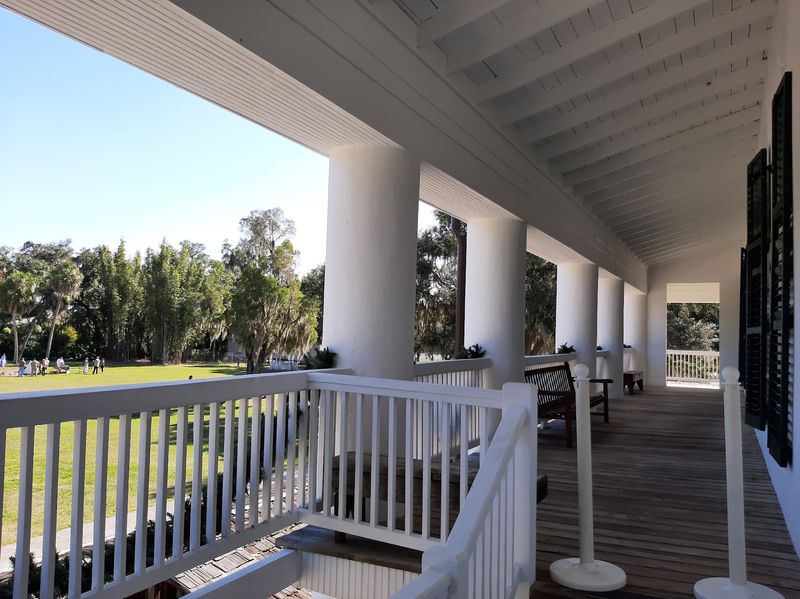
The wide porches are a highlight. Rocking chairs sit out front, giving guests a chance to rest and enjoy the view of the lawn.
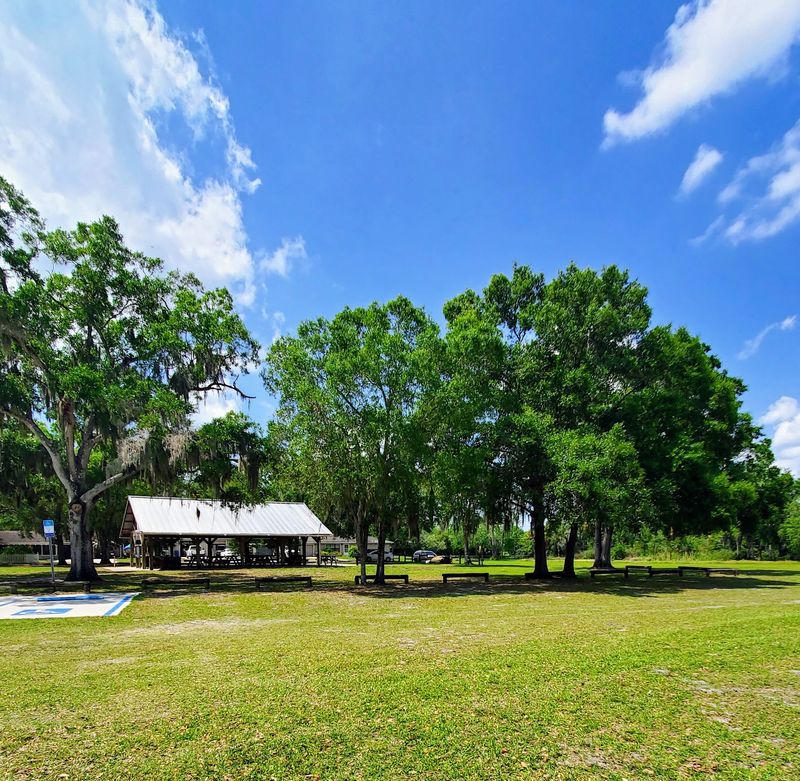
A shaded, covered picnic area offers plenty of tables. Families often pack lunch and eat there before or after a tour.
That picnic plan works well with the tour schedule. A meal can fill the gap between tour times without leaving the park.
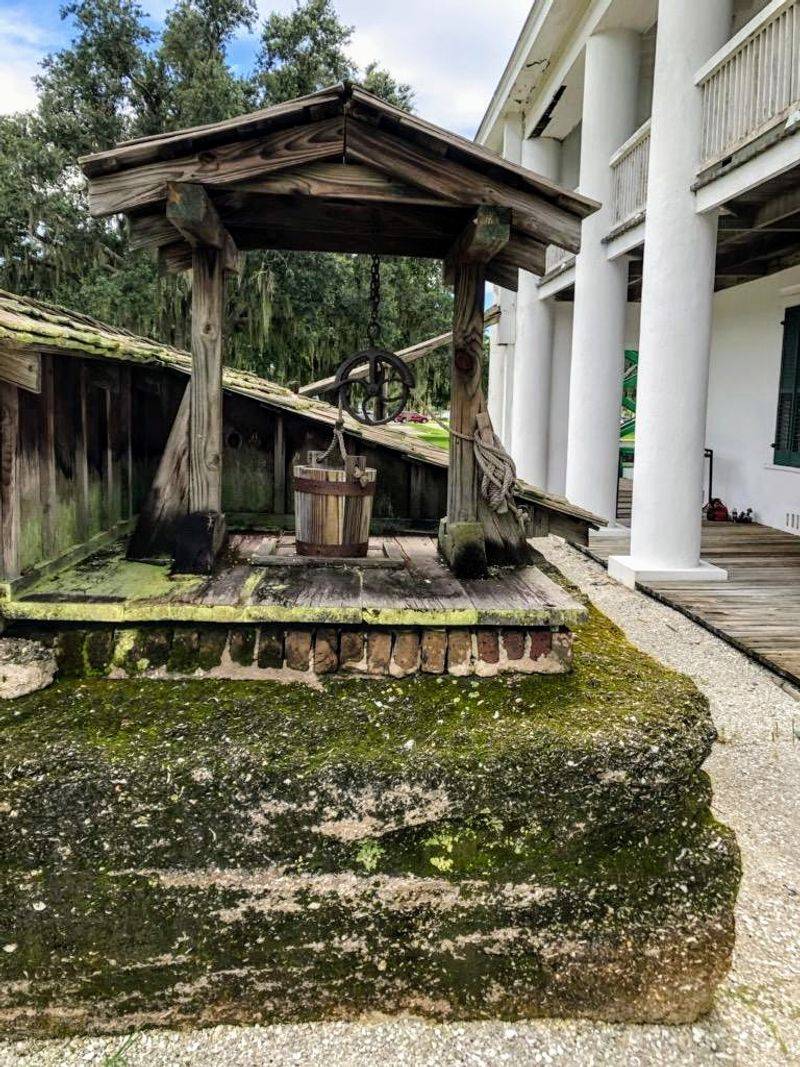
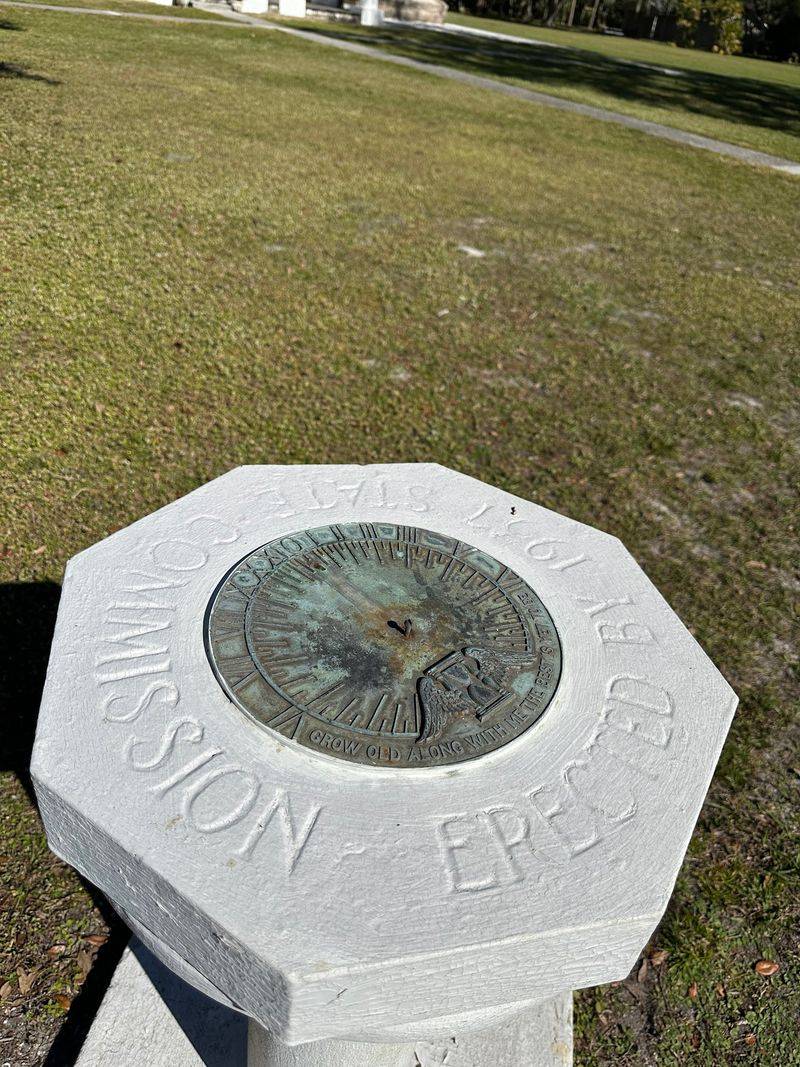
The property also has a second historic home on site, which can be viewed from outside. Memorials and other features dot the grounds too.
Signs can be limited around some buildings. That is one more reason the guided tour is helpful for understanding what everything is.
Even without a tour, a walk here makes for a relaxing hour. Sometimes the simplest plan, a chair and a sandwich, is the right one.
Photos, Events, and Planning Ahead
Cameras get a real workout at this park. The white mansion, tall columns, and green lawns make a popular backdrop for wedding and portrait photos.
Special events add extra reasons to stop by. Car shows on the grounds are a crowd favorite, and local groups sometimes hold meetings and luncheons here.
Checking the official Florida State Parks website is the easiest way to learn about upcoming events. It also lists tour times and any schedule changes.
Cooler months tend to be more comfortable for walking around. Florida summers can get hot, so water and hats are wise choices then.
Plan for about one to two hours total. That covers the museum, a tour, and a stroll around the grounds.
Combining a visit with other stops in the Bradenton area makes for a full day. The park sits right on US-301, so it is easy to fit in.
Those oyster shell walls have waited since the 1840s. They will gladly wait a little longer for the next curious guest.