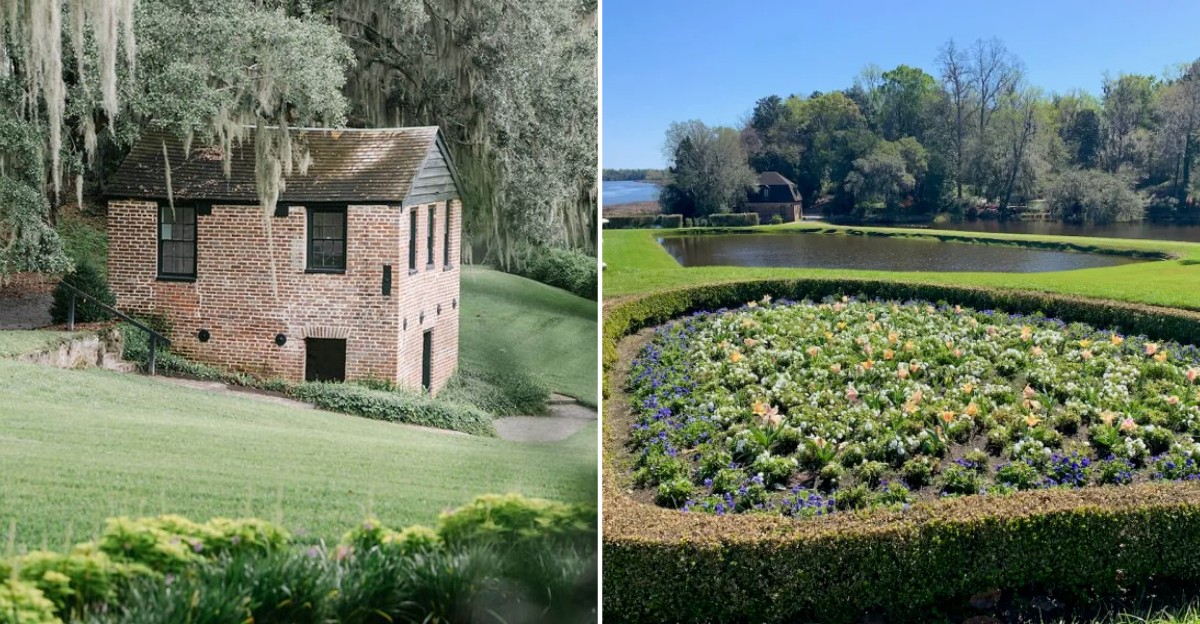
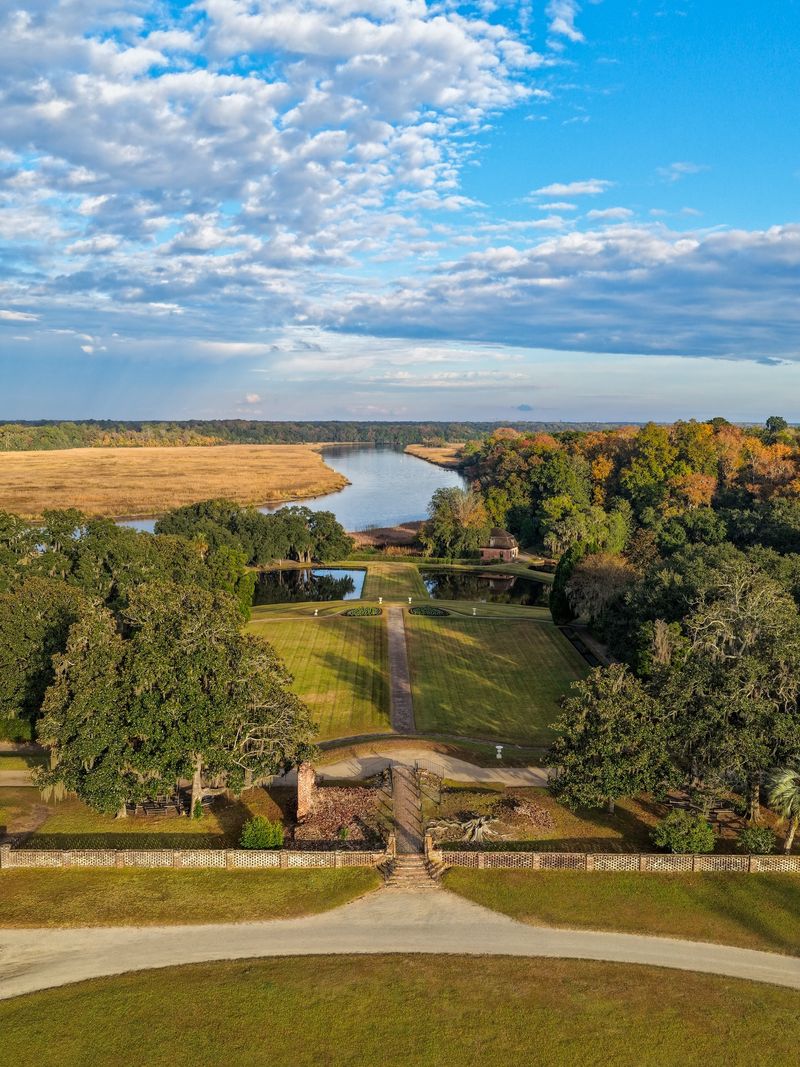
Long before anyone planted a single camellia, crews of enslaved workers moved huge amounts of earth by hand to shape a riverside hill into grassy steps.
Their work still stands along the Ashley River just outside Charleston, South Carolina, and it is one of the oldest landscaped gardens in the country.
For a long time, the story told here centered on the wealthy family who owned the land.
Today, the site works hard to tell the fuller truth, naming the people who did the labor and sharing their lives.
From the sweeping riverside terraces to the stories preserved inside Eliza’s House, Middleton Place reveals a side of South Carolina history that deserves to be remembered.
Where the Story Begins
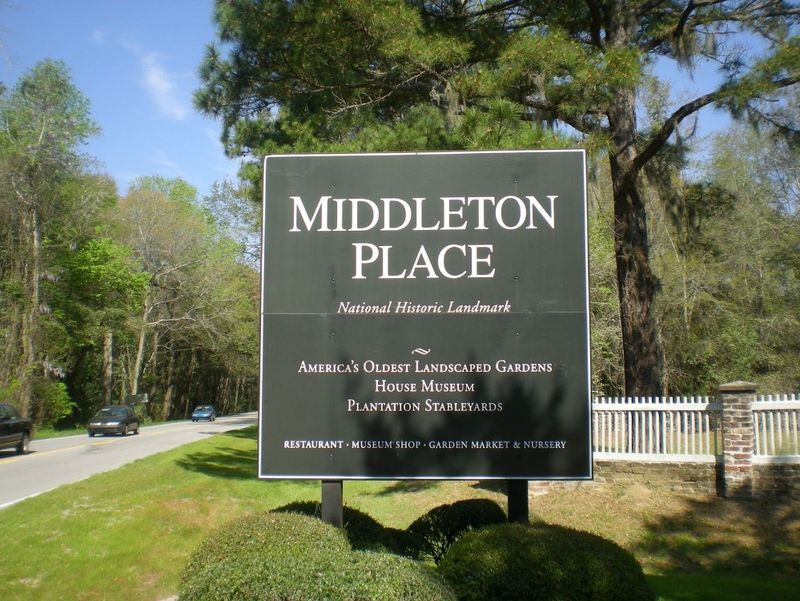
Finding the right spot is step one, and it is easier than many people expect. Middleton Place sits at 4300 Ashley River Road, Charleston, South Carolina 29414, along the western bank of the Ashley River.
The drive from downtown Charleston takes roughly 30 minutes, heading northwest along a road lined with old plantation sites. Many travelers pair it with other historic stops on the same stretch.
Ownership began in the 1740s, when Henry Middleton came to control the land through marriage. He soon set out to build a showplace garden in the formal European style.
Today, the property is run by the Middleton Place Foundation, a nonprofit group. The site is also a National Historic Landmark, which places it among the most important historic properties in the nation.
Plan for at least half a day. The grounds are large, and the stories packed into them deserve time.
Arriving early also helps you catch guided programs before they fill up, so check the schedule on the official website before you go.
Terraces Shaped by Human Hands
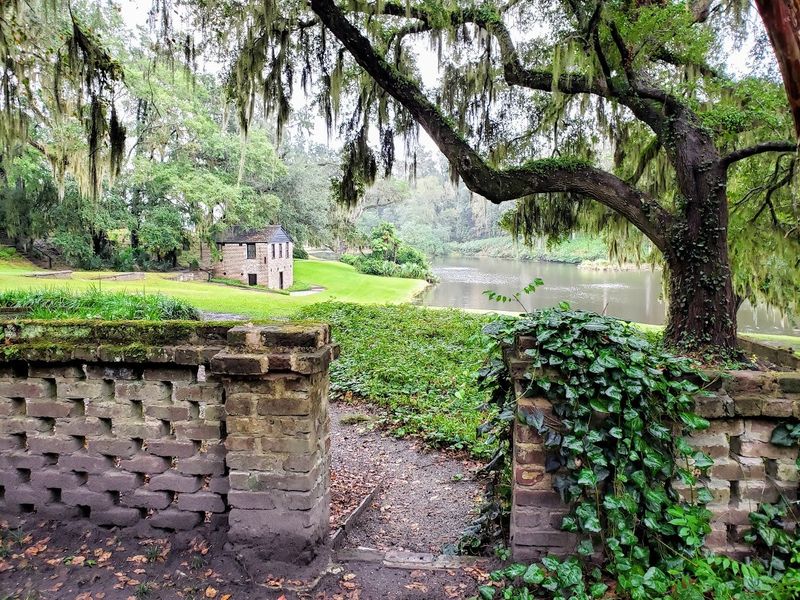
Those smooth green steps leading down to the river did not appear by accident. Enslaved people dug, carried, and shaped the soil to create them in the 1700s.
Historical accounts suggest that between 50 and 100 enslaved workers spent roughly a decade shaping the terraces and surrounding gardens, although the exact number remains uncertain. Every bit of moving was done with simple tools, baskets, and raw effort.
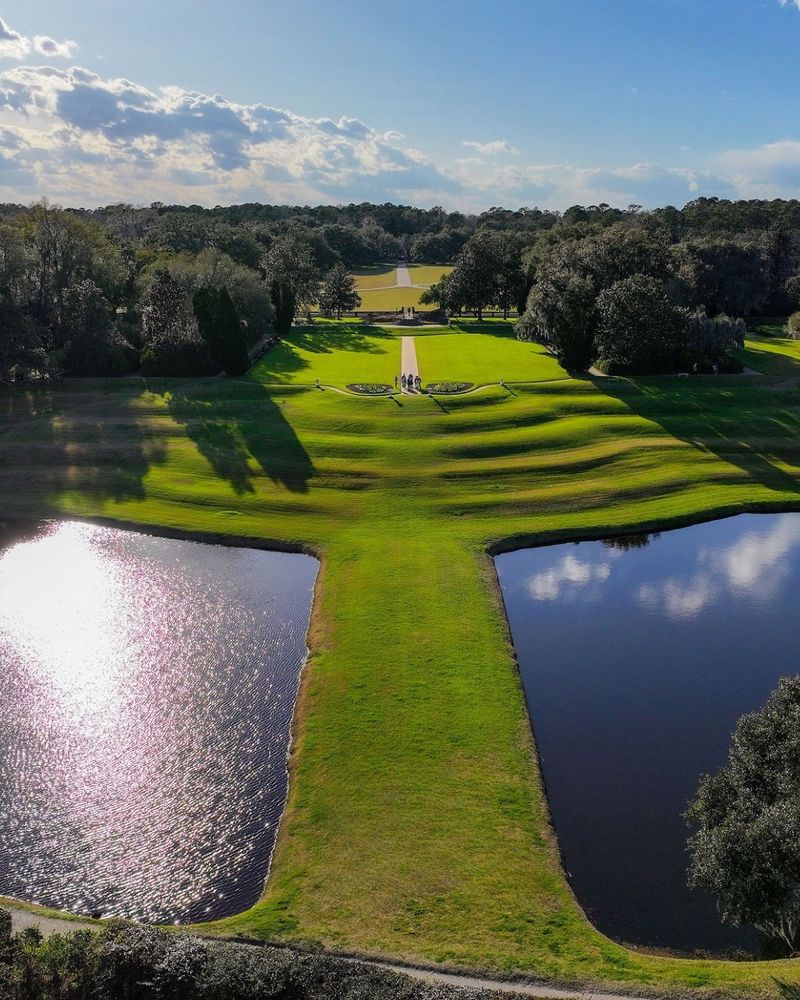
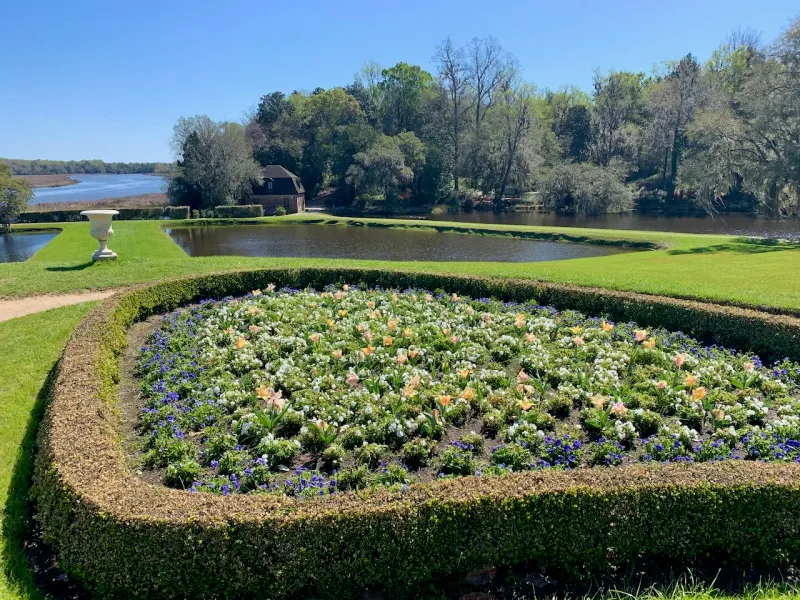
The terraces drop toward the Ashley River in a series of grassy levels. At the bottom sit the Butterfly Lakes, a pair of ponds shaped to look like a butterfly’s wings when seen from above.
Standing at the top gives a clear view of the scale of the job. It is a design built to impress guests, yet the real skill belonged to the workers.
Take a slow walk down each level. Thinking about the labor behind each slope changes how the whole scene looks.
It turns a pretty lawn into a lesson that sticks with you long after the trip.
Inside Eliza’s House
A modest wooden home tucked near the stableyards holds some of the most powerful exhibits on the property. Known as Eliza’s House, it was built around 1870 and housed freed African American workers after the Civil War.
The name comes from Eliza Leach, one of the last people to live there. Eliza Leach worked at Middleton Place for more than 40 years and was the house’s last resident before her death in 1986.
Inside, the exhibit called Beyond the Fields shares the lives of enslaved people at Middleton Place. One wall lists the names of thousands of people who were enslaved by the Middleton family across its many properties.
Reading those names takes a few quiet minutes. It turns a big number into real individuals with families and stories.
Panels explain daily work, family ties, and the skills people brought with them. The space is small, so it rarely feels rushed.
Give this stop extra time. Many people find it is the part of the visit they remember most clearly.
A Tour That Goes Beyond the Gardens
Gardens make great photos, but guided talks give them meaning. Middleton Place offers a tour focused on the African American experience on the property, often called the Beyond the Fields tour.
Guides walk groups through key spots, sharing how enslaved people lived, worked, and kept their culture alive. The talk covers rice growing, skilled trades, and the long road to freedom.
Included programs can change by season, so check the schedule when you arrive. Some tours are part of general admission, while others may cost extra.
A helpful tip is to take this tour early in your day. It frames everything else you will see, from the terraces to the house museum.
Questions are welcome, and guides tend to know a lot. Asking about specific names from Eliza’s House can lead to surprising details.
Kids can benefit too, since the talks use plain language. It is a solid way for families to learn real history together, one stop at a time.
Rice Fields and Hidden Know-How
Rice paid for much of this grand estate. In the Lowcountry of South Carolina, rice brought huge wealth to planter families during the 1700s and 1800s.
That wealth leaned heavily on the knowledge of enslaved Africans. Many came from rice-growing regions of West Africa and knew how to plant, flood, and harvest the crop.
Along the river, you can still see the outlines of old rice fields. A system of banks, ditches, and gates controlled the water, and all of it was built and managed by enslaved workers.
Near the Mill Pond, an old rice mill stands as a reminder of how the grain was processed. The water work required careful timing and deep skill.
Look out over the marsh and think about the planning involved. Engineering like this took real expertise, not just muscle.
Here is a fun fact to share. Carolina Gold rice became famous worldwide, and its success traces straight back to African know-how.
The House That Survived
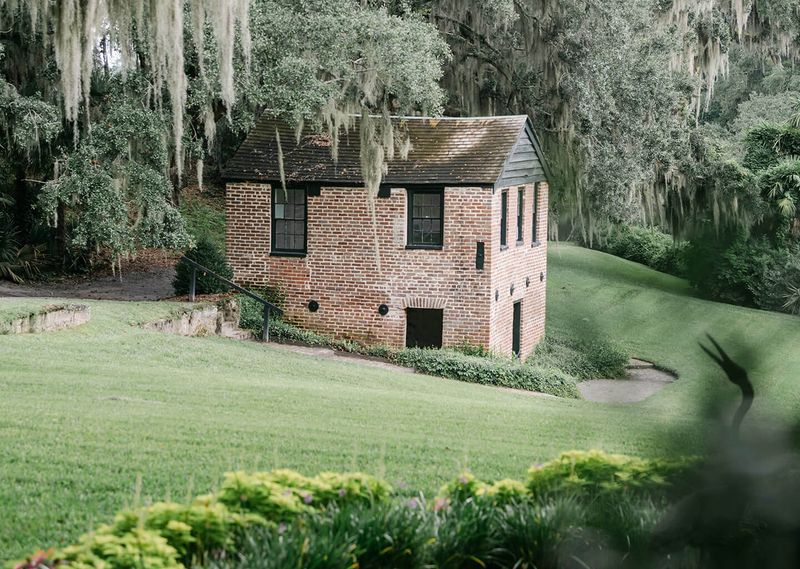
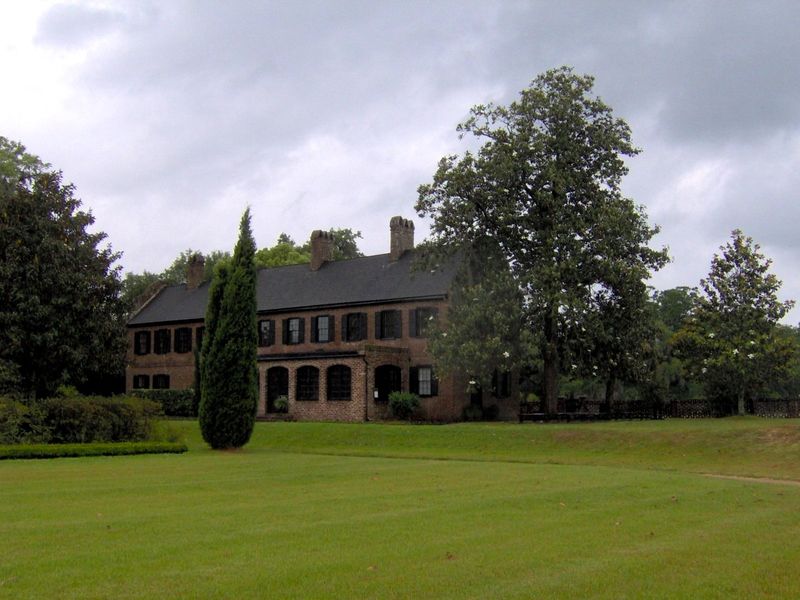
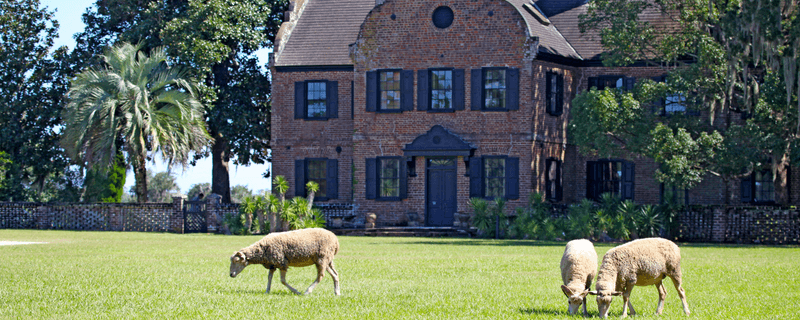
Only one wing of the original main residence still stands. The building known as the South Flanker now serves as the House Museum.
Built in 1755, it was once part of a three-building group. In 1865, near the end of the Civil War, Union troops burned the main house and the north wing.
In 1886, the Charleston earthquake brought down the remaining walls of the main house and North Flanker, while the repaired South Flanker survived.
Inside, the museum holds family furniture, books, paintings, and documents. These items tell the story of several generations of Middletons.
Arthur Middleton, one of the signers of the Declaration of Independence, grew up here. His son, Henry, later served as governor of South Carolina.
Guided tours of the house usually run at set times. Book a slot early, since groups are kept small.
Pay attention to how guides connect the family’s comfort to the labor of the enslaved community. That link is the heart of the honest story told today.
Stableyards Full of Living History
Daily life on an 18th and 19th century estate did not happen only in gardens. The stableyards show the working side of Middleton Place.
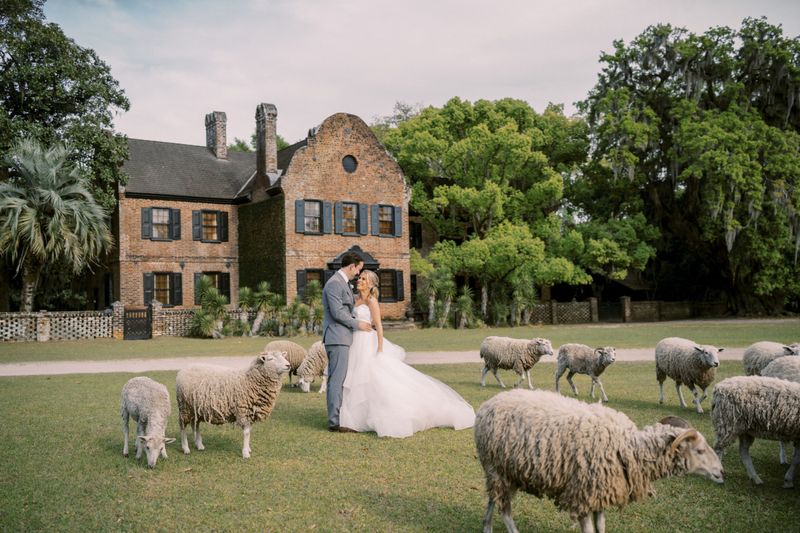
Here you can find heritage breed animals, including sheep, goats, and horses, cared for much as they would have been long ago. Costumed interpreters often demonstrate crafts like blacksmithing, coopering, and spinning.
Those trades matter to the bigger story. Many enslaved people at Middleton Place were skilled workers, such as carpenters, coopers, and blacksmiths.
Their talent kept the estate running. Tools, barrels, and wagon parts all came from their hands.
Families with younger kids tend to love this area. The animals give children something fun to watch while adults read the signs.
Stop and chat with the interpreters if you have time. They can explain how each tool works and who would have used it.
A quick visit here helps the whole picture come together, linking skilled labor to the beauty seen elsewhere on the grounds.
Gardens With a Long Memory
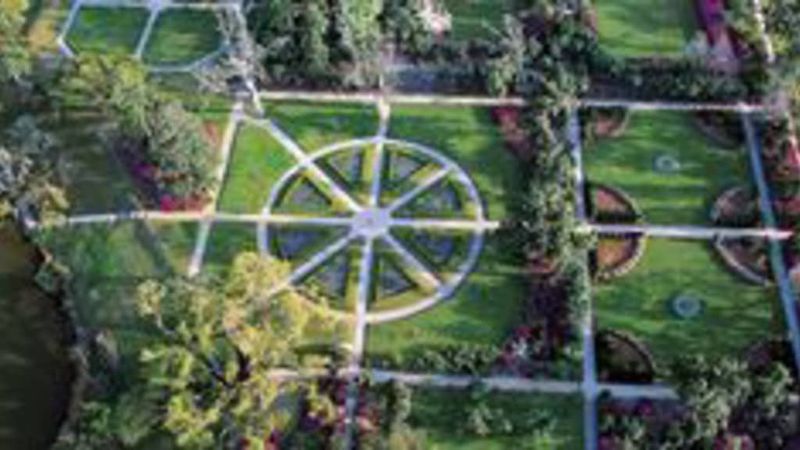
America’s oldest landscaped gardens are a big claim, and Middleton Place holds that title proudly. The gardens date to the 1740s and follow the formal style popular in Europe at the time.
Long straight paths, geometric beds, and a large reflection pool form the main layout. Everything was arranged with careful angles and balance.
One history bit worth knowing involves the camellias. French botanist Andre Michaux is believed to have brought some of the first camellias in America to the area, and some plants here are very old.
Azaleas take center stage in spring, usually around March and April. Camellias tend to bloom in winter months, giving the gardens color even in cooler weather.
Wear comfortable shoes, since paths stretch over many acres. Benches appear along the way for breaks.
As you wander, keep in mind who planted, weeded, and maintained these beds for generations. The beauty and the labor belong in the same sentence.
The Giant Oak by the River
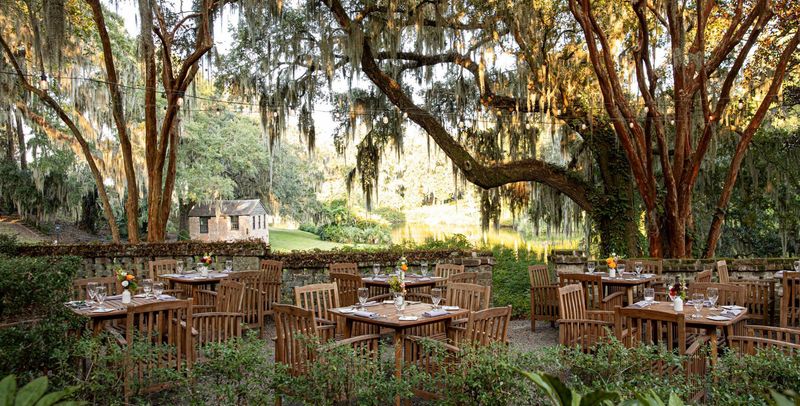
Some trees get famous, and the Middleton Oak is one of them. This huge live oak stands near the river and is believed to be hundreds of years old.
Its wide, low branches spread out in every direction. It is one of the most photographed spots on the grounds.
The tree was growing here long before the gardens took shape. That means it has seen every chapter of the property’s history, from colonial times to the present.
Many people stop here for a short rest and a photo. Please follow posted signs, since protecting the roots helps keep the tree healthy.
The oak makes a good spot to pause and reflect on everything learned so far. Few things on the property connect past and present quite so clearly.
Bring a camera with a wide lens if you can. Fitting the whole tree into one frame is a fun little challenge.
Then follow the path onward, because the river views nearby are worth the extra steps.
Freedom and What Came After
The end of slavery did not end the story of the people who lived here. After the Civil War, many freed African Americans stayed and worked at Middleton Place as paid laborers.
Eliza’s House itself is proof of this chapter. It was home to freed workers and their families for more than a hundred years.
Life after freedom brought new challenges. Families worked to buy land, build churches, and educate their children during hard times.
Some descendants of people enslaved at Middleton Place have connected with the foundation. Their family histories now help shape how the site tells its story.
That kind of partnership is meaningful. It shows that this history is not distant but tied to living families today.
When you visit, look for exhibits that touch on Reconstruction and later years. They help fill in the gap between 1865 and modern times.
Understanding this part makes the whole visit feel complete instead of stopping halfway through the story.
Smart Timing for Your Trip
Good planning makes a big difference here. Spring is the most popular season, mainly because the azaleas bloom around March and April.
That also means bigger crowds. Arriving right when gates open gives you calmer paths and easier access to tours.
Summer in the Lowcountry is hot and humid. Bring water, a hat, and sunscreen, and plan shaded breaks near the trees.
Fall and winter are quieter and still lovely. Camellias add color in the cooler months, and fewer people fill the paths.
Tickets can usually be bought online or at the gate. Prices and hours change from time to time, so check the official website before you leave.
Most of the grounds involve walking on grass and gravel. Some areas may be tricky for strollers or wheelchairs, so ask staff about accessible routes.
A little preparation goes a long way. Show up ready, and you will spend more time learning and less time scrambling.