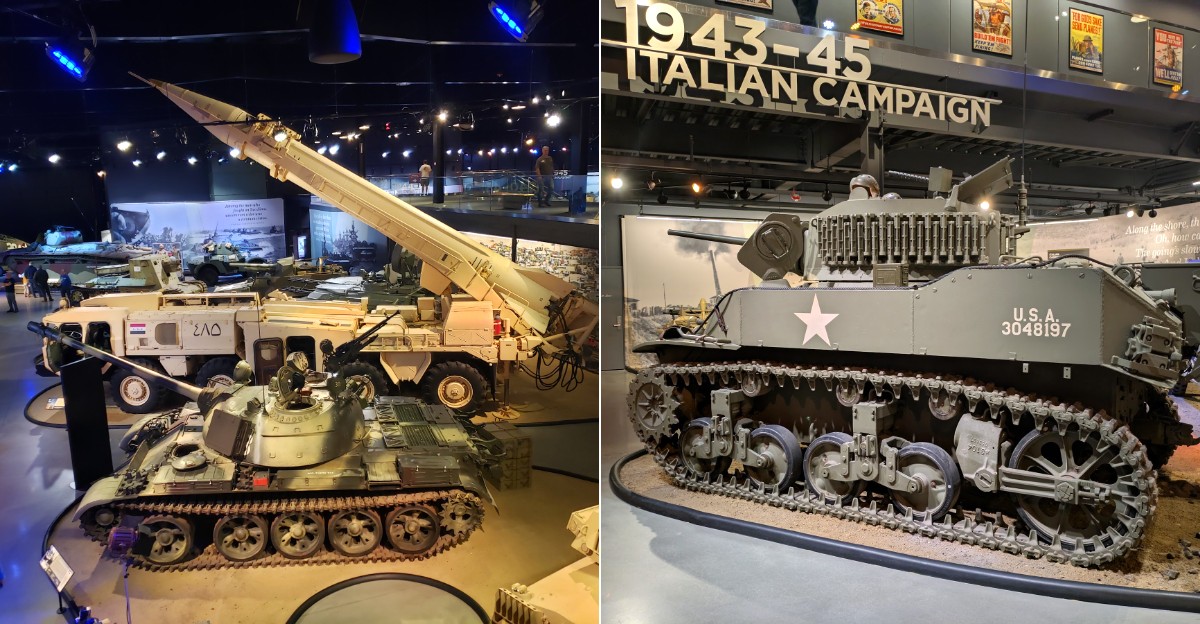
Some museums ask kids to stay behind the rope and keep quiet. This one hands them a history lesson the size of a school bus, and many of those machines can still roll under their own power.
Tucked into a quiet corner of central Massachusetts, a big hall holds tanks, planes, jeeps, and even a missile launcher, all lined up in order so families can follow the story of modern conflict step by step.
A few of these vehicles are the only surviving examples anywhere in the world. Volunteers love to share stories, and some events let guests ride in real armored vehicles.
Keep reading to learn what makes this spot so special, how much time to plan, and which days to circle on the calendar before heading out.
Where the Big Machines Live
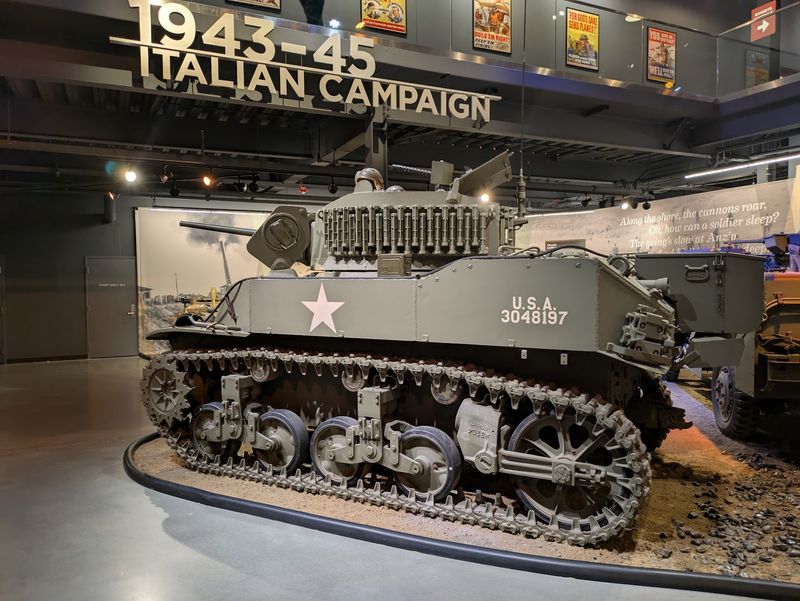
Finding a tank museum in a small New England town sounds like a riddle, but the answer is simple. The American Heritage Museum sits at 568 Main St, Hudson, MA 01749, in Massachusetts, United States.
The address says Hudson, though many people link the spot with nearby Stow because the grounds stretch across the town line. Either way, it is an easy drive from the Boston area.
Parking is plentiful, which is good news for families arriving in a minivan full of eager kids. Nobody wants to start a history trip by circling a crowded lot.
The museum is open Wednesday, Friday, Saturday, and Sunday from 10 AM to 5 PM. It stays closed on Monday, Tuesday, and Thursday, so plan around those days.
Tickets can be bought online, and senior prices have been under 20 dollars. The overall cost feels fair for the size of the collection, and even the gift shop prices stay reasonable.
Arriving right at opening time gives the most hours to explore, and families will likely need every one of them.
Tanks That Still Roar to Life
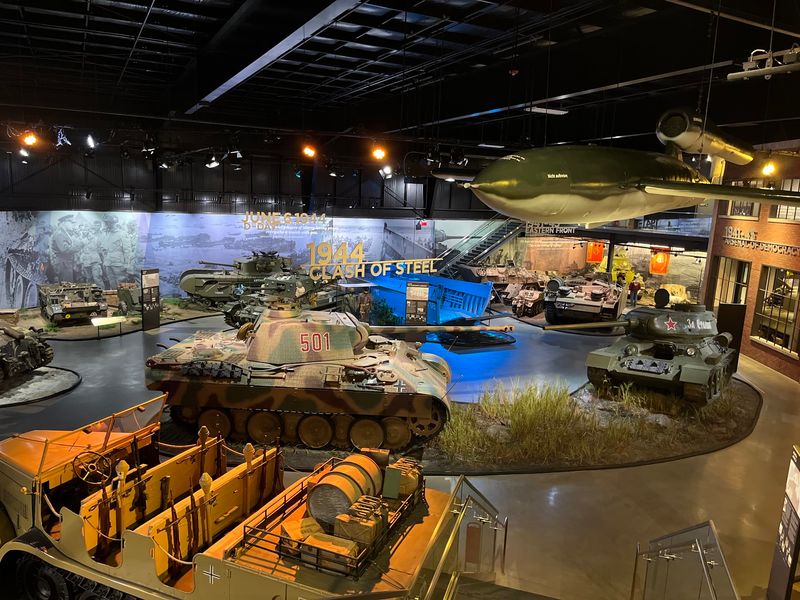
Most museum tanks are frozen in place forever. Here, a large share of the armored vehicles are fully restored and kept in running condition.
That detail changes how kids see the collection. These are not props or models but real machines that could start up and move today.
The restoration team keeps working on new projects all the time. That means the lineup can change between trips, giving families a reason to return.
Many of the tanks still wear their original unit markings. Nearby, photos often show the same vehicles in action in the places where they served.
For a young history fan, that link between the photo and the steel giant in front of them is powerful. It turns a textbook chapter into something real and close enough to study inch by inch.
Parents can use it as a game, too. Ask kids to match each tank to its photo and spot the markings that prove it is the same one.
One of a Kind, Literally
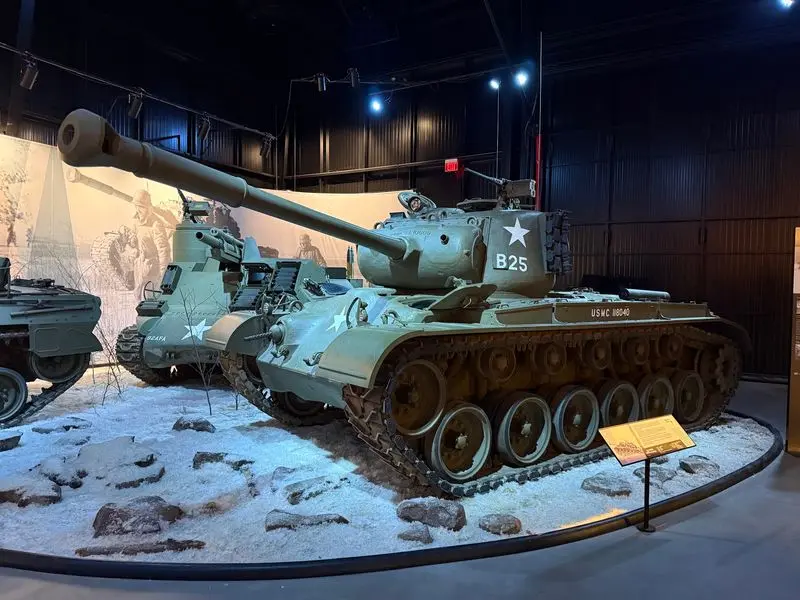
Bragging rights come easy after a trip here. Some vehicles on display are so rare that this hall is the only place to see them.
The best example is the Japanese Ho-Ro, a self-propelled gun from World War II. It is the only one of its kind left in the world.
Other pieces are the only examples in the United States. Soviet machines like the SU-100 and the heavy IS-2 tank are surprising finds in an American museum.
The museum also gives real attention to the Eastern Front, the long fight between Germany and the Soviet Union. Many American military museums skip that part of the story, so this coverage stands out.
For kids, rare pieces make a fun scavenger hunt. Challenge them to find the vehicle that exists nowhere else on Earth and read its sign out loud.
Fun fact for the car ride home: losing track of that Ho-Ro would mean losing the last one anywhere.
Wings, Rotors, and a Surprise Launcher
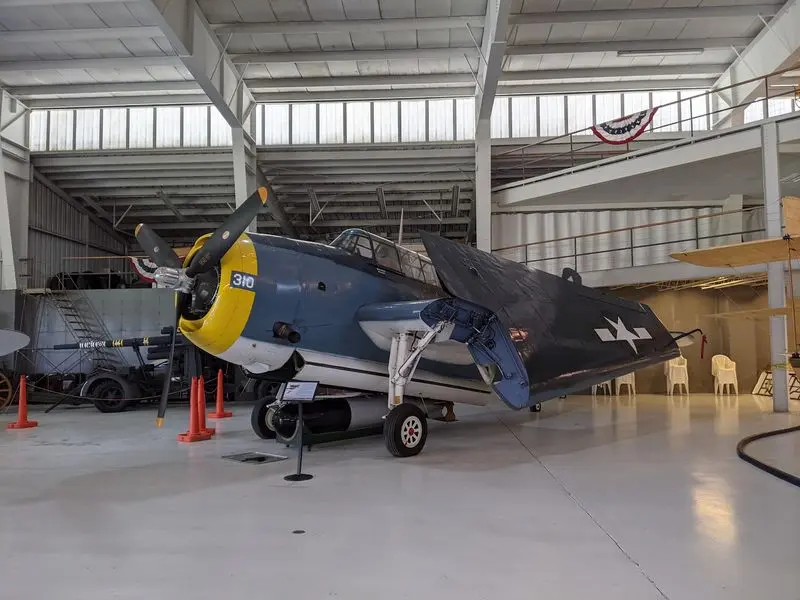
Tanks get top billing, yet the sky has its own section of the story. The collection includes propeller planes, jets, and helicopters.
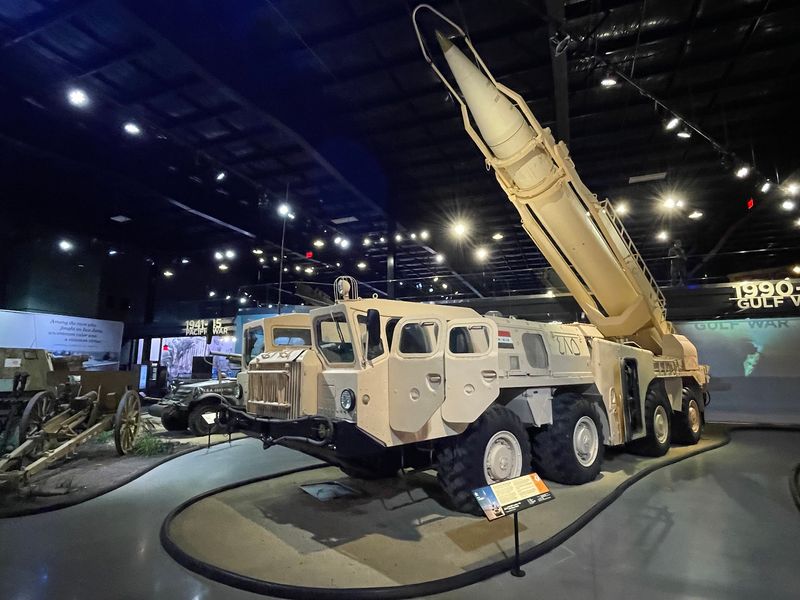
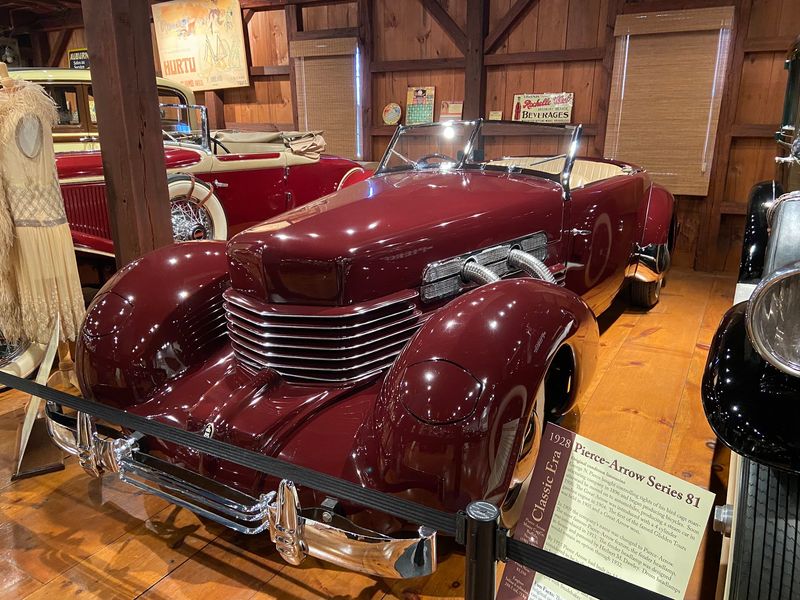
Beyond the aircraft, the floor holds jeeps, half-tracks, staff cars, and even a SCUD missile launcher. Classic cars also join the lineup, adding a fun twist for kids who love wheels of any kind.
The collection runs across many wars, not just one. That variety helps young guests see how machines changed over time.
Museum leaders also have plans for a much bigger building. The new space is expected to be about three times the size of the current one.
That expansion should bring in more aircraft that already belong to the collection but are now spread across the country. Families who visit now can return later and see how much has grown.
A smart tip is to point out size differences. Kids often notice that some wartime planes look smaller than they seem in movies.
History in Order, Step by Step
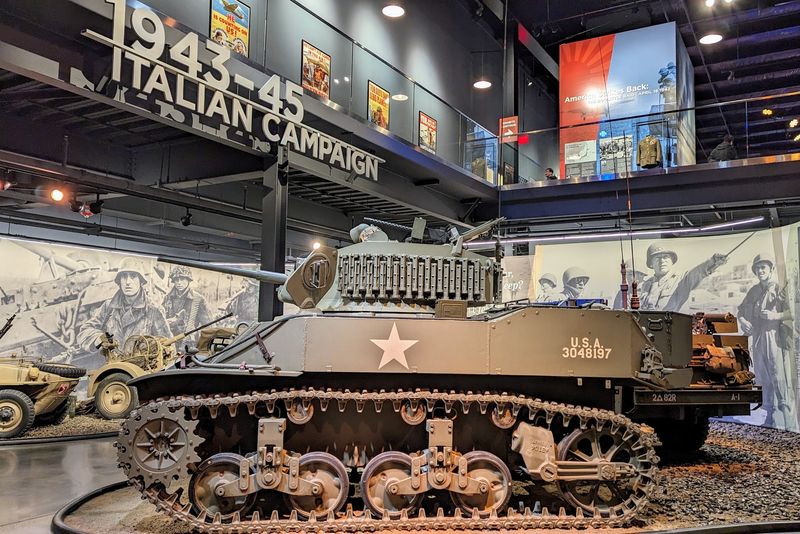
Good storytelling needs a beginning, a middle, and an end. The exhibits here follow that rule by arranging machines in order through time.
Guests can follow the evolution of armored vehicles one era after another. It becomes easy to see how each new design answered the problems of the last one.
Detailed written histories sit beside the vehicles. Videos add even more, and the blend of screens and static displays keeps things lively.
Uniforms, flags, and other military gear fill in the human side. These items remind kids that real people wore and carried them.
Some exhibits deal with the cruelty and pain of war in a serious way. A 3D presentation about the Holocaust is a powerful part of the trip, so parents may want to preview it for younger children.
Reading every sign takes time. Families on a tight schedule often wish they had more hours, so pacing matters as much as curiosity.
Volunteers With Stories to Spare
Ask one question and a whole lesson may follow. The staff and volunteers here are known for deep knowledge and real passion.
Many of them care a lot about the veterans who used these machines. That care shows in the way they help kids understand each exhibit.
Some volunteers go the extra mile. Kids have been allowed to move an M1A1 turret or try on a protective jacket and helmet.
Conversations can stretch an hour into four. Plenty of families run out of time simply because they were busy chatting and learning small details.
Not everyone wants a guide, though, and that is fine. A polite thank you and a step toward the next display usually lets guests explore at their own pace.
A helpful plan is to explore first and save questions for favorite vehicles. That way kids get both quiet reading time and the bonus stories that make this place feel personal.
Ride a Tank, Seriously
Few birthday gifts can top a turn behind the controls of a real tank. At this museum, that wish can come true for an extra fee.
Several tanks are available to drive with an instructor. A World War II and Korean War era tank is one option that history buffs love.
Rides are also offered on event days. A ride in the M36 tank destroyer has cost around 200 dollars, and many people say it is worth every penny.
A Sherman tank ride is another popular dream for guests. Booking ahead is wise, since these experiences are special and not part of a regular ticket.
Driving is not cheap, so it works best as a gift or a once-in-a-lifetime treat. Kids who are too young to drive can still enjoy watching the machines move.
Check the museum website before the trip. Ride details and dates can change, and nobody wants to miss the chance by showing up on the wrong day.
Event Days and Smart Timing
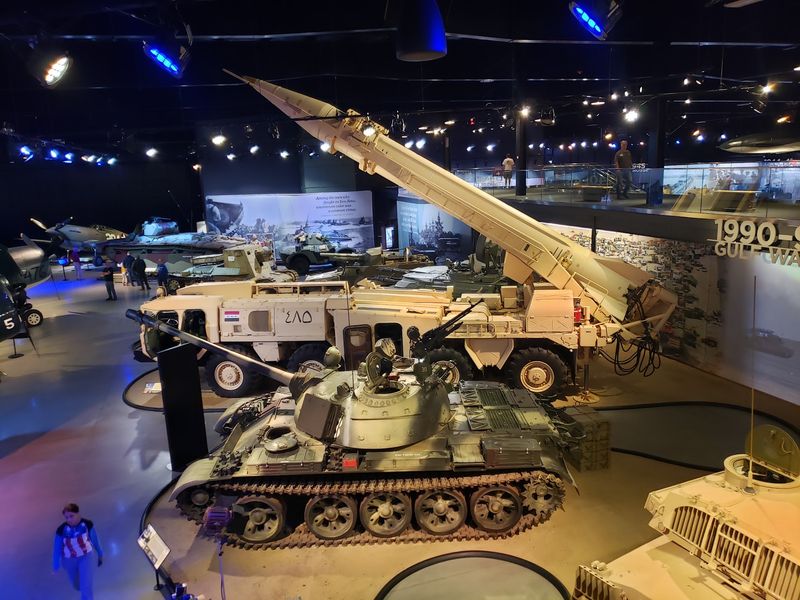
Some weekends turn the grounds into a living history show. Special events include reenactments, like a World War II battle for the airfield.
Veterans events also take place in the hangar. Kids at some events can even paint models made by a talented volunteer.
Arriving early pays off on event days. Families who show up hours ahead still find plenty to see inside before the action starts.
Time planning matters on regular days, too. A quick trip may take about two hours, but many families need five or six hours to see it all.
On-site lunch is available during events, though the choices are limited. Packing snacks for the car can help keep energy up during a long day.
Because the collection changes and a bigger building is planned, one trip rarely feels like enough. The best souvenir may be a calendar note for the next event, along with a T-shirt from the gift shop.