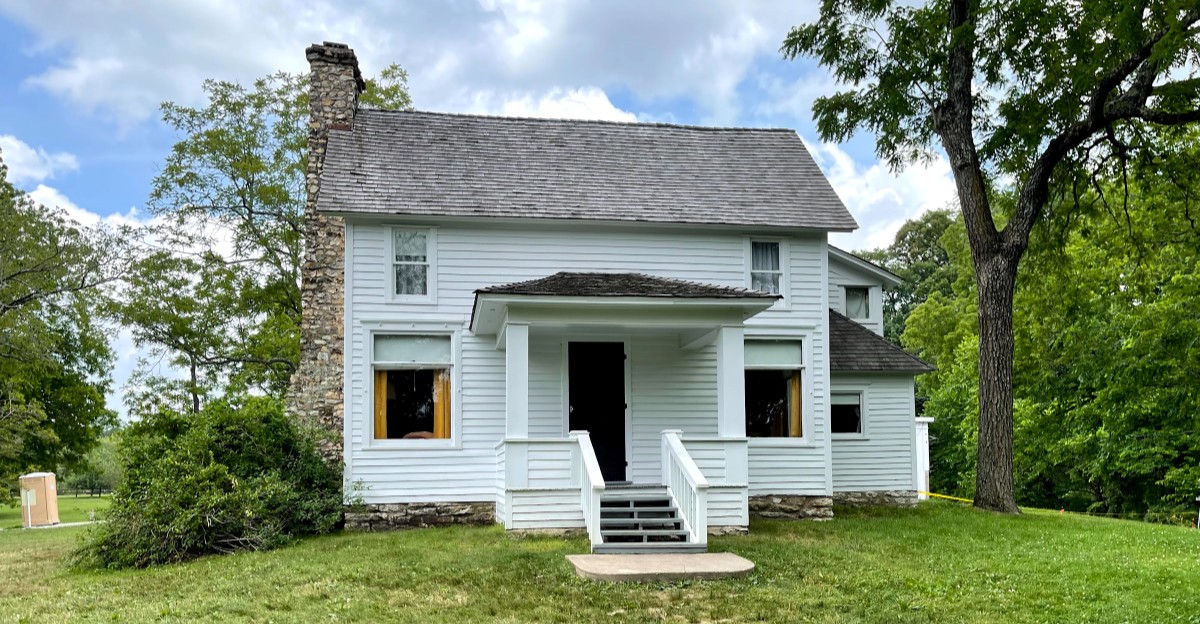
A pioneer girl who once rode in a covered wagon grew up, settled on a hilly Ozarks farm, and started writing in her sixties.
The stories she wrote there became some of the most loved children’s books in America.
Millions of kids have read about Pa, Ma, Mary, and the long winters on the prairie.
What many readers never learn is that those stories took shape far from the prairie, in a quiet corner of southern Missouri near the small town of Mansfield.
The house where she wrote still stands, and the rooms look much like the day she last used them.
A short drive up the road sits a second home with its own surprising story.
Keep reading to find out what you can see there, how long to plan, and a few smart tips that will make your trip easier.
Where the Little House Story Truly Lives
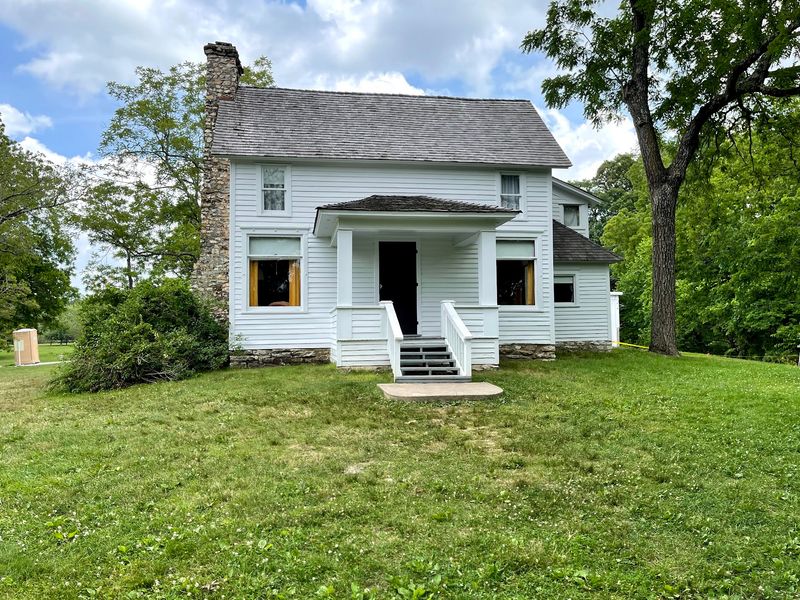
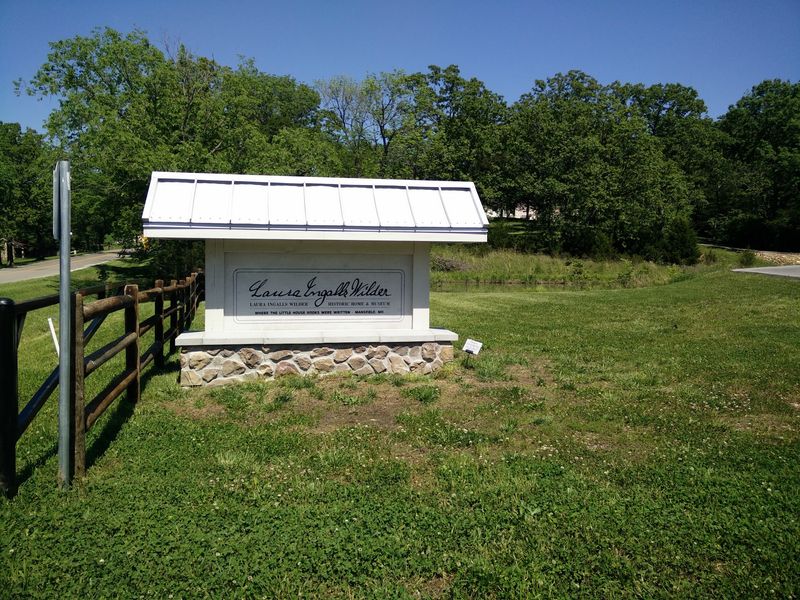
Big stories sometimes come from small country roads. The Laura Ingalls Wilder Historic Home & Museum sits at 3060 State Rte A, Mansfield, MO 65704, in southern Missouri, United States.
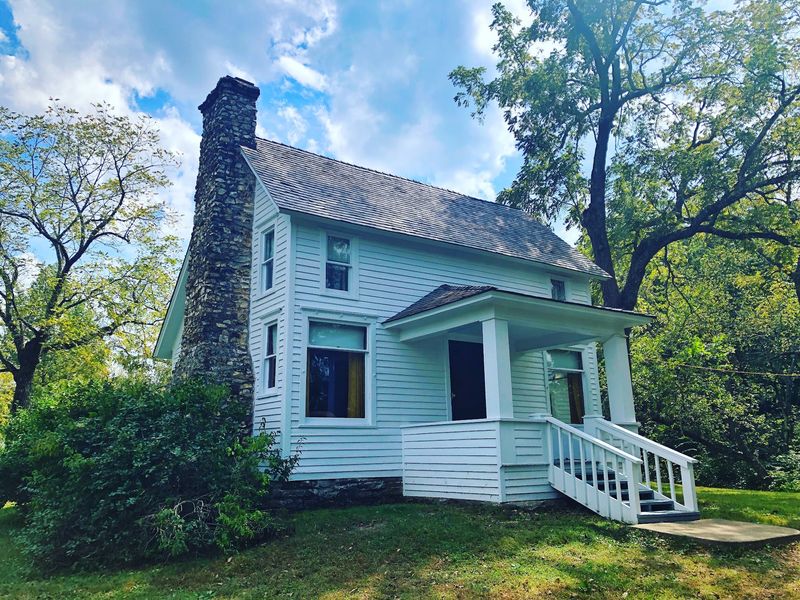
This is Rocky Ridge Farm, the place Laura and her husband Almanzo called home for most of their married life. They arrived in the Ozarks in 1894 after hard years on the prairie, and they slowly built a working farm on this rocky land.
Here is the part that surprises many fans. Laura did not write her famous books while living on the prairie.
She wrote them decades later, right here in this farmhouse, looking back on her childhood.
The site keeps that story together in one place. A visitor center with a museum, the original farmhouse, and a second home called the Rock House are all part of the experience.
For anyone who grew up with the books, it feels like finally finding the address on the back of a letter you read many times.
A Farmhouse Frozen in Time
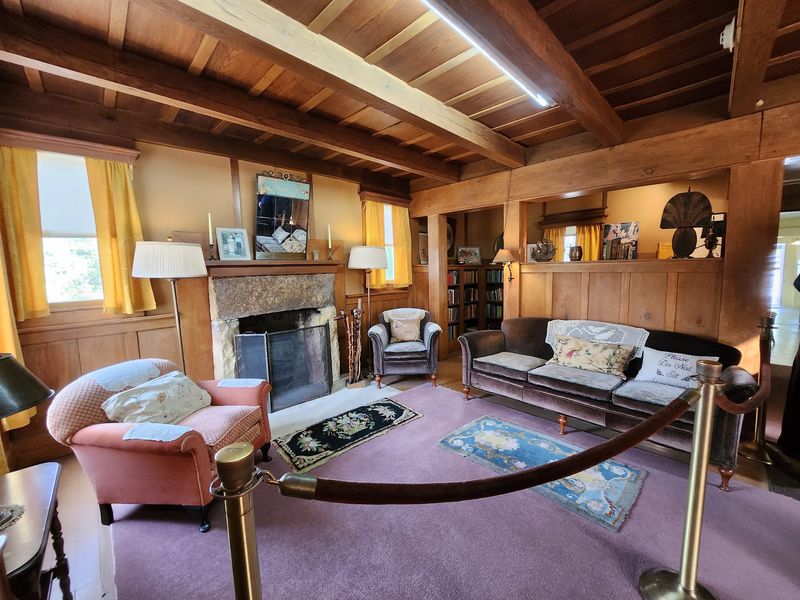
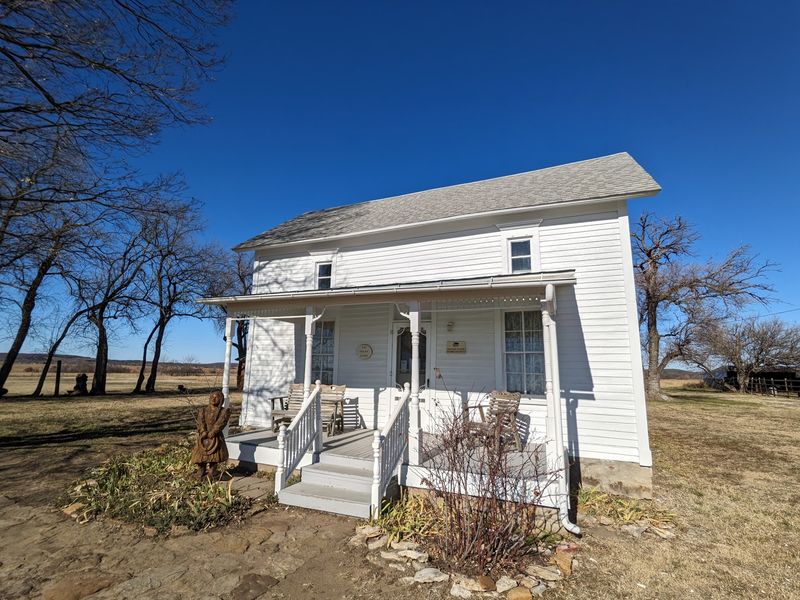
Nothing has been rearranged for show. The farmhouse is kept much as Laura left it, with her own furniture, books, and household items still in their places.
Laura and Almanzo built the house room by room over many years. It started small and grew as the farm grew, which makes the layout a little quirky and very personal.
Almanzo was not a tall man, and some kitchen counters were built lower to fit the couple. Small details like this help show that real people lived here, not just characters from a book.
Guided tours lead groups through the rooms. Guides are known for sharing fun stories about daily life on the farm and answering questions with plenty of knowledge.
One helpful tip is to ask questions as you go. Tours can move along at a steady pace, so speaking up helps you catch the small details you might otherwise miss.
Every room holds a piece of the life behind the pages.
The Desk Behind the Books
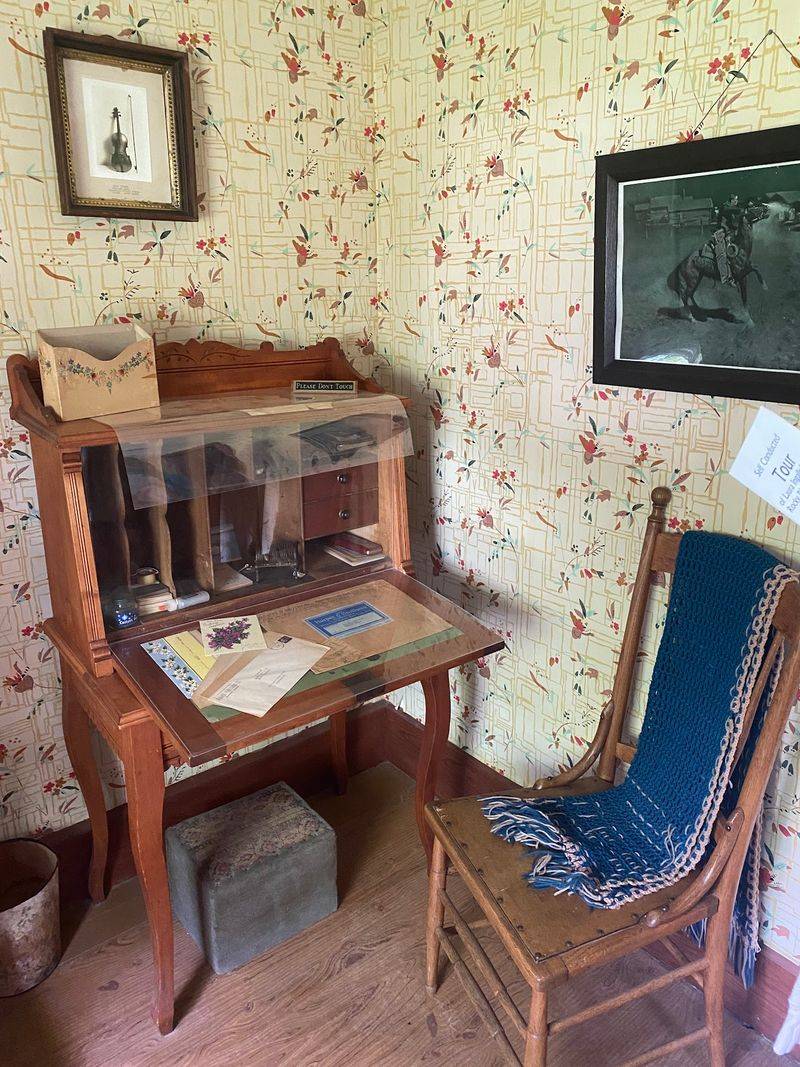
Pencils and cheap school tablets were her tools of choice. Laura wrote her stories by hand, filling page after page with memories from her pioneer childhood.
She published her first Little House book, Little House in the Big Woods, in 1932. She was 65 years old at the time, which proves it is never too late to start something new.
The museum displays original handwritten manuscripts from the series. Seeing her actual handwriting turns a famous author into a real person who crossed out words and fixed mistakes like everyone else.
Her daughter, Rose Wilder Lane, was already a successful writer. Rose helped her mother shape and edit the books, and their teamwork is part of the story told at the site.
Young writers in your group may find this part inspiring. A whole beloved series started with a grandmother, a pencil, and a stack of paper at a farmhouse in the Ozarks.
That is a lesson worth taking home.
Pa’s Fiddle Takes Center Stage
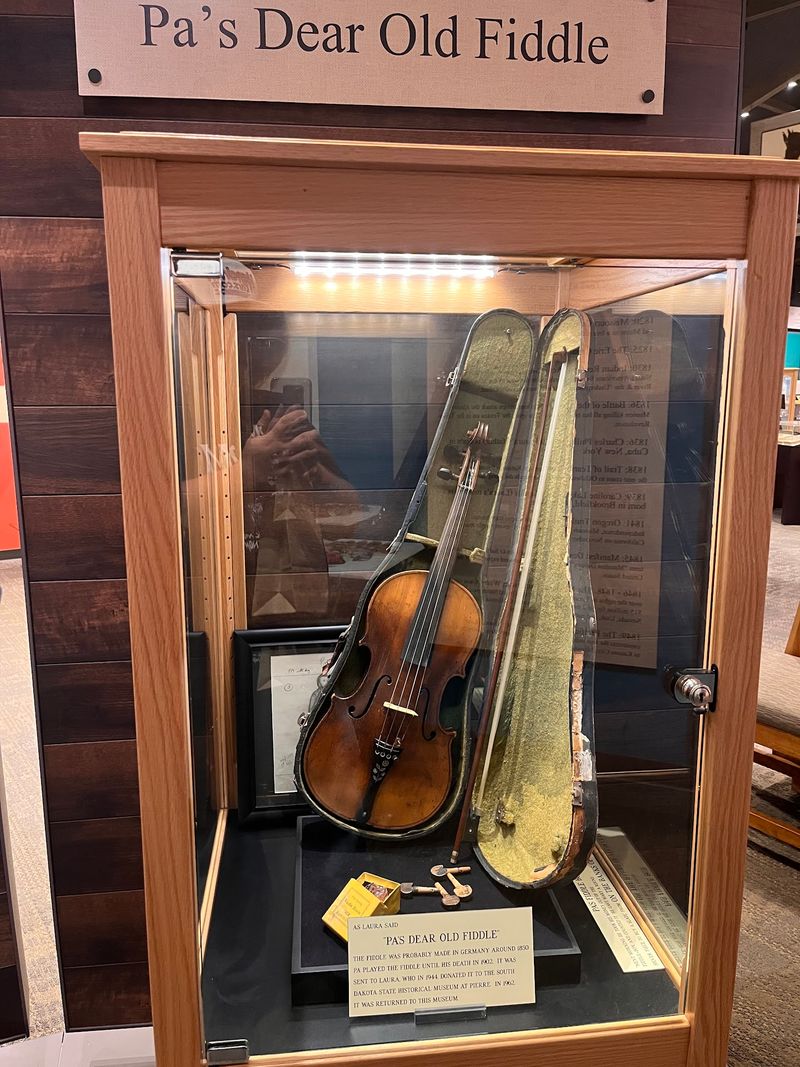
Fans of the books know exactly which object they want to find first. Pa’s fiddle, the one Charles Ingalls played on so many nights in the stories, is on display in the museum.
In the books, the fiddle music kept the family’s spirits up through blizzards, moves, and hard times. Seeing the real instrument connects the pages to actual family history.
Here is a fun bonus. Every so often, someone plays Pa’s fiddle for guests during special presentations.
It does not happen every day, so a quick call ahead or a look at the website can help you plan.
The museum also holds many other items Laura mentions in her writing. Fans often recognize objects right away, almost like spotting old friends.
Families with kids who have read the books can turn this into a game. Have them search the displays for things they remember from the stories.
Chances are, the fiddle will win the most excited reaction.
A Museum Packed With Family Treasures
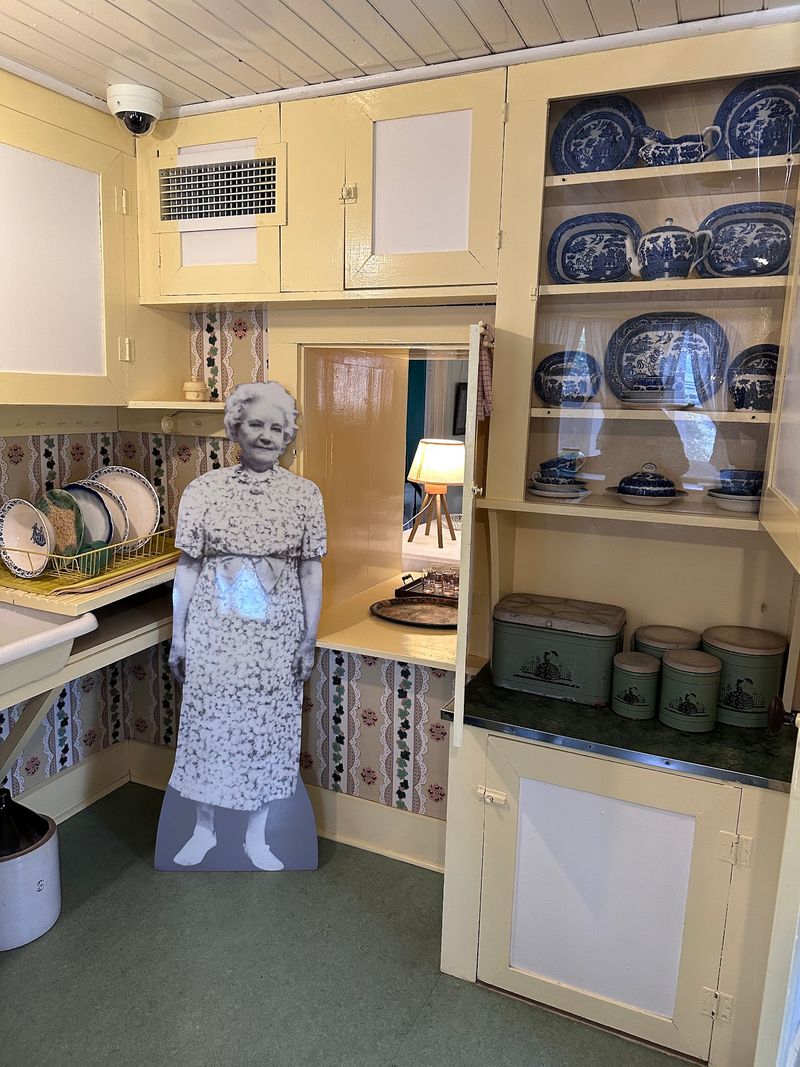
Expect more artifacts than you planned for. The museum inside the visitor center holds clothing, photographs, tools, and personal belongings from the Ingalls and Wilder families.
The exhibit begins with a short video that sets up the story. After that, the displays walk you through the timeline of Laura’s life.
The museum also explains a few world events that lined up with her family’s journey. This helps young readers see how the Ingalls story fit into bigger American history.
Laura lived from 1867 to 1957. Her life stretched from covered wagons and log cabins all the way to electricity and modern comforts, and the exhibits show that change clearly.
You do not need to be a superfan to enjoy it. Many guests who never read the books still find the displays interesting as a look at everyday American life long ago.
Give yourself time here before heading to the houses. The background makes each tour stop mean more.
Rose’s Surprise Gift Up the Road
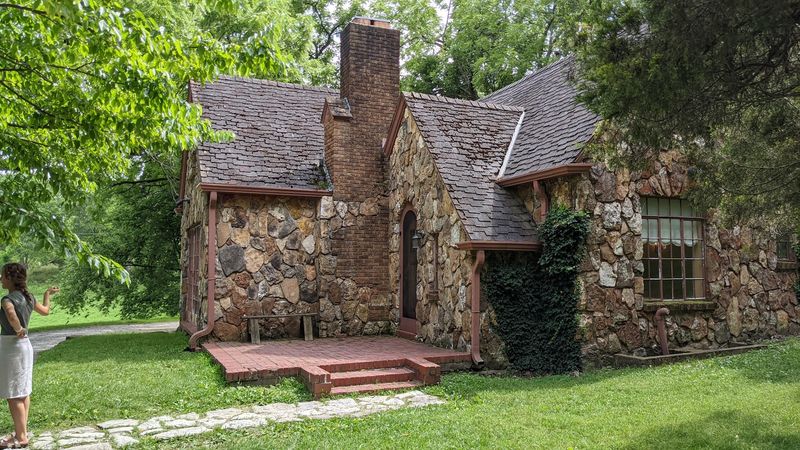
Daughters do not usually build houses for their parents, but Rose Wilder Lane did. In the late 1920s, she had the Rock House built for Laura and Almanzo about half a mile from the farmhouse.
The design came from a Sears and Roebuck house plan. Rose added upgrades and modern features, and the cost grew far beyond the original estimate.
Laura and Almanzo lived in the Rock House for several years. Laura wrote some of her early Little House books while living there, which makes it an important stop.
Later, the couple moved back to the farmhouse they had built themselves. Sometimes the old familiar place simply wins.
Tours of the Rock House are part of the visit. It offers a fun contrast, showing how a pioneer family adjusted to newer conveniences.
Read the brochures handed out at the site. They explain the history of both homes in a clear and quick way, and they make the tour easier to follow.
A Woodland Path Worth the Climb
Comfortable shoes pay off at this stop. A paved path connects Laura’s farmhouse to the Rock House, winding through the woods of Rocky Ridge Farm.
The walk is about three quarters of a mile. Some parts are steep, so it works best for people who are ready for a little exercise.
On a pleasant day, the trail is a peaceful way to see the land the Wilders farmed. It also gives you a sense of how the couple moved between their two homes.
Not up for the hike? No problem at all.
You can simply drive to the Rock House, where there is a small parking area.
Near the visitor center, a wildflower area attracts bees and butterflies during warmer months. A short walkway lets you enjoy the outdoor side of the homestead without a long trek.
Bring water in summer, and check the weather before you set out. A little planning keeps the walk fun instead of tiring.
Smart Planning for Your Trip
Timing matters more here than at most attractions. The site keeps limited hours, and the schedule can change by season.
Recent hours show the site open Monday through Wednesday from 10 am to 2 pm, and closed the rest of the week. Always check the official website before you go, since hours may shift during busier months.
Plan for about three hours to see the museum and both homes at a relaxed pace. Rushing through would mean missing the best details.
Families with little ones should know that strollers are not allowed inside the original farmhouse. A good move is to drive to the small lot near the house and leave strollers and bags in your car.
The buildings are air conditioned, which is welcome in a Missouri summer. Public restrooms are available at the visitor center.
Arriving close to opening time gives you the most room in the day. A short window calls for an early start.
Bonnets, Books, and Keepsakes
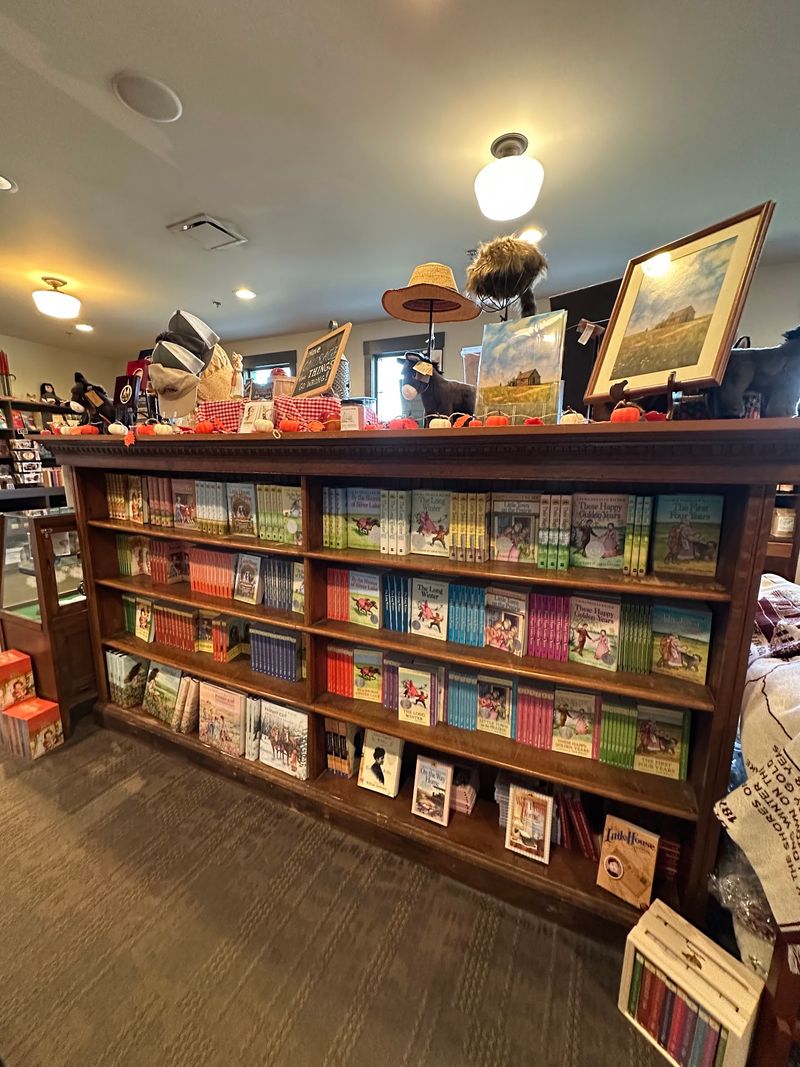
Save a little time at the end, because the gift shop has plenty to browse. It sits inside the main visitor center building, near the start of your visit.
Shelves hold Little House books, shirts, blankets, ornaments, and even quilting patterns. Young fans often head straight for the bonnets and hats.
A full set of the books makes a thoughtful gift for a child just starting the series. Many guests leave wanting to read the stories again, so grabbing a copy is tempting.
Quilting patterns are a nice touch for crafty visitors. They tie in with the homemade spirit found all through Laura’s writing.
Staffing in the shop can vary, so a little patience may be needed during quiet times. Most of the time, friendly workers are happy to help.
Picking one small souvenir is a great way to remember the trip. Every time you see it at home, the farm in the Ozarks will come back to mind.
A Field Trip for Every Age
Classrooms, grandparents, and lifelong fans all find something here. School groups visit often, and even adults leave having learned new facts.
Many grown-ups first heard these stories when a teacher read a chapter aloud after lunch. Bringing their own kids or grandkids now feels like passing along a family tradition.
For some fans, this stop sits high on their bucket list. People drive many hours just to stand in the rooms where the books were written.
The site works well for kids who are reading the series right now. Seeing real objects from the stories can make the books feel more alive.
Before your visit, try reading one Little House book together as a family. Kids will spot familiar names and objects much faster during the tour.
Afterward, talk about how life has changed since Laura’s childhood. The conversation on the drive home may turn out to be one of the best parts of the whole day.