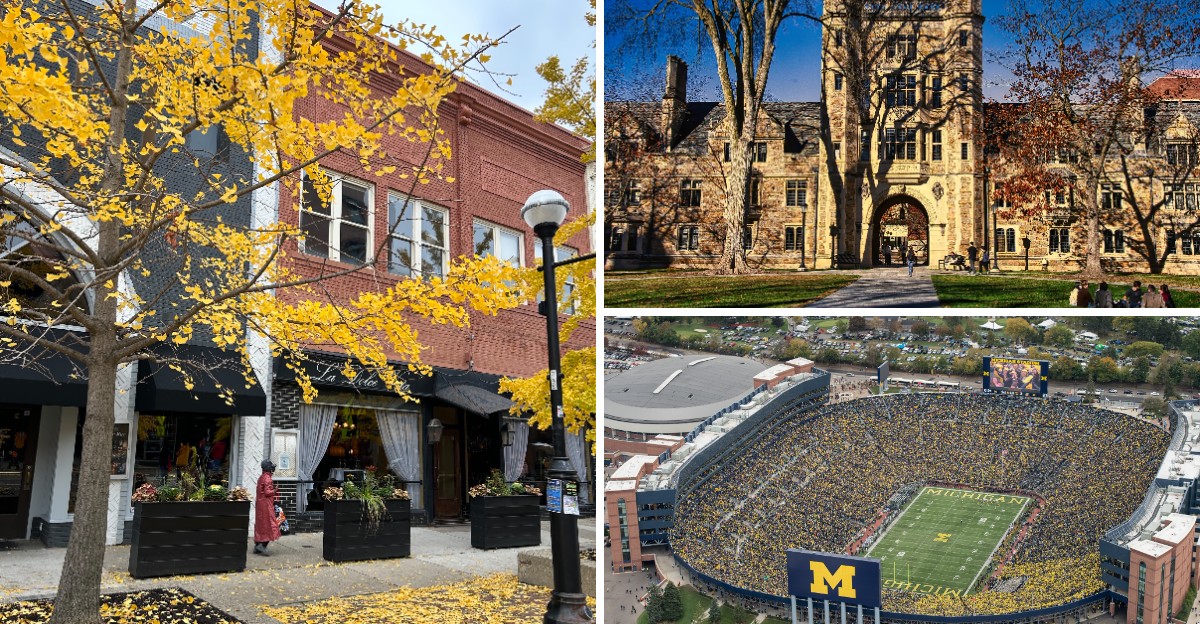
Some small cities quietly win big, and nobody outside the state seems to notice.
One Michigan college town has a habit of landing at or near the top of national lists, including rankings for the most educated city and best places to live in America.
It sits about 45 minutes west of Detroit, yet it often gets lost behind bigger names.
The town packs a famous university, a giant football stadium, leafy parks, art museums, and a downtown full of independent shops into one walkable package.
It also has a quirky side, with tiny fairy doors hidden in storefronts and a farmers market that has run for more than a century.
Keep reading to find out why this place keeps beating the competition, and how to plan a visit that makes the most of every block.
A Winner Hiding in Plain Sight
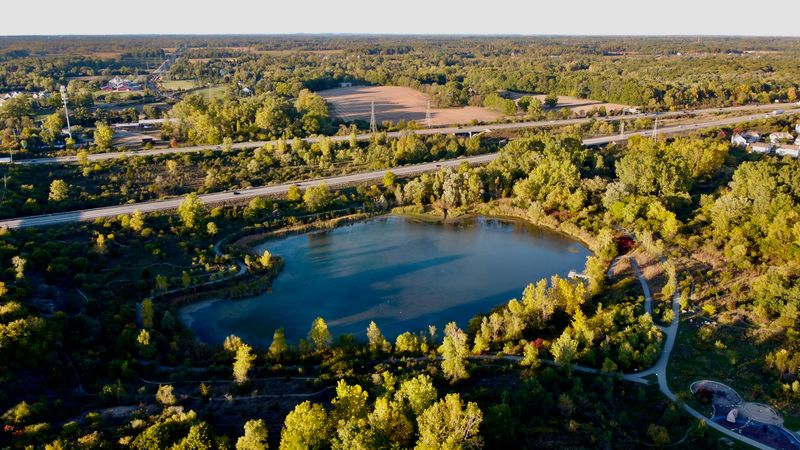
Ann Arbor, Michigan, USA, is the city that keeps showing up at the top of national rankings. It sits in Washtenaw County in southeast Michigan, roughly 40 miles west of Detroit.
The city is often named the most educated city in America. That title comes from the share of adults holding college degrees, which is among the highest in the country.
It has also appeared on many lists for best places to live and best college towns. Strong schools, a stable economy, and plenty of green space help explain why.
Getting here is fairly simple. Detroit Metropolitan Airport is about a 30-minute drive away, and Amtrak trains stop at the station on Depot Street.
The official city website is a handy place to check events, parking rules, and park information before arriving.
Around 120,000 people call the city home, which keeps it friendly and manageable. That size is part of the secret, since big-city perks come without big-city stress.
The Campus That Built a City
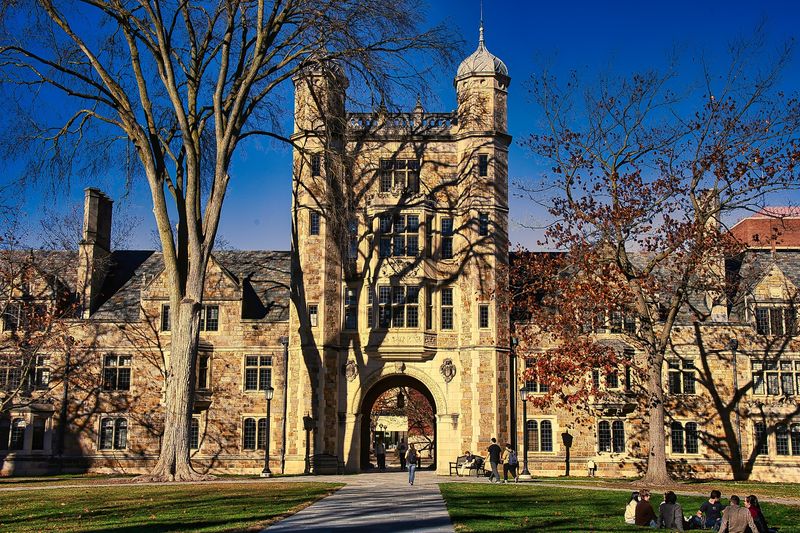
Back in 1837, the University of Michigan moved from Detroit to a small frontier town. That decision shaped everything that came next.
Today the university is one of the top public research schools in the nation. Its research spending ranks among the highest of any American university, covering medicine, engineering, and many other fields.
More than 50,000 students attend, which gives the city a young and curious energy all year. Lectures, concerts, and talks happen almost every week, and many are open to the public.
The central campus sits right next to downtown. That means a stroll through the Diag, the main open space on campus, is easy to fit into any day.
The Law Quadrangle is a favorite stop for photos. Its Gothic buildings look like they belong in an old storybook.
A smart tip is to visit during the school year for the busiest atmosphere. Summer is calmer, with easier parking and shorter lines at popular spots around town.
Home of the Big House
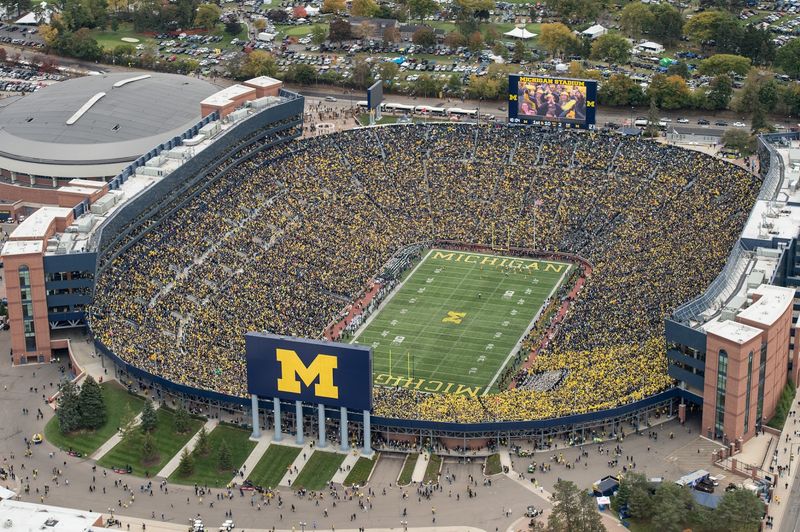
Size matters on football Saturdays. Michigan Stadium, nicknamed the Big House, is the largest stadium in the United States.
Its official capacity is more than 107,000 people. On game days, the crowd can be close to the entire population of the city.
The stadium opened in 1927 and has hosted the Michigan Wolverines ever since. The team owns more wins than any other program in college football history.
Tickets for big games go fast, so planning early helps. Hotels also fill up and prices climb on home game weekends.
Not a sports fan? Those same weekends might be a good time to skip town, or simply enjoy the cheerful buzz from a distance.
The stadium also hosts other events at times, including outdoor hockey games and graduation ceremonies. Checking the university athletics calendar shows what is coming up.
For the full experience, arrive early and follow the sea of maize and blue toward the gates.
Art Worth the Detour
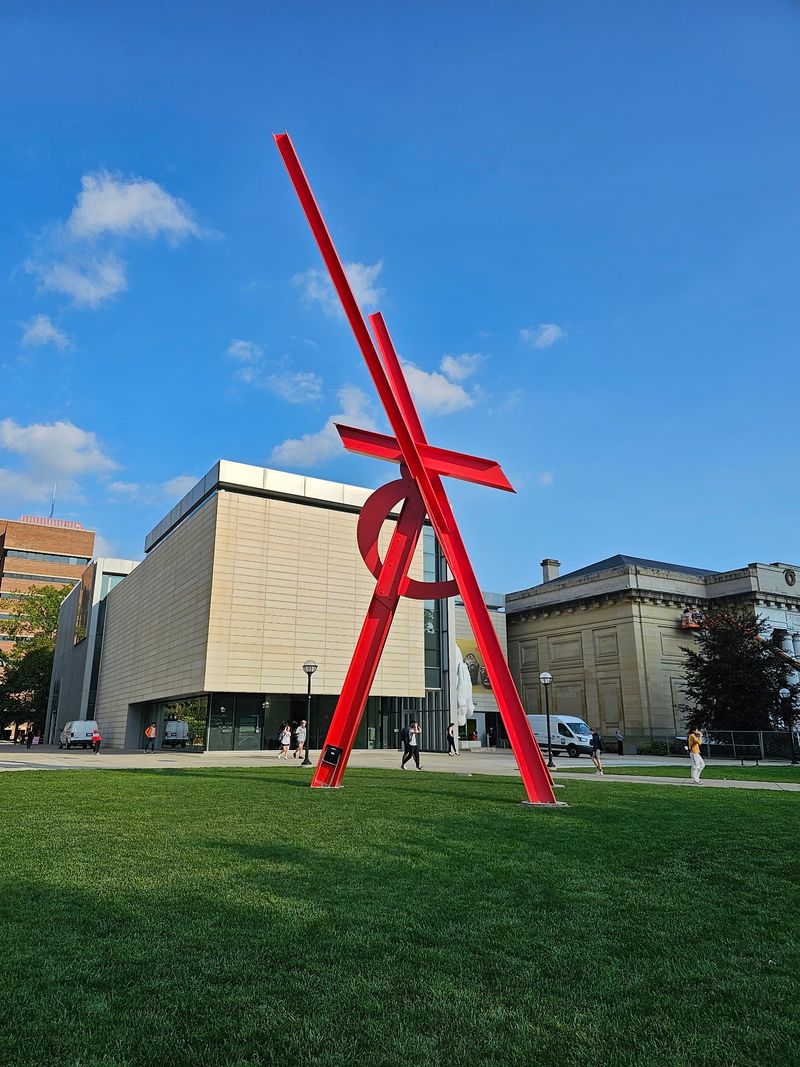
Culture comes cheap here, and sometimes free. The University of Michigan Museum of Art welcomes guests without an admission charge.
Known as UMMA, it is one of the largest university art museums in the country. Its collection holds around 25,000 works from many parts of the world and many centuries.
Highlights include European paintings, Asian art, African sculpture, and modern pieces. Rotating exhibits keep things fresh, so return trips rarely feel the same.
The museum sits on State Street, close to both campus and downtown shops. That location makes it easy to pair with lunch or a bookstore stop.
Families will find the building welcoming and easy to explore in an hour or two. Benches and quiet galleries also make it a nice break on a busy day.
Hours can change during university breaks, so a quick check of the website saves frustration. A little planning turns a short visit into a highlight of the trip.
Dinosaurs and Discovery
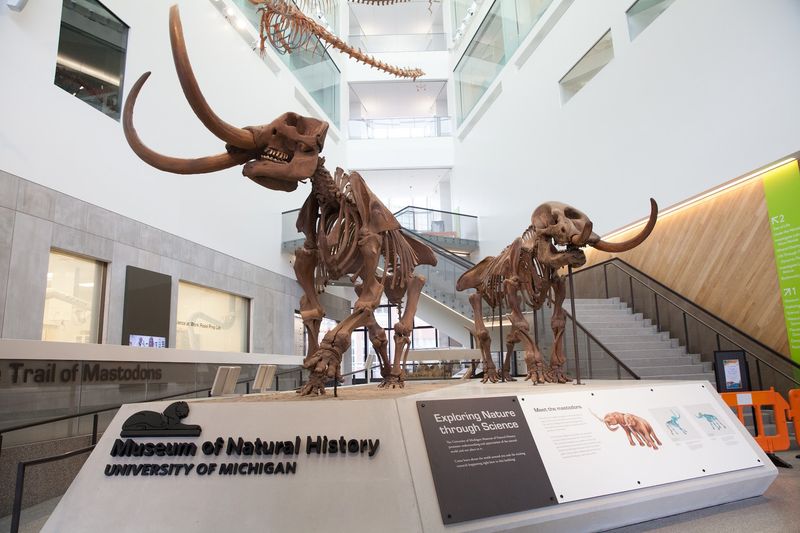
Kids and adults tend to stop in their tracks at the giant skeletons. The University of Michigan Museum of Natural History is a must for science lovers.
It moved into the Biological Sciences Building in 2019. The new space shows fossils, including mastodon skeletons found in Michigan, alongside exhibits on evolution and life on Earth.
Visitors can also peek at real researchers working behind glass windows. It is a neat reminder that science happens right here, every day.
The museum includes a planetarium with shows about stars and space. Those shows may have a small fee, while general admission to the museum has been free.
School groups visit often during weekdays. A weekend or afternoon trip may feel a bit less crowded.
Plan for at least two hours to see the highlights without rushing. Curious minds might want even longer, especially when the planetarium schedule lines up just right.
Hands On, Boredom Off
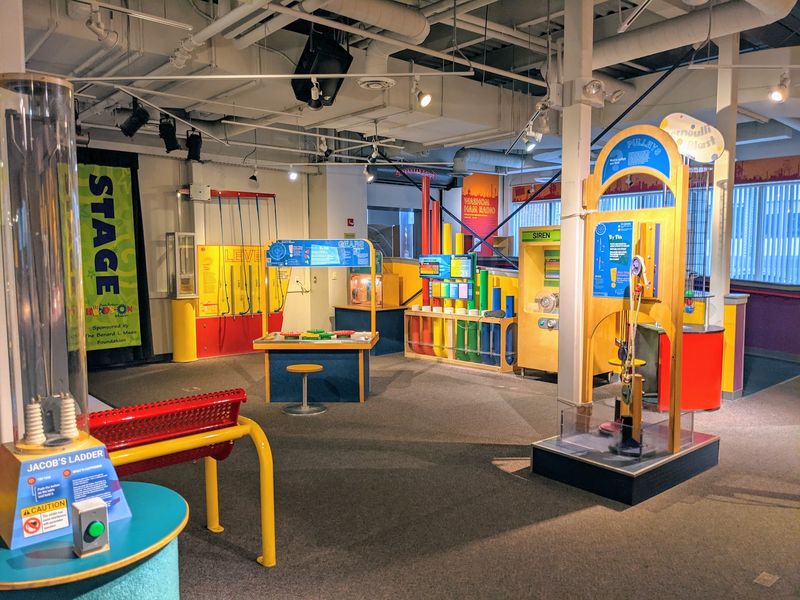
Touching the exhibits is the whole point at one downtown favorite. The Ann Arbor Hands-On Museum invites young explorers to push, pull, build, and experiment.
It sits in a historic brick firehouse building on East Huron Street. Over the years, the museum expanded into a larger space with several floors of activities.
Exhibits cover light, sound, water, motion, and simple machines. Younger children have their own play area, so toddlers do not feel left out.
Unlike the free university museums, this one charges admission. Members get unlimited visits, which can pay off for local families or frequent travelers.
Weekday mornings often bring school field trips. Late afternoons are usually calmer for families wanting more space.
Parents should pack snacks and patience, since kids may not want to leave. That is really the best compliment any museum can earn, and this one earns it often.
Tiny Doors, Big Mystery
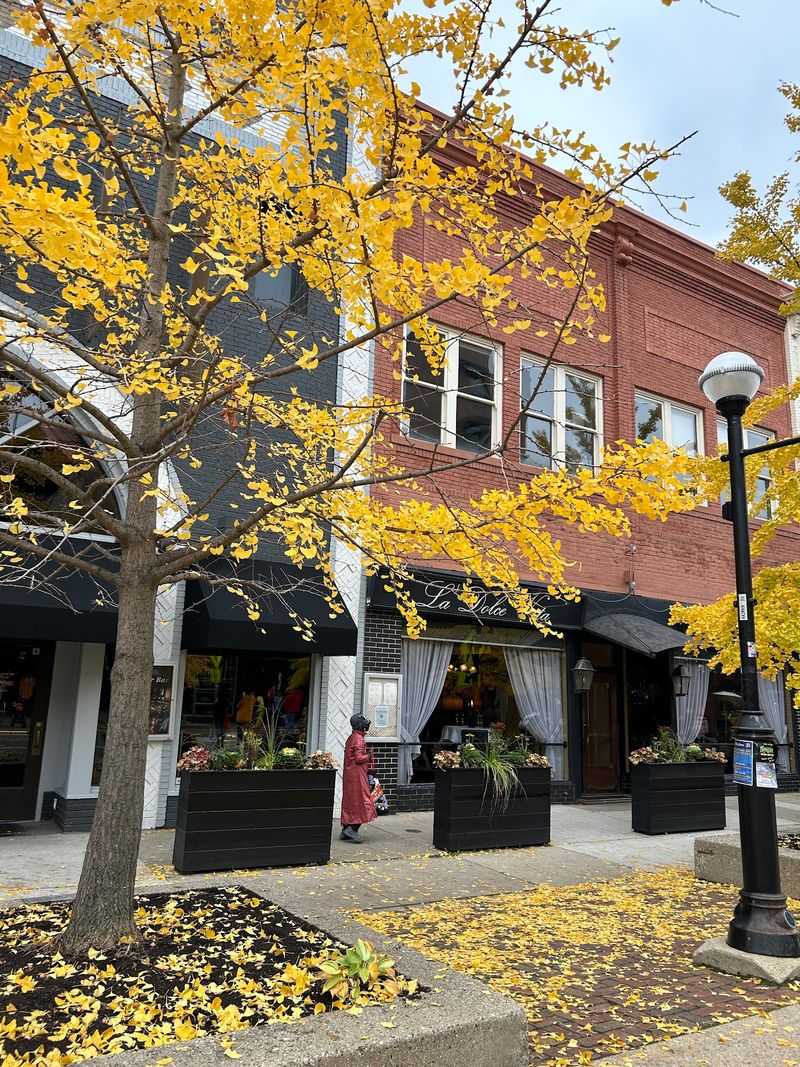
Look down. Small doors, only a few inches tall, are tucked into walls and shops around downtown.
Locals call them the urban fairy doors. The first one appeared in 1993 in the home of a local artist, and public doors started showing up around 2005.
Since then, more doors have popped up at businesses, the library, and other spots. Some have tiny windows, furniture, and even little notes left by children.
Hunting for them makes a fun free activity for families. It also leads people into independent stores they might have walked right past.
A few doors come and go as businesses change. Searching online for a current list or map can help with the hunt.
Leave small treats or notes gently, and never damage the doors. Kindness is part of the tradition.
This playful secret shows that a city known for brains also has plenty of whimsy.
A Market With Deep Roots
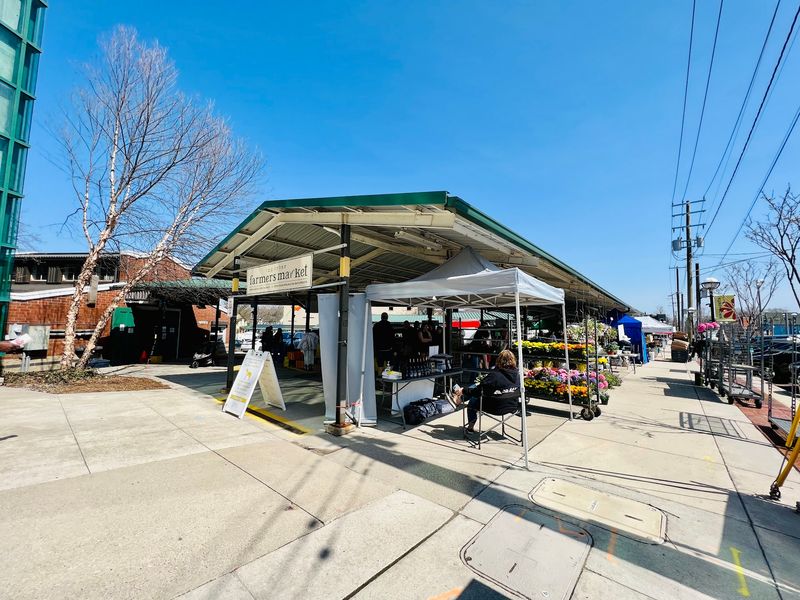
Since 1919, the Ann Arbor Farmers Market has brought local growers to town. That is more than a hundred years of fresh produce, plants, and handmade goods.
The market sits in Kerrytown, a historic district just north of downtown. Its covered stalls give shelter on rainy mornings.
Saturday is the main market day for much of the year. Wednesday markets run during the warmer months, so checking the schedule helps.
Early birds get the best selection. By late morning, popular items can sell out.
On Sundays, the same space often hosts an artisan market. Local makers sell crafts, jewelry, and art.
Kerrytown also has small shops and a historic market building. Plenty of people turn one errand into a full morning of browsing.
Bring cash, though many vendors take cards now. A reusable bag is a smart move, too.
Shopping here supports Michigan farms and keeps a century-old tradition going strong.
Gardens Full of Peonies
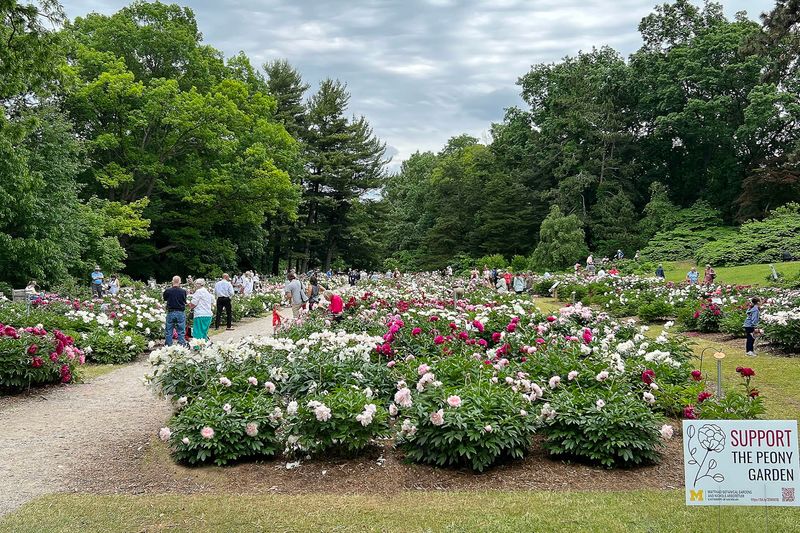
Nature lovers get a big treat in early June. The Peony Garden at Nichols Arboretum holds one of the largest collections of historic peonies in North America.
The garden has hundreds of plants, many of them heirloom varieties from the 1800s and early 1900s. Bloom season is short, so timing matters.
Locals call the arboretum the Arb. It covers about 120 acres with trails, meadows, and views of the Huron River.
Entry to the Arb is free. Walkers, joggers, and students fill the paths on nice days.
Matthaei Botanical Gardens, also run by the university, sits a short drive away. It has a conservatory and outdoor gardens worth an extra stop.
Wear sturdy shoes, since some trails have hills. Carry water during hot summer days.
Check bloom updates online before planning a peony trip. Catching the flowers at their peak makes the visit truly memorable.
Paddling the Huron River
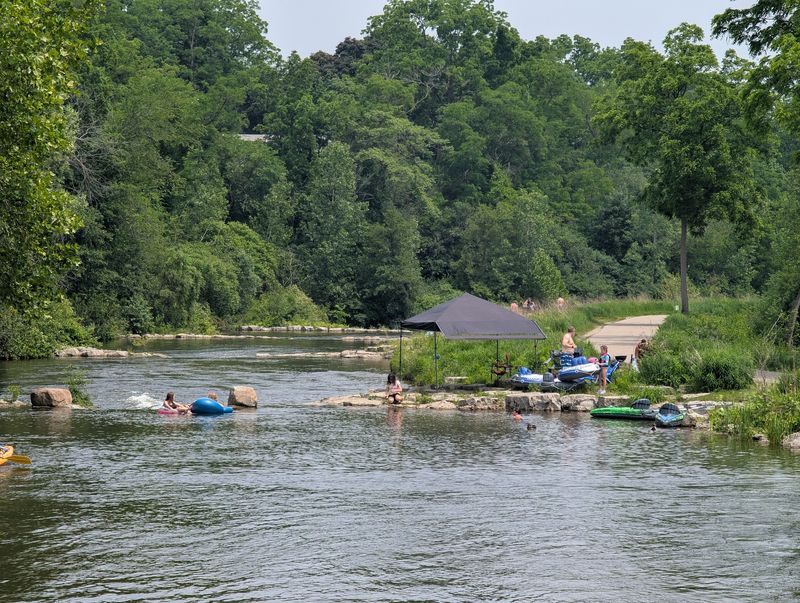
Water adventures run right through town. The Huron River winds across Ann Arbor, offering calm stretches for paddlers.
Gallup Park and Argo Park are popular launch spots. The city rents canoes, kayaks, and tubes during warm months.
At Argo Cascades, a series of small drops lets tubers float down gentle rapids. It is a favorite summer activity for families and friends.
A popular route goes from Argo to Gallup, taking a couple of hours. Shuttles can bring paddlers back to the start.
Life jackets come with rentals and should always be worn. Kids enjoy the trip most with a grown-up in the same boat.
Paved paths along the river are also great for biking and walking. The Border-to-Border Trail connects many parks in the area.
Go on a weekday to beat summer crowds. A sunny afternoon on the river can easily become the best part of the trip.
An Art Fair Like No Other
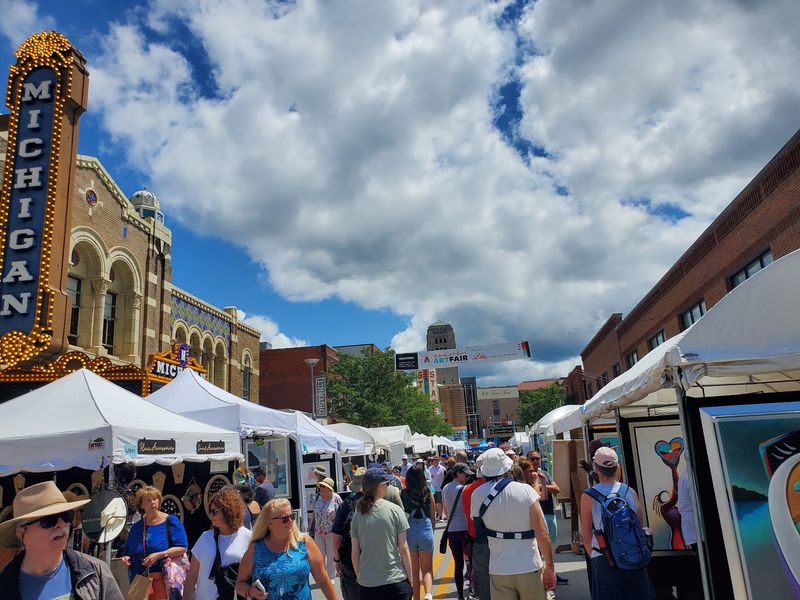
Every July, the streets turn into one giant outdoor gallery. The Ann Arbor Art Fair is one of the biggest juried art fairs in the United States.
It started in 1960 and now features hundreds of artists. Painting, pottery, jewelry, glass, and photography fill booths across downtown and campus.
Hundreds of thousands of people attend over the multi-day event. Crowds are heavy, so arriving in the morning makes browsing easier.
Summer heat can be strong, so sunscreen, a hat, and water bottles help. Comfortable shoes are a must, since the fair stretches for many blocks.
Parking fills quickly during fair days. Park-and-ride options or buses can save a lot of hassle.
Many artists sell small items, which is handy for budget shoppers. Others offer large pieces that ship home.
Hotels book up months ahead, so plan early. Few events show off the creative side of this city quite so well.
Main Street and Beyond
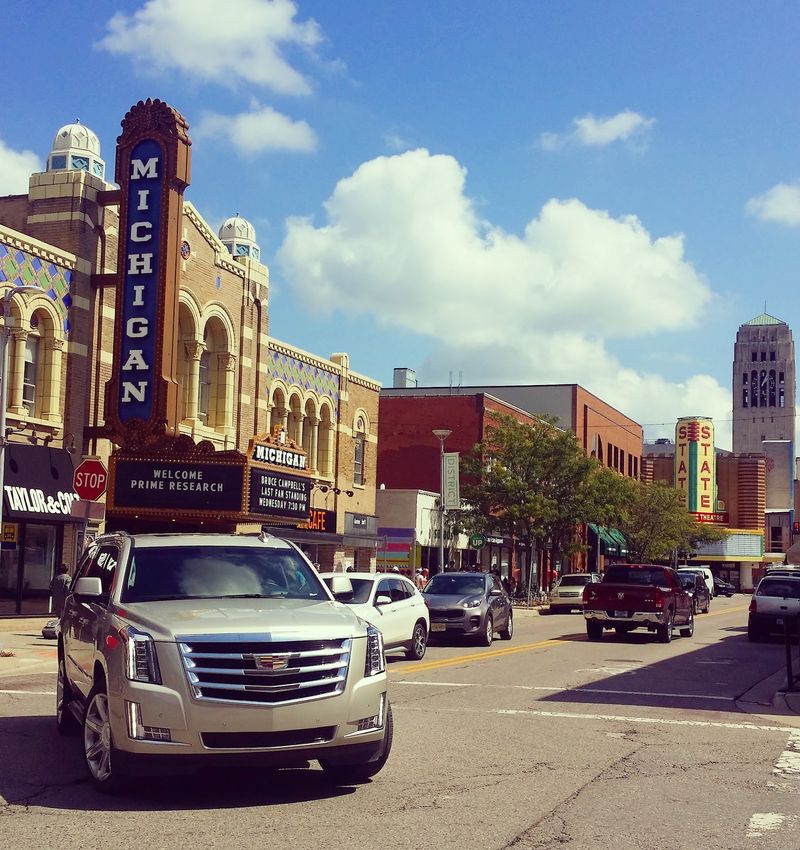
Downtown proves a city can be small and lively at once. Main Street is lined with local shops, cafes, and restaurants with outdoor seating in warm weather.
The historic Michigan Theater on East Liberty Street opened in 1928. It still shows films and hosts live events in its restored grand hall.
Hill Auditorium on campus hosts major concerts and performances. The University Musical Society brings world-class artists there each season.
State Street and South University offer more shops near campus. Each area has its own feel, so exploring several is worthwhile.
Walking is the easiest way to get around the core. TheRide buses connect downtown with other neighborhoods.
Parking structures are spread across downtown, and apps make paying simple.
Spend a full evening here, and it becomes clear why the city keeps winning top titles. Ann Arbor mixes brains, beauty, and fun in one compact package, and it deserves a spot on every Michigan travel list.