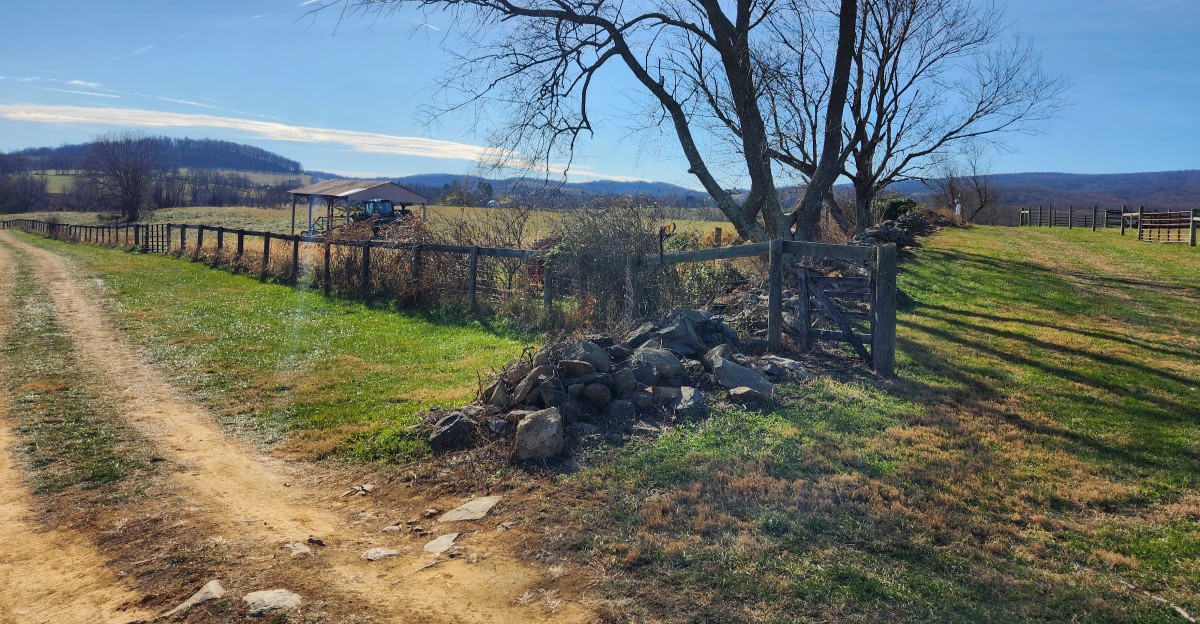
Some gifts come wrapped in paper. This one came wrapped in fence lines, hilltops, and old farm fields on the eastern side of the Blue Ridge Mountains.
In the 1970s, a generous Virginian decided that a large stretch of farmland near the village of Delaplane should belong to everyone, not just a single owner. He gave more than 1,100 acres to the state, and that choice still shapes weekend plans for families across Northern Virginia today.
The land never got turned into a shopping center or a row of big houses. Instead, it became a place where kids feed goats, hikers cross the famous Appalachian Trail, and stargazers stay out past dark.
The sections below explain who made the gift, what grew from it, and how to plan a smart day on these hills.
A Gift That Became a Park
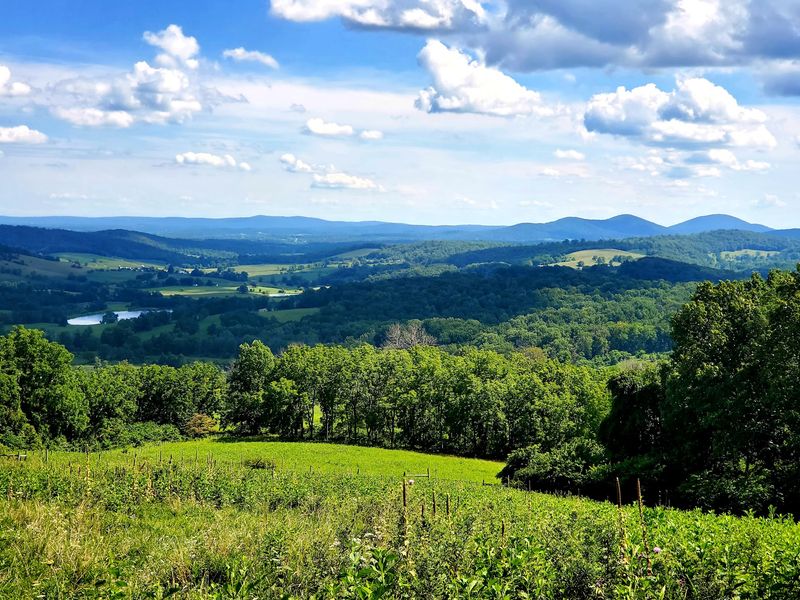
Paul Mellon was a philanthropist known for supporting art, education, and land protection. In 1975, he donated more than 1,100 acres of farmland in Fauquier County to the Commonwealth of Virginia.
His goal was simple. He wanted the open land protected so the public could enjoy it for years to come.
That donation became the heart of Sky Meadows State Park, which opened to the public in 1983. The park sits at 11012 Edmonds Ln, Delaplane, VA 20144, in the northern Piedmont region of Virginia.
Today the park covers around 1,900 acres, since more land was added over time. It stretches from low pastures near the road up to forested ridges along the Blue Ridge.
Families do not need to buy land, build trails, or fix fences to enjoy any of it. All of that work is already done, thanks to one big decision made decades ago.
A small parking fee helps keep things running, and that money goes right back into caring for the land that started as a gift.
Farm Life Never Left
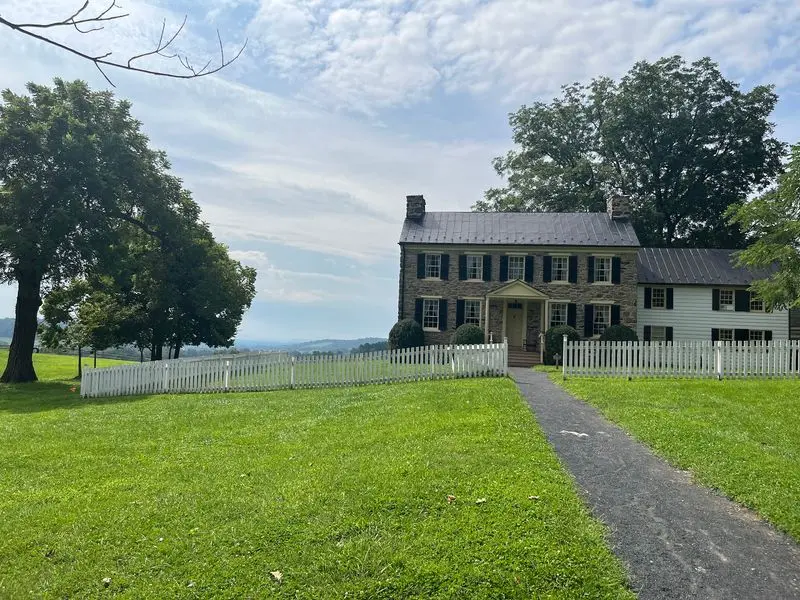
Long before trail maps, this land was a working farm. The park still holds a historic farm area with buildings that date back to the 1800s.
The main house, known as Mount Bleak, was built in the 1830s and later reshaped by the families who lived there. Several outbuildings stand nearby, giving a look at how rural life worked in this valley.
Rangers sometimes lead tours of the house and grounds. These talks cover the families, the land, and the way farming changed over the years.
Here is a helpful tip for curious folks. Stop by the visitor center and ask if a tour is available on the day of your trip.
Kids often find the old buildings more fun than expected, since they show real rooms and tools rather than pictures in a textbook.
History lessons rarely come with this much elbow room, and the farm area makes it easy to mix learning with a picnic and a short walk.
Goats, Chickens, and Snack Time
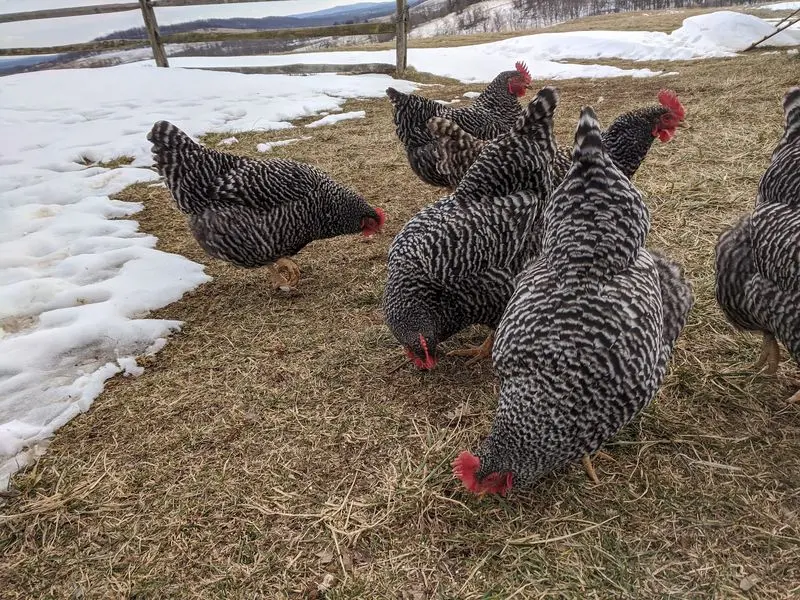
Few things get a group of kids moving faster than the words feeding time. At Sky Meadows, the farm animals are a big part of the fun.
The park keeps chickens and goats near the historic farm area. Rangers host scheduled animal feeding programs, and these programs are free to join once you are in the park.
Out in the fields, cattle often graze in the pastures. Sheep and deer may show up too, depending on the day and the season.
Check the park event calendar before you go. Feeding times are set, so arriving late could mean missing the goats at their most social.
Rangers here are known for their energy and patience. They answer plenty of questions, even the silly ones about why goats climb on everything.
Parents of younger children may want to plan the day around this stop. A happy goat encounter can turn a so-so hiking mood into a cheerful afternoon in no time.
Climb to the Piedmont Overlook
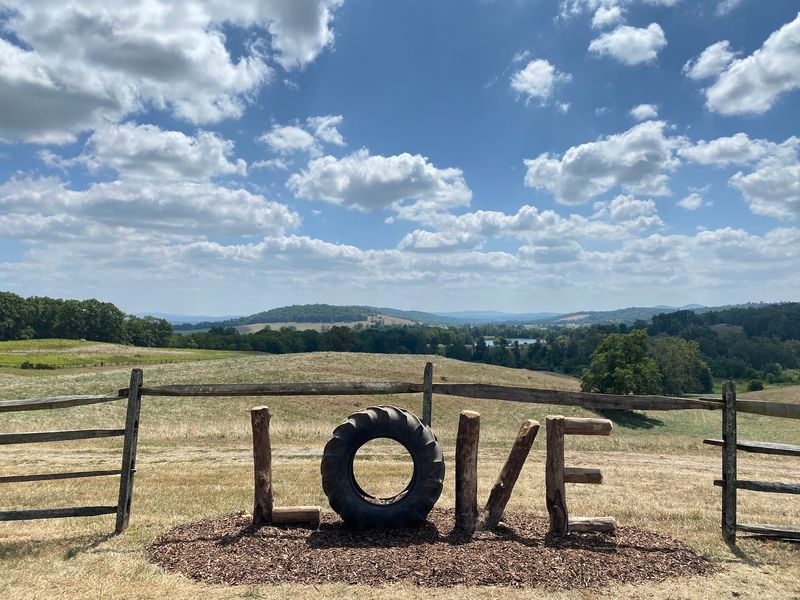
Ask around about the best payoff in the park, and the Piedmont Overlook comes up again and again. It sits on a hillside above the historic farm.
The hike up starts with a steady climb through open fields. It is not extreme, but it will get your heart working, so pace yourself and bring water.
From the top, the view stretches across the Crooked Run Valley and the farms of the Virginia Piedmont. On clear days, some hikers say they can spot Reston far off in the distance.
The Piedmont Overlook loop is a good pick for first-timers. It is short enough for many families but still feels like a real accomplishment.
Photographers love this spot in autumn when the trees change color. Early morning trips can also bring fog in the valley that slowly lifts as the day warms up.
Pack a snack for the summit, because this is the kind of place where people tend to linger longer than planned.
Bragging Rights on the Appalachian Trail
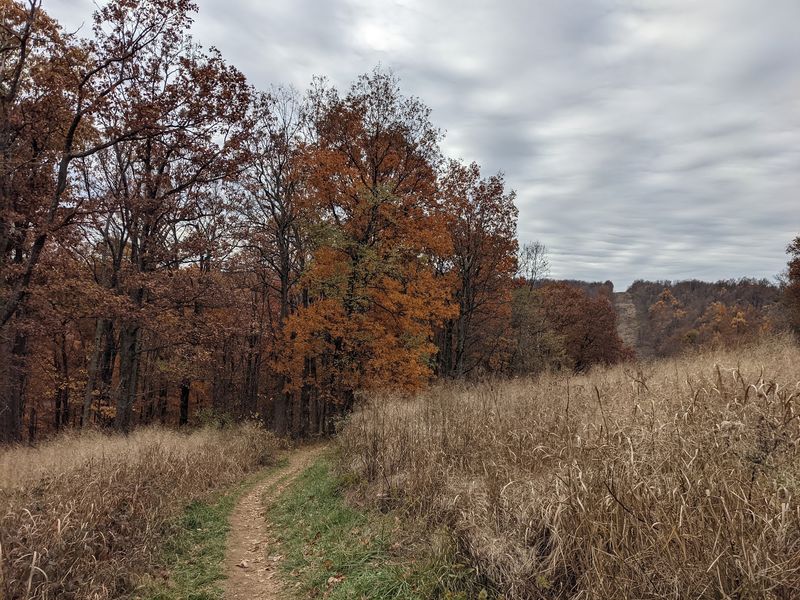
Here is a fun fact for the next family dinner. You can walk a piece of the famous Appalachian Trail without leaving this state park.
The trail runs along the western edge of Sky Meadows, up on the ridge. Several park trails connect to it, so hikers can add a section of the AT to their day.
The full Appalachian Trail runs about 2,200 miles from Georgia to Maine. Walking even a small part of it gives kids a cool story to share at school.
Reaching the AT from the main parking area takes some effort. The path climbs uphill first, then the ups and downs become more moderate along the ridge.
Look for white paint marks on trees. Those blazes show you are on the official Appalachian Trail.
Along the way, hikers have found a small memorial spot with a desk and a box where people can leave notes. It is a quiet reminder that trails carry stories along with footsteps.
Trails for Every Kind of Hiker
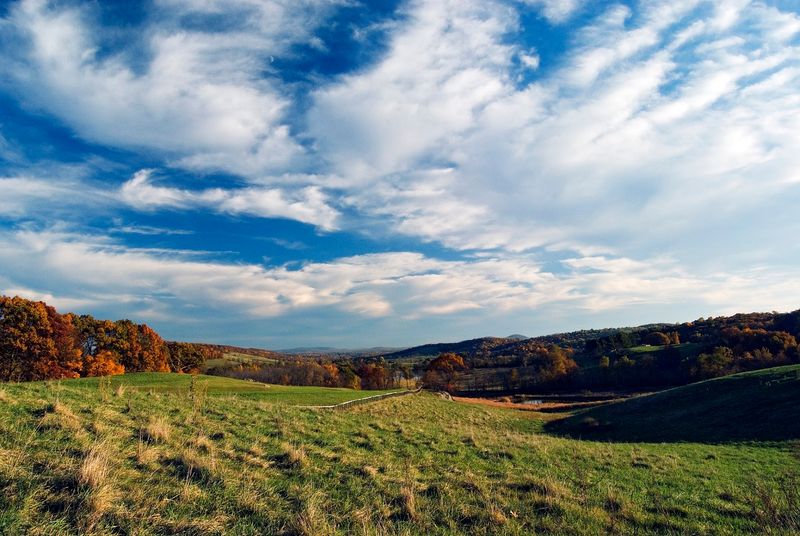
With roughly 24 miles of trails, the park offers a lot more than one loop. Paths wind through open pastures, shady woods, and higher ridges.
The trails are well marked and well maintained. That makes the park a friendly choice for beginners and families who worry about getting turned around.
The North Ridge Trail is a popular route for people seeking a bit more climbing. Over on the other side of the park, the Lost Mountain area has a satisfying full loop trail.
Longer days are possible too. Some groups link several trails for hikes of 8 to 12 miles with around 2,000 feet of elevation gain.
Do not expect brutal mountain challenges here. The terrain is moderate, which suits families, casual walkers, and runners looking for steady effort.
Horseback riding and bicycling are allowed on certain trails. Grab a map at the visitor center first, so everyone knows which paths allow hooves, wheels, or only boots.
After Dark, the Sky Steals the Show
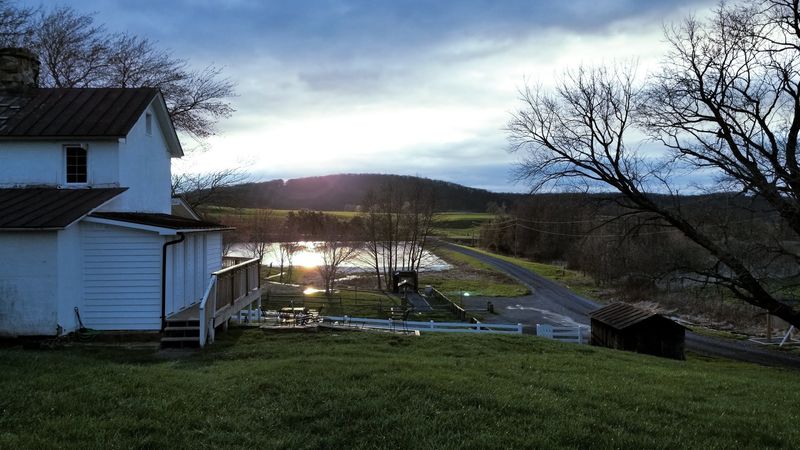
Sunset is not the end of the day here. For many people, it is the start of the main event.
Sky Meadows is a certified International Dark Sky Park. That means the park works to limit artificial light, so stars are easier to spot than in nearby cities.
The park hosts a program called Astronomy for Everyone. Volunteers and astronomers often bring telescopes, and guests get a closer look at planets, stars, and the Moon.
These nights can fill up fast. Check the park website ahead of time, follow registration details closely, and arrive early to give yourself the best chance at a spot.
Dress in layers, since evenings on open fields can turn chilly. A red flashlight helps protect night vision for you and the people around you.
Kids who think science is boring may change their minds after spotting the rings of Saturn. Few classrooms come with a ceiling quite this big.
Ranger Walks Worth Joining
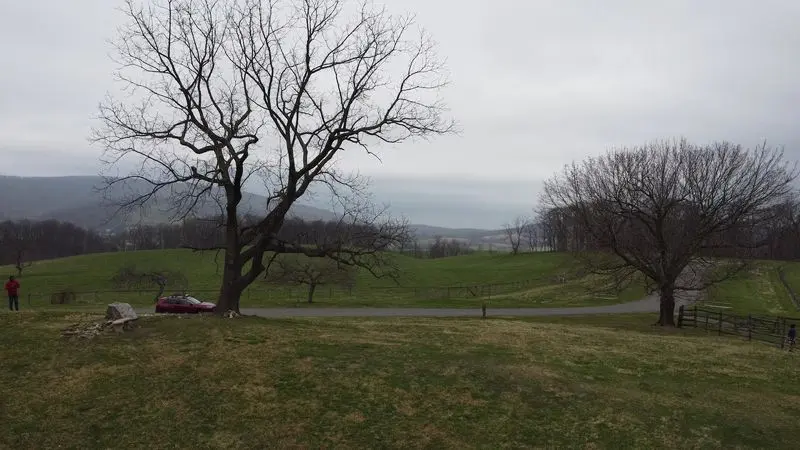
Some of the best moments in the park come with a guide. Rangers at Sky Meadows lead programs that mix nature, science, and local history.
A twilight hike is one standout example. The walk lasts about an hour and a half, with six or seven stops along an easy route.
At each stop, the ranger shares facts about birds, animals, and the habitats they use. Families come away knowing more than they did when they parked the car.
The rangers here have a reputation for passion. They are friendly, knowledgeable, and happy to explain the story behind the land.
Seasonal and holiday programs show up on the calendar too. Checking the schedule before a trip makes it easier to match a program with your free weekend.
Older kids and middle schoolers often enjoy these guided outings. Hearing a real expert talk about owls or old farm buildings tends to stick better than any worksheet ever could.
Picnics, Pups, and Practical Planning
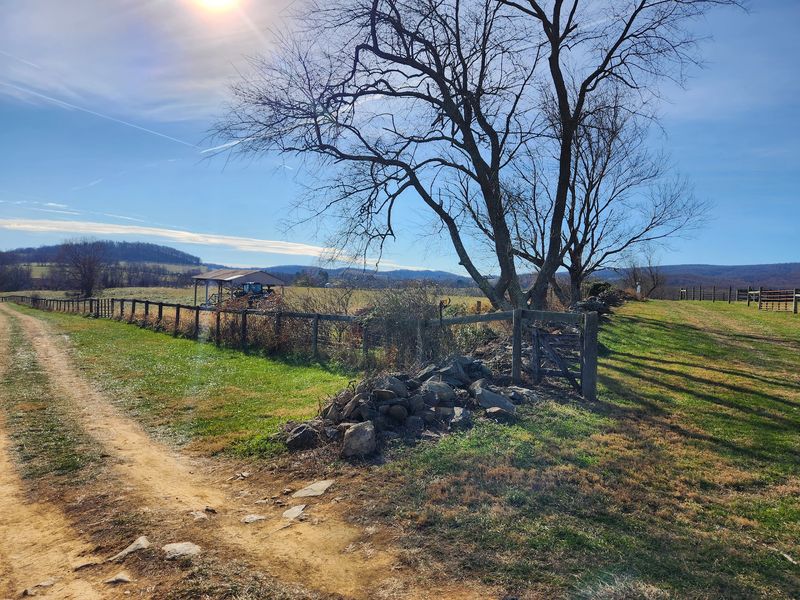
A little planning goes a long way at Sky Meadows. The park is about an hour and a half from Washington, D.C., so an early start helps.
Parking is plentiful, and restrooms sit near the trailhead and visitor center. A small gift shop at the visitor center sells souvenirs and park items.
There is a parking fee, and national park passes are not accepted here. Bring a card or check payment options on the state park website.
The picnic area sits beside open fields with mountain views. It works well for lunch breaks between a morning hike and an afternoon farm visit.
Dogs are welcome on a leash, and plenty of hikers bring their four-legged friends along. Pack water for pets too.
Ticks can be active in warm months, so long socks and a quick check after hiking are smart habits. Later in autumn, that worry often fades, though staying careful never hurts.
Seasons That Keep Calling You Back
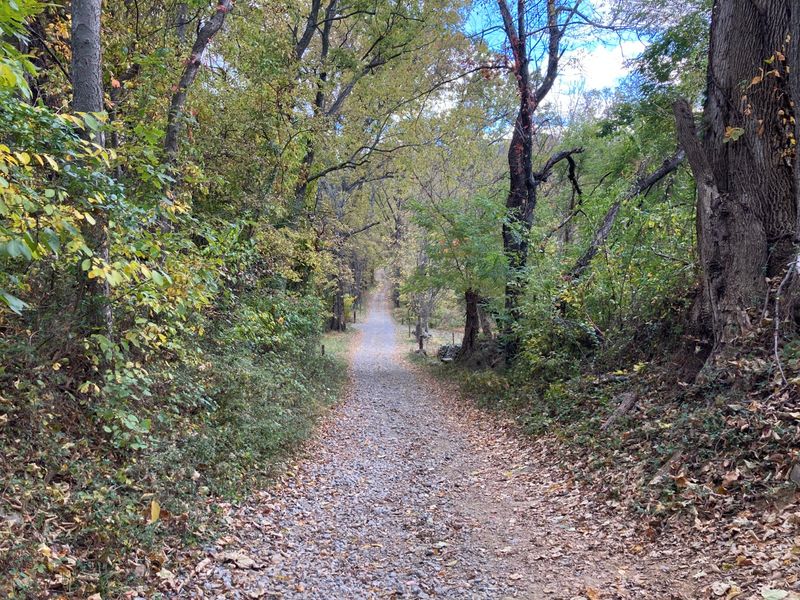
One visit rarely feels like enough. The park changes so much through the year that each trip can feel new.
Late summer brings fields of goldenrod and yellow crownbeard along some trails. Hikers walk right through rows of golden blooms during this stretch.
Autumn is a favorite season for many families. The hillsides turn shades of orange and red, and the overlooks become popular photo spots.
Spring and early summer bring wildflowers, birds, and butterflies to the meadows. Winter trips are quieter, with wide views through bare trees.
Hike-in primitive camping is also offered for those wanting a longer stay. Check the park website for reservations and rules before packing a tent.
All of this traces back to a single decision in 1975. A gift of farmland became a shared backyard for anyone willing to lace up their shoes, and the hills here keep proving that generosity can last for generations.