Thirty dollars does not stretch very far at the mall anymore. One pair of jeans, maybe a basic tee, and the budget is gone.
Up in Oakland County, just north of Detroit, there is a resale shop where that same money can turn into a small stack of finds.
Vintage jackets hang near modern denim, and the racks change almost every day because the stock comes straight from local closets.
Shoppers can also bring in their own clothes and walk out with store credit, which makes the next trip feel close to free.
The sections below cover where the shop sits, how selling works, when to go, where to park, and a few quirky surprises near the counter.
Grab a tote bag and keep reading, because this is one thrift trip worth planning.
A Woodward Avenue Address Worth Remembering
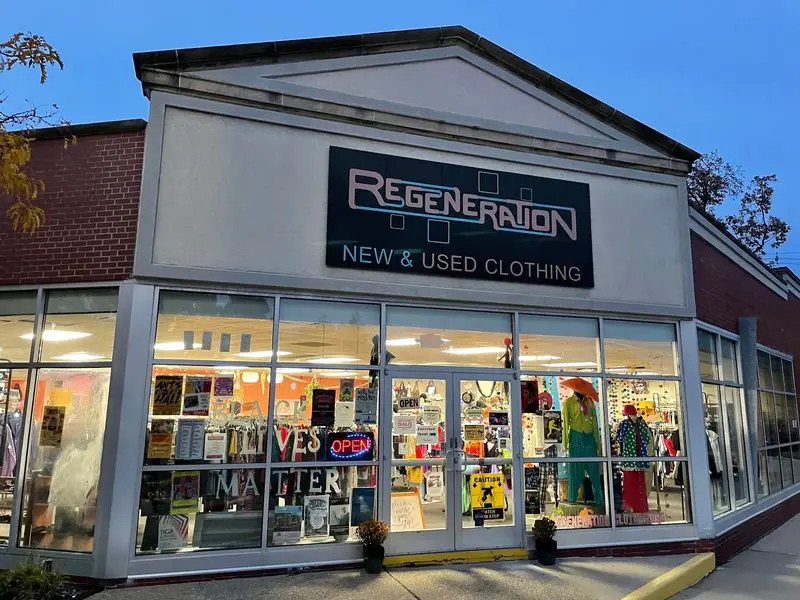
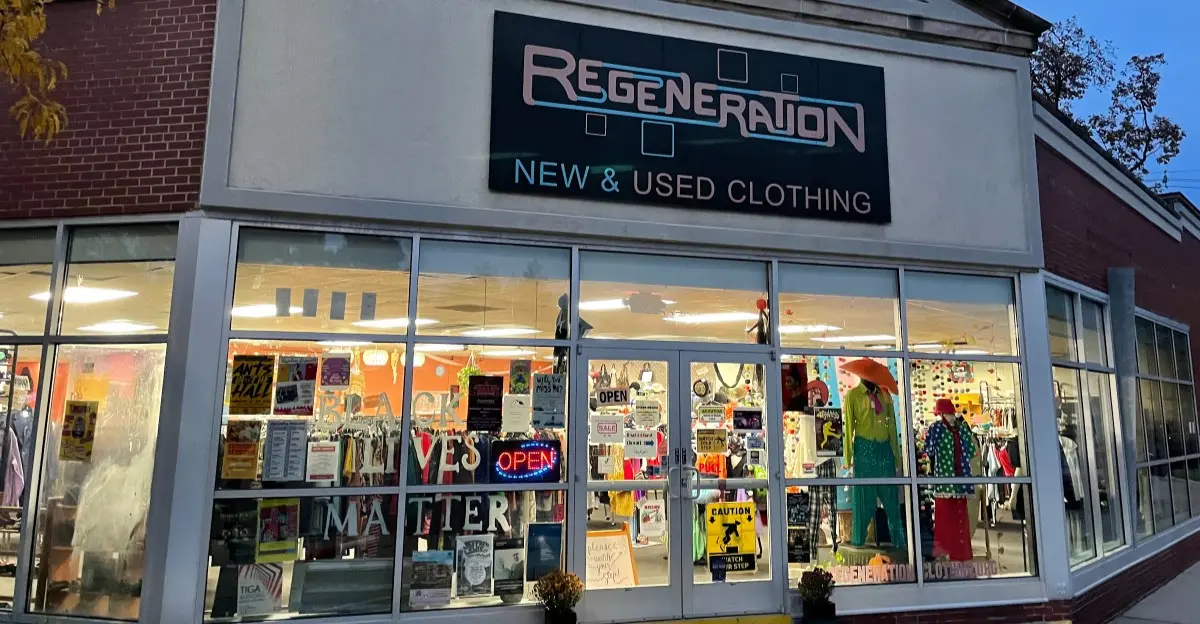
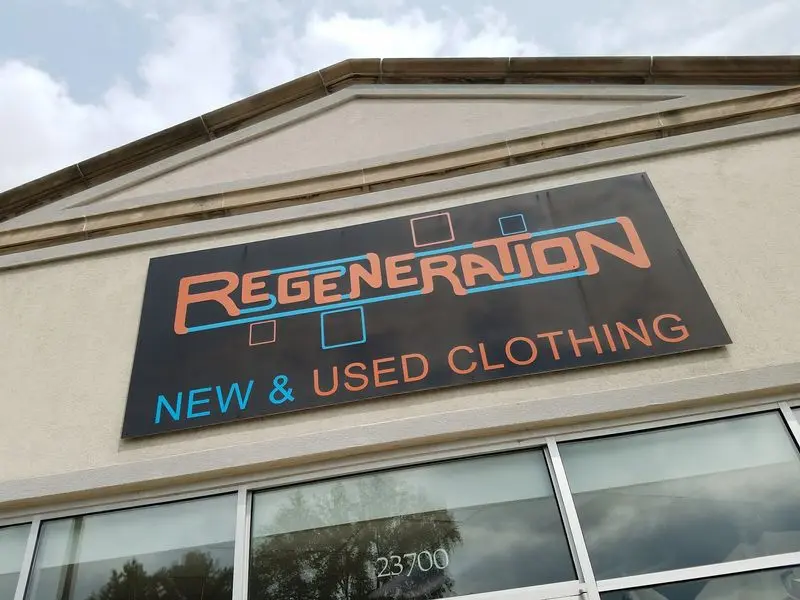
Some of the best shopping stops hide in plain sight along a busy road. Regeneration New-Used Clothing sits at 23700 Woodward Ave, Pleasant Ridge, MI 48069, in the United States.
Pleasant Ridge is a small city in Oakland County, Michigan, tucked between Ferndale and Royal Oak. Woodward Avenue is one of the most famous roads in the state, so the shop is easy to find on a map.
The store is a standalone resale boutique. It is not part of a giant national chain, and that gives it a personal, local feel.
Racks hold both vintage and modern clothing for women and men. There is also a small section for kids, which helps families shopping together.
The name says a lot about the mission. Clothes that someone else outgrew get a second life with a new owner.
Anyone driving through metro Detroit can add it to a weekend loop of nearby shops and cafes. Mark the address now, and the rest of this guide will make the trip even smarter.
Racks That Never Stay the Same
Here is the funny thing about a store stocked by its own shoppers. Nobody, not even the staff, knows exactly what will show up tomorrow.
The shop buys clothing from the public, so the inventory rotates constantly. A rack that looked one way on Monday can look totally different by Thursday.
That is great news for regular shoppers. Frequent visits mean more chances to catch something special before it sells.
The women’s side usually has the larger selection. Men will still find shirts, jackets, and denim worth flipping through.
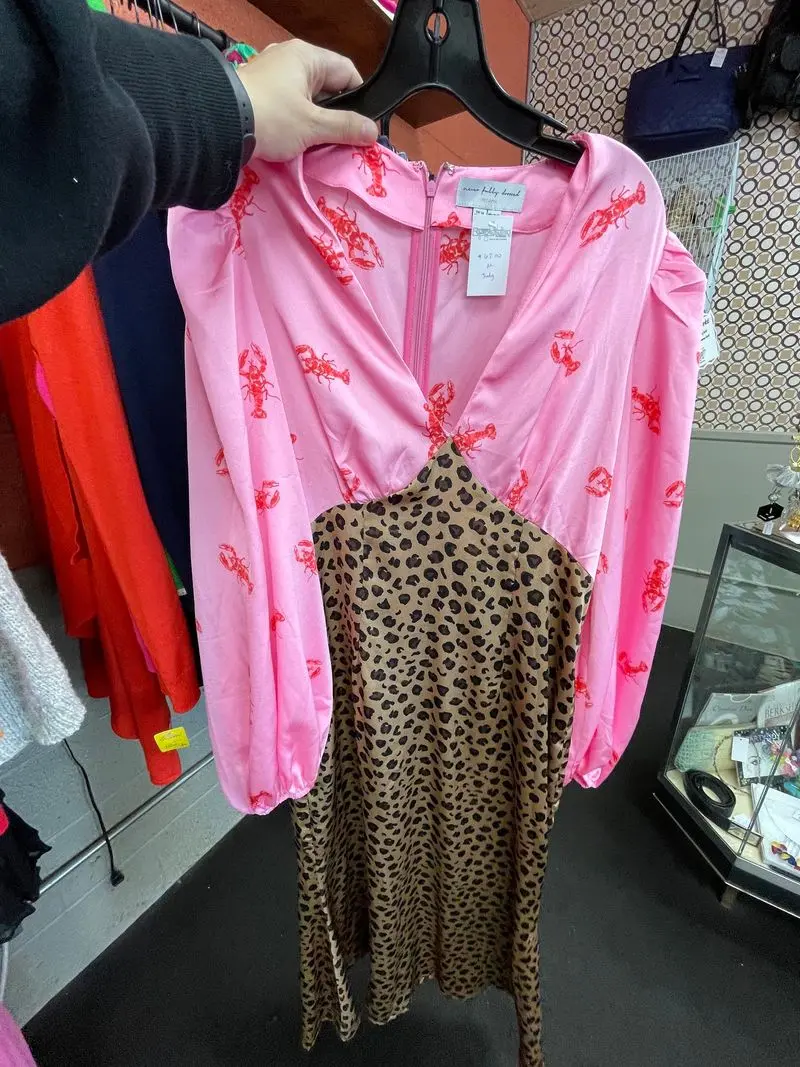
Trendy pieces sit alongside true vintage items. Some formal looking clothing here is a step above what many people expect from a typical thrift store.
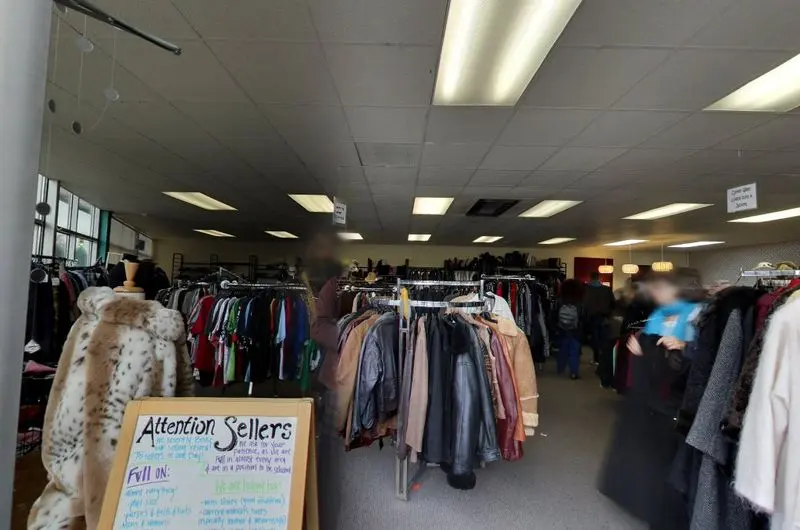
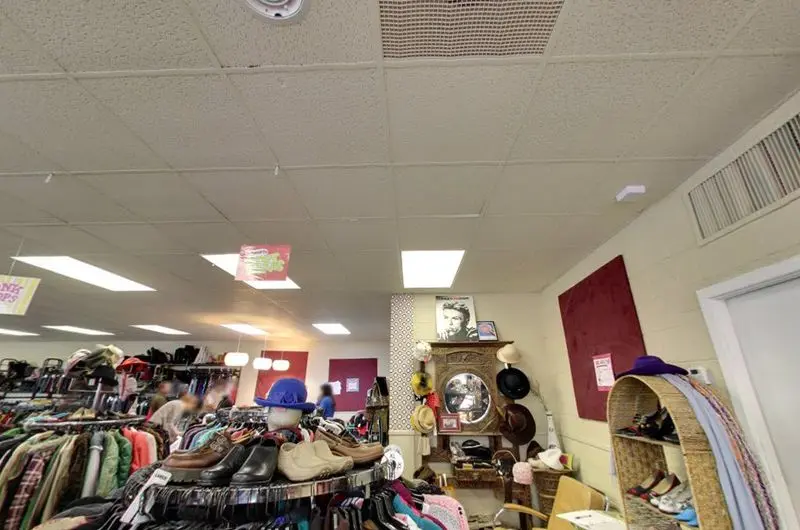
The space is bright and organized, which makes browsing easier. Clothes are in good condition rather than worn out, so the hunt feels less like digging and more like shopping.
Quick tip: if something fits and the price is right, grab it. Waiting until next week is a gamble, because that piece may already be hanging in someone else’s closet.
How a Small Budget Goes a Long Way
Thirty dollars sounds small until it meets resale prices. At this shop, that amount can often cover more than one piece of clothing.
Shoppers have walked out with several clothing items plus a pair of boots for around fifty dollars. That kind of haul is the main reason people keep coming back.
Sales pop up often, which helps stretch a budget even further. Watching for those deals is one of the easiest ways to save.
Prices do vary by brand and condition. Designer labels and true vintage will cost more than everyday basics, so mixing both types keeps a cart full without draining a wallet.
Some regulars say a big part of their closet came from these racks. That says a lot about how well the value holds up over time.
Families have found it useful too. Teens who see stylish secondhand options sometimes lose interest in cheap fast fashion websites.
Set a firm spending limit before heading in. Then treat it like a fun challenge to see how many keepers fit inside it.
Turning Your Closet Into Store Credit
Old clothes sitting in a closet are basically money taking a nap. Selling them here can wake that money up.
The shop buys clothing from the public. Staff look through items while sellers browse the racks, which makes the wait feel short.
Here is how the payout works. The store sets a resale price for each accepted piece, then offers 30 percent of that price in cash or 45 percent in store credit.
Store credit is the better deal for anyone planning to shop. One seller turned a modest bag of clothes into enough credit for two pairs of nice jeans.
Not every item gets accepted. The buyers choose pieces that fit current trends and their stock needs.
Sellers can always look over the prices before agreeing. If an offer feels too low, items can be taken back with no pressure.
For high end luxury pieces, an online marketplace may be a better match. For everyday trendy clothes, though, this trade-in system can keep a wardrobe fresh at almost no cost.
Guard That Little Paper Slip
Small piece of paper, big job. After selling clothes for credit, sellers receive a thin paper slip that shows their balance.
The store does not track credit in a computer database. That slip is the only record, so losing it means losing the credit.
Plenty of people have learned this the hard way. A lost slip usually cannot be replaced, no matter how long someone has shopped there.
Luckily, a few simple habits solve the problem. Snap a photo of the slip right away, just as a reminder of the amount.
Next, pick one safe spot for it. A wallet pocket, a phone case, or a small envelope in the car all work well.
It also helps to spend credit fairly soon. The longer a slip floats around, the more likely it ends up in the laundry.
Punch cards have also been part of the shopping experience, so check whether one is available at checkout. Treat every slip and card like cash, and that hard-earned credit will be ready when the perfect jacket appears.
Plan Ahead Before Bringing a Bag
Good planning beats a last-minute dash. Anyone hoping to sell clothes should call ahead and ask how the buying process works that week.
Appointments may be needed, and wait times can stretch out. Some sellers have waited around a month for an open spot.
Showing up on time matters too. The schedule is busy, so being late can cause problems.
Clean, folded clothes in good shape have the best chance of being accepted. Items that match current styles or have a cool vintage look tend to stand out.
Asking questions before the visit is smart. Learn about payout rates and what kinds of pieces they want right now.
That way, there are no surprises at the counter. Sellers walk in knowing what to expect.
Also bring a backup plan for anything that gets turned down. A donation center or another resale shop nearby can take the rest.
With a little homework, selling becomes smooth and stress free. The reward is a fresh pile of credit waiting to be spent on the racks.
Feathered Friends and a Quirky Machine
Not every thrift store has a pair of resident birds. This one does, and they hang out near the checkout counter.
Many shoppers make a point of saying hello before paying. Kids especially enjoy spotting them while parents finish up.
There is also a fun vending machine in the store. It offers pins and mystery packets, which add a small treasure hunt to the visit.
Here is the catch. The machine only takes single dollar bills and coins, so bring some small cash.
These extras might seem minor, but they shape the mood of the place. The shop feels more like a friendly neighborhood hangout than a strict retail space.
A mystery packet can also make a cheap little reward for a patient young shopper. It is a small way to keep kids happy during a longer browse.
Little touches like these explain why people call this more than just a thrift stop. Come for the clothes, then leave with a pin on a jacket and a story about the birds.
The People Behind the Counter
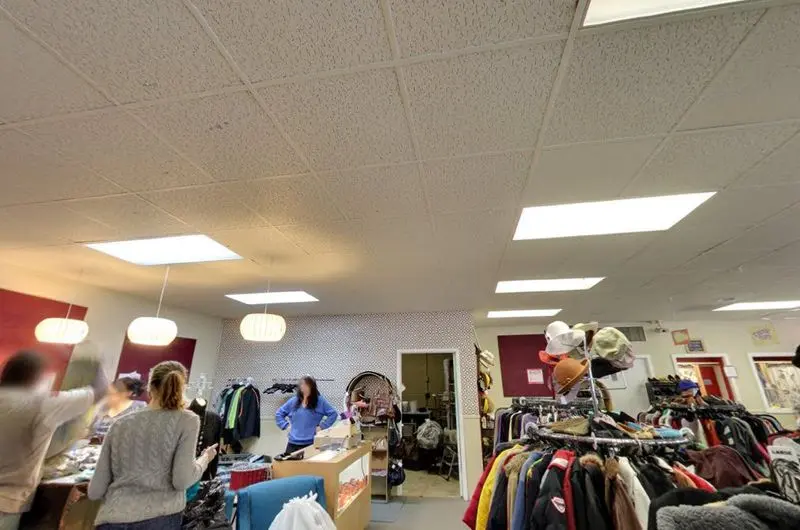
Behind every great small shop is a team that cares. Regeneration is a female owned business, and one of the owners is often working when customers stop by.
Many longtime shoppers describe the staff as kind, helpful, and down to earth. First-timers often leave planning their next trip.
The team handles a lot. They buy clothes, price items, restock racks, and help customers all day.
Like at any busy store, a visit may sometimes feel a bit rushed. Patience on both sides goes a long way.
The owners focus on being clear about how they price and buy. They encourage sellers to look over offers before saying yes.
Some customers have shopped and sold here for more than fifteen years. That kind of loyalty does not happen by accident.
The store also draws a wonderfully diverse crowd, from teens to grandparents. Supporting a local, family-style business keeps money in the community, and that might be the best bargain of all.
Vintage Finds, Boots, and Designer Labels
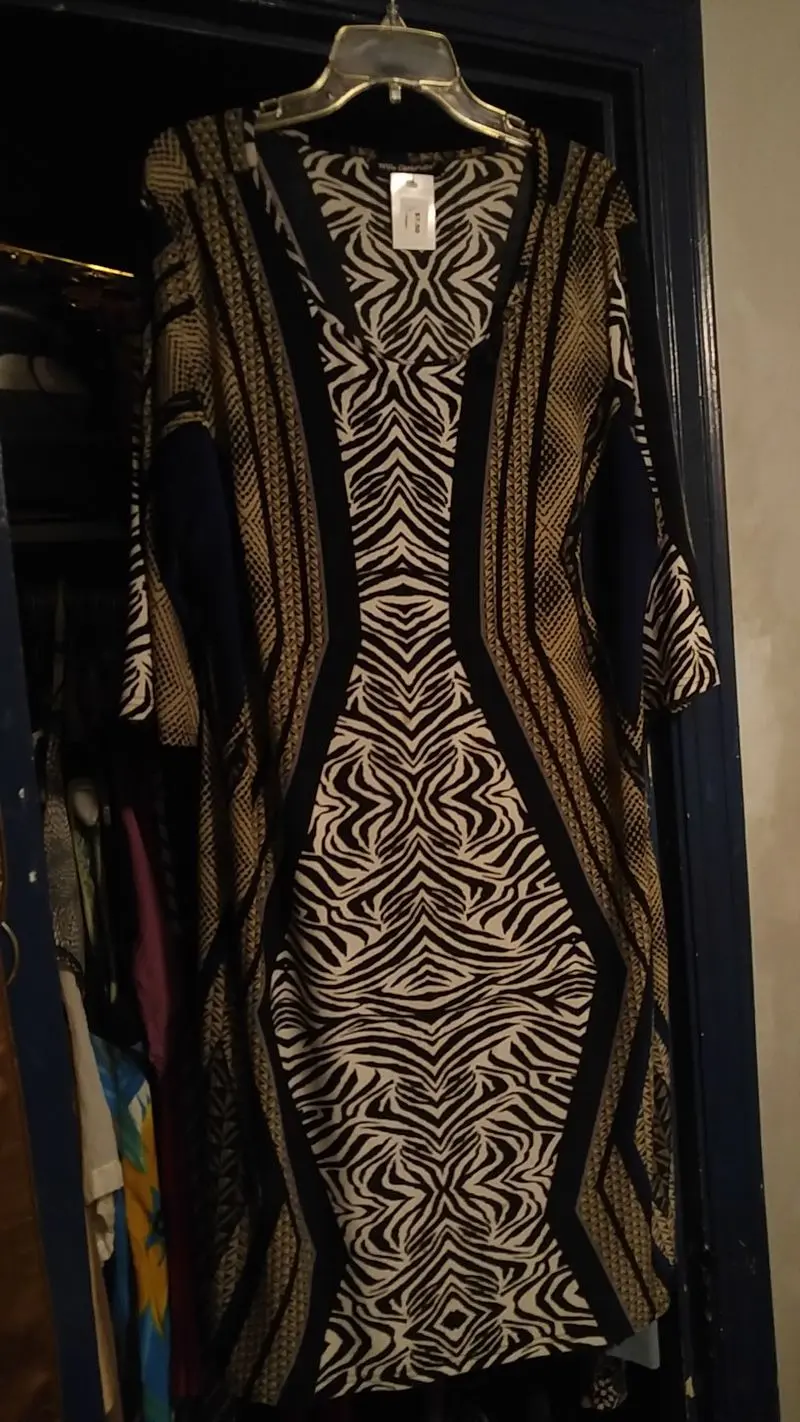
Three pairs of Doc Martens in great shape. That is the kind of score that keeps treasure hunters glued to these racks.
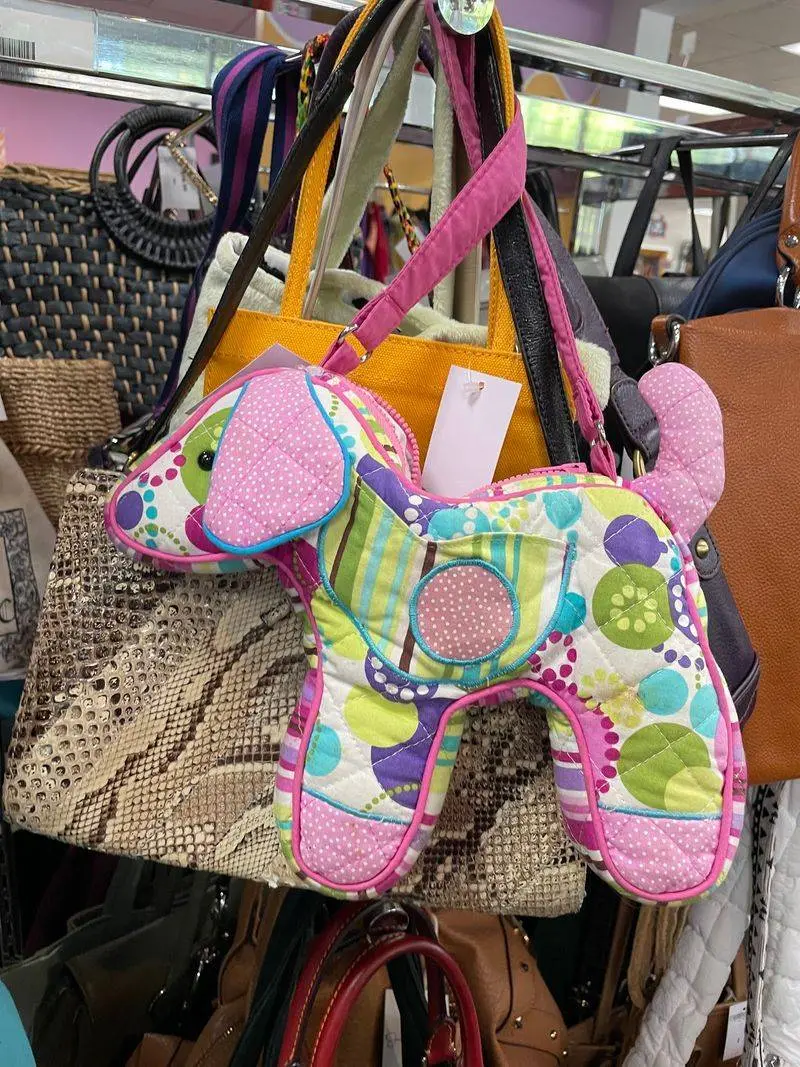
Vintage clothing is a big part of the appeal. Cool vintage bags, dresses, and jackets show up regularly.
Some designer pieces make appearances too. The shop carries a mix of name brands alongside regular everyday labels.
Jewelry is another fun category to check. The vintage jewelry selection has gotten smaller over the years, so grab anything special fast.
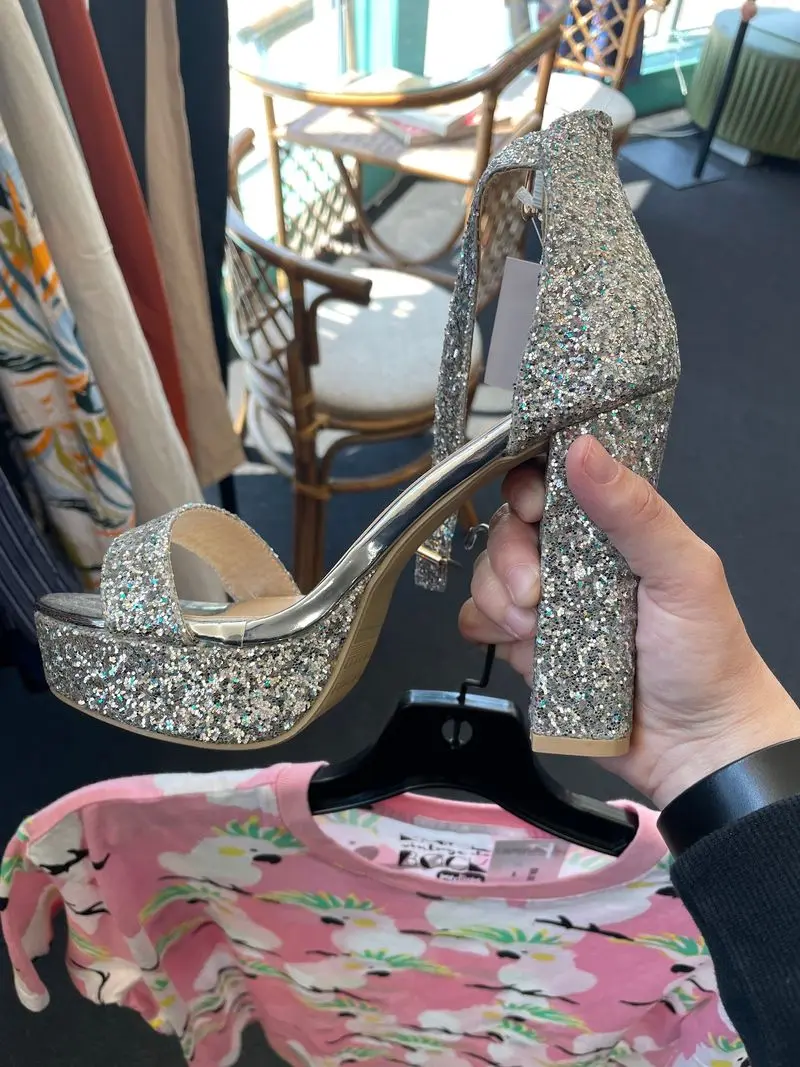
Shoes are worth a careful look. Boots and sneakers in solid condition can save a lot compared to buying new.
Sizes depend on what people sell, so the range can be limited. Larger sizes may be harder to find on some days.
Following the store’s Instagram helps here. Staff share employee picks and notable new arrivals, giving fans a heads up before heading over.
The thrill comes from not knowing what is next. One visit might bring a classic band tee, while the next turns up the boots of someone’s dreams.
Timing, Parking, and Fitting Room Tips
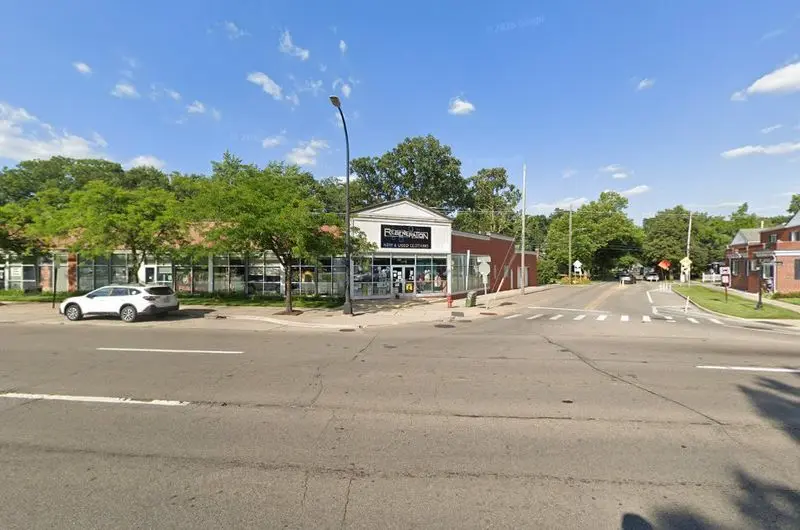
Smart timing makes every thrift run better. The store opens Monday through Saturday from 11 AM to 7 PM, and Sunday from 12 PM to 5 PM.
Weekday afternoons are a good bet for a calmer browse. Saturdays can get busier, so arriving near opening helps.
Parking along Woodward can be tricky. Street spots fill up quickly at times.
The store suggests a handy fix. Shoppers can park in the old Cork parking lot, just a few doors down.
Once inside, the fitting rooms are clean and kept in good order. Trying things on is a must, since resale sizes vary by brand and era.
Bring a reusable bag to carry the haul home. It also helps to pack small bills for the vending machine.
The store is fairly compact, so a full browse does not take all day. That leaves time to explore other shops in Ferndale or Royal Oak.
Plan the trip right, and thirty dollars can turn into a cart full of new favorites from Pleasant Ridge.