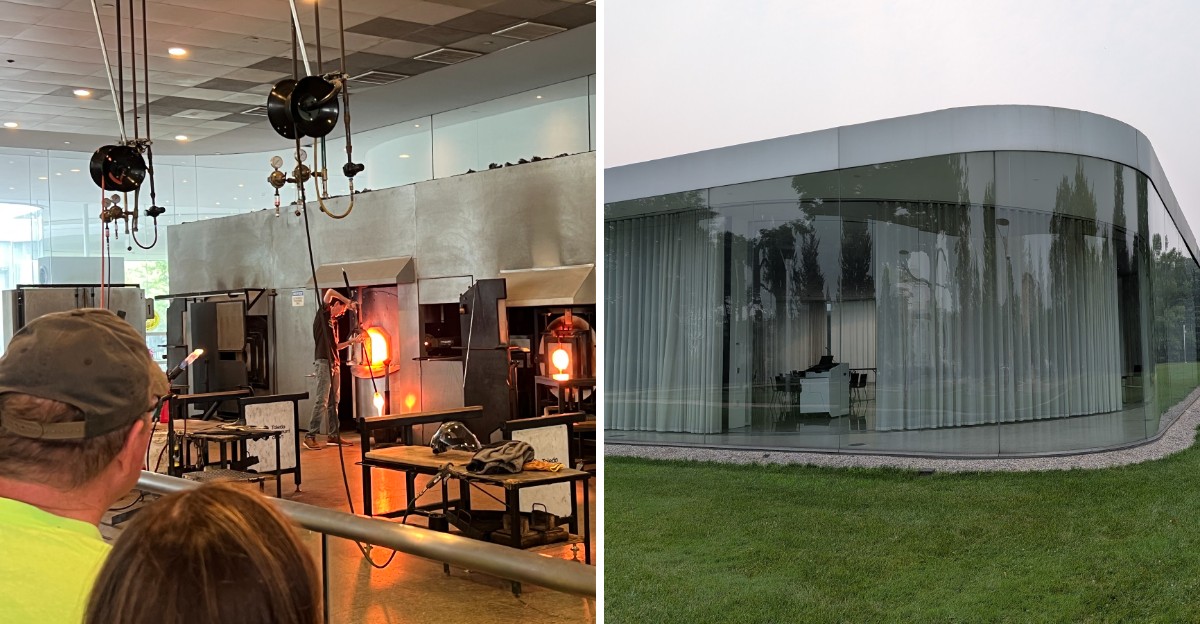
Almost every wall in this building is made of curved glass, including the walls inside. Then someone fires up a furnace and starts shaping molten glass right in front of the seats.
I like how the whole place feels like one big window. You can see art, artists, and trees outside all at the same time.
The glass collection holds around 5,000 pieces, from ancient works to brand-new ones.
The best part might be the price. Admission is free, and so are the live demonstrations.
I can’t imagine a better rainy-day plan anywhere in Ohio.
The furnaces even help heat the building. Artists here have shaped glass in public for years, and the shows keep going all week.
So when was the last time you watched sand-born material turn into art?
Grab A Seat Before The Glass Starts Glowing
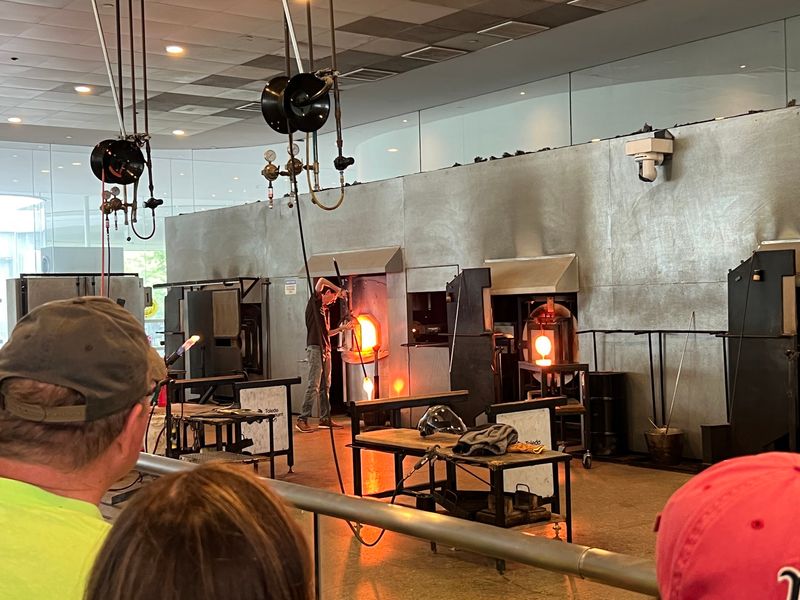
Molten glass glows like a tiny sunset on the end of a pipe. At the Toledo Museum of Art Glass Pavilion, you can watch that happen up close, and it costs nothing.
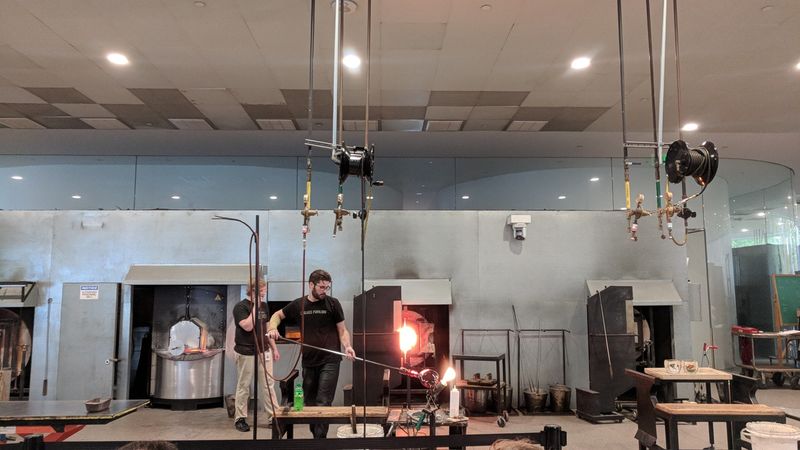
The free demonstrations happen in the hot shop, where skilled artists and instructors work the glass. Gallery seating lets you sit back and follow each step without craning your neck.
A narrator explains what’s happening as the glass gets heated, turned, and shaped. That helps a lot, because the moves happen fast and look a little like magic.
You’ll see why every motion matters. Glass cools quickly, so artists keep it spinning and keep heading back to the furnace.
The Pavilion hosts hundreds of public glassblowing demonstrations each year. That means your odds of catching one are pretty good during open hours.
Still, schedules can shift with special events or staffing. Checking the museum’s demonstration times before you leave home is a smart move.
Bring curious kids along for this one. Few things grab attention like a glowing blob turning into a vase while someone calmly explains how it works.
Honestly, it beats most screens. Nobody needs a remote when the show is made of fire and patience.
A Building So Clear It Almost Disappears
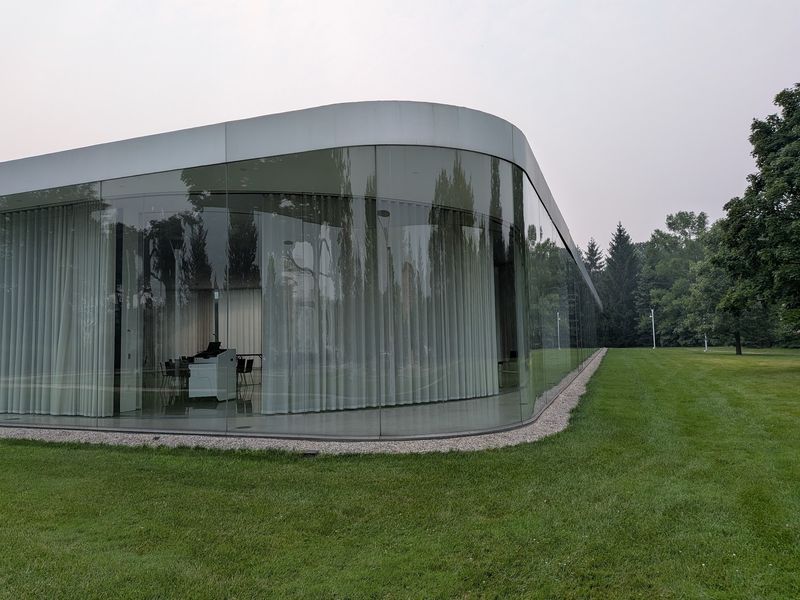
Curved glass panels form the outside walls and nearly every wall inside. For a building devoted to glass art, that choice feels perfectly on theme.
The Glass Pavilion opened in August 2006. The Tokyo-based firm SANAA designed it, led by architects Kazuyo Sejima and Ryue Nishizawa.
The building covers about 74,000 square feet. Yet it feels light, because you can see through room after room toward the trees outside.
That openness changes how you move around. You catch glimpses of galleries and studios before you even reach them, which makes exploring feel like a slow reveal.
Travel + Leisure gave the Pavilion its 2007 Design Award for Best Museum. Pretty impressive for a building that mostly looks like it’s trying not to be seen.
Bring your camera, but watch the reflections. Layers of glass create fun visual tricks that can turn an ordinary photo into something dreamy.
The design also connects the art with the setting around it. Greenery and sky become part of the backdrop for every piece.
Just mind your step around those clear walls. They’re beautiful, but they don’t announce themselves.
Five Thousand Glass Treasures Are Waiting Inside
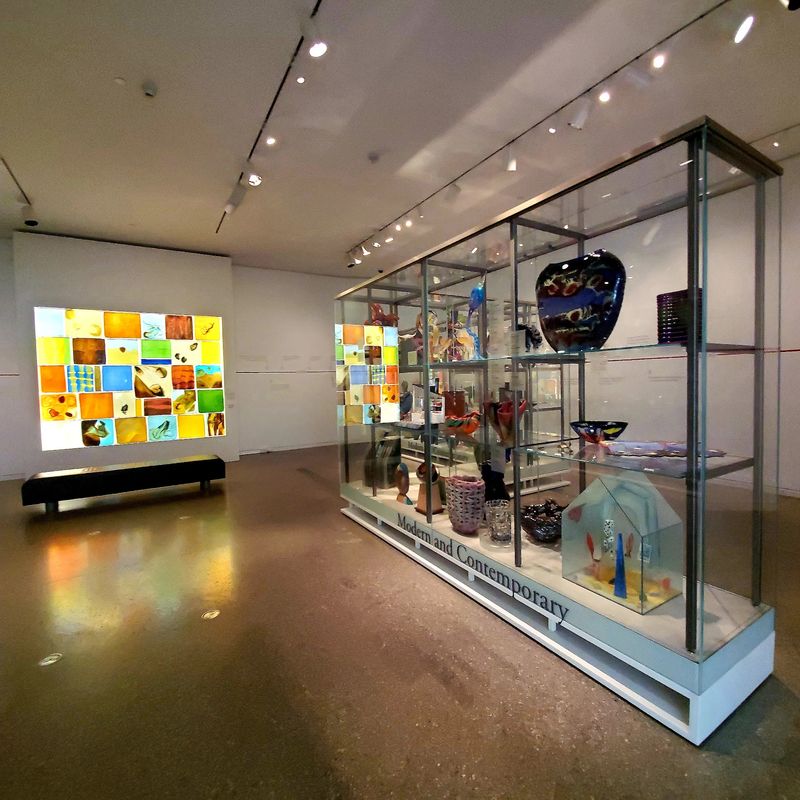
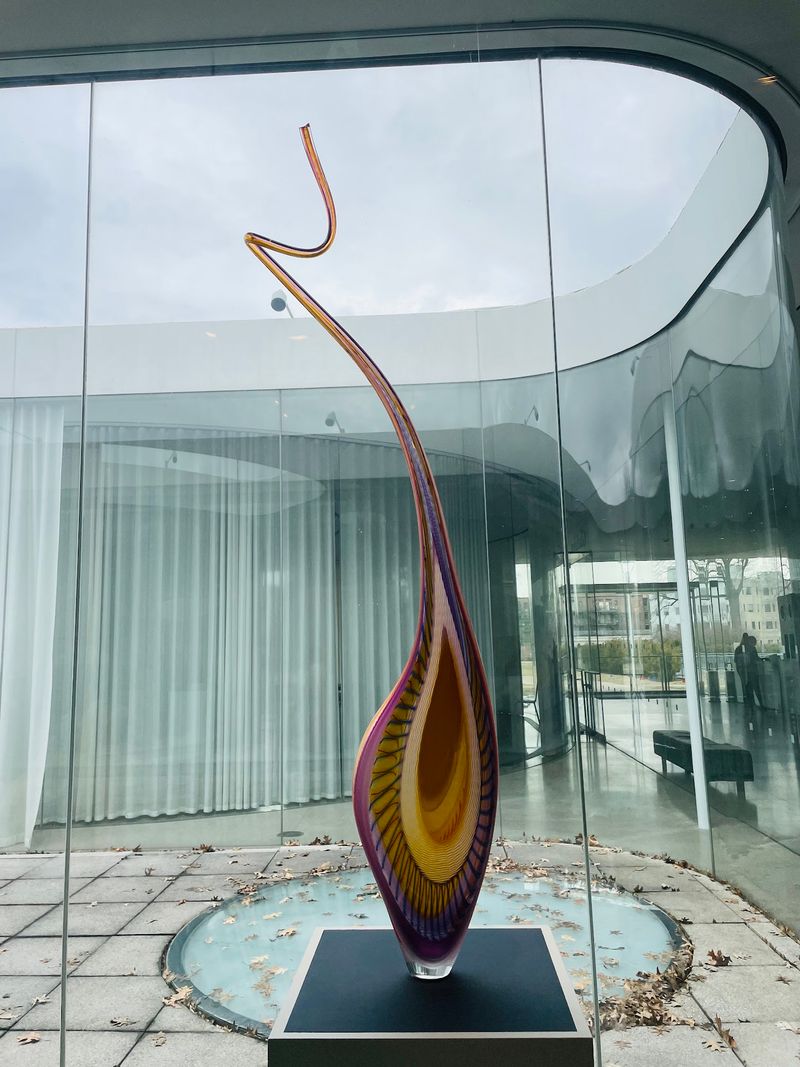
Around 5,000 works of glass art call this place home. That number sounds huge, and it is.
The collection stretches from ancient times all the way to contemporary pieces. You can see how people have shaped glass across thousands of years.
Watching a demonstration first makes the galleries even better. Suddenly, you understand how much heat, timing, and skill went into each object behind the glass.
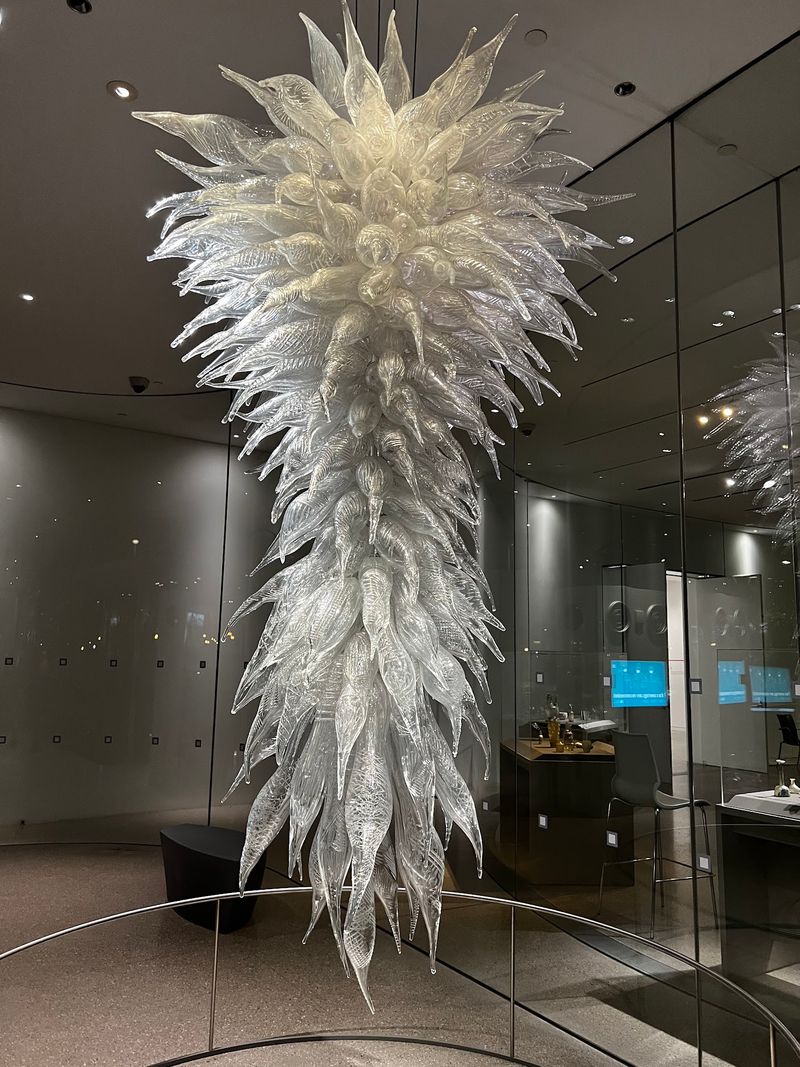
Look for differences in color, thickness, and shape. Some pieces feel delicate and practical, while others act more like sculptures meant to stop you in your tracks.
The Toledo Museum of Art built one of the major glass collections around, so take your time here. Rushing would be like flipping through a great book too fast.
A good tip is to choose a few favorites. Then guess how they were made, using what you just saw in the hot shop.
Kids may enjoy turning that into a game. Ask which piece they’d try to make first, and which one looks impossible.
Spoiler: most of them look impossible. That’s half the fun.
Studio Glass Got Its Big Start Right Here

Back in 1962, a garage at the Toledo Museum of Art helped launch something big. Workshops there sparked the American Studio Glass Movement.
Before that, glass was mostly made in factories. The movement helped individual artists work with hot glass in small studios of their own.
That history gives your visit extra meaning. The artists you watch today are part of a story that started only a short walk from where you’re sitting.
Toledo’s nickname, the Glass City, comes from its long ties to the glass industry. The museum adds an artistic chapter to that local pride.
The Glass Pavilion keeps the tradition going with studios for several techniques. Hot shops, flameworking, neon, and lampworking all have space here.
Think of it as history that never stopped moving. The same curiosity that filled that garage still fuels the furnaces today.
It’s a great detail to share with friends during the demonstration. Few museums can say a whole art movement began on their grounds.
Toledo can. And it still has the glowing glass to prove it.
Make Your Own Glass Flower And Brag A Little
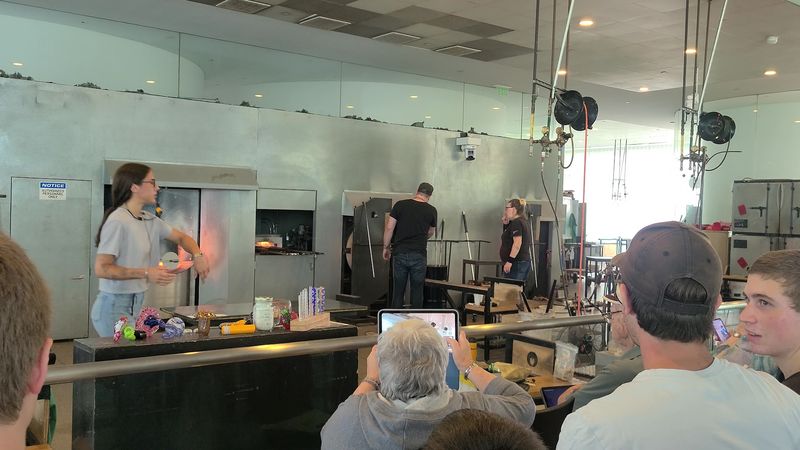
Watching is great, but trying is even better. The Glass Pavilion offers hands-on workshops for people who want to get closer to the craft.
One popular option lets you create a glass flower with help from a studio artist. These sessions run about one hour, so they fit easily into a day trip.
Workshops are generally open to participants ages 14 and up. Some special classes are designed for adults, so check the age rules before booking.
You don’t need experience to sign up. A trained artist guides each step, which keeps things safe and much less scary.
Workshops do usually cost money, unlike the free demonstrations. They also tend to fill up, so planning ahead is a smart idea.
The payoff is a keepsake you helped make yourself. That beats a fridge magnet any day.
Classes also help you appreciate the demonstrations more. Once you’ve felt the heat and the timing, those smooth artist moves look even more impressive.
Fair warning: you may start eyeing glassblowing as a new hobby. The furnace can be very convincing.
Free Admission Makes Planning Almost Too Easy
Good news first: admission to the Toledo Museum of Art is free. That includes the Glass Pavilion and its live glassblowing demonstrations.
You’ll find everything at 2445 Monroe St, Toledo, OH 43620. The Glass Pavilion sits across Monroe Street from the main museum building.
Typical hours run Wednesday, Thursday, and Sunday from 11 a.m. to 5 p.m. Friday and Saturday stretch later, until 8 p.m.
The museum closes Mondays and Tuesdays. It also closes on major holidays like Independence Day, Thanksgiving, and Christmas.
Here’s a big tip for right now. The main museum building has been undergoing major renovations, while the Glass Pavilion has stayed open.
That makes the Pavilion the star of many current visits. Some special exhibitions there may carry a separate ticket, so read the details first.
Parking is available nearby, though fees can apply. Checking the museum’s latest notes before you go saves confusion.
Ohio has plenty of weekend options. Few combine free entry, live fire, and world-class glass in one easy stop.
Recharge With Coffee Between Shows
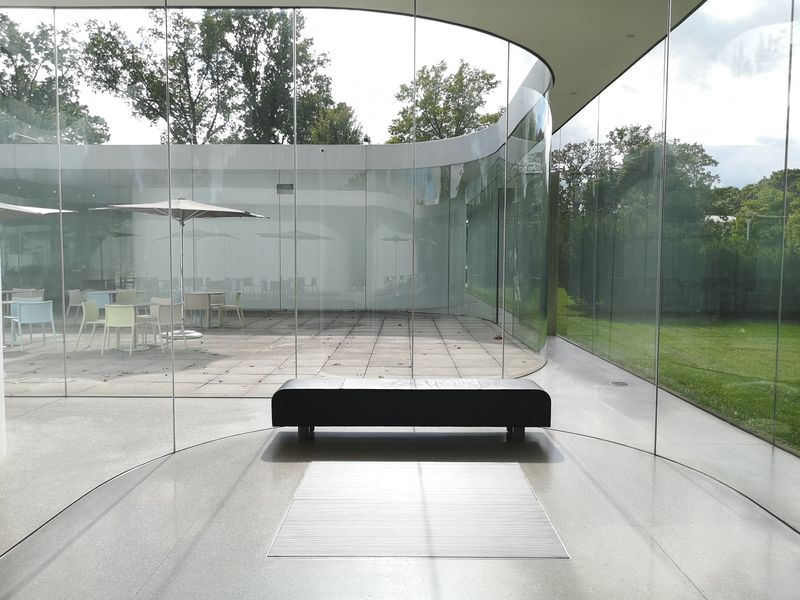
All that staring at glowing glass can make anyone ready for a break. The Glass Pavilion has its own coffee bar for exactly that moment.
Expect coffee drinks, tea, soft drinks, and pastries. It’s a handy stop when you want a snack without leaving the building.
Timing helps here. Grab a drink between demonstrations, then head back to your seat before the next glass piece starts taking shape.
The lounge setting also works for chatting about what you just saw. Debating whether you could survive a hot shop shift is a fun way to rest your feet.
Need something more filling? The museum has also offered a café in the main building, but service can change during renovations.
Checking food options ahead of time is wise. That way nobody gets hungry and cranky halfway through the galleries.
Snacks may seem like a small detail. But a happy, fueled group tends to linger longer and notice more.
And in a place this pretty, lingering is the whole point.
The Furnaces Are Secretly Heating The Building
Hot shop furnaces run incredibly hot. Instead of wasting all that energy, the Glass Pavilion puts some of it to work.
Heat from the glassmaking furnaces gets recycled into the building’s radiant heating and cooling system. It’s a clever trick for a building made of so much glass.
That detail makes the demonstrations feel even cooler. The fire you’re watching helps keep the whole Pavilion comfortable.
Kids usually love this fact. It turns the building into a big science lesson without anyone needing a worksheet.
The idea also matches the spirit of the place. Art, design, and engineering all share the same space here, and they work together.
Next time you feel the warmth near the hot shop, think about where it goes next. Some of that energy travels far beyond the furnace.
Toledo’s long glass history meets modern thinking in this design. It’s practical, smart, and a little bit sneaky.
Not bad for a building that also happens to be gorgeous. Few museums can claim their furnaces do double duty.
Watch For Special Events And Extra Demos
Some days at the Glass Pavilion come with bonus fun. The museum hosts special events that add music, art activities, and extra glassblowing.
One seasonal favorite has been The Great Glass Art Escape. It mixes hands-on art, live music, and demonstrations into a festive outing.
Events like this suit families especially well. Kids get to make something, hear something, and watch something glowing, all in one trip.
Special exhibitions also rotate through the Pavilion. Some carry a small ticket fee, while the regular collection and demonstrations stay free.
Following the museum’s event calendar is the easiest way to catch these extras. Popular programs can draw a bigger crowd, so arriving early helps.
Evening hours on Fridays and Saturdays open more options too. A sunset visit to a glass building is hard to beat.
The Toledo Museum of Art keeps finding new ways to celebrate glass. That gives Ohio families a reason to return again and again.
One visit rarely feels like enough. Honestly, that might be the best compliment a museum can get.