Some towns ask you to read about history in a book. This one hands you a ticket and lets you walk right into it.
In a corner of eastern Virginia, people in three-cornered hats still talk about taxes from the 1770s, blacksmiths still hammer out nails by hand, and fife and drum players still march down the main street.
The town once served as the capital of the largest colony in America, and some of the biggest ideas behind the nation were argued here.
Today, it keeps winning praise as one of the best small towns in the South, and it is easy to see why. Keep reading to learn where it is, what to see, how to plan your days, and which spots are worth your time.
Where History Got Its Street Address
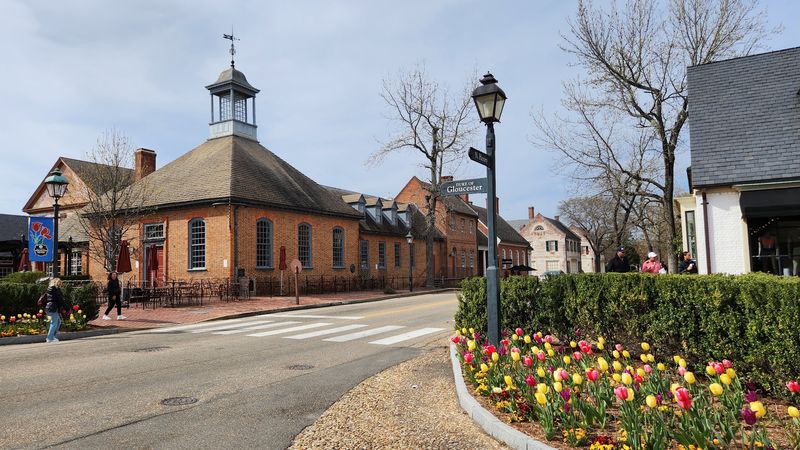
Start with a map, because this city sits in a very handy spot. Williamsburg, Virginia, USA, lies on the peninsula between the James River and the York River in the eastern part of the state.
It is roughly an hour from Richmond and less than an hour from Norfolk and Virginia Beach. Interstate 64 runs right past town, so the drive is simple for most road trippers.
The city is small, but its story is huge. From 1699 to 1780, it served as the capital of the Virginia Colony, the largest of the British colonies in America.
That role brought lawmakers, merchants, students, and craftspeople to its streets. Many of the debates that pushed the colonies toward independence happened here.
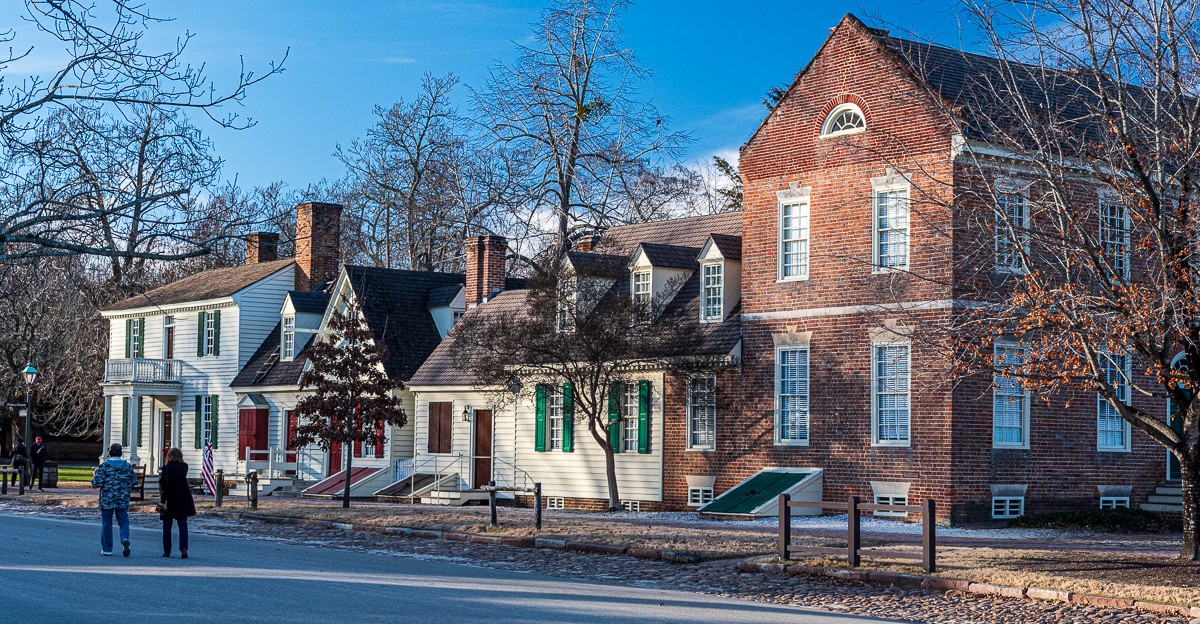
Today, the heart of town is Colonial Williamsburg, a large historic district and living-history museum. It covers hundreds of acres and includes many restored and rebuilt buildings.
Getting here is the easy part. Deciding where to start once you arrive is the real challenge, so the next sections will help sort that out.
A Town That Refused To Forget
Back in the 1920s, much of the old colonial capital looked tired and forgotten. The capital had moved to Richmond in 1780, and the town slowly faded.
Then a local minister named W.A.R. Goodwin had a big idea.
He wanted to bring the colonial town back to life.
He found a powerful partner in John D. Rockefeller Jr., who agreed to fund the work.
Together, they launched one of the largest restoration projects in American history.
Crews studied old maps, records, and building foundations. Some original structures were repaired, while others were rebuilt on their first sites using careful research.
The result is the Colonial Williamsburg you can explore today. It is run by the Colonial Williamsburg Foundation, which still studies and protects the area.
Here is a fun bit to share on the drive home. Dozens of the buildings in the historic area are original eighteenth century structures, not copies.
That mix of old and rebuilt helps explain why the district feels so complete, and it sets the stage for the people who keep it running.
Meet The Neighbors From 1775
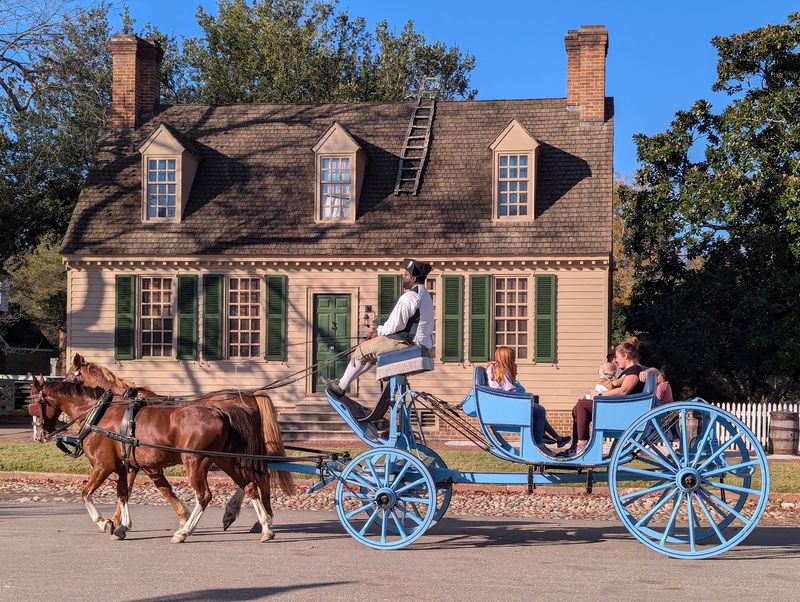
Ask a man in a tricorn hat about his phone, and you may get a very puzzled look. That is part of the fun in Colonial Williamsburg.
Costumed interpreters fill the streets, shops, and homes. They play shopkeepers, servants, soldiers, lawmakers, and everyday townspeople from the colonial era.
Some portray real historical figures. Characters based on leaders such as Thomas Jefferson and Patrick Henry sometimes give speeches or answer questions from the crowd.
The best part is that guests can join the conversation. Kids especially love asking questions and seeing how the actors stay in character.
These programs also share harder parts of the story. Interpreters talk about enslaved people, who made up about half of the town population in the 1770s, and about American Indian nations tied to the region.
A smart tip is to grab a daily schedule when you arrive. Programs change by day and season, so planning ahead helps you catch the talks you care about most.
Before long, the past starts feeling less like a lesson and more like a chat.
Power Plays At The Capitol
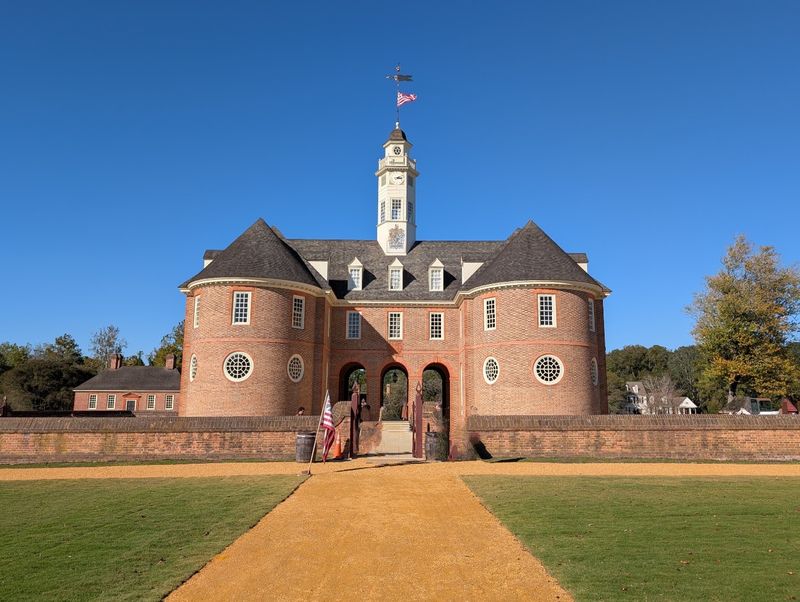
Big decisions once came out of a brick building at the east end of Duke of Gloucester Street. The Capitol was where colonial lawmakers met in the House of Burgesses.
Famous names served here, including George Washington, Thomas Jefferson, and Patrick Henry. In 1765, Patrick Henry spoke out against the Stamp Act in this setting.
Later, in May 1776, the Virginia Convention met here and voted for a resolution calling for independence. That vote helped move the Continental Congress toward the Declaration of Independence.
The building you see today is a reconstruction. The original Capitol burned, and so did the second one, so the current version follows the first design from the early 1700s.
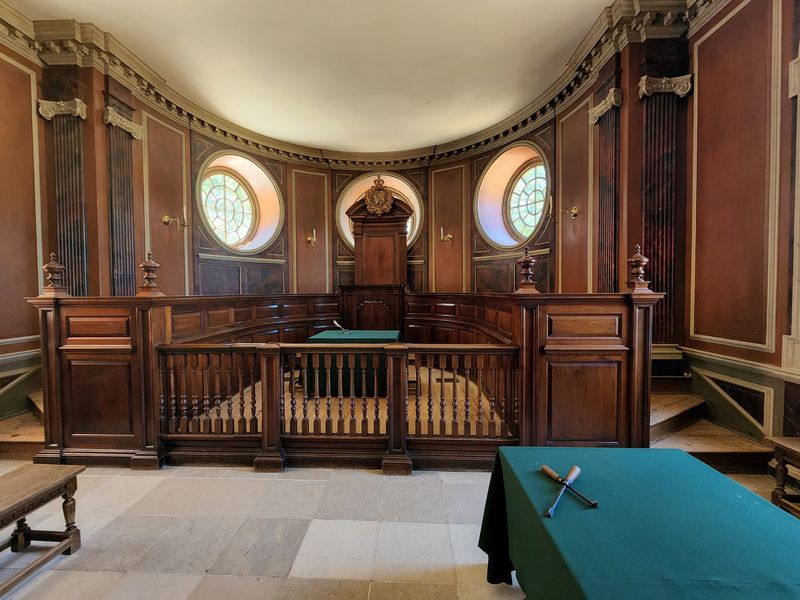
Guided tours walk guests through the meeting rooms and courtroom. Guides explain how laws were made and how trials worked in colonial times.
Plan for this stop early in your trip. It gives helpful background for nearly everything else in town.
Once you know what happened inside, the rest of the street makes a lot more sense.
Fit For A Royal Governor
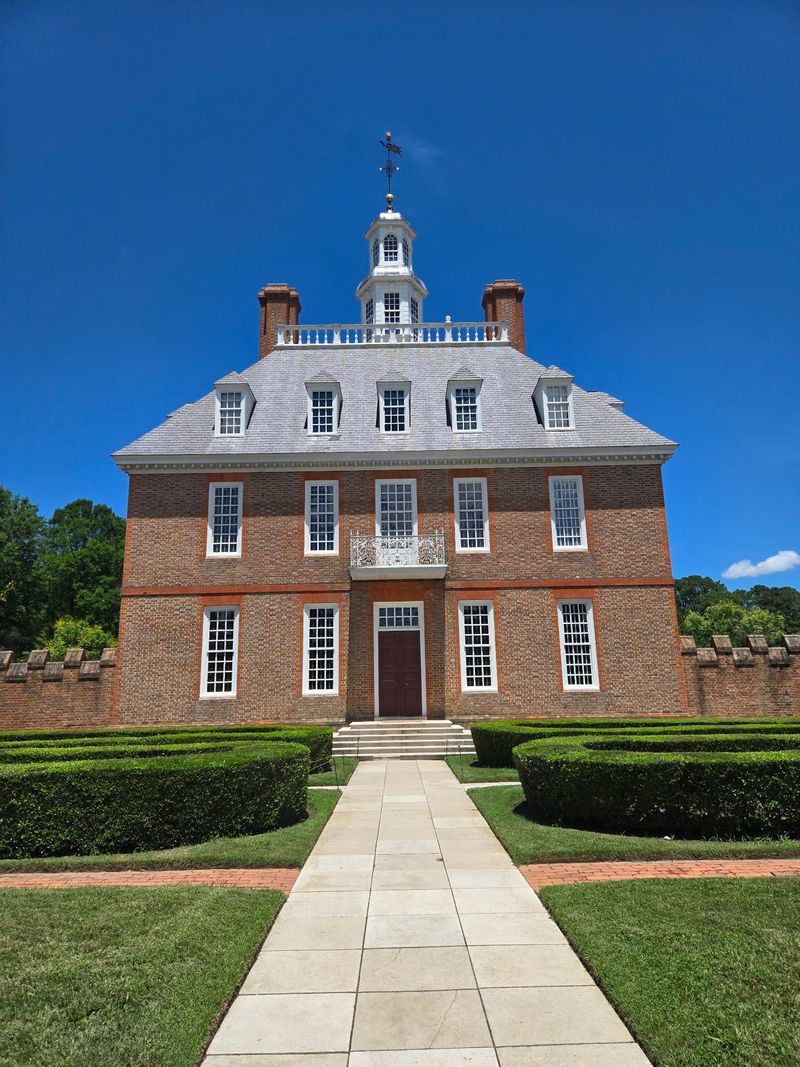
Royal style still shows at the north end of the Palace Green. The Governor’s Palace was home to the royal governors who ran the Virginia Colony for the British Crown.
After independence, it also housed the first two governors of the Commonwealth of Virginia. Those were Patrick Henry and Thomas Jefferson.
The original palace burned in 1781. The building standing today was reconstructed in the 1930s using old drawings, records, and archaeological work.
Inside, the entrance hall is famous for its walls of displayed weapons. The arrangement was meant to show the power of the king.
Out back, the formal gardens are worth extra time. Neat paths, trimmed hedges, and a maze give families a fun place to explore.
Tours are guided, so check the schedule for entry times. Comfortable shoes help, since the grounds and the walk up the Palace Green add up quickly.
For anyone curious about how the powerful lived in the 1700s, this stop offers plenty to talk about long after the tour ends.
Hammers, Hats, And Handmade Everything
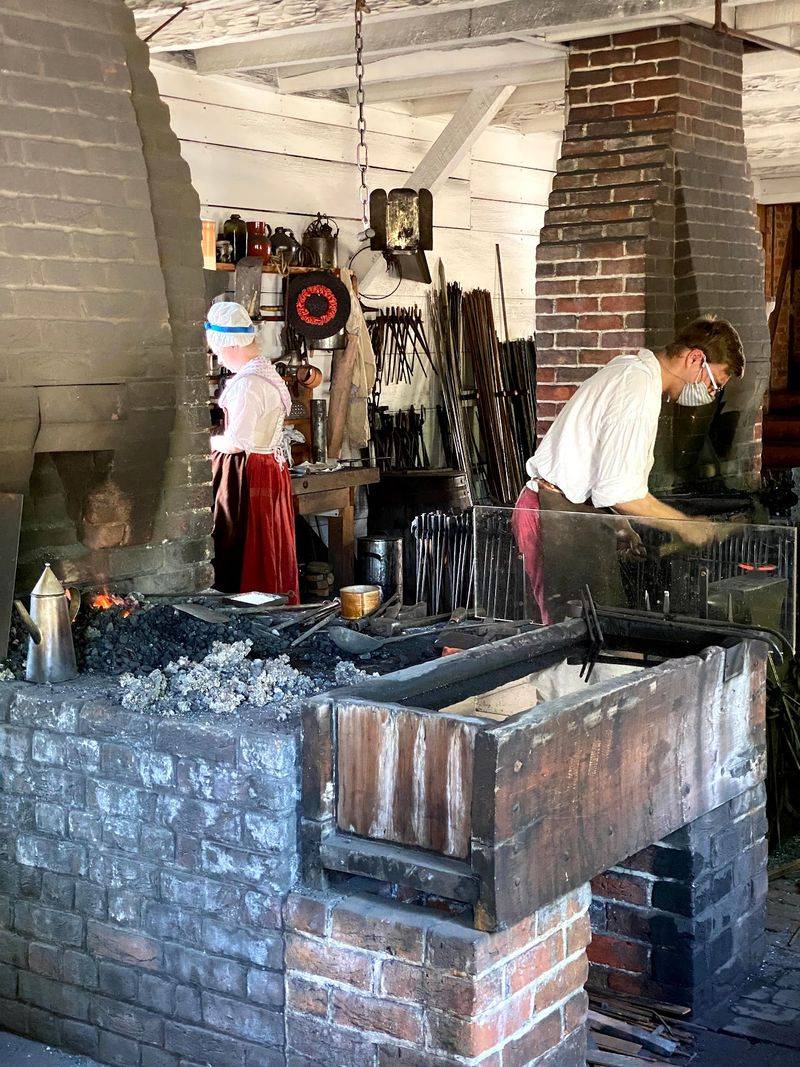
Long before big box stores, almost everything a town needed was made by hand. Colonial Williamsburg keeps those skills alive in its historic trade shops.
Tradespeople work as blacksmiths, coopers, wheelwrights, shoemakers, printers, weavers, and more. Many go through years of apprentice training to learn the old methods.
Guests can watch the work happen and ask questions along the way. It is a great chance to see how barrels, wheels, and tools were made in the 1700s.
The things they make often get used around the historic area. Some items go into repairs and projects across the district.
Families with kids will find these shops very hands-on in spirit. Young guests often learn more watching a cooper shape a barrel than reading about it.
A quick tip helps here. Shop hours vary, so check which trades are open on your day.
Leave room in your plans to linger. These workshops have a way of turning a quick peek into a full half hour of curious questions.
The Street With All The Stories
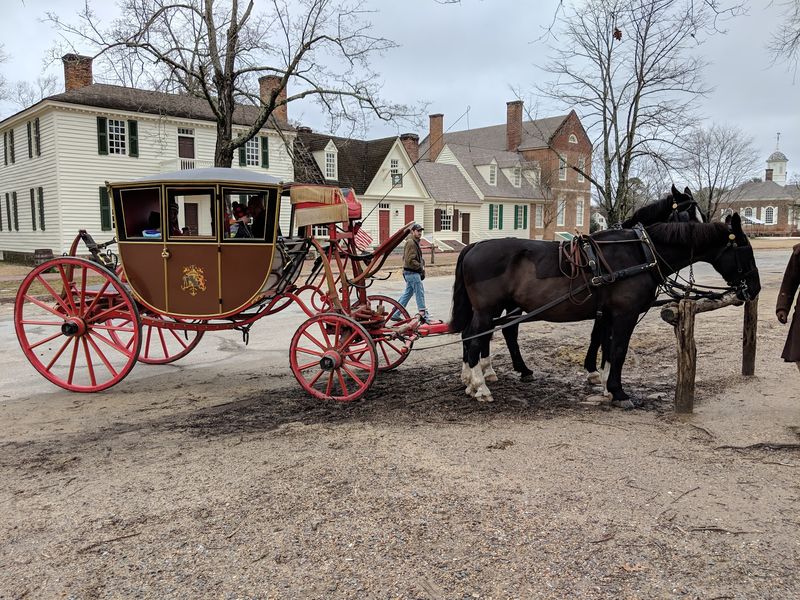
Nearly a mile long, Duke of Gloucester Street works like the main hallway of the historic area. It links the Capitol on one end with the College of William and Mary on the other.
Locals simply call it DoG Street. Cars are kept out of the historic section, which makes it easy for strolling.
Along the way, you will find taverns, shops, homes, and public buildings. Horse-drawn carriages sometimes roll past, and fife and drum players may march by.
Here is a nice bonus. Walking the street itself is free, so you can explore the outside of many buildings without a ticket.
Tickets are needed to enter most of the historic sites and programs. Many people walk the street first, then decide which buildings they want to tour.
Merchants Square sits at the west end near the college. It offers modern shops and places to eat in a colonial-style setting.
Give this street an unhurried afternoon, and it will reward you with something new on nearly every block.
Classrooms Older Than The Country
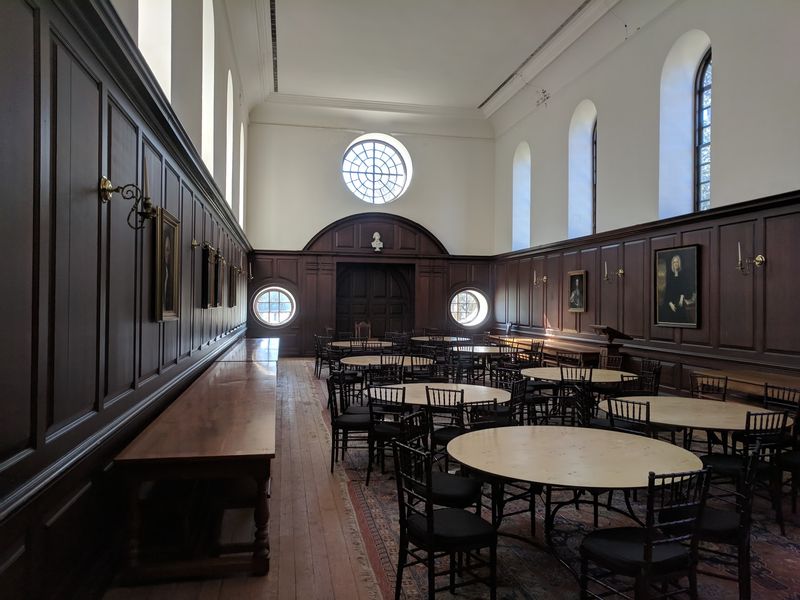
Founded in 1693, the College of William and Mary is the second-oldest college in the United States. Only Harvard is older.
The school received its royal charter from King William III and Queen Mary II. That is how it got its name.
Its Wren Building is the oldest academic building still standing in the country. Classes are still held there, which is a pretty impressive streak.
Several famous Americans studied at the college. Thomas Jefferson, James Monroe, and John Tyler are among its well-known alumni.
The campus sits right at the west end of Duke of Gloucester Street. Guests can walk over easily after exploring the historic area.
The Sunken Garden and the historic campus grounds make for a calm walk. Students give the area a lively, modern energy that blends with the old brick buildings.
Check the college website for tour details before visiting. A stroll here adds a fresh angle to the town, since it shows history and learning still sharing the same address.
Art That Pairs With The Past
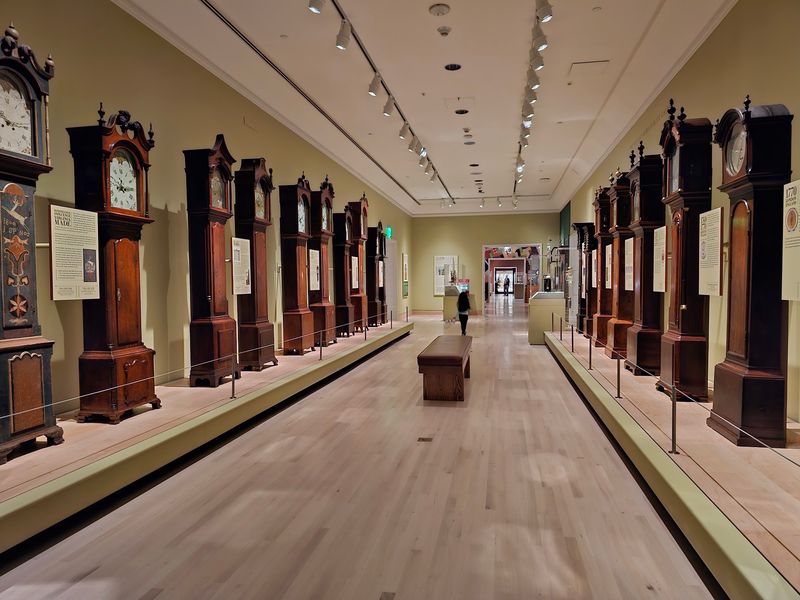
Rainy day plans are covered in this town. The Art Museums of Colonial Williamsburg bring two collections together under one roof.
One is the Abby Aldrich Rockefeller Folk Art Museum. It holds a large collection of American folk art, including paintings, quilts, carvings, and toys.
The other is the DeWitt Wallace Decorative Arts Museum. It focuses on furniture, silver, ceramics, and other objects from Britain and early America.
The museums went through a major expansion that opened in 2020. The update added more gallery space and a new entrance facing Nassau Street.
Many exhibits connect directly to the stories told in the historic area. Seeing real objects from the era helps explain how people lived and worked.
Admission is often included with Colonial Williamsburg tickets. Double check current details before you go, since policies can change.
A museum stop makes a smart break in the middle of a busy day. It is also a good chance to slow down before heading back out into the streets.
Three Corners, One Big Story
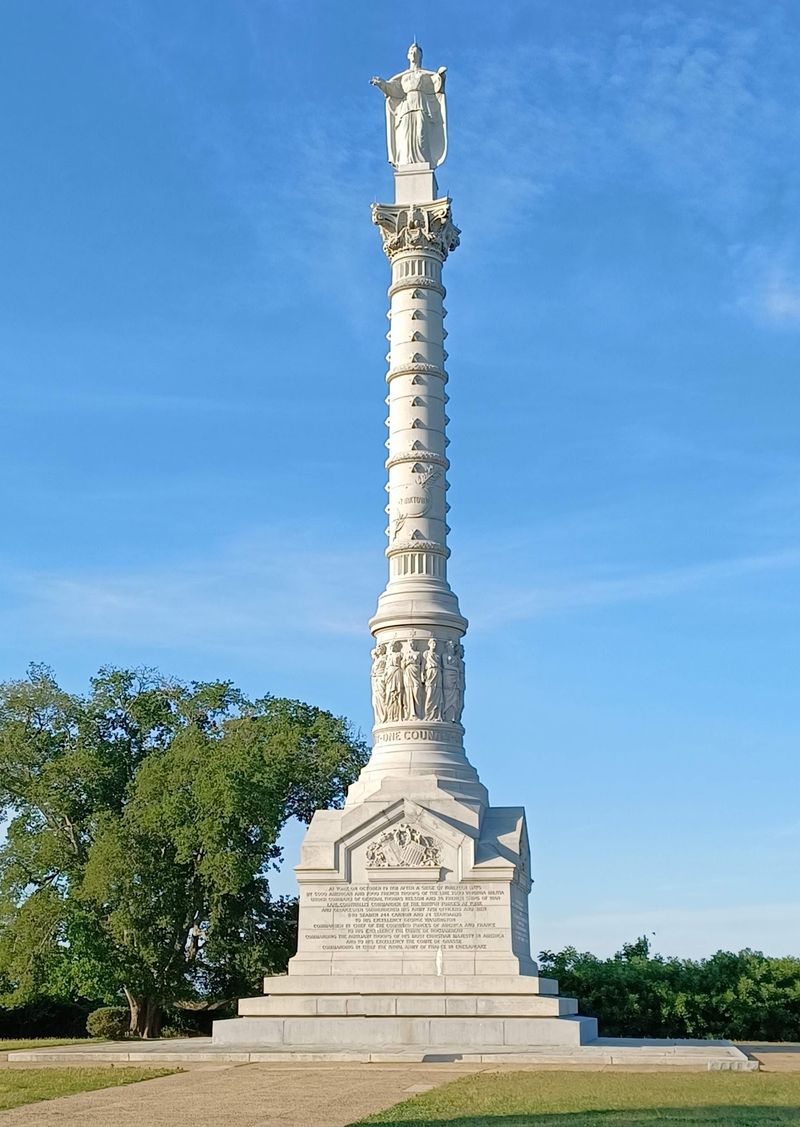
History buffs call this area the Historic Triangle for good reason. Williamsburg sits between Jamestown and Yorktown, two sites tied to huge moments in American history.
Jamestown was founded in 1607 as the first permanent English settlement in North America. Yorktown is where the British surrender in 1781 helped end the major fighting of the Revolutionary War.
So in one short trip, you can see where English colonial life began, how the colony grew, and where independence was secured.
The Colonial Parkway connects all three spots. This scenic road runs about 23 miles and is managed by the National Park Service.
The parkway has no commercial signs along its route. That keeps the drive calm and focused on the river views and woods.
Many people spend one day in each corner of the triangle. Others pick favorites if time is short.
Either way, using Williamsburg as a home base makes great sense. It sits right in the middle, so every part of the story stays close by.
Thrills Beyond The Tricorn Hats
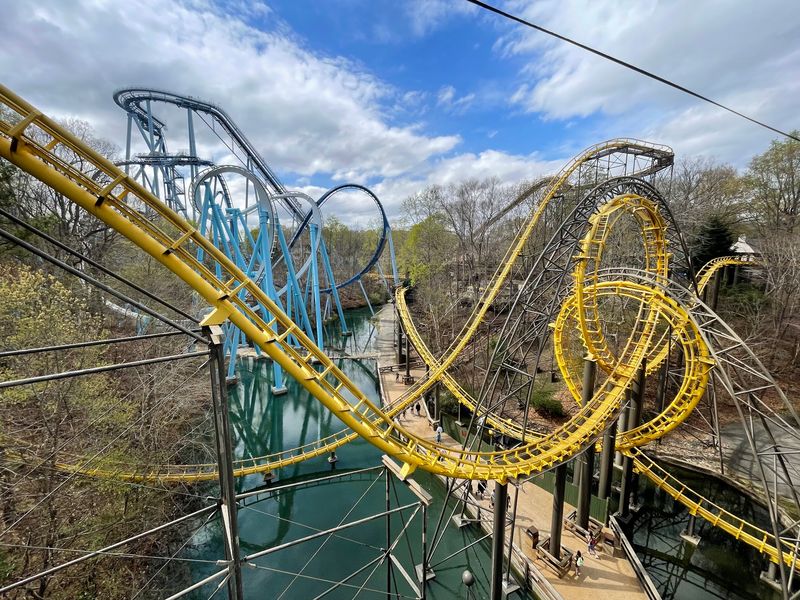
Not every family member gets excited about colonial lawmaking, and that is okay. Williamsburg has plenty of modern fun too.
Busch Gardens Williamsburg is a theme park with European-themed areas, roller coasters, shows, and seasonal events. It has often been praised as one of the most beautiful theme parks in the country.
Water Country USA is another favorite in the warmer months. It is known as one of the largest water parks in the Mid-Atlantic region.
Great Wolf Lodge offers an indoor water park, which is handy when the weather does not cooperate.
Golf fans have choices as well. The Golden Horseshoe Golf Club is part of the Colonial Williamsburg resort area.
Shoppers can head to Williamsburg Premium Outlets for brand-name stores. It makes a fun stop for anyone hunting for deals.
Mixing history with these attractions keeps everyone happy. A morning on DoG Street and an afternoon on a coaster makes for a day with something for every age.
Timing Your Trip Just Right
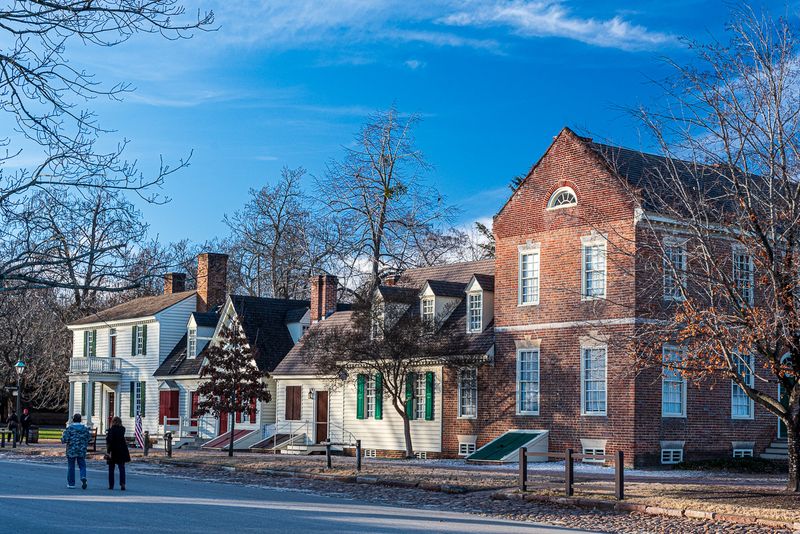
Smart planning can make a good visit even better. Spring and fall are popular because the weather is usually mild for walking.
Summer brings warm, humid days and bigger crowds. Families often visit then, so arriving early helps you beat the busiest hours.
The holiday season is a special time in Colonial Williamsburg. Doors across the historic area are decorated with natural wreaths made from fruit, greenery, and other items.
The Grand Illumination event usually kicks off the season in early December. It draws large crowds, so book lodging well ahead if you plan to attend.
Plan at least two or three days for the historic area alone. Add more time if you want to see Jamestown, Yorktown, or the theme parks.
Free parking is available at the Colonial Williamsburg Regional Visitor Center. Shuttles run to the historic area, which saves the stress of finding a spot downtown.
Pick your season, pack good shoes, and let the town set the pace. Its cobblestone charm makes it clear why so many people keep coming back.