One small town in this list holds a museum about the night a sheriff hid in a rail car to wait out a storm? Nope.
Better: one of these villages has a historic square where the first state marker honors Texas soldiers who fought on both sides of the same conflict, and another sits beside a river once used by wagon trains.
I love that tiny towns can hold such big stories. Old courthouses, stone homes, and creaky general stores still stand in Texas, often just a short drive off the highway.
Fall is the sweet spot for a visit. The heat backs off, the trees start turning, and long walks feel easy again.
So which village gets your first weekend? I have a feeling you’ll want more than one.
Fredericksburg
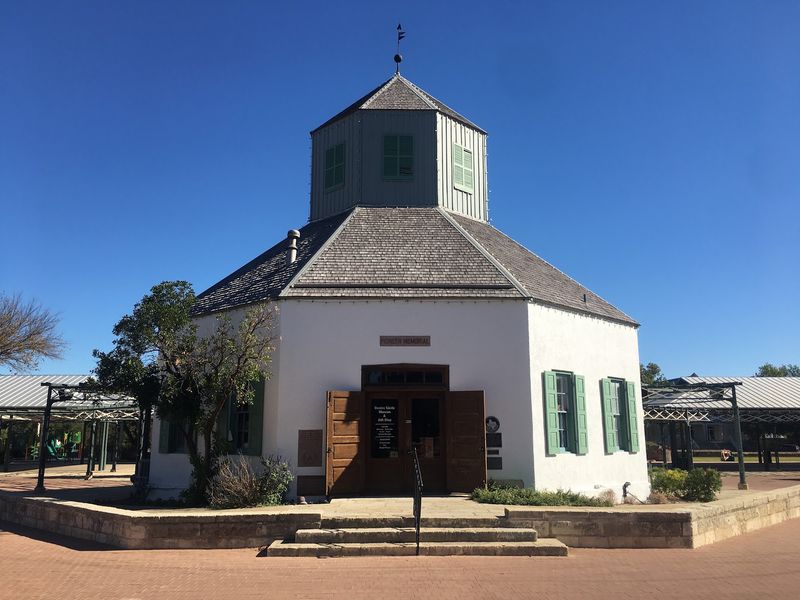
German settlers founded this Hill Country town in 1846, and their stone handiwork still lines the streets. You can spot old Sunday houses, small homes farm families once used on weekend trips to town.
Start at the Marktplatz, where the Vereins Kirche replica stands with its eight-sided shape. The original served as a church, school, and meeting hall for early settlers.
Next, swing by the Pioneer Museum on Main Street. It covers several acres and includes historic homes, a log cabin, and a smokehouse you can explore.
History buffs should save time for the National Museum of the Pacific War. Fleet Admiral Chester Nimitz grew up here, and the museum honors his story and World War II service.
Fall is a smart time to visit, since summer heat finally eases. Shops along Main Street keep you busy, though your feet may ask for a break.
Want an easy day trip from here? Enchanted Rock State Natural Area sits about 17 miles north, and that pink granite dome makes a fine hike on a crisp morning.
Gruene
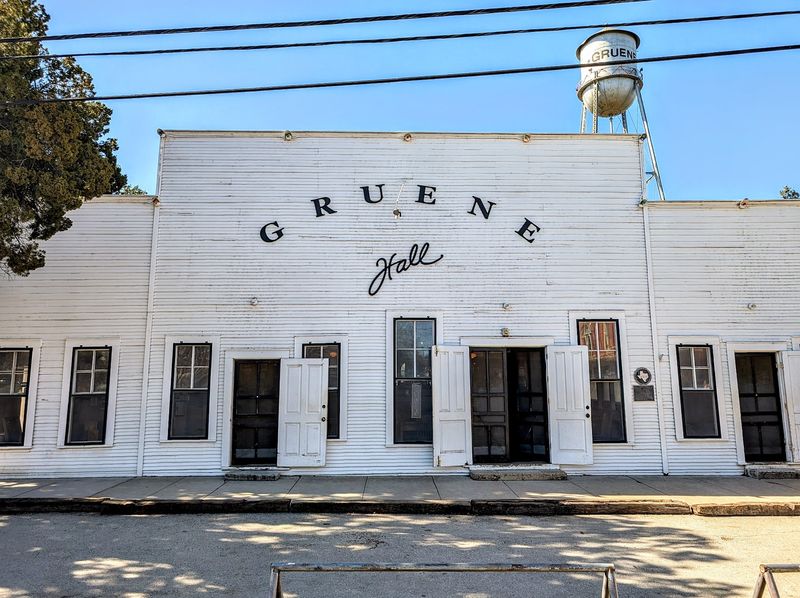
A cotton town that nearly faded away became one of the state’s best-known historic districts. Henry D.
Gruene built much of it in the 1870s, then the boll weevil and the Great Depression hit hard.
Today the Gruene Historic District sits inside New Braunfels and listed on the National Register of Historic Places. Its old buildings now hold shops, restaurants, and music.
Gruene Hall is the star of the show. Built in 1878, it calls itself the oldest continually operating dance hall in Texas.
Big names played that small stage before they got famous. Check the schedule ahead, since shows can fill up fast on weekends.
The Gruene General Store is another fun stop. Stroll the creaky floors, browse candy and gifts, and grab a snack for the walk.
The Guadalupe River runs right nearby, lined with tall cypress trees. Fall brings cooler air, so a riverside stroll feels a lot better than in August.
Plan for a slow afternoon. Gruene is small, but you’ll want to linger.
Castroville
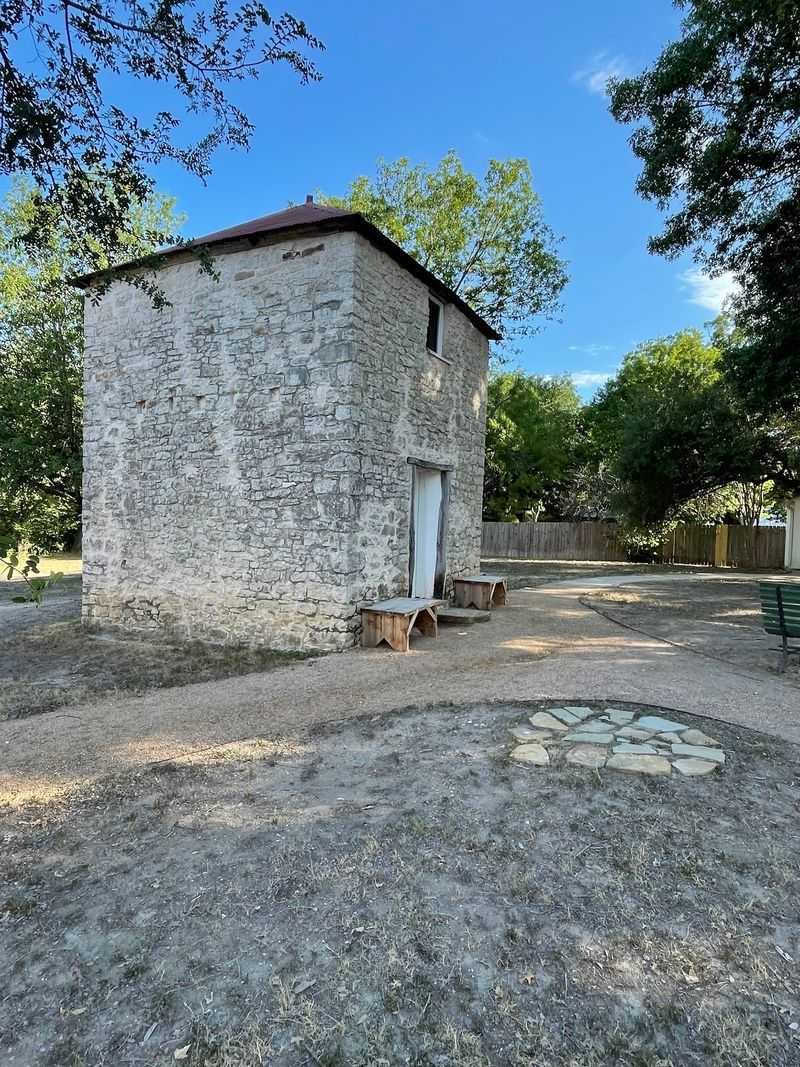
Ever wanted a taste of France without a passport? Castroville earned the nickname Little Alsace of Texas, and the label fits.
Henri Castro brought settlers from the Alsace region of Europe in 1844. They built homes with steep roofs and thick walls, many of which still stand today.
The town holds a large historic district with dozens of old structures. Walking the quiet streets feels like flipping through an old family album.
Don’t skip the Landmark Inn State Historic Site. It includes a historic inn, a gristmill, and a dam along the Medina River.
Guests can even stay overnight in the inn’s rooms. That’s a fun way to sleep inside a piece of history.
Hungry? Haby’s Alsatian Bakery has served pastries and breads for years, and their apple fritters draw a crowd of fans.
Castroville sits just west of San Antonio, so it makes an easy half-day trip. Cooler fall weather makes the long walks between old houses far more pleasant.
Bring comfy shoes and a camera. The steep roofs make great photos.
Jefferson
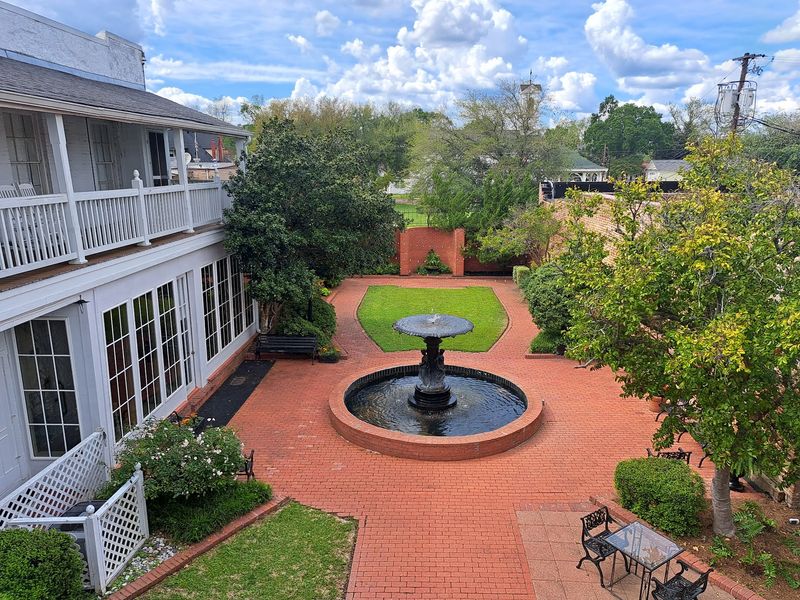
Steamboats once chugged all the way to this East Texas town. In the mid-1800s, Jefferson grew into a busy river port on Big Cypress Bayou.
Then the water level dropped after a huge log jam on the Red River was cleared. Boats could no longer reach town, and the boom slowed down.
That slowdown actually helped preserve a lot of old buildings. Today, Jefferson is packed with historic homes and brick storefronts.
Take a look at the Jay Gould rail car, a private car once owned by the railroad tycoon. It sits across from The Excelsior House Hotel, which dates back to the 1850s.
Bayou boat tours and trolley rides help you catch the history without too much walking. The Jefferson Historical Museum fills an old federal building with local artifacts.
Fall is a lovely time here. The piney woods start showing color, and the air turns crisp.
Bed-and-breakfasts are a big part of the scene, so an overnight stay makes sense. One day may not feel like enough.
Salado
Long before freeways, travelers on the Chisholm Trail passed right through here. Salado sits along a creek that kept people and cattle supplied with water.
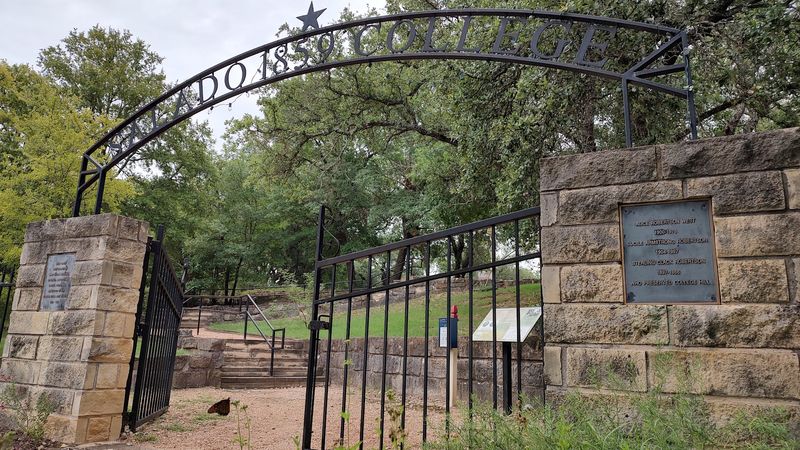
The village grew around Salado College, founded in the 1860s. The ruins of the old college still stand on a hill, and you can wander them.
Main Street has historic buildings filled with galleries and shops. It’s a laid-back place where browsing feels like the whole point.
Salado Creek is the real charmer. Clear water flows over limestone, and Sirena, a mermaid sculpture tied to a local legend, sits in the creek.
The Stagecoach Inn has deep roots here as a stop for travelers. The current inn was renovated and reopened, keeping its long story alive.
Fall is a great season for this village. The Salado Museum shares more about early settlers and the Tonkawa people.
Located between Austin and Waco off Interstate 35, Salado is easy to reach. Still, it feels a world away once you park.
Comfort
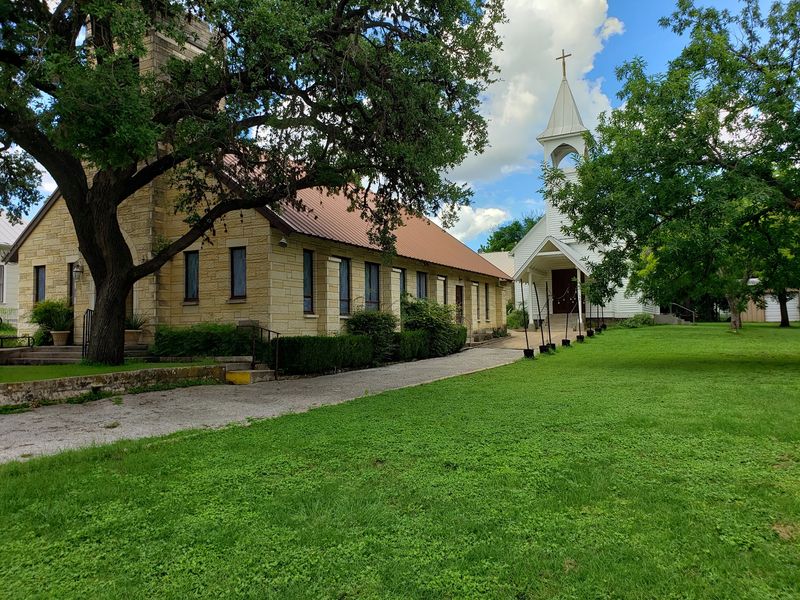
With a name like Comfort, this town basically dares you to relax. German settlers founded it in 1854 near Cypress Creek and the Guadalupe River.
The downtown holds one of the most complete collections of 1800s buildings in the region. Many were designed by architect Alfred Giles.
Here’s a history bit worth knowing. The Treue der Union Monument honors German Texans who sided with the Union during the Civil War.
Dedicated in 1866, it’s often noted as one of the few Union monuments in a former Confederate state. That’s a big story for a small town.
Walking downtown, you’ll find antique shops and small eateries in old stone buildings. The pace stays slow, which is part of the appeal.
Comfort sits about 45 minutes from San Antonio along Interstate 10. That makes it simple to pair with nearby Hill Country towns.
Fall breezes make poking around the old streets far more fun. Just don’t be surprised if you stay longer than planned.
Luckenbach
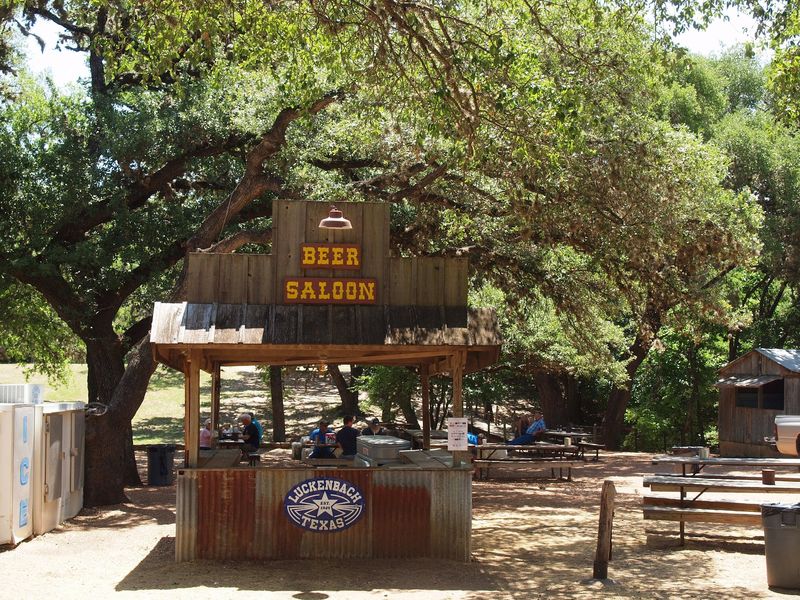
A town with a population you can count on one hand somehow became famous worldwide. A hit country song in 1977 made Luckenbach a household name.
The settlement dates back to the 1800s, when German families farmed the area. A trading post and post office grew into a tiny community hub.
In 1970, humorist Hondo Crouch and partners bought the town. He turned it into a laid-back spot for music and fun.
Today, the old general store still sells souvenirs and serves as a gathering place. Pickers often sit under the oak trees playing guitar.
The dance hall hosts live shows on weekends. Check the schedule ahead so you don’t miss a performance.
Luckenbach sits just a short drive from Fredericksburg. You can easily pair the two in one trip.
Don’t expect fancy anything here. That’s exactly the charm, and the sign out front proudly reads everybody’s somebody in Luckenbach.
Bring a lawn chair attitude and soak up the music. Fall weather makes the outdoor tunes even better.
Round Top
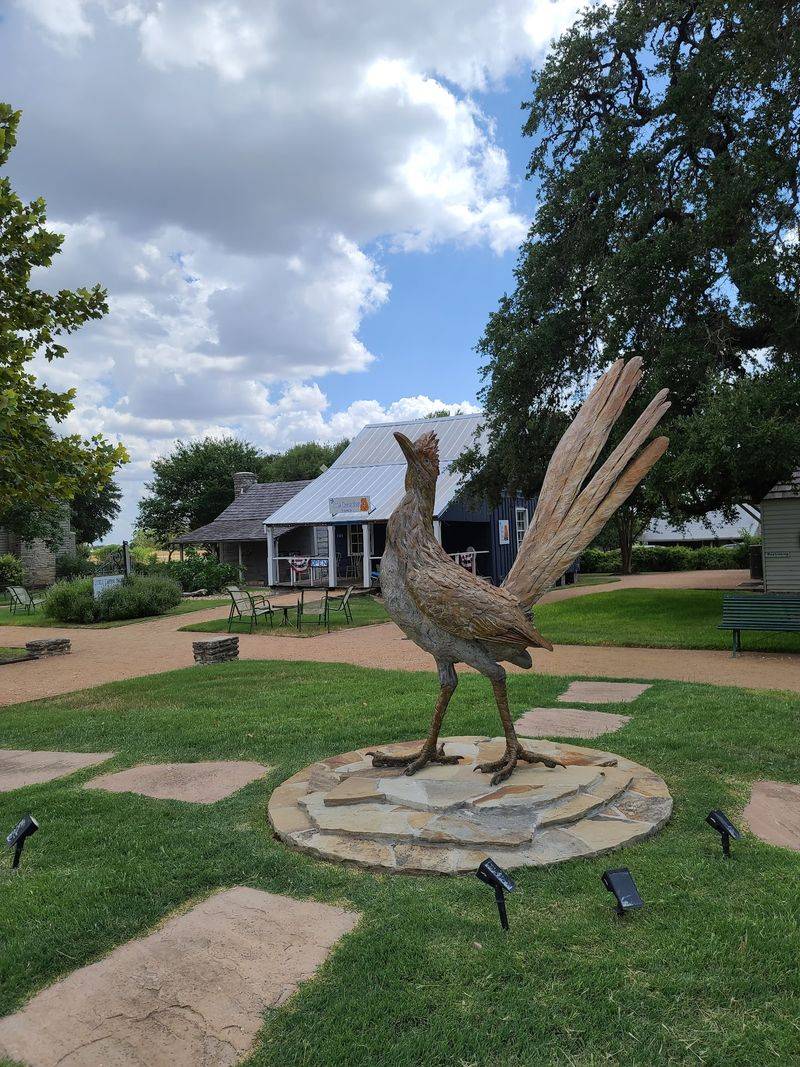
Tiny on paper, huge on personality. Round Top has a small population, yet it draws big crowds a few times each year.
German settlers shaped the area in the 1800s. Stone and wooden buildings from that era still dot the village.
Henkel Square Museum Village shows off historic homes and buildings moved to the site. It’s a neat look at early Texas life.
Music fans should check out Round Top Festival Institute. Pianist James Dick founded it in 1971, and its concert hall hosts classical performances.
The famous Round Top antiques shows bring treasure hunters from across the country. Fall shows usually land in October, so plan ahead for lodging.
Outside show weeks, the village is much quieter. You can stroll the square and browse shops without bumping elbows.
Round Top sits between Austin and Houston in rolling farm country. Autumn brings softer light over the fields.
Grab a slice of pie at Royers Pie Haven, a local favorite. One slice might turn into two.