A tiny river town in Kentucky has elected dogs as its mayor for decades. I love that detail so much, and it is only one of the surprises on this list.
Another stop sits on land where a Mississippian community lived around AD 1100. Two others were home to Shakers, a religious group that lived and worked together for over a century.
These places are not theme parks with fake storefronts. You get real log cabins, old meeting houses, and buildings that survived long after their first residents left.
Fall makes the trip even better. Some sites cut back their hours or close for the season once the weather turns cold.
So the clock is ticking, and I can’t think of a better reason to grab a jacket and hit the road. Which one will you visit first?
Shaker Village of Pleasant Hill
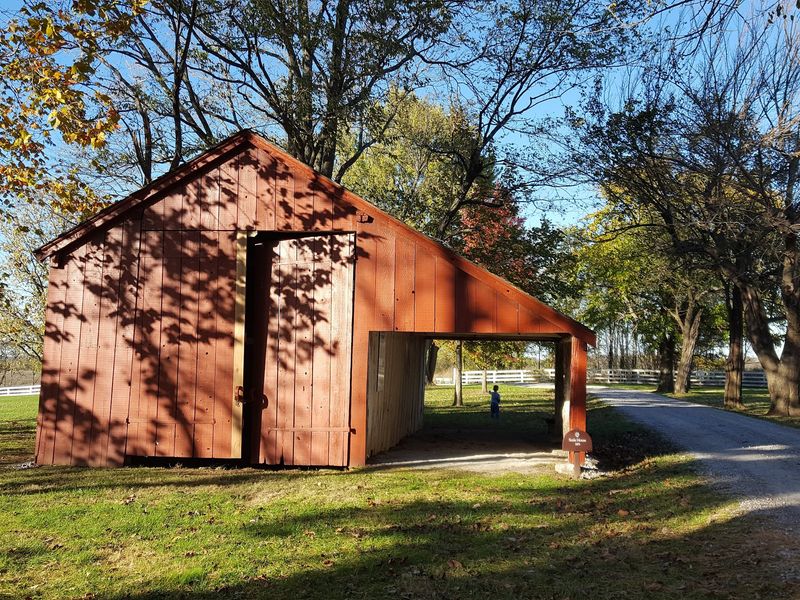
Thirty-four original buildings still stand here, which is a lot of history for one country road. Shakers founded Pleasant Hill in 1805, and it grew into one of the largest Shaker communities in America.
The group stayed active until 1910. That means more than a century of farming, building, and shared living happened on this land.
You can explore Shaker architecture up close and see how simple design could still feel striking. The 1820 Meeting House served as the spiritual center of the community.
Worship services took place inside its walls.
Museum exhibits help explain how the Shakers lived and worked. Then you can head outside to the gardens, farm areas, and walking trails.
Fall is a smart time to go because the countryside here is wide and open. Trails let you stretch your legs between history stops, so it never feels like a stuffy museum day.
Plan for a full visit rather than a quick peek. The site is open Tuesday through Sunday, and admission is required, so check hours before you drive to Kentucky’s Bluegrass region.
South Union Shaker Village
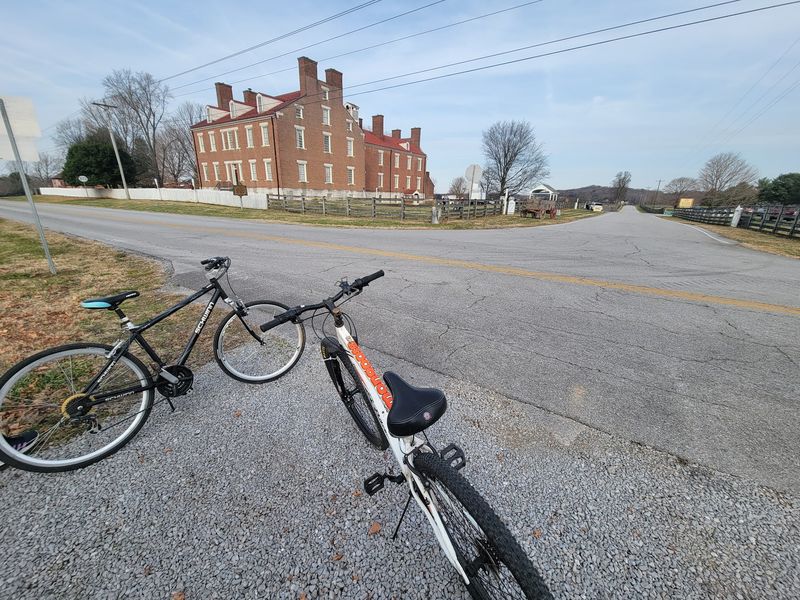
Kentucky had not one but two major Shaker communities, and South Union was the other one. Founded in 1807, it lasted until 1922, longer than its sister village near Harrodsburg.
That staying power makes this stop special. You’re looking at a community that kept going well into the twentieth century.
The Centre House is the star building on the grounds. Inside and around it, museum collections show off original Shaker artifacts and craftsmanship.
Exhibits explain communal Shaker life in plain terms. You’ll learn how members shared work, homes, and daily routines instead of living as separate families.
Want a good tip for history fans? Visit both Shaker villages in one fall season and compare them.
Each tells part of a bigger Kentucky story, and seeing both gives you a fuller picture.
South Union sits in the southern part of the state near Auburn. Hours run Tuesday through Saturday on Central Time, so watch the clock if you’re coming from the east.
Admission is required. Check the schedule before you go, since fall plans can change quickly.
Old Washington Historic Village
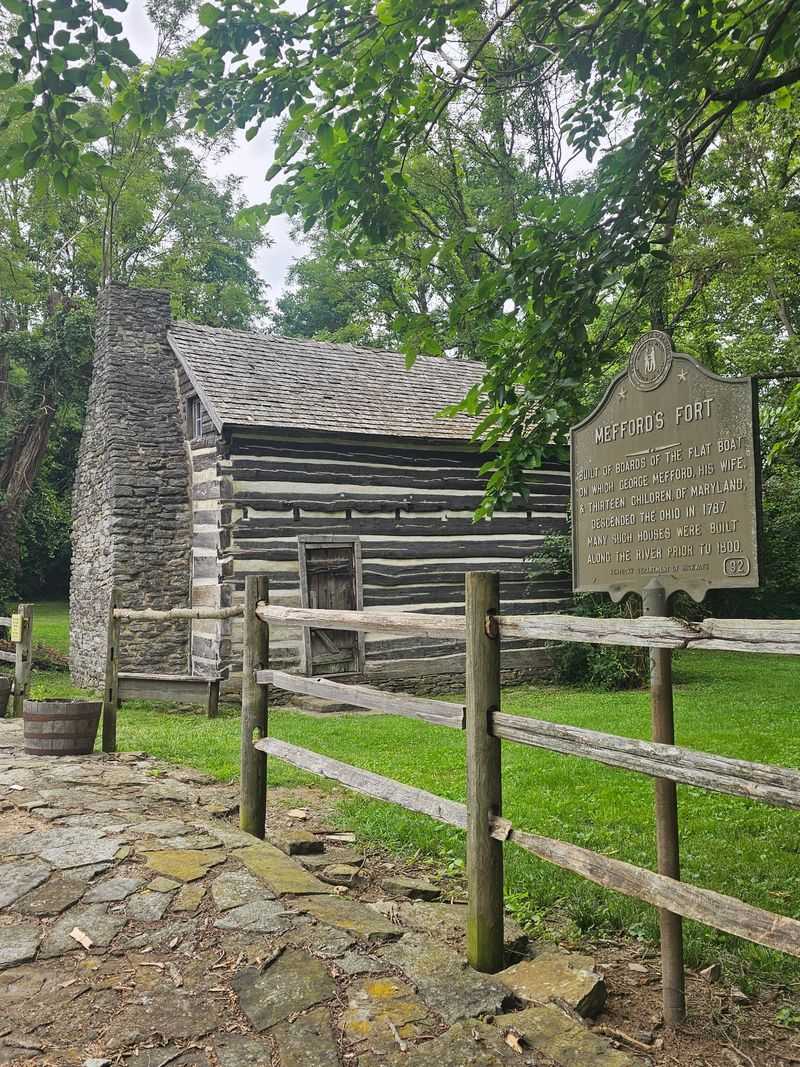
Limestone sidewalks are not something you see every day, but Old Washington still has them. This frontier settlement grew in the late 1700s and became an important stop in early Kentucky.
Today it belongs to the city of Maysville near the Ohio River. Still, the old streets keep their own personality.
Historic log cabins sit alongside homes from the early 1800s. Walking these paths feels like flipping through a history book, except you get fresh air and fall leaves.
Guided tours are the best way to learn the backstory. A guide can point out details you’d likely miss on your own.
Timing matters here more than at most stops. The visitor center runs seasonally from April through November, and tours are offered during that season.
So if you wait until winter, you’ll miss the full experience. Start at the visitor center on Old Main Street, grab your bearings, and let the old homes take it from there.
Bring comfortable shoes. Those historic sidewalks are charming, but they were built long before sneakers.
Rabbit Hash
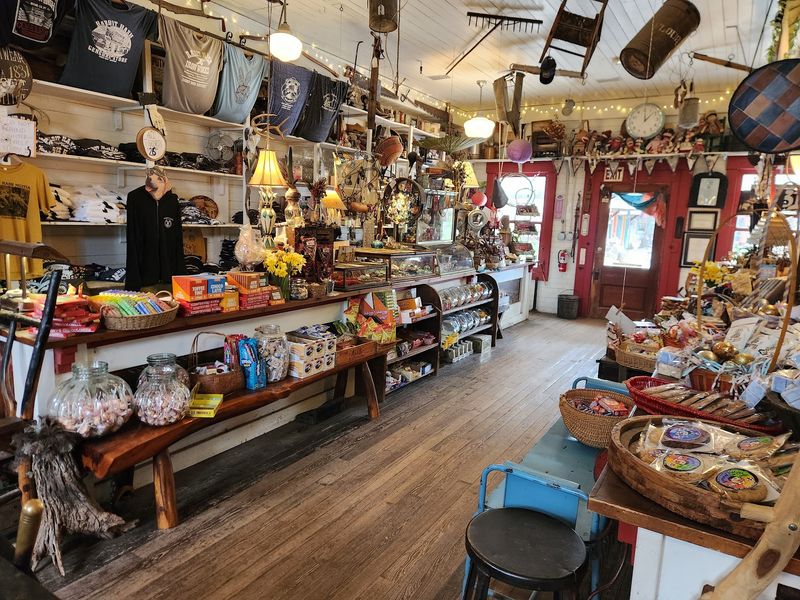
Few towns can brag that a dog holds the top job, but Rabbit Hash can. This riverside hamlet has become famous for electing dogs as its honorary mayor.
Funny name, funny politics, and a lot of real history. The town sits right on the Ohio River in Boone County.
The General Store is the main landmark here. It dates to around 1831, which makes it one of the oldest stores of its kind around.
Inside, you’ll find antiques, local crafts, and plenty of old-time character. The town also has a museum and a few other old buildings worth a look.
Then there’s the river. Ohio River views make this stop a pretty spot for a slow fall afternoon.
The store lists daily hours, but it’s smart to check before you go. Small places sometimes adjust their schedules, especially as the season changes.
Don’t expect a big downtown or a long list of attractions. Rabbit Hash is small, and that’s the whole point.
Address: 10021 Lower River Road, Burlington, KY 41005
Magoffin County Historical Society Pioneer Village
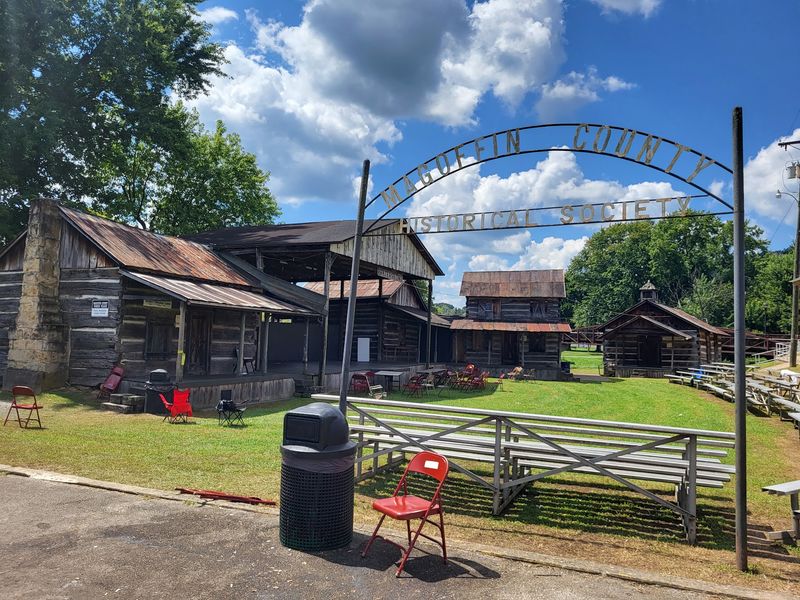
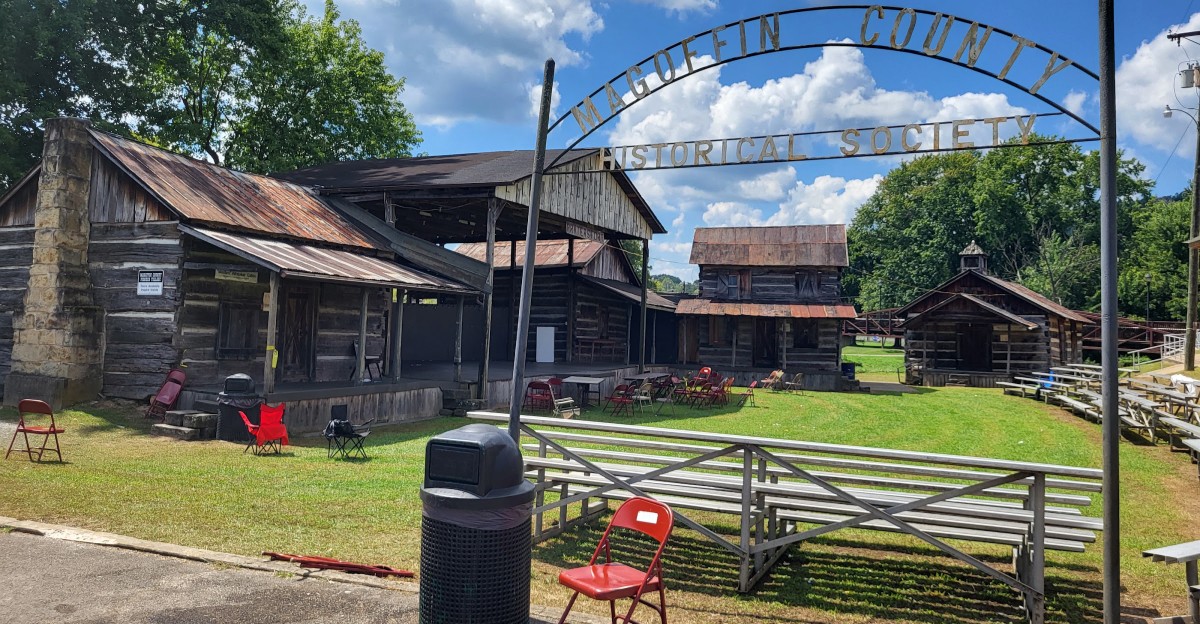
Appalachian history gets a front-row seat in Salyersville. The Magoffin County Historical Society Pioneer Village gathers log structures and pioneer-era buildings into one walkable spot.
The result is a small village that shows how mountain families once lived. It’s simple, honest, and full of local pride.
One building you can look for is the Fletcher-Arnett Cabin. Cabins like this help you picture daily routines in eastern Kentucky long before paved roads.
Local history exhibits add more context. You’ll see how the people of Magoffin County shaped their own corner of the mountains.
Got family roots in the region? The village includes a genealogical library, which could turn a fall drive into a family history hunt.
Published hours run from 9 AM to 4 PM. Since this is a small, community-run site, confirm access before you head out.
This stop pairs well with a scenic mountain drive. Eastern Kentucky’s hills are a treat in autumn, so make the road trip part of the fun.
Goose Creek Salt Works and Pioneer Village
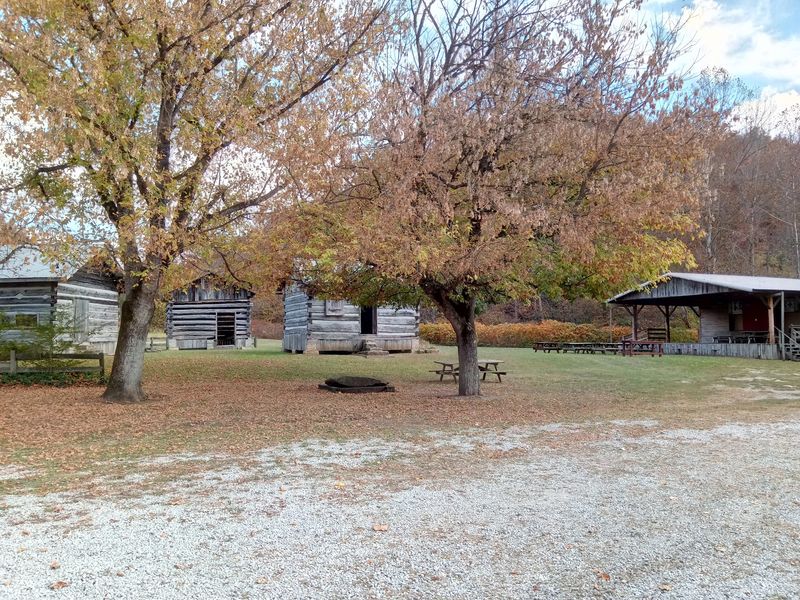
Salt might seem boring until you learn how much it mattered on the frontier. In Manchester, an early salt industry helped shape the whole area.
Goose Creek Salt Works and Pioneer Village tells that story in a small, outdoor setting. It’s history you can walk around instead of just read about.
The village features historic cabins and barns. One highlight is the Jesse Cotton Cabin, a named structure that gives the site a personal touch.
Interpretive signs explain the importance of salt production during the 1800s. People needed salt to preserve food, so this work was a big deal.
There’s also an outdoor event stage on the grounds. That shows the site serves as a community gathering place, not just a museum piece.
Since it’s an outdoor property, fall weather makes a visit more pleasant. Cool air and changing leaves beat a sticky summer afternoon any day.
Check with the City of Manchester before you go. Access arrangements can vary, and a quick call saves a wasted trip into Clay County.
Old Bardstown Colonial Village and Park
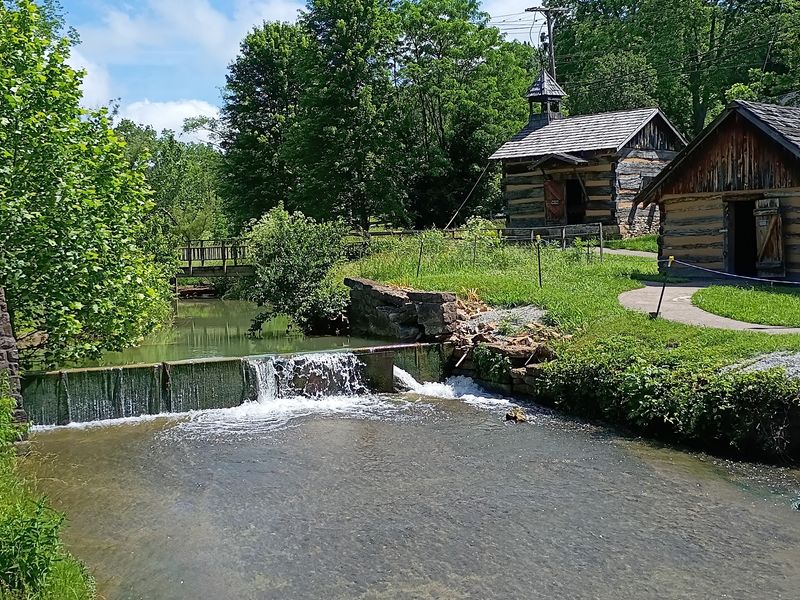
Original log structures fill this recreated 1790s frontier village, so the wood you see has real stories behind it. The buildings date back roughly 150 to 200 years.
Bardstown is already one of the oldest towns in Kentucky. This village lets you see what settlement life looked like in its earliest days.
Wander from cabin to cabin and notice how small the living spaces were. Families made do with very little room, which might make your own home feel huge.
The village sits right next to Civil War museums on the same campus. That means you can jump from frontier days to the 1860s with just a short walk.
Fall timing is key here. In November, the museum campus generally opens on weekends only, so plan around that schedule.
Verify hours before heading out, since seasonal schedules can shift. Weekend visits also let you explore the rest of Bardstown’s historic downtown.
It’s an easy pick for families who want history without a long hike. Short distances and lots to see keep things moving.
Wickliffe Mounds State Historic Site
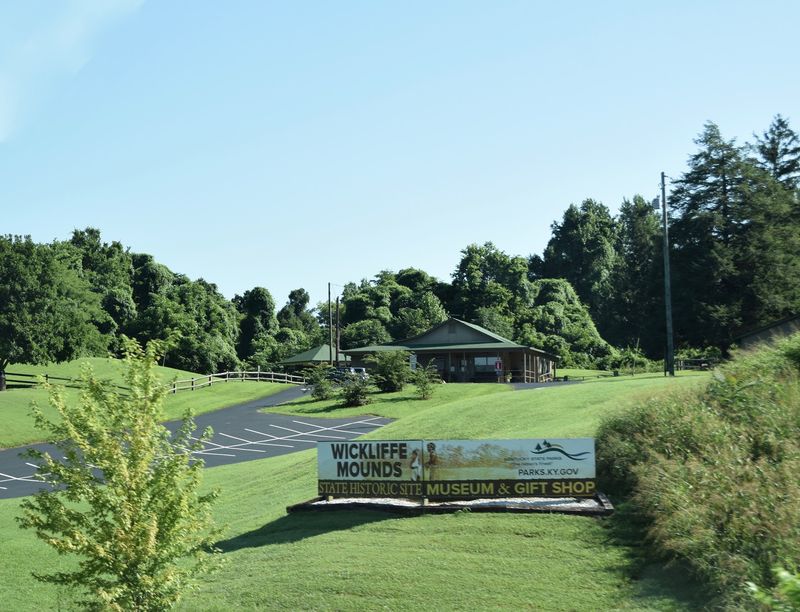
Long before any log cabin went up in Kentucky, a Mississippian village thrived near the Mississippi River. People lived at this spot from around AD 1100 to 1350.
That’s centuries before European settlers arrived. It makes this the oldest village on the list by a huge margin.
The big draw is the ancient earthen mounds. Builders shaped them by hand, and they still rise from the ground today.
Archaeological exhibits and artifacts help explain who lived here. Interpretive displays break down the history so it’s easy to follow, even for younger visitors.
A short walking trail lets you see the grounds at an easy pace. Autumn colors make that stroll even nicer.
Wickliffe sits in far western Kentucky, close to where the Ohio and Mississippi rivers meet. Pair it with a drive along the river for a full fall day.
The site runs on a seasonal schedule. The museum and welcome center list hours of 9 AM to 4:30 PM, but check the calendar first so you don’t miss your chance.