Some of the most famous musicals in American history did not start in New York City. They started in a small river town in Connecticut, inside a tall white building that looks a bit like a wedding cake parked beside the water.
A little orphan with red hair took her first bows here before she became a Broadway legend. So did a dreamy knight chasing windmills.
The building has stood since 1876, and it nearly vanished before a group of locals stepped in to save it. Today it seats only about 400 people, yet its stage has launched shows seen by millions.
Keep reading to learn the story behind this riverside theater, where to sit, how to plan your trip, and a few smart tips that can make your first visit a total hit.
A Riverside Landmark With a Famous Address
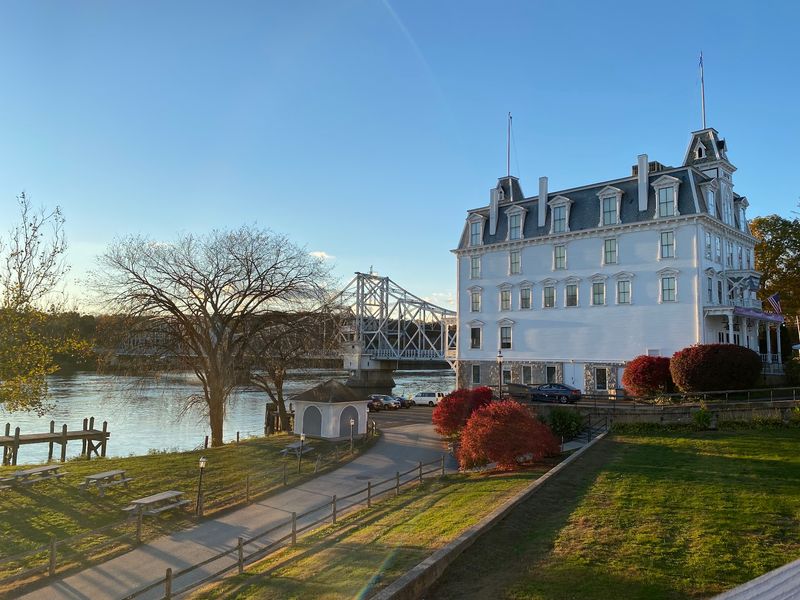
Six stories of Victorian style rise right at the edge of the Connecticut River, and nobody driving past can miss them. The Goodspeed Opera House sits at 6 Main St, East Haddam, CT 06423, in the lower Connecticut River Valley of Connecticut.
The building stands next to the East Haddam Swing Bridge, which crosses the river to the village of Haddam. That spot gives the theater one of the most recognizable settings of any stage in New England.
East Haddam is a small town, so the opera house is easy to find. Main Street is short, and the white building is the tallest thing around.
Here is a handy tip for first timers. Cell service in the area can be spotty, so download your tickets to your phone before you leave home.
The town is quiet, the roads are scenic, and the theater is the clear star of the neighborhood. Plan to arrive early, because the building itself deserves a few minutes of attention before the curtain goes up.
Built by a Merchant With Big Dreams
Back in 1876, a local businessman named William Goodspeed decided his river town needed a grand place for shows. He was a shipping merchant and banker, and he built the opera house right by the water where steamboats stopped.
The building was more than a theater. It also held shops, offices, and space for his steamboat business, which made it a busy hub for the whole town.
Audiences could arrive by boat from places like Hartford and New York, catch a show, and head home. That was big entertainment for a small Connecticut village in the 1800s.
Over time, steamboat travel faded, and the theater lost its spotlight. The building was later used for other purposes, including storage by the state highway department.
By the late 1950s, it was in poor shape and close to being torn down. That near miss sets up one of the best comeback stories in American theater, and the next chapter is a real crowd pleaser.
The Rescue That Saved the Show
Plenty of old buildings get knocked down. This one got a second act.
In the late 1950s, local residents formed the Goodspeed Opera House Foundation to save the old theater. They raised money, made repairs, and worked to bring the building back to its Victorian look.
The restored opera house reopened in 1963. From that moment on, it had a clear new mission focused on musical theater.
The group that runs it today is known as Goodspeed Musicals. It produces revivals of classic shows and develops brand new musicals that may one day head to bigger stages.
The restoration work still shows throughout the building. The interior has been kept close to its original style, with period details that make the space feel like a time capsule from the 1800s.
So the next time someone says one small group cannot change much, point them toward East Haddam. A few determined neighbors turned a forgotten storage space into a national theater name, and that is a plot twist worth applauding.
From East Haddam to the Great White Way
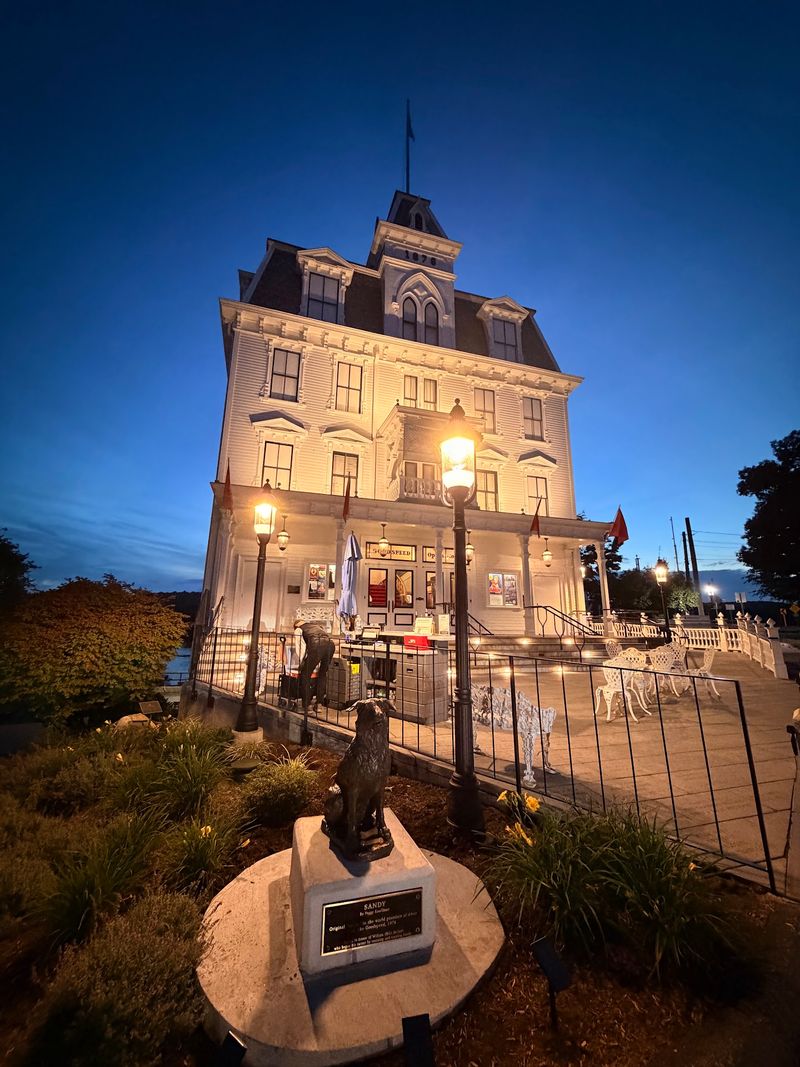
Here is a fun bit of trivia for your next game night. The musical Annie premiered at this opera house in 1976 before moving to Broadway, where it became a giant hit.
It was not alone. Man of La Mancha opened here in 1965, and Shenandoah followed in 1974, and both went on to Broadway success.
In total, 21 shows have traveled from this small stage to Broadway. That is a remarkable record for a theater that seats only a few hundred people.
Many of those shows went on to earn major awards. Some became regular favorites at schools and community theaters across the country.
The secret is the theater’s focus on new work and fresh takes on older musicals. Writers and producers use the stage to test ideas and polish their shows.
That means every season could include the next big Broadway story. Buying a ticket here might give you bragging rights years later, when a show you saw in Connecticut lights up a New York marquee.
Small Room, Big Talent
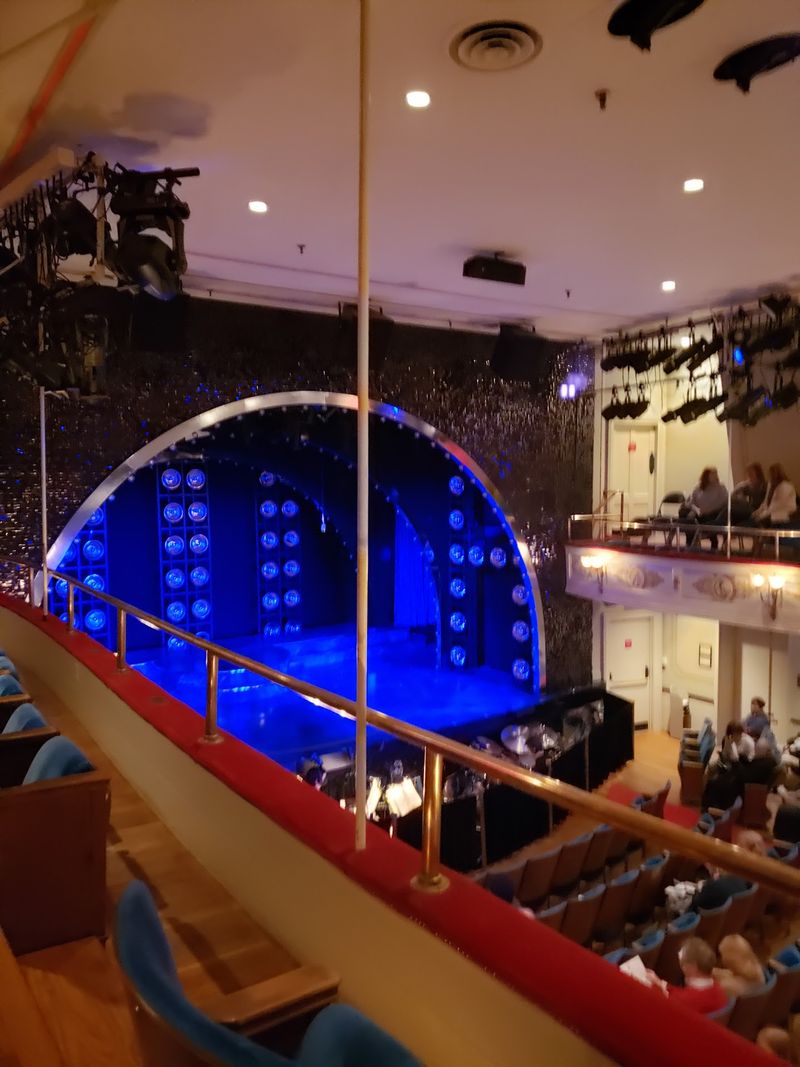
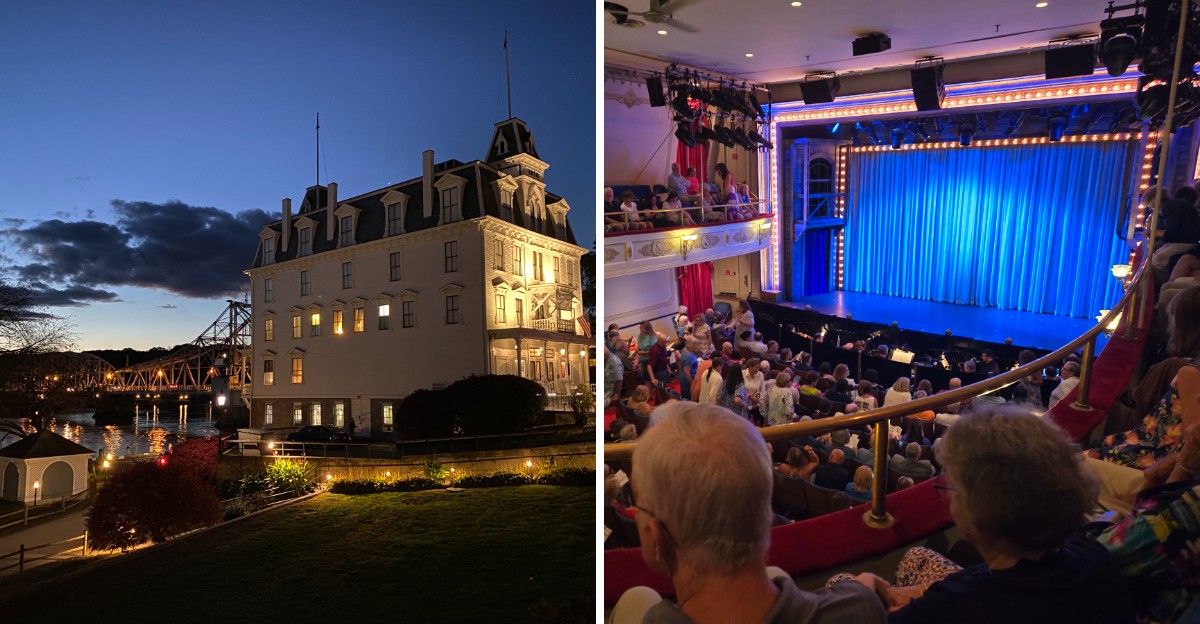
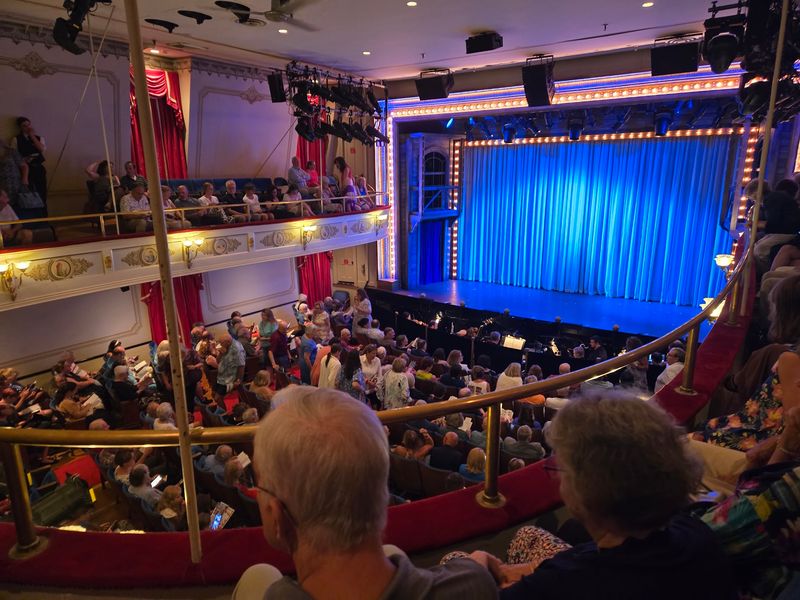
About 400 seats fill the auditorium, and that small size is a big part of the fun. Even the balcony puts audiences fairly close to the actors.
The stage is a classic proscenium, framed by an arch in the old style. Almost every seat offers a solid view, which is a rare thing to say about any theater.
The casts are often packed with seasoned professionals, including performers with Broadway credits. Live music comes from a small orchestra, sized to fit the cozy room.
Productions mix brand new musicals with well loved classics. Recent seasons have included Crazy For You, Jesus Christ Superstar, Annie, and a new musical called The Snow Goose, which used puppetry and inventive stagework.
The close quarters make the performances feel personal. You can follow every facial expression and dance step without squinting.
For families or first time theatergoers, this setup is a great way to start. It shows what live musical theater can be without the crowds of a giant city venue.
Smart Seating Tips Before You Book
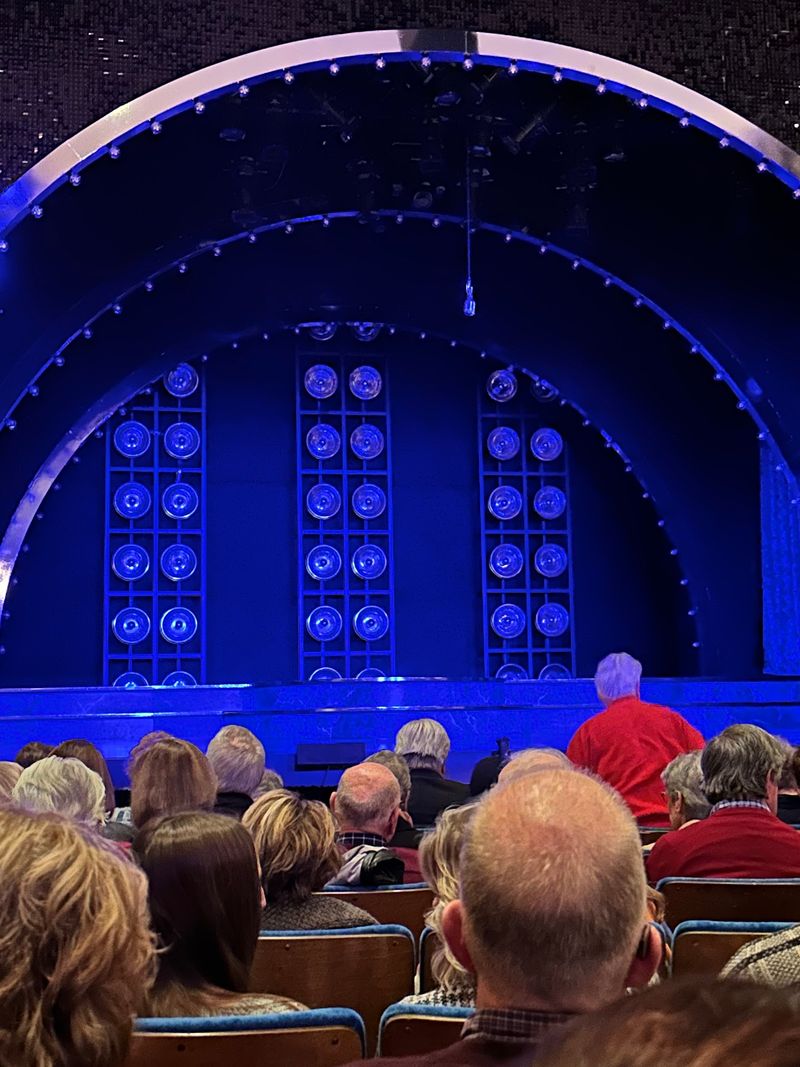
Old buildings come with charm, and they also come with a few quirks. Knowing them ahead of time makes for a smoother night.
The stairs to the mezzanine and balcony are narrow and fit one person at a time. Anyone who has trouble with steps may want to choose orchestra seating.
Rows are tight, and some balcony spots may need a slight turn of the body for the best view. Squeezing past neighbors is part of the routine, so give yourself extra time to settle in.
Restrooms are limited, especially for women, and lines can grow at intermission. A quick stop before the show is a wise move.
On the bright side, the theater is clean and well kept, and the ushers are helpful. Temperature and air flow are well managed, which keeps things comfortable.
A little planning goes a long way here. Pick your seat with your needs in mind, and the building’s history will feel like a bonus instead of a hurdle.
Parking, Arrival, and That River View
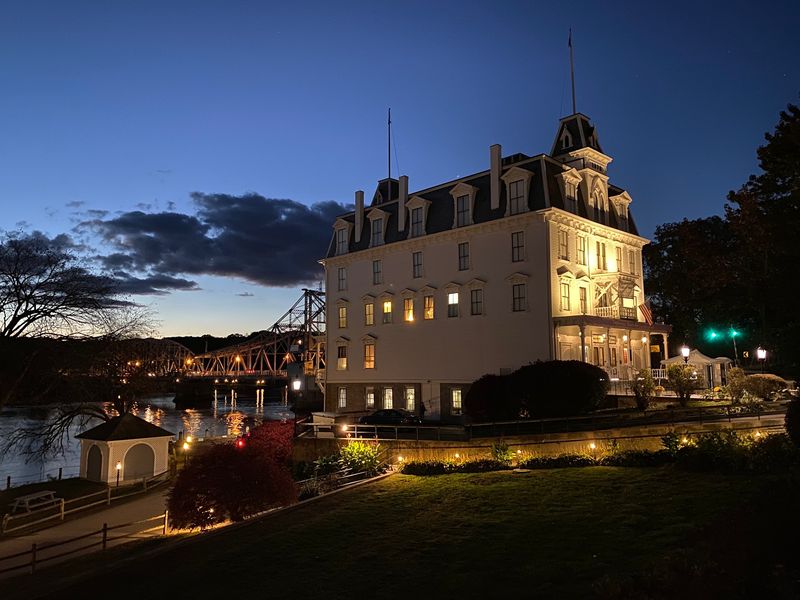
Good news first. Parking is free and plentiful in a large lot just below the theater, with a walkway leading up to the entrance.
Arriving about an hour early is a popular plan. That leaves time to park, find the restrooms, grab a refreshment, and get to your seat without rushing.
Early arrival also means time to enjoy the river views. The porch and outdoor seating look out over the Connecticut River and the nearby swing bridge, and many people say this is one of the best parts of the visit.
On warm days, a refreshment stand outside can be a welcome stop before the show. Snacks and drinks are also available inside.
The grounds are neatly kept, and the building’s exterior is worth a slow walk around. Bring your camera, because the setting is one of the most photographed in the area.
Showing up early turns a simple theater trip into a relaxed outing. The curtain may rise at showtime, but the experience starts the moment you park.
Backstage Secrets on a Guided Tour
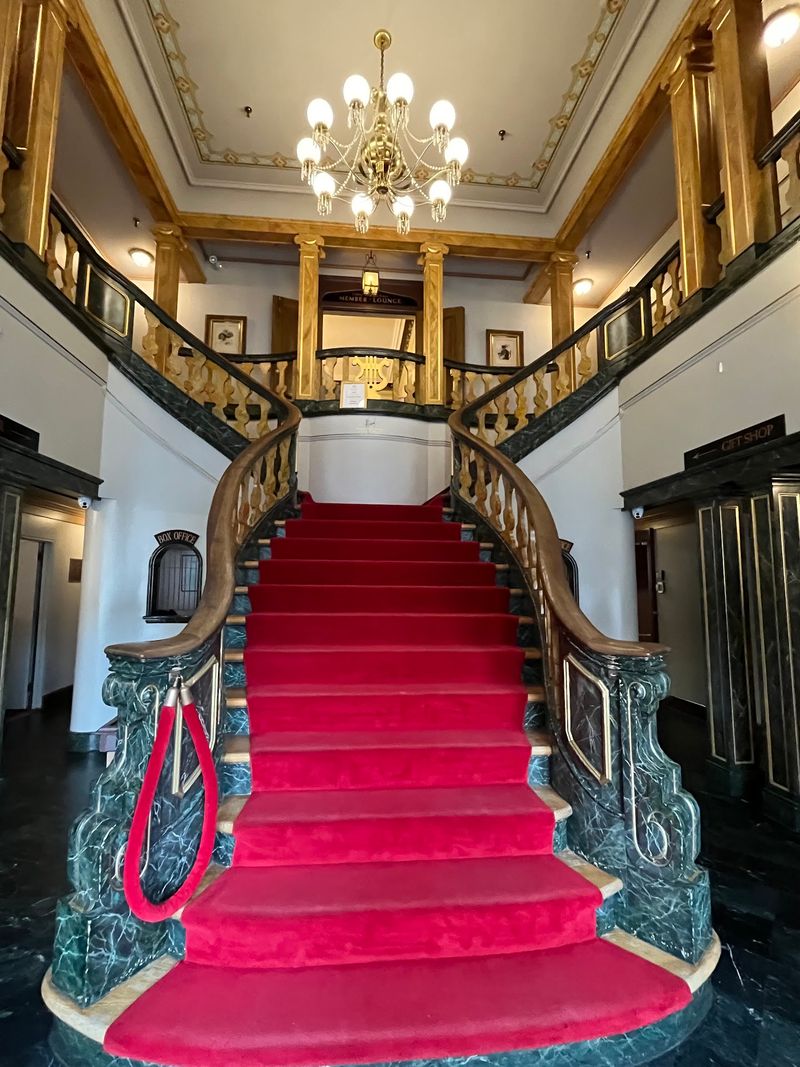
No ticket for a show? No problem.
The opera house offers guided tours, usually about an hour long, led by knowledgeable volunteers.
Tours cover the building’s history, from William Goodspeed’s steamboat days to the restoration that saved it. Guests learn how the theater became a launching pad for Broadway hits.
Depending on timing, a tour might even give a peek at crews setting up for the next production. Watching sets and lighting come together is a treat for anyone curious about how theater works.
Tours are a smart choice for history fans, architecture lovers, and families with kids who like to ask lots of questions. They also help first timers feel at home before booking a show.
Tour schedules can vary by season, so check the Goodspeed Musicals website before you go. Some days are busier than others.
Plenty of people take a tour and then plan a return trip for a performance. Consider it a sneak preview that often ends with a second ticket in hand.
Classes, Workshops, and Young Performers
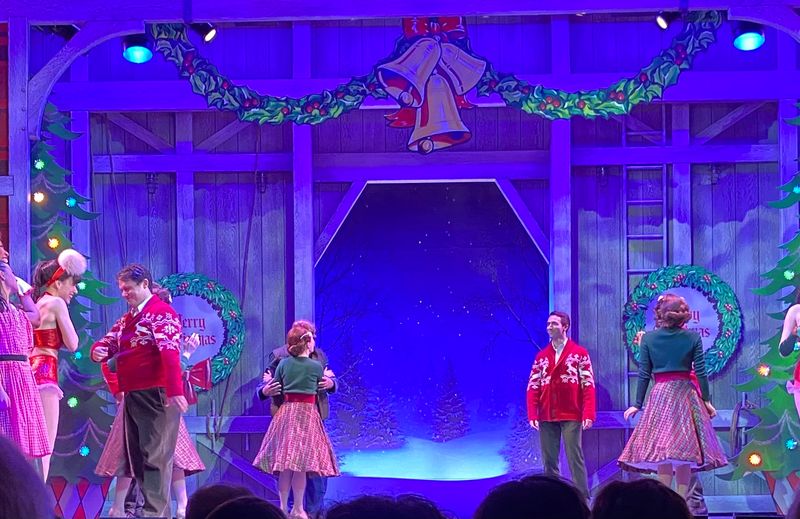
Learning happens on both sides of the curtain here. Goodspeed Musicals offers classes and educational programs connected to musical theater.
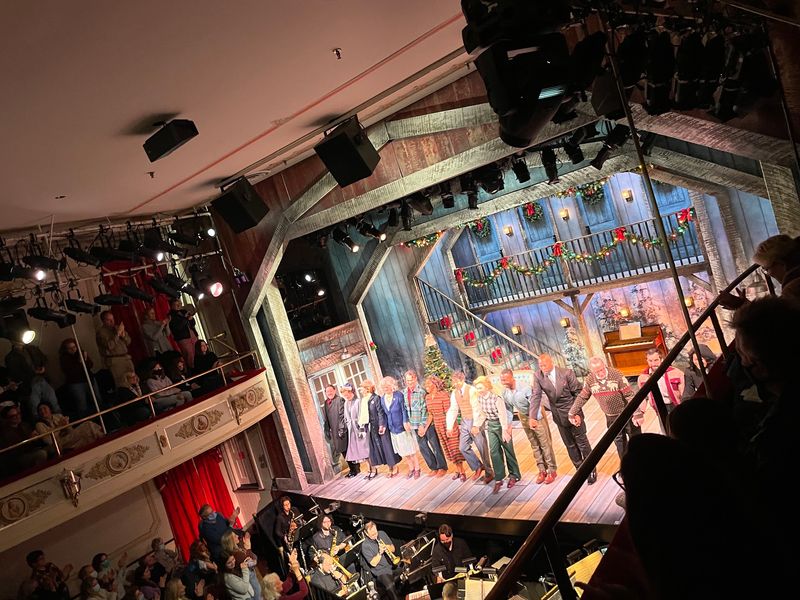
School groups can attend field trips that pair a performance with hands on workshops. Students have joined sessions in acting and tap dancing before watching a full production, such as White Christmas.
These programs give kids a real taste of how a musical is made. They see professional work up close and then try a few moves themselves.
The organization is also known for supporting new writers and composers. Developing fresh musicals is a core part of its mission, which helps explain why so many shows head to bigger stages.
Teachers looking for a memorable trip should reach out well in advance. Spots for school programs can fill up, especially around popular holiday shows.
For young people who dream of the stage, a visit here can spark big plans. Today’s workshop student might be tomorrow’s lead in the next show that travels from East Haddam to Broadway.
Holiday Shows and Year Round Planning
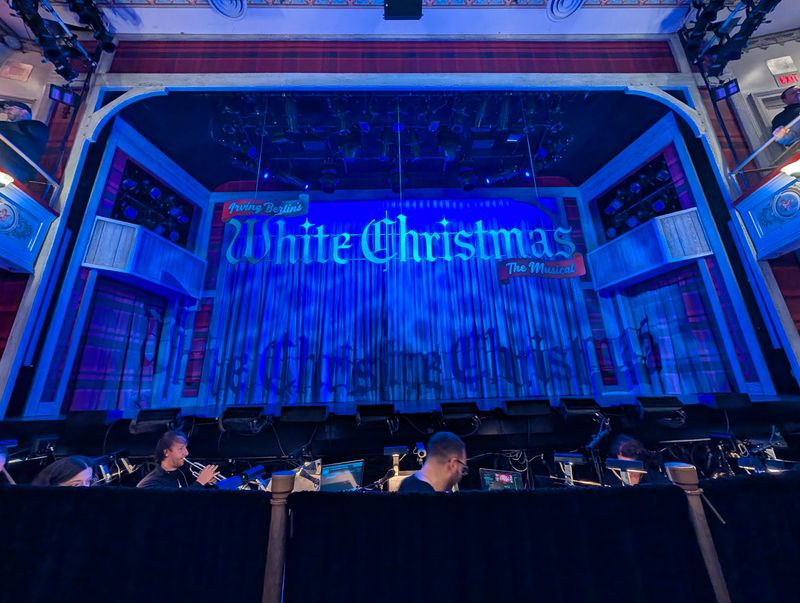
December brings a special kind of buzz to this riverside stage. Holiday musicals like White Christmas have drawn big crowds, and many families make them a yearly tradition.
Shows run through much of the year, with a season that mixes classics and new works. Checking the schedule early is the best way to grab good seats, since the small house fills quickly.
Ticket prices are often lower than big city theaters, which makes the opera house a strong value for quality musical theater. Memberships are available for regular theatergoers who want to see several shows.
East Haddam is a charming small town, so plan to make a half day of it. There are restaurants nearby, including spots right next to the theater, for a meal before or after the show.
From its 1876 roots to its 21 Broadway transfers, this opera house proves that great stories can begin anywhere. Pack your tickets, leave room in the schedule for that river view, and let the next standing ovation be yours.