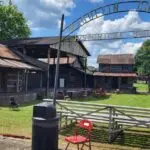
Deep in the hills of southern Kentucky, a whole coal town once bustled with families, a school, a church, and a busy mine. Then the mine closed, the people moved on, and the buildings disappeared.
Today, open metal frames stand where homes and shops used to be, and each one has a button you can press to hear former residents share their own stories. It is a history lesson your kids can walk through, sit inside, and actually listen to.
Keep reading to learn how to get there, what to see first, when to go, and why the ride out is worth every curvy mile.
Where the Road Ends and History Begins
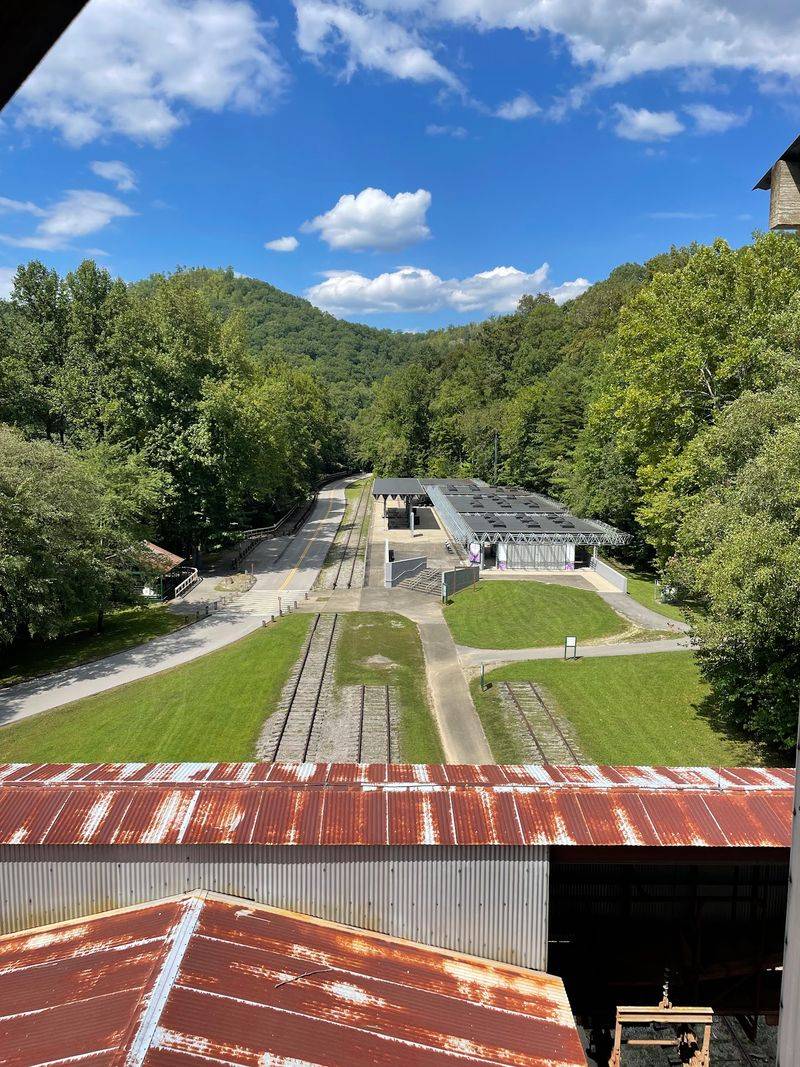
Some places hide at the end of long, winding roads, and this one is proud of it. The Blue Heron Mining Community sits on Blue Heron Rd, Stearns, KY 42647, in McCreary County, Kentucky, United States.
It belongs to the Big South Fork National River and Recreation Area, a large park run by the National Park Service. That means rangers, clean trails, and plenty of helpful signs are part of the deal.
The site is set deep in a river gorge, far from busy highways. The drive in has steep grades and sharp curves, so take it slow and give your brakes some love on the way down.
Here is a smart tip before you leave home. Cell service is close to zero once you get near the site, so download your maps ahead of time.
Print your directions or save them on your phone. A little planning keeps the trip about history instead of hunting for a signal in the woods.
A Mining Town With an Expiration Date
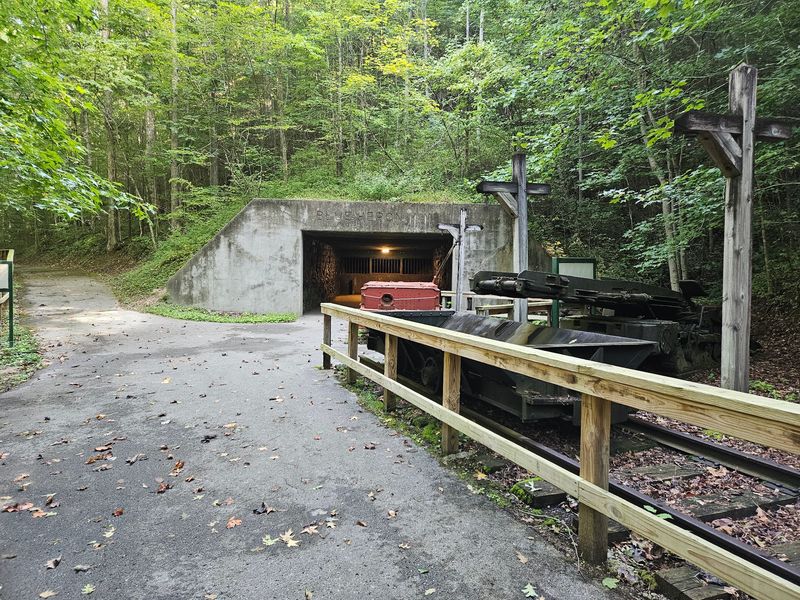
Coal built this town, and coal decided when it was over. The Stearns Coal and Lumber Company opened Mine 18 here in 1937, and a small community grew up around it.
Families lived in company houses close to the mine. Kids went to school nearby, and folks gathered at church and the company store.
Life moved to the schedule of the mine whistle. When work was steady, the town stayed busy.
When the coal ran thin and costs climbed, things changed fast.
The mine shut down in 1962. After that, people packed up and moved to find new jobs, and the buildings slowly vanished from the valley.
For years, the spot sat quiet in the woods. Later, the National Park Service brought the story back to life as an outdoor museum.
Knowing this timeline before you arrive makes every stop more meaningful. Kids will understand that they are not just looking at old stuff.
They are walking through real lives that once filled this valley.
Ghost Buildings That Talk Back
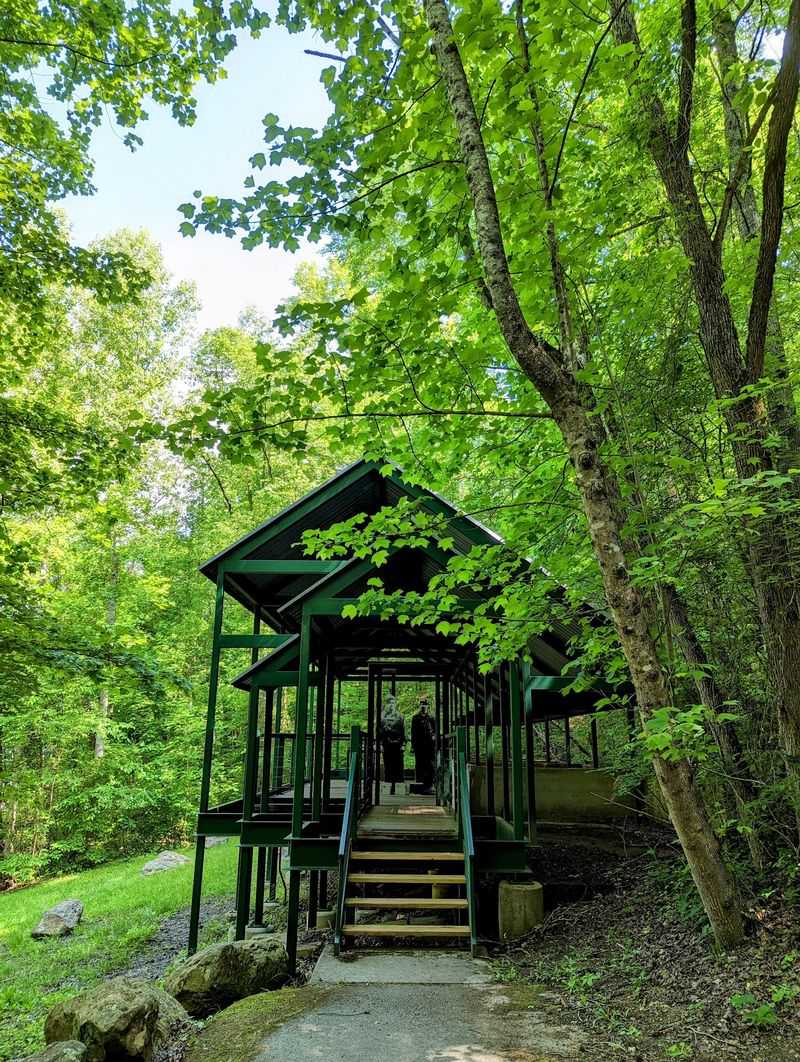
No walls, no roofs, and yet each building still has plenty to say. The original structures are gone, so the park built open metal frames in their place.
These are often called ghost structures. They show the size and shape of the homes, the school, the church, and other buildings that once stood here.
Each frame has a sign that explains what happened inside. Many also have a speaker with a button you can press.
That is where the magic happens. Press the button, take a seat on the bench, and listen to recordings of real people who lived and worked in the town.
They talk about school days, mine work, holidays, and everyday chores. Their accents and memories make the history feel personal.
Some audio buttons may not work on every visit, so be patient and try the next stop. Bring a little extra time here, because kids tend to want to press every single button in town.
Local Voices You Will Not Forget
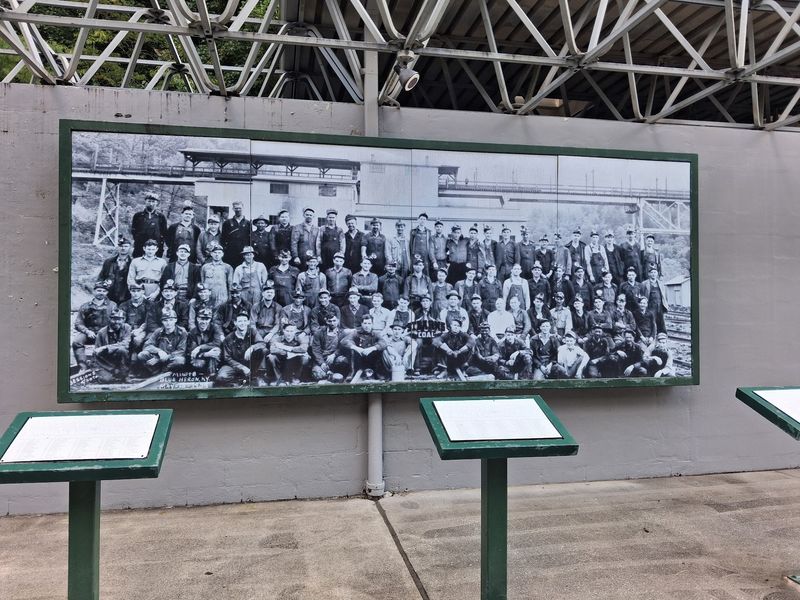
History books are great, but nothing beats hearing it straight from the folks who lived it. The recordings at Blue Heron feature former residents sharing their memories in their own words.
You might hear about the dangers of working underground. Another stop could cover what kids did for fun when there were no phones or video games.
The stories cover jobs, school, church, the company store, and family life. Together, they paint a full picture of a working town.
Here is a fun idea for families. Give each child a small notebook and ask them to write down one surprising fact from every stop.
At the end of the visit, compare notes. You may be amazed at how much they remember.
These voices also help kids connect with older generations. After the trip, many families find it is a great time to ask grandparents about their own childhood.
Blue Heron has a sneaky way of starting those conversations.
The Tipple Bridge Steals the Show
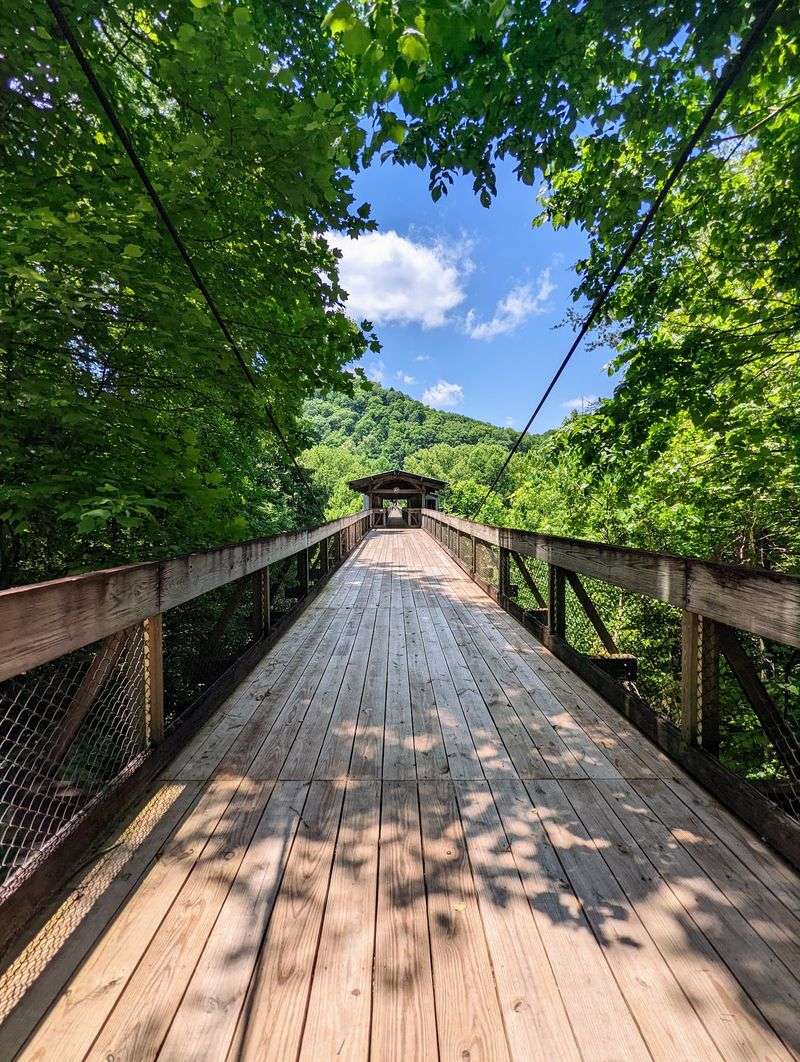
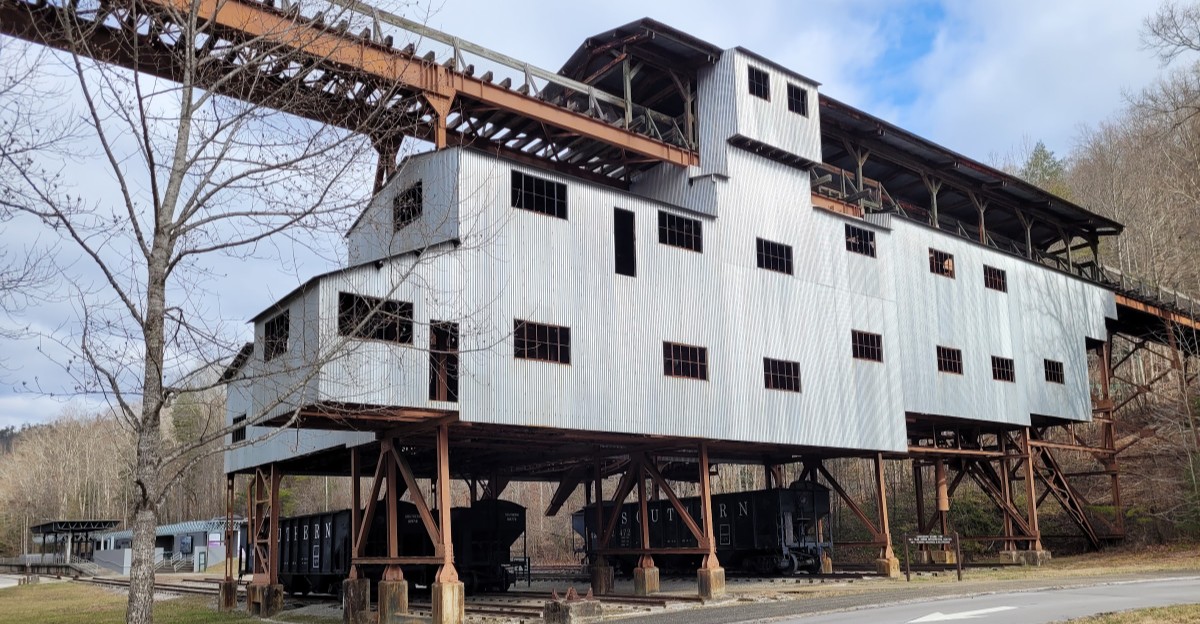
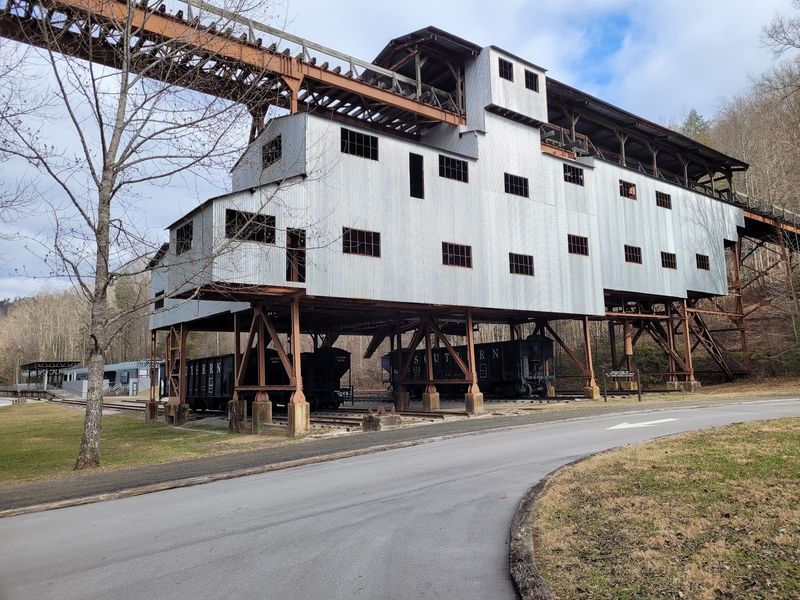
Ask families what they remember most, and the answer is often the bridge. The old coal tipple stands near the river, where coal was once sorted and loaded into rail cars.
Attached to it is a long bridge that stretches across the Big South Fork of the Cumberland River. When open, you can walk right across it.
The views of the river gorge from up there are fantastic. Fall colors make it an especially popular spot for photos.
A quick heads up for anyone uneasy about heights. The bridge sits high above the water, so some people may want to skip it.
The tipple bridge has also closed at times for structural repairs. Check the National Park Service website before your trip to see if it is open.
Bald eagles have been spotted in the trees nearby, so keep your eyes on the branches. Bringing a pair of binoculars might turn a nice view into a wildlife bonus.
All Aboard the Big South Fork Scenic Railway
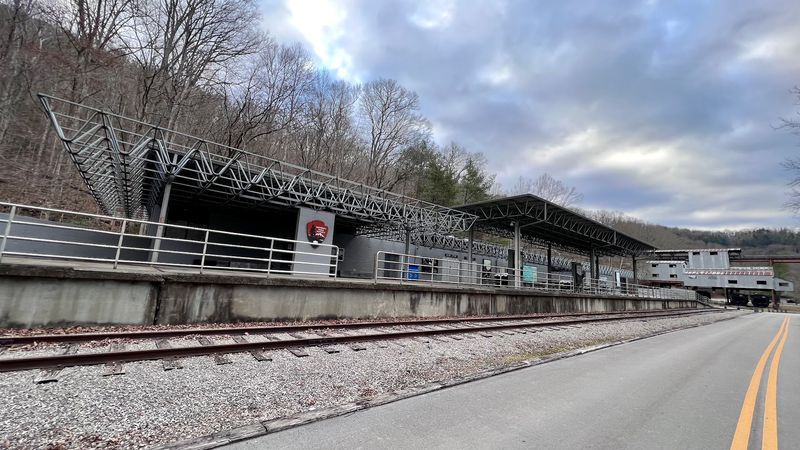
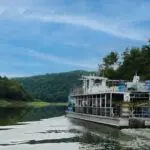
Driving works fine, but some families prefer to arrive the old fashioned way. The Big South Fork Scenic Railway runs trips from the town of Stearns down to Blue Heron.
The ride winds through the forest and follows the path that coal trains once used. It gives kids a sense of how the mining town connected to the outside world.
Trains stop at Blue Heron so riders can explore the site before heading back to the station. It makes for a full and memorable outing.
The train runs on a seasonal schedule, often several days a week during warmer months. Tickets for a family can add up, so check current prices and dates before you commit.
Remember that the train is optional. You can always drive to Blue Heron and explore on your own.
Train fans, though, will likely say the ride is half the fun. It turns a history stop into a true adventure on the rails.
Up the Hill to the Mine Entrance
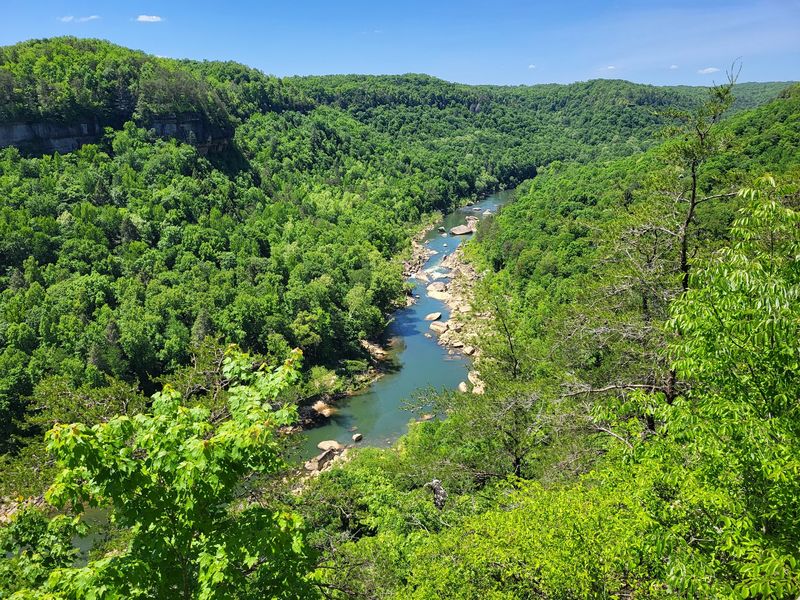
Strong legs help on this part of the tour. A paved path climbs uphill from the main area to the old mine entrance.
The walk is steep in spots, so take breaks if you need them. Little ones may ask for a piggyback ride, and grown ups may ask for one too.
At the top, you can see where miners once headed into the mountain each day. Signs explain how coal was dug out and moved down to the tipple.
The entrance is gated for safety, so no one goes inside. Still, standing there helps kids understand how hard and risky the job was.
Keep an eye on the ground as you walk. Small pieces of coal can sometimes be spotted along the way.
Please leave them in place, since this is a national park area. Snapping a photo of your find is a better souvenir, and it keeps the history right where it belongs for the next family.
Trails That Keep Going and Going
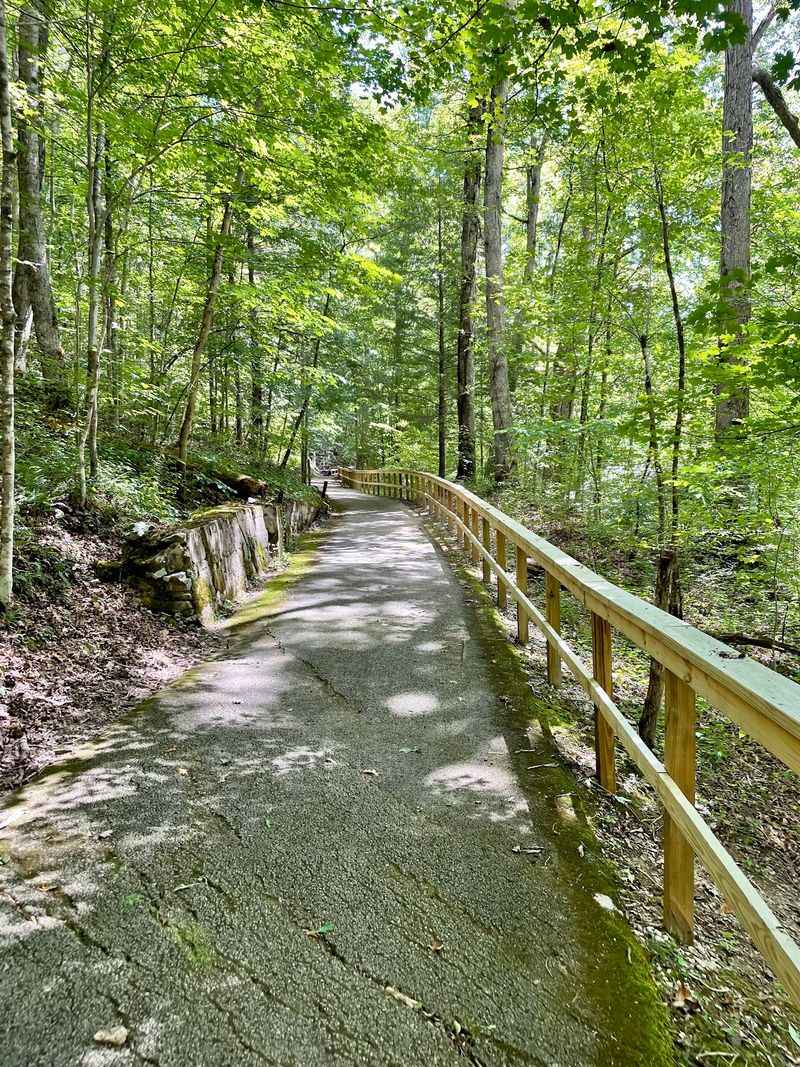
Hikers, lace up your boots. Blue Heron connects to the larger trail system of the Big South Fork National River and Recreation Area.
Some trails start right near the mining site, and others cross the river once you reach the far side of the bridge. Distances range from short strolls to long day hikes of several miles.
One nearby favorite is the Blue Heron Loop. It leads to scenic spots, including overlooks that show off the river gorge.
Devil’s Jump Overlook is another popular stop in the area. It offers a wide view of the river and the rapids below.
Bring plenty of water, snacks, and sturdy shoes. Since cell service is weak, grab a trail map from a ranger or print one before you go.
Families who love the outdoors may find that one visit is not enough. Many people come back again and again, slowly checking off every trail on the list.
Timing Your Trip Just Right
Quiet weekdays can feel like a private tour. Weekday mornings and early afternoons often bring very few people, so families can explore at their own pace.
The grounds are listed as open daily from 11 am to 4 pm. Since it is a park site, hours and services can shift with the seasons, so check the National Park Service page before you head out.
Fall is a favorite time thanks to the colorful leaves on the hills. Spring is also lovely and usually less crowded.
Plan to spend anywhere from one hour to about four hours here. A quick walk covers the ghost structures, while hikes and the bridge take longer.
Summer is when more amenities, like the concession stand and train, are running. That makes it a good pick for a full family day.
Whatever season you choose, leave time for the drive. The curvy roads are part of the journey, and nobody wants to rush past the closing hour.