
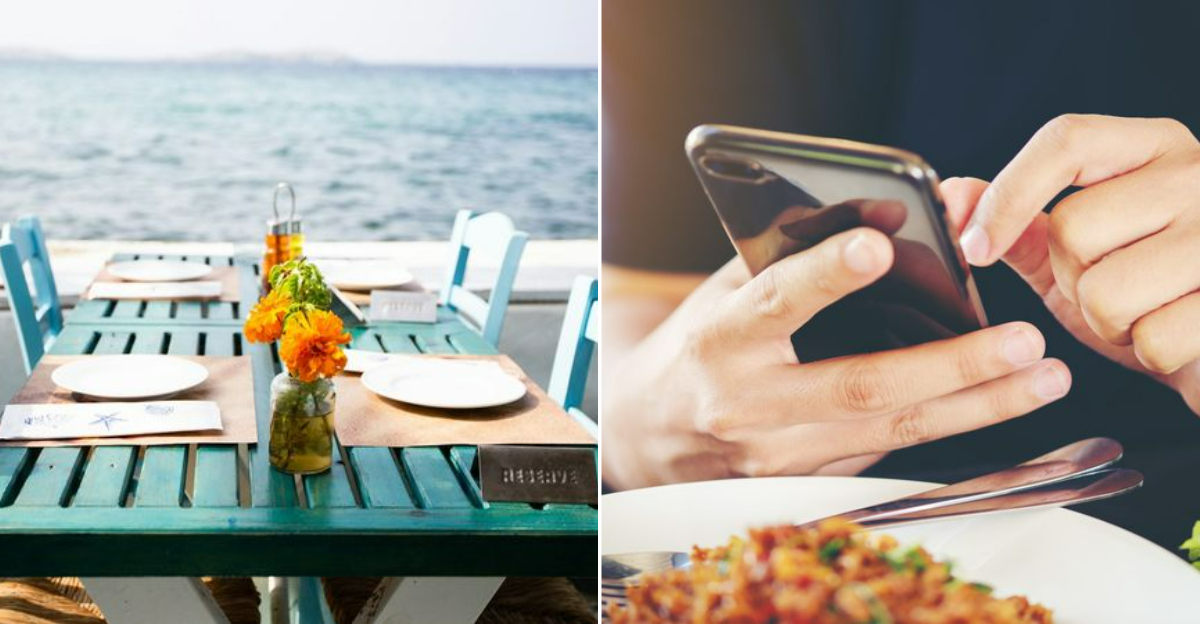
Ever wonder why Americans pause at the host stand or quietly make eye contact with servers instead of waving? These small habits shape the entire dining experience and keep meals smooth for everyone around you. Learn the unwritten rules that regulars follow without thinking, so you can feel confident and comfortable at any table. You will pick up practical tips you can use tonight, without feeling stuffy or formal.
Wait to be seated by the host
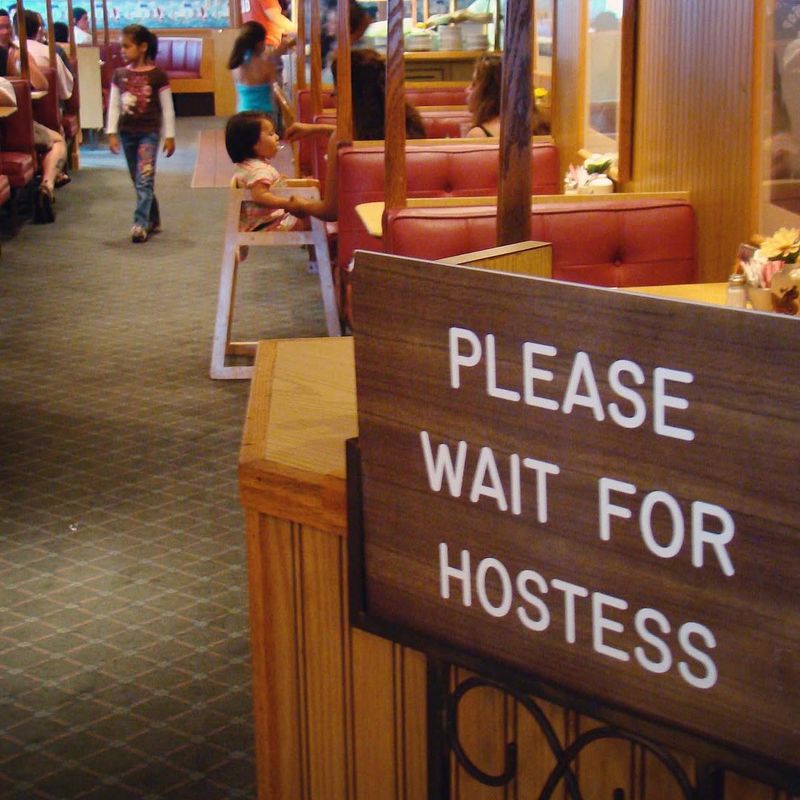
Pause at the host stand and wait to be seated. Hosts manage server sections, reservation timing, and traffic flow, so choosing your own table can throw the system off. You will usually see the host scan the floor and guide you to a spot that keeps the room balanced.
Arriving and wandering can feel chaotic to staff and other guests. A quick check in sets expectations about wait times or bar seating options. It helps everyone enjoy a smoother start, especially during busy dinner rushes.
Be on time for reservations or call if late
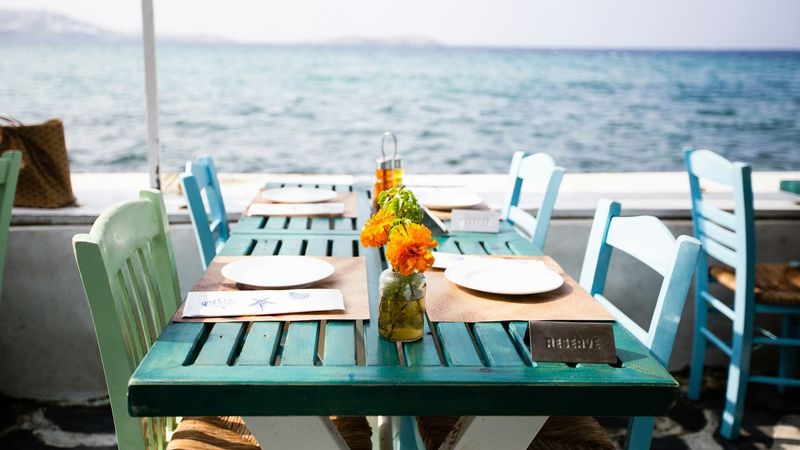
When you book a table, aim to arrive within about 10 to 15 minutes of the time. If you are running late, call ahead so the host can adjust the seating chart or hold your spot. It signals respect for the kitchen’s rhythm and for other diners.
Restaurants plan courses, staffing, and table turns around those time blocks. Showing up excessively late can mean your table goes to the next party. A quick phone call saves stress and often preserves goodwill.
Tip the server and know common ranges
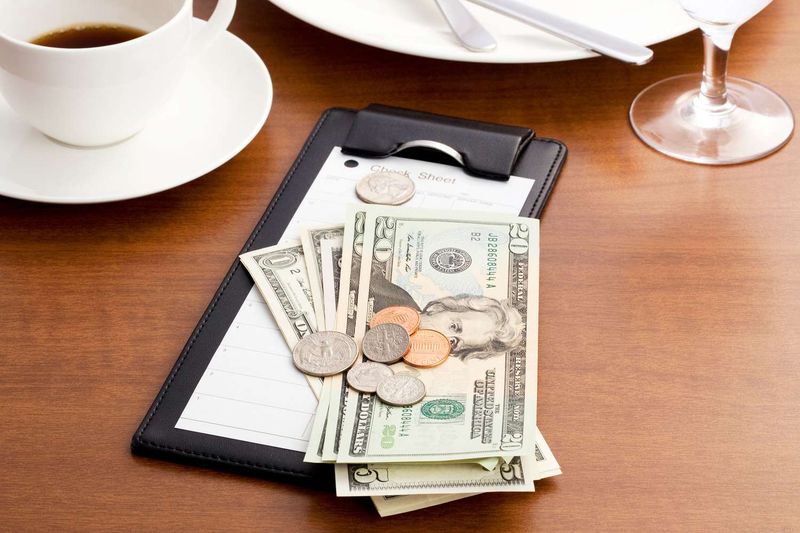
In the U.S., tipping is standard and expected for table service. Many people leave about 15 to 20 percent for typical service, and more if your server went above and beyond. That tip often represents a large portion of a server’s income.
Not sure how to calculate quickly? You can round up or use your phone’s calculator discreetly. If service truly missed the mark, speak up kindly first so the team can resolve the issue before you decide the tip.
Signal servers subtly without waving or shouting

To get a server’s attention, use brief eye contact or a small hand raise. Loud calling across the room breaks the peaceful tone and distracts other tables. Most servers are trained to scan the floor regularly and will catch those subtle signals.
If you need something urgent, wait for a nearby pass and speak softly. You will be helped faster than you think. Keeping interactions low key preserves the relaxed vibe of the space.
Keep phones courteous and step out for loud calls
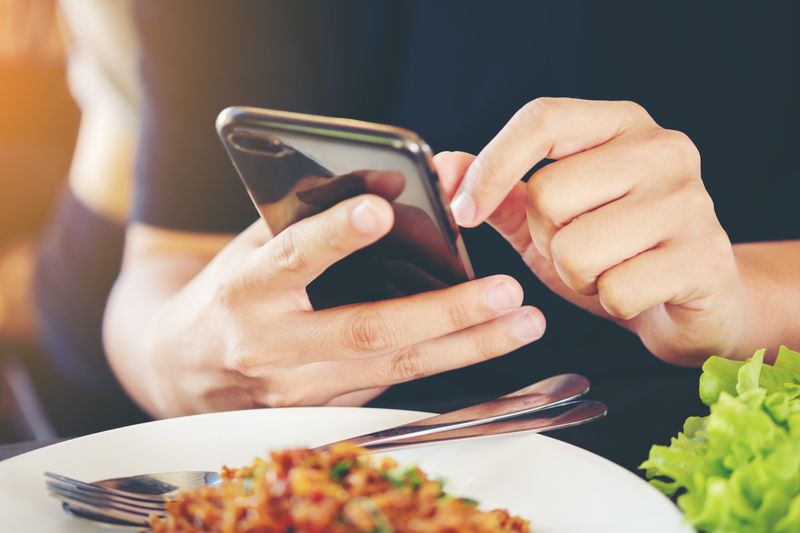
Set your phone to silent or vibrate so notifications do not puncture conversations. If a call comes in and you must take it, step outside for privacy and volume control. Short photos are fine, but long scrolling pulls you away from the shared moment.
Being present helps the meal feel special. You will notice details you would otherwise miss, from seasoning to service. Your tablemates and neighboring diners will appreciate the quiet.
Napkin on your lap and utensil basics
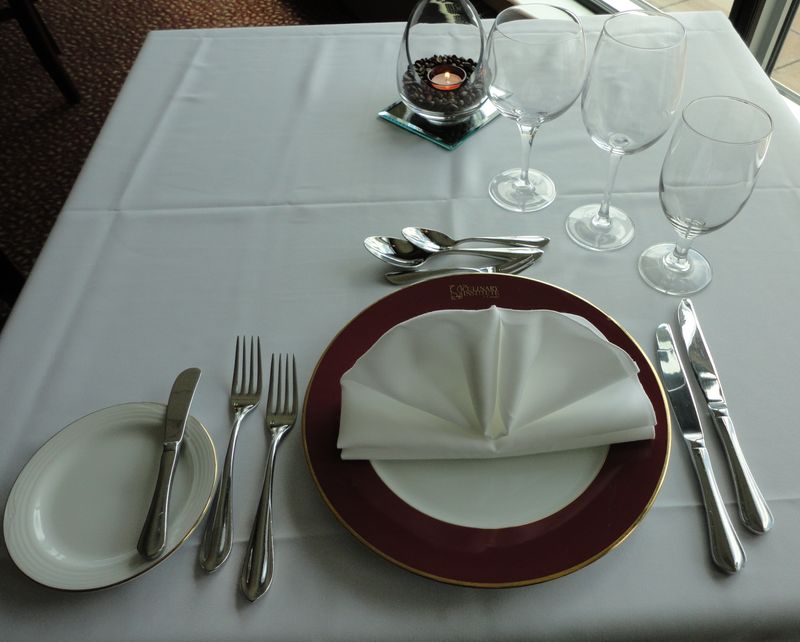
Put the napkin on your lap soon after you sit. Take small, tidy bites, and use the outside in rule for multi course settings. It keeps things clean and prevents awkward reaches or spills.
Unsure which fork to grab? Start from the outermost utensil and work inward with each course. You will look polished without trying too hard, and the table stays neat for everyone.
Pass dishes and condiments to the right
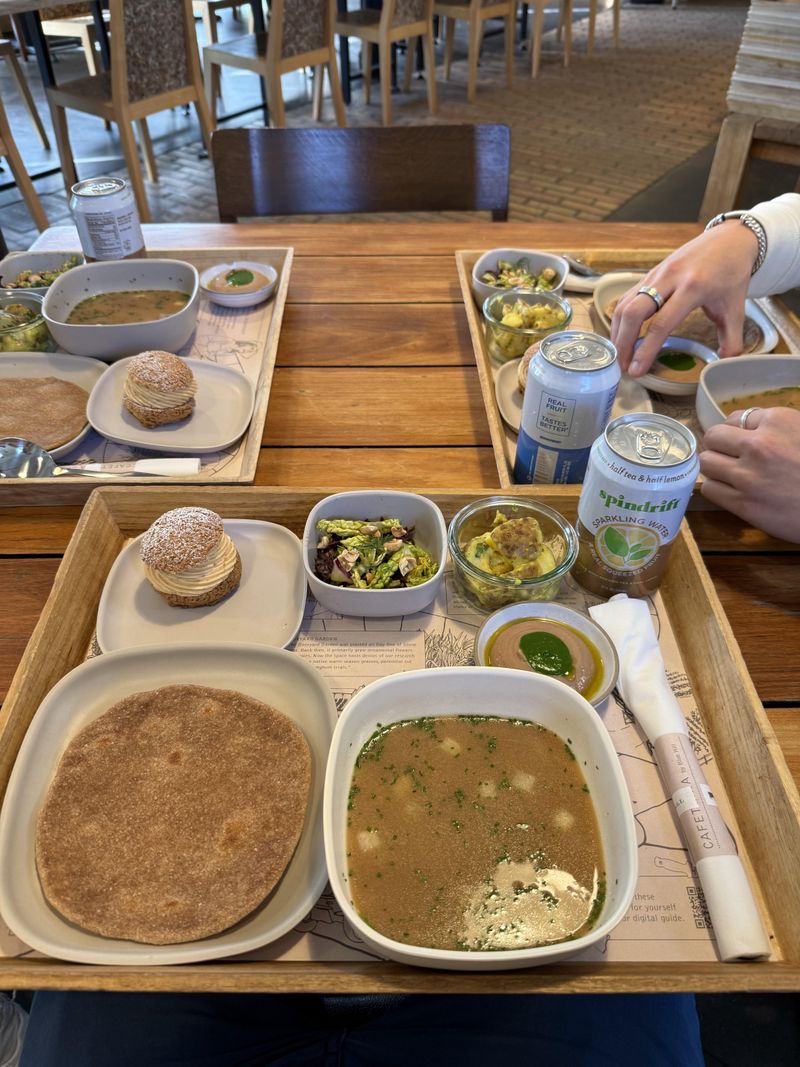
When sharing plates or condiments, pass them to the right so items move clockwise. That simple rhythm avoids crossed arms and mid air juggling. It feels natural once the first pass begins.
Keep the salt and pepper together so they do not get separated. You will speed up the table’s flow and reduce interruptions. Everyone eats sooner and with fewer spills.
Ask about split checks up front
If your group needs separate checks, mention it when ordering. Servers can track items by seat, which makes closing out easy. Last minute splits can delay your exit and create errors.
Clear plans also prevent awkward math at the end. You will spend less time sorting and more time enjoying dessert. It is a simple courtesy that saves stress for everyone.
Tell servers about allergies and major preferences early
Share allergies, serious dislikes, or key dietary needs when you order. Early clarity helps the kitchen route and prepare your dish safely. It also avoids last minute remakes that slow the table.
Be specific about ingredients and cross contact concerns. You will get better recommendations and safer options. Staff appreciate the heads up because it keeps the whole meal on track.
Order with the kitchen’s pace in mind
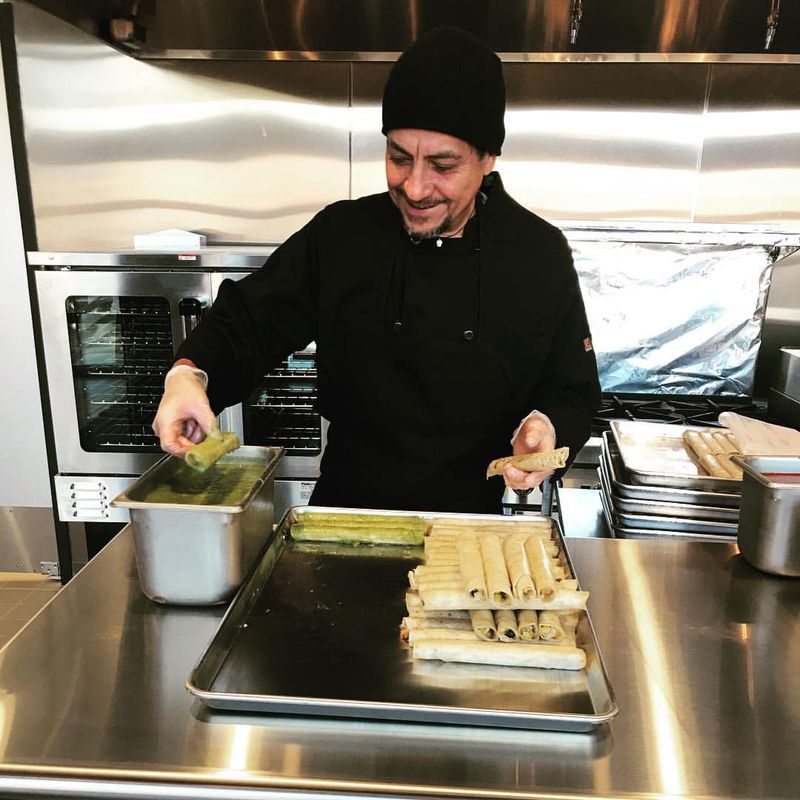
For large groups or tiny kitchens, avoid complex, all at once custom orders. Stagger appetizers or keep modifications modest so plates land together. It helps the team cook efficiently and keeps your table synchronized.
Ask your server about pacing if you are unsure. You will often get smarter timing and hotter food. A little flexibility goes a long way during rush hours.
Handle problems calmly and privately
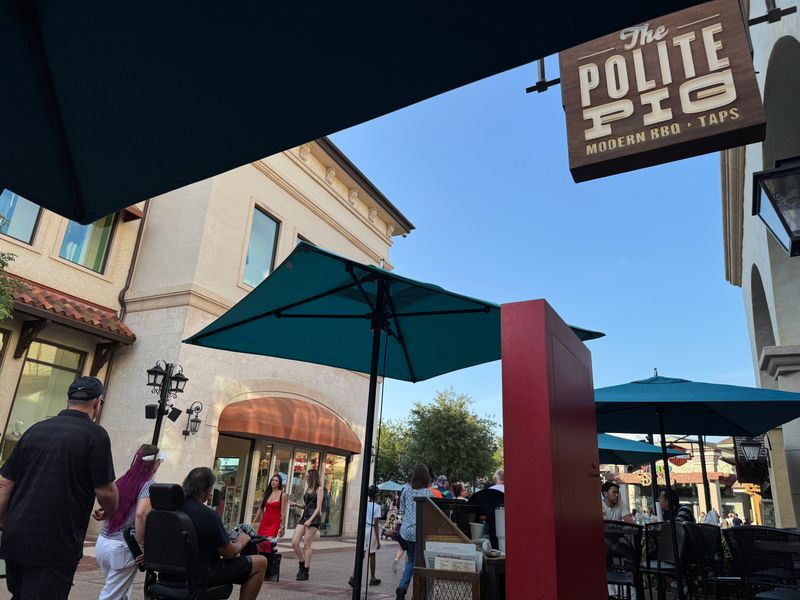
If a dish arrives undercooked or not as ordered, mention it gently to your server. Give them a chance to fix it before frustration builds. Most teams want you happy and will adjust promptly.
Public confrontations rarely speed solutions. Keep the tone calm and collaborative, and you will usually get fair remedies. The room stays peaceful and your experience improves.
Be mindful of noise and other diners
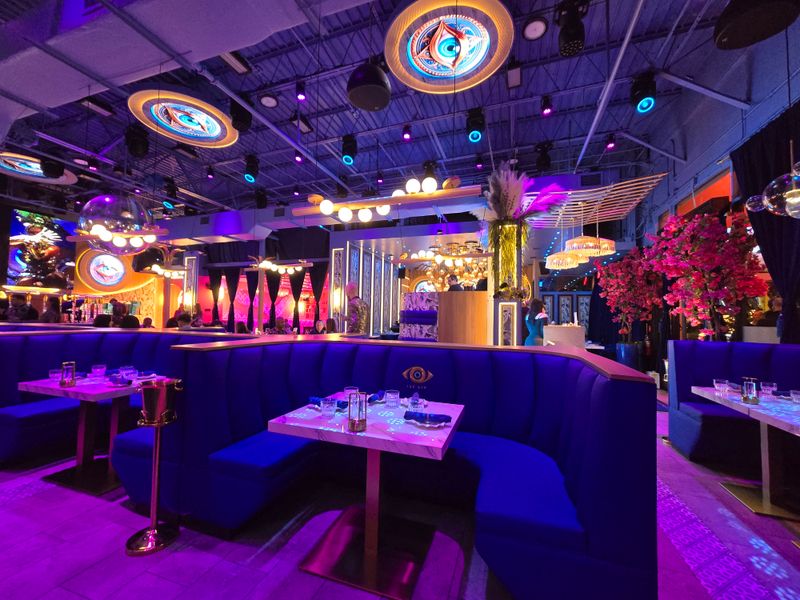
In close quarters, lower your voice a notch and avoid long, booming stories. Sound carries, and neighboring tables may be celebrating or relaxing quietly. A measured volume makes the whole room feel more welcoming.
Pay attention to background music and mirror the tone. You will blend into the space and keep conversations pleasant. It is a courtesy that makes dinner more enjoyable for everyone.
Tip for takeout and short counter service when appropriate
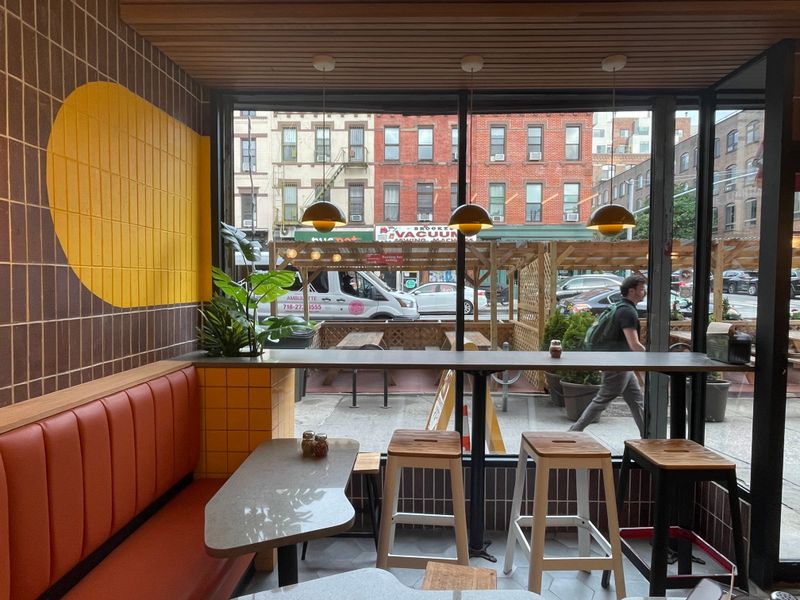
For takeout or quick counter pickups, a small tip is increasingly common. Staff often pack special requests, add sauces, and carry heavy bags. A modest thank you acknowledges the extra effort without matching dine in levels.
If service was minimal, choose an amount that fits the situation. You will still show appreciation while staying practical. The gesture helps teams who move fast behind the scenes.