
Long-haul flights can feel like a test of endurance—especially when travelers make them harder than they need to be. From overpacking to ignoring seat choices, small missteps snowball into discomfort, cramped knees, and endless hours of frustration. Choosing the wrong snacks, skipping hydration, or underestimating jet lag can turn what should be a smooth journey into a battle against your own body.
The good news? Once you know the traps, you can reclaim control, stretch comfortably, and actually enjoy the flight. These twelve common errors are easy to dodge—and avoiding them could transform your next long-haul adventure into something far more pleasant.
Overpacking Luggage
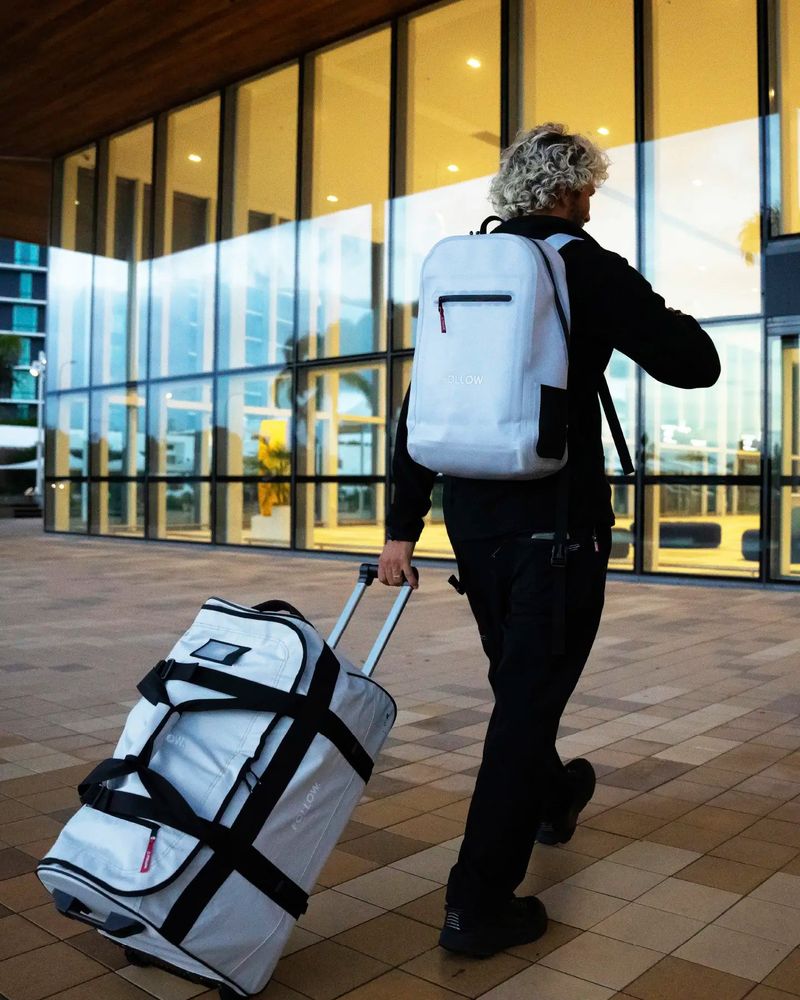
Imagine hauling a suitcase so heavy it feels like you’re carrying an anvil. Overpacking is a common mistake that can exhaust you before the journey even begins.
Reducing the load not only spares your back but also saves on potential baggage fees. Packing smarter, with versatile clothing and essentials, allows for a lighter, more manageable experience.
Remember, most airlines have strict weight limits, and exceeding them can lead to costly surprises. Think of packing as an art, where less is more.
Ignoring Hydration

Flying high and dry can be a real issue, especially if you neglect hydration. The cabin’s low humidity can leave you feeling parched.
Sipping on water throughout the flight helps maintain your body’s balance, combating fatigue and discomfort. Consider carrying an empty water bottle to fill after security checks.
While beverages are often served, they may not be frequent enough to keep up with your needs. Staying hydrated is a small step towards a more pleasant flight.
Skipping Onboard Stretching
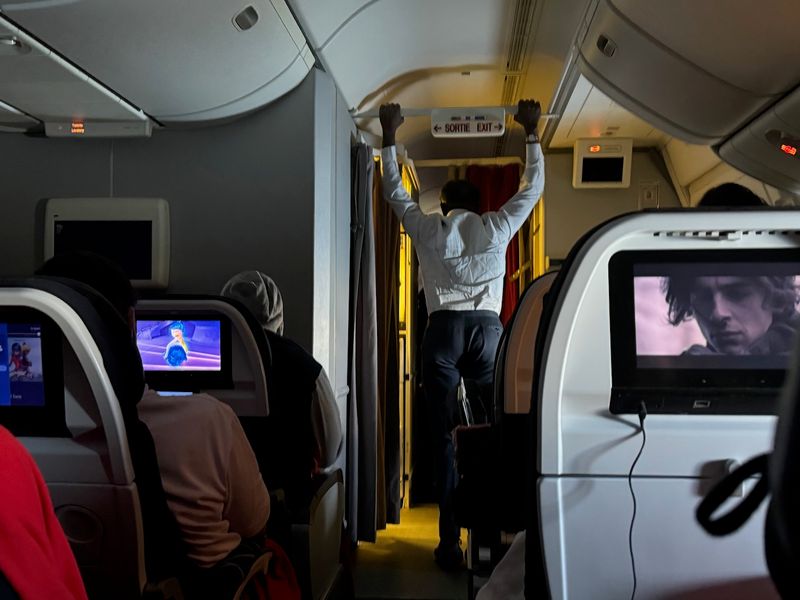
Feeling stiff and cramped? Skipping stretches can lead to discomfort during long flights.
Simple exercises, like stretching your legs and walking the aisle, can improve circulation and reduce the risk of deep vein thrombosis.
It’s easy to feel self-conscious, but most travelers understand the need to move. Incorporating stretches into your flight routine is a proactive way to stay comfortable and healthy.
Sleeping at the Wrong Time
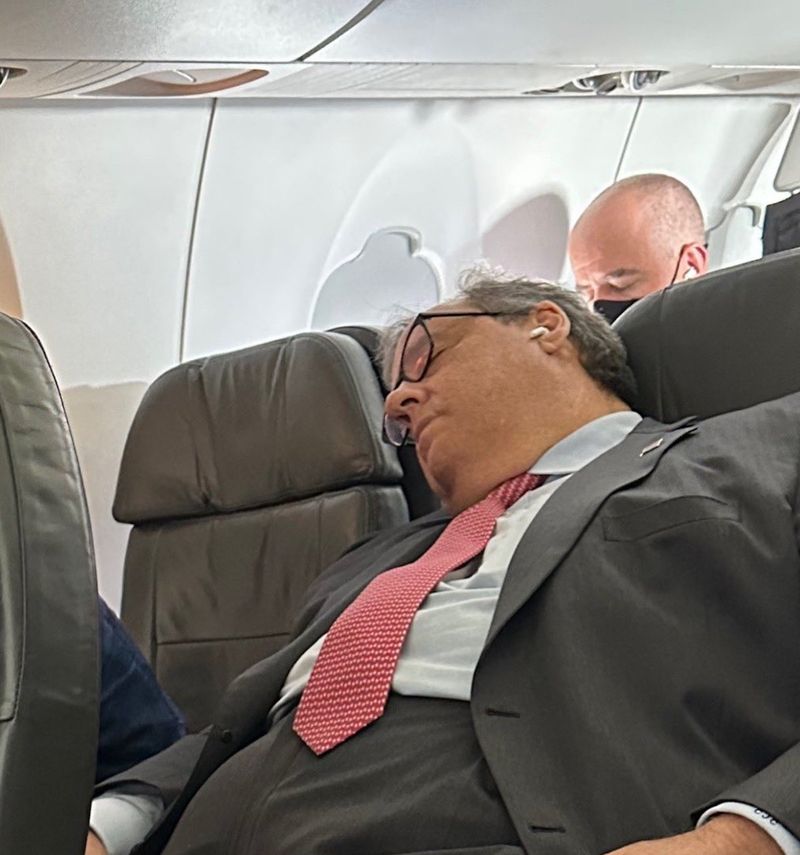
Are you wide awake when you should be asleep? Timing your sleep during a flight is crucial for adjusting to new time zones.
Sleeping at the wrong time can lead to jet lag, making your arrival less enjoyable. Utilize eye masks and headphones to create a restful environment.
Adjusting your sleep schedule to match your destination helps ease the transition. Resting effectively ensures you arrive refreshed and ready to explore.
Choosing the Wrong Seat
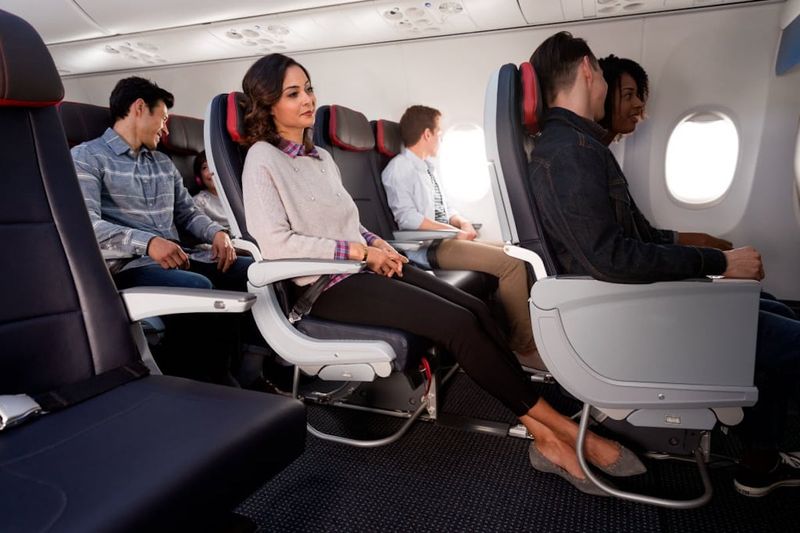
The middle seat blues are real, and choosing the wrong seat can make a long flight feel even longer.
Researching seating options in advance allows you to select a position that suits your needs, whether it’s extra legroom or a window view.
Many airlines offer seat selection at booking, helping you avoid unwanted surprises. Comfort starts with the right seat choice, setting the tone for the entire flight.
Ignoring Entertainment Options
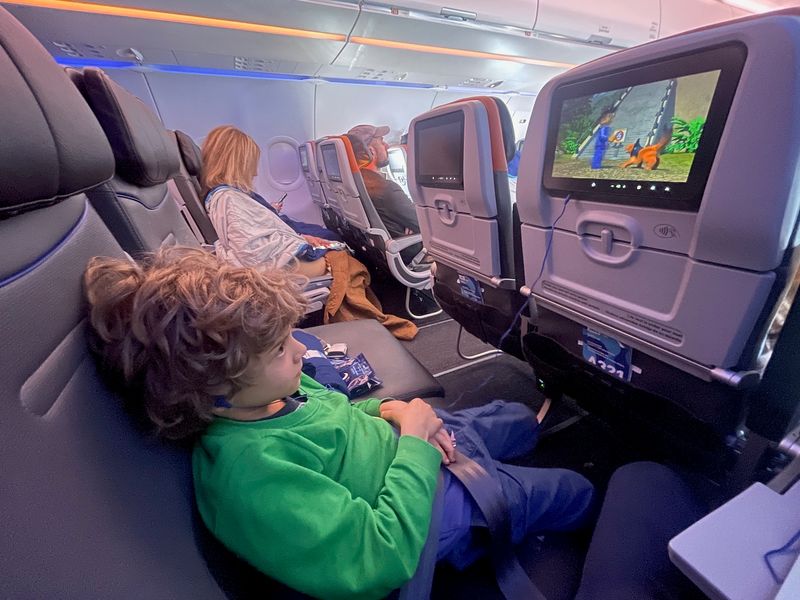
Long flights can be monotonous if you neglect the entertainment options available.
Many airlines offer a variety of movies, music, and games; reviewing these in advance can enhance your journey.
Bringing personal entertainment, like a book or tablet, ensures you have something to enjoy if onboard selections don’t appeal. Keeping occupied helps the hours fly by more swiftly.
Eating Heavy Meals
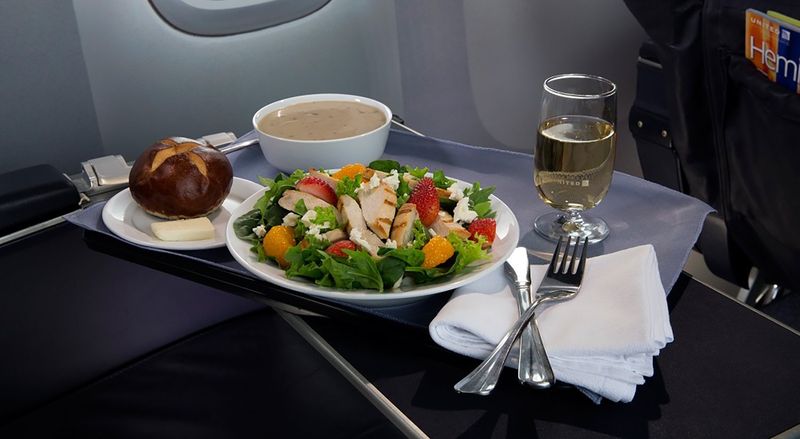
Ever felt sluggish after a meal? Consuming heavy foods before or during a flight can lead to discomfort in the pressurized cabin.
Opt for lighter meals and snacks that are easy to digest. Fresh fruits, salads, and lean proteins are excellent choices.
A balanced approach to eating ensures that you feel well throughout the journey, avoiding issues like bloating or indigestion.
Not Dressing Comfortably
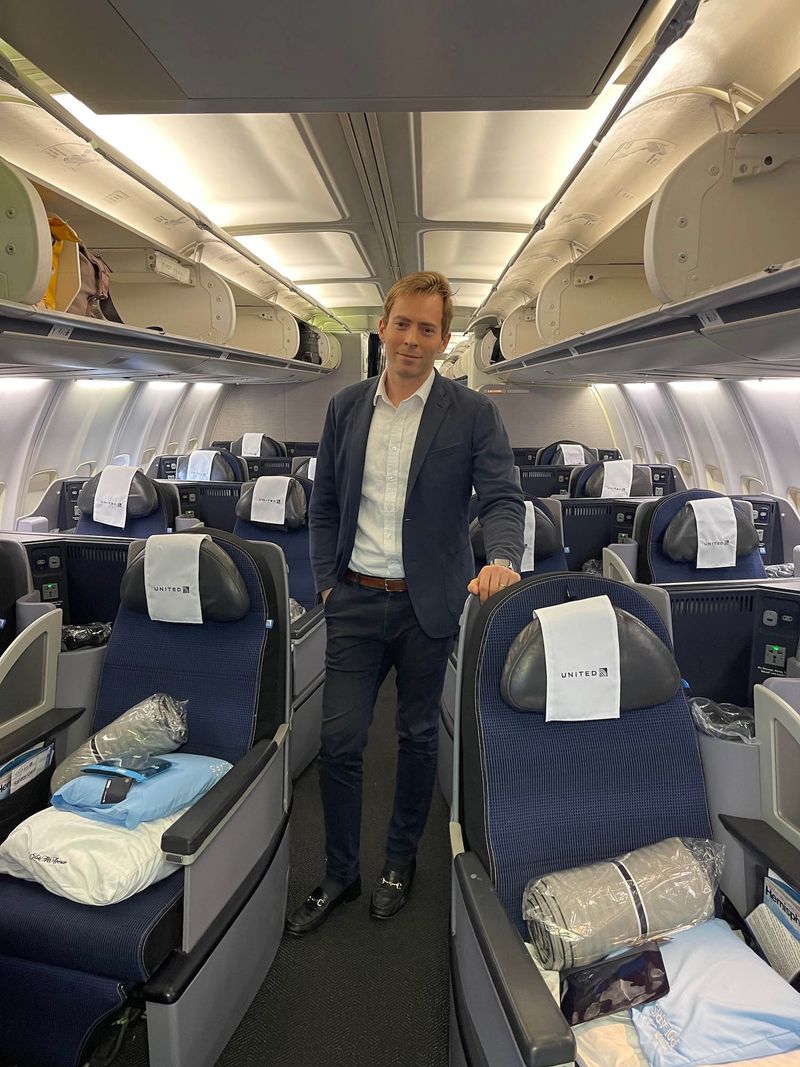
Uncomfortable clothing can turn a flight into a struggle rather than a smooth journey. Opting for loose, breathable fabrics ensures comfort in the cabin.
Layering allows you to adjust to changing temperatures and stay cozy throughout the flight. Footwear is also key; consider slip-on shoes for ease.
A little planning with your attire can make a significant difference in how you feel upon arrival.
Forgetting Earplugs or Headphones
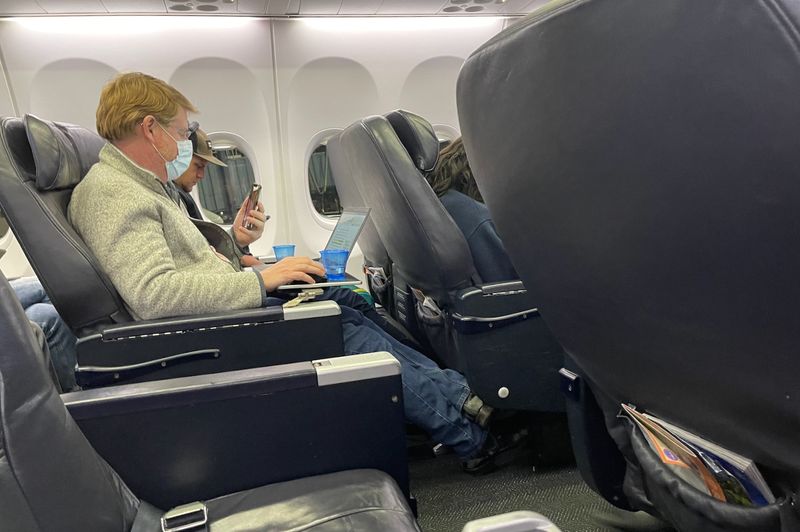
The roar of engines and chatter of passengers can be overwhelming. Forgetting earplugs or headphones results in a noisy and restless flight.
Investing in quality noise-canceling headphones can transform your travel experience, offering peace and quiet.
Earplugs are a compact alternative, easily stored in carry-on bags. Ensuring your auditory comfort is essential for a serene journey.
Failing to Adjust Time Zones
Time zones can be tricky, and failing to adjust can lead to confusion and fatigue. Setting your watch to your destination’s time upon boarding helps mentally prepare for the change.
Gradually adjusting sleep and meal times before traveling can also ease the transition.
Being proactive about time management ensures a smoother adaptation, minimizing the effects of jet lag upon arrival.
Ignoring Health Precautions
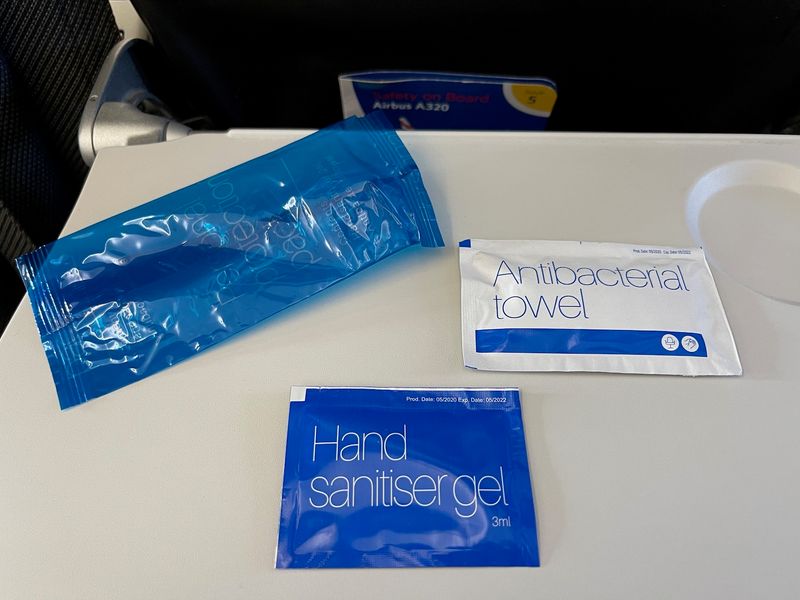
Health shouldn’t take a backseat during travel. Ignoring precautions can lead to catching unwanted bugs.
Using hand sanitizer, wearing masks, and staying hydrated are vital practices.
Being mindful of hygiene in crowded spaces helps protect you and those around you. Prioritizing health is a small effort for a more secure journey.
Avoiding Pre-Flight Research
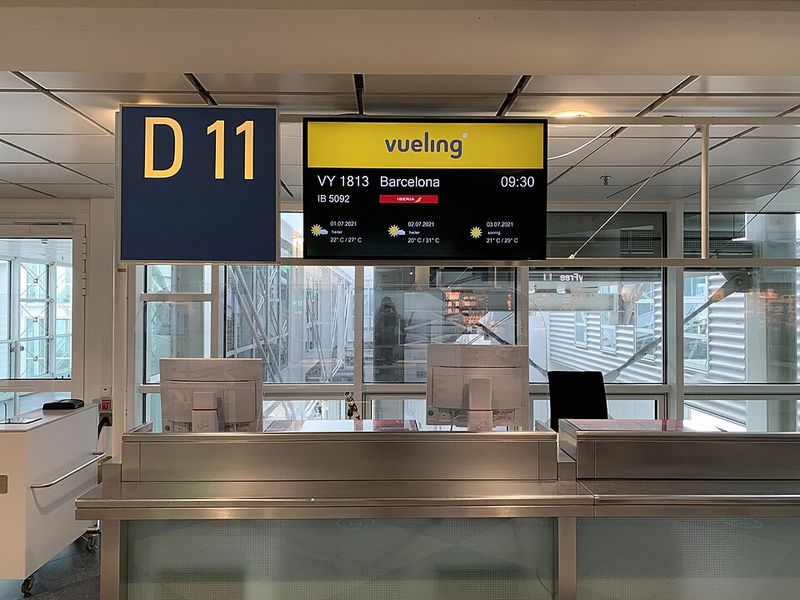
Rushing to the airport without a plan can be stressful. Avoiding pre-flight research leaves you unprepared for potential changes.
Checking flight status, gate information, and airline policies in advance saves time and stress.
A little preparation goes a long way, ensuring you arrive at the airport confident and ready for the journey ahead.